
Reviewed · MACHU PICCHU TOURS
Private 4 Day Inca Trail Trek Tour to Machu Picchu
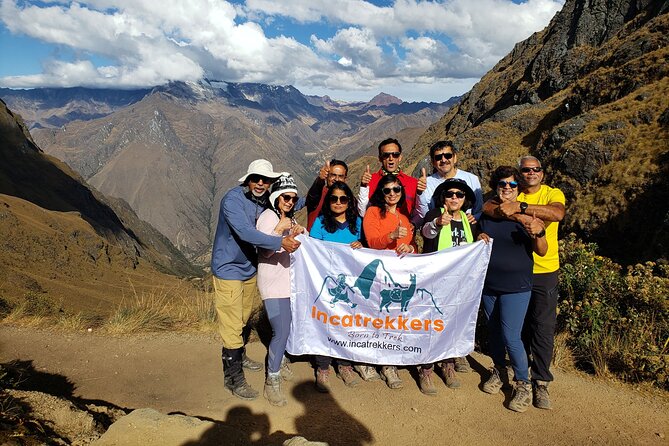
The Inca Trail rewards steady hikers. This private four-day trek combines major Inca sites, high mountain passes, cloud forest, camping, and a guided visit to Machu Picchu. I especially like the local Peruvian team, including guides such as Juvenal, Cesar, Juve, and Frank, and the care given to meals, pacing, and camp comfort.
I also like that your group can move at its own speed instead of being tied to strangers. The main caution is simple: this is a serious high-altitude hike, not a gentle sightseeing tour. You should have moderate fitness, accept basic camping, and prepare for long days that reach 4,215 meters.
In This Review
- Key points to know before booking
- Why this private trek is different
- Day 1: From kilometer 82 to Wayllabamba
- Day 2: The hard climb to 4,215 meters
- Day 3: Inca ruins, cloud forest, and the longest day
- Day 4: The Sun Gate and Machu Picchu
- Camping, food, and porter support
- Guides, pacing, and the local connection
- What $1,250 includes, and what it does not
- Who should book this Inca Trail tour?
- Should you book it?
- FAQ
- How long is the private Inca Trail tour?
- What time does the tour start?
- Is the Inca Trail entrance fee included?
- How much luggage can a personal porter carry?
- Are meals and drinking water included?
- Does the tour include transport back to Cusco?
Key points to know before booking
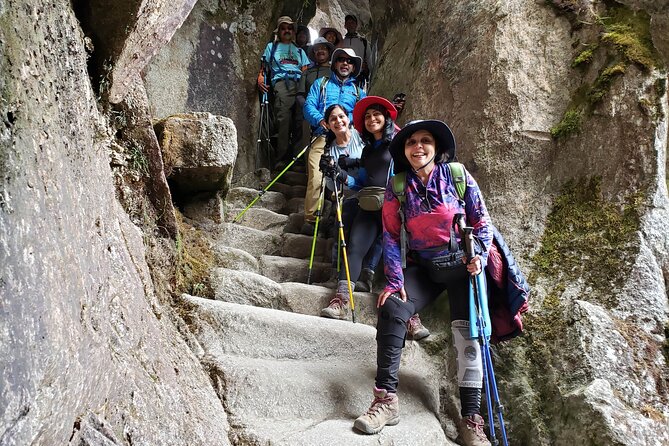
- The highest point is 4,215 meters: Day 2 reaches Abra de Warmihuñusca, the famous Dead Woman’s Pass.
- Your group stays private: Only your party participates, making it easier to stop for photos or take extra breaks.
- Porters carry up to 6 kilograms of your belongings: You receive a duffel bag and an inflatable sleeping pad.
- Food is a major strength: Breakfast, lunch, dinner, snacks, warm water, and drinking water are included.
- The final approach uses the Sun Gate: You walk from Wiñay Wayna to Inti Punku before descending toward Machu Picchu.
- The $1,250 price covers the main essentials: Permits, camping equipment, meals, porters, buses, trains, and transport to and from Cusco are included.
Why this private trek is different
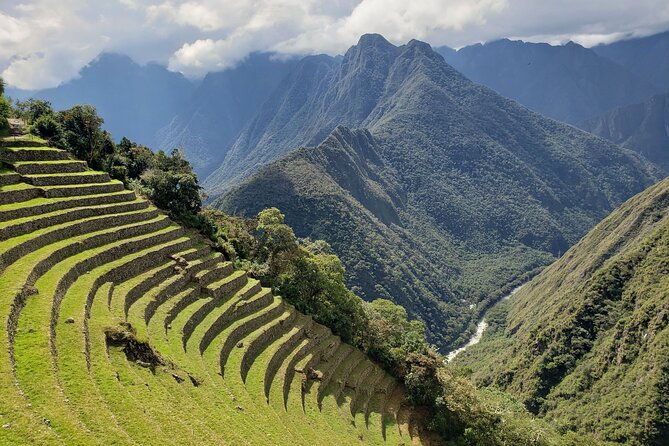
The Classic Inca Trail is not simply a path to Machu Picchu. It is a four-day route through old settlements, stone stairways, mountain passes, cloud forest, tunnels, and ceremonial sites. The destination matters, but much of the pleasure comes before you reach the famous citadel.
A private departure changes the feel of the walk. You can stop when someone needs a rest, spend longer watching birds, or pause at an Inca site without worrying about a large mixed group. That flexibility mattered to families on previous departures, including groups with hikers ranging in age from 14 to 71.
The guiding team is another strong point. Juvenal and Cesar are praised for combining practical encouragement with explanations of Inca culture, local plants, and birds. Juve is especially interested in flora and fauna, while Frank has been praised for reading the pace of a mixed-ability group and giving useful advice about clothing and timing.
This is also a locally operated experience. The company is run by native Peruvians, and the guides, porters, and cooks come from local communities. That gives the trip a more direct connection to the place you are walking through.
More Machu Picchu trips:
- Classic Inca Trail Trek 4D/3N to Machu Picchu (Group Service)
★ 5.0 · 8,653 reviews - Machu Picchu: 4-Day Inca Trail Trek with Panoramic Train Ride
★ 5.0 · 4,568 reviews - Short Inca Trail to Machu Picchu 2D/1N
★ 5.0 · 3,007 reviews
Day 1: From kilometer 82 to Wayllabamba
The first morning begins at 5 a.m. from Cusco. The early start is practical rather than glamorous, but it gives you time to reach the trailhead at kilometer 82 and begin walking before the day gets too hot.
The approach passes through the Sacred Valley, with views and stops around Chinchero, Urubamba, and Ollantaytambo. These places help set the scene for the trek. You are not just heading toward a famous ruin. You are moving through an area that was central to Inca agriculture, travel, and settlement.
At kilometer 82, the route crosses the Urubamba River. From there, the trail passes Wilka Rakay and gives you views toward Patallapta and the Kusichaca Valley. Patallapta is one of the first major Inca sites along the route, and its terraces make a strong introduction to the engineering you will see throughout the trek.
The walk toward the Kusichaca River is described as a straightforward descent. After that, you continue toward Wayllabamba, where you spend the first night. The total walking time is about six hours.
Day 1 is often the most manageable day physically, but do not treat it as a free warm-up. You have already been awake early, driven from Cusco, and started walking at altitude. Keep your pack light, drink regularly, and avoid racing ahead simply because the trail feels easy at first.
Day 2: The hard climb to 4,215 meters
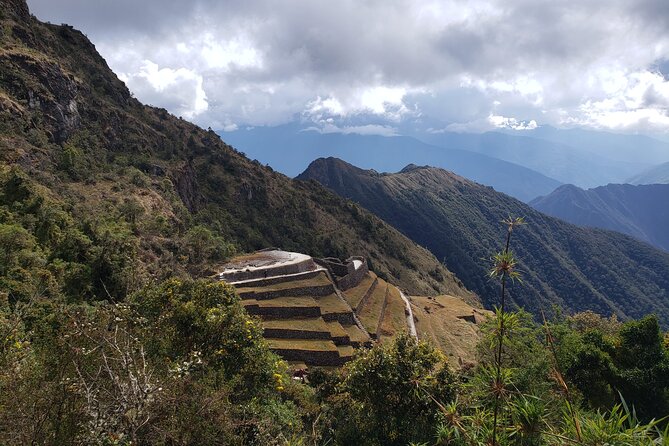
Day 2 is the physical test. After breakfast, you begin climbing toward Tres Piedras, or The Three Stones, then continue into cloud forest. The ascent is steady and demanding, especially as the air gets thinner.
The trail reaches Llulluchapampa at 3,800 meters. This is a useful place for a break before the final push to Abra de Warmihuñusca at 4,215 meters. The pass is the highest point of the trek and the moment many hikers measure the trip against.
The achievement here comes from pacing rather than speed. A private guide can give you more time to breathe, rest, and keep moving without turning the climb into a race. This is one reason the private format makes sense for families or groups with different fitness levels.
Once you reach the pass, the route descends to Pacaymayo, where you spend the night. The descent gives your lungs some relief, but it can be hard on knees and legs after the climb. Trekking poles would be useful, but they are not listed among the inclusions, so you should confirm equipment details before departure.
This day takes about six hours, though the effort can feel greater than the time suggests. High altitude is the issue, not just mileage. The tour requires moderate physical fitness, and you should take that wording seriously.
Day 3: Inca ruins, cloud forest, and the longest day
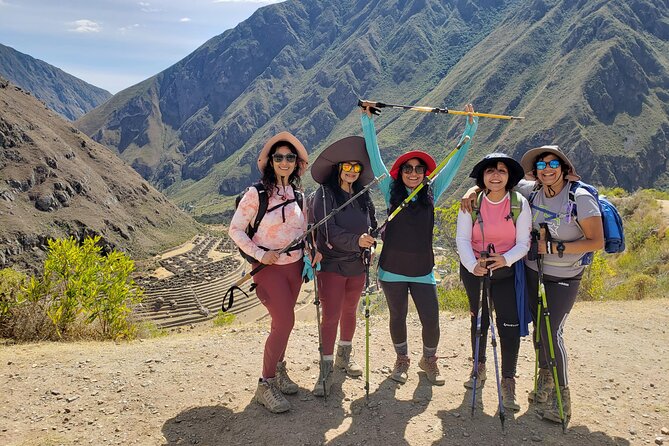
Day 3 is the longest walking day, at about eight hours. It begins in the Pacaymayu Valley and climbs to the second pass, Abra Runkurakay, at 3,950 meters.
From the pass, the trail descends through cloud forest. This is where the trek becomes especially rewarding for anyone who enjoys nature. Orchids, mosses, ferns, and native flowers line the route, and the changing vegetation gives you plenty to notice beyond the stonework.
The route also includes the Inca site of Conchamarka. After lunch at Chaquicocha, you continue toward Phuyupatamarka Pass. An impressive Inca tunnel adds another memorable feature to the day before the trail reaches Wiñay Wayna.
Wiñay Wayna is the final campsite, near Machu Picchu. Its position makes the final morning possible without another huge climb, but Day 3 is still a full day on your feet. You should expect fatigue by the time camp appears.
This is also the day when a good guide adds real value. Juve has been praised for identifying birds and explaining the plant life along the trail. The guides also discuss Inca sites and local culture, rather than treating every ruin as a quick photo stop.
The camp service is unusually attentive for a mountain trek. Porters carry the food and camping equipment, set up the tents, and provide support at camp. An inflatable sleeping pad is included, and four-person Eureka tents are used for only two people, giving you more room than the tent label suggests.
More hikes and treks in Cusco:
- Salkantay Classic Trek 5 Days from Cusco
★ 5.0 · 4,062 reviews - 4-Day Salkantay Trek with Sky Camp Stay
★ 5.0 · 3,346 reviews - Salkantay Trek 5D/4N with Glass Cabins, Domes and Hobbit House
★ 5.0 · 2,488 reviews - 2-Day Inca Trail to Machu Picchu with Panoramic Train
★ 5.0 · 1,876 reviews
Day 4: The Sun Gate and Machu Picchu
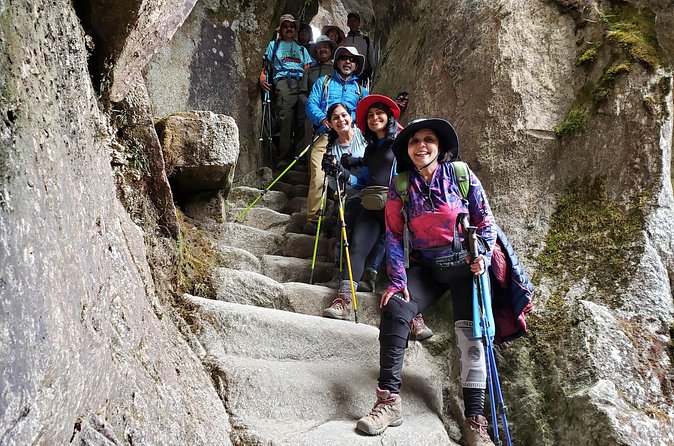
The final morning starts at Wiñay Wayna. From the campsite, it takes about an hour to reach the Sun Gate, or Inti Punku.
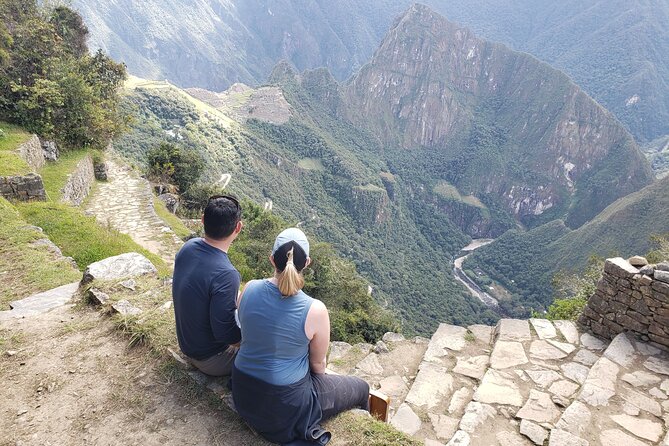
Reaching Machu Picchu through the Sun Gate is one of the defining features of this route. You first approach from above, then descend for about 40 minutes toward the archaeological site. The view opens gradually, and the first full sight of Machu Picchu comes after you have already walked through the mountains and passed several earlier Inca sites.
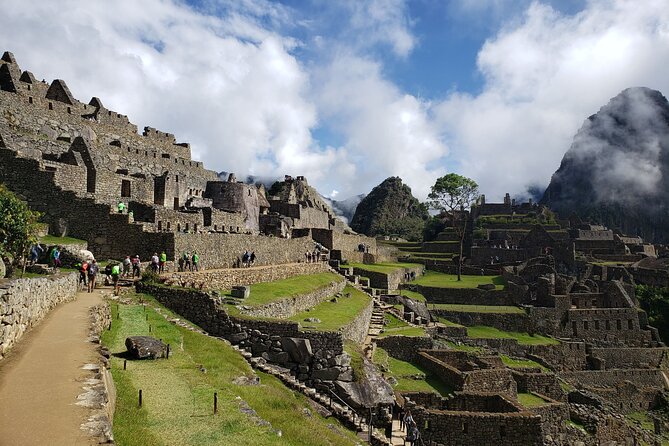
A guided tour of Machu Picchu follows. The guide’s role here matters because the ruins can feel overwhelming at first. With context about Inca culture, construction, and the meaning of the surrounding sites, you can make more sense of what you are seeing.
After the visit, you take a bus to Aguas Calientes for lunch. The group then gathers at a restaurant before taking the Expedition tourist-class train to Ollantaytambo. Private transport returns you to Cusco, bringing the experience back to its original meeting point.
The final day is listed at about six hours, including the walk, the Machu Picchu visit, bus, train, and return transport. It is a long travel day, so do not plan an important evening commitment in Cusco.
Camping, food, and porter support
The included camp service is one of the strongest reasons to consider this tour. You are not expected to carry the food, tents, or cooking equipment. Porters carry those supplies, while a personal porter carries up to 6 kilograms of your belongings.
You receive a duffel bag for that personal load. Pack carefully because 6 kilograms disappears quickly once you add warm layers, toiletries, and camera equipment. Keep your passport, water, valuables, rain protection, and anything you need during the day in your own daypack.
Meals include breakfast, lunch, dinner, snacks, warm water, and drinking water. The cooks have prepared dishes such as ceviche, chicken skewers, pumpkin soup, and several different lunch and dinner courses. A birthday cake has even been prepared at camp, which gives you an idea of the level of effort the cooking team can put into a special occasion.
That said, mountain cooking is still mountain cooking. You should not expect a restaurant kitchen or unlimited menu choices. The important advantage is that the meals are planned, carried, and cooked for you, which saves energy during long walking days.
The team also supplies an inflatable sleeping pad, camping gear, a first-aid kit, and an oxygen tank for safety. The oxygen tank is a precaution, not a promise that altitude problems will be solved instantly. You still need to monitor how you feel and tell your guide if you develop serious symptoms.
Guides, pacing, and the local connection
The private format works best when the guide listens. Juvenal, Cesar, Juve, and Frank have all been praised for adjusting the pace, adding breaks, encouraging tired hikers, and keeping the mood light. Singing on the mountain has even been part of the fun on some departures.
You should also expect more than a route-finding service. The guides explain Inca sites, local life, birds, vegetation, and cultural traditions. Juvenal has been described as maintaining his interest in Inca studies through university work and conferences, while Juve has a strong focus on birds and plant life.
Names and guide assignments can vary, so you should not assume one particular guide will lead your departure. Still, the pattern of service is clear: the operator puts emphasis on local staff and direct contact with the people leading the walk.
Porters are central to the experience. They carry heavy loads, prepare the camps, and welcome hikers when they arrive. Tips are not included, but they are optional. If the crew gives you strong service, plan a gratuity as part of your trekking budget.
What $1,250 includes, and what it does not
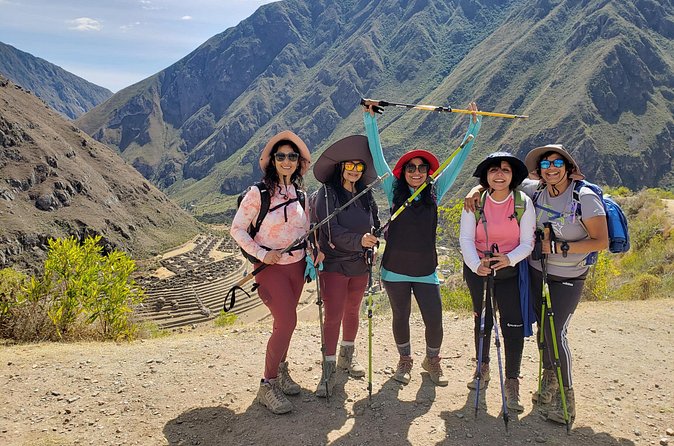
At $1,250 per person, this is not a budget day tour. It is a four-day private expedition with permits, the Inca Trail entrance, Machu Picchu admission, porters, food, tents, sleeping pads, buses, trains, and transport from Cusco.
The value improves if you are traveling as a family or a small private group. You are paying for the support system as much as for the walking itself. Permits and transport can be complicated on the Inca Trail, and the package removes much of that work.
The included Expedition tourist-class train is practical rather than luxurious. It gets you back to Ollantaytambo after Machu Picchu, and private transport continues to Cusco. The return arrangement is much easier than trying to organize each part yourself after four days on the trail.
You still need to budget for travel insurance and optional crew tips. Travel insurance is particularly important for a high-altitude trek. You should also check what personal clothing and hiking equipment you need, since the supplied list does not include all personal gear.
Free cancellation is available if you cancel at least 24 hours before the start time. Changes or cancellations made inside that period are not accepted for a refund.
Who should book this Inca Trail tour?
I would choose this trek if you want the full Classic Inca Trail experience with a private group, local guides, strong meal support, and a planned return to Cusco.
It suits:
- Families with mixed hiking speeds
- First-time multi-day hikers who want close support
- People interested in birds, plants, and Inca sites
- Hikers who prefer local operators
- Small groups that want their own guide and schedule
It may not suit you if you dislike camping, struggle with steep climbs, or want a relaxed Machu Picchu visit with little physical effort. The second and third days are demanding, and the altitude can make ordinary walking much harder.
The tour can accommodate vegetarian, vegan, gluten-free, and other dietary needs if you provide those details when booking. You should still discuss any medical concerns in advance and be honest about your fitness.
Should you book it?
I would book this tour if the price fits your budget and you want the journey to Machu Picchu to matter as much as the ruins themselves. The best features are the private pacing, local Peruvian team, excellent camp support, and meals that go well beyond basic trail food.
The main decision comes down to the physical challenge. If you can handle four days of mountain walking, including a 4,215-meter pass and an eight-hour day, this package offers strong value for a fully supported route. If that sounds intimidating, choose a less demanding Machu Picchu visit instead. The Inca Trail is rewarding, but it asks you to work for the view.
FAQ
How long is the private Inca Trail tour?
The tour lasts approximately four days, beginning and ending in Cusco.
What time does the tour start?
The listed start time is 5 a.m. in Cusco.
Is the Inca Trail entrance fee included?
Yes. The package includes permits and entrance fees for both the Inca Trail and Machu Picchu.
How much luggage can a personal porter carry?
A personal porter can carry up to 6 kilograms of your belongings. A duffel bag is provided for this purpose.
Are meals and drinking water included?
Yes. Breakfast, lunch, dinner, snacks, warm water, and drinking water are included during the trek.
Does the tour include transport back to Cusco?
Yes. After the Machu Picchu visit, you take a bus to Aguas Calientes, an Expedition tourist-class train to Ollantaytambo, and private transportation back to Cusco.
Just added in Cusco
- Cusco Private Transportation for 2026★ 5.0 · 4 reviews
- Private Transfer from Airport to Hotel in the City of Cusco★ 4.0 · 5 reviews
- Best Cusco walking tour: dinner street food tasting★ 4.5 · 11 reviews
- Machu Picchu Day Trip With Panoramic Train from Cusco★ 5.0 · 10 reviews
- Private Tour to Pisac Market and Pisac Ruins★ 5.0 · 4 reviews
- Sacred Valley Private Tour from Cusco, Guide and Driver only★ 5.0 · 4 reviews
- Sacred Valley of the Incas Tour★ 5.0 · 12 reviews
- Private Tour of the Mountain of Colours by Quad★ 5.0 · 7 reviews
Machu Picchu Tours, compared.
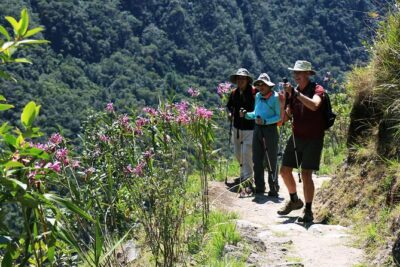
Classic Inca Trail Trek 4D/3N to Machu Picchu (Group Service)
Read our review →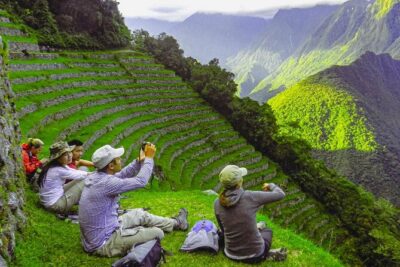
2-Day Inca Trail to Machu Picchu with Panoramic Train
Read our review →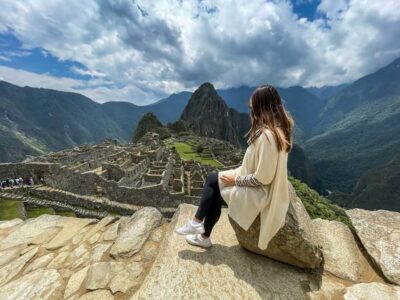
From Cusco: Full-Day Group Tour of Machu Picchu
Read our review →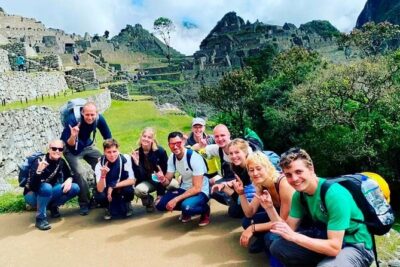
2-Day Tour: Sacred Valley and Machu Picchu by Train
Read our review →
Machu Picchu: Full-Day Tour from Cusco with Optional Lunch
Read our review →
Machu Picchu Full Day from Cusco by Panoramic Train
Read our review →Browse the lists this tour appears in