
Reviewed · MACHU PICCHU TOURS
Salkantay Trek 4 Days to Machu Picchu by Glamping Sky Lodge Dome
Big mountains, cold nights, and Machu Picchu ahead. This four-day Salkantay Trek gives you a dramatic alternative to the Inca Trail, with snow peaks, cloud forest, tropical valleys, and Sky Lodge Dome accommodation rather than ordinary tent camping. I especially like the strong guide support and the hot, carefully prepared meals, which matter a lot after long uphill days. The main drawback is that the route is physically demanding, and the published schedule leaves some transport details between La Playa and Machu Picchu unclear.
You pay $761.91 per person for a package that includes guides, meals, camping equipment, horses or porters, two dome nights, a hotel night in Aguas Calientes, Machu Picchu admission, and the return train and bus. That is a substantial price, but it covers many costly pieces of a four-day mountain trip. I would still use the pre-trek briefing to confirm the exact campsites, transfers, and room setup before departure.
In This Review
- Key points at a glance
- Why choose Salkantay instead of a simpler Machu Picchu route?
- The 4:30 a.m. start and the road to Mollepata
- Day 2: the 4,650-meter Salkantay Pass
- Day 3: waterfalls, streams, and the upper jungle
- Day 4: an early arrival at Machu Picchu
- Sky Lodge comfort and what to pack
- Guides, cooks, and the human side of the trek
- Is $761.91 a fair price?
- Who should book this trek?
- Should you book the Salkantay Sky Lodge trek?
- FAQ
- How long is the Salkantay Trek to Machu Picchu?
- What is the highest point of the trek?
- Is accommodation included?
- Are meals included?
- What transportation is included?
- Does the price include Machu Picchu admission?
Key points at a glance
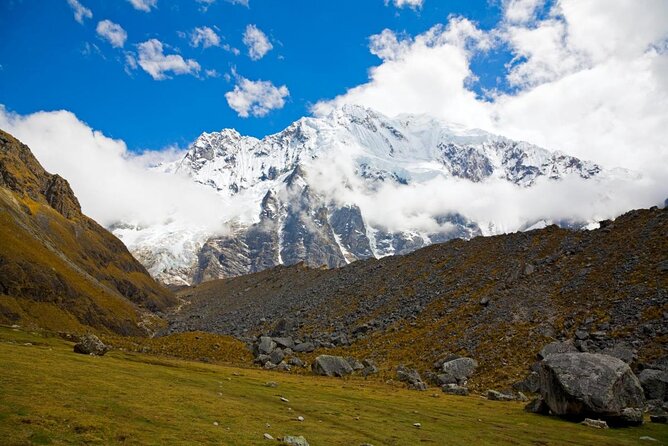
- The Salkantay Pass reaches 4,650 meters: This is the hardest and highest part of the trek, with possible snow and views of Salkantay and Tucarhuay.
- Sky Lodge domes replace basic tent camping: You get a more comfortable mountain night, with hot water reported at the domes.
- The route changes dramatically each day: Snow-capped peaks give way to cloud forest, waterfalls, tropical plants, and fruit-growing valleys.
- Guides receive unusually strong praise: Fernando and Nildo are named for patience, care, humor, safety advice, and clear explanations of Peruvian culture and history.
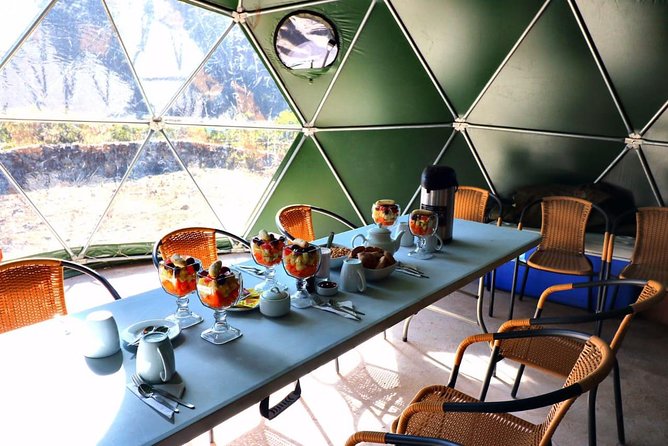
- Food is a real strength: Three lunches, dinners, breakfasts, and afternoon hot teas are included, with vegetarian meals available at no extra charge.
- The final morning starts very early: You can walk about 90 minutes to Machu Picchu or take the first bus at 5:30 a.m.
Why choose Salkantay instead of a simpler Machu Picchu route?
The Salkantay Trek is for you if the journey matters as much as the ruins. Machu Picchu is the prize, but the route earns it through a sharp change in scenery. You begin among enormous Andean peaks, cross a high mountain pass, then descend through cloud forest and warmer jungle country.
That contrast is the special appeal. One morning you may be walking near snow-covered mountains at more than 4,000 meters. A day later, you are passing waterfalls, small streams, tropical plants, and fruit trees. It feels like several trips packed into one.
The tradeoff is effort. This is not a gentle walk with a sightseeing stop at the end. Day 2 includes about four hours of uphill hiking to the 4,650-meter pass, followed by a long descent. You need a strong level of fitness, and you should already have some experience with long mountain walks or prepare seriously before arrival.
Altitude is also part of the equation. Cusco itself sits high, and the route climbs higher on the first two days. The guides carry first-aid supplies and emergency oxygen, and they can provide coca leaves, but those are safety supports, not a substitute for acclimatization.
More Machu Picchu trips:
- Classic Inca Trail Trek 4D/3N to Machu Picchu (Group Service)
★ 5.0 · 8,653 reviews - Machu Picchu: 4-Day Inca Trail Trek with Panoramic Train Ride
★ 5.0 · 4,568 reviews - Short Inca Trail to Machu Picchu 2D/1N
★ 5.0 · 3,007 reviews
The 4:30 a.m. start and the road to Mollepata
Your first morning begins before sunrise. Pickup is listed around 4:30 a.m., with a meeting time of 5:00 a.m. and roughly three hours of driving to Mollepata. That means you should have your bag ready the night before and expect a very early breakfast arrangement.
Breakfast on Day 1 is not included, so plan for that cost. At Mollepata, you eat while the cook and horseman organize the camping, cooking, and food equipment. This is a useful behind-the-scenes moment: the support team is moving supplies while you prepare to walk.
The first hiking section rises for about three hours toward Cruzpata. The reward is a broad view of the snow-capped Humantay Mountain, at 4,120 meters, and Salkantay Mountain, at 6,271 meters. Lunch is served with these peaks in view.
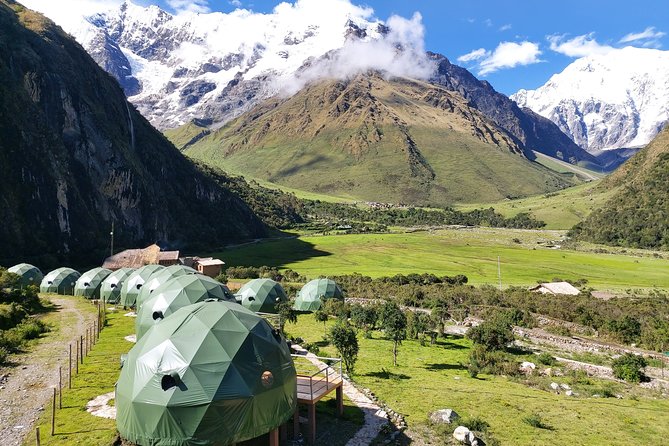
The route then continues toward Soraypampa, at about 3,800 meters. This is described as the highest and coldest campsite, so do not treat the dome like a warm hotel room. Bring the recommended sleeping bag, rated to minus 11 degrees Celsius, along with a fleece layer, warm hat, gloves, and dry socks.
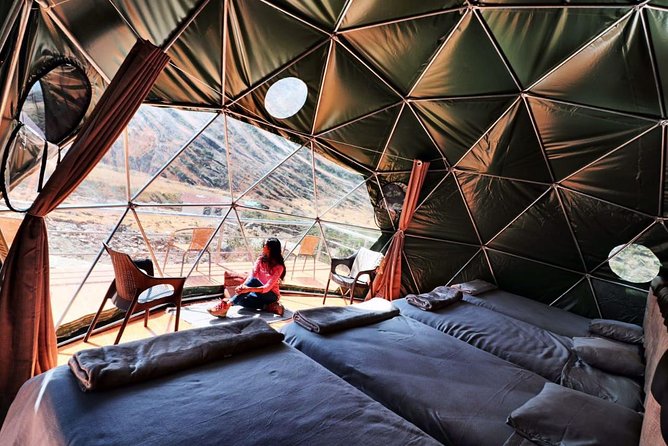
The dome accommodation is a major reason to choose this version of the trek. You are still sleeping in the mountains, but you avoid lying directly on the ground in a standard tent. Hot water has also been available at the domes, which can feel wonderfully civilized after a cold, dusty walk.
Day 2: the 4,650-meter Salkantay Pass
Day 2 is the physical center of the trip. Breakfast comes early, then you begin walking at about 5:30 a.m. The first four hours climb toward the Salkantay Pass, the highest point at 4,650 meters.
At the pass, Salkantay Mountain rises on one side and Tucarhuay on the other. The views are the sort that make you stop talking for a minute. Snow is possible here, so pack your waterproof shell where you can reach it, not buried at the bottom of your duffel.
This climb will expose any weakness in your pacing. Walk slowly, drink regularly, and follow the guide’s advice. The strongest guide praise centers on this kind of support. Fernando is described as patient, encouraging, funny, and attentive to fitness differences. Nildo is also praised for careful pacing, detailed explanations, and making a solo participant feel safe and supported.
After a rest at the pass, you descend through cloud forest to Huayracpunku for lunch. The scenery shifts quickly. Gray, cold mountain country gives way to damp green slopes and a more enclosed trail.
After lunch, you continue toward the start of the jungle and reach Chaullay. From there, the plan includes local transportation for about an hour to the Loreta La Playa coffee campsite. This transfer breaks up the walking, but it also makes Day 2 a long day of both hiking and logistics.
Day 3: waterfalls, streams, and the upper jungle
Day 3 starts at about 6:30 a.m. After breakfast, you walk through the upper jungle, crossing the Lluskamayo River and smaller brooks. The total walking time is about six hours.
This is the scenic change that makes the Salkantay route so appealing. You leave behind the stark high Andes and pass waterfalls, tropical fruit, and a wide variety of plants. The air should feel warmer, though the trail can still be wet and uneven. Good used trekking boots, rain pants, and a poncho are more useful here than fancy clothing.
The schedule says you reach La Playa after this walk. Since the included package also lists a hotel night in Aguas Calientes, while the day-by-day description places you at a coffee campsite, I would ask the operator to explain the exact arrangement at the briefing. The information provided does not spell out every transfer between La Playa, Aguas Calientes, and the final Machu Picchu morning.
That is not a reason to reject the trip, but it is a reason to ask clear questions. Confirm where you sleep on the third night, how you reach Aguas Calientes, and when the train arrangements begin. A four-day trek has little spare time if a connection is misunderstood.
More hikes and treks in Cusco:
- Salkantay Classic Trek 5 Days from Cusco
★ 5.0 · 4,062 reviews - 4-Day Salkantay Trek with Sky Camp Stay
★ 5.0 · 3,346 reviews - Salkantay Trek 5D/4N with Glass Cabins, Domes and Hobbit House
★ 5.0 · 2,488 reviews - 2-Day Inca Trail to Machu Picchu with Panoramic Train
★ 5.0 · 1,876 reviews
Day 4: an early arrival at Machu Picchu
The last morning begins around 4:00 a.m. Breakfast is scheduled for 4:30 a.m. You then have two choices.
The first is to walk uphill to Machu Picchu, which takes about an hour and a half. The second is the first bus at 5:30 a.m., a ride of about 25 minutes. The bus costs extra if it is not covered by your own arrangements, so confirm that point during the briefing.
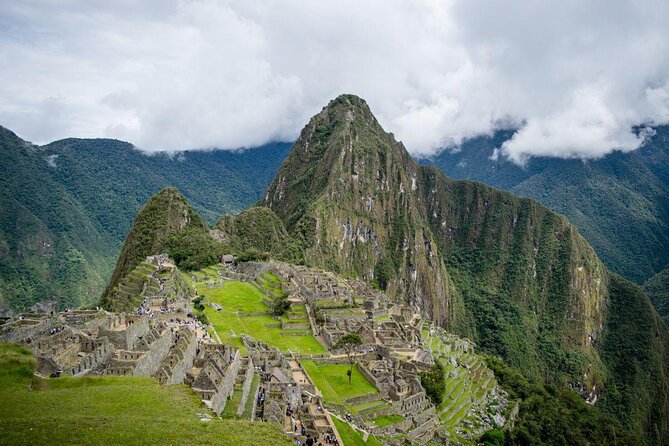
Arriving early is worthwhile. The morning light can make the ruins feel especially dramatic, and the schedule is designed to get you there as the sun rises. One particularly useful suggestion is to aim for an early visit on Circuit 2, though your precise circuit depends on the admission assigned to you.
A guide-led walking tour lasts about two hours. Afterward, you can explore on your own. Machu Picchu admission is included, which removes one large expense, but it does not mean unlimited wandering. Follow the current entry rules and the circuit printed on your ticket.
Lunch on Day 4 is not included. After your visit, the package includes the Expedition Train from Aguas Calientes to Ollantaytambo and a bus back to Cusco. Keep some food money available, and make sure you understand where the return transport meets you.
Sky Lodge comfort and what to pack
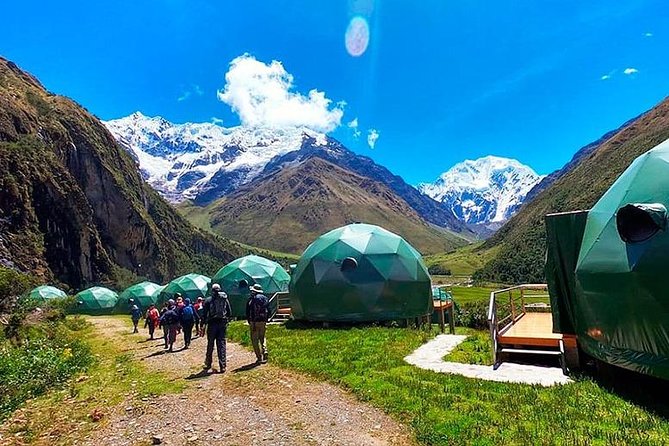
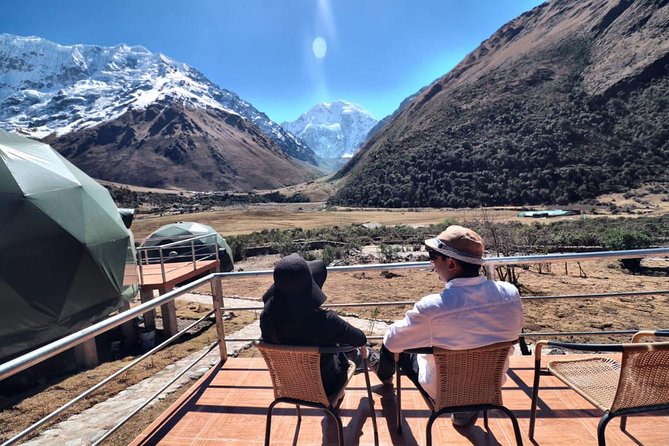
The domes are the comfort feature that changes the feel of this trek. You still deal with cold, altitude, and long walking days, but you are not relying entirely on a basic tent. Hot water has been available, and the dome stay has been described as especially welcome after the pass.
The package includes two Sky Lodge Dome nights, with rooms based on two, three, or four beds upon request. Ask about your sleeping arrangement before departure if you are traveling alone, as a couple, or with family.
A duffel bag is supplied for personal belongings, and horses or porters carry food, cooking equipment, camping gear, and up to 7 kilograms of personal items. You still need a daypack for water, rain gear, camera, sunscreen, and warm layers.
The most important items are practical:
- Used trekking boots with reliable grip
- Waterproof rain poncho and rain pants
- Warm fleece layers, gloves, and a hat
- Sleeping bag rated to minus 11 degrees Celsius
- Water bottle and purification tablets
- Headlamp, sunscreen, insect repellent, and personal medicine
- Walking poles for the long descent
Bottled water is sold at several points, but you should ask the guide about availability and carry enough for each section. A swimsuit is optional for hot springs in Aguas Calientes or Cocalmayo, though those stops are not presented as guaranteed parts of the route.
Guides, cooks, and the human side of the trek
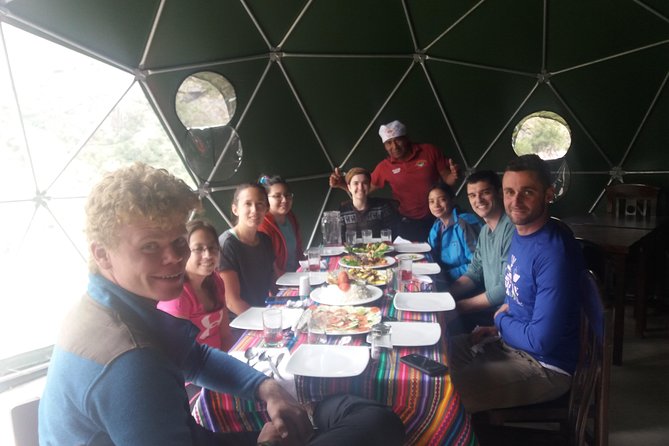
The strongest part of this operation is its people. Fernando receives repeated praise for humor, history lessons, mountain knowledge, and care with tired walkers. One memorable touch is that he played football with the group during the trek, a small moment that helped turn a hard walk into a shared trip.
Nildo is praised for careful attention, especially with a solo woman in her early 30s. Jose, Steven, and Adela are also described as friendly, patient, and helpful with safety and altitude concerns. The guide team speaks English and Spanish, and an assistant guide is included for groups larger than eight.
The cooking staff also earns high marks. Julian and the kitchen team are credited with hot soups, filling main courses, fresh vegetables, and desserts prepared far from a normal kitchen. That matters here. After a day of climbing, a hot afternoon tea or a proper dinner is not a minor extra. It gives you the energy and morale to keep moving.
Horsemen and porters carry much of the heavy work. Their role lets you hike with a manageable daypack, but you should still pack lightly and respectfully. The included allowance is 7 kilograms of personal belongings, not an invitation to bring a full suitcase.
Is $761.91 a fair price?
At $761.91 per person, this is not the cheapest way to reach Machu Picchu. The value comes from how much is bundled into the price: hotel pickup, transport to the trail, professional guides, cooking staff, meals, dome accommodation, a hotel night in Aguas Calientes, porters or horses, a duffel bag, entrance to Machu Picchu, the return train, and the bus back to Cusco.
You would pay separately for many of those elements on an independent trip. The included support also matters if altitude or route planning worries you. The first-aid kit and emergency oxygen provide another layer of security, though no mountain operator can remove every risk.
There are extra costs. Day 1 breakfast and Day 4 lunch are not included. The Salkantay and Humantay entrance fee is 20 Peruvian soles per person. Bus arrangements to Machu Picchu may also need confirmation, and tips are not specified in the supplied details, so carry some local currency.
The tour averages booking about 29 days ahead. That is useful planning advice, especially if your Machu Picchu admission and return train timing are important. The maximum group size is 19 people, large enough for a social atmosphere but small enough for the guide to keep track of the group.
Who should book this trek?
I would recommend it to fit hikers who want serious scenery and a supported route. It suits you if you like long days, changing climates, group meals, and the satisfaction of earning Machu Picchu on foot.
It can also suit a solo visitor. The group setting, guide support, included meals, and organized transport make the trip less complicated than handling every stage alone. Still, solo does not mean easy. You need to be ready for cold nights, steep climbing, early starts, and altitude.
I would not choose it if you want a relaxed holiday, dislike early mornings, or have not prepared for sustained uphill walking. The altitude and the 4,650-meter pass are the serious parts of this trip. Ask about current route conditions and exact overnight arrangements before paying, since the written schedule has a few gaps.
The experience is non-refundable and cannot be changed after booking. That makes travel insurance and careful date planning sensible, even though the policy itself offers no refund.
Should you book the Salkantay Sky Lodge trek?
Book it if you want a demanding four-day route with striking scenery, strong support, and more comfort than standard camping. The best reasons are the mountain-to-jungle setting, the capable guide team, the generous food program, and the dome accommodation.
Before committing, confirm the third-night location, the transfer from La Playa, the Machu Picchu bus, and your dome sleeping arrangement. If those details are clear and you are fit for the altitude, this is a memorable way to reach Machu Picchu. If you want an easier path, choose a shorter or less demanding option instead.
FAQ
How long is the Salkantay Trek to Machu Picchu?
The tour lasts approximately four days. Hiking times vary by day, with about three hours of initial climbing on Day 1, four hours uphill to the pass on Day 2, six hours through the upper jungle on Day 3, and about 90 minutes walking to Machu Picchu on Day 4.
What is the highest point of the trek?
The highest point is the Salkantay Pass at 4,650 meters, or about 15,200 feet. Snow is possible at the pass.
Is accommodation included?
Yes. The package includes two nights in Sky Lodge Domes and one night in a hotel in Aguas Calientes with a private shower and bathroom. The exact night-by-night arrangement should be confirmed during the briefing.
Are meals included?
The tour includes three breakfasts, three lunches, three dinners, and three afternoon hot teas. Breakfast on Day 1 and lunch on Day 4 are not included. Vegetarian meals are available at no extra cost.
What transportation is included?
The package includes hotel pickup, transport toward the trailhead, local transport from Chaullay to the Loreta La Playa coffee campsite, the Expedition Train from Aguas Calientes to Ollantaytambo, and a bus from Ollantaytambo back to Cusco. Ask the operator to clarify every transfer between La Playa and Aguas Calientes.
Does the price include Machu Picchu admission?
Yes. The Machu Picchu entrance fee is included. The separate Salkantay and Humantay entrance fee is listed as 20 Peruvian soles per person.
Just added in Cusco
- Cusco Private Transportation for 2026★ 5.0 · 4 reviews
- Private Transfer from Airport to Hotel in the City of Cusco★ 4.0 · 5 reviews
- Best Cusco walking tour: dinner street food tasting★ 4.5 · 11 reviews
- Private Tour to Pisac Market and Pisac Ruins★ 5.0 · 4 reviews
- Machu Picchu Day Trip With Panoramic Train from Cusco★ 5.0 · 10 reviews
- Sacred Valley Private Tour from Cusco, Guide and Driver only★ 5.0 · 4 reviews
- Sacred Valley of the Incas Tour★ 5.0 · 12 reviews
- Private Tour of the Mountain of Colours by Quad★ 5.0 · 7 reviews
Machu Picchu Tours, compared.
Classic Inca Trail Trek 4D/3N to Machu Picchu (Group Service)
Read our review →
2-Day Inca Trail to Machu Picchu with Panoramic Train
Read our review →
From Cusco: Full-Day Group Tour of Machu Picchu
Read our review →
2-Day Tour: Sacred Valley and Machu Picchu by Train
Read our review →
Machu Picchu: Full-Day Tour from Cusco with Optional Lunch
Read our review →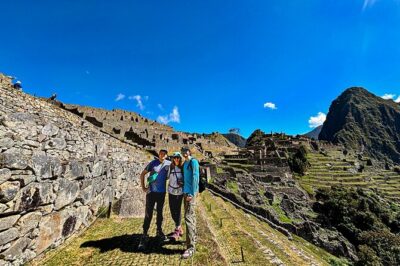
Machu Picchu Full Day from Cusco by Panoramic Train
Read our review →Browse the lists this tour appears in