
Reviewed · MACHU PICCHU TOURS
Salkantay Trek to Machu Picchu 5D/4N or 4D/3N by glamping
The mountains do the talking here. This Salkantay route gives you Humantay Lake, Salkantay Pass, hot springs, coffee country, and Machu Picchu in one demanding five-day journey. I especially like the smaller group size, capped at 15 people, and the thoughtful mix of mountain camps, glass-roof huts, domes, and one hotel night.
The fresh cooking is another major strength. Meals are prepared by a professional chef, and the food has earned strong praise, including from hikers who enjoyed the vegetarian dishes. My main caution is that the advertised $35 price does not cover several important costs, including the Machu Picchu ticket, hot springs, water, and your return from Hidroelectrica.
In This Review
- Key points before you book
- What this Salkantay trek is really like
- Day 1: A 4 a.m. start and Humantay Lake at 4,200 meters
- Day 2: The hard climb to Salkantay Pass
- Day 3: Coffee, hot springs, and the move into the jungle
- Day 4: Llactapata and the long route to Aguas Calientes
- Day 5: Machu Picchu and your return to Cusco
- Food, camps, and what is included
- Is the $35 price good value?
- The guides and the pace of a small group
- What to pack for this route
- Should you book the Salkantay Trek?
- FAQ
- How long is the Salkantay Trek to Machu Picchu?
- What time does pickup begin?
- Is Machu Picchu admission included?
- How high does the trek go?
- Are meals included?
- What sleeping arrangements are included?
- Is the zipline included?
- How do I return to Cusco?
Key points before you book
- Humantay Lake reaches 4,200 meters, so the first day tests your legs and your ability to handle altitude.
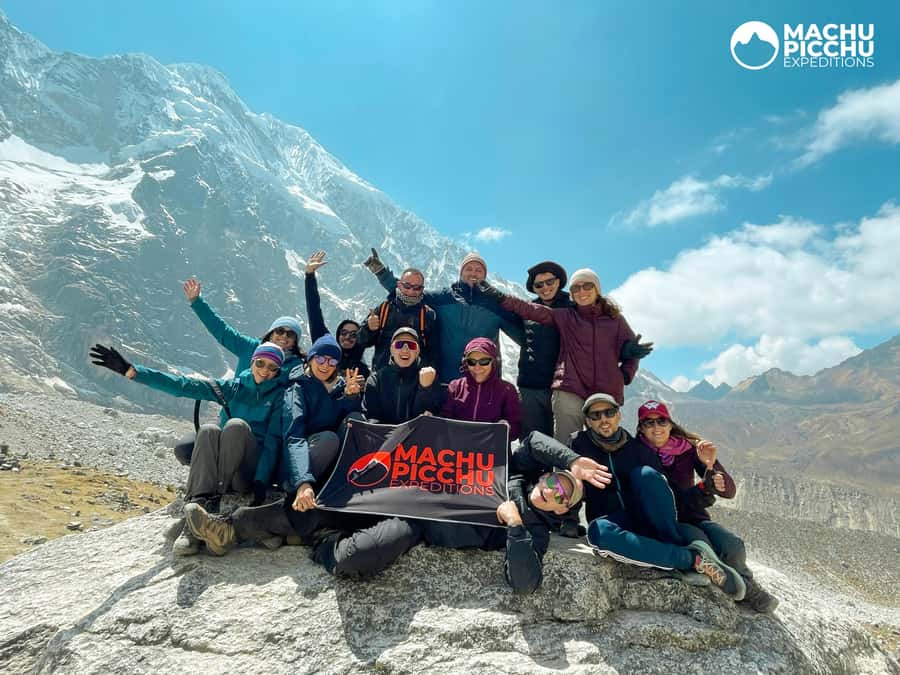
- Salkantay Pass rises to 4,630 meters, with views toward 6,271-meter Salkantay Mountain.
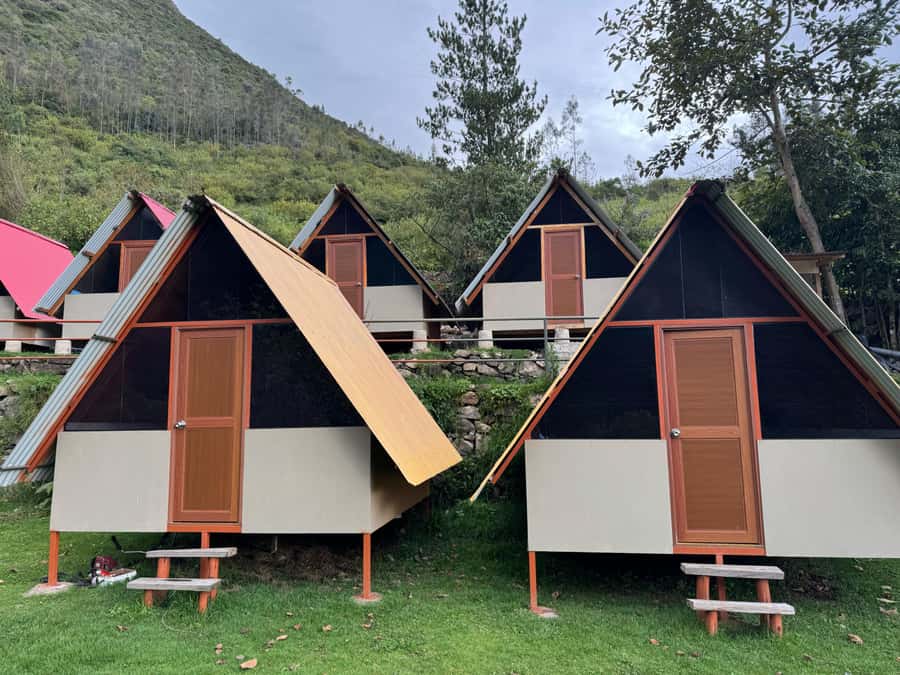
- Glamping means comfort, not luxury. You get a glass-roof cabin, Sky Huts, jungle domes, pads, pillows, and electricity, but hot showers and Wi-Fi cost extra.
- The food is a real highlight. A mountain chef prepares breakfast, lunch, and dinner, with vegetarian and vegan meals available at no added charge.
- The final walk to Aguas Calientes follows the railway, a practical but tiring section that some people may find dull.
- Budget for extras carefully. Machu Picchu admission, hot springs, water, zipline, and the return journey can add a noticeable amount.
What this Salkantay trek is really like
The Salkantay Trek is the stronger choice for you if dramatic mountain scenery matters more than a steady stream of ancient ruins. The route begins in high country, crosses a hard mountain pass, drops into warmer valleys, and finishes near the railway to Machu Picchu.
Compared with the Inca Trail, this route is known for having fewer people and a more remote feel. You trade some of the Inca ruins found along the classic trail for big views, changing climates, and a wider range of outdoor experiences.
The walking is not gentle. You need good basic fitness, and you should be comfortable with long uphill and downhill sections. The tour is not suitable for people with heart, respiratory, back, or mobility problems, or for children under 18. It also excludes pregnant women, wheelchair users, people with epilepsy, and people over 70.
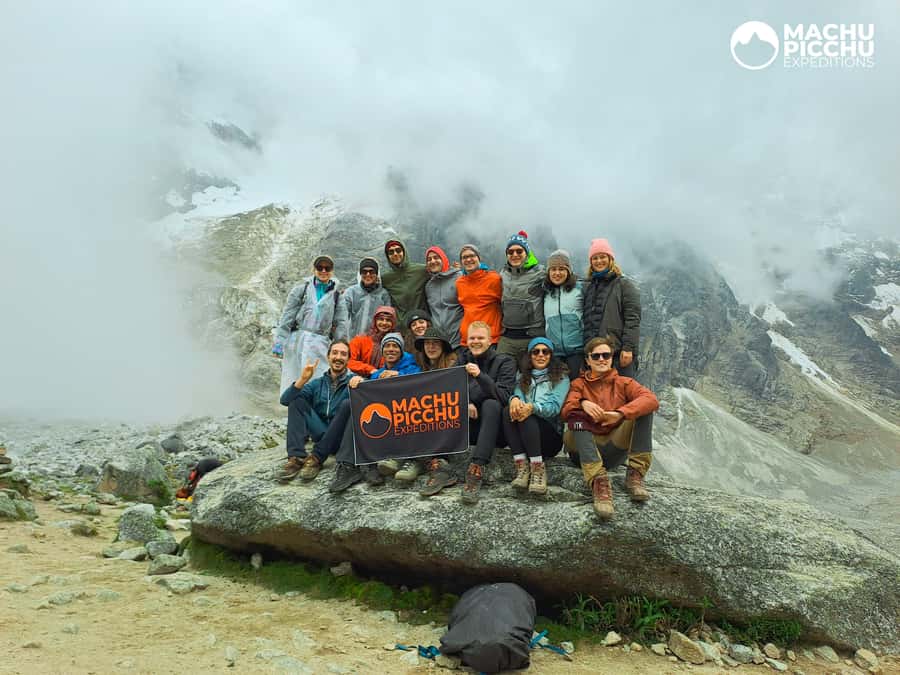
A small group of no more than 15 people is useful here. It lets the guide keep an eye on the pace, though a mixed group can still mean waiting. One recent group had younger and older hikers together, which led to delays while people caught up.
More Machu Picchu trips:
- Classic Inca Trail Trek 4D/3N to Machu Picchu (Group Service)
★ 5.0 · 8,653 reviews - Machu Picchu: 4-Day Inca Trail Trek with Panoramic Train Ride
★ 5.0 · 4,568 reviews - Short Inca Trail to Machu Picchu 2D/1N
★ 5.0 · 3,007 reviews
Day 1: A 4 a.m. start and Humantay Lake at 4,200 meters
Your day begins with hotel pickup in Cusco’s historic center at 4 a.m. That is early even by trek standards, so pack your day bag the night before. Private transportation takes you toward Mollepata, where you stop for breakfast before reaching Challacancha.
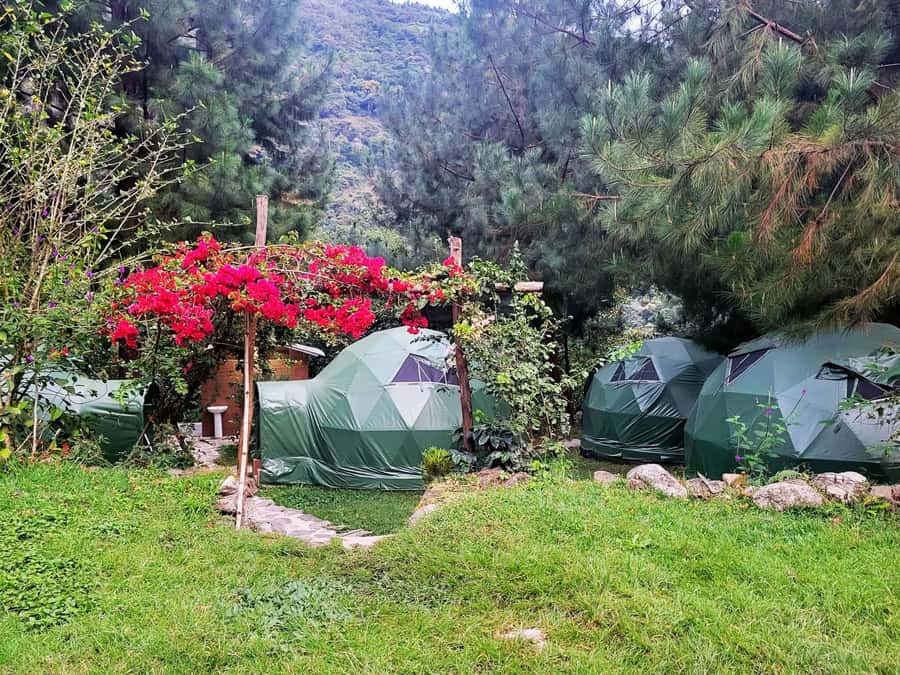
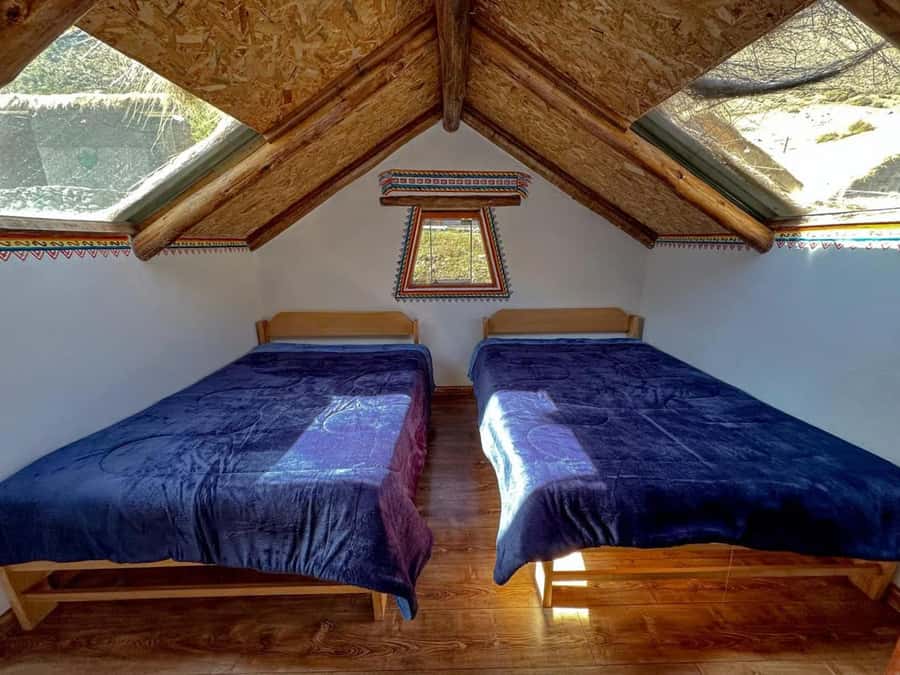
From Challacancha, you walk toward Soraypampa and your first camp. The route leads to a glass-roof cabin, a clever design for a place where the night sky is part of the experience. You have lunch at camp, then rest before the climb to Humantay Lake.
Humantay Lake sits at 4,200 meters, and the altitude makes this short section feel harder than the distance suggests. Walk slowly, drink water, and do not treat the first afternoon as a race. The lake itself is the reward: a high mountain basin surrounded by steep peaks and open rock.
Entry to Humantay Lake costs PEN 20 and is not included. That is a small fee, but you should carry Peruvian soles because several extras along the trek are paid in cash.
Back at camp, dinner arrives after the descent. The timing allows you to watch the sunset and settle into the quieter side of the trek. Coca tea is served each morning at camp, and afternoon tea time includes popcorn, cookies, chocolate, and coffee. These small routines matter after a cold, tiring day.
Day 2: The hard climb to Salkantay Pass
A coca tea wake-up call starts the second day. After breakfast, you set off toward Salkantay Pass, climbing through the section known as the Trail of the 7 Snakes.
This is the toughest day for many people. The pass reaches 4,630 meters, and thin air can slow even fit hikers. You will want warm layers, gloves, a hat, sunscreen, and a daypack with water and snacks. The scenery opens as you climb, with views toward Salkantay Mountain at 6,271 meters.
At the pass, stop and take your time. This is not a place to rush through for a photograph. Your guide can help manage the pace, and the tour carries first-aid equipment, walkie-talkies, and oxygen for emergencies. Those provisions do not remove the need to prepare properly, but they are reassuring on a high-altitude route.
After the pass, the route descends toward Collpapampa at 2,950 meters. That drop in elevation changes the feel of the trek. The air becomes warmer, vegetation increases, and the trail begins to feel less severe.
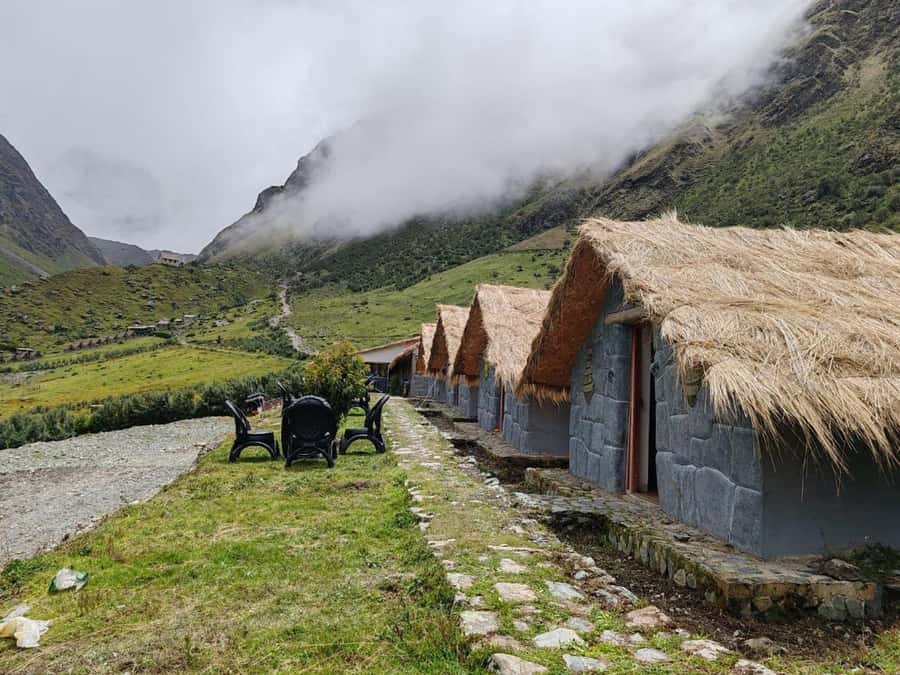
Your overnight stay is in a Sky Hut. These huts provide a more memorable setting than a basic tent, but you should keep your expectations sensible. Pads and pillows are included. Sleeping bags can be rented for $10 for the trek, and hot showers at the second and third camps cost PEN 10.
Day 3: Coffee, hot springs, and the move into the jungle
Day three starts at 6 a.m. with tea and breakfast. You leave Collpapampa and walk toward La Playa through the Santa Teresa Valley.
This section gives the trek its biggest change of mood. The high peaks give way to a warmer route, and the descent into the forest is one of the most enjoyable parts of the trip. It is also where you begin to appreciate the range of the Salkantay route. In just a few days, you move from cold mountain air to a much warmer coffee-growing area.
The coffee tour adds a useful local touch. Rather than simply walking from camp to camp, you get a closer look at one of the crops associated with the valley. The exact format can vary, but the tour is built into the route and fits naturally into the day.
You can also visit Cocalmayo Hot Springs. Entry costs PEN 10, and transportation to the springs costs PEN 40. These fees are extra, but a hot soak is appealing after two demanding walking days. Bring swimwear, a towel, and sandals. If you would rather save money or rest, you can stay at camp.
The zipline is another optional activity, priced at $28. It is not essential to the trek, but it gives you a fast, playful break from walking. If your legs are tired, the hot springs or camp may be the wiser choice.
The night is spent in a Jungle Dome at Lucmabamba. You can expect a more enclosed, sheltered sleeping space with the sounds of nature around you. Electricity is provided at all camps for charging devices, though a power bank remains a smart backup.
More hikes and treks in Cusco:
- Salkantay Classic Trek 5 Days from Cusco
★ 5.0 · 4,062 reviews - 4-Day Salkantay Trek with Sky Camp Stay
★ 5.0 · 3,346 reviews - Salkantay Trek 5D/4N with Glass Cabins, Domes and Hobbit House
★ 5.0 · 2,488 reviews - 2-Day Inca Trail to Machu Picchu with Panoramic Train
★ 5.0 · 1,876 reviews
Day 4: Llactapata and the long route to Aguas Calientes
The fourth day begins with breakfast and one of the route’s most rewarding climbs. From Lucmabamba, you follow a section of the original Inca Trail toward Llactapata.
The climb takes about two hours and reaches Llactapata at 2,700 meters. The archaeological site is valuable not only for its ruins but also for its views toward Machu Picchu. Seeing the citadel from a distance gives you a different sense of its position in the mountains before your full visit the next morning.
You then descend for roughly two hours toward Hidroelectrica. Downhill walking can be just as hard as climbing, especially after several days on foot. Trekking poles are useful, though they are not included. You can rent a pair for $10 for the whole trek.
After lunch in Hidroelectrica, you continue toward Aguas Calientes. This final section follows the railway for about two hours. It is practical, flat, and necessary for the route, but it is not the most exciting walk of the trip. I would like to see a clearer option for taking the train on this section, especially for hikers who are already tired.
You check into a three-star hotel in Aguas Calientes and have dinner at 7 p.m. The hotel provides a welcome change from camp, but do not assume hotel comfort will be perfect. One stay was affected by street noise and a lack of hot water. Pack earplugs if you are a light sleeper, and keep your expectations modest.
Day 5: Machu Picchu and your return to Cusco
The final morning is devoted to Machu Picchu. The guided visit lasts about 1.5 hours, followed by free time to explore.
The tour includes a guided visit using one of the listed Circuit 2B options, with entry times shown as 6, 7, or 8 a.m. The Machu Picchu ticket itself is not included. The listed price for Circuit 2B is $45, subject to availability through the official Peruvian government ticket system.
You may also choose Huayna Picchu, Machu Picchu Mountain, the Sun Gate, or the Inca Bridge, depending on ticket availability and the access rules attached to your admission. Check this carefully before paying for the trek, since the standard guided visit does not automatically mean every extra route is included.
Your return arrangements need attention. The basic return from Hidroelectrica to Cusco by bus costs $12, but first you need to walk about two hours from Aguas Calientes to Hidroelectrica. The alternative train costs about $90, traveling from Machu Picchu town to Ollantaytambo in roughly 1 hour and 50 minutes, followed by a bus of about two hours to Cusco.
That difference is large. The bus saves money but adds another walk after Machu Picchu. The train is far more comfortable, but it changes the total cost of the trip.
Food, camps, and what is included
Food is one of the best reasons to choose this tour. A professional chef prepares the meals with cooking equipment carried along the route. The package includes five breakfasts, four lunches, four dinners, and three snacks, along with three afternoon tea times.
The strongest food praise focuses on freshness and variety. Vegetarian dishes are common, and vegetarian or vegan meals are available if you request them in advance at no added cost. For a five-day trek, dependable meals can make a major difference to your energy and mood.
The camping setup is also better than a basic tent-only trip. You spend three nights in a mix of glamping accommodations, Sky Huts, and Jungle Domes, followed by one night in a three-star hotel. A duffle bag is supplied for up to six kilograms of your belongings, carried by horses along the trek.
You still need a daypack for essentials. Keep your passport or ID, water bottle, rain or warm clothing, sunscreen, phone, flashlight, cash, and any medication with you. The six-kilogram limit is not a substitute for packing light.
Water for bottles is not included. Wi-Fi costs S/. 5 at the first camp and S/. 10 at the second and third camps. Hot showers cost PEN 10 at the second and third camps. These are not huge charges on their own, but they add up quickly beside the entry fees and return transport.
Is the $35 price good value?
At first glance, $35 per person for five days seems unusually low. Treat that figure as a starting price and confirm the exact package before booking, especially since the tour is also described in both 5-day/4-night and 4-day/3-night versions.
The included package is substantial: transport from Cusco, a bilingual guide, chef, horses, meals, camp accommodation, hotel accommodation, and the Machu Picchu guide. Those inclusions can make the tour a good value if the advertised price is accurate for your date and version.
The real cost is higher once you add the Machu Picchu ticket, Humantay Lake entry, hot springs and transport, drinking water, sleeping bag, trekking poles, optional zipline, and your return to Cusco. The optional train alone adds about $90.
I would ask for a written cost breakdown before paying. This is particularly important in low season, when the operation may be handled by a partner company and different people in the group may have booked different packages. Clear information about what is included will prevent awkward surprises at camp.
The guides and the pace of a small group
The listed guides speak English and Spanish. Strong guide support is important on this route because the days vary so much in altitude, weather, and terrain.
Specific guide names connected with positive experiences include Ruben, Roger, Reynaldo, Tupac, and Nidia. The praise centers on kindness, help when problems arise, clear insight into the route, and a friendly attitude. Your guide may be different, but these are useful names to note if they appear in your booking confirmation.
A small group does not guarantee a uniform pace. If your group includes people with very different fitness levels, you may wait at rest points. That can be frustrating if you are moving quickly, but it is safer than pushing slower hikers beyond their limits.
I would choose this trek if you want support without joining a huge procession. I would not choose it if you need strict timing, private walking, or a polished hotel experience at the end.
What to pack for this route
Bring warm clothing for the first two days and lighter clothes for the warmer valley. A long-sleeved shirt, gloves, hiking pants, good hiking shoes, a hat, sunglasses, and sunscreen are all listed essentials.
You also need swimwear, a towel, and sandals for the hot springs. Add biodegradable insect repellent for the warmer sections, a reusable water bottle, flashlight, charged smartphone, and power bank.
A sleeping bag is listed as something to bring, but you can rent one for $10. Walking sticks are also available to rent for $10. Carry cash for entrance fees, showers, Wi-Fi, water, hot springs, and transport.
Should you book the Salkantay Trek?
Book this trek if you want big mountain views, fewer people than the Inca Trail, varied sleeping arrangements, and excellent cooked meals. It suits fit hikers who like a full day outdoors and do not mind an early start, a high pass, basic camp extras, and a long railway walk.
Think twice if you have health or mobility concerns, dislike altitude, or want every expense settled in advance. Also confirm whether you are booking the five-day/four-night or four-day/three-night version, and get the Machu Picchu circuit, return transport, and extra fees in writing.
For the right hiker, this is a memorable route to Machu Picchu. The high pass and Humantay Lake provide the drama, the coffee valley and hot springs break up the effort, and Llactapata gives you a quieter first view of the citadel. Just budget honestly, pack well, and save some energy for the railway walk.
FAQ
How long is the Salkantay Trek to Machu Picchu?
The itinerary described here lasts five days and four nights. The experience is also offered in a four-day, three-night version, so confirm which format applies to your booking.
What time does pickup begin?
Pickup from hotels in Cusco’s historic center begins at 4 a.m. on the first day.
Is Machu Picchu admission included?
No. The Machu Picchu ticket is an extra cost. Circuit 2B is listed at $45, subject to availability through the official Peruvian government ticket system.
How high does the trek go?
Humantay Lake is at 4,200 meters, and Salkantay Pass reaches 4,630 meters. Salkantay Mountain, visible from the pass, reaches 6,271 meters.
Are meals included?
Yes. The package includes five breakfasts, four lunches, four dinners, three snacks, and three afternoon tea times. Vegetarian and vegan meals are available on request without an added charge.
What sleeping arrangements are included?
You spend three nights in glamping accommodations, including a glass-roof cabin, Sky Huts, and Jungle Domes. One night is in a three-star hotel in Aguas Calientes. A personal pad and pillow are included.
Is the zipline included?
No. The zipline on day three is optional and costs $28.
How do I return to Cusco?
You can take a $12 bus from Hidroelectrica to Cusco, after walking about two hours from Aguas Calientes to Hidroelectrica. An optional train and bus combination costs about $90 and travels via Ollantaytambo.
Just added in Cusco
- Cusco Private Transportation for 2026★ 5.0 · 4 reviews
- Private Transfer from Airport to Hotel in the City of Cusco★ 4.0 · 5 reviews
- Best Cusco walking tour: dinner street food tasting★ 4.5 · 11 reviews
- Private Tour to Pisac Market and Pisac Ruins★ 5.0 · 4 reviews
- Machu Picchu Day Trip With Panoramic Train from Cusco★ 5.0 · 10 reviews
- Private Tour of the Mountain of Colours by Quad★ 5.0 · 7 reviews
- Sacred Valley Private Tour from Cusco, Guide and Driver only★ 5.0 · 4 reviews
- Sacred Valley of the Incas Tour★ 5.0 · 12 reviews
Machu Picchu Tours, compared.
Classic Inca Trail Trek 4D/3N to Machu Picchu (Group Service)
Read our review →
2-Day Inca Trail to Machu Picchu with Panoramic Train
Read our review →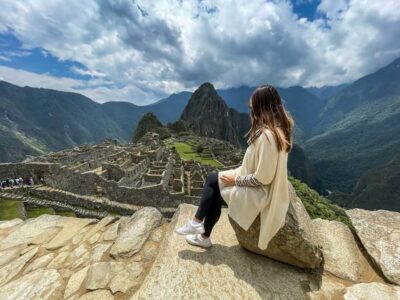
From Cusco: Full-Day Group Tour of Machu Picchu
Read our review →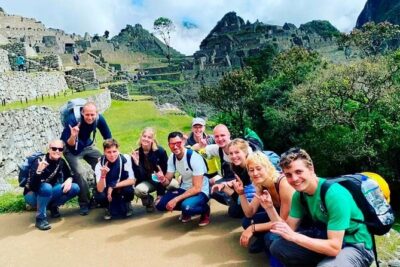
2-Day Tour: Sacred Valley and Machu Picchu by Train
Read our review →
Machu Picchu: Full-Day Tour from Cusco with Optional Lunch
Read our review →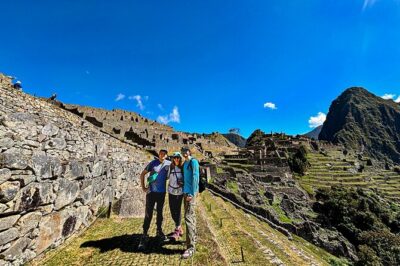
Machu Picchu Full Day from Cusco by Panoramic Train
Read our review →Browse the lists this tour appears in