
Reviewed · MACHU PICCHU TOURS
Salkantay Trek to Machu Picchu in 4 days
Four days, two worlds, one great finish. This Salkantay trek links the icy heights around Cusco with cloud forest, coffee farms, the Urubamba River, and Machu Picchu. I like the route’s variety and the fact that the price includes transport, meals, lodging, entry fees, a guide, and horses to carry up to 7 kilograms of gear. I also like the small group size, limited to 10 people.
The main drawback is the difficulty. Day two reaches 4,630 meters at Salkantay Pass, and the schedule starts early every morning. There are also serious concerns about how health and safety services may be handled, so you should confirm that the promised first-aid kit and emergency oxygen are actually with the guide before leaving Cusco.
In This Review
- Key points to know before booking
- Why this route is worth considering
- Day one: Cusco to Soraypampa and Humantay Lake
- Day two: 4,630 meters at Salkantay Pass
- Day three: Coffee farms, the Urubamba River, and Aguas Calientes
- Day four: Early entry to Machu Picchu
- Meals, luggage, and camp comfort
- Safety, communication, and the small group size
- Is $590 good value?
- Who should book this trek?
- Should you book the Salkantay Trek?
- FAQ
- How long is the Salkantay Trek to Machu Picchu?
- What time does the tour begin?
- How high does the trek go?
- How difficult is the route?
- What accommodation is included?
- Are meals included?
- How much luggage can the horses carry?
- Is Machu Picchu admission included?
- How do you return to Cusco?
Key points to know before booking
- The Salkantay Pass reaches 4,630 meters: Day two is the hardest part, with about three hours of steady uphill walking.
- Humantay Lake adds a short but steep climb: The turquoise mountain lake sits at about 4,200 meters and requires roughly 90 minutes of uphill walking from camp.
- You sleep in three different settings: The route includes a mountain cabin, a glass-and-wood dome, and a hotel room in Aguas Calientes.
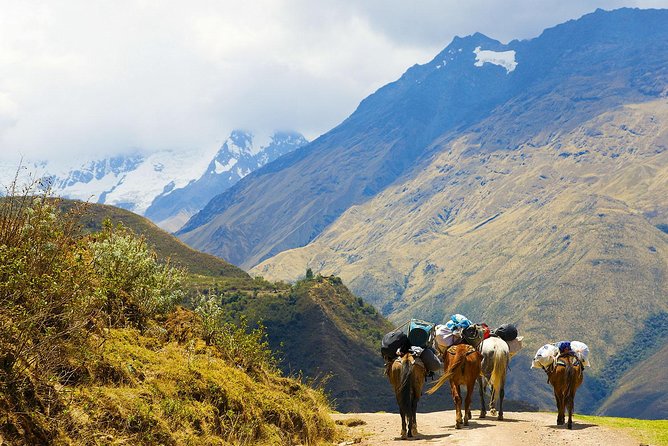
- Your main bag can be carried for you: Muleteers and horses transport kitchen equipment, food, and up to 7 kilograms of your luggage.
- Machu Picchu day is long: You enter the citadel around 6:30 a.m., return to Cusco near 10:00 p.m., and combine buses, a train, and road transport.
- Guide quality matters: Gilber, Rene, and Herbert receive especially warm praise for making the route interesting, manageable, and enjoyable.
Why this route is worth considering
The classic Inca Trail gets much of the attention, but the Salkantay route offers a different kind of approach to Machu Picchu. You trade ancient stone paths for huge mountain views, high passes, remote camps, changing vegetation, and a long walk beside the railway to Aguas Calientes.
I like that the route does not show you only one version of Peru. The first two days are about altitude and snow-covered peaks. Day three brings bananas, avocados, oranges, coffee, medicinal plants, orchids, and warm forest air. Then Machu Picchu arrives as the final reward rather than the only attraction.
At $590 per person, the package offers solid value if you want an organized trek. It covers three nights, four breakfasts, four lunches, three dinners, transport from Cusco and back, route and Machu Picchu admission, a professional English-speaking guide, a cook, pack animals, a train ticket, and buses between Aguas Calientes and Machu Picchu.
Still, low price should not mean low standards for mountain safety. Before departure, ask the company to confirm the emergency equipment, evacuation plan, and exact sleeping arrangements. One serious complaint described illness, no visible first-aid kit or oxygen balloon, and an unexpected $200 taxi cost to reach lower elevation. That is not a minor issue.
More Machu Picchu trips:
- Classic Inca Trail Trek 4D/3N to Machu Picchu (Group Service)
★ 5.0 · 8,653 reviews - Machu Picchu: 4-Day Inca Trail Trek with Panoramic Train Ride
★ 5.0 · 4,568 reviews - Short Inca Trail to Machu Picchu 2D/1N
★ 5.0 · 3,007 reviews
Day one: Cusco to Soraypampa and Humantay Lake
The day begins at 5:00 a.m. with hotel pickup in Cusco. You need your original passport because authorities require it at control points along the route. The early departure is practical, not glamorous, but it helps the group reach the trail before the day becomes too warm.
The drive to Mollepata takes about two hours. Along the way, you get views of snowy peaks and broad valleys before stopping for breakfast at a local restaurant. This is a useful pause after the early start, and it gives you a chance to eat properly before the walking begins.
From Mollepata, the vehicle continues for about 30 minutes to Challacancha, at roughly 3,600 meters. Here you meet the muleteer team and transfer the group’s food and equipment to the horses. You carry a small daypack, water, clothing layers, and anything you need during the walk.
The first walk covers about 10 kilometers and takes around three hours. The path follows an old water channel carrying cold, clean water to nearby residents. It is not yet the most demanding section, but the altitude makes even a moderate path feel harder than the distance suggests.
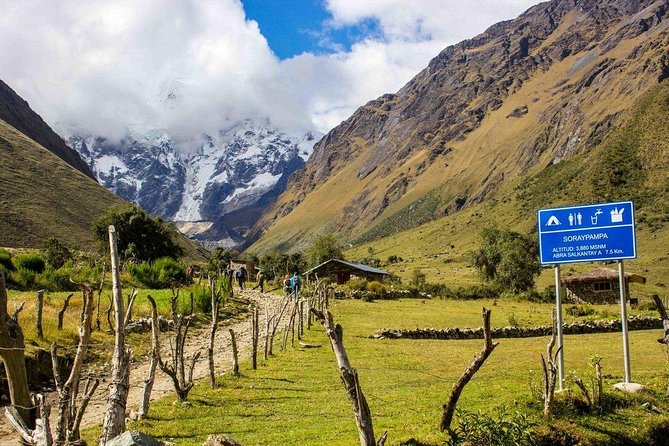
Lunch is served at Soraypampa, where the group camps for the night. The first accommodation is a mountain cabin at the Eco-Lodge Mamá Andrea. Expect a simple high-altitude base rather than a polished hotel. Tea time includes hot drinks, popcorn, and cookies, a welcome touch in a cold place.
The afternoon visit to Humantay Lake is short on paper and tough in practice. The climb takes about 90 minutes and reaches approximately 4,200 meters. You get around 40 minutes at the lake for photos and time to take in the setting before returning to camp.
Humantay Lake is one of the visual highlights of the trek. Its appeal comes from the contrast between the pale, snow-covered mountain and the clear water below. The climb can be slow, especially if you are still adjusting to Cusco’s altitude, so do not treat this as a casual stroll.
Back at Soraypampa around 5:30 p.m., you can enjoy sunset views over the snowy peaks. Dinner follows, and the clear mountain air may offer excellent stars and constellations. Bring warm layers. The first night is high, exposed, and likely to feel much colder than Cusco.
Day two: 4,630 meters at Salkantay Pass
Day two is the physical test. A wake-up call with coca tea comes at 5:00 a.m., followed by breakfast and a climb toward the highest point of the route.
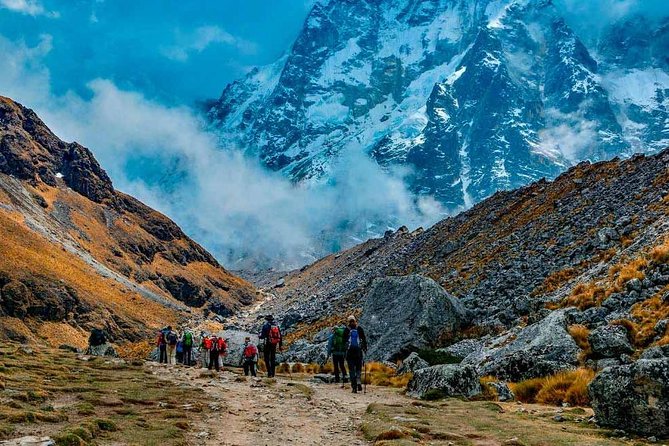
The uphill section lasts about three hours and covers roughly 7 kilometers. The first hour follows the Salkantay Valley on a gradual slope to Pampa Salkantay, at about 4,200 meters. After a short break, the path becomes rockier and continues upward for another two hours.
The Salkantay Pass reaches 4,630 meters, or 15,190 feet. From here, you can see Salkantay Mountain at about 6,271 meters and Humantay Mountain at approximately 5,400 meters. Salkantay is the second-highest mountain in the Cusco region, and its snowy summit gives this part of the trek its strongest sense of scale.
This is where pacing matters. Walk slowly, take the breaks offered, and tell the guide if you feel unwell. Headache, nausea, dizziness, or unusual weakness should not be brushed aside simply because reaching the pass is the goal.
After the pass, the route changes character. You descend toward Huayracmachay, where lunch is served around 1:30 p.m. The path then enters the high forest, also called cloud forest, with warmer and more temperate conditions and much more plant life.
The group reaches Colpapampa at about 2,900 meters in the late afternoon. A vehicle then carries you for about an hour to Sahuayaco and the Eco Lodge Majestic Sky Domes. The timing described for this section varies slightly, but the practical point is clear: you walk downhill after lunch, then ride to the lodge instead of continuing on foot.
The dome accommodation is one of the package’s pleasant surprises. The wood-and-glass design lets you feel connected to the forest while giving you a more comfortable night than a basic tent. Tea time includes hot chocolate, coffee, cookies, and popcorn, followed by dinner prepared by the cook.
Day three: Coffee farms, the Urubamba River, and Aguas Calientes
Day three eases the altitude pressure. You wake around 7:00 a.m. and eat breakfast at 8:00. The morning walk visits local plantations growing bananas, avocados, oranges, medicinal plants, and coffee.
Coffee is the main agricultural business in this area, including beans grown for export. A visit to a local coffee farm gives the route a welcome human connection. You can see where the crop fits into local income and taste coffee that has been freshly roasted and ground.
This is one of the most authentic parts of the program because it connects the scenery with daily life. The mountains are impressive, but farms and working communities explain how people use this fertile lower valley. After the plantation visit, you return to the lodge around 11:00 a.m. for time to relax before lunch and the transfer onward.
A vehicle takes you to the Hydroelectric Power Plant, arriving around 2:30 p.m. From there, you walk about three hours to Aguas Calientes. The path begins with a short climb, then becomes mostly level beside the railway and the Urubamba River.
The railway walk is not as dramatic as the high pass, but it is a pleasant transition into Machu Picchu country. The route passes through cloud forest with orchids and thick plant growth. You also visit Intihuatana, an Inca-era sundial carved into natural rock, with views toward Huayna Picchu and Machu Picchu.
The three-hour walk can feel long after two demanding days, yet it is less strenuous because the route is lower and flatter. Watch your footing near the tracks and follow the guide’s instructions.
You reach Aguas Calientes around 5:30 p.m. The town is the practical gateway to Machu Picchu, and the package includes a hotel room with a private bathroom. Dinner at a tourist restaurant is included, followed by a briefing about the next morning.
Go to bed early. The final day starts before sunrise, and the route back to Cusco is long. The evening briefing is useful because your guide explains how the Machu Picchu visit will work and when to meet for the return journey.
More hikes and treks in Cusco:
- Salkantay Classic Trek 5 Days from Cusco
★ 5.0 · 4,062 reviews - 4-Day Salkantay Trek with Sky Camp Stay
★ 5.0 · 3,346 reviews - Salkantay Trek 5D/4N with Glass Cabins, Domes and Hobbit House
★ 5.0 · 2,488 reviews - 2-Day Inca Trail to Machu Picchu with Panoramic Train
★ 5.0 · 1,876 reviews
Day four: Early entry to Machu Picchu
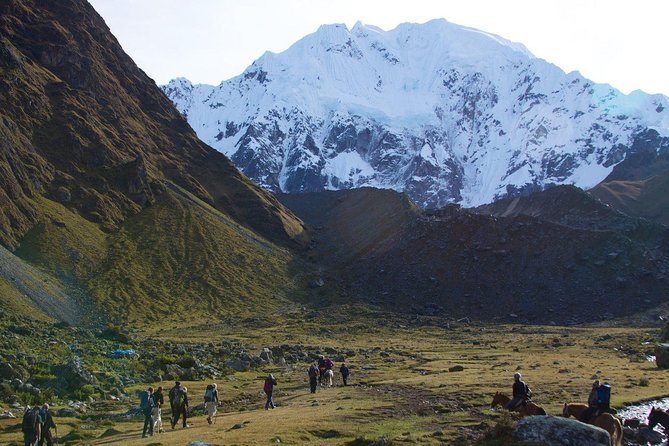
You leave the hotel at 5:30 a.m. and walk to the bus station. The tourist bus climbs for about 30 minutes on a zigzag road to the sanctuary entrance. Reaching Machu Picchu around 6:30 a.m. gives you a cooler start and a full morning inside the citadel.
The guided visit lasts about two hours. Your professional guide explains the temples, agricultural terraces, canals, water sources, and other structures that make Machu Picchu such a powerful destination. The site is not simply a photo stop. A good guide helps you understand how the stonework, farming systems, and water management fit together.
The guide team is a key strength of this experience. Gilber receives praise for sharing historical details and lesser-known facts during long conversations. Rene is credited with making a demanding activity manageable for the whole group. Herbert is also described warmly for his genuine effort to help the group enjoy the route, even though the company itself received criticism for communication and safety concerns.
After the guided visit, you have free time for photos and independent exploration. Huayna Picchu may be available, but the extra entry depends on availability. Do not treat that climb as guaranteed unless the company confirms it before departure.
The return journey begins in the afternoon. You take the bus down to Aguas Calientes, then an Expedition train to Ollantaytambo. Staff meet you at the station and transfer you by tourist bus to Cusco or, if arranged, a hotel in the Sacred Valley.
Arrival in Ollantaytambo is listed around 7:40 p.m., with arrival in Cusco near 10:00 p.m. This is a very long final day. Plan a quiet next morning rather than adding another early excursion.
Meals, luggage, and camp comfort
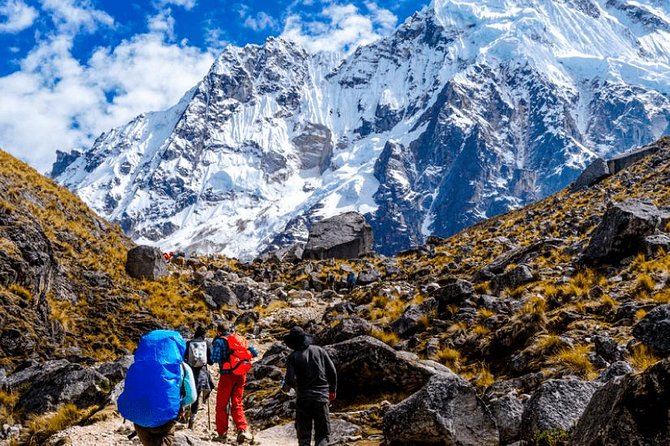
The food plan is generous for a four-day trek. You receive four breakfasts, four lunches, and three dinners, prepared by a cook and kitchen assistant. Vegetarian, vegan, and special diet meals are available if requested in advance.
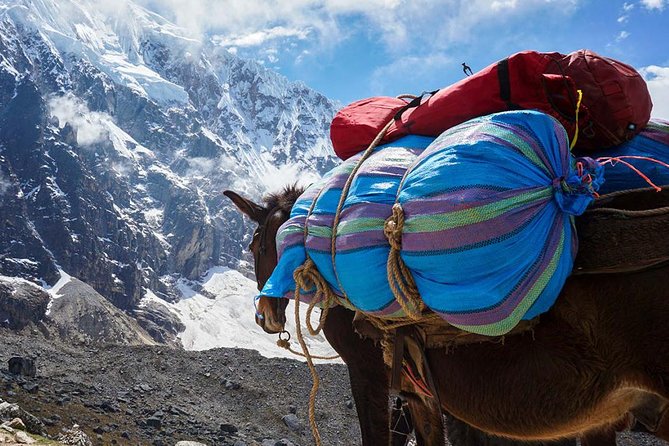
The horses carry kitchen gear, food, and up to 7 kilograms of your luggage. You still need a daypack with water, warm layers, rain protection, personal medication, and valuables. The company also offers luggage storage at its Cusco office while you are on the trek.
Camping is not entirely basic. The first night uses a mountain cabin, the second a private geodesic dome, and the third a hotel in Aguas Calientes. Dining equipment includes a tent, field tables, portable chairs, and camp lamps.
The package says it provides all necessary tour equipment, but personal items are not included. You remain responsible for proper shoes, clothing, and a backpack suited to steep, uneven paths.
Safety, communication, and the small group size
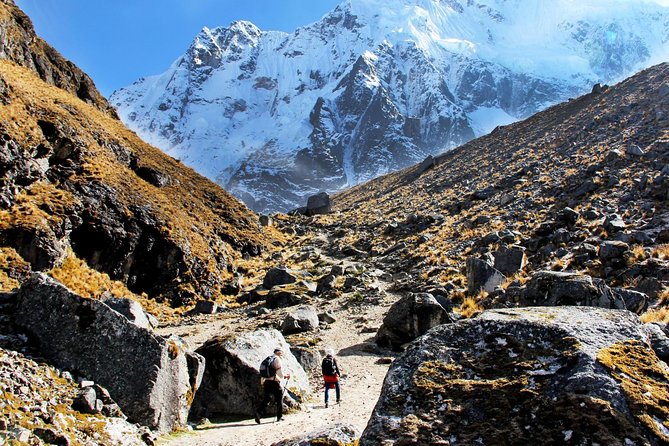
A maximum of 10 people is a good arrangement for a demanding route. A small group makes it easier to keep a steady pace, hear the guide, and address problems without losing half the day.
The guide carries a first-aid kit and emergency oxygen balloon according to the stated inclusions. Because one complaint specifically alleges these items were not provided when needed, I would verify them at the pre-trek meeting in Cusco. The meeting takes place one day before departure at the company office and is the right time to ask direct questions.
The company has also received criticism for late communication and incorrect advice about what to bring. Contact problems are especially frustrating when you are preparing for high-altitude walking. Save the office details, confirm pickup time, ask for a written packing list, and make sure you know who to contact if your health changes.
The route requires moderate physical fitness, but the pass and Humantay Lake make it more demanding than that phrase may suggest. Anyone booking should already be comfortable with several hours of uphill walking at altitude.
Is $590 good value?
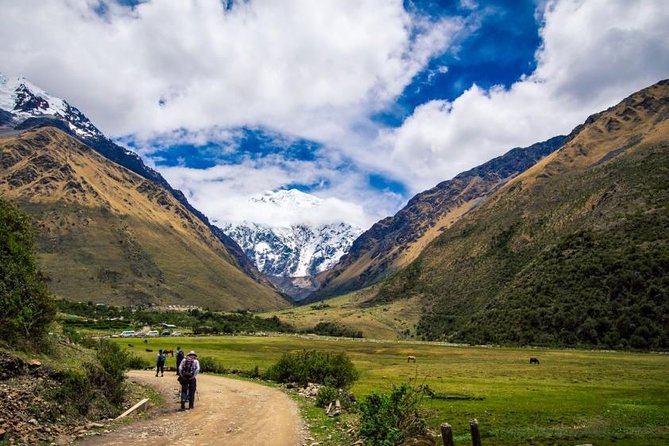
At $590, this is a strong package for someone who wants the logistics handled. Transport begins with hotel pickup in Cusco, and the price includes the route permit, Humantay Lake entry, Machu Picchu admission, guide service, meals, lodging, horses, buses, train, and the return transfer.
The value is strongest when you use the full package. Paying separately for accommodation, a guide, food, transport, and Machu Picchu access would require careful planning and could quickly approach the tour price.
The main question is not simply cost. It is consistency. A tour can be excellent when the guide and cook are attentive, yet disappointing if the office gives poor information or promised safety equipment is missing. I would book only after confirming the operational details in writing.
Who should book this trek?
This route suits you if you want a physically demanding mountain experience rather than the shortest path to Machu Picchu. It is a good fit for hikers who value changing scenery, local agriculture, high-altitude views, simple camp life, and a guided finish at the Inca citadel.
It also suits people who want most costs bundled together. The luggage support, meals, private transport, and hotel night in Aguas Calientes reduce the number of details you must manage yourself.
I would not choose it if you dislike early mornings, steep climbs, basic mountain accommodation, long transfer days, or uncertain office communication. If altitude has caused serious problems for you before, discuss the route with a medical professional and ask the operator how evacuation is handled.
Should you book the Salkantay Trek?
Book it if you want a varied four-day route and are ready for the 4,630-meter pass. The mountain views, Humantay Lake, coffee farm, cloud forest, and Machu Picchu visit create a memorable sequence, and the included services make $590 a fair price.
Before paying, confirm the exact inclusions, the Huayna Picchu situation, pickup details, packing advice, first-aid kit, emergency oxygen, and plan for altitude illness. If the company answers clearly, this can be a rewarding way to reach Machu Picchu. If answers remain vague, choose another operator, even if it costs more.
FAQ
How long is the Salkantay Trek to Machu Picchu?
The experience lasts approximately four days, beginning with pickup in Cusco at 5:00 a.m. on day one and ending with return to Cusco at about 10:00 p.m. on day four.
What time does the tour begin?
Hotel pickup starts at 5:00 a.m. in Cusco. Pickup is also available from hotels in the Sacred Valley.
How high does the trek go?
The highest point is Salkantay Pass at 4,630 meters, or 15,190 feet. Humantay Lake is located at about 4,200 meters.
How difficult is the route?
The tour requires a moderate level of physical fitness. Day two is the hardest, with about three hours of uphill walking to the pass. The climb to Humantay Lake is also demanding because of the altitude.
What accommodation is included?
You spend the first night at Cabaña Andina at Eco-Lodge Mamá Andrea, the second night in a wood-and-glass dome at Eco Lodge Majestic Sky Domes, and the third night in a hotel room with a private bathroom in Aguas Calientes.
Are meals included?
Yes. The package includes four breakfasts, four lunches, and three dinners. Vegetarian, vegan, and special diet meals can be prepared if requested.
How much luggage can the horses carry?
The muleteers and horses carry up to 7 kilograms, or 15 pounds, of your luggage. You carry a smaller backpack and your water.
Is Machu Picchu admission included?
Yes. The package includes entry to Machu Picchu and a guided visit with a professional English-speaking guide. Huayna Picchu entry is included only if available.
How do you return to Cusco?
After visiting Machu Picchu, you take a bus to Aguas Calientes, an Expedition train to Ollantaytambo, and tourist bus transport from the station to Cusco or a hotel in the Sacred Valley.
Just added in Cusco
- Cusco Private Transportation for 2026★ 5.0 · 4 reviews
- Private Transfer from Airport to Hotel in the City of Cusco★ 4.0 · 5 reviews
- Best Cusco walking tour: dinner street food tasting★ 4.5 · 11 reviews
- Private Tour to Pisac Market and Pisac Ruins★ 5.0 · 4 reviews
- Machu Picchu Day Trip With Panoramic Train from Cusco★ 5.0 · 10 reviews
- Sacred Valley Private Tour from Cusco, Guide and Driver only★ 5.0 · 4 reviews
- Sacred Valley of the Incas Tour★ 5.0 · 12 reviews
- Private Tour of the Mountain of Colours by Quad★ 5.0 · 7 reviews
Machu Picchu Tours, compared.
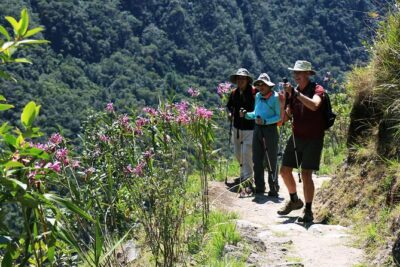
Classic Inca Trail Trek 4D/3N to Machu Picchu (Group Service)
Read our review →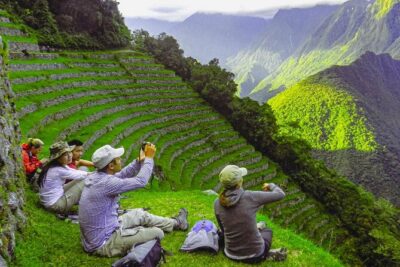
2-Day Inca Trail to Machu Picchu with Panoramic Train
Read our review →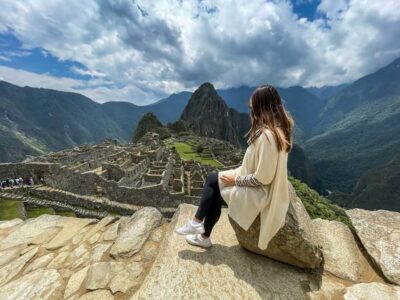
From Cusco: Full-Day Group Tour of Machu Picchu
Read our review →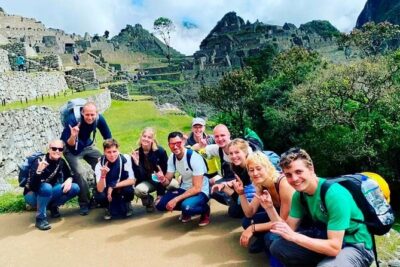
2-Day Tour: Sacred Valley and Machu Picchu by Train
Read our review →
Machu Picchu: Full-Day Tour from Cusco with Optional Lunch
Read our review →
Machu Picchu Full Day from Cusco by Panoramic Train
Read our review →Browse the lists this tour appears in