
Reviewed · MACHU PICCHU TOURS
The Voyager Machu Picchu Train by Inca Rail
Machu Picchu begins before the ruins. The Voyager train gives you a practical way to reach Machu Picchu Pueblo, with air conditioning, a restroom, and several departure options from the Cusco area. I like the choice between a standard train journey and the year-round Bimodal bus-and-train service. I also like the helpful staff, who have guided passengers to the Machu Picchu buses and even returned a lost child’s backpack.
The main caution is value. At $203 per person, this is transportation rather than a complete Machu Picchu visit, since the citadel entrance and guided tour cost extra. You should also be ready for basic seats, loud onboard entertainment, and possible confusion if your train, bus, and citadel ticket are booked as one package.
In This Review
- Key points to know before booking
- What the $203 Voyager fare really buys you
- Choosing between Cusco, Poroy, and Ollantaytambo
- Why the Bimodal bus and train option matters
- Arriving at Machu Picchu Pueblo
- What the Voyager carriage feels like
- Staff can make the difference
- The biggest practical risk: linking transport to entry tickets
- Who will get the most from this train
- Booking, timing, and cancellation details
- FAQ
- Where does the Voyager train depart?
- What time does the experience start?
- How long does the train experience take?
- Is Machu Picchu admission included?
- Is the Bimodal service available year-round?
- What is included on the train?
- Can I cancel for a full refund?
- Should you book the Inca Rail Voyager?
Key points to know before booking
- Three possible rail starting points: Board at San Pedro in Cusco, Poroy, or Ollantaytambo, depending on the service and season.
- Bimodal service runs all year: A private bus leaves from Av. El Sol 843 near Cusco’s Plaza de Armas, then connects with the train at Ollantaytambo.
- January through April usually means Bimodal travel: Weather can prevent departures from San Pedro and Poroy during these months.
- The fare does not include Machu Picchu entry: You must arrange the citadel ticket and any guided visit separately unless you buy a larger package.
- Service quality is mixed: Staff can be kind and helpful, but passengers have also reported delays, dated carriages, cramped buses, and weak communication during disruptions.
- The standard journey takes about three hours: The full experience can run from roughly two to four hours, depending on the departure and connection.
What the $203 Voyager fare really buys you
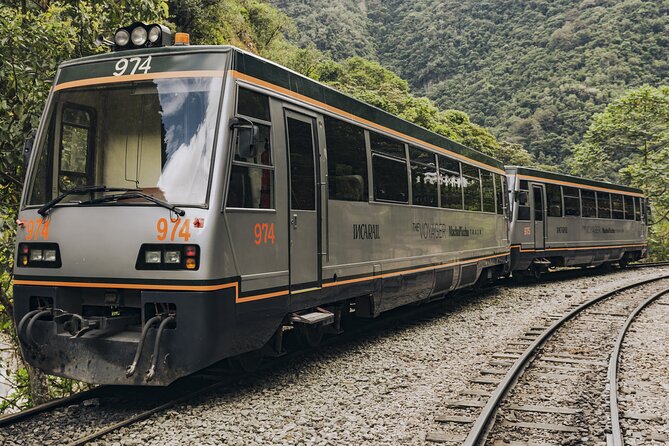
At $203, the Voyager is not a cheap local train. It is best understood as a convenient link between the Cusco area and Machu Picchu Pueblo, also called Aguas Calientes. The price pays for private transportation, an air-conditioned vehicle, and a train ride with an onboard restroom.
That convenience matters. Machu Picchu is about 110 kilometers northeast of Cusco, in the Urubamba Province, and the railway route avoids the need to arrange separate transport for each part of the trip. If you are trying to coordinate Cusco, Ollantaytambo, Machu Picchu Pueblo, and the final visit to the citadel, having one transport provider can reduce the number of moving parts.
Still, you should read the price carefully. Entrance to Machu Picchu is not included, and neither is a tour through the citadel. You may pay the $203 and still need to arrange the major sightseeing part of the day.
That makes the Voyager a better fit for someone who values an organized rail connection than for someone seeking the lowest possible fare. If you want a guided Machu Picchu visit, compare the total cost of a full package before booking this train alone.
More Machu Picchu trips:
- Classic Inca Trail Trek 4D/3N to Machu Picchu (Group Service)
★ 5.0 · 8,653 reviews - Machu Picchu: 4-Day Inca Trail Trek with Panoramic Train Ride
★ 5.0 · 4,568 reviews - Short Inca Trail to Machu Picchu 2D/1N
★ 5.0 · 3,007 reviews
Choosing between Cusco, Poroy, and Ollantaytambo
Inca Rail lists three possible departure stations: San Pedro in Cusco, Poroy, and Ollantaytambo. Your choice affects how much road transportation you need before reaching the train.
A departure from San Pedro is the most direct option on paper because the station is in Cusco. Poroy is another Cusco-area departure point. Ollantaytambo requires you to reach the Sacred Valley town first, but it can work well if you are already spending time there.
The important point is to confirm the actual departure station shown on your booking. The meeting information for this experience lists Machu Picchu station in Aguas Calientes as both the start and end point, while the service description discusses departures from the Cusco area. That mismatch is worth clarifying before you pay. You do not want to discover at the last minute that your voucher covers only the rail segment.
The listed start time is 6:40 am. That is an early beginning, so plan your morning around it rather than treating the train as a casual midday ride. The overall duration is listed as about three hours, with an approximate range of two to four hours.
Why the Bimodal bus and train option matters
The Bimodal service combines a bus from Cusco with the train from Ollantaytambo to Machu Picchu Pueblo. The bus begins at Av. El Sol 843, near the Plaza de Armas, and the service operates throughout the year.
From January through April, Bimodal service is particularly important. Rain and other weather conditions may prevent departures from the San Pedro and Poroy stations, so the bus connection becomes the suggested option during that period.
You gain simplicity, but not necessarily comfort. One passenger found the bus hot, crowded, and very bumpy. Another paid for a higher-priced Bimodal class and found the bus cramped, with little room for a small backpack and too little time to move between bus and train.
My advice is practical: bring only a compact day bag into the transfer, keep your ticket and identification easy to reach, and pay attention to staff instructions at Ollantaytambo. The connection may be managed well, but the change from bus to train is not the part to handle casually.
The Bimodal route can still be useful, especially if you are leaving from central Cusco or traveling during the wet season. Just do not assume that a higher train class turns the bus segment into a premium ride.
Arriving at Machu Picchu Pueblo
The train ends at Machu Picchu station in Aguas Calientes, the town below the citadel. This is not the archaeological site itself. You still need to reach the entrance area and present a valid Machu Picchu ticket for your assigned date and circuit.
That distinction is central to this booking. The train gets you to the gateway town, but it does not provide entry to the Historic Sanctuary of Machu Picchu. The citadel is the famous Inca site of temples, terraces, platforms, and water channels, surrounded by steep mountain scenery.
Staff may help you find the buses that continue toward Machu Picchu. That kind of assistance can be valuable after an early start, especially if you are unfamiliar with the station and town. One passenger specifically praised the crew for pointing the way to the buses.
But you remain responsible for checking your entry arrangements. A serious problem occurred when a passenger received a citadel ticket for the wrong date as part of an all-inclusive package. The result was a wasted visit and a return to the site the next day. If your package includes both transport and admission, inspect the date, circuit, and name as soon as you receive the documents, not when you reach the checkpoint.
More things to do in Cusco:
- Cusco: Rainbow Mountain and Red Valley Day Trip with Meals
★ 4.9 · 4,893 reviews - Salkantay Classic Trek 5 Days from Cusco
★ 5.0 · 4,062 reviews - 4-Day Salkantay Trek with Sky Camp Stay
★ 5.0 · 3,346 reviews - Excursion to Rainbow Mountain Full Day Optional Red Valley
★ 5.0 · 2,996 reviews
What the Voyager carriage feels like
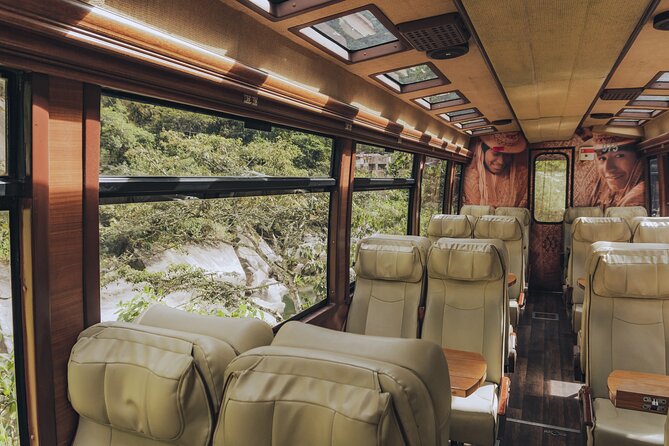
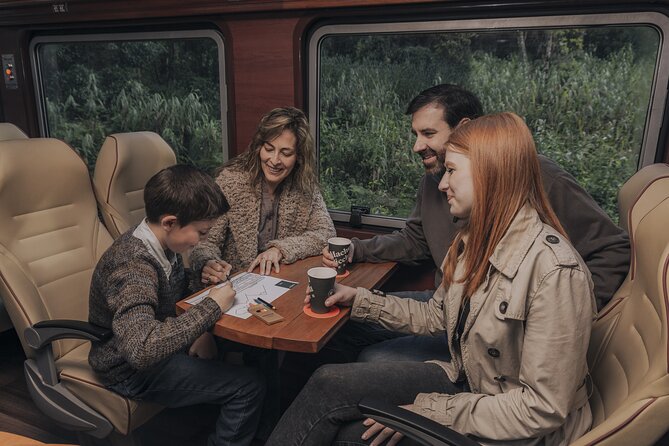
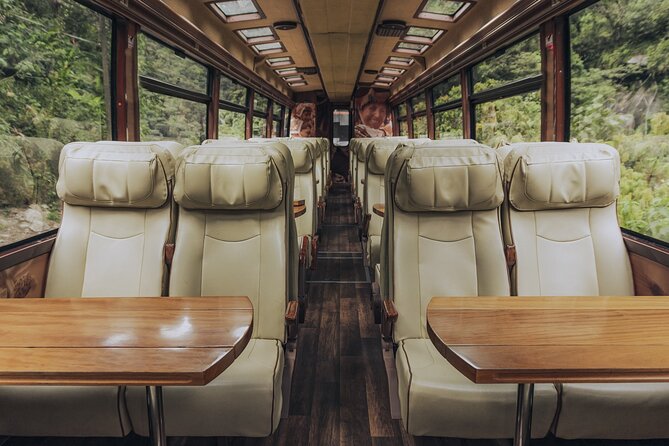
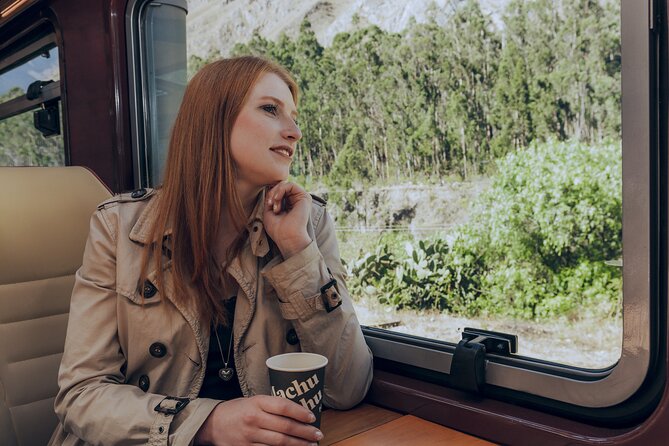
The Voyager is the basic Inca Rail service, and you should set your expectations accordingly. It has air conditioning and a restroom, which are useful comforts on a long sightseeing day. The train also provides views along the route, and the scenery is one of the main reasons to choose rail travel over a simple road transfer.
The interior may feel more functional than polished. Passengers have described the carriage as dated, with seats that provide less space and comfort than some competing trains. That does not make the ride unusable, but it does mean you should not book the Voyager expecting a luxury rail cabin.
The atmosphere is another personal choice. Inca Rail may include music, announcements, cultural presentations, or theatrical entertainment during boarding and the ride. Some passengers enjoy this added sense of occasion. Others find the pan flute music too loud, the announcements repetitive, and the performances awkward or unnecessary.
I would treat the onboard program as a bonus rather than a reason to pay more. If you want a quiet ride, bring patience and keep your expectations modest. If you enjoy a little staged entertainment connected to Andean culture, you may find it pleasant, but the presentation is not universally appealing.
Staff can make the difference
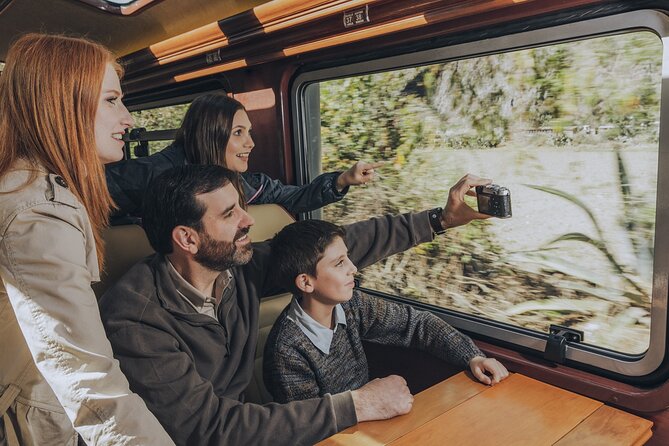
The strongest part of the experience appears to be the frontline staff. Jazmín and Anthony were praised for helping an older passenger from the first moment, with friendly and caring service. Another passenger described the service as excellent and appreciated the safe return of a forgotten backpack the next day.
That matters on a route with several handoffs. A smile and a clear direction can save time when you are moving from train to bus or trying to locate the Machu Picchu connection.
The service is not perfect. During one major disruption after a train accident, passengers faced long waits and poor instructions. Trains reportedly left with empty seats while people remained unsure of what to do. In another case, a breakdown at Chilca lasted more than an hour, causing passengers to miss the daylight scenery. The compensation described was only a small bag of nuts and half a cup of water.
These incidents do not predict every journey, but they show the risk of relying on a transport company during a crisis. If your schedule includes a same-day Machu Picchu entry, avoid leaving yourself no margin at all. A delayed train can affect your bus connection and your timed admission.
The biggest practical risk: linking transport to entry tickets

The train and the archaeological site operate as related parts of a day, but they are not the same service. Inca Rail can carry you to Machu Picchu Pueblo, while the site admission system controls entry dates and circuits.
This becomes especially important if you buy an all-inclusive package. A package can be convenient because transportation, meals, guides, and tickets may be coordinated for you. But you should still verify every document. Confirm the date before boarding, confirm the circuit, and make sure the names match your travel documents.
The supplied information identifies the tour as a maximum-size service of 516 participants. That is a large possible group, even though the train itself will be divided among carriages. A large operation can provide structure, but it may also mean crowded boarding areas and slower communication when plans change.
If you prefer control, book the rail segment and citadel admission separately, then check that the arrival time works with your assigned entry slot. If you prefer convenience, choose a package, but inspect the paperwork immediately.
Who will get the most from this train
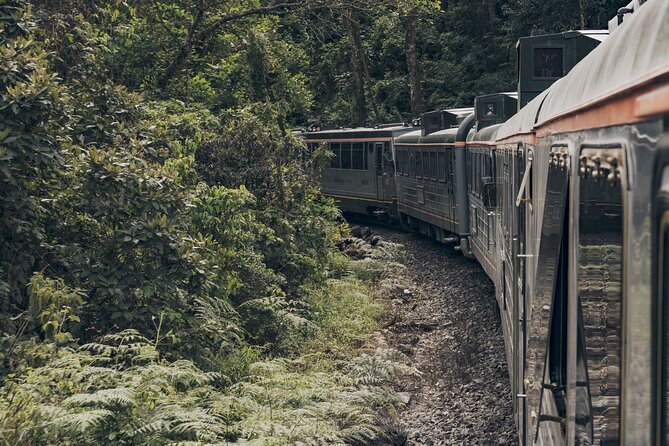
I would recommend the Voyager to you if you want a straightforward way to connect with Machu Picchu and do not need a luxury rail experience. It suits passengers who appreciate air conditioning, an onboard restroom, organized transfers, and staff assistance.
It can also work well for a first visit when you would rather not arrange every bus and train independently. The Bimodal option is useful from central Cusco and is particularly relevant from January through April.
I would be more cautious if you are paying for a premium experience. The Voyager is the standard service, and even higher-priced options have not always delivered spacious seating or a calm bus connection. You may prefer to spend your money on a guide, a better-timed itinerary, or extra flexibility instead.
You should also think twice if your visit depends on perfect timing. Delays, breakdowns, weather, and poor crisis communication have all been reported. The railway may run smoothly, but the consequences of a problem are serious when you have a fixed Machu Picchu entry time.
Booking, timing, and cancellation details
Confirmation is sent within 48 hours of booking, subject to availability. Since the average booking lead time is about six days, I would not leave this until the last minute, especially if your citadel admission is already fixed.
The listed meeting point is Machu Picchu station in Aguas Calientes, with the same station listed at the end. Because other information describes departures from Cusco, Poroy, and Ollantaytambo, confirm exactly where your service begins before traveling to the station.
Free cancellation is available up to 24 hours before the experience start time. Cancellations made less than 24 hours before departure are not refunded, and late changes are not accepted. The cutoff uses local time.
Service animals are allowed, and most people can participate. The vehicle includes air conditioning and a restroom, but the information does not promise special seating or other mobility arrangements, so ask the operator before booking if you need a specific accommodation.
FAQ
Where does the Voyager train depart?
Inca Rail lists San Pedro station in Cusco, Poroy, and Ollantaytambo as possible departure points. The Bimodal service begins at Av. El Sol 843 near Cusco’s Plaza de Armas and continues by train from Ollantaytambo.
What time does the experience start?
The listed start time is 6:40 am. Confirm the exact departure location on your booking because the meeting information also lists Machu Picchu station in Aguas Calientes.
How long does the train experience take?
The approximate duration is two to four hours, with about three hours listed for the main itinerary.
Is Machu Picchu admission included?
No. The entrance ticket to Machu Picchu and a tour through the citadel are not included in this experience.
Is the Bimodal service available year-round?
Yes. The Bimodal service operates all year. It is suggested from January through April because weather may prevent departures from San Pedro and Poroy.
What is included on the train?
The experience includes private transportation, an air-conditioned vehicle, and a restroom on board.
Can I cancel for a full refund?
Yes, if you cancel at least 24 hours before the experience start time. Cancellations or changes made less than 24 hours in advance are not accepted or refunded.
Should you book the Inca Rail Voyager?
Book it if you want a practical rail connection and value organized transport more than polished comfort. The helpful staff, useful Bimodal option, air conditioning, restroom, and scenic route make it a sensible choice for many visits.
Do not book it blindly as a full Machu Picchu tour. The $203 fare does not include site admission or a citadel guide, and the ride may feel dated or noisy. Confirm your departure station, inspect any Machu Picchu ticket for the correct date and circuit, and leave room for delays.
For a well-planned visit, the Voyager can do its main job well: get you to Machu Picchu Pueblo. Just remember that reaching the town is only one part of the day.
Just added in Cusco
- Best Cusco walking tour: dinner street food tasting★ 4.5 · 11 reviews
- Cusco Private Transportation for 2026★ 5.0 · 4 reviews
- Private Transfer from Airport to Hotel in the City of Cusco★ 4.0 · 5 reviews
- Private Tour to Pisac Market and Pisac Ruins★ 5.0 · 4 reviews
- Machu Picchu Day Trip With Panoramic Train from Cusco★ 5.0 · 10 reviews
- Sacred Valley Private Tour from Cusco, Guide and Driver only★ 5.0 · 4 reviews
- Sacred Valley of the Incas Tour★ 5.0 · 12 reviews
- Private Tour of the Mountain of Colours by Quad★ 5.0 · 7 reviews
Machu Picchu Tours, compared.
Classic Inca Trail Trek 4D/3N to Machu Picchu (Group Service)
Read our review →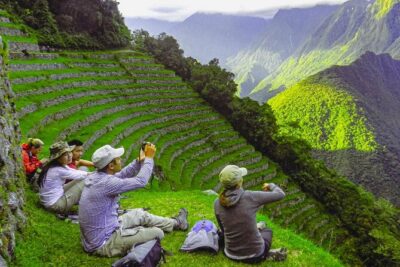
2-Day Inca Trail to Machu Picchu with Panoramic Train
Read our review →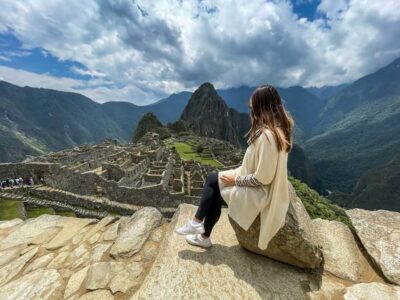
From Cusco: Full-Day Group Tour of Machu Picchu
Read our review →

2-Day Tour: Sacred Valley and Machu Picchu by Train
Read our review →
Machu Picchu: Full-Day Tour from Cusco with Optional Lunch
Read our review →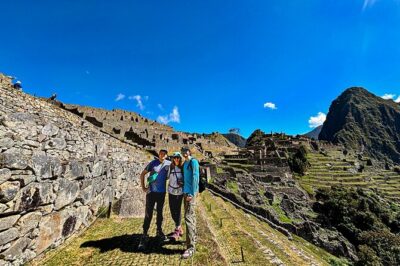
Machu Picchu Full Day from Cusco by Panoramic Train
Read our review →Browse the lists this tour appears in