
Reviewed · WILDLIFE
VIP Best Wildlife Tour in Cusco Official Cochahuasi Sanctuary®
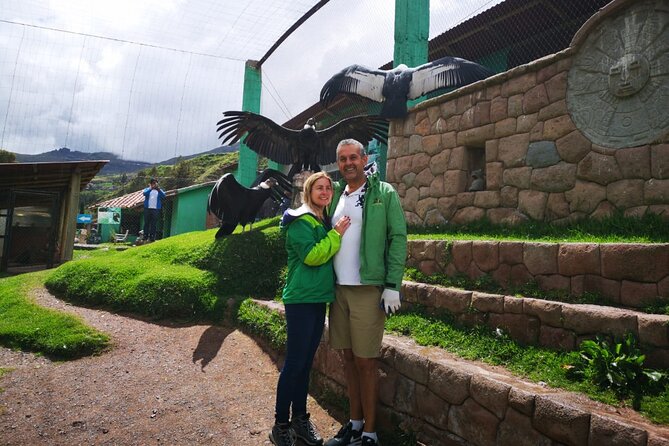
Wildlife stories matter here. The Cochahuasi Animal Sanctuary offers a personal look at rescued Andean condors, spectacled bears, pumas, macaws, alpacas, and other native animals, about 40 minutes from Cusco. I like the private guide and round-trip transport, which keep the visit calm and simple. I also like that your fee supports rescue, care, rehabilitation, and conservation work.
The setting is modest rather than polished, and that is worth knowing before you book. Animal encounters can vary, too. One visitor paid for feeding opportunities but did not get them, so feeding is not guaranteed on every visit.
In This Review
- Key points at a glance
- Why Cochahuasi makes a good change from ruins
- The private ride from Cusco
- A quick look at Sacsayhuamán
- Meeting the rescued animals
- What the feeding experience is really like
- The stories behind the condors, bears, and pumas
- The workshop and baby alpacas
- How the private format affects the value
- Who will enjoy this most
- Practical advice before you go
- Should you book Cochahuasi?
- FAQ
- How long does the Cochahuasi tour take?
- What animals can I see at the sanctuary?
- Is feeding the animals included?
- Does the tour include transportation from Cusco?
- Is Sacsayhuamán admission included?
- What is the cancellation policy?
Key points at a glance
- Condors can fly close overhead: Watching these huge Andean birds glide or flap above the enclosure is often the emotional high point.
- A private visit keeps the pace flexible: Your group gets its own transport and guide instead of joining a large bus tour.
- Rescue stories give the animals context: You learn how poaching, trafficking, and abuse affected many residents.
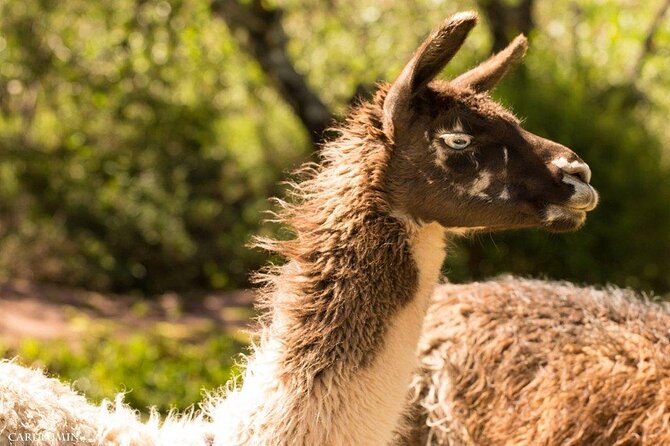
- Feeding may include alpacas, llamas, macaws, or tortoises: The exact interaction depends on the animals and the visit.
- Sacsayhuamán appears as a brief photo stop: You can pause for views of the Inca walls and Cusco, but this is not a full archaeological visit.
- The $32.90 price includes useful transport: For a short private outing with admission and a guide, the cost is reasonable, especially if you are traveling with family or friends.
Why Cochahuasi makes a good change from ruins
Cusco and the Sacred Valley can fill your days with temples, terraces, stonework, and long drives. Cochahuasi gives you a different kind of afternoon. Instead of another archaeological site, you spend time with animals that have survived captivity, illegal trade, neglect, or other harm.
That change of pace is valuable. You are not simply looking at wildlife through a glass wall. You hear the individual stories of animals that may never return to the wild, along with the sanctuary’s efforts to release those healthy enough to live independently.
The sanctuary is run mainly by a family with help from volunteers. Its facilities are described as clean and cared for, but not slick or museum-like. You should expect a working rescue center, not a modern zoo with highly polished displays and a large institutional staff.
That difference shapes the visit. Some enclosures and conditions may feel bittersweet, particularly when you see bears or pumas that cannot yet return to a natural life. At the same time, the purpose of the place is clear: give rescued animals a safer home and support rehabilitation when possible.
More things to do in Cusco:
- Classic Inca Trail Trek 4D/3N to Machu Picchu (Group Service)
★ 5.0 · 8,653 reviews - Cusco: Rainbow Mountain and Red Valley Day Trip with Meals
★ 4.9 · 4,893 reviews - Machu Picchu: 4-Day Inca Trail Trek with Panoramic Train Ride
★ 5.0 · 4,568 reviews
The private ride from Cusco
The experience begins with pickup near your Cusco hotel or Airbnb in a private vehicle. The published meeting point is Calle Plateros in central Cusco, so confirm the exact pickup arrangement after booking if you are staying outside the usual center.
The drive takes about 30 to 40 minutes. That short transfer makes this a useful half-day outing, especially if you have limited time in Cusco or want something gentle after a demanding mountain excursion. You avoid arranging a taxi, finding the sanctuary on your own, and negotiating a return ride.
A private vehicle also gives you more control. The driver remains at the sanctuary during the visit and returns you to the city afterward. Some drivers have also stopped for extra photo views along the way, though you should treat those as a possible courtesy rather than a guaranteed part of the program.
Communication is one of the practical strengths here. After booking, you can message the operator to choose a pickup time. The tour is listed as lasting about two to three hours, with roughly an hour assigned to the sanctuary portion in the basic schedule, while the fuller private visit is described as lasting about three hours. Allow a relaxed half-day, since the drive and photo stop add time.
A quick look at Sacsayhuamán
On the way to Cochahuasi, the vehicle passes Sacsayhuamán, the great Inca site above Cusco. This is a scenic pause, not a full tour of the ruins, and admission is not charged for this stop under the experience details.
Your guide can explain the massive stone walls and point out views toward Cusco. The stop is listed at only about five minutes, so think of it as a chance to take photos and get a brief introduction rather than study the site’s construction or walk through the entire complex.
That distinction matters. If Sacsayhuamán is high on your list, buy a proper archaeological-site visit or set aside separate time for it. If you simply want a good city panorama and a little Inca context before seeing the animals, this pause adds value without making the outing much longer.
Meeting the rescued animals
At Cochahuasi, a guide leads your group through the sanctuary and explains the animals’ backgrounds. The focus is not only on species facts. You learn why particular animals were rescued and what the staff hopes to achieve for them.
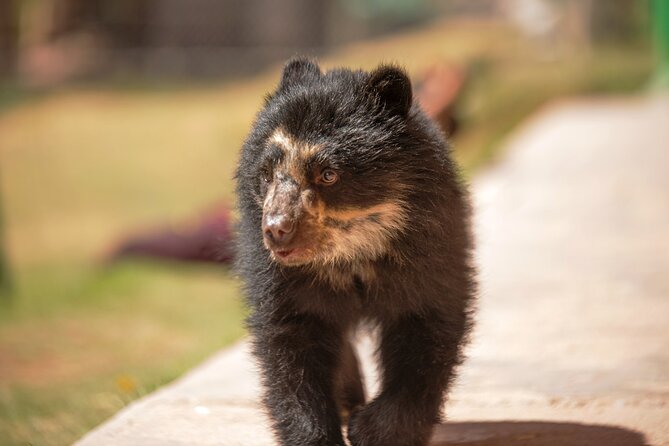
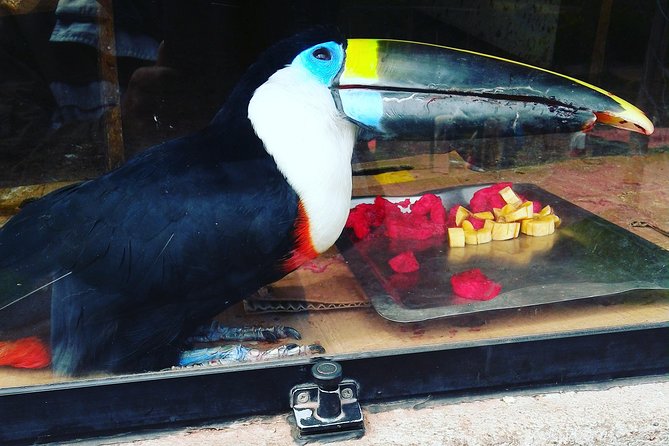
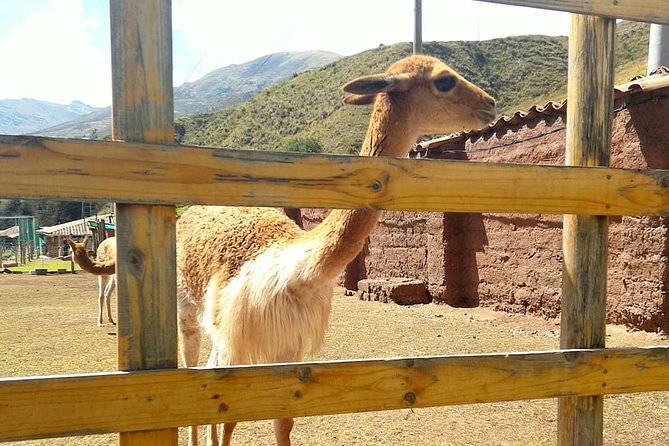
The residents can include Andean condors, spectacled bears, pumas, vicuñas, toucans, macaws, tortoises, llamas, and alpacas. Sightings and interactions are not fixed, so keep your expectations open. A puma may remain hard to spot, while the llamas or alpacas may be much more willing to approach.
The birds create some of the most memorable moments. Macaws may be available for feeding, and a condor may fly over the enclosure. The condors are enormous, and seeing one pass above you gives a better sense of its size than any photograph can.
Some visits have included condors flying, mating, or circling overhead. Those are lucky moments, not scheduled performances. The sanctuary’s aim is animal care, so the experience is less predictable than a staged wildlife show.
A few more options to weigh up in Cusco
- Hiram Bingham Round Trip Luxury Train to Machu Picchu
★ 4.5 · 157 reviews - Machu Pichu from Cusco on a full day with Peru Vip
★ 5.0 · 138 reviews - Luxury Inca Trail to Machu Picchu in 4 Days
★ 5.0 · 106 reviews - Sacred Valley and Machu Picchu Tour in 2 days with Peru Vip
★ 5.0 · 55 reviews
What the feeding experience is really like
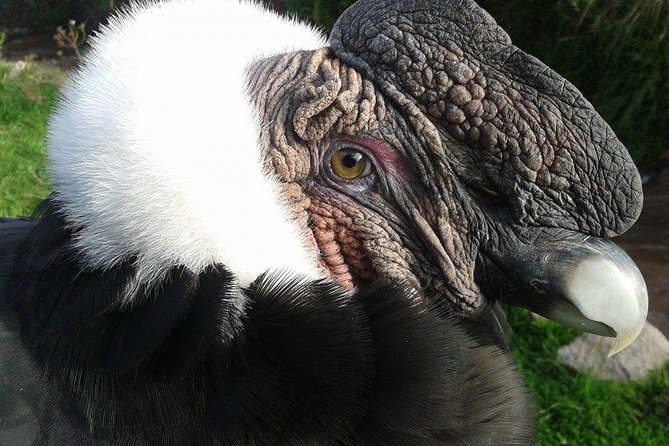
Feeding animals is listed among the included activities, with llamas, alpacas, macaws, tortoises, and other species named in the tour details. This can make the visit especially appealing to families and children, since you are not only walking past enclosures.
Still, you should read this promise with some flexibility. One disappointing visit involved a person who did not get to feed the animals described in the activity. Conditions, timing, animal behavior, and staff decisions can affect what happens that day.
The ethical point is more important than collecting a perfect checklist of species. Follow the guide’s instructions and feed only when invited. If an animal is resting, unavailable, or not suited to contact, the sanctuary should put its welfare first.
For many people, simply watching the animals and hearing their stories will be enough. The experience is strongest when you treat feeding as a possible extra, not the sole reason to pay for the tour.
The stories behind the condors, bears, and pumas
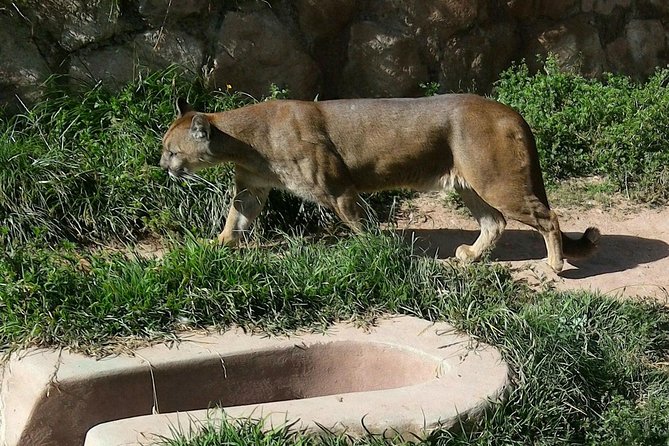
The guided explanations are central to the visit. The staff know the animals by name and can describe their individual habits and personalities, not just their Latin names or general behavior.
That personal detail helps you understand why rescue work takes time. An animal saved from a poacher or trafficker may need care for years. Some can be rehabilitated and released if they are healthy enough. Others may have injuries, dependence on humans, or behavioral problems that make release unsafe.
The pumas and bears can be difficult to see. They may appear quiet, distant, or confined compared with the llamas and alpacas. That can feel sad, but it also shows the hard truth behind wildlife trafficking. Rescue centers do not always get to restore an animal to its original life.
A good guide helps you hold both ideas at once: the animals deserve freedom, and sanctuary care may be the best option left after exploitation. Guides named Manuel, Alberto, Aurelio, and others have been praised for clear explanations and close attention to each animal, though your guide is not guaranteed to be one of them.
The workshop and baby alpacas
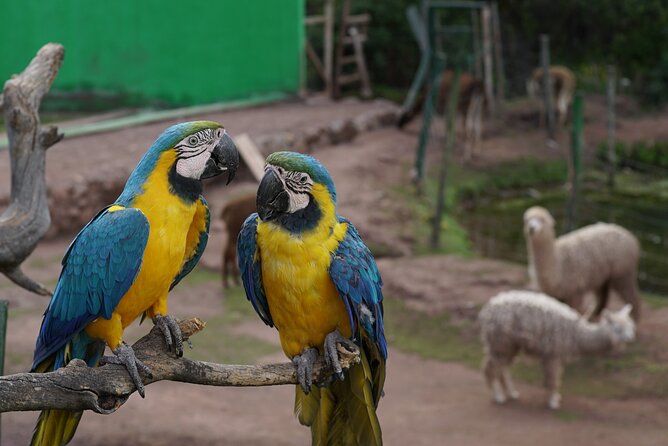
Before the return to Cusco, you may have the option to visit the sanctuary workshop. This can include seeing baby alpacas and traditional weaving.
It is presented as a gentle way to support the sanctuary’s work, not as a required shopping stop. If you want to contribute beyond the entry fee, this gives you a chance to do so while seeing another part of local craft life.
If your main interest is wildlife, the workshop is easy to treat as optional. If you enjoy textiles, alpacas, and small community-based projects, it adds a pleasant final note to the visit.
How the private format affects the value
The tour costs $32.90 per person. That price includes private transportation, sanctuary admission, and a guide who explains the animals and their rescue stories. Bottled water is not included, so bring your own.
For a short private excursion, the price is fair. A solo visitor pays more per person than a couple or family would in total, but the convenience of hotel pickup and return removes several small hassles. You also avoid being tied to a large group’s pace.
The private format is most useful when you want to ask questions, linger near a favorite animal, or move on when the children lose interest. It can also be a better fit for couples who want a quiet outing rather than a crowded coach tour.
The price becomes less attractive if you expect a fully polished attraction, guaranteed feeding, or a long wildlife program. You are paying partly for transport and personal guiding, and partly for support of a small sanctuary doing difficult work with limited resources.
Who will enjoy this most
I would recommend Cochahuasi to animal lovers, families, solo visitors, and anyone wanting a short break from Cusco’s usual cultural route. It also works well on a free morning or afternoon, or near the end of a trip when you want an experience that is easy to arrange.
You will get the most from it if you care about conservation and can accept an imperfect, working facility. The visit is less suited to someone who wants guaranteed close contact with every animal, highly staged entertainment, or a full Sacsayhuamán tour.
Children may enjoy feeding the friendlier animals and seeing macaws and condors. Parents should prepare them for serious rescue stories. This is not only a cheerful petting experience. Some animals have come from painful situations, and the guide may explain that plainly.
The outing can also suit visitors who do not want a long hike. The available details say most people can participate, but no specific accessibility features are provided, so ask the operator directly if you have mobility needs.
Practical advice before you go
Bring water, since bottled water is not included. Wear comfortable clothes and shoes for walking around the sanctuary, and carry a camera for the condors and the Sacsayhuamán viewpoint.
Keep your schedule loose. The advertised length is about two to three hours, but pickup, the drive, the scenic stop, and the pace of a private visit can make the outing feel like a half-day plan.
Book ahead if your dates are fixed. The activity is often reserved about 20 days in advance, though one last-minute booking was accommodated. I would not rely on last-minute availability during a busy Cusco period.
Ask about the pickup time and exact meeting point after booking. The listed start point is Calle Plateros, while the tour description promises pickup from your hotel or Airbnb. A quick message avoids confusion.
Free cancellation is available if you cancel at least 24 hours before the start time. Cancellations inside that window are not refunded, and changes made within 24 hours are not accepted. The activity also requires a minimum number of participants, with another date or a full refund offered if that minimum is not met.
Should you book Cochahuasi?
Book it if you want a private, easy-to-arrange wildlife visit that supports rescue work near Cusco. The condors, personal animal stories, and chance to feed alpacas, llamas, macaws, or tortoises can make this one of the most heartfelt short outings in the area.
Go with the right expectations. This is a modest sanctuary, not a glossy zoo, and animal contact is not guaranteed. If you can accept that some moments will be moving, sad, surprising, or wonderfully close, the $32.90 price offers solid value, especially with private transfers included.
FAQ
How long does the Cochahuasi tour take?
The experience is listed as lasting about two to three hours. The drive from Cusco takes about 30 to 40 minutes each way, and the full private visit may take close to three hours.
What animals can I see at the sanctuary?
Animals may include Andean condors, spectacled bears, pumas, macaws, tortoises, llamas, alpacas, vicuñas, and toucans. Sightings and interactions can vary during each visit.
Is feeding the animals included?
Feeding opportunities are included in the tour details and may involve llamas, alpacas, macaws, tortoises, and other animals. Specific feeding encounters are not guaranteed.
Does the tour include transportation from Cusco?
Yes. Private transportation and round-trip transfers from a Cusco hotel or Airbnb are included. The listed meeting point is Calle Plateros in Cusco, so confirm the exact pickup details after booking.
Is Sacsayhuamán admission included?
The tour includes a brief scenic stop near Sacsayhuamán with photo opportunities and an explanation from the guide. It is not described as a full archaeological-site visit, and no admission fee is charged for this stop.
What is the cancellation policy?
You can receive a full refund if you cancel at least 24 hours before the experience start time. Cancellations or changes made less than 24 hours before the start time are not refunded or accepted.
Just added in Cusco
- Cusco Private Transportation for 2026★ 5.0 · 4 reviews
- Private Transfer from Airport to Hotel in the City of Cusco★ 4.0 · 5 reviews
- Best Cusco walking tour: dinner street food tasting★ 4.5 · 11 reviews
- Private Tour to Pisac Market and Pisac Ruins★ 5.0 · 4 reviews
- Machu Picchu Day Trip With Panoramic Train from Cusco★ 5.0 · 10 reviews
- Sacred Valley Private Tour from Cusco, Guide and Driver only★ 5.0 · 4 reviews
- Sacred Valley of the Incas Tour★ 5.0 · 12 reviews
- Private Tour of the Mountain of Colours by Quad★ 5.0 · 7 reviews
Wildlife, compared.

Sea Lion Swim and Wildlife Palomino Islands Cruise
Read our review →
Iquitos to the Amazon: 2-Day Jungle & Wildlife Experience
Read our review →Browse the lists this tour appears in