
Reviewed · MACHU PICCHU TOURS
2-Day Machu Picchu Tour by Train with Salt Mines and Moray
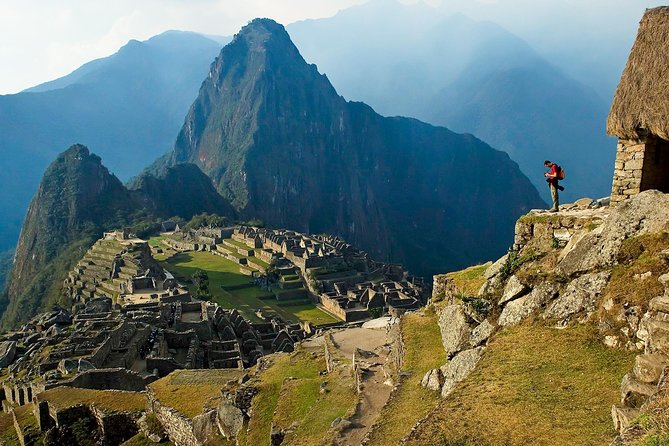
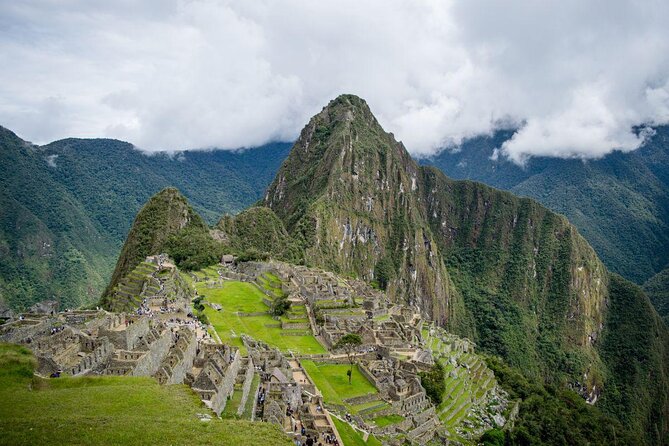
Machu Picchu is only half the story. This two-day trip links Cusco with Chinchero, Moray, Maras, and Ollantaytambo, then carries you by train to Aguas Calientes and by bus to the Inca citadel. I like the way transport, admission, a hotel night, and guiding are bundled together. I also like the small maximum group of 10, which can make a busy visit feel more personal. The main catch is the packed first day and the extra costs for lunch, dinner, local admissions, and optional Huayna Picchu.
This is a practical choice if you want the Sacred Valley sights and Machu Picchu without arranging every train, bus, ticket, and transfer yourself. Guides such as Luis, Bernardo, Michael, Sergio, and Gady have been praised for their warmth, flexibility, and site knowledge. Still, communication can vary, and you should confirm your Machu Picchu circuit, train baggage rules, meeting times, and rain gear before departure.
In This Review
- Key points to know before you book
- A full first day from Cusco to Ollantaytambo
- Chinchero: weaving and Inca stonework
- Moray: the Inca agricultural experiment
- Maras salt mines: an active working site
- Ollantaytambo: the day’s strongest ruin
- The train to Aguas Calientes
- Aguas Calientes: useful rest, not luxury
- Reaching Machu Picchu by bus
- The Machu Picchu visit and circuit rules
- The return to Cusco
- What $459 really covers
- Who should choose this two-day trip
- Should you book it?
- FAQ
- What is included in the $459 tour price?
- Are meals included?
- How much are the Maras, Moray, and salt mine admissions?
- Is Huayna Picchu included?
- What train baggage should I bring?
- What documents do I need?
Key points to know before you book
- Four Sacred Valley stops before the train: Chinchero, Moray, the Maras salt mines, and Ollantaytambo make the first day much more than a simple transfer.
- Aguas Calientes overnight: You arrive around 5 to 6pm, sleep in a 3-star hotel, and begin the Machu Picchu visit from the town below the ruins.
- Small-group format: The stated maximum is 10 people, though the Machu Picchu portion may involve a different group from the first day.
- Circuit 2 is not guaranteed: Circuit 2 is requested when available, but circuit assignment depends on availability at booking. Confirm exactly what you are getting.
- Bring cash and rain protection: Maras, Moray, and the salt mines cost 90 Peruvian soles in cash, and mountain weather can change quickly.
- The price covers the big logistics: At $459 per person, you are paying for rail tickets, buses, entry to Machu Picchu, a hotel night, guides, and Cusco transfers.
A full first day from Cusco to Ollantaytambo
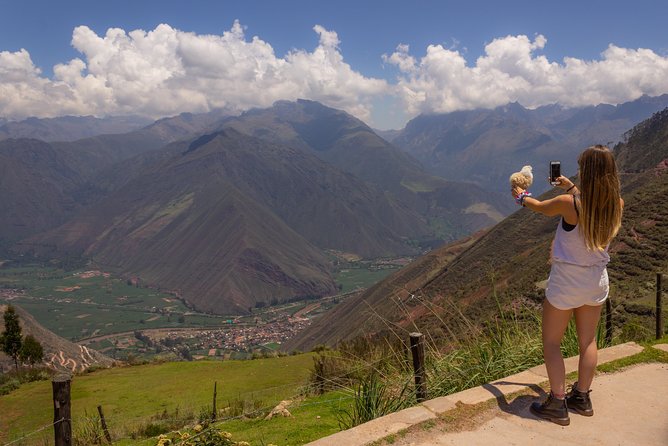
The day begins with hotel pickup in Cusco between 7:00 and 7:30am. The drive toward the Sacred Valley takes roughly two hours, and that early start matters. You have four major stops before boarding the train, so this is not a slow morning with long cafe breaks.
The order may vary, but the planned route includes Chinchero, Moray, Maras, and Ollantaytambo. Lunch is not included, and you should allow time and money for it. The day ends with a train ride to Aguas Calientes, also called Machu Picchu Pueblo.
The road journey is one of the strongest parts of the trip because it puts Machu Picchu into a wider Andean setting. You are not simply whisked from a hotel to a famous ruin. You see how Inca farming, weaving, salt production, stonework, and transport all fit together.
More Machu Picchu trips:
- Classic Inca Trail Trek 4D/3N to Machu Picchu (Group Service)
★ 5.0 · 8,653 reviews - Machu Picchu: 4-Day Inca Trail Trek with Panoramic Train Ride
★ 5.0 · 4,568 reviews - Short Inca Trail to Machu Picchu 2D/1N
★ 5.0 · 3,007 reviews
Chinchero: weaving and Inca stonework
Chinchero is scheduled for about 45 minutes. The focus is the Tupac Inca Yupanqui Royal House, where original Inca walls remain in good condition. The stop also includes a visit to a textile center, where Chinchero women in traditional clothing may demonstrate weaving and textile work.
This gives you two different ways to read the area. The stone walls point to the Inca state, while the weaving presentation connects older techniques with life today. The stop is short, so you should not expect a full archaeological visit. It works best as an introduction to the region rather than a major standalone attraction.
If textile demonstrations are not your main interest, Chinchero may feel quick and somewhat commercial. If you enjoy seeing traditional crafts and want context for Andean culture, it adds useful human detail to a day otherwise full of ruins.
Moray: the Inca agricultural experiment
At Moray, the tour spends about 30 minutes among great circular terraces cut into the earth. Their exact purpose is not certain, but the arrangement may have allowed the Incas to study crops at different heights and temperatures. The deepest central terraces create a warmer microclimate, with temperatures gradually changing toward the outer levels.
The design is easy to understand from above, which is why the short visit can still be satisfying. You see the terraces as a giant set of rings, then hear how altitude and temperature may have shaped agricultural testing.
The drawback is time. Thirty minutes gives you a look and some photographs, but not a long walk or a detailed study. Wear shoes that feel secure on uneven ground, since this entire day includes steps and hills.
Maras salt mines: an active working site
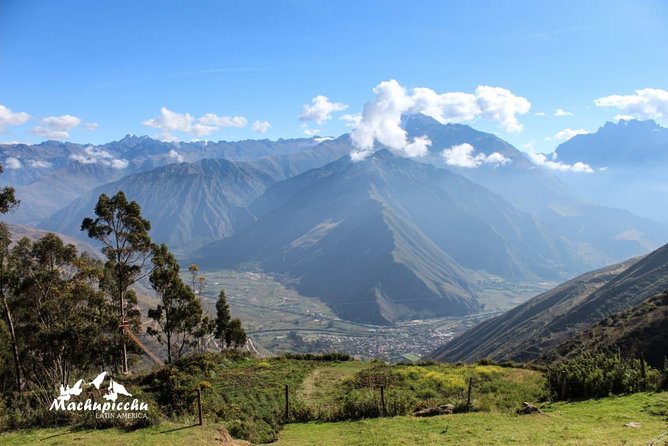
The Salinas de Maras are made up of about 3,000 small salt pools. Saltwater flows into the pools, where it evaporates and leaves salt behind. Local families have used this system for generations, and the site was also tied to exchange during Inca times.
The salt pools spread across the mountainside in a striking pattern. This is not only an archaeological stop. It is also a working place, which gives the visit a direct connection to local production.
Admission to Maras, Moray, and the salt mines is not included. The stated cost is 90 Peruvian soles in cash. Set that money aside before leaving Cusco, since this is one of the most important practical details in the whole trip.
The visit lasts about 30 minutes. That is enough to see the pools and understand the process, but not enough for an unhurried exploration. You may also find that weather changes the mood of the stop. Sun brings out the white salt, while rain can make paths slick and visibility poor.
More Sacred Valley trips:
- From Cusco: Moray, Maras Salt Mines & Chinchero Weavers Tour
★ 4.8 · 1,925 reviews - 2-Day Tour: Sacred Valley and Machu Picchu by Train
★ 5.0 · 1,127 reviews - Cusco: Sacred Valley, Pisac, Ollantaytambo, Salt Mines Moray
★ 4.6 · 1,058 reviews - Cusco:Chinchero,Moray & Salt Mines drop-off in Ollantaytambo
★ 4.8 · 793 reviews
Ollantaytambo: the day’s strongest ruin
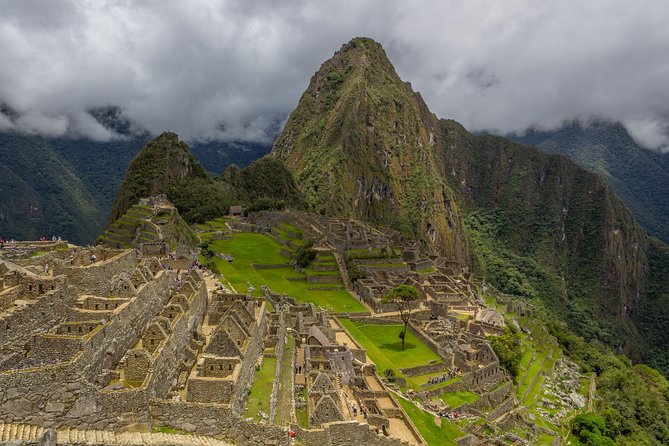
After lunch, you continue to Ollantaytambo, one of the most impressive places on the route. The archaeological park contains large Inca constructions, steep terraces, major stonework, and a rock formation associated with Wiracocha.
Ollantaytambo is more than a stop before the train. It is an old settlement with a strong sense of design and scale. The massive stones and high terraces show the engineering skill that makes the Sacred Valley so compelling.
Because the train leaves from the town, timing is important. Your visit must fit around the rail schedule, so you should follow your guide closely and avoid wandering too far from the group. The provided information does not promise a specific amount of free time here.
From a practical point of view, Ollantaytambo is where the day changes pace. The road portion ends, you collect what you need for the night, and you board the train for Aguas Calientes.
The train to Aguas Calientes
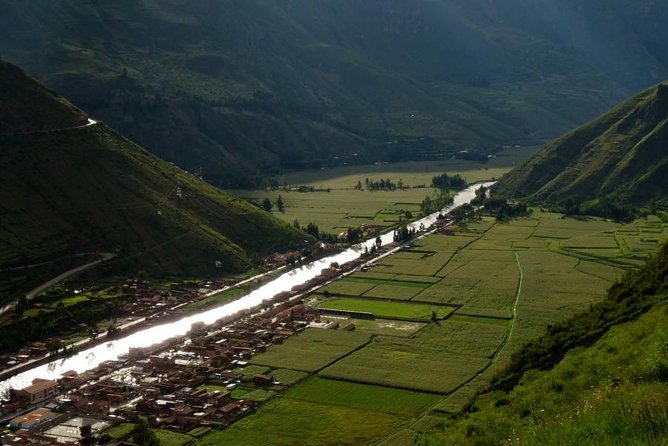
The train ride follows the Vilcanota River through the Sacred Valley. The listed ride from Ollantaytambo takes about 50 minutes on the first day, while the return journey is described as roughly 1.5 hours. Your exact travel time depends on the selected train class and schedule.
Round-trip train tickets are included in your chosen class. Some people have paid extra for the Vistadome service and strongly preferred it, so ask about an upgrade if the train ride itself is important to you. Do not assume an upgrade is included in the $459 price.
Train baggage rules deserve attention. One difficult experience came from learning shortly before departure that only a small backpack could be taken on the train. The operator’s response said the trip is designed for a small backpack or carry-on rather than a large suitcase, but the conflicting communication is a good reason to confirm this in writing.
When you arrive at Aguas Calientes around 5 to 6pm, hotel staff are expected to meet you and walk you to the accommodation. After check-in, the evening is free. You can explore the town, browse the souvenir market, eat dinner, or pay separately to visit the hot springs.
Aguas Calientes: useful rest, not luxury
One night in a 3-star hotel is included, along with breakfast. The hotels described in past experiences ranged from clean and modern to cute boutique properties, but room size and quality varied. One room was described as small, with no closet or even a hook for hanging clothes.
That is a fair picture of what to expect: a functional overnight stop, not a resort stay. Some accommodation is praised as quiet and well kept, while one person questioned the 3-star rating. If you care strongly about room type or want a private room, ask about an upgrade before the trip.
The town is useful because it puts you close to the Machu Picchu buses. Hot springs are an optional extra, and the ticket can only be purchased in Aguas Calientes. Pack lightly for the overnight stay, especially if your main luggage is stored elsewhere.
A useful detail from one experience is that hotel staff delivered luggage to the train station after the Machu Picchu visit. This is not stated as a guaranteed service, so ask your hotel, but it shows why clear local instructions can make the second day easier.
Reaching Machu Picchu by bus
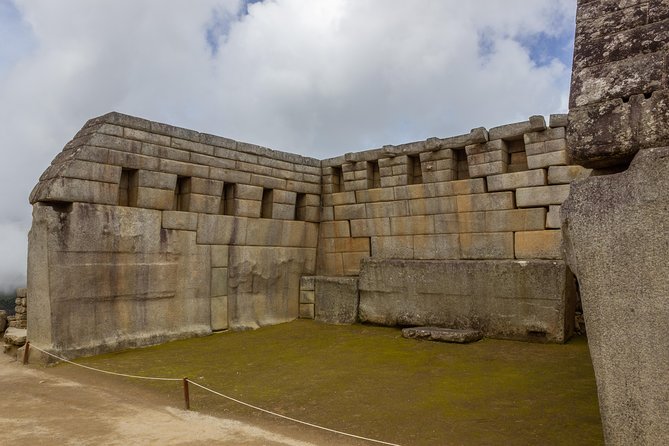
After breakfast, your guide picks you up at the hotel lobby and walks with you to the bus station. The bus ride to the entrance takes about 30 minutes and is included in the tour price.
This is a good arrangement for most people. You do not need to hike up from Aguas Calientes, and you do not have to figure out the bus system on your own. The route is steep, so the bus saves energy for the citadel itself.
The tour description refers to seeing the sunrise, but the exact entrance time depends on the ticket issued for your visit. One person reported entering around 8am rather than at sunrise. If dawn at Machu Picchu is central to your plans, confirm the entry time instead of treating sunrise as guaranteed.
The Machu Picchu visit and circuit rules
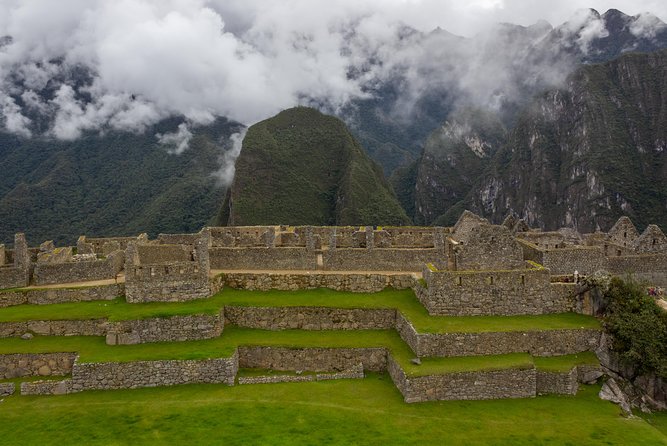
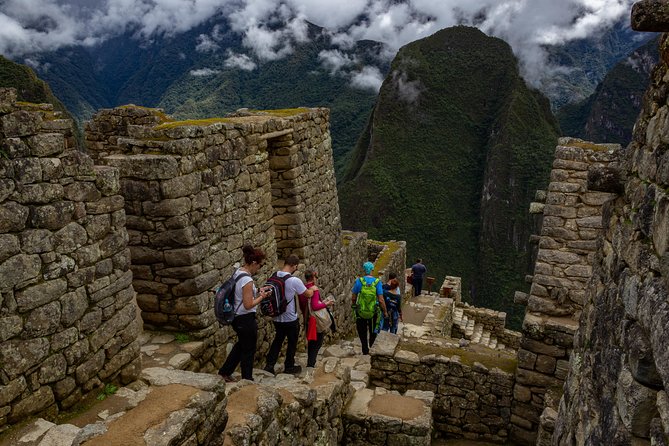
A guided visit to Machu Picchu follows. The stated tour time is about three hours, and the guide is meant to explain the Main Plaza, Circular Tower, Sacred Solar Clock, and other major areas.
This is where guide quality matters most. Strong experiences name guides such as Sergio, Wilfredo, Maria, Luis, Bernardo, and Michael, with praise for clear explanations, patience, photographs, and the ability to adjust the pace. One guide extended the visit well beyond the expected time, while another experience criticized the guiding for offering too little information about the site.
You can improve your odds by asking at the start what the guide will cover and how long the explanation will last. A friendly guide is helpful, but Machu Picchu deserves more than personal stories and directions to photo spots.
Ticket circuits require special care. Circuit 2 is requested if available, but ticket supply controls the result. Circuit 1 may emphasize the classic upper views and photographs, while different circuits provide different access within the site. The most important advice is simple: ask for your exact circuit before confirming the booking, and ask again when you receive your documents.
Huayna Picchu is not included. The additional entrance fee is listed as US$70, and it must be requested months in advance. Do not treat this as a casual add-on you can decide upon at the gate.
After the guided visit, you have free time to enjoy the setting before taking the bus back to Aguas Calientes. Lunch is not included, and you may have time for souvenirs before the return train.
The return to Cusco
The train returns to Ollantaytambo, where a representative should wait at the general exit holding a sign with your name. A vehicle then takes you back to your Cusco hotel, with arrival listed around 6:30pm.
This final transfer is a major part of the value. The return route involves a train, a station meeting, and a road transfer, all after an early morning and several hours at Machu Picchu. One train delay was handled with a waiting driver, which is exactly the kind of support you want at the end of a long day.
Still, do not schedule a flight immediately after the tour. The stated arrival time is an estimate, and road, rail, or weather delays can happen. The tour includes hotel drop-off only when the road is open to the property.
What $459 really covers
At $459 per person, this is not a budget trip. It becomes easier to judge when you separate the costs and effort it removes.
The price includes:
- One night in a 3-star Aguas Calientes hotel
- Breakfast
- Round-trip train tickets in the selected class
- Round-trip buses to Machu Picchu
- Machu Picchu admission
- Professional guiding
- Cusco hotel pickup and drop-off
- A bottle of water on day one
You still pay for both lunches, both dinners, the 90 soles in local admissions, hot springs, tips, and any Huayna Picchu fee. The package is good value if you want someone else handling the moving parts and you appreciate a small group. It is less appealing if you can arrange rail tickets, hotel, and guides yourself at lower cost.
The strongest value is not simply the ticket bundle. It is the safety net of coordinated transfers, especially for a first visit. Several people found the process easy, with drivers, trains, buses, and hotels working in the expected order.
Who should choose this two-day trip
I would consider this tour if you:
- Want Machu Picchu without hiking to the entrance
- Prefer a guided first visit
- Want to add Moray, Maras, Chinchero, and Ollantaytambo
- Like having Cusco pickup and hotel return arranged
- Are comfortable with an early start and a full first day
- Can manage stairs, hills, and extended walking
- Want an overnight in Aguas Calientes instead of returning to Cusco the same day
I would hesitate if you need a leisurely pace, a guaranteed sunrise, a specific circuit, luxury lodging, or strong English communication from every driver and guide. The first day is busy, and the second day starts early. This is an efficient route, not a restful one.
Bring a small backpack, rain protection, sturdy walking shoes, insect repellent, cash in Peruvian soles, and your current passport. Your passport name, number, country, age, and gender are required at booking, and a valid passport is required on the day of the tour. The booking is non-refundable and cannot be changed, so check every detail before paying.
Should you book it?
I would book this tour if your priority is a well-organized first visit that combines Machu Picchu with four important Sacred Valley stops. The transport planning, included bus tickets, overnight stay, and possible small group remove a lot of stress, and several guides have delivered warm, personal service.
I would book only after confirming three points: your Machu Picchu circuit, your entrance time, and your baggage allowance. If those details are clear and you accept the extra costs, $459 can be a reasonable price for convenience. If you want a slower cultural trip or precise control over every hour, build the journey yourself instead.
FAQ
What is included in the $459 tour price?
The price includes one night in a 3-star hotel in Aguas Calientes, breakfast, round-trip train tickets in the selected class, round-trip Machu Picchu bus tickets, Machu Picchu admission, a professional guide, Cusco hotel pickup and drop-off, and one bottle of water on day one.
Are meals included?
Breakfast is included at the Aguas Calientes hotel. Lunches and dinners are not included, so you need to budget for meals in the Sacred Valley, Aguas Calientes, and during the return journey.
How much are the Maras, Moray, and salt mine admissions?
The listed cost is 90 Peruvian soles in cash for the Maras, Moray, and Salt Mines admissions.
Is Huayna Picchu included?
No. The Huayna Picchu entrance costs US$70 and must be requested months in advance.
What train baggage should I bring?
The tour recommends a small backpack or carry-on for the overnight trip. Train restrictions may limit larger luggage, so confirm the exact allowance with the operator before departure.
What documents do I need?
You must provide each participant’s passport name, passport number, country, age, and gender when booking. A current valid passport is required on the day of the tour.
Just added in Cusco
- Cusco Private Transportation for 2026★ 5.0 · 4 reviews
- Private Transfer from Airport to Hotel in the City of Cusco★ 4.0 · 5 reviews
- Best Cusco walking tour: dinner street food tasting★ 4.5 · 11 reviews
- Private Tour to Pisac Market and Pisac Ruins★ 5.0 · 4 reviews
- Machu Picchu Day Trip With Panoramic Train from Cusco★ 5.0 · 10 reviews
- Sacred Valley of the Incas Tour★ 5.0 · 12 reviews
- Private Tour of the Mountain of Colours by Quad★ 5.0 · 7 reviews
- Sacred Valley Private Tour from Cusco, Guide and Driver only★ 5.0 · 4 reviews
Machu Picchu Tours, compared.
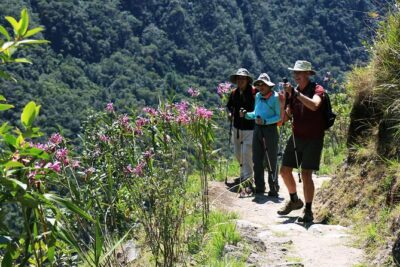
Classic Inca Trail Trek 4D/3N to Machu Picchu (Group Service)
Read our review →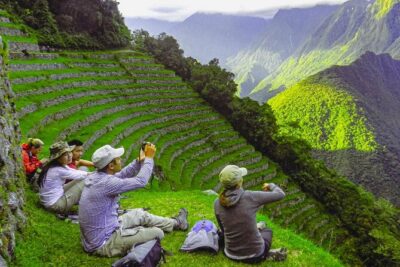
2-Day Inca Trail to Machu Picchu with Panoramic Train
Read our review →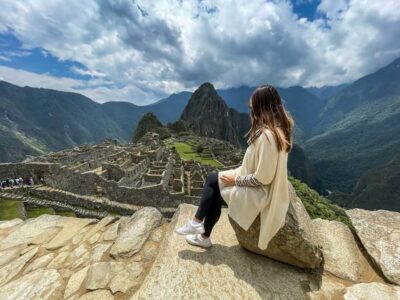
From Cusco: Full-Day Group Tour of Machu Picchu
Read our review →

2-Day Tour: Sacred Valley and Machu Picchu by Train
Read our review →
Machu Picchu: Full-Day Tour from Cusco with Optional Lunch
Read our review →
Machu Picchu Full Day from Cusco by Panoramic Train
Read our review →Browse the lists this tour appears in