
Reviewed · INCA TRAIL AND SALKANTAY TREKS
3 Day 2 Night Trek / Colca Canyon
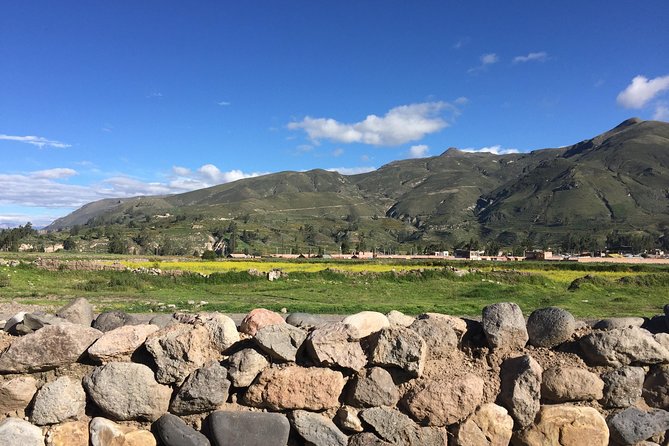
The canyon earns every early alarm. This three-day trek from Arequipa gives you time to see the famous Andean condors, walk through small canyon villages, and spend two nights below the rim rather than racing through the area in one long push. I especially like the slower pace and the chance to stay in San Juan de Chuccho and Sangalle instead of treating Colca Canyon as a quick photo stop.
The hot springs near Chivay are a welcome reward after the hike, and the included meals make this a simpler trip to organize. The main caution is the physical demand: steep switchbacks, altitude, an early start, and basic canyon accommodation can make the route far harder than the relaxed wording suggests.
In This Review
- The essential facts before you book
- Why three days works better than two
- 3:00 am departure and the road to Condor’s Cross
- Day one: a steep descent to San Juan de Chuccho
- Day two: honey, village churches, and Sangalle
- Day three: the 5:00 am climb out
- How demanding is the route?
- Accommodation, meals, and transport
- Is the $154 price fair?
- Who should book this Colca Canyon trek?
- Should you book it?
- FAQ
- How early does the tour begin?
- How long is the Colca Canyon trek?
- Is the Colca Canyon entrance fee included?
- Are the hot springs included?
- Are meals included?
- How many people can join the group?
The essential facts before you book
- The first morning starts around 3:00 to 3:30 am: You leave Arequipa well before sunrise for the long ride toward Colca Canyon.
- The trek descends from about 3,300 meters to 2,100 meters: The first day is mainly downhill, with steep switchbacks and about three and a half hours of walking.
- Sangalle sits at roughly 1,900 meters: This oasis offers greenery, river scenery, lodges, and free time to rest after the second day.
- The final climb begins at 5:00 am: Reaching Cabanaconde takes about three hours, and this uphill section is the hardest part for many people.
- The $154 price does not cover everything: Add the PEN70 canyon entrance, PEN15 hot springs fee, and about PEN30 for the final buffet lunch.
- The group is limited to 12 people: That is small enough for a more personal outing, though the quality of the guide matters greatly on a demanding trek.
Why three days works better than two
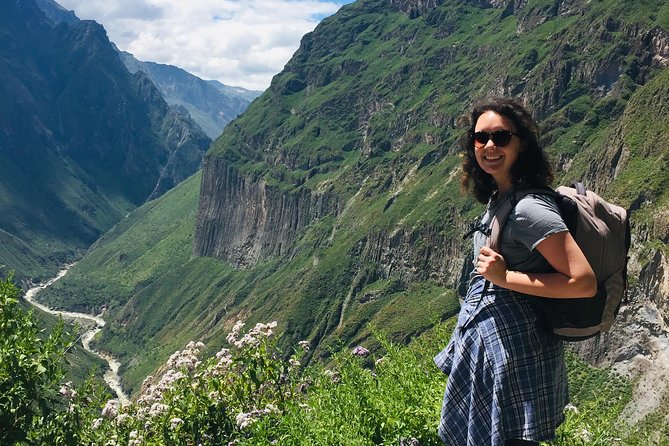
Colca Canyon is not a gentle walk with a canyon viewpoint at the end. You spend much of the trip on narrow, steep paths that drop from the rim into the canyon and later climb back out. The three-day format breaks the route into manageable sections and gives you time to stop in villages and rest near Sangalle.
The first day takes you down to San Juan de Chuccho. The second crosses the canyon area before dropping to Sangalle. The third is the big climb to Cabanaconde. Several people who enjoyed this outing walked for about four hours each day, which left time for photos, short walks, and rest.
That pacing is the strongest reason to choose three days instead of two. You still cover the essential route, but you are not forced to rush every viewpoint and village. A couple in their 60s completed the trek without problems, which suggests that age alone is not the deciding factor. Fitness, acclimatization, and comfort with steep descents matter more.
Still, do not mistake a slower itinerary for an easy one. The paths are largely long switchbacks, first downhill and later uphill. You do not get much relief from changing terrain. If you develop altitude symptoms, an illness, or trouble walking, the experience can become serious quickly.
More hikes and treks in Arequipa:
- 2 day 1 night trek / Colca Canyon
★ 5.0 · 1,069 reviews - From Arequipa: Sillar Route Trek
★ 4.2 · 461 reviews - Colca Canyon Trek 3 Day 2 Night
★ 5.0 · 328 reviews
3:00 am departure and the road to Condor’s Cross
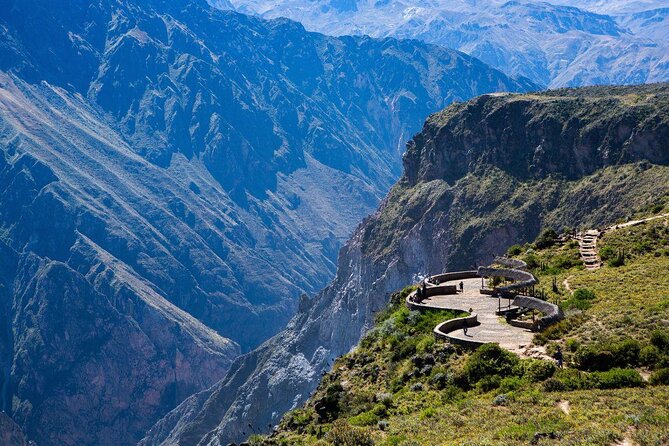
The day begins before dawn. Pickup is listed around 3:00 am, with departure from Arequipa at about 3:30 am. The ride takes you toward Chivay, where breakfast is served before you continue to Condor’s Cross.
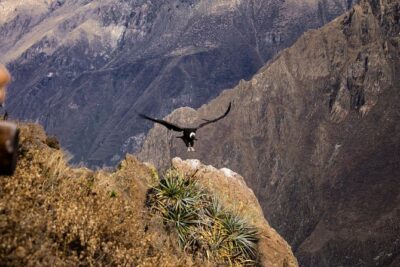
This early start has a practical purpose. Condors are most likely to be seen in the morning, and the viewpoint is one of the best places in the region to watch them riding the canyon air. You have about 40 minutes at the viewpoint, usually enough to look across the enormous canyon walls and wait for the birds to appear.
The condors are the star attraction, but they are still wild animals. You may see several birds circling below or above the viewpoint, or you may have a quieter visit. The canyon itself is impressive even without a perfect condor display.
Plan carefully for this stop. The altitude is already significant, and the transfer from Arequipa gives your body little time to adjust. Keep water, warm clothing, and any needed medication accessible. Do not leave important items on the vehicle while walking to the viewpoint.
The transport continues for about 20 minutes after Condor’s Cross, then the trek begins.
Day one: a steep descent to San Juan de Chuccho
The first walking section drops from approximately 3,300 meters to 2,100 meters. It takes around three and a half hours, though your time will depend on your pace, the group, and how often you stop.
Downhill walking sounds easy until your knees and thighs have been working for hours. The route is made up largely of switchbacks, so you should expect a steady descent rather than a varied trail. A guide may set a pace that feels comfortable for a fit hiker but too fast for someone still adjusting to altitude.
San Juan de Chuccho is one of the most appealing parts of the trip. The village has a warmer, more tropical climate, with abundant vegetation and a setting surrounded by canyon walls. This is where you have lunch, dinner, and your first overnight stay.
The accommodation is basic but adequate. Beds are available, and the setting gives you something a standard hotel in Arequipa cannot: you wake among trees, river sounds, and towering canyon walls. Meals are included, with breakfast, lunch, and dinner provided during the route.
Food is one of the reliable comforts of the outing. The meals are described as good, with local dishes and vegetarian options available. If you have a stricter diet, confirm the arrangements before departure rather than assuming every need will be covered.
Day two: honey, village churches, and Sangalle
After breakfast at 8:00 am, you continue toward Cosñirhua. A stop here introduces you to local honey production, and you have the chance to taste the honey. The area also has archaeological remains connected with pre-Inca cultures.
Next comes Malata, known for its old Spanish-style church. These village stops are important because they add human detail to the canyon. You are not simply walking between two viewpoints. You see settlements, farming areas, food production, and traces of older communities.
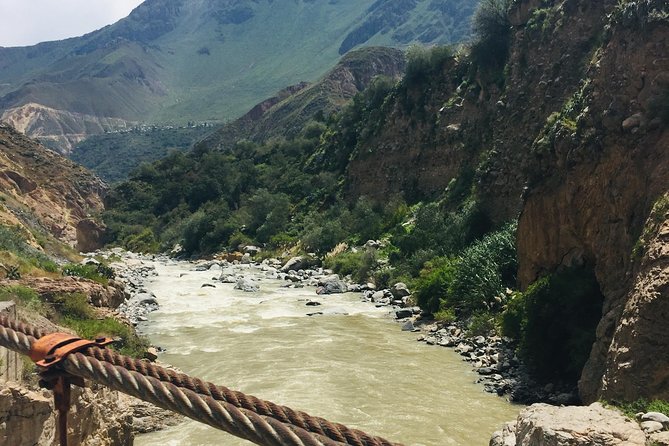
The route then reaches the deepest part of the trek before dropping to Sangalle at about 1,900 meters. The day includes both an uphill section near the beginning and a significant downhill section later, so descriptions of it as flat would be misleading.
Sangalle is a small oasis with plenty of vegetation and nearby river scenery. Local residents have built lodges for hikers, and the green setting feels very different from the dry upper canyon. This is the trip’s best chance to stop moving and enjoy the place.
You have free time here to rest and use the pools at the oasis accommodation if available through the arranged lodging. The supplied details specifically describe Sangalle as a place to relax and swim, making it a useful pause before the final climb.
The overnight conditions remain simple. Dinner is served around 7:30 pm, followed by a very early wake-up for the ascent. That schedule leaves little time for sleep, so use the free afternoon for rest rather than trying to pack in extra activity.
Water is not included. You will need soles for drinks and should carry enough water for each walking section. There are opportunities to buy water along the way, but do not depend on a guide’s estimate of where supplies will be available. Ask directly at each stop and keep enough cash with you.
More Colca Canyon trips:
- From Arequipa: Colca Canyon Full-Day Guided Tour with Meals
★ 4.5 · 982 reviews - Tour to the Salinas Lagoon and National Reserve in Arequipa
★ 4.5 · 548 reviews - Colca Full Day Tour
★ 4.5 · 429 reviews - Rafting Arequipa – Chili River Canoeing – Cusipata Rafting Arequipa
★ 5.0 · 332 reviews
Day three: the 5:00 am climb out
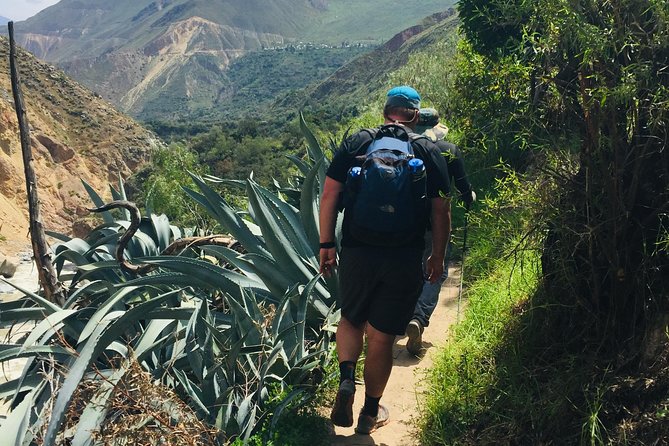
The final morning begins at 5:00 am. The climb to Cabanaconde takes about three hours and is the most demanding part of the trip for many hikers.
The route reverses the basic challenge of day one. Instead of letting gravity pull you down, you now climb the long switchbacks toward the rim. A steady pace is more useful than speed. If you are prone to altitude problems or have not acclimatized in Arequipa, this is the section that deserves the most respect.
Breakfast is served in Cabanaconde after arrival. The group then boards transport toward Chivay, reaching the area around midday. The schedule includes a stop at Chacapi Hot Springs, where several pools range from about 30°C to 60°C.
The entrance fee is PEN15 and is not included. The hot springs are optional, but they make good sense after the climb. Warm water can help you relax tired legs before the final drive. Take care with the hottest pools, especially after strenuous exercise.
Lunch in Chivay is another extra cost. The regional buffet is about PEN30, though the meal is not included in the tour price. This is worth clarifying before you go, especially if you have dietary restrictions. The available choice may be limited at the arranged meal stop, and vegetarian food is easier to manage than vegan food based on the information provided.
The return to Arequipa passes through Salinas y Aguada Blanca National Reserve. At Pampa Cañahuas, you stop for about 15 minutes to see volcanoes and South American camelids. You may spot llamas, alpacas, vicuñas, and guanacos. The vehicle also passes through areas where these animals can be seen for more than an hour.
Arrival in Arequipa is expected around 5:30 pm. It is a full day after the early climb, so do not schedule an important evening activity immediately afterward.
How demanding is the route?
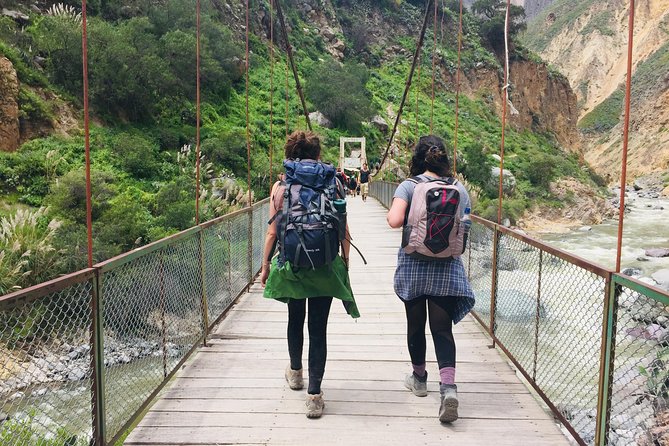
The tour asks for a moderate level of physical fitness, but I would interpret that conservatively. You need to manage three major walking days, steep switchbacks, altitude changes, and limited sleep before the final ascent.
The first day is mostly downhill. That can strain your legs more than expected, particularly if you are not used to long descents. The second day has both uphill and downhill sections. The third day is a sustained climb.
Altitude deserves serious attention. Arequipa sits lower than the canyon’s upper viewpoints, and the first morning moves quickly to high elevation. Headache, nausea, dizziness, and unusual fatigue should not be dismissed. A guide who treats altitude sickness as imaginary is not giving safe advice, so ask clear questions about the company’s emergency procedures before booking.
You should also discuss your expected pace. A small group of up to 12 is helpful, but it does not guarantee that everyone will walk together. The quality of the guiding can shape the entire trip. Guides named in positive accounts include James, Paul, and Omar, who were described as helpful, kind, and informative.
Mules may be available locally for hikers who cannot complete the climb, but the supplied details do not establish this as a guaranteed service or explain its cost. Treat it as a possible local option, not your main safety plan.
Accommodation, meals, and transport
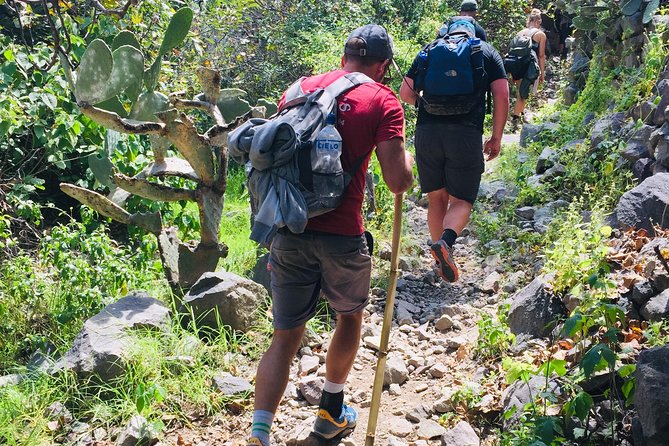
The accommodation is basic canyon lodging rather than a comfortable hotel. That is part of the appeal, but you should expect simple facilities and a close connection to the natural setting.
The first stay in San Juan is valued for its trees, river views, and peaceful atmosphere. The second accommodation in Sangalle is described as fairly nice, with time to rest and enjoy the oasis. Neither night should be approached as a luxury stay.
Three breakfasts, three lunches, and two dinners are included. This covers the main meals during the walking sections and removes the need to arrange food in remote villages. Vegetarian meals were accommodated, and the food received strong praise overall.
Drinks are not included, including drinking water. Carry Peruvian soles for water and the other required payments. The listed additional costs total PEN115 before any drinks: PEN70 for canyon entry, PEN15 for the hot springs, and PEN30 for the final lunch.
The vans are a practical part of the calculation. Some accounts describe comfortable transport, while another describes very cramped vehicles and hurried stops. The group limit is 12, but the vehicle may still feel tight when bags and equipment are aboard. Keep essential items in a small daypack so you do not need to search through luggage at every stop.
Is the $154 price fair?
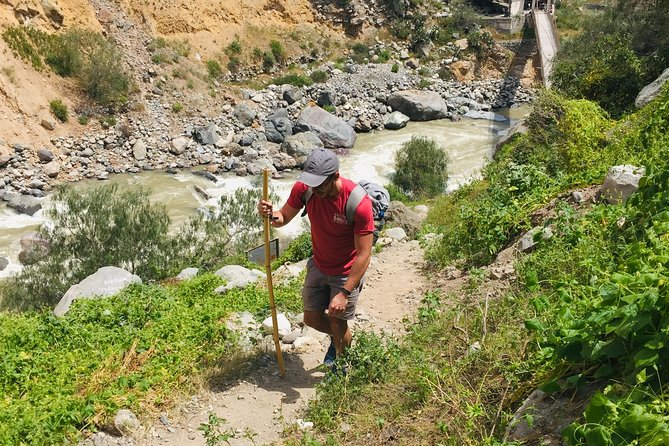
At $154 per person, the tour offers transport from Arequipa, a guide, two nights of lodging, and nine included meals. For a three-day canyon route with remote accommodation, that is a reasonable package if the organization and guiding are good.
The real price is higher after required extras. Add the PEN70 canyon entrance, then PEN15 for the hot springs and PEN30 for lunch in Chivay. Water and other drinks also come from your pocket.
The value is strongest for you if you want a ready-made route with meals and lodging arranged. It is less attractive if you expect flexible pacing, spacious transport, premium accommodation, or every expense covered.
Direct booking has sometimes produced a lower price and added transfer arrangements, including onward transport to Puno in one account. That kind of deal is not guaranteed, but it is worth asking the provider in Arequipa what is included in the current rate.
Who should book this Colca Canyon trek?
I would recommend it to hikers who want more time in the canyon, enjoy village visits, and prefer a guided plan over organizing lodging and transport themselves. Nature lovers will get the most from the condors, camelids, river scenery, tropical vegetation, and quiet canyon nights.
It also suits fit older hikers if they are comfortable with long, steep paths and have acclimatized properly. The positive experience of a couple aged 67 and 62 shows that this is not only for people in their 20s.
I would be cautious if you have recent altitude problems, a medical condition that affects walking, or little experience with steep trails. Ask specifically about water stops, guide pacing, emergency support, mule options, dietary needs, and how the group handles a slower hiker.
The tour is non-refundable and cannot be changed after booking, except that poor weather may lead to a new date or a full refund. That makes it especially important to confirm your fitness, dates, and extra costs before paying.
Should you book it?
Book this three-day trek if your priority is time in Colca Canyon rather than comfort. The slower route, San Juan overnight, Sangalle oasis, local villages, condor viewpoint, and hot springs create a full experience for a fair starting price.
Skip it if you need a flexible pace, close medical support, roomy transport, or hotel-level accommodation. The canyon is magnificent, but the steep trails and altitude are not minor details. Go prepared, carry water money, protect your medication, and confirm how the guide will support anyone who cannot keep up.
FAQ
How early does the tour begin?
Pickup begins around 3:00 am, with departure from Arequipa at approximately 3:30 am on the first day.
How long is the Colca Canyon trek?
The experience lasts about three days and includes two nights in the canyon. The first descent takes about three and a half hours, and the final climb to Cabanaconde takes about three hours.
Is the Colca Canyon entrance fee included?
No. The canyon entrance costs PEN70 per person and is not included in the tour price.
Are the hot springs included?
No. Entry to Chacapi Hot Springs costs PEN15 per person. Visiting the pools is optional.
Are meals included?
The tour includes three breakfasts, three lunches, and two dinners. The final lunch in Chivay costs about PEN30 and is not included.
How many people can join the group?
The maximum group size is 12 people. The tour requires a moderate level of physical fitness.
Just added in Arequipa
- Sillar Route★ 5.0 · 4 reviews
- Salinas Lagoon + Mini Volcano DE Lojen★ 5.0 · 9 reviews
- 3-Day Colca Canyon trek with Professional Guide★ 5.0 · 40 reviews
- Full Day Tour To The Salt Lake Salinas in Arequipa★ 4.5 · 34 reviews
- Walking City tour including the Monastery of Santa Catalina★ 5.0 · 6 reviews
- Trekking, Waterfalls and Thermal Baths★ 4.5 · 47 reviews
- Downhill Tour – Mountain Bike in Arequipa★ 3.5 · 5 reviews
- 2 Days 1 Night trekking Through Colca Canyon, Private room★ 5.0 · 16 reviews
Inca Trail and Salkantay Treks, compared.
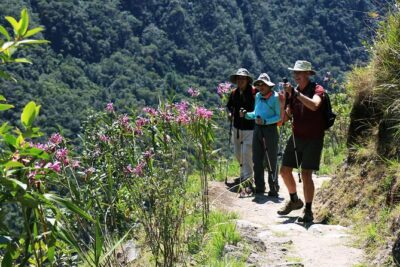
Classic Inca Trail Trek 4D/3N to Machu Picchu (Group Service)
Read our review →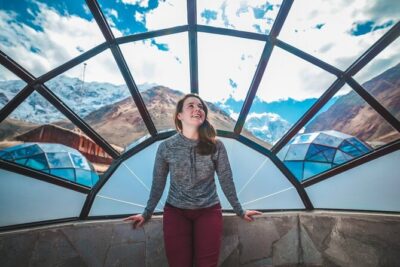
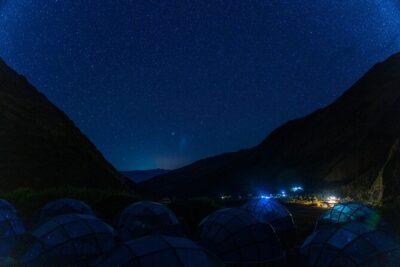
Salkantay Trek 5D/4N with Glass Cabins, Domes and Hobbit House
Read our review →2-Day Inca Trail to Machu Picchu with Panoramic Train
Read our review →
Browse the lists this tour appears in