
Reviewed · INCA TRAIL AND SALKANTAY TREKS
3-Day Backpacker Colca Canyon Trek from Arequipa
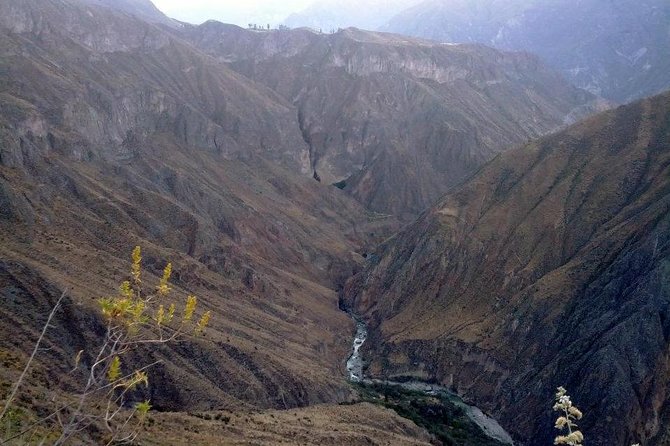
The canyon earns every early alarm. I like this small-group trek for its dramatic descent into Colca Canyon and its close look at village life, not just roadside viewpoints. I also like that meals, transport, the reserve entrance fee, and two nights of lodging are included. The main drawback is the physical demand: steep downhill and uphill walking at high altitude can be tough.
You get a rewarding mix of condor viewing, mountain scenery, local food, and a night with a family in San Juan de Chuccho. Guide Paul has been praised for explaining Colca’s history, plants, and wildlife, while guides José and Melissa have also received strong comments. One practical caution: departure times vary in the tour details and past bookings, so confirm whether your van leaves around 3:30 a.m. or closer to 7 a.m.
In This Review
- Key points to know before booking
- What the $250 price really covers
- The road from Arequipa to Condor’s Cross
- Cabanaconde to San Juan de Chuccho
- The walk toward Oasis Sangalle
- The hard climb back to the rim
- Chivay hot springs and the ride home
- Food, lodging, and what to pack
- Who will enjoy this Colca Canyon trek
- My booking verdict
- FAQ
- Where does the Colca Canyon trek begin?
- How long is the trek?
- Is the trek suitable for children?
- Are meals included?
- Is the hot springs visit included?
- What accommodation is provided?
- What should I bring?
Key points to know before booking
- A serious canyon hike: You descend from about 3,700 meters to the canyon floor, then climb back toward the rim.
- Condor’s Cross begins the trip: The first day includes a major viewpoint before the trek starts near Cabanaconde.
- Local life is part of the route: You visit villages, a school, hospital, and museum, with explanations of local plants and daily customs.
- Two different kinds of lodging: One night is planned in a local family home, and another is connected with Oasis de las Palmeras or the Cabanaconde return portion of the route.
- Hot springs finish the hike: Chivay offers an optional soak before lunch and the ride back to Arequipa.
- Small groups add value: Transport is limited to small parties, with a maximum of six people in the vehicle and a stated maximum of 12 for the activity.
What the $250 price really covers
At $250 per person, this is not the cheapest way to see Colca Canyon. The value comes from having the major moving parts handled for you: private round-trip transport from your Arequipa hotel, a bilingual guide, the 70-sol entrance fee, two breakfasts, two lunches, two dinners, and two nights of lodging.
That matters in Colca Canyon. You are not simply paying for a driver to take you to a viewpoint. The route involves a very early departure, a long transfer, high-altitude roads, village stops, changing elevations, and a demanding walk on rough ground. Organizing each part independently would take time, and transport between the canyon villages is not the simple part of this trip.
The price also supports a more personal style of touring. The transport is described as serving two to six people, while the activity has a maximum of 12. Some bookings have been private for just two people, and another account describes groups of two to five rather than a large coach party. That smaller scale can make a real difference when you need to adjust your pace or ask about plants, farming, local customs, or the route.
Still, read the inclusions carefully. Snacks and drinking water are not provided, hot springs cost extra, and the final lunch is not included. Bring soles for those expenses and carry enough water for the walking portions.
More hikes and treks in Arequipa:
- 2 day 1 night trek / Colca Canyon
★ 5.0 · 1,069 reviews - From Arequipa: Sillar Route Trek
★ 4.2 · 461 reviews - Colca Canyon Trek 3 Day 2 Night
★ 5.0 · 328 reviews
The road from Arequipa to Condor’s Cross
The day begins before most of Arequipa is awake. The listed pickup window is 3:00 to 3:30 a.m., though some past departures have started around 7 a.m. That is a major difference, not a minor schedule change. A 3:30 start allows more time for the viewpoint and trek, but a 7 a.m. departure is easier on your sleep. Ask for the exact departure time before you pay.
The private van heads toward Colca Canyon, with the trip taking several hours. Along the way, you might see vicuñas, alpacas, and llamas. The route also includes views of lakes, glaciers, and volcanoes, giving you a sense of how much altitude and open country lie between Arequipa and the canyon.
The long transfer is part of the price, but it is also the least comfortable section for anyone who dislikes early starts or winding mountain roads. Keep water, a light snack, warm clothing, and any personal medication close at hand rather than buried in luggage.
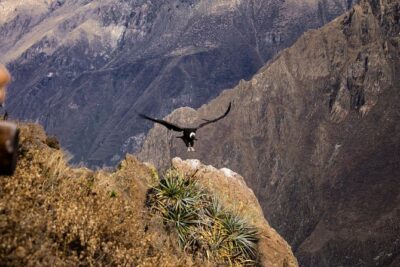
Condor’s Cross is an important first stop. The viewpoint gives you a chance to look into the canyon and watch for Andean condors. Seeing the birds is never something a tour can guarantee, but condors are the reason this stop has such appeal. One of the strongest comments about the trip singled out the number of condors seen as the high point of the whole experience.
After the viewpoint, the route continues to Cabanaconde, at about 3,700 meters. This is described as the largest town in the Colca Canyon and serves as the starting point for the main walk. You eat lunch before setting off, so this is the time to check your pack, refill water, adjust your footwear, and apply sunscreen.
Cabanaconde to San Juan de Chuccho
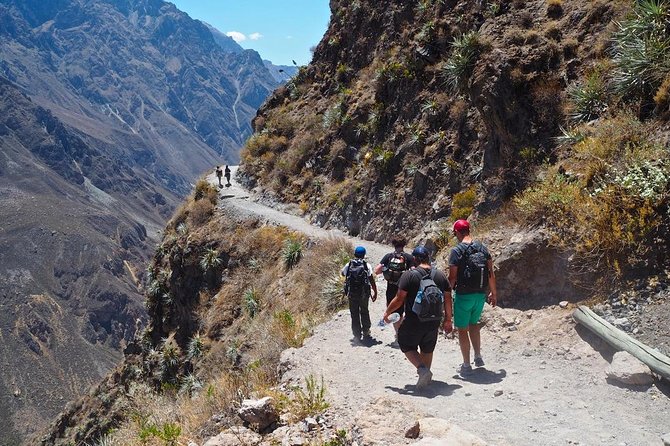
The first hiking section takes about three to four hours and follows a rocky downhill path. The descent is hard on knees and ankles, even though it may feel easier than climbing at first. Comfortable trekking shoes are essential, and walking poles would be useful if you normally rely on them, though poles are not listed among the included equipment.
The route leads from Cabanaconde toward San Juan de Chuccho, dropping from the high rim toward the canyon’s lower settlements. You should expect heat, sun, loose rock, and a steady change in elevation. A moderate level of fitness is required, and this is not a casual sightseeing walk.
The reward is a much closer view of canyon life. Instead of seeing the Colca only from a lookout, you pass through the terrain and reach a village where local families host part of the trip. Dinner is served at the end of the day, followed by a night in a local family home.
That overnight stay is one of the most meaningful parts of the route. It is also the part that requires the most flexible expectations. A family home is not the same as a standard hotel, and the appeal is the local setting rather than polished facilities. Pack a warm layer for the night, since the high country can feel cold after sunset.
The itinerary also contains references to Yanque, its main square, church, museum, and small bars, as well as Iglesia Santa Ana. These stops are presented as short visits, and Yanque is especially lively early in the morning, when buses head toward Condor’s Cross and local women sell crafts or offer photographs with llamas and alpacas. Because the published day-by-day plan places these details somewhat unevenly, confirm exactly where Yanque and the church fit into your departure schedule.
The walk toward Oasis Sangalle
After breakfast, the second day starts at about 8 a.m. with pancakes. The route toward the oasis takes roughly three hours and passes through the Colca Valley. This section is more than a workout. Your guide explains how people in the mountain villages live and how local plants and animals fit into daily life.
The plan includes visits to a local hospital, school, and museum. These are valuable stops because they show the practical side of life in a remote canyon. You are not only looking at cliffs and river views. You are seeing the services, traditions, and work that hold these communities together.
The guide’s role matters here. Paul has been praised for explaining Colca’s history, flora, and fauna alongside the hiking instructions. José has been described as easy-going and fluent in English, and Melissa has been praised for explaining local plants and their uses. The tour is offered in English, but it is still sensible to confirm which guide will lead your departure.
Around midday, you reach Oasis Sangalle, described as the deepest point of the Colca Canyon. The change from the dry rocky trail to a place with a swimming pool, warm sun, and open canyon views gives the middle of the trek a welcome pause.
Lunch is included during the two-day meal schedule, but not every meal on the trip is covered. The final lunch in Chivay is specifically excluded, and snacks and water are always your responsibility. Bring more water than you think you need, especially for the afternoon climb.
More Colca Canyon trips:
- From Arequipa: Colca Canyon Full-Day Guided Tour with Meals
★ 4.5 · 982 reviews - Tour to the Salinas Lagoon and National Reserve in Arequipa
★ 4.5 · 548 reviews - Colca Full Day Tour
★ 4.5 · 429 reviews - Rafting Arequipa – Chili River Canoeing – Cusipata Rafting Arequipa
★ 5.0 · 332 reviews
The hard climb back to the rim
The oasis is not the end of the effort. After lunch and time by the pool, the itinerary calls for a climb back toward the top, taking about three hours. This is the hardest part for many people because it comes after the morning walk and a hot section at lower altitude.
The climb is also the part most likely to test your preparation. Wear shoes with a firm grip, protect your head from the sun, and keep your pace steady. You do not need to race the group. Ask your guide about breaks before the climb begins, especially if you are not used to steep mountain paths.
Mules are available for hire if you are unable or unwilling to walk back out. The supplied details do not state the price, availability at a particular moment, or booking process, so ask your guide before starting the descent if you think you may need one later. Do not assume a mule is automatically included.
Reaching the rim near sunset is described as the most memorable part of the trek. The view back into the canyon gives the climb a clear purpose, and the changing light adds something you cannot get from a quick morning viewpoint stop.
The lodging description needs a little clarification. The plan says you return to Cabanaconde for dinner and a hostel with private baths and hot water, while the included accommodation lists one night at Oasis de las Palermas. Ask the operator to confirm the exact property and sleeping location for the second night. The difference matters if you are expecting a hotel room, a hostel, or another oasis stay.
Chivay hot springs and the ride home
The third day starts early, with the schedule mentioning a 5 a.m. uphill departure and stops in small villages on the way to Chivay. After two demanding days, this final morning may feel more like a transfer day than a sightseeing day.
Chivay is the place to loosen tired muscles in the hot springs. The springs are optional and cost extra, so bring money if you want to use them. They are a sensible add-on after the steep return climb, but you should not feel pressured to pay for them if you prefer a shower, breakfast, or a quiet break.
A buffet lunch of typical Peruvian food follows, but this last lunch is not included in the stated price. Budget for it separately. The group then returns to Arequipa, with arrival expected around 6 p.m., followed by transfer to your hotel.
The return ride is useful because you do not need to arrange a separate bus from Chivay. It is also a long final stretch after a tiring trek. Keep your water, snacks, and warm layer accessible, and do not plan an important evening activity in Arequipa unless you have plenty of flexibility.
Food, lodging, and what to pack
The included meals cover two breakfasts, two lunches, and two dinners. The food is described as hearty, with pancakes at breakfast and typical Peruvian dishes along the route. Meals are a practical benefit here, since carrying several days of food would add weight to an already demanding walk.
You should bring:
- A small backpack
- Water and snacks
- Trekking clothes and sturdy trekking shoes
- Warm clothes for the night
- A raincoat
- Hat and sunglasses
The small backpack is especially important. You do not want to carry a full suitcase down a rocky trail. Arrange with the operator before departure if you need to store larger luggage in Arequipa, since that detail is not specified.
A valid passport is required on the day of the trip. The minimum age is 18, children must be accompanied by an adult, and the listed minimum drinking age is 21. The tour involves a moderate amount of walking, but the word moderate should not mislead you: the steep descent and climb make this a proper trek.
Who will enjoy this Colca Canyon trek
I would recommend this trip to you if you want more than a quick canyon viewpoint and you enjoy learning about rural life along the way. It suits people who can handle long walking days, uneven trails, altitude changes, and simple lodging for at least one night.
It is also a good choice if you value a small group. The limited passenger count can make transport less hectic and give you more time with your guide. The strongest praise focuses on organization, food, guiding, wildlife, and the chance to move at a calmer pace instead of being rushed through the canyon.
I would think twice if you want a gentle holiday, dislike very early departures, or expect hotel-level comfort every night. The hot springs help, but they do not erase the physical work of the route. You should also clarify the departure time and second-night accommodation before booking, since the supplied schedule describes both early and later starts and gives different names for the overnight stay.
Cancellation terms are worth noting before you commit. A full refund requires cancellation at least six full days before the start time. Cancelling two to six full days ahead allows a 50 percent refund, while cancelling less than two full days ahead brings no refund. Changes follow the same cut-off rules.
My booking verdict
Book this trek if you want a close, active encounter with Colca Canyon and you are prepared to work for the views. The combination of condors, village visits, family lodging, canyon-floor scenery, and a hot-spring stop gives you a fuller experience than a one-day bus circuit.
At $250, the tour earns its price through transport, meals, guiding, lodging, and a small-group format. Just confirm the pickup time, the exact second-night property, and the extra costs for water, snacks, hot springs, and the final lunch. If those details suit you, this is a strong three-day choice for fit adults who want Colca Canyon at walking pace.
FAQ
Where does the Colca Canyon trek begin?
The tour begins with pickup from your Arequipa hotel. The listed start time is approximately 3:30 a.m., although some departures have begun around 7 a.m., so confirm your exact pickup time.
How long is the trek?
The experience lasts approximately three days. The main walking sections include a three to four hour descent from Cabanaconde, a three hour walk toward the oasis, and a climb of about three hours back toward the canyon rim.
Is the trek suitable for children?
The minimum age is 18. Children must be accompanied by an adult, but the stated minimum age means this experience is intended for adults.
Are meals included?
Two breakfasts, two lunches, and two dinners are included. Snacks, water, and the final lunch in Chivay are not included.
Is the hot springs visit included?
No. The hot springs in Chivay are optional and cost extra.
What accommodation is provided?
The included lodging lists one night with a local family and one night at Oasis de las Palermas. The daily description also refers to a hostel in Cabanaconde with private baths and hot water, so confirm the exact second-night accommodation before departure.
What should I bring?
Bring a hat, sunglasses, trekking clothes, trekking shoes, warm night clothing, a raincoat, water, snacks, and a small backpack. You must also carry a current valid passport on the day of the tour.
Just added in Arequipa
- Sillar Route★ 5.0 · 4 reviews
- Salinas Lagoon + Mini Volcano DE Lojen★ 5.0 · 9 reviews
- 3-Day Colca Canyon trek with Professional Guide★ 5.0 · 40 reviews
- Full Day Tour To The Salt Lake Salinas in Arequipa★ 4.5 · 34 reviews
- Walking City tour including the Monastery of Santa Catalina★ 5.0 · 6 reviews
- Trekking, Waterfalls and Thermal Baths★ 4.5 · 47 reviews
- Downhill Tour – Mountain Bike in Arequipa★ 3.5 · 5 reviews
- 2 Days 1 Night trekking Through Colca Canyon, Private room★ 5.0 · 16 reviews
Inca Trail and Salkantay Treks, compared.
Classic Inca Trail Trek 4D/3N to Machu Picchu (Group Service)
Read our review →
Salkantay Trek 5D/4N with Glass Cabins, Domes and Hobbit House
Read our review →2-Day Inca Trail to Machu Picchu with Panoramic Train
Read our review →
Browse the lists this tour appears in