
Reviewed · HIKING & TREKKING
4-hour excursion: Sillar Route with Hiking in Culebrillas
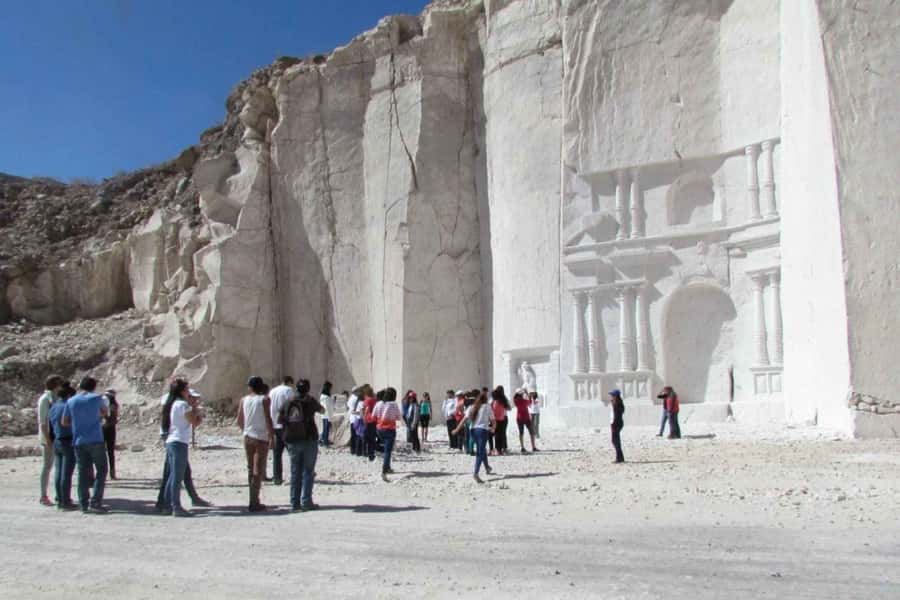
Stone tells Arequipa’s story. This four-hour outing combines working sillar quarries with volcano views, a short canyon walk, and old Wari petroglyphs, giving you a useful look at how the city was built and how its surrounding land was shaped. I like the Añashuayco Quarry for its huge ignimbrite walls and stone carving, and I like Culebrillas for its quieter, more natural feel. The main drawback is that the tour is marketed as hiking, but most of the walking is brief and easy.
The $20 price is appealing because transport and a professional guide are included. You should still budget 10 soles for entrance fees, and I would keep expectations practical: the quarry is an active tourist stop, not a remote spiritual site. One serious booking failure has been reported, while another visitor found the guide difficult to hear and understand, so clear communication with the operator is worth confirming before departure.
In This Review
- Key points to know before booking
- Why sillar matters in Arequipa
- The first view of volcanoes and the Chilina Valley
- Entering the Añashuayco Quarry after 45 minutes
- The Megacavado and the Church of the Company of Jesus
- A short transfer to Culebrillas Canyon
- Wari petroglyphs at the end of the canyon
- Apachetas and the return to Arequipa
- What the $20 price really covers
- Language, transport, and guide quality
- Who will enjoy this four-hour outing
- Should you book the Sillar Route and Culebrillas tour?
- FAQ
- How long does the Sillar Route with Culebrillas tour last?
- What is included in the price?
- Are entrance tickets included?
- Which languages are available?
- What time does the tour begin?
- How long is the walk in Culebrillas Canyon?
- What can I see at Añashuayco Quarry?
- Are there ancient carvings on the tour?
- Can I cancel the booking?
Key points to know before booking
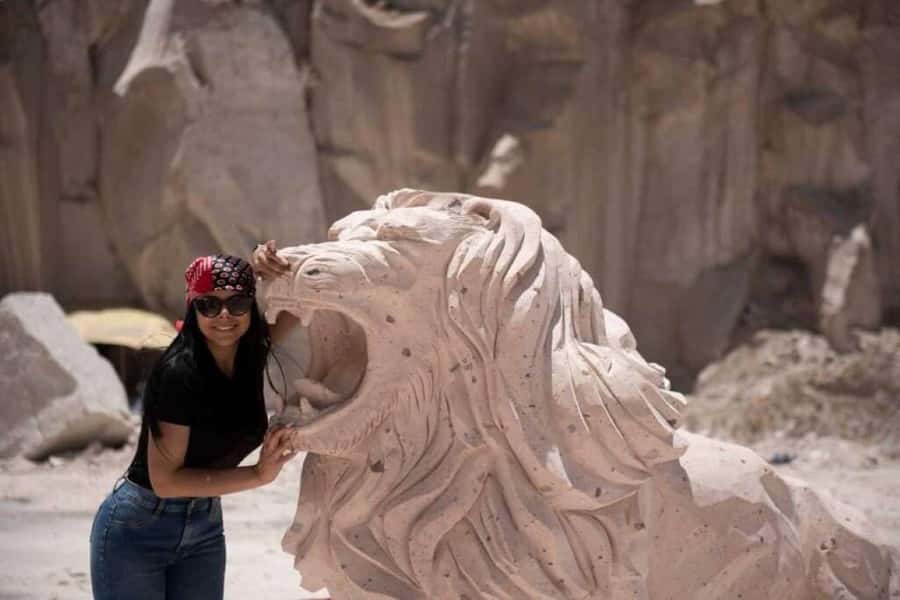
- Añashuayco Quarry shows sillar being made today, with stonemasons working the pale volcanic stone and explaining their daily craft.
- The Megacavado is a large stone carving of Arequipa’s Church of the Company of Jesus, made by quarry workers.
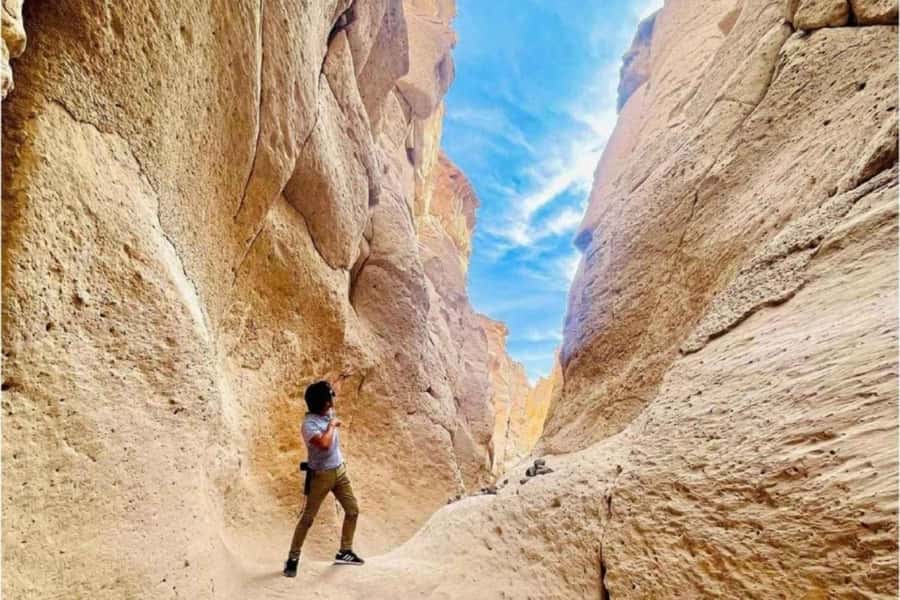
- Culebrillas Canyon has 15 to 20-meter walls and a short walk ending at Wari petroglyphs more than 1,000 years old.
- The opening viewpoint looks toward the volcanoes and Chilina Valley, offering a quick orientation to Arequipa’s setting.
- This is a sightseeing excursion with a short walk, not a demanding half-day hike.
- The $20 fare includes transport and a guide, but entrance fees of 10 soles are extra.
Why sillar matters in Arequipa
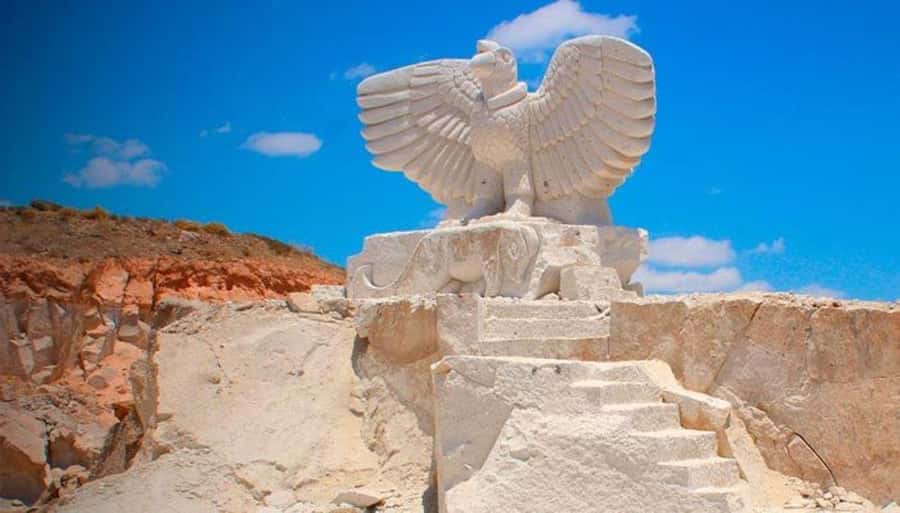
Arequipa is often called the White City because much of its historic architecture uses sillar, a pale volcanic stone formed from ignimbrite. The stone gives old churches, mansions, and courtyards their bright color and carefully carved surfaces.
This tour helps you connect those polished city buildings with the places where the stone came from. Instead of seeing sillar only as a handsome building material, you watch it being extracted, cut, shaped, and turned into art. That link is the main reason I find the excursion worthwhile.
The stone is not ancient in the sense of being carved by an old civilization. It is a working material, and quarry workers still use traditional methods. That distinction matters. If you expect ceremonial ruins or a remote archaeological site, the Añashuayco stop may feel more commercial than you imagined. If you want to understand a living craft tied directly to Arequipa’s buildings, it makes much more sense.
More hikes and treks in Arequipa:
- 2 day 1 night trek / Colca Canyon
★ 5.0 · 1,069 reviews - From Arequipa: Sillar Route Trek
★ 4.2 · 461 reviews - Colca Canyon Trek 3 Day 2 Night
★ 5.0 · 328 reviews
The first view of volcanoes and the Chilina Valley
The day begins at 9:15 a.m. with a drive away from Arequipa toward the Sillar Route. The first stop is a strategic viewpoint where you can see the volcanoes and the Chilina Valley.
This is a short stop, but it gives the rest of the outing a useful frame. You see the city’s wider setting before entering the quarry areas, and the guide can explain how the volcanic surroundings relate to the stone used in Arequipa’s construction.
The exact viewpoint can change with the season. At times, the tour may use another traditional lookout with views toward the volcanoes. Do not treat this as a long scenic stop. It is more of a quick orientation and photo break before the quarry visit.
Entering the Añashuayco Quarry after 45 minutes
After roughly 45 minutes of driving, you reach Añashuayco Quarry. The quarry is still operating, and the best chance to see stonemasons at work is earlier in the day. The pale quarry walls rise into large cliffs, cut by years of stone extraction.
This is the most important stop for understanding sillar. Your guide explains where the stone comes from, how workers produce ashlar blocks, and how the material has been used over time. The walls show the scale of the work better than a museum display could.
The quarry is also a practical workplace, not a preserved monument. That means the setting can feel dusty, industrial, and arranged for tourism. I see that as part of the lesson. You are not looking at a finished church façade. You are seeing the rough source material and the labor behind it.
One possible highlight is a hands-on demonstration. A stonemason may explain daily work and let you try cutting one of the stone blocks. The experience gives you a better respect for the precision involved. Sillar may look soft and uniform from a distance, but shaping a usable block takes skill.
The tour’s value depends partly on the guide’s explanation here. Without context, the quarry is simply a large pale canyon. With a clear account of the craft, it becomes a direct connection to Arequipa’s architecture.
The Megacavado and the Church of the Company of Jesus
Inside the quarry, you can see the Megacavado, a large carving of the Church of the Company of Jesus. Local stonemasons made it from the same type of stone used in Arequipa’s religious buildings.
It is an unusual detail and one of the more memorable photo stops. The carving shows how sillar can be used for more than walls and blocks. It also lets you compare the raw quarry material with the ornate church architecture found in the city center.
Keep the scale in mind. This is not a full-size church and should not replace a visit to Arequipa’s historic center. Its value is that it appears in the quarry itself, beside the workers and the cliffs that supplied the stone.
The quarry can also become the most commercial part of the outing. Displays, demonstrations, and photo opportunities are part of the visit. I would not book this expecting solitude or a purely archaeological experience. Book it because the working quarry offers a clear look at a craft still connected to daily life.
More things to do in Arequipa:
- From Arequipa: Colca Canyon Full-Day Guided Tour with Meals
★ 4.5 · 982 reviews - Tour to the Salinas Lagoon and National Reserve in Arequipa
★ 4.5 · 548 reviews - Colca Full Day Tour
★ 4.5 · 429 reviews - Rafting Arequipa – Chili River Canoeing – Cusipata Rafting Arequipa
★ 5.0 · 332 reviews
A short transfer to Culebrillas Canyon
From Añashuayco, the vehicle continues for about 30 minutes to Quebrada de Culebrillas. The change is noticeable. You leave the active quarry and reach a narrow canyon shaped by running water.
The walk inside Culebrillas takes about 20 minutes. Its walls begin at roughly 15 to 20 meters high and become taller as you move farther in. This is the closest thing to a real hike on the excursion, but it remains a short walk rather than a strenuous trek.
I like this section because it adds variety. The quarry explains human work, while Culebrillas shows what water has shaped over time. The narrow walls also create a stronger sense of enclosure than the open quarry stop.
You should wear shoes suited to an uneven walking surface, though the supplied information does not describe the trail as difficult or long. The word hiking may set your expectations too high. This is better understood as a brief canyon walk with a cultural stop at the end.
Wari petroglyphs at the end of the canyon
At the end of the walk, you can see petroglyphs attributed to the Wari culture and dated to more than 1,000 years ago. They give Culebrillas a historical layer that the quarry does not provide.
The petroglyphs are important because they connect the canyon to people who used the area long before today’s stone industry. Still, keep your expectations measured. This is a brief viewing point, not a large archaeological complex with extensive ruins or a museum.
The guide’s explanation matters here. A short walk and a few rock markings can be easy to overlook if you do not know what you are seeing. I would stay close enough to hear the commentary and ask for the location and meaning of the figures if the group becomes focused on photographs.
One practical concern comes from the mixed guide feedback. A visitor found a heavy accent and microphone problems made the commentary hard to follow. If your Spanish or English listening skills are still developing, stand near the guide and ask for key points to be repeated. The facts about the Wari petroglyphs and sillar production are central to the experience, not extra decoration.
Apachetas and the return to Arequipa
Before leaving Culebrillas, the group pauses at apachetas. These are small stone formations made by placing stones one on top of another. They are described as symbols of gratitude toward nature and as good-luck markers.
This stop has a more reflective feel than the quarry. You can see why the stacked stones create a mystical mood, but I would avoid treating them as a major archaeological attraction based on the information available. They are a cultural detail at the end of the canyon walk.
The return trip begins at about 12:30 p.m., with arrival in Arequipa expected around 1:30 p.m. The stated duration is four hours, although the listed departure and return times suggest a longer door-to-door schedule. Confirm the exact pickup and drop-off timing when you book, especially if you have a flight, cooking class, or afternoon visit planned.
What the $20 price really covers
At $20 per person, this is an inexpensive way to see several sites outside Arequipa without arranging separate transport. The price includes tourist transport and a professional guide, which matters because the quarry and canyon are separate stops with driving time between them.
You pay an additional 10 soles for entrance tickets. That extra cost is modest, but it should be included in your budget. The total remains good value if you want a short outing that combines views, local stonework, a canyon, and petroglyphs.
The value is strongest for first-time visitors who want an introduction to the area. You get several different subjects in one morning, but none receives a full day of attention. The quarry visit is more developed than the canyon walk, while Culebrillas offers the more peaceful setting.
The price does not guarantee a private experience or extensive time at each stop. You are paying for efficient transport and a guided overview. If you want long hikes, detailed archaeology, or an unhurried visit with few people, this may feel too packaged.
Language, transport, and guide quality
The tour offers live guiding in English and Spanish. That gives you a choice, but the quality of the spoken explanation can affect the entire morning. At the quarry and petroglyph site, a clear guide is especially important because the visual details alone do not explain the craft or history.
The transport is included, and the route is designed to move between the viewpoint, Añashuayco, and Culebrillas in a compact period. That makes the excursion easy to fit into a short Arequipa stay.
I would confirm three points before setting out:
- The language of your assigned guide
- The exact meeting time and return time
- Whether the 10 soles entrance fee is paid in local currency
One booking was reported as not taking place at all, which is a serious concern even though the overall score is 4 out of 5 from 21 ratings. The activity allows free cancellation up to 24 hours before departure and offers reserve-now, pay-later booking, but those policies do not replace basic confirmation. Check that the departure is operating before you build your day around it.
Who will enjoy this four-hour outing
I would recommend it to you if you want a low-cost introduction to Arequipa’s surroundings and you enjoy seeing how local materials are made and used. It suits first-time visitors, photographers, short-stay visitors, and anyone curious about the connection between volcanic stone and the city’s historic buildings.
It is also a good choice if you want a morning activity without committing to a full-day excursion. The canyon walk is short, and the driving is handled for you.
I would be more cautious if you are looking for a serious hike. The walking time at Culebrillas is about 20 minutes, and the rest of the experience centers on viewpoints, quarry interpretation, transport, and short stops.
I would also think twice if you expect an ancient or mystical experience from beginning to end. Culebrillas and the Wari petroglyphs offer that older cultural layer, but Añashuayco is an active, commercial quarry with a hands-on stone demonstration and a large modern carving.
Should you book the Sillar Route and Culebrillas tour?
Book it if you want good value, easy transport, and several different sights in one morning. The strongest parts are the working Añashuayco Quarry, the Megacavado carving, and the contrast between industrial stone extraction and the narrow Culebrillas Canyon.
Skip it if the word hiking is your main reason for booking, or if you want a remote archaeological experience. You should also confirm the departure and guide language in advance, since communication problems can reduce the value of an otherwise useful tour.
For most first visits to Arequipa, I think the outing earns its place as a practical half-day introduction. Just see it for what it is: a guided sightseeing trip with a short canyon walk, not a wilderness trek.
FAQ
How long does the Sillar Route with Culebrillas tour last?
The advertised duration is four hours. The schedule begins at 9:15 a.m., starts the return journey at about 12:30 p.m., and lists arrival in Arequipa around 1:30 p.m.
What is included in the price?
The $20 price includes tourist transport and a professional guide.
Are entrance tickets included?
No. Entrance fees cost 10 soles and are not included in the tour price.
Which languages are available?
Live guiding is available in English and Spanish.
What time does the tour begin?
The journey begins at 9:15 a.m.
How long is the walk in Culebrillas Canyon?
The walk through the canyon takes approximately 20 minutes.
What can I see at Añashuayco Quarry?
You can see an active sillar quarry, tall ignimbrite walls, stone production, the Megacavado carving of the Church of the Company of Jesus, and possibly a demonstration by a stonemason.
Are there ancient carvings on the tour?
Yes. At the end of the Culebrillas walk, you can see petroglyphs attributed to the Wari culture and dated to more than 1,000 years ago.
Can I cancel the booking?
You can cancel up to 24 hours in advance for a full refund. The tour also offers a reserve-now, pay-later option.
Just added in Arequipa
- Sillar Route★ 5.0 · 4 reviews
- Salinas Lagoon + Mini Volcano DE Lojen★ 5.0 · 9 reviews
- 3-Day Colca Canyon trek with Professional Guide★ 5.0 · 40 reviews
- Full Day Tour To The Salt Lake Salinas in Arequipa★ 4.5 · 34 reviews
- Walking City tour including the Monastery of Santa Catalina★ 5.0 · 6 reviews
- Trekking, Waterfalls and Thermal Baths★ 4.5 · 47 reviews
- Downhill Tour – Mountain Bike in Arequipa★ 3.5 · 5 reviews
- 2 Days 1 Night trekking Through Colca Canyon, Private room★ 5.0 · 16 reviews
Hiking & Trekking, compared.
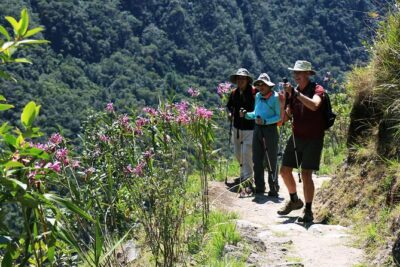
Classic Inca Trail Trek 4D/3N to Machu Picchu (Group Service)
Read our review →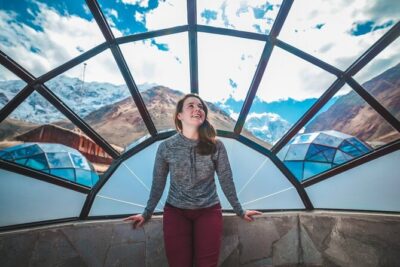
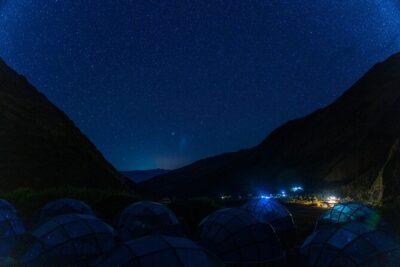
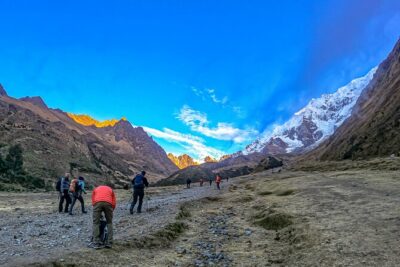
Salkantay Trek 5D/4N with Glass Cabins, Domes and Hobbit House
Read our review →

Rainbow Mountain Day Trip from Cusco: Vinicunca Hiking Tour
Read our review →Browse the lists this tour appears in