
Reviewed · MACHU PICCHU TOURS
5-Day Salkantay Trek to MachuPicchu with Optional Hot Spring Bath
The mountains make you work for the reward. This five-day Salkantay Trek links snow-capped peaks, high-altitude passes, jungle valleys, Inca ruins, and Machu Picchu in one demanding trip. I especially like the sharp change in scenery, from cold mountain air to warm tropical forest, and the small group size, capped at 10 people.
I also like that the package handles the major pieces, including camping, meals, a guide, Machu Picchu admission, the train to Ollantaytambo, and transport back to Cusco. The main caution is the altitude and long walking days. You reach 4,650 meters on Day 2, sleep at 3,920 meters on the first night, and need strong fitness for the full route.
In This Review
- Key points to know before you book
- What the $650 price really covers
- Day 1: Humantay Lake and a cold night at 3,920 meters
- Day 2: The 4,650-meter Salkantay Pass
- Day 3: River crossings, waterfalls, and Santa Teresa
- Day 4: Llactapata and the first view toward Machu Picchu
- Day 5: Machu Picchu before the return train
- Camping, food, and group size
- Fitness, altitude, and practical preparation
- Who should book this Salkantay route?
- Should you book it?
- FAQ
- How long is the Salkantay Trek to Machu Picchu?
- What time does pickup begin?
- What is the highest point on the trek?
- How cold is the first campsite?
- Is the Humantay Lake entrance fee included?
- Are the hot springs included?
- Is transportation from Aguas Calientes to Machu Picchu included?
- Is Huayna Picchu included?
- What meals are included?
Key points to know before you book
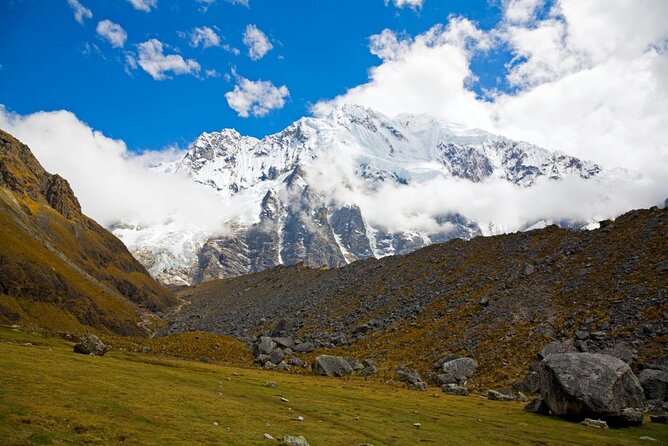
- The highest point is 4,650 meters: Day 2 crosses the Salkantay Pass between Salkantay and Humantay mountains.
- The scenery changes dramatically: You move from icy peaks and alpine terrain to waterfalls, fruit plants, river crossings, and warmer jungle valleys.
- The first night is the toughest for comfort: Camp sits at 3,920 meters, making it the coldest night of the trek.
- The package includes the main Machu Picchu costs: Entrance, guided citadel visit, train from Aguas Calientes, and the return bus to Cusco are covered.
- Hot springs and zip lining cost extra: Santa Teresa gives you a chance to rest, but these activities are optional add-ons.
- You need to budget for several extras: The Humantay Lake fee, sleeping bag, walking sticks, Machu Picchu buses, and optional mountain hikes are not included.
What the $650 price really covers
At $650 per person, this is not a bare-bones walk with a guide and little else. The price includes a pre-trek briefing, tourist-class transport to the trailhead, a certified local guide, a cook, cooking equipment, three nights of camping, one hostel night in Aguas Calientes, meals during the trek, Machu Picchu admission, and the 18:20 Perurail train to Ollantaytambo.
That package gives you useful value. The transport and train alone would be awkward to arrange around a five-day route, and the cooking team means you are not relying on snacks or restaurant meals in remote areas. Four breakfasts, four lunches, and four dinners are included. Your first-day breakfast and your final-day lunch and dinner are not covered.
Still, keep a separate budget for extras. A sleeping bag costs $30 to rent, and walking sticks cost $20. The entrance fee for Humantay Lake is listed as $7, while the bus between Aguas Calientes and Machu Picchu costs $24 round trip. You can usually walk that section, but the bus may be sensible after several days on foot.
Optional Huayna Picchu or Machu Picchu Mountain tickets are also separate. Huayna Picchu is listed at $90 and must be arranged in advance because spaces sell out. Santa Teresa hot springs and the zip line also cost extra.
The price makes the most sense if you want a guided, organized route with meals, camping support, and return transport already arranged. It is less attractive if you prefer independent planning or want to cut every optional expense.
More Machu Picchu trips:
- Classic Inca Trail Trek 4D/3N to Machu Picchu (Group Service)
★ 5.0 · 8,653 reviews - Machu Picchu: 4-Day Inca Trail Trek with Panoramic Train Ride
★ 5.0 · 4,568 reviews - Short Inca Trail to Machu Picchu 2D/1N
★ 5.0 · 3,007 reviews
Day 1: Humantay Lake and a cold night at 3,920 meters
The day starts early. Pickup is scheduled around 4:45 to 5:00 am, with a meeting time listed as 4:30 am, so you should be ready before dawn and confirm the exact pickup details during the briefing. The group rides by tourist-class bus to Mollepata at 2,900 meters, where you can stretch your legs and buy snacks.
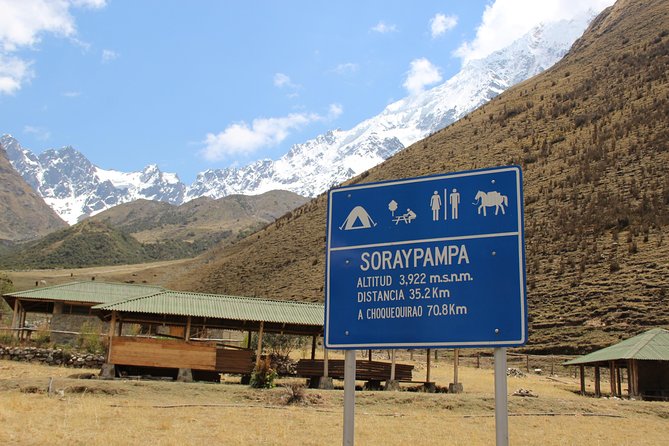
From Mollepata, a car continues to Challacancha. This is where the group checks equipment and prepares for the first serious walk. The initial hike to Soraypampa takes about three hours and ends at 3,920 meters, with lunch and views of snow-capped mountains.
The side trip to Laguna de Humantay is the day’s prize, but it is not a gentle stroll. The hike takes about 1.5 hours each way, and the altitude makes the uphill sections feel harder than the distance suggests. You should save energy for the return to camp instead of treating the lake as a quick photo stop.
The lake gives you a close look at the high Andes, while the surrounding peaks make a strong first impression. Afterward, you return to Soraypampa for dinner and the night’s camp.
This is the highest campsite of the trip and also the coldest. The combination of an early start, a long first day, thin air, and cold sleeping conditions is a serious test. I would pack warm layers, gloves, a hat, and a reliable sleeping bag rather than counting on the camp to feel comfortable.
The Humantay Lake admission fee is not included. It is listed as PEN 7 per person, also described as $7, so carry enough local currency or confirm the accepted payment method before leaving Cusco.
Day 2: The 4,650-meter Salkantay Pass
Breakfast comes around 5:00 am, followed by the hardest physical section of the trip. You walk for about four hours toward the Salkantay Pass, the highest point at 4,650 meters.
The pass sits between Salkantay Mountain, at 6,267 meters, and Humantay Mountain, at 5,900 meters. The setting is stark and powerful, with a real possibility of snow near the top. This is the day when altitude matters most, not just leg strength.
A horse can be rented to help reach the pass for about $100 to $120. That is a steep extra charge, but it may be worth considering if you are struggling with altitude or want to preserve your energy. You should not view horse rental as a failure. Reaching the pass safely matters more than proving something to the group.
After the pass, the route drops for about two hours to Huayracpampa, where lunch is served. The downhill section may feel easier on your breathing, but steep descents can be hard on knees and ankles.
The day continues with another three-hour walk toward Challhuay or Colcapampa, around 2,900 meters. This gradual move toward the high jungle brings warmer air and a noticeable change in vegetation. The total walking day is listed at about 10 hours, so you should expect a long, tiring schedule even if the terrain becomes easier later.
This section is best for people who understand that a scenic trek is still a physical challenge. You need to be comfortable walking for hours at altitude, carrying your personal gear, and adjusting your pace.
Day 3: River crossings, waterfalls, and Santa Teresa
Day 3 begins at 6:00 am and takes you through the upper jungle. Compared with the first two days, the setting feels warmer and more open. You cross the Santa Teresa River and several smaller brooks, passing waterfalls and tropical fruits and plants along the way.
The route reaches La Playa at about 2,200 meters, where lunch is served. From there, a car takes you to Santa Teresa at 1,700 meters. This transfer gives your legs a break and brings you into a much warmer climate.
Santa Teresa is the trip’s recovery point. After three demanding days, you can rest at camp and choose an optional visit to the local hot springs. The title of the experience highlights the hot spring bath, but it is not included in the base price, so treat it as an add-on rather than a guaranteed part of the package.
The zip line is another optional activity at extra cost. I would choose the hot springs if your priority is recovery. The zip line may appeal if you want an active afternoon, but your body will already have done plenty.
Day 3 involves about six hours of walking, shorter than the previous day. That difference matters. The route still includes river crossings and uneven ground, but the warmer climate and lower elevation can make the day feel more manageable.
You should bring footwear that can handle wet sections and pack a dry change of socks. The information does not specify how deep the streams are, so do not assume every crossing will be completely dry.
More hikes and treks in Cusco:
- Salkantay Classic Trek 5 Days from Cusco
★ 5.0 · 4,062 reviews - 4-Day Salkantay Trek with Sky Camp Stay
★ 5.0 · 3,346 reviews - Salkantay Trek 5D/4N with Glass Cabins, Domes and Hobbit House
★ 5.0 · 2,488 reviews - 2-Day Inca Trail to Machu Picchu with Panoramic Train
★ 5.0 · 1,876 reviews
Day 4: Llactapata and the first view toward Machu Picchu
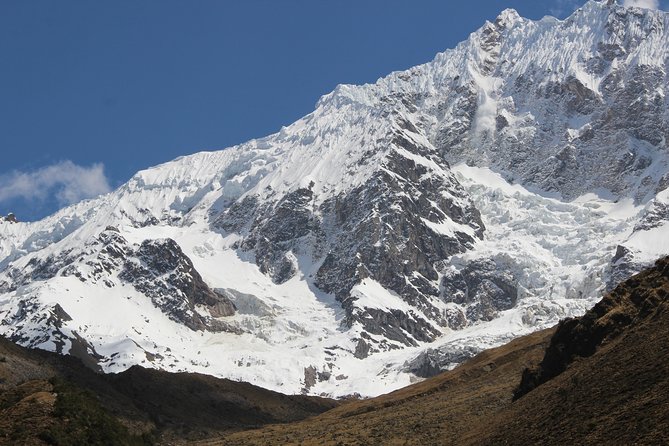
Breakfast is scheduled for 5:00 am, followed by a drive to Lucmabamba. From there, you walk for about two hours uphill along a section of an original Inca trail.
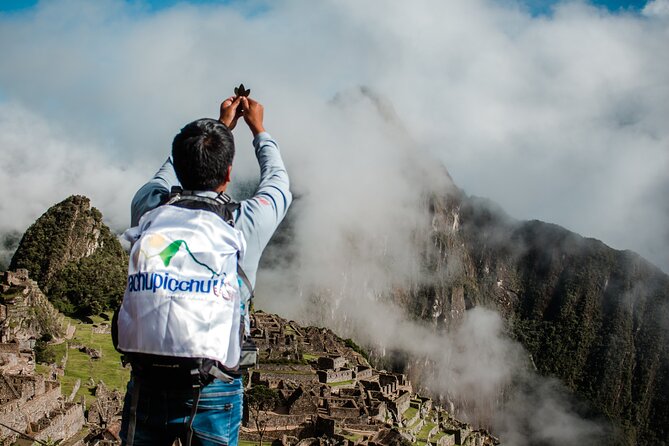
The main stop is Llactapata, an Inca archaeological site at about 8,858 feet. Its position across from Machu Picchu gives you an early view toward the final destination. This is a smart part of the route because you see the famous citadel from a distance before entering it the next morning.
Your guide explains the site and the Inca features along the route. You also pass ancient stonework used as a sundial. These stones worked with a sundial stone at Machu Picchu to track the winter solstice and the start of the farming season.
The climb to Llactapata lasts about two hours, but the full day is listed at roughly 10 hours. After the archaeological stop, you continue toward the railway tracks leading to Aguas Calientes.
The shift from remote trail to train tracks and town is noticeable. Aguas Calientes is the practical base for Machu Picchu, not a wilderness camp. Here you have dinner at a restaurant and sleep in a comfortable hostel downtown.
That hostel night is a welcome change after three nights outdoors. It also positions you close to the morning entrance route. Pack your overnight needs separately so you do not have to sort through all your trekking gear late at night.
Day 5: Machu Picchu before the return train
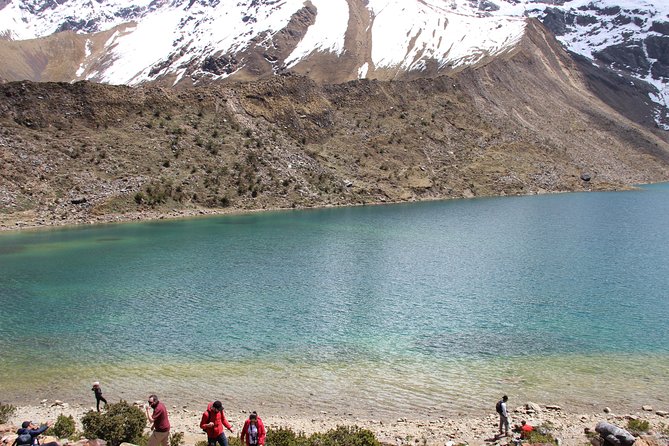
The final day starts early again. After breakfast, you either hike up to Machu Picchu or take one of the first buses, beginning around 5:30 am. The bus ride takes about 30 minutes to the checkpoint.
The bus costs $24 round trip and is not included. You can walk instead, but the choice depends on your energy, your interest in starting quietly on foot, and how much time you want inside the citadel.
Once inside, your guide leads you to a scenic point for sunrise and photographs, then gives you about two hours of guided exploration. The guided visit is important because Machu Picchu is more than a collection of impressive stones. The meaning of the terraces, temples, agricultural planning, and mountain setting is easier to grasp with context.
After the guided section, you have free time. If you have booked Huayna Picchu, allow up to three hours for the round trip. The ticket is optional, costs $90, and must be reserved ahead of time. Machu Picchu Mountain is another separate ticket option.
You should plan your timing carefully. The suggested schedule has you returning toward Aguas Calientes around noon, buying lunch there, and catching the train at 18:20 or 19:00. The included train is listed as the 18:20 Perurail service, so confirm your actual departure time rather than assuming you can stay late at the site.
After about two hours on the train, you reach Ollantaytambo. A bus then takes you toward Cusco, with drop-off near San Francisco Plaza in the city center. Your final meal is not included, so keep money available for lunch and dinner.
Camping, food, and group size
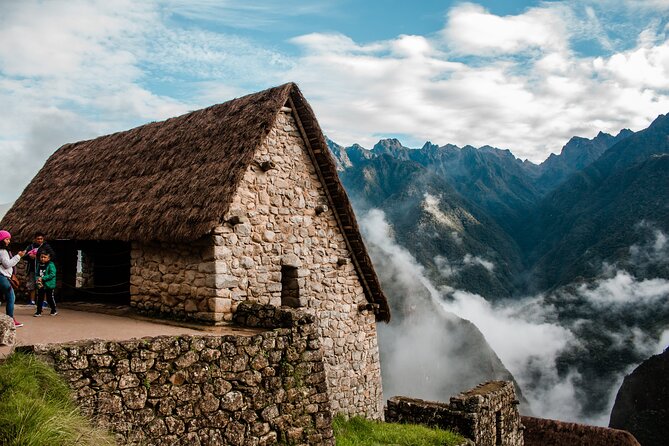
You spend three nights camping and one night in a hostel. That mix reflects the route well: the remote sections require camps, while the Aguas Calientes night gives you a bed before Machu Picchu.
A cook and cooking equipment are included. Four lunches, four dinners, and four breakfasts are provided, which removes much of the food planning from your hands. Vegetarian food is available if you request it when booking, and you should also report other dietary needs in advance.
The group has a maximum of 10 people. That is small enough for a guide to keep track of the pace and for the trip to feel less like a moving crowd. It does not guarantee a private experience, but it is a useful limit on a route where timing, altitude, and group coordination matter.
Extra luggage can be stored at your hotel or the operator’s office during the trek. That is helpful because you do not need to carry your entire Peru packing list over the pass.
Fitness, altitude, and practical preparation
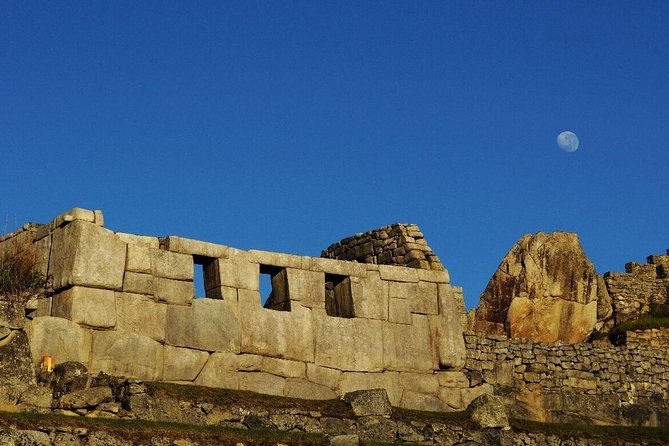
You should have a strong fitness level for this tour. The key issue is not one isolated climb. It is the combination of early mornings, repeated long walks, high altitude, cold camping, and a 4,650-meter pass.
I would prepare with long uphill walks and practice carrying the daypack you plan to use. Bring warm clothing for Soraypampa, rain protection, sun protection, sturdy walking shoes, personal medicines, and snacks for the early starts.
Walking sticks are available to rent for $20, and they can help with steep climbs and descents. A sleeping bag rental costs $30. Since the first camp is both the highest and coldest, the sleeping bag is not an item I would dismiss as optional comfort.
Passport details are required for every person at booking, including full name, number, expiry date, and country. Confirmation is provided at booking, but the non-refundable policy deserves attention: cancellation or changes do not bring a refund. If the minimum group size is not reached and the operator cancels, you are offered another date or experience, or a full refund.
Who should book this Salkantay route?
I would recommend it to you if you want a full mountain-to-jungle route and prefer having transport, meals, a guide, camping support, Machu Picchu admission, and the return train arranged together.
It suits hikers who enjoy physical challenges and do not mind sacrificing comfort for scenery. The changing climate is a major attraction. One day you are near snow-capped peaks, and two days later you are walking beside rivers and tropical plants.
I would hesitate to recommend it if you dislike cold camping, early starts, long walking days, or uncertain weather at high altitude. It also may not suit anyone looking for a relaxed Machu Picchu holiday with plenty of free time.
The rating is 4.4 from 15 reviews, and the strongest praise centers on the beautiful scenery, good food, personal care, and the satisfaction of overcoming a real challenge. That matches the shape of the trip: it asks a lot from you, then rewards you with variety and a memorable arrival at Machu Picchu.
Should you book it?
Book this trek if you want the journey to Machu Picchu to be as important as the ruins themselves. The $650 price offers solid value once you count the guide, cook, meals, camping, hostel, entrance ticket, train, and return transport.
Before paying, confirm the pickup time, train departure, current Humantay fee, and every optional cost. Add money for the first breakfast, final-day meals, the Machu Picchu bus if desired, rental gear, hot springs, and any mountain hike.
My final advice is simple: choose this route for scenery and challenge, not comfort. If that sounds like your kind of Peru adventure, it is a strong five-day plan.
FAQ
How long is the Salkantay Trek to Machu Picchu?
The experience lasts approximately five days, including the guided visit to Machu Picchu and transport back to Cusco.
What time does pickup begin?
The listed meeting time is 4:30 am, while pickup is scheduled between 4:45 and 5:00 am. Confirm the exact pickup arrangement before departure.
What is the highest point on the trek?
The highest point is the Salkantay Pass at 4,650 meters.
How cold is the first campsite?
The first campsite is at Soraypampa, around 3,920 meters. It is described as the highest and coldest campsite of the trip.
Is the Humantay Lake entrance fee included?
No. The Humantay Lake fee is listed as PEN 7, or approximately $7, per person.
Are the hot springs included?
No. The hot springs in Santa Teresa are optional and cost extra.
Is transportation from Aguas Calientes to Machu Picchu included?
No. The bus costs $24 round trip. You can also hike this section.
Is Huayna Picchu included?
No. Huayna Picchu requires a separate ticket, listed at $90 per person, and must be booked in advance.
What meals are included?
The package includes four breakfasts, four lunches, and four dinners. Breakfast on the first day and lunch and dinner on the final day are not included.
Just added in Cusco
- Private Transfer from Airport to Hotel in the City of Cusco★ 4.0 · 5 reviews
- Best Cusco walking tour: dinner street food tasting★ 4.5 · 11 reviews
- Cusco Private Transportation for 2026★ 5.0 · 4 reviews
- Private Tour to Pisac Market and Pisac Ruins★ 5.0 · 4 reviews
- Machu Picchu Day Trip With Panoramic Train from Cusco★ 5.0 · 10 reviews
- Sacred Valley Private Tour from Cusco, Guide and Driver only★ 5.0 · 4 reviews
- Sacred Valley of the Incas Tour★ 5.0 · 12 reviews
- Private Tour of the Mountain of Colours by Quad★ 5.0 · 7 reviews
Machu Picchu Tours, compared.
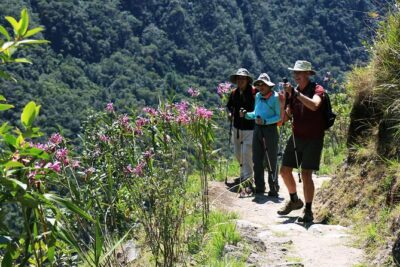
Classic Inca Trail Trek 4D/3N to Machu Picchu (Group Service)
Read our review →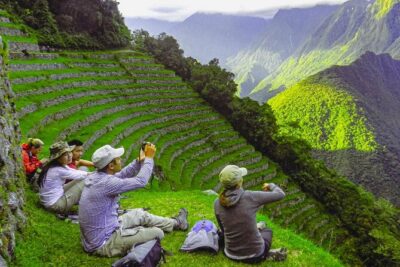
2-Day Inca Trail to Machu Picchu with Panoramic Train
Read our review →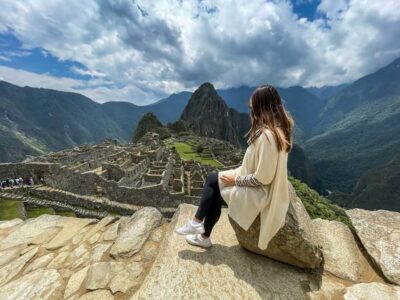
From Cusco: Full-Day Group Tour of Machu Picchu
Read our review →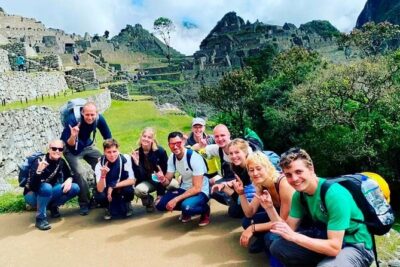
2-Day Tour: Sacred Valley and Machu Picchu by Train
Read our review →
Machu Picchu: Full-Day Tour from Cusco with Optional Lunch
Read our review →
Machu Picchu Full Day from Cusco by Panoramic Train
Read our review →Browse the lists this tour appears in