
Reviewed · INCA TRAIL AND SALKANTAY TREKS
Choquequirao Trek 4 Days The Lost City of The Inkas
Go where the crowds thin out. This four-day Choquequirao trek takes you from Cusco into the Apurimac Canyon, across hot, steep mountain trails, and finally to one of Peru’s least visited major Inca sites. I especially like the near-solitude at the ruins and the strong support from the guide, cooks, and camp team. The main catch is simple: this is a hard hike, with long climbs, big temperature changes, and roughly 70 kilometers of rugged walking according to one past participant.
The tour costs $710 per person and includes private transport, a professional English-speaking guide, camping gear, entrance fees, three breakfasts, three lunches, and three dinners. That is a fair package for a remote trek, though you still need to buy your own water and snacks and arrange food for the first breakfast and final lunch and dinner.
In This Review
- Key Details at a Glance
- Why Choquequirao Feels Different from Machu Picchu
- Day One: Cachora to the Apurimac River
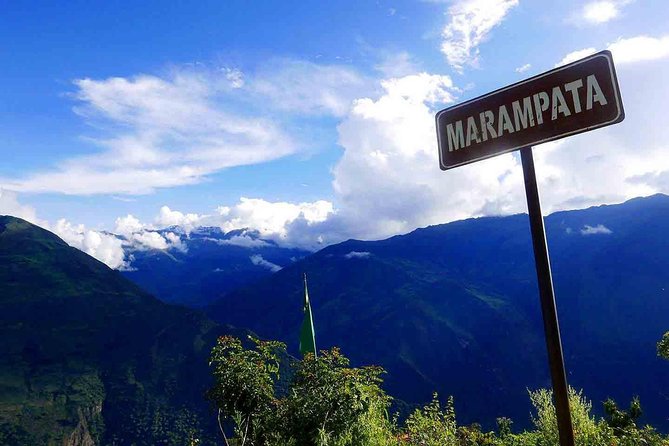
- Day Two: The Hard Climb to Marampata
- Day Three: Sunrise at the Choquequirao Ruins
- Day Four: Back Through the Canyon to Cusco
- What the $710 Price Really Covers
- Meals, Camping, and the People Behind the Route
- How Hard Is the Choquequirao Trek?
- Practical Details Before You Reserve
- Is This the Right Trek for You?
- FAQ
- How long does the Choquequirao trek last?
- What time is pickup in Cusco?
- Is the tour offered in English?
- What is included in the price?
- Is breakfast included on the first day?
- Are water and snacks included?
- How difficult is the hike?
- How many people can join the tour?
- Where do you camp?
- What happens if bad weather cancels the tour?
Key Details at a Glance
- Remote access: Reach Choquequirao by foot through the Apurimac Canyon rather than by train or road.
- A demanding route: The trail includes a major descent on day one and a hard uphill climb on day two.
- Quiet ruins: The large Inca complex can feel remarkably private compared with Machu Picchu.
- Excellent camp support: Tents, mattresses, sleeping bags, meals, horses for equipment, and a camp team are included.
- Early starts: Pickup begins between 5:30 and 6:00 a.m., with breakfast on day two at 5:00 a.m.
- Small group size: The maximum group is 15 people, which should make trail support and guiding more manageable.
Why Choquequirao Feels Different from Machu Picchu
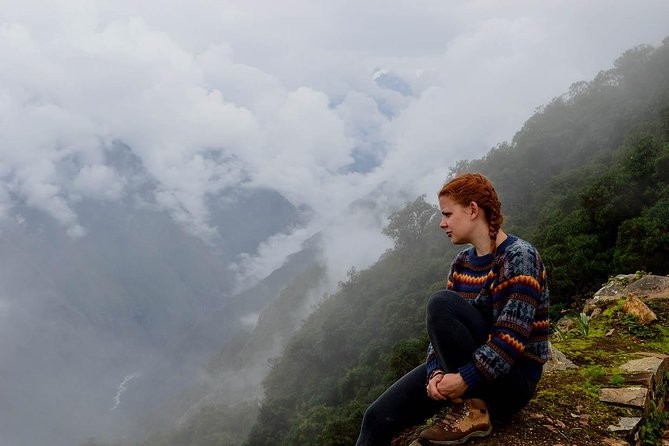
Choquequirao is not a quick sightseeing stop. You cannot roll up by train, walk through a gate, and be back in town by lunch. The only way into this four-day route is through a canyon filled with steep paths, changing climates, and broad views of the Andes.
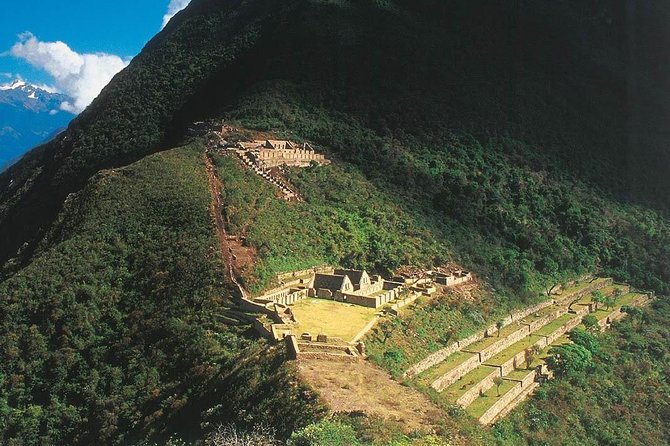
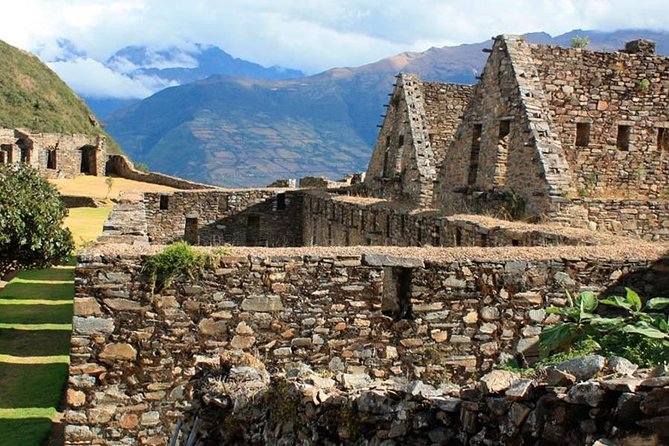
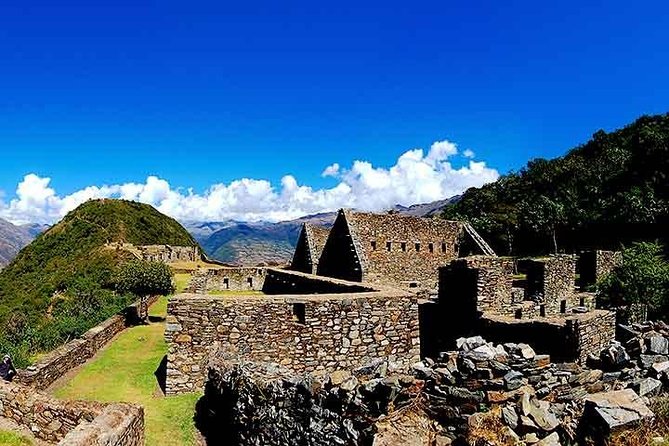
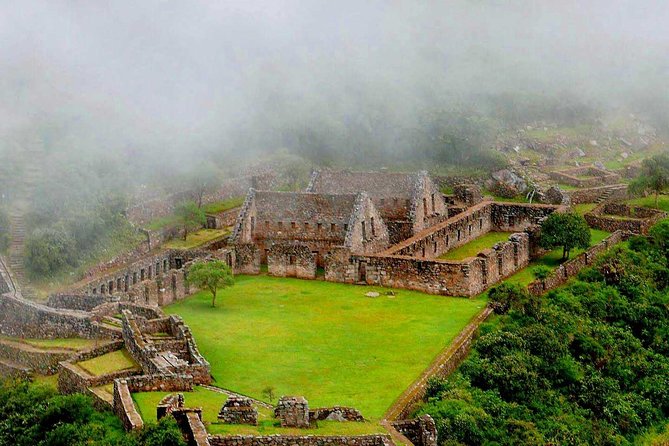
That effort changes the mood at the ruins. The site feels remote because it is remote. One participant described having the entire place almost to themselves, with very few other people around. That gives you time to look at the terraces, stonework, temples, long stairways, and the distinctive llama sector without the constant flow of visitors found at Machu Picchu.
The site is also large and spread across separate areas. A guided visit of about four hours gives you enough time to see the main sectors and understand how the city fits into the Apurimac and Vilcabamba region. Your guide is important here. The team has included guides named Renso and Nixon, both praised for their care and explanations in past departures.
More hikes and treks in Cusco:
- Classic Inca Trail Trek 4D/3N to Machu Picchu (Group Service)
★ 5.0 · 8,653 reviews - Machu Picchu: 4-Day Inca Trail Trek with Panoramic Train Ride
★ 5.0 · 4,568 reviews - Salkantay Classic Trek 5 Days from Cusco
★ 5.0 · 4,062 reviews
Day One: Cachora to the Apurimac River
Your day begins early in Cusco. Pickup is scheduled between 5:30 and 6:00 a.m., so you should be ready at your hotel reception with your bags and a quick breakfast already handled. The drive to Cachora takes about four hours, arriving near 10:00 a.m.
Cachora sits at about 3,100 meters. This is where the trail begins and where equipment is loaded onto horses. That service matters more than it may sound. You still carry a daypack, but tents and other camping supplies do not need to ride on your shoulders for the full route.
The first walk lasts about five hours, but do not mistake that for an easy opening day. The trail descends from the high country toward the canyon, eventually dropping to about 1,550 meters near the river. The temperature may rise from roughly 15°C at the start to 25°C lower down.
A short stop at Capuliyoc, around 2,900 meters, gives you a broad view into the Apurimac Valley. You also get early views of Padrayoc, a snow-capped mountain reaching 5,482 meters, along with Wayna Cachora. These are the sort of views that make you stop walking for a minute, even when your knees are already noticing the descent.
The day ends at a riverside camp. Lunch and dinner are included, but breakfast is not provided on the first morning. Bring something you can eat before pickup, or arrange breakfast at your hotel. You also need your own water and snacks.
The first day’s challenge is the steady downhill. Descending for hours can be rough on knees and thighs, especially before you know how demanding the next climb will be. Good walking shoes, trekking poles if you use them, and careful pacing will help.
Day Two: The Hard Climb to Marampata
Breakfast is scheduled for 5:00 a.m., followed by an early start toward Choquequirao. This is the toughest day of the route, with a steep climb from the river toward Santa Rosa and then Marampata.
The path rises to Santa Rosa at about 2,100 meters, where lunch is served. From there, you continue uphill toward Marampata at roughly 2,850 meters. This is the day that tests your legs and your attitude. You may begin in temperatures near 22°C and finish closer to 18°C, but the sun, exposure, and effort can make the climb feel hotter.
The reward is the changing view behind you. As you climb, the river and the previous day’s route unfold below. You can also see how sharply the vegetation shifts as you gain height. This is not a polished walking path built for casual sightseeing. It is a serious mountain approach to an ancient city.
Marampata marks the end of the steepest section. From this point, the camp near Choquequirao is much closer. Reaching that campsite in the afternoon gives you a valuable chance to rest before the main visit the next morning.
Breakfast, lunch, and dinner are included. The meals have received strong praise, with Peruvian cooking described as both generous and tasty. Food quality matters on a route like this. A warm dinner at camp is not a small perk after a hard climb.
Day Three: Sunrise at the Choquequirao Ruins
Day three begins with breakfast and a short walk toward the ruins. The plan is to arrive in time for sunrise, which gives the site a calm first impression and cooler conditions for walking.
Allow about four hours for the guided visit. Choquequirao is a substantial complex, not one single temple or viewpoint. You will see temples, terraces, stairways, and separate sectors spread across the mountain. The llama sector is a particularly unusual feature and one of the most memorable parts of the visit.
The guide explains the role of Choquequirao as an important Inca refuge and places the ruins within the setting of the Apurimac River and the Vilcabamba range. This is where a guided tour earns its keep. Without context, you might admire the stonework and terraces but miss how the separate areas relate to one another.
The site’s quiet atmosphere is a major advantage. You have time to take photographs and study the stonework without the packed walkways associated with Peru’s more famous Inca attraction. The tradeoff is that you must work hard to reach it. Choquequirao offers peace because the approach filters out casual sightseers.
Around midday, you return to camp for lunch. The route then drops back into the canyon, ending at another riverside camp. Breakfast, lunch, and dinner are included.
This second descent can feel tiring after the morning visit and the previous day’s climb. The schedule is active from morning until afternoon, so do not plan on treating day three as a rest day. It is the historical centerpiece of the trip, but it is still a full hiking day.
A completely different kind of day:
- Cusco: Rainbow Mountain and Red Valley Day Trip with Meals
★ 4.9 · 4,893 reviews - 4-Day Salkantay Trek with Sky Camp Stay
★ 5.0 · 3,346 reviews - Short Inca Trail to Machu Picchu 2D/1N
★ 5.0 · 3,007 reviews - Excursion to Rainbow Mountain Full Day Optional Red Valley
★ 5.0 · 2,996 reviews
Day Four: Back Through the Canyon to Cusco
After breakfast at about 6:00 a.m., you return along the same general route toward the canyon rim and Cachora. The walk takes roughly seven hours in total, with about two hours of flatter walking near the end.
The first part is another demanding climb out of the canyon. After reaching the rim, the route becomes gentler as you continue toward Cachora, where arrival is expected around noon. Along the way, you have more views of the canyon, snow-capped mountains, and local flora and fauna.
A private vehicle then takes you back to Cusco. The drive takes about three hours, with arrival at your hotel in the afternoon. The tour ends there, so you need to arrange your own final meal.
The final day is less dramatic than the approach to the ruins, but it is still physically significant. If your legs are sore, the return climb may feel every bit as hard as day two. Plan a quiet evening in Cusco rather than a busy sightseeing schedule.
What the $710 Price Really Covers
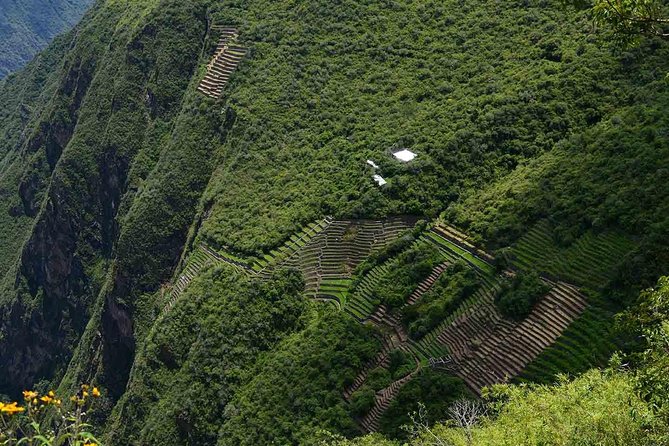
At $710 per person, the tour is not a budget day trip. It is also not just a guide and a campsite. The price includes:
- Hotel pickup in Cusco
- Private transportation
- Choquequirao entrance fee
- Professional guide
- Tents, mattresses, and sleeping bags
- Horses for carrying equipment
- Three breakfasts
- Three lunches
- Three dinners
- Fees and taxes
For a remote four-day route, that bundle gives the price solid value. Camping equipment alone would be inconvenient to arrange in Cusco, and private transport avoids piecing together several public rides before and after the hike.
The price is easiest to justify if you want a supported trek. You are not carrying the full camp, cooking every meal, or handling every transfer yourself. The cost is less attractive if you already own camping gear, prefer to carry your own supplies, or want a fully independent route.
You should budget separately for water and snacks. The first morning’s breakfast is also your responsibility, as are lunch and dinner on the final day. Those are small costs compared with the tour price, but they are easy to forget when packing.
Meals, Camping, and the People Behind the Route
The food is one of the strongest parts of the package. Past departures have been praised for good Peruvian meals, and the cooking team is described as hardworking and attentive. On a route with early breakfasts and steep climbs, that support can shape the whole experience.
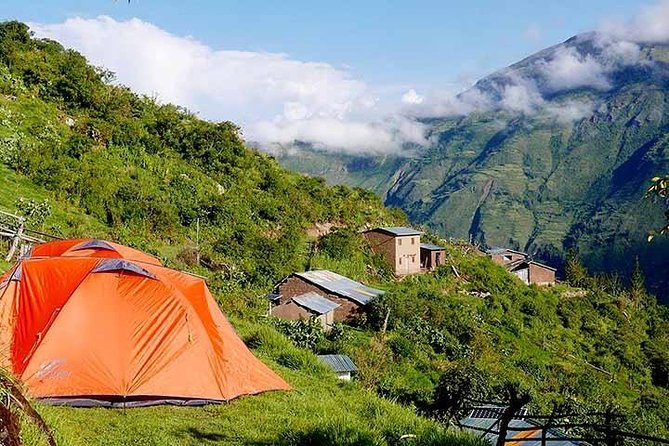
You sleep in tents with mattresses and sleeping bags supplied. The camps are placed near the river on the first and third nights, with a campsite near Choquequirao on the second night. This is basic mountain camping, not a lodge stay, so expect function rather than comfort.
The maximum group size is 15 people. That is small enough for a guide to keep an eye on the group while still giving you some social company on a demanding route. One past group formed a close bond during the hike, which is common when people share early starts, steep climbs, and camp meals.
The guiding team has included Renso and Nixon. Nixon was praised for clear guidance and careful organization, while Renso was singled out alongside the food and campsite support. Staff quality matters here because the route is remote and the trail days are long.
How Hard Is the Choquequirao Trek?
You should have a moderate level of physical fitness at minimum. That phrase may sound mild, but the details point to a serious hike. You descend from Cachora toward the Apurimac River, climb steeply on day two, visit the ruins for several hours, and then climb out of the canyon on day four.
One estimate puts the total distance near 70 kilometers. Exact mileage can vary, but the broader point is clear: this is not a gentle walking holiday.
You will need to manage:
- Long uphill and downhill sections
- Heat near the river
- Cooler conditions at higher points
- Four early mornings
- Uneven mountain trails
- Several days of back-to-back walking
The tour suits people who enjoy a physical challenge and want a quieter archaeological experience. It is a poor match if you dislike camping, struggle with steep climbs, or want easy access to ancient ruins.
Take the pace seriously. The best strategy is to walk steadily, drink often, protect yourself from the sun, and avoid racing ahead early in the day. Carry water, snacks, sunscreen, and any personal medicines in your daypack.
Practical Details Before You Reserve
Pickup takes place at your Cusco hotel or hostel reception between 5:30 and 6:00 a.m. Send the accommodation details at least 24 hours before departure. A hot tea while waiting at reception is a sensible idea, since the morning begins early.
The tour is offered in English. Confirmation is provided when you book, and the group can include up to 15 people. The route requires good weather, and the operator may cancel if conditions are poor or if the minimum number of participants is not met. In either case, you are offered another date, another experience, or a full refund.
Free cancellation is available if you cancel at least 24 hours before the start time. Changes or cancellations made later are not accepted for a refund. These cutoffs use local time.
The tour begins and ends in Cusco, but the trail itself is remote. Bring only what you need in your daypack and make sure your larger belongings can remain safely at your accommodation. The supplied horses carry equipment, not a personal suitcase service.
Is This the Right Trek for You?
You should book this trek if you want to reach Choquequirao by foot, value quiet ruins over easy access, and are ready for steep canyon walking. The combination of private transport, camping gear, meals, guide service, and entrance fee makes the $710 price reasonable for a supported four-day trip.
You should think twice if your main goal is comfort or a relaxed cultural outing. The hardest parts are not optional side trips. They are the route. Day two is especially demanding, and the return climb on day four can leave you tired before the drive back to Cusco.
For fit hikers with an appetite for remote places, this is a memorable choice. You get dramatic mountain views, a large Inca site with very few people around, and the satisfaction of reaching a place that requires real effort. Pack light, bring water and snacks, and treat the hike as the main event rather than a simple way to reach the ruins.
FAQ
How long does the Choquequirao trek last?
The tour lasts approximately four days, beginning with early pickup in Cusco and ending with return transport to your Cusco hotel on the fourth afternoon.
What time is pickup in Cusco?
Pickup takes place between 5:30 and 6:00 a.m. You should provide your hotel or hostel details at least 24 hours before departure.
Is the tour offered in English?
Yes. The experience is offered in English.
What is included in the price?
The price includes Cusco hotel pickup, private transportation, a professional guide, Choquequirao entrance, camping gear, tents, mattresses, sleeping bags, all fees and taxes, three breakfasts, three lunches, and three dinners.
Is breakfast included on the first day?
No. Breakfast on the first day is not included, so you should eat before pickup or arrange your own food.
Are water and snacks included?
No. You need to bring or purchase your own water and snacks.
How difficult is the hike?
The route requires a moderate level of physical fitness and includes steep descents, hard uphill sections, long walking days, and camping in the canyon.
How many people can join the tour?
The maximum group size is 15 people.
Where do you camp?
The itinerary includes riverside camping on the first and third nights, plus a campsite close to the Choquequirao ruins on the second night.
What happens if bad weather cancels the tour?
If poor weather causes cancellation, you are offered a different date or a full refund. The same applies if the minimum number of participants is not reached.
More City Tours in Cusco
- Cusco: Half-Day City Tour with Sacsayhuaman and Q’enco
★ 4.6 · 1,129 reviews - City Tour Cusco Qoricancha Sacsayhuaman y Tambomachay
★ 4.7 · 617 reviews - Cusco City Tour Four Ruins in Half-Day
★ 5.0 · 530 reviews - Cusco: Sightseeing Tour of the City on an Open-Top Bus
★ 4.0 · 481 reviews
Just added in Cusco
- Cusco Private Transportation for 2026★ 5.0 · 4 reviews
- Private Transfer from Airport to Hotel in the City of Cusco★ 4.0 · 5 reviews
- Best Cusco walking tour: dinner street food tasting★ 4.5 · 11 reviews
- Private Tour to Pisac Market and Pisac Ruins★ 5.0 · 4 reviews
- Machu Picchu Day Trip With Panoramic Train from Cusco★ 5.0 · 10 reviews
- Sacred Valley Private Tour from Cusco, Guide and Driver only★ 5.0 · 4 reviews
- Sacred Valley of the Incas Tour★ 5.0 · 12 reviews
- Private Tour of the Mountain of Colours by Quad★ 5.0 · 7 reviews
Inca Trail and Salkantay Treks, compared.
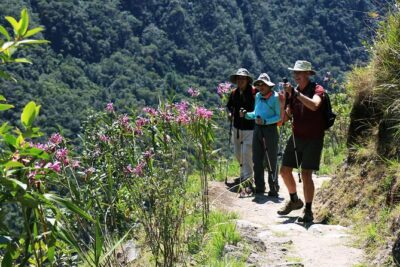
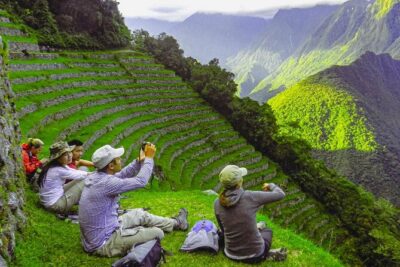
Classic Inca Trail Trek 4D/3N to Machu Picchu (Group Service)
Read our review →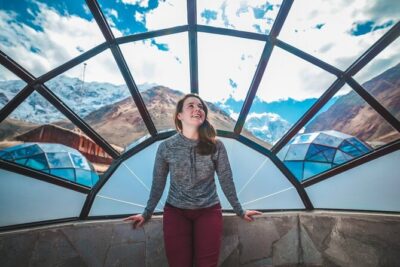
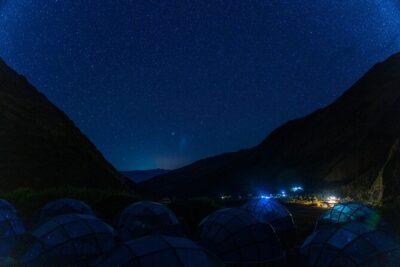
Salkantay Trek 5D/4N with Glass Cabins, Domes and Hobbit House
Read our review →2-Day Inca Trail to Machu Picchu with Panoramic Train
Read our review →
Browse the lists this tour appears in