
Reviewed · PERU FOOD TOURS AND COOKING CLASSES
Cusco: 3-Hour Peruvian Cooking Class
Food tells Cusco’s story. This three-hour cooking class begins at the Peruvian Central Market, then moves to ChocoMuseo near Plaza Regocijo for a hands-on meal featuring ceviche, a main course, dessert, and pisco sour. I like the market visit for its local flavor, and I like the small groups, capped at 10 people.
The class also earns praise for friendly instruction from guides such as Miguel and Yil, plus useful knife skills you can take home. The main point to consider is that the first booking decides between lomo saltado and ají de gallina, so your preferred dish is not guaranteed. A second small concern is timing: one participant found the rice and potatoes had cooled before the main course was served.
In This Review
- Key points to know before booking
- Why a cooking class fits a Cusco itinerary
- Meeting at ChocoMuseo near Plaza Regocijo
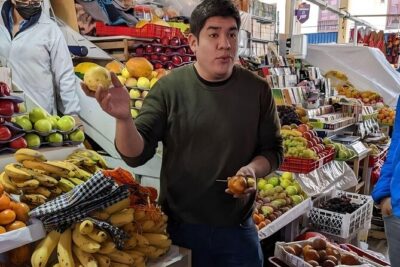
- The Central Market: your first taste of Peru
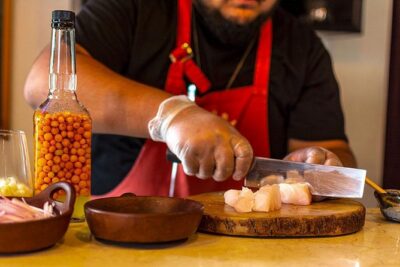
- Preparing ceviche from the start
- Choosing between lomo saltado and ají de gallina
- Learning useful kitchen skills, not just recipes
- Making a pisco sour and tasting local fruit
- Sitting down to eat what you prepared
- How the $49 price works for you
- Who should book this Cusco cooking class?
- Should you book it?
- FAQ
- Where does the cooking class meet?
- How long does the experience last?
- What languages are available?
- What dishes are prepared?
- Can I request a vegetarian meal or a nonalcoholic drink?
- How far in advance should I book?
Key points to know before booking
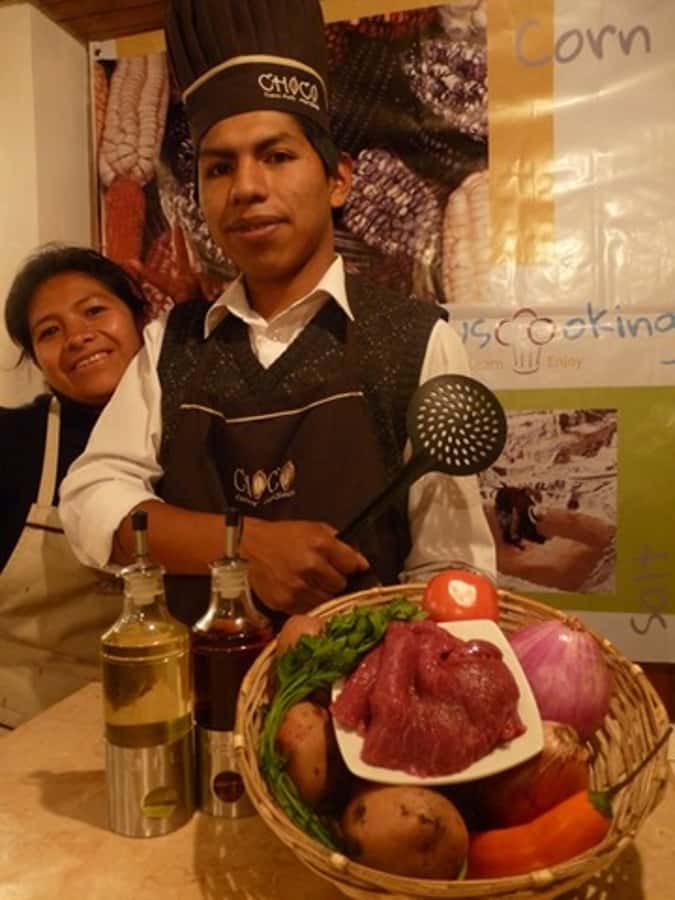
- The class starts at the Peruvian Central Market, where you see and select the produce used in the meal.
- Your menu includes ceviche, a main course, pisco sour, and chocolate fondue with local fruit.
- The first person booked chooses the main dish, either lomo saltado or ají de gallina.
- Groups are limited to 10 people, giving the instructor room to offer hands-on help.
- The meeting point is ChocoMuseo, on the corner of Plaza Regocijo, marked by green and orange balcony flags.
- Book at least 24 hours ahead, since the kitchen needs time to prepare the ingredients and class.
Why a cooking class fits a Cusco itinerary
Cusco can fill your days with churches, Inca stonework, and high-altitude views. Food gives you a different way to understand the place. You do not just eat a dish at a restaurant. You learn what goes into it, where some ingredients come from, and how several Peruvian flavors work together.
I like this class because it combines two useful activities. First, you walk through a local market and learn about Peruvian produce. Then you use those ingredients in a kitchen, with an instructor guiding each stage. That connection gives the meal more meaning than simply ordering a plate and moving on.
At $49 per person, the value is strongest if you want an activity that includes both food and cultural context. The price covers the market visit, ingredients, cooking supplies, instruction, water, and the meal. You also prepare a pisco sour, which is a nice extra rather than something you need to buy separately.
The three-hour length works well for a half-day plan. It is long enough to cook several items without taking over your whole day. You should still arrive ready to focus, since the experience is built around participation, not just watching a chef work.
More Food Tours and Cooking Classes in Cusco
- Peruvian Cooking Class Cocktails and Market Tour in Cusco
★ 5.0 · 1,712 reviews - Cusco: Peruvian Cooking Class, Cocktails & Local Market Tour
★ 4.9 · 512 reviews - Hands-on Peruvian Cooking Class & San Pedro Market Visit in Cusco
★ 5.0 · 421 reviews
Meeting at ChocoMuseo near Plaza Regocijo
The class takes place inside ChocoMuseo, at the corner of Plaza Regocijo. Look for the green and orange flags hanging from the balconies. That landmark matters because a central meeting place makes the start easier, especially if you are still learning Cusco’s streets.
The location also puts you close to one of the city’s useful central squares. You can plan the class around a walk through central Cusco, though the exact start time depends on availability. Check the schedule before building the rest of your day.
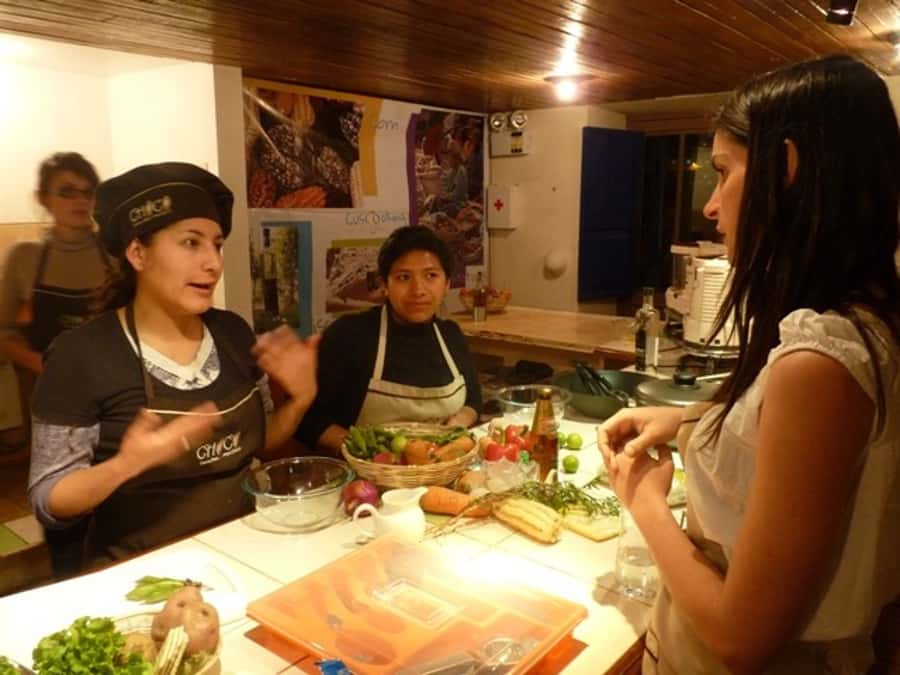
The cooking area is described as friendly and relaxed. That tone matters in a small class. With no more than 10 participants, you should have a better chance to ask questions, practice techniques, and get help when a recipe moves quickly.
English and Spanish instruction are available. The class may be particularly comfortable for English-speaking visitors who want cooking guidance without needing to follow every explanation in Spanish.
The Central Market: your first taste of Peru
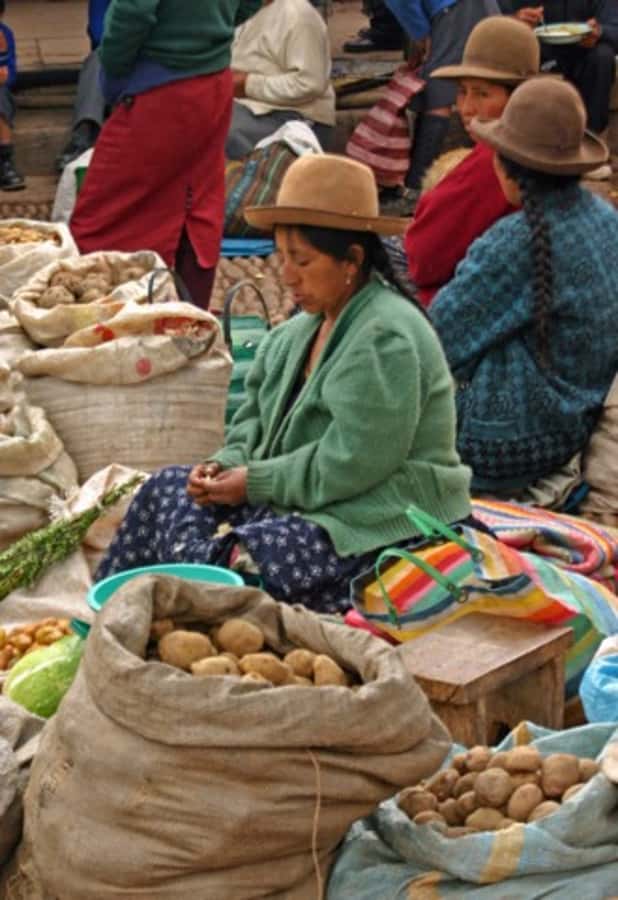
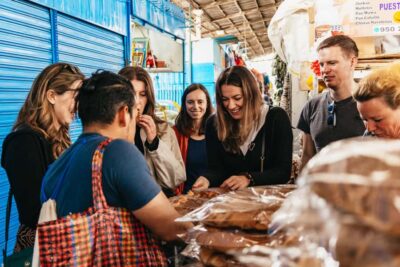
The market visit is more than a shopping stop. It gives you a look at the range of produce used in Peruvian cooking, with the instructor explaining ingredients as you choose them for the class.
This part is valuable because Peru’s food is tied to its geography. The country uses ingredients from the coast, Andes, and other growing regions, and a market is a practical place to see that variety. You may encounter unfamiliar fruits, vegetables, peppers, and potatoes, but the exact selection can change with the day and season.
One guide, Yil, has been praised for sharing fun facts about Cusco’s history and culture while introducing local fruits. Miguel has also been praised for explaining the origins of the ingredients and guiding the group through the selection process. The instructor can vary, but those details show the kind of teaching style to expect: food explanations mixed with local context.
I especially like that you do not begin with a printed recipe and a pile of anonymous ingredients. You see the raw materials first. That helps you understand why Peruvian food has such a distinct character.
The market may be the most valuable part for people who enjoy food shopping and cultural details. If you dislike markets or prefer a class that begins directly in a kitchen, this opening section may feel less essential.
Preparing ceviche from the start
Ceviche is the starter, and it gives the class a chance to explain one of Peru’s best-known dishes. You learn how the ingredients are combined and how the dish is prepared under the instructor’s direction.
The supplied information does not specify the exact fish, marinade time, or recipe method, so you should not expect a fixed restaurant-style presentation in every class. The point is to learn the preparation process and then taste the result as part of the meal.
Ceviche also makes a good teaching dish because it depends on balance. The freshness of the main ingredient, the sharpness of the citrus, and the seasoning all matter. A hands-on lesson helps you notice those parts as you prepare and eat it.
If you want to recreate the class at home, pay attention to the instructor’s proportions and order of preparation. The class is not only about eating a famous Peruvian dish. It gives you a practical reference for how the flavors should come together.
A completely different kind of day:
- Classic Inca Trail Trek 4D/3N to Machu Picchu (Group Service)
★ 5.0 · 8,653 reviews - Cusco: Rainbow Mountain and Red Valley Day Trip with Meals
★ 4.9 · 4,893 reviews - Machu Picchu: 4-Day Inca Trail Trek with Panoramic Train Ride
★ 5.0 · 4,568 reviews - Salkantay Classic Trek 5 Days from Cusco
★ 5.0 · 4,062 reviews
Choosing between lomo saltado and ají de gallina
The main course is either lomo saltado or ají de gallina. The first participant booked chooses which dish the whole class prepares, so you should tell the provider your preference when booking, but understand that your request may not control the final menu.
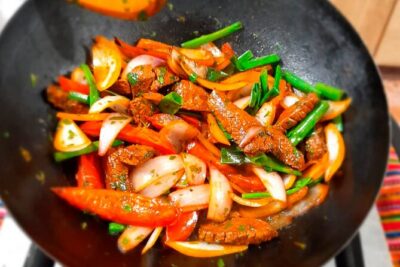
Lomo saltado is a sautéed beef dish. Its appeal comes from the quick cooking method and the mix of Peruvian and Chinese influences associated with this style of cooking. It is a good choice if you want a savory, direct lesson in handling beef, vegetables, and sauce.
Ají de gallina uses chicken in a yellow pepper sauce. It offers a different experience, with a softer texture and a sauce-centered preparation. The ají gives the dish its color and character, though the exact level of heat can depend on the recipe used in class.
The choice creates one of the class’s few planning issues. If you have your heart set on one dish, book early and communicate clearly. The first booking rule means late bookers need to stay flexible.
Vegetarian substitutions are available upon request, but you should arrange this in advance. The same applies if you do not want the pisco sour. It can be replaced with fresh fruit juice.
Learning useful kitchen skills, not just recipes
The class is hands-on, and that makes the instruction more useful than a demonstration alone. One participant particularly appreciated learning knife skills. That is the kind of small, practical lesson that can stay with you after the trip.
Miguel has been praised for guiding participants step by step through ingredient selection, cooking, and plating. That last stage matters. You learn not only how to prepare the food, but also how to present it before sitting down to eat.
The atmosphere is described as relaxed, with time for conversation and humor. That helps because a cooking class can feel awkward if every action is rushed or closely controlled. The strongest feedback points to a social evening in which the chef teaches while the group cooks and enjoys itself.
Still, keep your expectations realistic. This is a short group class, not professional culinary training. You will learn the dishes on the menu, basic techniques, and some ingredient background. You will not receive an exhaustive course in Peruvian cooking.
Making a pisco sour and tasting local fruit
The pisco sour is part of the experience, not just a drink served at the end. You learn how to prepare it, then pair it with the meal. That gives the class a wider view of Peruvian food culture, since the drink is one of the country’s best-known specialties.
A chicha pisco sour has received special praise for its taste. The exact version may depend on the class, but the mention of chicha suggests you may get a local variation rather than only the standard preparation.
If you do not drink alcohol, request fresh fruit juice in advance. The class also provides water. Wine can be purchased, but gratuity and other alcoholic drinks are not included in the $49 price.
Dessert is chocolate fondue served with local seasonal fruit. This is a simple finish, but it gives you another chance to sample produce introduced during the market visit. The fruit selection may vary, so think of this as a seasonal tasting rather than a fixed list.
The dessert also keeps the class from feeling like a single-dish lesson. By the end, you have worked across several parts of a meal: starter, main, drink, and sweet course.
Sitting down to eat what you prepared
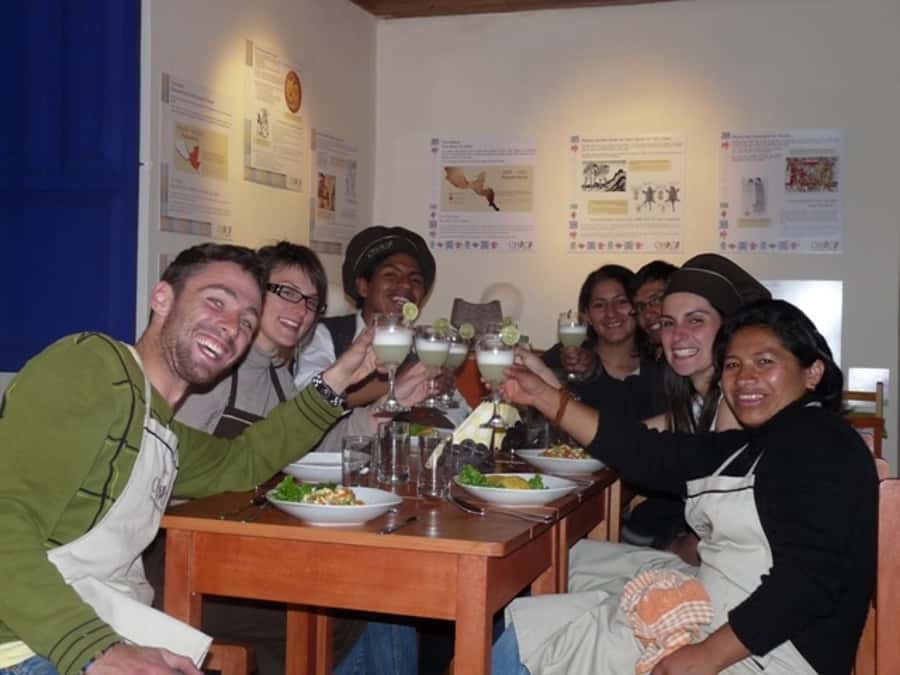
After the cooking is finished, you sit down in a relaxed setting and eat the meal. This shared finish is important. You get to compare the results with the rest of the group and enjoy the food while the preparation is still fresh in your mind.
The menu is described as a four-course experience, with ceviche, the selected main dish, pisco sour, and chocolate fondue with local fruit. The inclusion details also describe a three-course meal with a pisco sour, so the drink is treated separately from the food courses. Either way, the advertised meal includes the main items above.
One practical issue appeared with the main-course timing. Rice and potatoes were reportedly served cool because they had been prepared earlier. That is not a deal breaker for most people, but it is worth knowing if you are particular about hot side dishes.
You can politely ask about serving timing if this matters to you. The class is focused on participation and shared enjoyment, so the meal may not have the precision of a restaurant kitchen. Its value lies in the process as much as the final plate.
How the $49 price works for you
At $49, this is a reasonable price for a three-hour activity that includes a guided market walk, all cooking ingredients, equipment, instruction, a meal, water, and a pisco sour.
The value is better if you would otherwise pay for both a market tour and a cooking class. Here, those parts are connected. You see the ingredients, learn about them, prepare them, and eat them in one session.
It is also a useful choice for solo visitors and couples who want an evening activity with built-in conversation. The maximum group size of 10 is small enough to keep the class manageable, though the experience will still depend on how actively the group takes part.
Extra costs are limited. Gratuity is not included. Wine is available for purchase, while other alcoholic drinks are separate. Vegetarian substitutions and a nonalcoholic drink can be requested, but you should not wait until the class begins.
The booking terms are flexible. You can cancel up to 24 hours before the activity for a full refund, and reserve now while paying later. Most important, book at least 24 hours ahead so the kitchen has time to prepare.
Who should book this Cusco cooking class?
I would recommend it to you if food is one of the main ways you like to understand a place. It suits curious cooks, couples, small groups, and solo visitors who enjoy meeting people through a shared activity.
It is also a good fit if you want to try Peruvian ingredients without ordering blindly from a menu. The market visit gives you context, while the instructor explains how the food comes together.
Families may enjoy the chocolate fondue and fruit, but the cooking work means you should consider the ages and patience of younger children. The supplied details do not set a child age policy, so ask before booking if that affects your plans.
You may want to skip it if you have only a short time in Cusco, dislike group activities, or want a highly polished restaurant meal. The one-hour market and kitchen rhythm can include small delays, and the cool side dishes noted above show that the final meal may not be perfect.
The strongest praise centers on three things: the market explanations, the friendly instruction, and the food itself. Guides Miguel and Yil have been singled out for clear teaching, cultural facts, humor, and step-by-step help. Those are strong signs for anyone who values the people leading the class as much as the menu.
Should you book it?
Book this class if you want an affordable, social introduction to Peruvian food with real participation. The market visit, small group, four-part menu, and pisco sour lesson give you more than a standard meal.
Before booking, decide if you can accept the main-course rule. Tell the provider if you prefer lomo saltado, ají de gallina, vegetarian food, or fruit juice, but remember that the first booking controls the main dish. Book at least 24 hours ahead, and keep your expectations focused on learning and sharing rather than restaurant-level precision.
For $49, this is a strong Cusco choice for food-minded visitors who want to leave with new flavors, a few kitchen skills, and recipes worth trying at home.
FAQ
Where does the cooking class meet?
The class meets inside ChocoMuseo, on the corner of Plaza Regocijo. Look for the green and orange flags hanging from the balconies.
How long does the experience last?
The cooking class lasts three hours. Starting times vary, so check availability when booking.
What languages are available?
The instructor can teach in English or Spanish.
What dishes are prepared?
The menu includes ceviche, either lomo saltado or ají de gallina, a pisco sour, and chocolate fondue with local seasonal fruit.
Can I request a vegetarian meal or a nonalcoholic drink?
Yes. Vegetarian replacements and fresh fruit juice instead of a pisco sour are available upon request. Tell the provider in advance.
How far in advance should I book?
You should book at least 24 hours ahead so the kitchen can prepare the ingredients and supplies.
Just added in Cusco
- Cusco Private Transportation for 2026★ 5.0 · 4 reviews
- Private Transfer from Airport to Hotel in the City of Cusco★ 4.0 · 5 reviews
- Best Cusco walking tour: dinner street food tasting★ 4.5 · 11 reviews
- Private Tour to Pisac Market and Pisac Ruins★ 5.0 · 4 reviews
- Machu Picchu Day Trip With Panoramic Train from Cusco★ 5.0 · 10 reviews
- Sacred Valley Private Tour from Cusco, Guide and Driver only★ 5.0 · 4 reviews
- Sacred Valley of the Incas Tour★ 5.0 · 12 reviews
- Private Tour of the Mountain of Colours by Quad★ 5.0 · 7 reviews
Peru Food Tours and Cooking Classes, compared.
Peruvian Cooking Class Cocktails and Market Tour in Cusco
Read our review →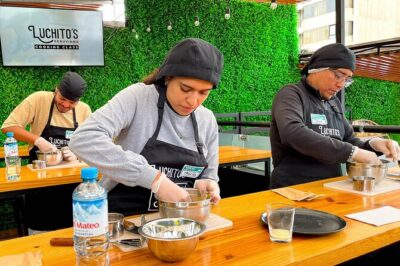
Peruvian Cooking Class, Local Market Tour & Exotic Fruit Tasting
Read our review →
3 Day Tour From Lima: Paracas, Huacachina Oasis & Pisco Vineyard
Read our review →
Peruvian Cooking Class, Cocktails & Local Market Tour
Read our review →Browse the lists this tour appears in