
Reviewed · PERU FOOD TOURS AND COOKING CLASSES
Hands-on Peruvian Cooking Class & San Pedro Market Visit in Cusco
Come hungry, leave with new kitchen skills. This four-hour Cusco experience pairs a guided walk through San Pedro Market with a hands-on class at Taste Peruvian Cooking Studio. I love the market visit because it gives you context for the ingredients before you cook them, and I like that you prepare the meal yourself instead of simply watching a chef work.
The small group, limited to eight people, keeps the class personal. Guides including Luigi, Chris, and Alvaro have been praised for clear English, humor, patience, and strong knowledge of local food. One possible drawback is that the studio is a rented cooking space, not a Peruvian family home, so anyone expecting a home-hosted meal may find the setting more professional than intimate.
In This Review
- Key points to know before booking
- Why this Cusco cooking class works so well
- Meeting at San Pedro Market
- Walking to the colonial-style cooking studio
- Making a Passion Fruit Pisco Sour
- Preparing ceviche with your own hands
- Cooking alpaca and potatoes
- Finishing with a fresh fruit dessert
- The guides make or break the evening
- Is it suitable on your first full day in Cusco?
- Who should book this experience?
- Practical details that affect your decision
- Should you book the Cusco cooking class?
- FAQ
- Where does the cooking class begin?
- How long does the experience last?
- Is the cooking class vegetarian-friendly?
- What food and drinks are included?
- Is transportation from my hotel included?
- Can children join the class?
Key points to know before booking
- San Pedro comes first: Spend about an hour learning about Peruvian fruits, chilis, herbs, meats, cheeses, and Andean ingredients while shopping for the class.
- You do the cooking: The three-hour class includes hands-on preparation, not just a demonstration from the chef.
- The menu has Peruvian favorites: Expect examples such as a Passion Fruit Pisco Sour, ceviche, alpaca with potatoes, and a fresh fruit dessert.
- Small groups help: With no more than eight participants, you should have room to ask questions and take part.
- Vegetarian cooking is possible: Request the vegetarian option when booking, since the savory dishes can be adapted.
- Budget about four hours: The activity begins and ends at Plazoleta San Pedro, with a short walk to the studio and no hotel transport.
Why this Cusco cooking class works so well
Cusco offers endless archaeological sites, churches, viewpoints, and day trips. A cooking class gives you a different way to understand the city. Instead of looking at Peru from behind a guidebook, you handle its ingredients, hear how they are used, and sit down to eat what you have made.
I especially like the order of this experience. You do not begin in a kitchen with a pile of unfamiliar produce. First, the chef walks you through San Pedro Market, then the class uses what you have just seen. That market-to-table link gives the lesson a clear purpose.
The experience costs $57 per person. That is a fair price for a four-hour activity that includes the market walk, professional instruction, all ingredients, equipment, a cocktail, and soft drinks. It also gives you a full meal, which makes the cost easier to justify than a short demonstration with a few small samples.
The value depends on how much you enjoy taking part. If you only want to eat ceviche and alpaca in a restaurant, you can do that for less effort. But if you want to learn techniques, ask questions, and meet other people over a meal, the price is reasonable.
More Food Tours and Cooking Classes in Cusco
- Peruvian Cooking Class Cocktails and Market Tour in Cusco
★ 5.0 · 1,712 reviews - Cusco: Peruvian Cooking Class, Cocktails & Local Market Tour
★ 4.9 · 512 reviews - Bean to Bar Chocolate Workshop in ChocoMuseo Cusco
★ 5.0 · 410 reviews
Meeting at San Pedro Market
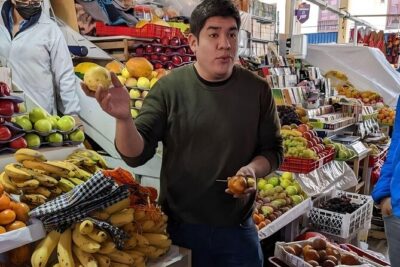
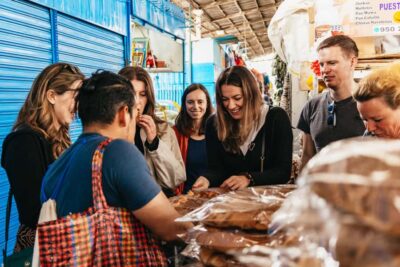
The class begins at Plazoleta San Pedro, at C. Sta. Clara 497. You meet the chef and guide outside the market before walking through its food aisles for roughly one hour.
San Pedro is not a polished food hall designed for tourists. It is a working market, and that is the point. You can expect the usual market mix of produce, herbs, meats, cheeses, colorful peppers, fruits, and everyday food stalls. The guide helps you make sense of what you are seeing and explains how particular ingredients fit into Peruvian cooking.
This part is especially useful if you arrive in Cusco without much familiarity with local food. You might recognize potatoes, onions, or fruit, but the cooking class adds meaning to the less familiar items. Several kinds of chilis, Andean produce, and unusual fruits become more than things to photograph.
The market tour also helps you see how much Peruvian cuisine depends on contrast. Fresh ingredients, strong chilis, citrus, potatoes, herbs, and sweet fruit all appear in different combinations. A good guide can connect those ingredients to the dishes you will prepare later.
Luigi has received particularly warm praise for making the market walk informative and enjoyable. Chris and Alvaro have also led the class, with families noting that they could explain the food clearly to both adults and children. The guide makes a major difference here. This is not a market visit where you simply follow someone from stall to stall.
You should wear comfortable shoes. You will walk through the market and then continue about five minutes to the cooking studio. The route is short, but San Pedro is still a working market with uneven movement, busy aisles, and plenty to look at.
Walking to the colonial-style cooking studio
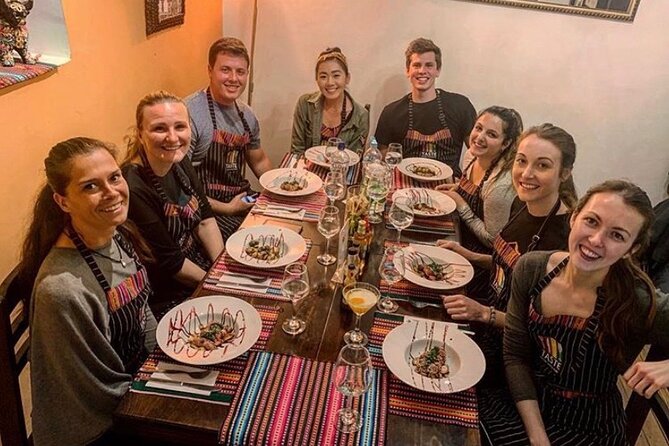
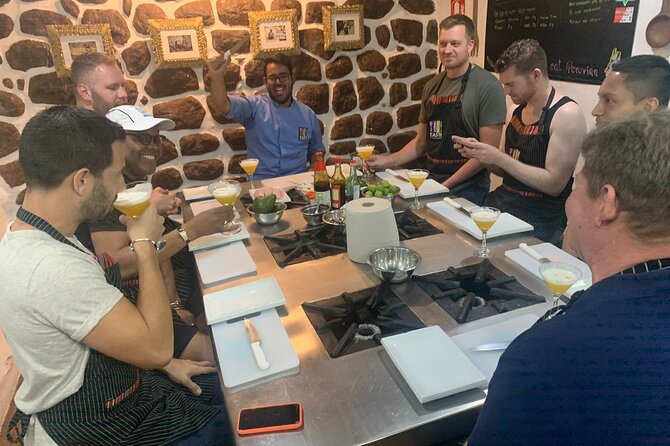
After the market, the group walks to Taste Peruvian Cooking Studio. The cooking takes place in a private, colonial-style space with a professional kitchen and a separate dining area.
The setting has both strengths and limits. It is well equipped for teaching, and a proper studio makes it easier for everyone to participate. You are not trying to work around a household kitchen or squeeze beside a family stove. The dining area also lets the group sit together between courses.
On the other hand, this is not a visit to a local home. One disappointed participant expected a lived-in Peruvian house and found a rented kitchen and dining room instead. That is worth knowing before you book. Think of this as a small professional workshop with a local food focus, not a homestay.
The three-hour class gives the chef time to explain the dishes, let you prepare them, and serve them in stages. That pace matters. You are not rushed through four recipes in an hour, and you are not left sitting idle while the chef does everything.
Making a Passion Fruit Pisco Sour
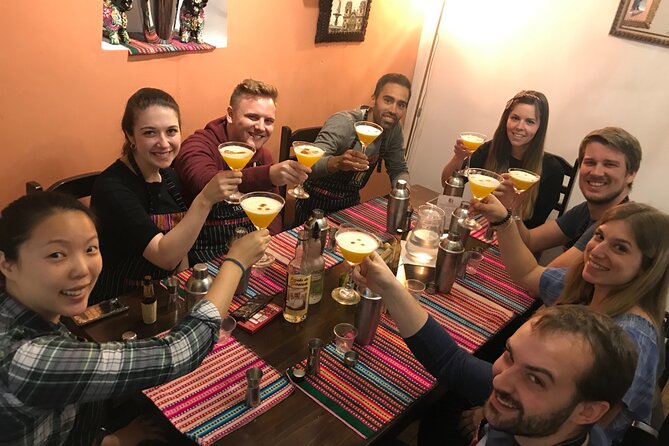
The class commonly begins with the cocktail. You learn to shake a Passion Fruit Pisco Sour, and the alcoholic cocktail is included in the price.
This is a fun opening because it gets everyone working right away. You learn the basic rhythm of mixing and shaking, then have something to sip while the group prepares the food. The drink also introduces pisco in a practical way rather than through a long lecture.
The minimum drinking age is 18. Soft drinks are included, and family groups have been able to make non-alcoholic versions for children. Extra alcoholic drinks are available to buy, but they are not part of the listed price.
If you do not drink, this section should not prevent you from booking. The class includes soft beverages, and the cocktail component can be handled without alcohol. Still, tell the provider about your preference when booking so the arrangement is clear.
A completely different kind of day:
- Classic Inca Trail Trek 4D/3N to Machu Picchu (Group Service)
★ 5.0 · 8,653 reviews - Cusco: Rainbow Mountain and Red Valley Day Trip with Meals
★ 4.9 · 4,893 reviews - Machu Picchu: 4-Day Inca Trail Trek with Panoramic Train Ride
★ 5.0 · 4,568 reviews - Salkantay Classic Trek 5 Days from Cusco
★ 5.0 · 4,062 reviews
Preparing ceviche with your own hands
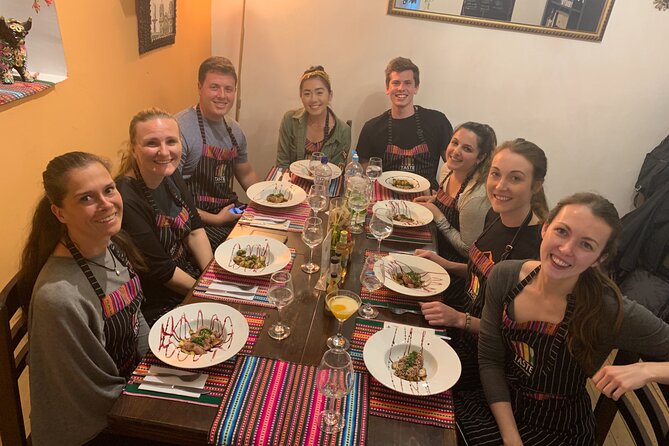
Ceviche is one of the clearest reasons to choose a Peruvian cooking class. The dish looks simple, but the balance of fresh fish, citrus, seasoning, and timing matters.
The chef guides you through the preparation, and you take part rather than watching from the side. One participant who had been uncertain about cooking classes found this format reassuring because the group did most of the work. That is an important distinction. The experience is built around participation.
The exact menu may depend on the class, but ceviche appears repeatedly in the meal. It is also the dish that drew praise even from the one strongly negative account of the class. That says something useful: the food itself is a reliable part of the experience, even though the quality of the instruction depends heavily on the guide assigned that day.
You should not expect restaurant-style perfection from your first attempt. The point is to learn the method and understand the ingredients. If you enjoy cooking at home, you will likely find this part easy to remember and useful after returning home.
Cooking alpaca and potatoes
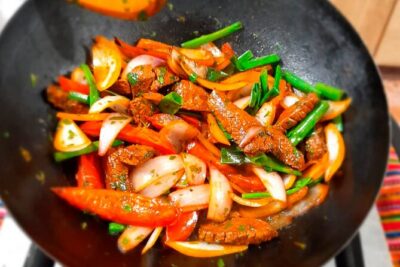
For the main course, the class has included alpaca tenderloin with potatoes. This gives you a chance to try an ingredient tied closely to the Andes, rather than preparing only dishes you could find in any international cooking school.
The combination is approachable. Potatoes are central to Peruvian food, and alpaca offers a different experience without turning the meal into a stunt. The chef explains the preparation and helps the group work through the dish step by step.
One participant suggested adding more Andean meat dishes to create a fuller regional menu. That is a fair observation if you want a wider survey of mountain cuisine. The current menu gives you a taste of alpaca, but it is not designed as an exhaustive course in Andean food.
Families have found this part manageable for older children and teenagers. The small group also helps because the chef can offer individual guidance. Alvaro, in particular, has been praised for patience with families and for making the class accessible to different ages.
Finishing with a fresh fruit dessert
The final course is a fruit-based dessert, often described as fresh fruit with whipped cream. It is a simple ending after the stronger flavors of ceviche and the main course.
That simplicity works well in a class. You finish with ingredients you can identify and techniques you can repeat. The dessert also keeps the meal from becoming too heavy, especially after a cocktail and a full savory menu.
The class is presented as a three-course Peruvian meal, with the cocktail treated separately. All food ingredients and equipment are provided, so you do not need to shop beforehand or bring cooking supplies.
The guides make or break the evening
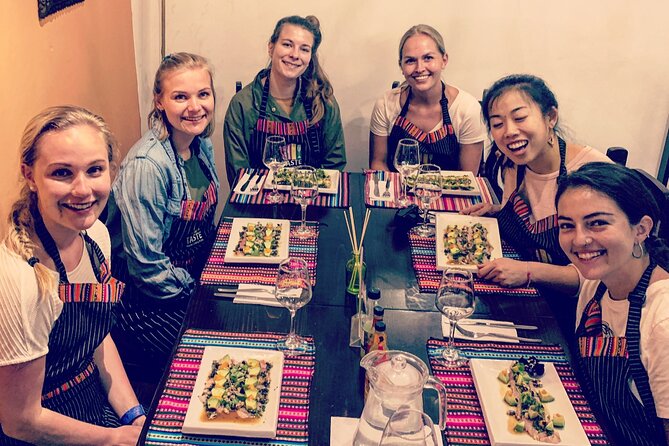
Most of the experience depends on the chef. The best accounts describe Luigi, Chris, and Alvaro as funny, patient, professional, clear, and eager to explain local food and culture. Luigi’s fluent English and relaxed style have been singled out several times, while Alvaro has worked especially well with families and teenagers.
That personal element matters more here than it would on a standard restaurant visit. You spend an hour beside the guide in a market, then three hours following instructions in the kitchen. A chef who answers questions and keeps the group involved can turn basic preparation into a memorable cultural lesson.
There has been at least one serious complaint about a guide who seemed distracted, used a phone during the market walk, and offered little explanation. The provider responded that the guide was no longer working with the company. That is reassuring, but it also shows why the instructor is central to your experience.
The overall rating is five out of five from 421 reviews, with 99 percent of participants recommending the activity. Those numbers suggest a very strong record, but they do not remove the normal risk of guide-dependent experiences.
Is it suitable on your first full day in Cusco?
It can be a smart choice early in your stay because the walking is limited and the class gives you a gentle introduction to local culture. One group deliberately booked it on its first full day while adjusting to Cusco’s altitude and found the pace suitable.
Still, this is not a completely inactive event. You walk through the market, continue to the studio, stand and cook, and eat a full meal. If you are dealing with serious altitude sickness, the class may be too much. A useful detail from one account is that the chef helped a participant with altitude problems and arranged for food to be taken back to the hotel.
You know your own first-day limits best. If you are tired after arriving, choose an earlier rest period and avoid treating the cooking class as a substitute for acclimatization. If you feel reasonably well, the activity offers a calm way to begin learning about Cusco without committing to a long drive or strenuous walk.
Who should book this experience?
This class suits you if you enjoy food, small groups, and active cultural experiences. It is a particularly good fit for:
- Couples who want more than restaurant meals
- Families with children or teenagers accompanied by an adult
- Solo visitors who enjoy meeting people over dinner
- Home cooks looking for techniques to use after the trip
- People who want to try Peruvian ingredients with guidance
- Visitors who prefer a structured evening to an unplanned market visit
Vegetarians can take part, but you must request the option when booking. One participant was able to prepare vegetarian versions of both savory courses, which suggests the kitchen can make useful adjustments.
The experience is less suitable if you want a home visit, a private class for just your own party, or a purely observational food tour. The group can include people from different countries, and the studio is a shared professional space. That social side is a plus for some people and a drawback for others.
Practical details that affect your decision
The activity lasts about four hours: roughly one hour in San Pedro Market and three hours in the studio. It begins and ends at the same meeting point, so you arrange your own way to and from Plazoleta San Pedro. Hotel pickup and drop-off are not included.
The maximum group size is eight. That is small enough for direct instruction, but the class is not automatically private. Children must be accompanied by an adult, service animals are allowed, and the meeting point is near public transportation.
Confirmation is sent within 48 hours of booking, subject to availability. You can cancel for a full refund if you do so at least 24 hours before the start time. Changes or cancellations made inside that window are not accepted for a refund, and the activity requires a minimum number of participants. If the provider cancels because that minimum is not met, you receive another option or a full refund.
Because the activity often fills bookings about a month ahead, I would reserve it before arriving in Cusco, especially if you need a vegetarian menu or have only one free evening.
Should you book the Cusco cooking class?
I would book it if you want to understand Peruvian food by handling it, not just ordering it. The combination of San Pedro Market, a small class, a Pisco Sour, ceviche, alpaca with potatoes, and dessert gives you a useful introduction in one evening.
The strongest reason to go is the hands-on format and the chance to learn from guides such as Luigi or Alvaro. The main caution is the studio setting: it is a professional cooking space, not a family home, and the experience can vary with the assigned chef.
At $57, the meal, ingredients, drinks, instruction, and market walk make good value for four hours. Book it early, wear walking shoes, mention dietary needs, and choose it as a cultural food lesson rather than simply a dinner out.
FAQ
Where does the cooking class begin?
The experience begins at Plazoleta San Pedro, C. Sta. Clara 497, Cusco 08002, Peru.
How long does the experience last?
It lasts approximately four hours. About one hour is spent touring San Pedro Market, followed by a three-hour hands-on class at the cooking studio.
Is the cooking class vegetarian-friendly?
Yes. A vegetarian option is available, but you should note this when booking.
What food and drinks are included?
All ingredients and cooking equipment are included. The class also includes one alcoholic cocktail, commonly a Passion Fruit Pisco Sour, plus soft beverages. Extra alcoholic drinks cost more.
Is transportation from my hotel included?
No. Hotel pickup and drop-off are not included. The activity ends back at the meeting point, and the market and studio are close enough to reach on foot, with about a five-minute walk between them.
Can children join the class?
Yes. Children may participate but must be accompanied by an adult. The minimum drinking age is 18, and non-alcoholic versions of the cocktail can be prepared for children.
More Markets in Cusco
- Pisac Indian Market and Ollantaytambo Fortress with Lunch
★ 4.5 · 395 reviews - Local Market and Peruvian Cooking Class with Pisco Sour in Cusco
★ 5.0 · 384 reviews - Traditional Peruvian Cooking Class and Market Tour in Cusco
★ 5.0 · 375 reviews - Cooking class and market tour with a local chef
★ 5.0 · 186 reviews
Just added in Cusco
- Cusco Private Transportation for 2026★ 5.0 · 4 reviews
- Private Transfer from Airport to Hotel in the City of Cusco★ 4.0 · 5 reviews
- Best Cusco walking tour: dinner street food tasting★ 4.5 · 11 reviews
- Private Tour to Pisac Market and Pisac Ruins★ 5.0 · 4 reviews
- Machu Picchu Day Trip With Panoramic Train from Cusco★ 5.0 · 10 reviews
- Sacred Valley Private Tour from Cusco, Guide and Driver only★ 5.0 · 4 reviews
- Sacred Valley of the Incas Tour★ 5.0 · 12 reviews
- Private Tour of the Mountain of Colours by Quad★ 5.0 · 7 reviews
Peru Food Tours and Cooking Classes, compared.
Peruvian Cooking Class Cocktails and Market Tour in Cusco
Read our review →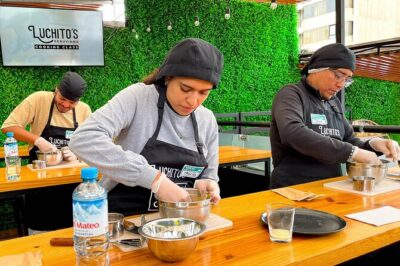
Peruvian Cooking Class, Local Market Tour & Exotic Fruit Tasting
Read our review →
3 Day Tour From Lima: Paracas, Huacachina Oasis & Pisco Vineyard
Read our review →
Peruvian Cooking Class, Cocktails & Local Market Tour
Read our review →Browse the lists this tour appears in