

Reviewed · SACRED VALLEY TOURS
Cusco: Full-Day Sacred Valley History Tour
The Sacred Valley rewards an early start. I like this tour for its broad mix of Inca ruins, village life, and mountain views, plus the chance to see textile-making in Chinchero rather than only visiting major archaeological sites. I also like the small-group limit of 15 people and the strong bilingual guiding, with guides such as Eddy and Manuel praised for explaining Cusco, Quechua culture, and Inca engineering clearly.
The main caution is the long day and loose opening schedule. Pickup can take longer than expected, and the buffet lunch may come late and last too long for some people. Still, at $45 per person, the tour gives you a useful first look at several important places in the Cusco Region, provided you confirm exactly which entrance fees are included.
In This Review
- Key points to know before booking
- An early departure from Cusco
- El Mirador and the first view of the Sacred Valley
- Pisac ruins and the market experience
- Urubamba lunch and a midday pause
- Riding beside the Urubamba River
- Ollantaytambo and the Inca stonework
- Chinchero and Quechua textile traditions
- The cost, entrance fees, and overall value
- Timing, comfort, and who should book
- Should you book the Sacred Valley tour?
- FAQ
- How long is the Sacred Valley tour?
- Where does pickup take place?
- Which places are included on the route?
- Is lunch included?
- Are entrance fees included?
- What languages does the guide speak?
- Is the tour suitable for wheelchair users?
Key points to know before booking
- El Mirador sets up the whole day: You see the Sacred Valley from above before visiting its ruins, terraces, and villages.
- Pisac combines ruins and shopping: Expect Inca terraces and stonework, along with time at the colorful market and a jewelry stop.
- Ollantaytambo is the strongest archaeological stop: Its massive stone construction and rock formations linked to Wiracocha make it a highlight.
- Chinchero adds living culture: You see how natural dyes are made and how alpaca and sheep wool become textiles.
- The tour uses a bilingual guide: English and Spanish explanations are provided, but one language may receive less time in a mixed group.
- Bring comfortable shoes and cash: The day includes walking at ruins and opportunities to buy alpaca textiles.
An early departure from Cusco
Pickup begins at about 7:30 AM from hotels in Cusco’s historic center. You should allow some patience at the start, since the van may collect several people before leaving the city, and the group may spend extra time at a transport office before the actual sightseeing begins.
One group reported nearly an hour lost before the route properly started. That is not ideal on an 11-hour outing, especially when you are eager to reach the valley. On the other hand, the guide can use the drive to explain Cusco, Inca culture, and the region’s past, so the road time need not be wasted.
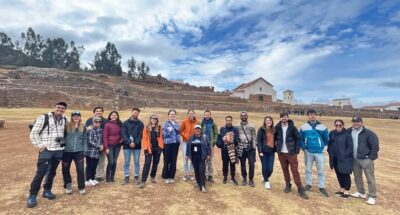
The group is limited to 15 participants, which is a sensible size for a busy day. You get more access to the guide than on a large coach, but this is still a shared tour. The van may include people taking different packages, particularly around Ollantaytambo, so the group’s plans can change later in the day.
The bilingual format is another practical point. Guides Eddy and Manuel received especially strong praise for clear explanations and solid command of the subject. If your group includes mostly Spanish speakers, the guide may explain each stop in both languages, which can make the day feel slower. One English-speaking couple found that they were the only English speakers in a group of 12, though the guide still handled both languages well.
More History Tours in Cusco
- Cusco: Historic Walking Tour with Pisco Sour and Local Music
★ 5.0 · 190 reviews - Cusco: Historical Guided City Tour with 4 Inca Ruins
★ 4.5 · 99 reviews - Cusco Highlights Walking Tour: History, Culture, Traditions
★ 4.9 · 72 reviews
El Mirador and the first view of the Sacred Valley
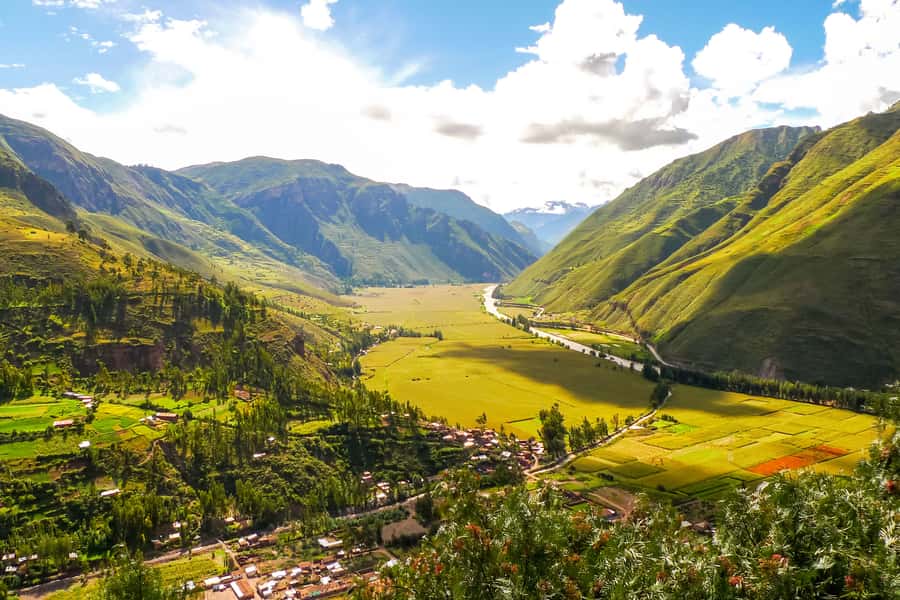
The road north of Cusco winds around the mountains before reaching El Mirador, or the Lookout Point. This is a useful opening stop because it lets you see the valley as a whole before you walk through its individual sites.
The Sacred Valley was important to the Incas because its high plains were unusually fertile. From the lookout, you can see the broad agricultural areas and the traces of contour terraces and irrigation channels built by the Incas.
This stop is about orientation as much as scenery. Your guide can explain why the Incas invested so much effort in shaping the slopes and controlling water. The terraces were not simply decorative stone steps. They allowed farming on steep ground and helped make use of different growing conditions at different heights.
Bring a layer for the morning and keep your shoes practical. The tour description only specifically asks you to bring comfortable shoes, but the combination of mountain roads, archaeological sites, and walking makes that advice worth following.
Pisac ruins and the market experience
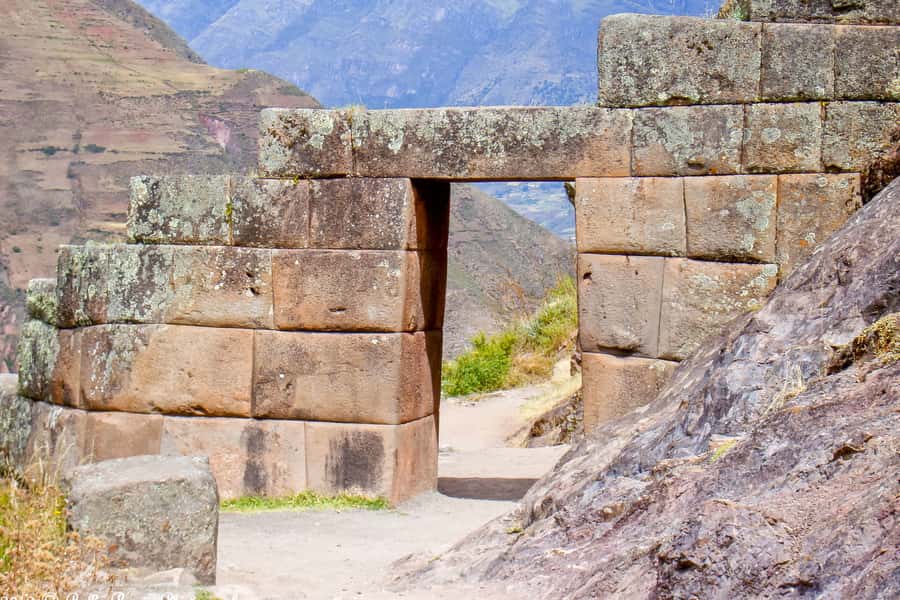
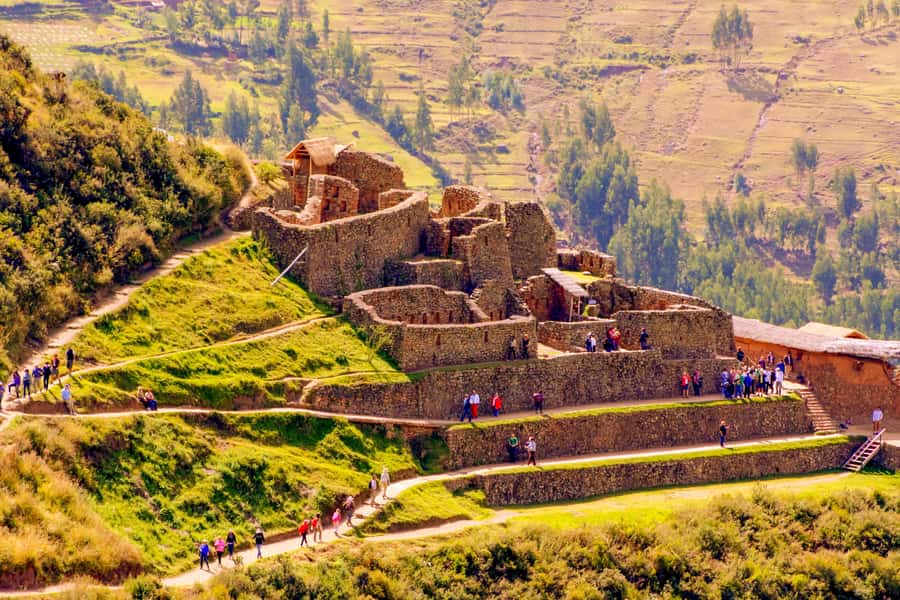
The route continues to Pisac, one of the day’s most varied stops. At the ruins, you learn about Inca culture while seeing carefully fitted stonework and large agricultural terraces.
Pisac is valuable because it connects engineering with daily life. The terraces show how the Incas used the hills for farming, while the stonework gives you a close look at their construction skills. Your guide can help turn what might otherwise look like piles of old walls into a readable site.
The town is also known for its colorful market. This adds a more commercial part to the morning, but it can be useful if you want local textiles, small crafts, or souvenirs without arranging a separate market visit.
A jewelry stop may also be included. One guide explained Inca jewelry and its methods there, adding another small lesson about craft traditions. If you are interested in buying, keep in mind that the visit may encourage shopping. That does not make it worthless, but you should decide in advance how much time and money you want to spend.
Pisac is a good place to balance sightseeing with browsing. It is less focused than a pure ruins tour, so you will need to watch the meeting time carefully. The guide sets the rhythm, and the market can make a short stop feel surprisingly quick.
Urubamba lunch and a midday pause
After Pisac, the van travels to Urubamba for a buffet lunch. The meal is included, which improves the value of a $45 tour, especially during a full day when finding a restaurant on your own would take time.
The buffet is served at T’ika Wasi Restaurant, according to the tour experience described by participants. The setting is attractive, but the food received mixed praise, with one person finding it bland and underwhelming. Another concern is timing: lunch may begin around 1:30 PM and last until roughly 2:45 PM.
That schedule can be frustrating if you are hungry after an early breakfast. Some people felt that 30 minutes would have been enough, while the full lunch break took much longer. If you prefer a quick meal and more time at the ruins, this is one of the tour’s weaker points.
Still, a proper seated buffet gives you a break from the van and a chance to regroup. The day is long, and a pause can help if you are comfortable with a slower middle section. I would eat breakfast before pickup and carry a small snack if you need food earlier, though the provided information does not specify whether snacks are permitted.
More Sacred Valley trips:
- From Cusco: Moray, Maras Salt Mines & Chinchero Weavers Tour
★ 4.8 · 1,925 reviews - 2-Day Tour: Sacred Valley and Machu Picchu by Train
★ 5.0 · 1,127 reviews - Cusco: Sacred Valley, Pisac, Ollantaytambo, Salt Mines Moray
★ 4.6 · 1,058 reviews - Cusco:Chinchero,Moray & Salt Mines drop-off in Ollantaytambo
★ 4.8 · 793 reviews
Riding beside the Urubamba River
After lunch, the tour follows the Urubamba River toward Ollantaytambo. This section is not a formal sightseeing stop, but it helps you understand the valley’s shape and why settlements developed here.
The river runs through the cultivated valley, with steep Andean peaks rising beyond it. You may see rural villages and roaming llamas and alpacas along the route. The drive is also a useful transition from the market atmosphere at Pisac to the more imposing ruins at Ollantaytambo.
The quality of this part depends partly on traffic and the pace of the day. You are viewing the valley from the vehicle rather than walking beside the river, so do not book this as a dedicated river excursion. Its value is in connecting the stops and showing the relationship between water, farmland, villages, and mountain routes.
Ollantaytambo and the Inca stonework
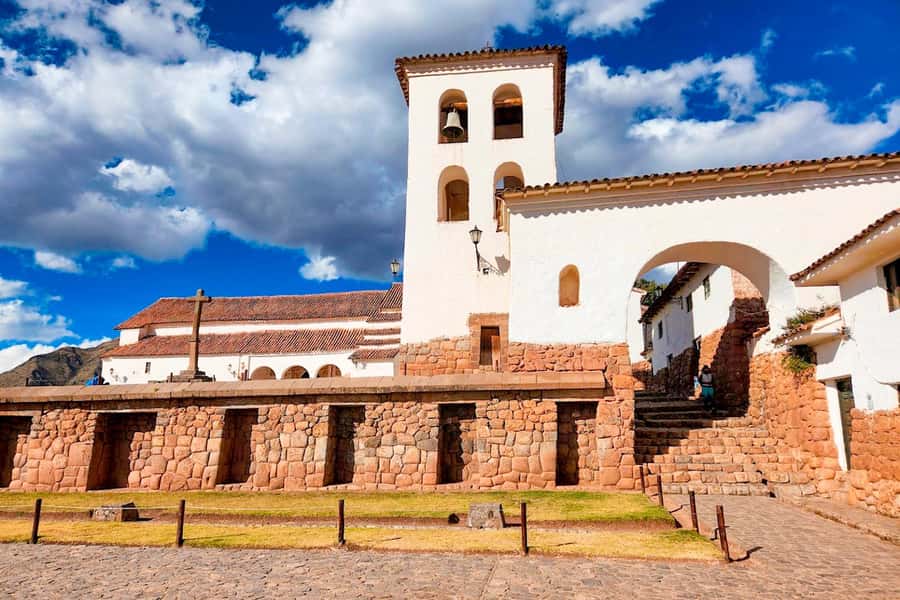
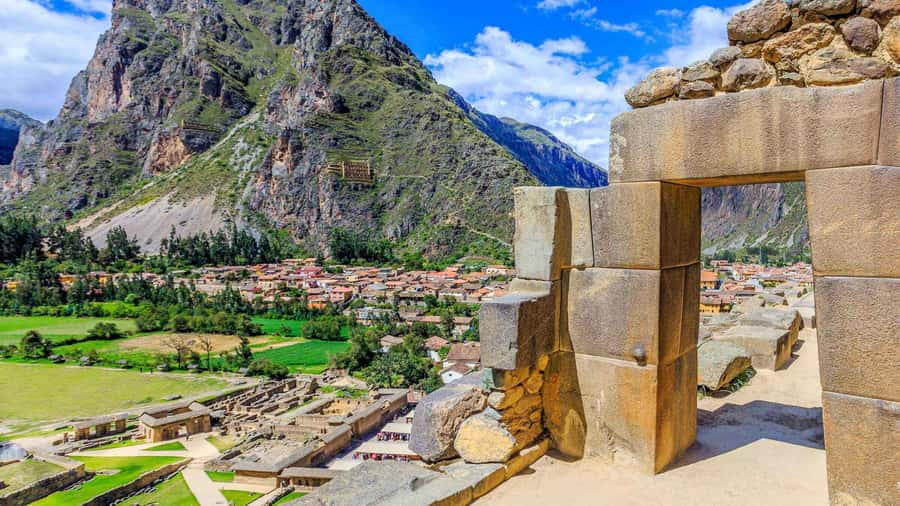
Ollantaytambo is likely the day’s most memorable archaeological visit. The site was an important area of Inca construction during the height of the empire, and its large stone structures make the scale of that work easy to appreciate.
The ruins include rock formations associated with Wiracocha, an Inca god. Your guide’s explanation matters here because the site contains more than attractive walls. The stone arrangements, terraces, and position above the town all raise questions about religion, defense, farming, and state power.
The visit can be affected by the mixed tour arrangements. Some people in the van may finish their tour at Ollantaytambo to catch a train to Machu Picchu, while others continue to Chinchero and Cusco. That means the vehicle may not feel like one fixed group for the entire day.
For you, this can be either a benefit or a complication. If you need to continue to Cusco, check the plan carefully before the day begins. If you are taking a train from Ollantaytambo, this tour may be useful as transport and sightseeing combined, but the information provided does not promise a train connection or a specific departure arrangement.
Chinchero and Quechua textile traditions
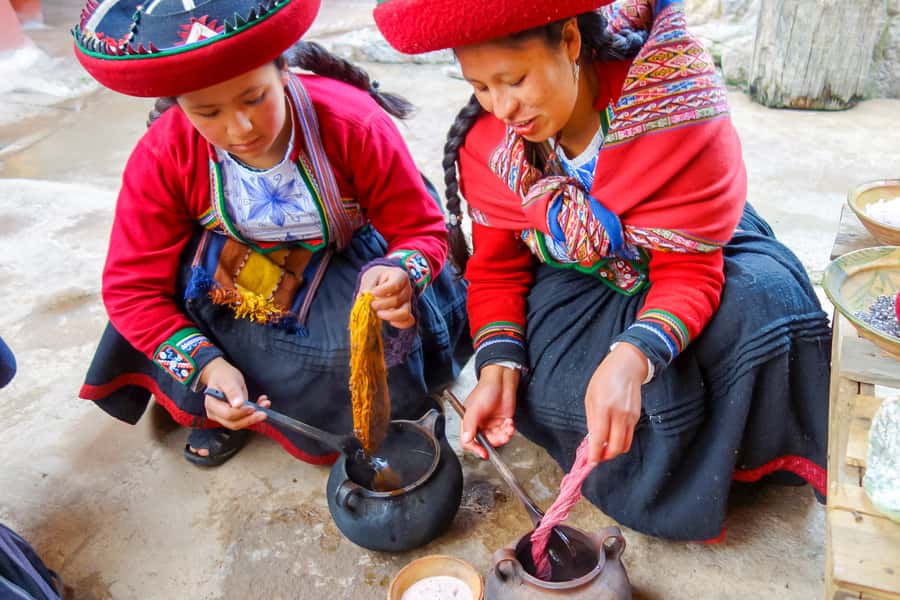
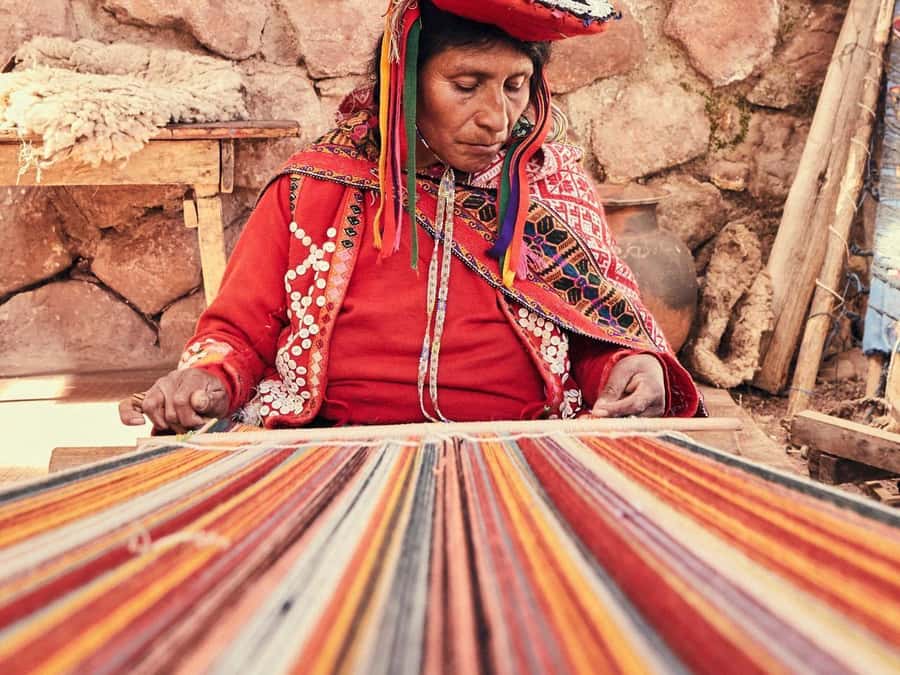
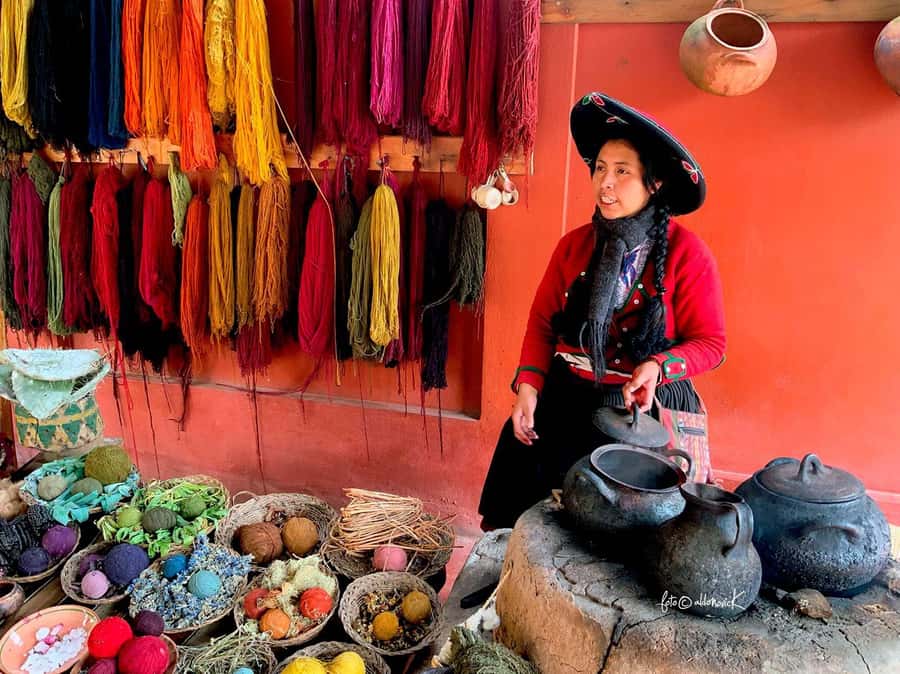
The final major stop is Chinchero, a town known here for its textile work and long-held customs. You learn how natural dyes are made for artisanal textiles and how alpaca and sheep wool is used in weaving and knitting.
This part gives the day a human focus. Pisac and Ollantaytambo show you monumental Inca work, while Chinchero shows craft knowledge continuing in homes and workshops. The town’s residents maintain old customs, wear multicolored clothing, and speak Quechua.
That cultural detail is important, but it is best understood with care. The stop presents traditional life to visitors, and you should treat the people and their work respectfully rather than viewing the visit only as a shopping chance.
The textiles may be among the best purchases of the day. One participant specifically recommended bringing cash for genuine alpaca items. Prices and products are not specified, so inspect the material and ask questions before buying. You can enjoy the demonstration without feeling pressured to purchase.
Chinchero also helps explain why a valley tour should not be only a sequence of ruins. The Inca past remains connected to language, clothing, craft, and farming traditions. That makes this stop a strong finish, even though it may receive less time than the main archaeological sites.
The cost, entrance fees, and overall value
The advertised price is $45 per person. For an 11-hour outing with transport from the historic center, a bilingual guide, a buffet lunch, and several major stops, that is a reasonable price for a first visit to the Sacred Valley.
The important catch is the Touristic Ticket. It is listed separately at S/70 per person, while entrance to the ruins is included only if you select the appropriate option. You should check the exact booking choice before paying, because the headline price may not cover every entry required for the sites you plan to visit.
The value is strongest if you want one efficient day covering Pisac, Ollantaytambo, and Chinchero. You avoid arranging several buses or negotiating separate transport, and the guide provides context while you move between places.
The value is weaker if you dislike fixed schedules, shopping stops, long vehicle rides, or a late group lunch. A private tour would offer more control, but it would also cost more. This shared tour works best when you accept a few rough edges in exchange for broad coverage at a modest price.
Timing, comfort, and who should book
Expect to leave Cusco around 7:30 AM and return around 7:00 PM, with roughly 11 hours on the road and at the sites. That is a serious day, not a relaxed village outing.
You should be comfortable with walking and uneven ground. The tour is not suitable for wheelchair users, and comfortable shoes are specifically recommended. The information does not give a detailed accessibility plan, so anyone with mobility concerns should ask before booking.
I would recommend this tour to a first-time visitor who wants a wide introduction to the Sacred Valley, especially if you enjoy history but also want markets, crafts, and rural scenery. It is also a good fit for someone who values a bilingual guide and prefers to let an operator handle the transport.
I would think twice if you want long, quiet visits at each ruin. The day covers several places, and the lunch break may consume more time than you would choose. A specialist archaeological tour or private guide would suit you better if Ollantaytambo or Pisac is your main goal.
Free cancellation up to 24 hours before departure and the reserve-now, pay-later option add useful flexibility. Pickup is limited to hotels in Cusco’s historic center, and drop-off is at Plaza Regocijo, so check your accommodation against those limits.
Should you book the Sacred Valley tour?
Book it if you want three major cultural stops in one day, a bilingual guide, included transport, and lunch at a price of $45 before any separate Touristic Ticket cost. The strongest parts are the clear historical explanations, the scale of Ollantaytambo, and the Chinchero textile visit.
Go in with realistic expectations about the opening pickup, the possible late lunch, and a mixed-language group. Confirm the entrance-fee option, bring comfortable shoes and cash, and expect a full schedule rather than a leisurely day.
For a first look at the Sacred Valley, this is a practical and worthwhile choice. It gives you enough history, scenery, craft, and village life to help you decide where you would like to return for a slower visit.
FAQ
How long is the Sacred Valley tour?
The tour lasts about 11 hours. Pickup begins around 7:30 AM, and return to Cusco is expected around 7:00 PM.
Where does pickup take place?
Pickup is included from hotels in the historic center of Cusco. The tour ends with drop-off at Plaza Regocijo.
Which places are included on the route?
The tour visits El Mirador, the Pisac ruins and market, Urubamba for lunch, Ollantaytambo, and Chinchero.
Is lunch included?
Yes. A buffet lunch in Urubamba is included. Other meals not specified in the itinerary are not included.
Are entrance fees included?
Entrances to the ruins are included if you select the relevant option. The Touristic Ticket, listed at S/70 per person, is not included.
What languages does the guide speak?
The live guide provides the tour in English and Spanish.
Is the tour suitable for wheelchair users?
No. The tour is listed as not suitable for wheelchair users. Comfortable shoes are recommended for the day.
Just added in Cusco
- Cusco Private Transportation for 2026★ 5.0 · 4 reviews
- Private Transfer from Airport to Hotel in the City of Cusco★ 4.0 · 5 reviews
- Best Cusco walking tour: dinner street food tasting★ 4.5 · 11 reviews
- Private Tour to Pisac Market and Pisac Ruins★ 5.0 · 4 reviews
- Machu Picchu Day Trip With Panoramic Train from Cusco★ 5.0 · 10 reviews
- Sacred Valley Private Tour from Cusco, Guide and Driver only★ 5.0 · 4 reviews
- Sacred Valley of the Incas Tour★ 5.0 · 12 reviews
- Private Tour of the Mountain of Colours by Quad★ 5.0 · 7 reviews
Sacred Valley Tours, compared.
From Cusco: Sacred Valley & Maras Salt Mines Tour with Lunch
Read our review →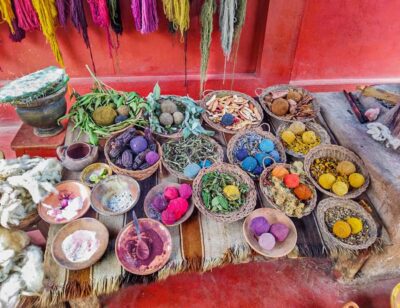
From Cusco: Moray, Maras Salt Mines & Chinchero Weavers Tour
Read our review →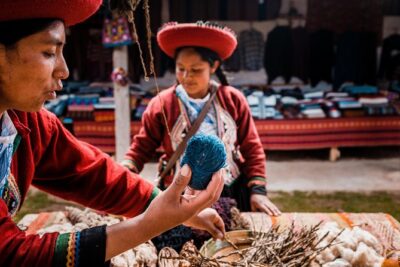
2-Day Tour: Sacred Valley and Machu Picchu by Train
Read our review →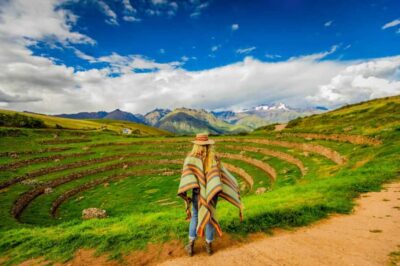
Sacred Valley, Pisac, Ollantaytambo, Salt Mines Moray
Read our review →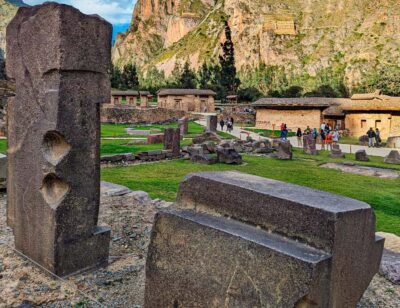
Chinchero,Moray & Salt Mines drop-off in Ollantaytambo
Read our review →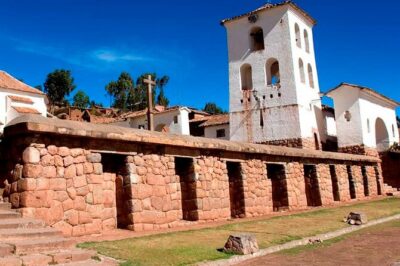
Sacred Valley and Maras Moray Tour with Full Day Buffet Lunch
Read our review →

Browse the lists this tour appears in