
Reviewed · SACRED VALLEY TOURS
Cusco: Full-Day Tour of The Sacred Valley With Lunch
The Incas left a spectacular trail. This eight-hour small-group tour links Pisac, Urubamba, Ollantaytambo, and Chinchero in one long day, giving you a useful first look at the Sacred Valley without arranging several separate excursions. I like the mix of archaeology, village life, textile traditions, and mountain scenery. I also like that the group is limited to 13 people, which should make it easier to hear the bilingual guide.
The buffet lunch in Urubamba is another strong point, especially for a $38 tour. Vegetarian choices are available, and you can eat as much as you like, although drinks cost extra. The main drawback is the pace. You may spend less than half an hour at one archaeological site, then nearly an hour in a silver or clothing shop, so this works better as an overview than as a slow, archaeology-focused visit.
In This Review
- Key Points to Know Before You Go
- Why This $38 Tour Can Make Sense
- Morning Pickup and the Road to Pisac
- Pisac Market and the Hilltop Ruins
- Urubamba Lunch and a Midday Pause
- Ollantaytambo, the Valley’s Great Fortress Stop
- Chinchero’s Inca Wall, Temple, and Textiles
- The Guide Makes the Pace Work
- What to Pack for Eight Hours
- Who Will Enjoy This Tour Most
- Should You Book the Sacred Valley Tour?
- FAQ
- How long does the Sacred Valley tour last?
- What languages are available?
- Is hotel pickup included?
- Where does the tour end?
- Is lunch included?
- Are archaeological-site entrance fees included?
- What should I bring?
Key Points to Know Before You Go
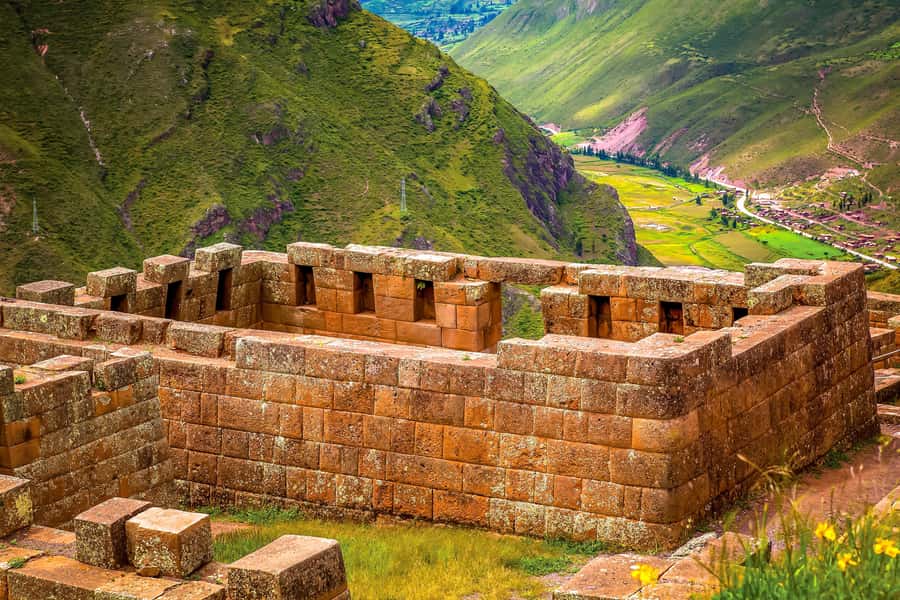
- Pisac combines a market with an important Inca site, but the time is split between shopping and archaeology.
- Ollantaytambo is the most dramatic historical stop, with fortress walls and an intact old town layout.
- Chinchero adds colonial and textile traditions to the day, along with a well-preserved Inca wall.
- Lunch is a generous buffet in Urubamba, with vegetarian food available and drinks paid separately.
- Admission to the archaeological sites is not included, so allow extra money for the required tourist ticket.
- Pickup is limited to Cusco’s historic center, and the final drop-off is at San Francisco Square.
Why This $38 Tour Can Make Sense
At $38 per person, this is priced as an accessible introduction to the Sacred Valley. The fee covers tourist transportation, pickup from a hotel or establishment in Cusco’s historic center, a bilingual English and Spanish guide, and buffet lunch. For a full day on the road with four major stops, that is a useful package.
The value depends on what you want from the day. If you want to see the main places and get a feel for the valley in one outing, the price is appealing. You avoid the work of coordinating transport between distant towns, and lunch is already arranged.
If your priority is careful study of Inca architecture, the calculation changes. The admission charges for Pisac, Ollantaytambo, and Chinchero are extra, and the schedule may give you limited time inside the archaeological areas. You are also likely to spend time in shops, which some people enjoy and others find frustrating.
I would treat this as a broad introduction rather than the definitive Sacred Valley experience. You see a lot, but you trade depth for coverage.
More Sacred Valley trips:
- From Cusco: Moray, Maras Salt Mines & Chinchero Weavers Tour
★ 4.8 · 1,925 reviews - 2-Day Tour: Sacred Valley and Machu Picchu by Train
★ 5.0 · 1,127 reviews - Cusco: Sacred Valley, Pisac, Ollantaytambo, Salt Mines Moray
★ 4.6 · 1,058 reviews
Morning Pickup and the Road to Pisac
The day begins with pickup from your hotel or meeting point in Cusco’s historic center. Drivers cannot wait more than five minutes after the scheduled pickup time, so you need to be ready early and standing where the vehicle can find you. Hotels and establishments outside the historic center are not included in the stated pickup area.
The group limit is 13 people. That is small enough to keep the guide’s explanations useful, but it is still a shared excursion with a fixed schedule. You will not have the freedom to linger whenever a view or ruin catches your attention.
The route heads toward Pisac, following the Sacred Valley and the Vilcanota River. The river gives the journey a clear geographic thread, while the changing views help explain why the valley was so important to the Inca. The area was not simply a scenic place to pass through. It supported farming, settlement, religion, and military control.
Pisac Market and the Hilltop Ruins
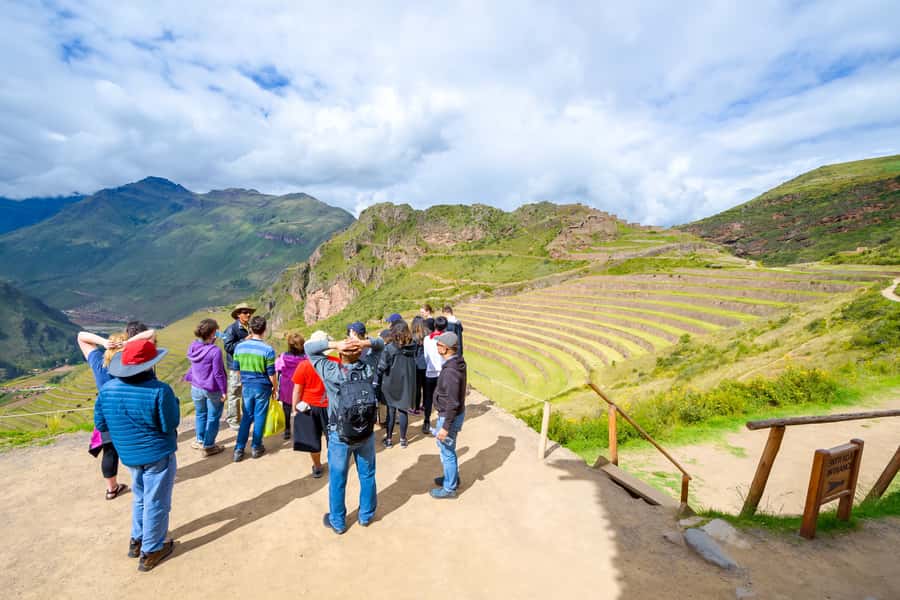
Pisac gives you two different experiences in one stop. In town, you have time for the artisan market and a look at local customs. You may find textiles, clothing, silver items, and other souvenirs. This is the place to browse, compare prices, and decide if you want to carry purchases for the rest of the day.
The market can be enjoyable, but it also affects the balance of the tour. You may spend close to an hour in a shop during the day, while the first archaeological site receives less than 30 minutes. If you are mainly interested in ruins, use your time carefully and do not let the shopping portion swallow the whole stop.
The archaeological park of Pisac is the more important part for history fans. Its terraces and stone construction show how the Inca shaped steep terrain for farming and settlement. The site also had religious and defensive value, which helps explain why the architecture feels more substantial than a simple farming area.
Your guide is essential here. With a short visit, you need a clear explanation of what you are seeing rather than a long pause at every wall. Ask about the purpose of the terraces, the position of the site, and how Pisac fit into the wider valley system.
The practical challenge is time. The ruins are not presented as a leisurely walk with room for extended photography, so keep your shoes comfortable and stay aware of the meeting time. Sunglasses, sunscreen, and a hat are useful in the open sun.
Urubamba Lunch and a Midday Pause
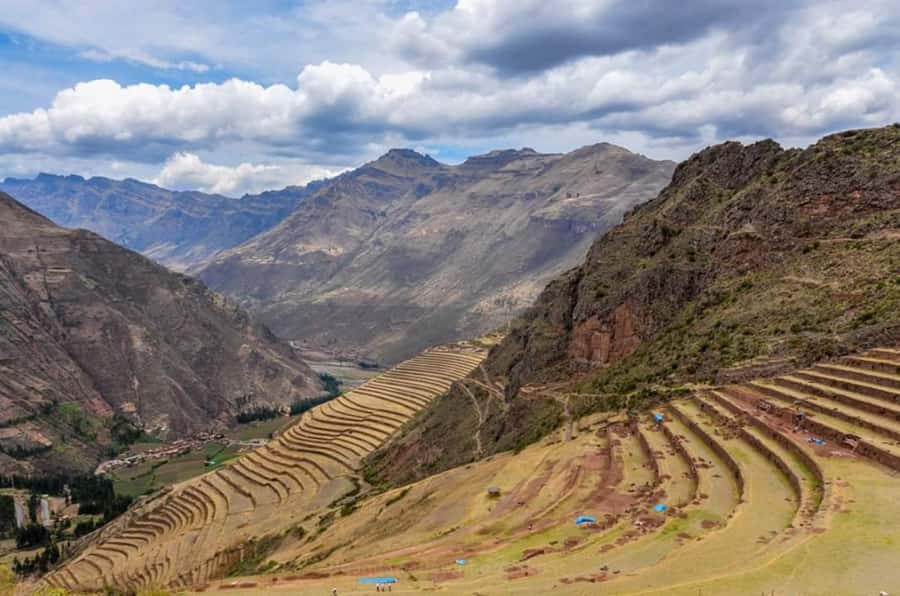
After Pisac, the route follows the right bank of the Vilcanota River through the Sacred Valley toward Urubamba. This stretch gives you a chance to watch the valley change from the vehicle rather than rushing directly from one ruin to the next.
Lunch takes place at a local restaurant in Urubamba and is served buffet style. You can choose from the available dishes and return for more, which is handy after a morning of walking. Vegetarian options are available, though the food has been described as solid rather than remarkable.
Drinks are not included. Bring cash or another usable payment method for beverages, and bring your own water for the entire day. Water is specifically excluded from the tour, and the high-altitude sun can make you thirsty even when the air feels cool.
This meal is also a practical reset. The itinerary packs several stops into eight hours, so a seated lunch can help you manage the second half of the day. Do not expect a long independent break, though. The group needs to stay on schedule for Ollantaytambo and Chinchero.
More things to do in Cusco:
- Classic Inca Trail Trek 4D/3N to Machu Picchu (Group Service)
★ 5.0 · 8,653 reviews - Cusco: Rainbow Mountain and Red Valley Day Trip with Meals
★ 4.9 · 4,893 reviews - Machu Picchu: 4-Day Inca Trail Trek with Panoramic Train Ride
★ 5.0 · 4,568 reviews - Salkantay Classic Trek 5 Days from Cusco
★ 5.0 · 4,062 reviews
Ollantaytambo, the Valley’s Great Fortress Stop
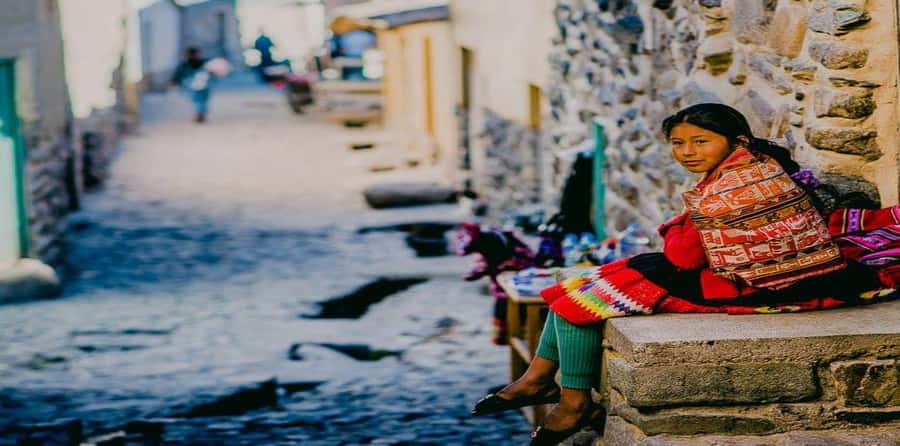
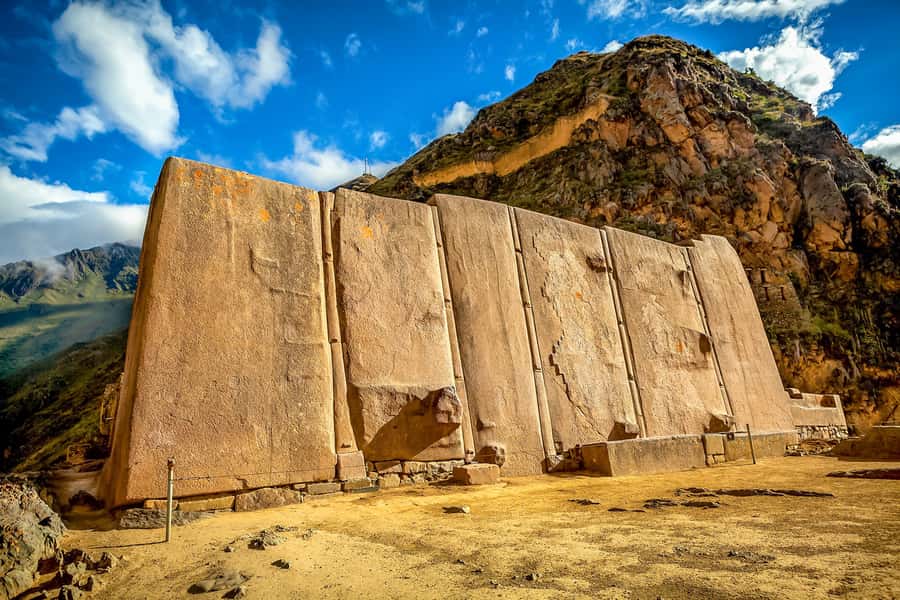
Ollantaytambo is likely to be the highlight for anyone interested in Inca military and religious architecture. The town and fortress were built to protect the entrance to the Sacred Valley, giving the site a strategic role that you can still understand from its position and massive stonework.
The visit includes a walk through the town’s streets. This matters because Ollantaytambo is not just an isolated ruin. Its surviving layout helps you picture how a military, religious, and cultural center functioned during the Inca Empire.
Look closely at the stone walls and the relationship between the settlement and the fortress above it. The design reflects control, ceremony, and defense at the same time. Your guide can help connect those functions, which is especially useful if you have not studied Inca sites before.
The limitation remains the schedule. Ollantaytambo deserves time, yet this is one stop on a day that also includes Pisac, lunch, Chinchero, and shopping. You will get a strong sense of the place, but you may not have the freedom to explore every corner or pause for as many photographs as you want.
Wear shoes with good grip and bring a waterproof jacket or raincoat. The recommended clothing also includes long pants and warm layers. Conditions can shift during the day, and the advice to carry sun protection is not just for comfort. Bring sunscreen rated SPF 30 or higher, sunglasses, and a sun hat.
Chinchero’s Inca Wall, Temple, and Textiles
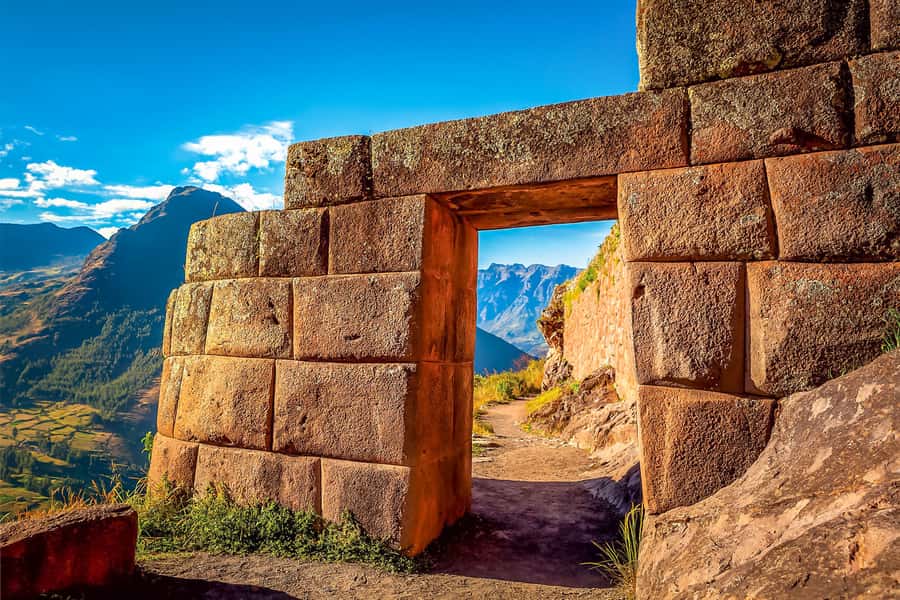
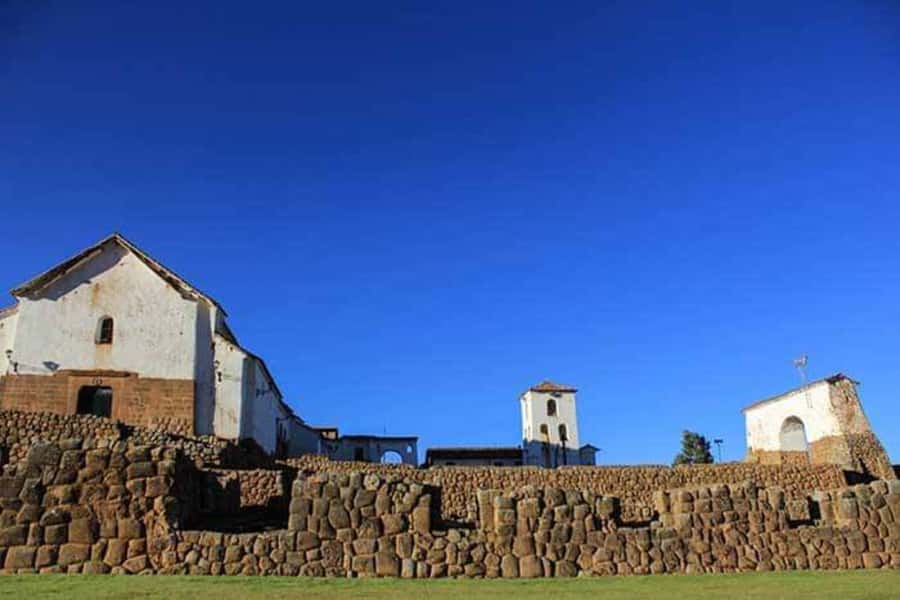
The return journey to Cusco goes through Chinchero, a stop that adds a different layer to the day. Here you see the remains associated with the royal treasurer of Túpac Inca Yupanqui, a well-preserved Inca wall in the main square, and a colonial temple built on the foundations of an earlier Inca structure.
That pairing is one of Chinchero’s most useful lessons. Colonial buildings often reused important Inca foundations, and the result lets you see two periods of Peruvian history in the same place. The wall and temple are not separate stories. They are part of the same physical setting.
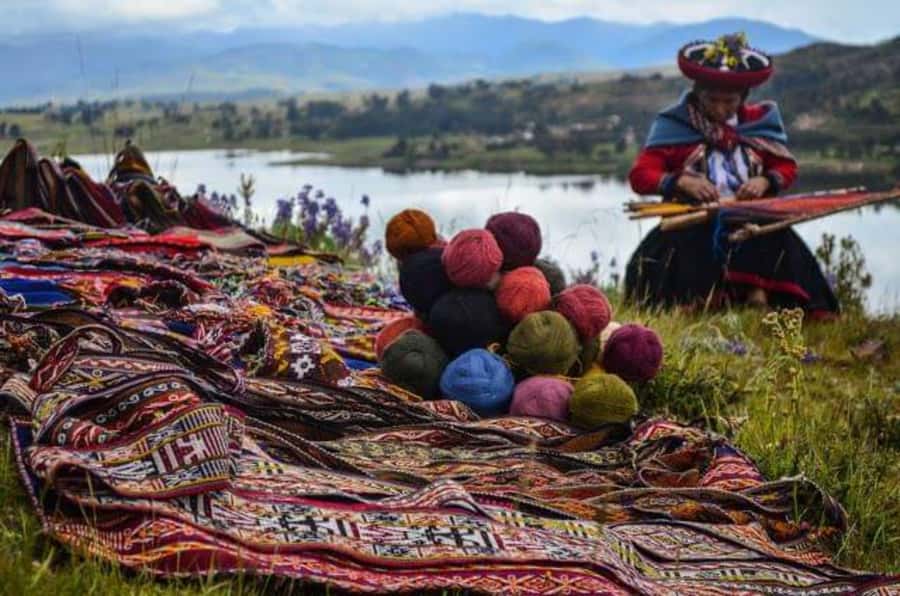
Chinchero is also connected with textile traditions. You have time for shopping and can learn about how local textiles are made and presented. This can be a worthwhile part of the tour if you want to understand more than the stone remains.
Still, keep your expectations clear. Shopping stops can feel like a sales presentation if you are not interested in buying. The schedule has been criticized for giving stores too much time compared with the ruins, so I would enjoy the textile explanation, ask questions, and politely decline purchases if nothing appeals to you.
The final drop-off is at San Francisco Square, close to Cusco’s main square. That location is convenient for continuing an evening in the city, but it is not a return to your hotel. Plan your end-of-day walk or taxi ride before setting out.
The Guide Makes the Pace Work
A bilingual guide in English and Spanish leads the tour. This is important because the day moves quickly, and the guide has to turn short visits into useful lessons. A good explanation can make the difference between seeing a wall and understanding why it was built.
Guide Maria Clara has been praised for her explanations and handling of the day. Marco Antonio has also been singled out for clear timing, precision, and an engaging approach. Those comments suggest that guide quality can be a major part of the experience, although assignments can vary.
The best way to get more from the tour is to ask focused questions. At Pisac, ask about the terraces and defensive position. At Ollantaytambo, ask how the town worked as a military and religious center. At Chinchero, ask how the colonial temple relates to the Inca foundations.
The small group helps here. With no more than 13 participants, you should have a better chance of hearing the guide than on a large coach tour. Even so, remain close to the group. The vehicle has a schedule, and drivers cannot wait beyond the stated five-minute limit at pickup.
What to Pack for Eight Hours
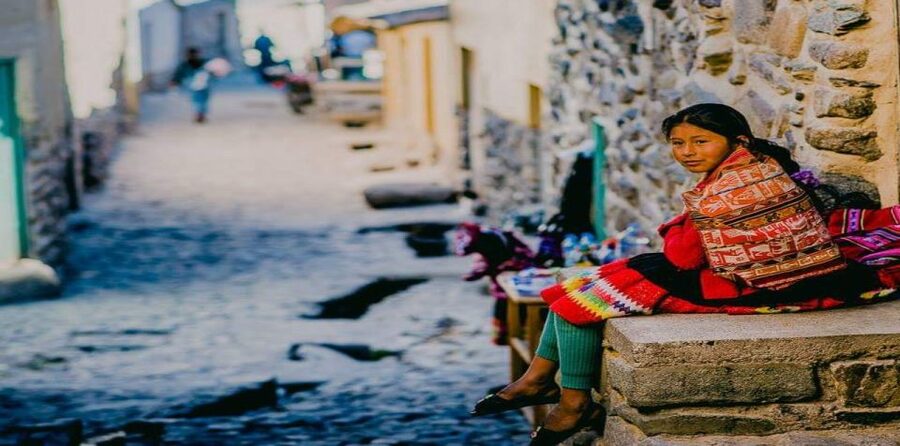
Keep your day bag light. Oversize luggage, large bags, pets, smoking, alcohol, and drugs are not allowed. A small backpack with the basics is the sensible choice.
Bring:
- Passport or ID card
- Your own water
- Sunscreen of SPF 30 or higher
- Sunglasses and a sun hat
- Comfortable walking shoes
- Long pants and warm clothing
- A waterproof jacket or raincoat
Your passport or ID may be needed for entry to the archaeological sites. The tour does not include water, so do not assume a bottle will be provided. Layers are better than one heavy jacket because the day can include sun, cool air, and rain.
Who Will Enjoy This Tour Most
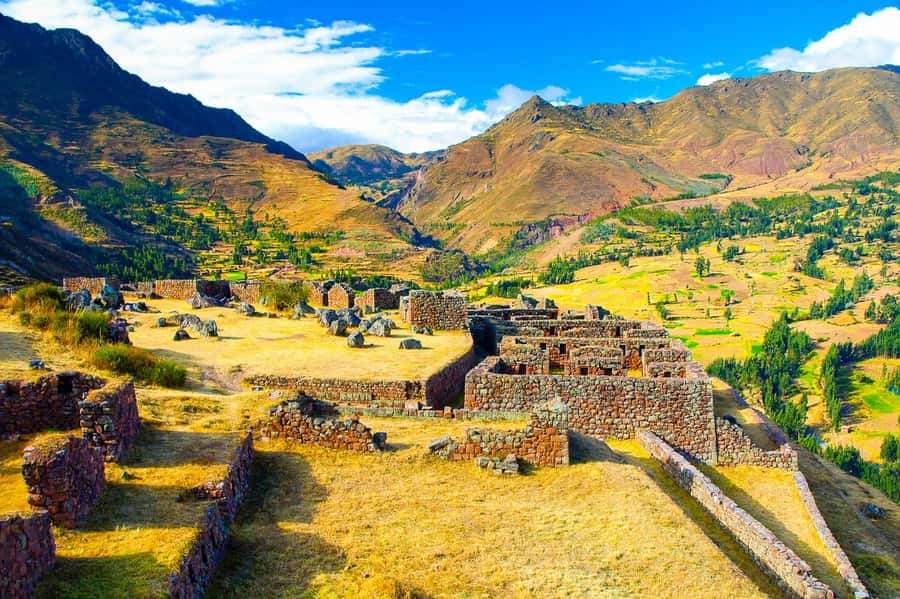
I would recommend this tour to you if you have only one free day for the Sacred Valley and want to see its major names in a single outing. It also suits people who prefer a planned route, included transport, a guide, and a buffet lunch rather than managing local connections alone.
It is a good choice for first-time visitors who want context before deciding which sites deserve a longer return visit. Pisac, Ollantaytambo, and Chinchero each show a different side of Inca and colonial Peru, even if the schedule does not allow deep exploration.
I would hesitate to recommend it if you dislike shopping stops or want long, quiet visits at archaeological sites. The pace is the central compromise. Several pieces of feedback rate the overall experience highly, while the lower scores focus on limited ruin time and excessive time in stores.
The overall rating is 4.4 out of 5 from 28 ratings, which fits the tour’s character: strong transport, good guides, useful coverage, and a satisfying lunch, balanced by a rushed schedule at some sites.
Should You Book the Sacred Valley Tour?
Book it if you want a budget-friendly overview with four significant stops, a bilingual guide, small-group transport, and lunch included. At $38, it offers a practical way to see the valley when your time in Cusco is tight.
Skip it if you want to linger at Pisac or Ollantaytambo, avoid shopping entirely, or control every minute of the day. For the best experience, arrive ready for an active schedule, carry water and sun protection, keep your purchases modest, and budget extra for archaeological-site admission.
FAQ
How long does the Sacred Valley tour last?
The tour lasts approximately eight hours.
What languages are available?
The live guide provides the tour in English and Spanish.
Is hotel pickup included?
Pickup is included for hotels and establishments located within Cusco’s historic center.
Where does the tour end?
Drop-off is at San Francisco Square, close to Cusco’s main square.
Is lunch included?
Yes. A buffet lunch at a local restaurant in Urubamba is included. Vegetarian options are available, while drinks cost extra.
Are archaeological-site entrance fees included?
No. The tourist ticket for the archaeological sites at Pisac, Ollantaytambo, and Chinchero is not included.
What should I bring?
Bring your passport or ID card, comfortable shoes, sunglasses, a sun hat, sunscreen, warm clothing, a waterproof jacket or raincoat, and your own water.
Just added in Cusco
- Private Transfer from Airport to Hotel in the City of Cusco★ 4.0 · 5 reviews
- Best Cusco walking tour: dinner street food tasting★ 4.5 · 11 reviews
- Cusco Private Transportation for 2026★ 5.0 · 4 reviews
- Private Tour to Pisac Market and Pisac Ruins★ 5.0 · 4 reviews
- Machu Picchu Day Trip With Panoramic Train from Cusco★ 5.0 · 10 reviews
- Sacred Valley Private Tour from Cusco, Guide and Driver only★ 5.0 · 4 reviews
- Sacred Valley of the Incas Tour★ 5.0 · 12 reviews
- Private Tour of the Mountain of Colours by Quad★ 5.0 · 7 reviews
Sacred Valley Tours, compared.
From Cusco: Sacred Valley & Maras Salt Mines Tour with Lunch
Read our review →
From Cusco: Moray, Maras Salt Mines & Chinchero Weavers Tour
Read our review →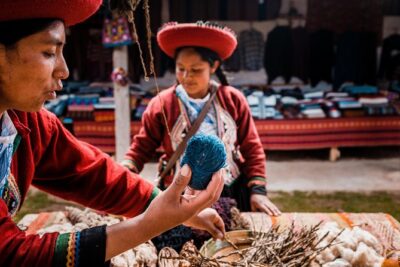
2-Day Tour: Sacred Valley and Machu Picchu by Train
Read our review →
Sacred Valley, Pisac, Ollantaytambo, Salt Mines Moray
Read our review →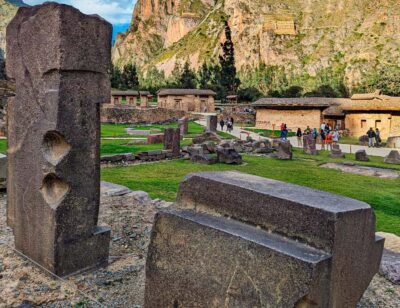
Chinchero,Moray & Salt Mines drop-off in Ollantaytambo
Read our review →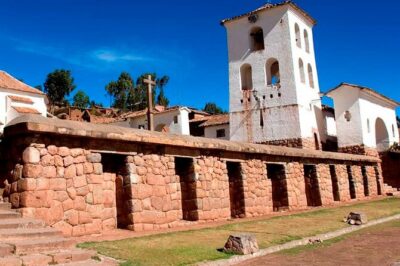
Sacred Valley and Maras Moray Tour with Full Day Buffet Lunch
Read our review →

Browse the lists this tour appears in