Reviewed · SACRED VALLEY TOURS
Cusco: Moray, Maras Salt Mines, and Chinchero Weavers Tour
Ancient terraces meet living Andean craft. This six-hour outing links Moray’s Inca agricultural circles, the Maras salt pools, and a Chinchero weaving workshop in one efficient trip from Cusco. I especially like the chance to see how natural plants become textile dyes, and the wide Sacred Valley views that unfold along the route. The $14 price is very low for transport, a guide, and hotel pickup, but you must add entrance fees and accept that the weaving stop may feel more commercial than cultural.
The tour uses a small group of up to 12 people and runs in English or Spanish. Guide Victor earned especially warm praise for his clear explanations and considerate manner, while another account found the bilingual commentary tiring when it switched rapidly between languages. The main caution is the textile workshop: one unhappy customer expected a specific Urpi workshop but was taken elsewhere and questioned the authenticity of some alpaca products.
In This Review
- Key points at a glance
- Why this half-day route works from Cusco
- Chinchero: Andean weaving with a sales pitch attached
- Moray at 11,318 feet: Inca farming in giant circles
- Maras village: thin stone and colonial details
- Salineras: 3,000 small pools still producing salt
- The road time and the final return to Cusco
- Guide quality can shape the whole day
- Is $14 really good value?
- Who should book this Cusco outing?
- What to bring and how to prepare
- Should you book the Moray and Maras tour?
- FAQ
- How long does the tour last?
- Where does the tour begin?
- Where does the tour finish?
- What languages are available?
- How many people are in the group?
- Are entrance fees included?
- What should I bring?
Key points at a glance
- Moray sits at 11,318 feet: The huge circular terraces show how the Inca shaped farmland and managed water at high altitude.
- Maras has about 3,000 salt pools: Mineral-rich water flows through small basins that still produce salt today.
- Chinchero connects craft with daily life: Local artisans demonstrate how plants are used to create colors for Andean textiles.
- The tour finishes at Plaza Regocijo: Hotel pickup is included, but you arrange your own return to your hotel.
- The base price is only $14: Add $19 or 70 soles for archaeological sites and $6 or 20 soles for the salt mines, based on the supplied fees.
- Expect a six-hour road day: The schedule includes long transfers, including an 80-minute ride after Maras.
Why this half-day route works from Cusco
Cusco offers so many archaeological sites that it is easy to overlook the places where farming, salt production, and weaving still connect with ordinary life. This tour gives you three different windows onto the region without requiring a full day away from the city.
You begin with a 50-minute coach ride from Cusco to Chinchero. After that, the route continues to Moray, then Maras, and finally back toward Cusco. The organized transport matters because these sites are spread across the highlands, and arranging separate rides would take more time and planning.
The tour lasts about six hours. That makes it a useful choice if you have one free morning or afternoon, or if you want to visit these sites before a later Cusco activity. It is not a slow, unhurried day. You will spend a good share of the time on the road, but the stops are varied enough to keep the outing interesting.
The group limit is 12 people. That is small enough for questions and easier movement than a large coach tour, though the actual feel depends on the guide and the balance between English- and Spanish-speaking participants.
More Sacred Valley trips:
- From Cusco: Moray, Maras Salt Mines & Chinchero Weavers Tour
★ 4.8 · 1,925 reviews - 2-Day Tour: Sacred Valley and Machu Picchu by Train
★ 5.0 · 1,127 reviews - Cusco: Sacred Valley, Pisac, Ollantaytambo, Salt Mines Moray
★ 4.6 · 1,058 reviews
Chinchero: Andean weaving with a sales pitch attached
Chinchero sits at about 3,762 meters, or more than 12,300 feet. At this altitude, the first stop also gives you a chance to notice how your body is handling the highlands. Walk steadily, drink water, and do not treat the 30-minute visit as a race.
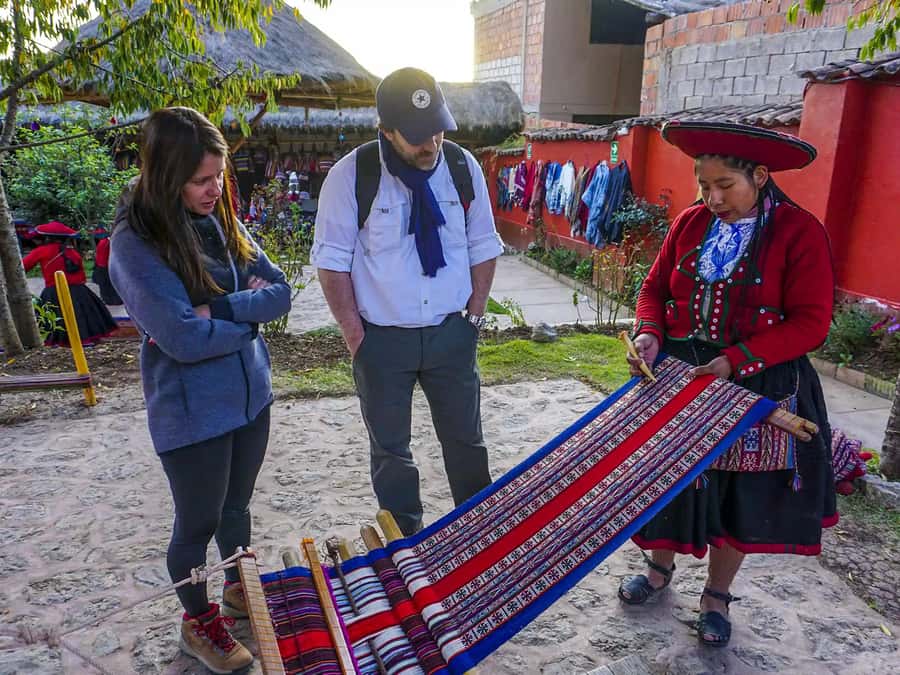
The central purpose here is the weaving workshop. You can watch local artisans demonstrate the Quechua textile tradition and explain how natural plants are used to produce colors. This is one of the most useful parts of the trip because it links the finished textile to the raw materials and work behind it.
The demonstration should help you look more closely at Andean art later in your journey. Instead of seeing a bright textile as only a souvenir, you begin to notice the effort involved in preparing color and producing a patterned piece by hand.
There is also time for shopping. I would approach this part with interest but caution. The workshop is not guaranteed to be the specific Urpi workshop shown in some promotional images. One serious complaint described a different building and alleged that synthetic material was presented as alpaca. That claim cannot be independently settled from the available information, but it is enough reason to ask direct questions before buying.
Ask what fiber a piece contains, whether it is natural or synthetic, and how the color was made. If the answer is unclear, enjoy the demonstration and wait before spending money. The strongest value of this stop is the chance to see the process, not the pressure to purchase.
Moray at 11,318 feet: Inca farming in giant circles
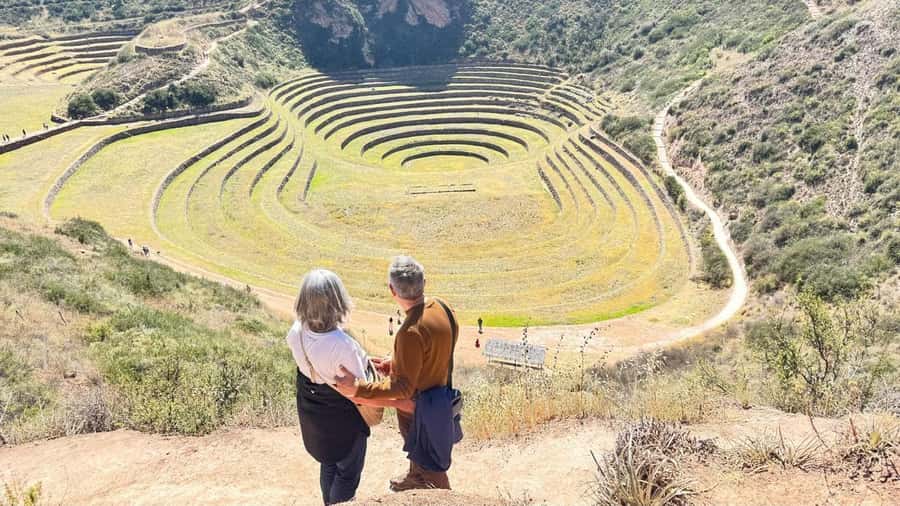
From Chinchero, the coach takes about 35 minutes to reach the Moray archaeological complex. You receive roughly 40 minutes here for a guided visit, photographs, walking, and views from the surrounding highlands.
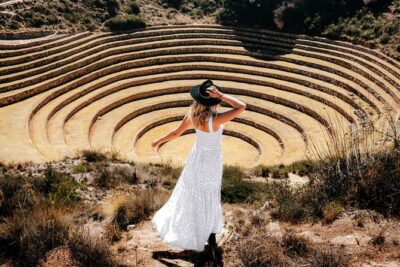
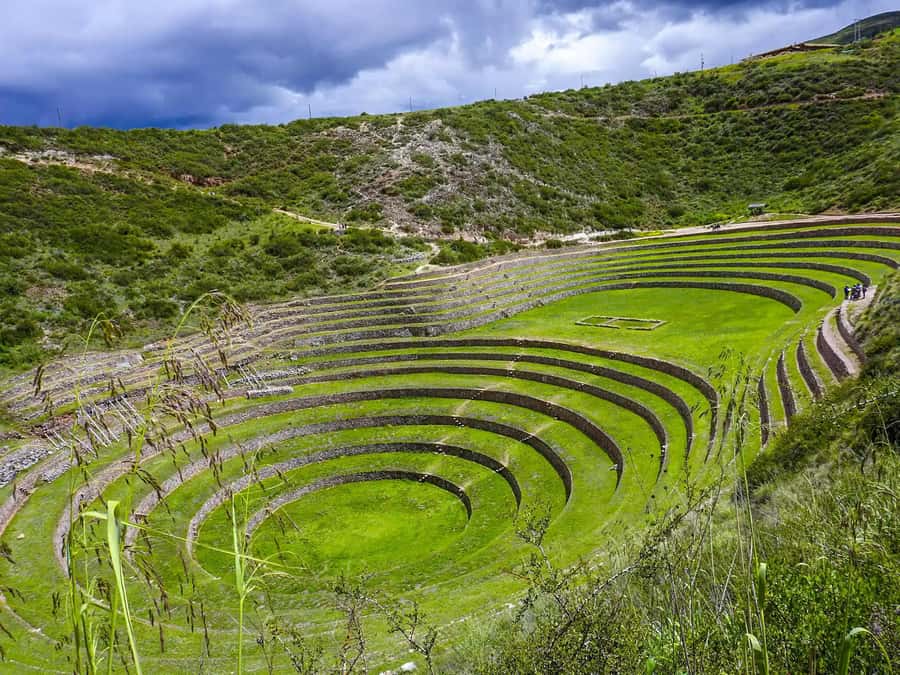
Moray is memorable because its terraces form enormous circular depressions. The stone bands step down toward the center, creating a shape that looks almost too neat to be farmland. The site also includes an irrigation system, so the terraces were not simply decorative. They show careful planning in a difficult mountain setting.
The altitude is a major part of the experience. Moray lies at 3,450 meters, or 11,318 feet. You may feel the thin air when walking, even if you are comfortable in Cusco. Take the guide’s pace, keep your breathing calm, and save your fastest steps for somewhere else.
I like this stop because it makes Inca engineering easy to grasp. You do not need to memorize a long list of dates or rulers. From the viewing area, you can see the repeated terraces, the drainage or irrigation features, and the way the site fits into the surrounding farmland.
The 40-minute stop is enough for a guided explanation and photographs, but it will not allow a long independent walk. If you prefer to study every stone at your own pace, the schedule may feel tight. If you want a clear introduction to the site without spending half a day here, the timing works well.
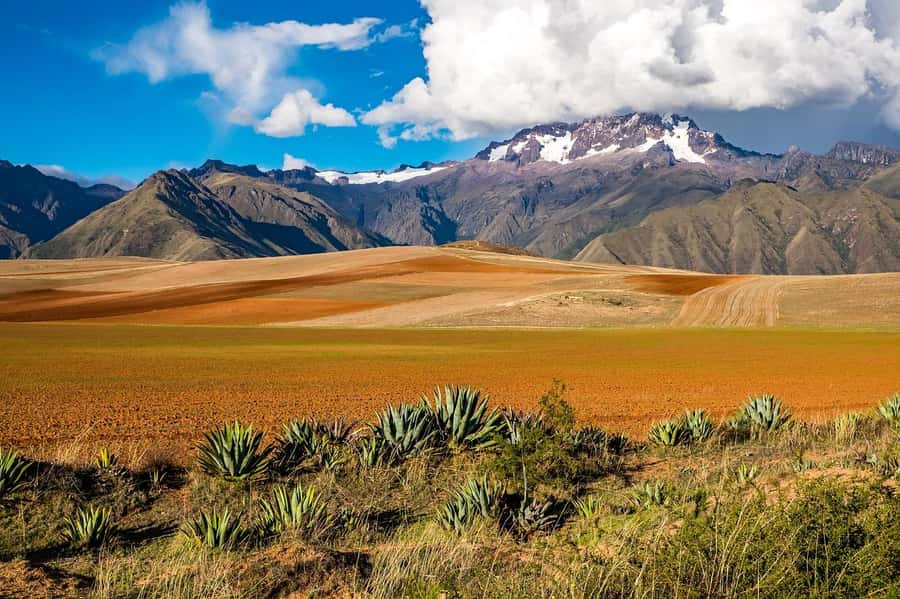
The views are part of the reward. From the road and the site, you see open farmland and mountain country rather than a city setting. Bring a camera, but do not spend the entire stop looking through it. Moray is best understood with your eyes on the terraces.
Maras village: thin stone and colonial details
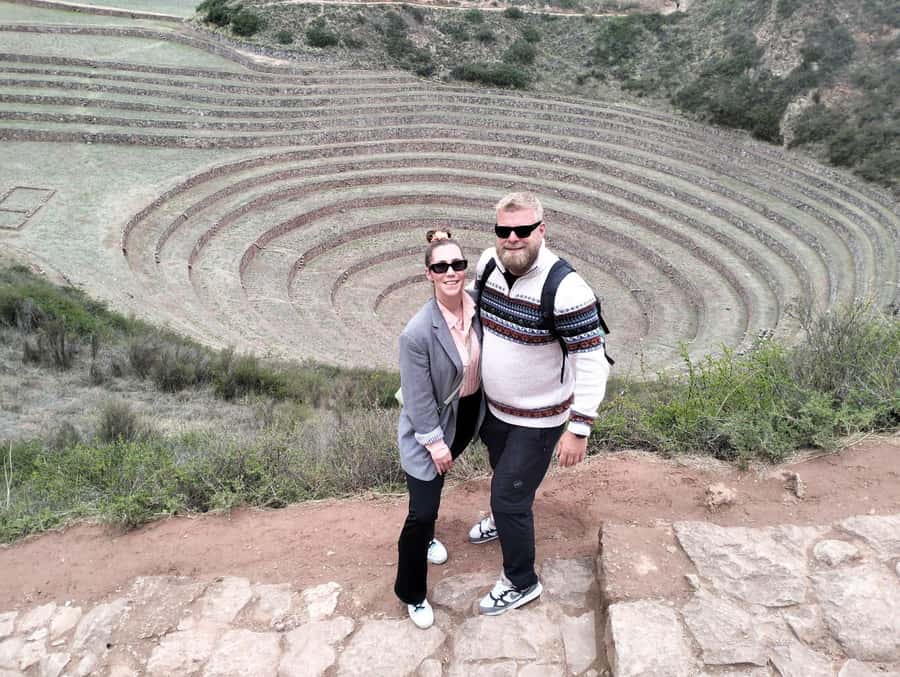
The drive from Moray to the Maras Salt Mines takes about 40 minutes, with Maras Village included along the way. The village is known for preserved colonial architecture and buildings made with thin stone.
This is a quieter stop than Moray. The attraction is not one enormous monument, but the texture of the town itself: old walls, narrow stone construction, and the meeting of colonial building styles with an Andean setting. The supplied schedule does not give a separate stop length for Maras Village, so your time here may be part of the transfer or a brief guided look.
That distinction matters. You should not book this tour expecting a long town walk with plenty of time for cafés, shops, or detailed architectural study. Think of Maras as a short cultural pause between the archaeological site and the salt works.
The village helps make the salt mines feel less isolated. These are not disconnected sights placed on a map for photographs. They belong to a settled area where farming, stone building, and salt production have shaped local life for a long time.
More things to do in Cusco:
- Classic Inca Trail Trek 4D/3N to Machu Picchu (Group Service)
★ 5.0 · 8,653 reviews - Cusco: Rainbow Mountain and Red Valley Day Trip with Meals
★ 4.9 · 4,893 reviews - Machu Picchu: 4-Day Inca Trail Trek with Panoramic Train Ride
★ 5.0 · 4,568 reviews - Salkantay Classic Trek 5 Days from Cusco
★ 5.0 · 4,062 reviews
Salineras: 3,000 small pools still producing salt
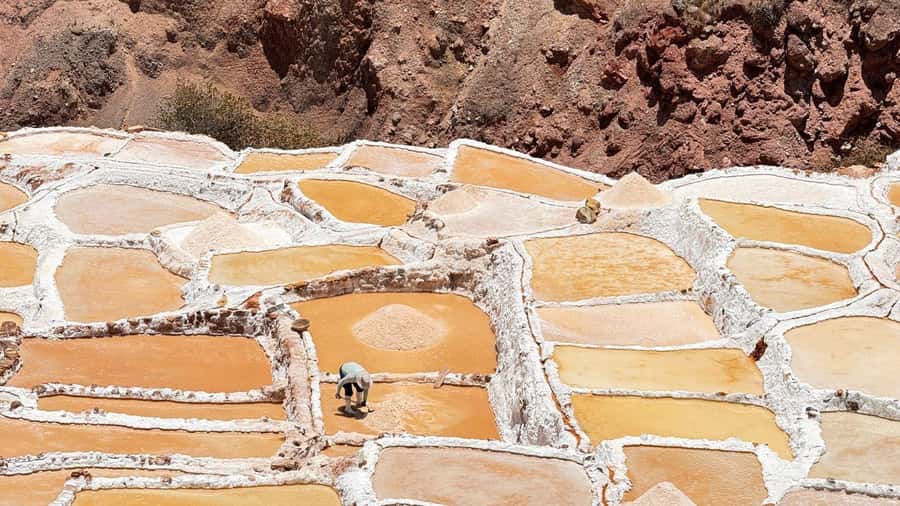
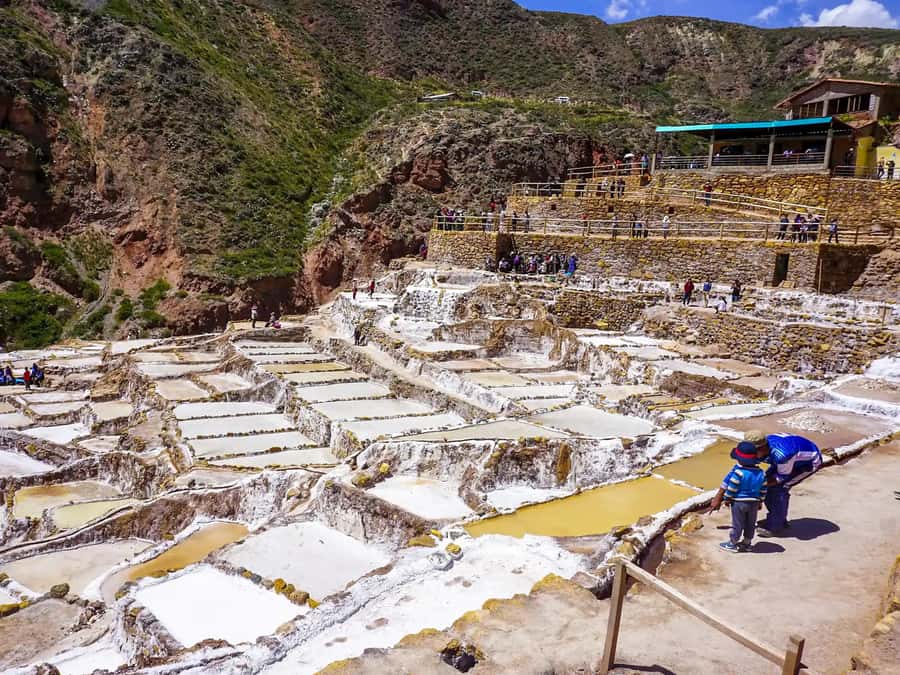
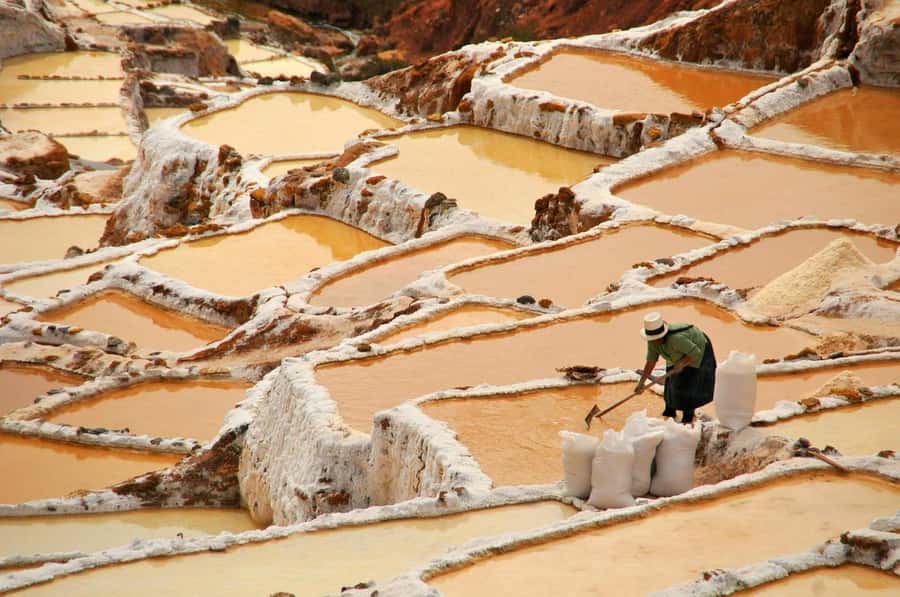
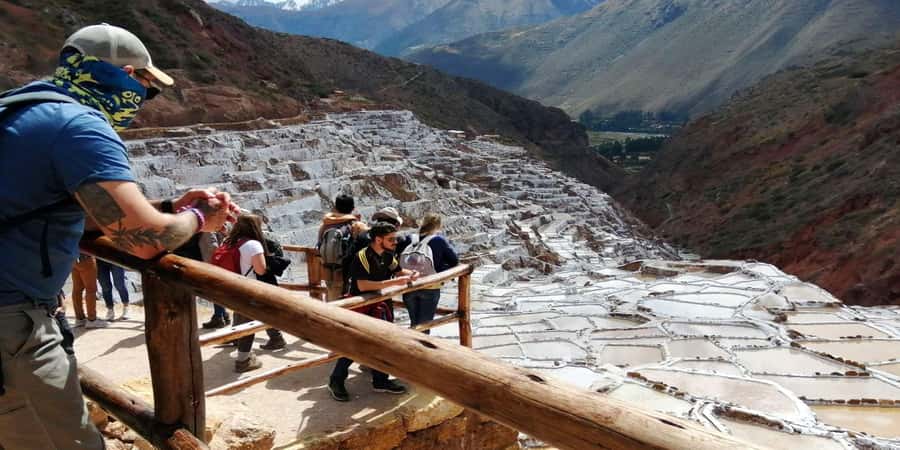
The Maras Salt Mines are the visual high point for many people. About 3,000 small pools cover the slope, each one fed by salty water. As the water evaporates, salt collects and can be gathered for processing and distribution in the region.
The site dates to pre-Inca times and continues to produce salt. That continuing use gives the visit more weight than a simple archaeological stop. You are looking at an old method that remains part of the local economy.
You have about 40 minutes for a guided visit, walking, sightseeing, and photographs. The pools are small and tightly packed, creating a striking pattern across the hillside. Light can change their color and appearance, so your camera may record a different scene from the one you first see.
Do not expect a long independent hike. The official timing is short, and the salt works are best treated as a focused visit. Listen to the explanation of how water reaches the pools and how salt is collected, then use the remaining time for photographs.
This is also where cash matters. The salt mine entrance fee is listed as $6 or 20 soles, separate from the tour price. Carry soles if possible, since local payments are often easier in the national currency. The archaeological sites are listed at $19 or 70 soles. Because entrance charges can change, confirm the current amounts when booking or before departure.
The road time and the final return to Cusco
The schedule includes an 80-minute coach ride after the Maras Salt Mines before the tour finishes at Plaza Regocijo. That is the longest transfer of the day, and it shapes how you should plan the rest of your schedule.
Plaza Regocijo is central, but hotel drop-off is not included. You will need to make your own way back to your accommodation. This is not a major problem if you are staying near central Cusco, but it is worth allowing extra time if you have luggage, a dinner reservation, or another appointment.
Hotel pickup is included at the start. The pickup was described as punctual in one account, and the driver received positive notice for safe, dependable service. Still, confirm your pickup point and keep your phone available in case the operator needs to contact you.
The coach makes the highland route simple, but long rides can feel tiring after walking at altitude. Wear comfortable shoes, bring water, and use the road time to rest. A sun hat and sunscreen are essential because the high-altitude sun can feel strong even when the air is cool.
Guide quality can shape the whole day
The best reports give the guide a large share of the credit. Victor was praised for strong explanations across all the stops and for treating people with empathy. Another account described the tour as well organized and said the guide took good care of the group.
That matters here because Moray and the salt mines benefit from context. Without an explanation, you see circles in the ground and white pools on a slope. With a good guide, you understand the farming problem Moray addressed and the way salt production continues at Maras.
The bilingual format has a possible downside. One person found the repeated switching between Spanish and English hard to follow and even tiring. If you understand both languages, this may not bother you. If you speak only one, ask the guide politely to repeat or clarify an important point rather than letting the information pass too quickly.
The overall rating is 4.4 from 15 assessments, which suggests a generally strong experience but not a flawless one. The praise centers on organization, guide care, interesting sights, and good explanations. The sharp criticism centers on the textile workshop, product authenticity, and some allegedly inaccurate facts. I would give the archaeological and natural stops more confidence than the shopping portion.
Is $14 really good value?
At $14 per person, the tour is inexpensive for six hours of transport, hotel pickup, a bilingual guide, and several major sights. The small-group limit also improves the value compared with a crowded bus, assuming the group reaches but does not exceed the stated maximum.
The base price does not cover admission. Add the listed $19 or 70 soles for the archaeological sites and $6 or 20 soles for the salt mines. That makes the actual cost much higher than $14, especially if you pay in dollars, but it is still reasonable for a full half-day route with transport from Cusco.
The exact entrance arrangement deserves attention. The information groups the archaeological sites under one fee, while Moray is the main archaeological stop described in detail. Confirm what your payment covers before departure so you are not surprised at the entrance.
The tour has free cancellation up to 24 hours in advance and allows you to reserve without paying immediately. Those terms are useful if your Cusco schedule depends on weather, altitude adjustment, or changes to your wider Peru plans.
Who should book this Cusco outing?
I would choose this tour if you want to see Moray and Maras without arranging private transport. It suits you especially well if you enjoy a mix of archaeology, mountain scenery, local craft, and working traditions rather than one long visit to a single complex.
It also works for people with limited time. Six hours gives you a solid look at three different settings, then returns you to central Cusco. The tradeoff is a brisk schedule and a long final ride.
You should think twice if shopping stops frustrate you or if you want complete control over your time. The Chinchero workshop includes shopping, and the 30-minute visit is structured rather than fully independent. You may prefer a private option if you want to stay longer at Moray, photograph the salt pools at your own pace, or avoid bilingual explanations.
Altitude should also guide your decision. Chinchero and Moray are both high, with Moray at 11,318 feet. If you are still adjusting to Cusco, a short walking day with frequent pauses is wiser than rushing between viewpoints.
What to bring and how to prepare
Bring your passport, comfortable shoes, a sun hat, sunscreen, a camera, and cash. The passport requirement is worth taking seriously, and cash covers entrance fees or purchases at the craft stop.
Wear shoes that are comfortable for walking on archaeological ground. The schedule includes several walking visits, but the information does not describe the paths as fully paved or step-free, so practical footwear is the safest choice.
Keep your expectations clear at the weaving stop. Watch the dye demonstration, ask what materials are used, and treat any purchase as optional. The tour is strongest when you focus on the places and processes, not on finding a particular shop.
Should you book the Moray and Maras tour?
Yes, if you want an affordable, well-organized introduction to several important sights outside Cusco. Moray and the salt mines offer genuinely different experiences, and Chinchero adds a useful connection to living Quechua craft. The guide can make a major difference, with Victor receiving particularly strong praise for his explanations and care.
Book with two cautions in mind: budget for entrance fees, and do not assume the textile workshop will be the one pictured or that every product is made from genuine alpaca. If you can accept those limits, this is a practical half-day route with strong scenery, useful cultural context, and good value for the money.
FAQ
How long does the tour last?
The tour lasts six hours, including transportation between Cusco, Chinchero, Moray, Maras, and the salt mines.
Where does the tour begin?
Pickup is provided from your hotel in Cusco.
Where does the tour finish?
The tour finishes at Plaza Regocijo. Hotel drop-off is not included.
What languages are available?
The tour is offered with a live guide in English or Spanish.
How many people are in the group?
The tour is described as a small-group experience limited to 12 participants. A private option is also available if selected.
Are entrance fees included?
No. The listed fees are $19 or 70 soles for the archaeological sites and $6 or 20 soles for the salt mines.
What should I bring?
Bring your passport, comfortable shoes, a sun hat, a camera, sunscreen, and cash.
Just added in Cusco
- Cusco Private Transportation for 2026★ 5.0 · 4 reviews
- Private Transfer from Airport to Hotel in the City of Cusco★ 4.0 · 5 reviews
- Best Cusco walking tour: dinner street food tasting★ 4.5 · 11 reviews
- Private Tour to Pisac Market and Pisac Ruins★ 5.0 · 4 reviews
- Machu Picchu Day Trip With Panoramic Train from Cusco★ 5.0 · 10 reviews
- Sacred Valley of the Incas Tour★ 5.0 · 12 reviews
- Private Tour of the Mountain of Colours by Quad★ 5.0 · 7 reviews
- Sacred Valley Private Tour from Cusco, Guide and Driver only★ 5.0 · 4 reviews
Sacred Valley Tours, compared.
From Cusco: Sacred Valley & Maras Salt Mines Tour with Lunch
Read our review →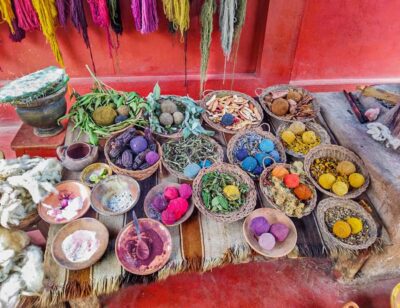
From Cusco: Moray, Maras Salt Mines & Chinchero Weavers Tour
Read our review →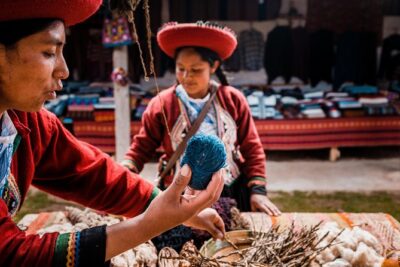
2-Day Tour: Sacred Valley and Machu Picchu by Train
Read our review →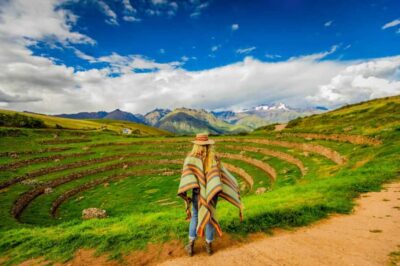
Sacred Valley, Pisac, Ollantaytambo, Salt Mines Moray
Read our review →
Chinchero,Moray & Salt Mines drop-off in Ollantaytambo
Read our review →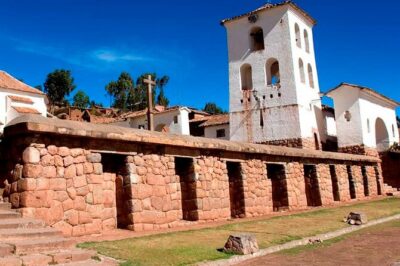
Sacred Valley and Maras Moray Tour with Full Day Buffet Lunch
Read our review →