

Reviewed · LAKE TITICACA AND THE UROS ISLANDS
Floating Islands of the Uros
Life floats here. From Puno, this three-hour visit takes you onto Lake Titicaca to see the Uros floating islands, learn how totora reeds support daily life, and meet members of an Aymara-speaking community. I like the tour’s low $7 price and its compact schedule, which works well if your time in Puno is tight. I also like the chance to greet islanders in Aymara and see the skills behind the reed boats and embroidered textiles.
The main drawback is the short visit. You get about two hours on the islands, and the totora reed raft ride costs extra, so the final price can be higher than the advertised fare. Still, for a quick introduction to one of Lake Titicaca’s best-known cultural sites, this is a practical and inexpensive choice.
In This Review
- Key Details Before You Go
- Why the Uros Islands Matter
- From Puno to the Lake in Three Short Transfers
- Arriving at the Floating Islands
- Totora Reeds, Boats, and Everyday Skills
- A Cultural Visit That Needs Respect
- What the Three-Hour Schedule Feels Like
- Is $7 Good Value?
- Who Will Like This Uros Tour?
- Practical Advice for a Better Visit
- Should You Book the Floating Islands of the Uros?
- FAQ
- How long is the Floating Islands of the Uros tour?
- Where does the tour begin?
- How far are the Uros Islands from Puno?
- Is the totora reed raft ride included?
- What does the $7 price include?
- Are meals included?
- What languages are available for the guided tour?
- What should I bring?
- Can I cancel the booking for a refund?
Key Details Before You Go
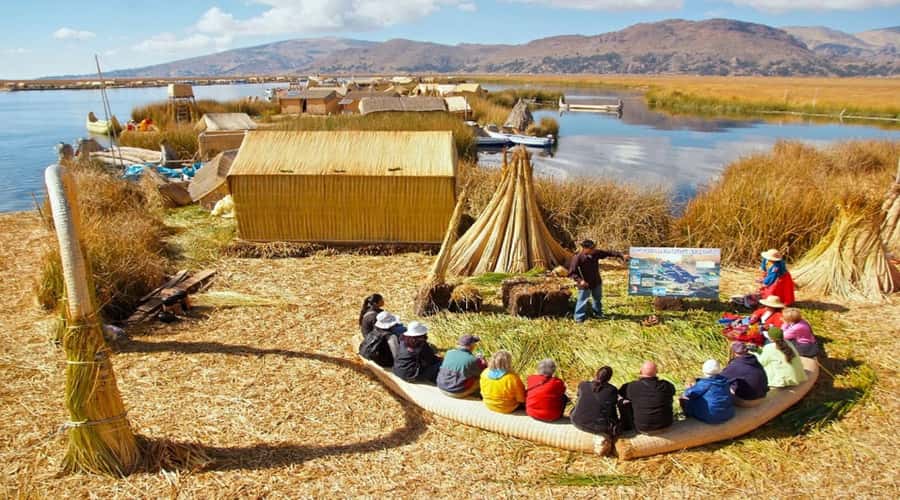
- The islands sit about 8 kilometers from Puno, making this an easy half-day outing rather than a full-day expedition.
- The Uros build their islands and boats from totora reeds, the tall reeds that grow around Lake Titicaca.
- The visit includes a Spanish or English-speaking guide, with guides such as Roly and Freddy praised for clear explanations and smooth language switching.
- The included boat is a normal passenger boat, with comfortable seats, life jackets, and a first aid kit.
- The traditional reed raft ride is optional and not included, so bring a little extra money if you want that part.
- Sun protection matters, since the high-altitude lake offers strong sun and little shade.
Why the Uros Islands Matter
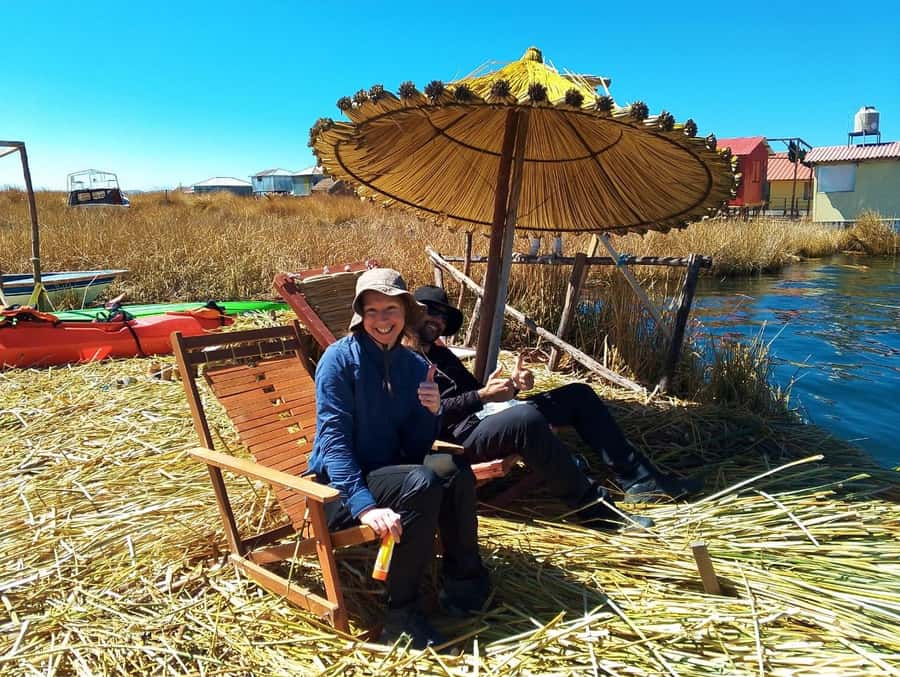
The Uros Islands are not ordinary islands. They are floating platforms made from totora reeds, and the Uros have developed skills for building, maintaining, and living on them. The tour gives you a close look at this unusual way of life without requiring a long trip from Puno.
The Uros are described as a millenary civilization and an Aymara language community. During the visit, you learn about traditions tied to the lake, including fishing, hunting birds, and collecting eggs. These details help turn the stop from a simple photo opportunity into a lesson about how people have adapted to a demanding environment.
I find the most useful part of this visit is the link between material and culture. The reeds are not just scenery. They are used for the islands, boats, and parts of daily life. Once you understand that, the floating platforms make more sense. You are looking at a living system, not just a novelty built for sightseeing.
At the same time, you should keep your expectations realistic. Three hours is enough for an introduction, not a full study of Uros society. One four-star assessment described the tour as interesting but very short, and that is a fair warning. You will see important parts of island life, but the visit will not answer every question about the community’s past and present.
More Lake Titicaca trips:
- From Puno: Uros, Amantaní & Taquile Islands 2-Day Tour
★ 4.5 · 452 reviews - Tour to Uros and Taquile Islands in a Fast Boat
★ 5.0 · 419 reviews - From Puno: Floating Islands of the Uros Half-Day Tour
★ 4.4 · 394 reviews
From Puno to the Lake in Three Short Transfers
The outing begins with pickup at your downtown Puno hotel. You are taken to Puno Port by van, a ride listed at about 10 minutes. This hotel transfer is included, which saves you the trouble of arranging a separate taxi or finding the port on your own.
The schedule then shows a 30-minute ferry ride, followed by another 15-minute van transfer before you reach the Uros Islands. The exact sequence may feel a little unusual, but the practical point is simple: you should expect several short transport stages rather than one direct ride.
These transfers take up a fair share of the three-hour outing. The return includes another 30-minute ferry ride and a 10-minute van ride back to Puno. That leaves roughly two hours for the islands themselves, including the guided visit, sightseeing, photos, and free time.
I would treat the journey as part of the experience. Lake Titicaca is the setting for the whole trip, and the boat time gives you a chance to see the broad water around Puno Bay. Still, if you want a slow, unhurried day on the lake, this tour will feel brisk.
The boat provided is described as comfortable and equipped with life jackets and a first aid kit. You should still bring water, wear comfortable shoes, and use sunscreen. At Lake Titicaca’s elevation, the sun can feel strong even when the air is cool.
Arriving at the Floating Islands

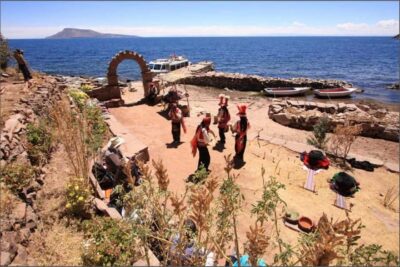
The main stop lasts about two hours. Your guide leads the visit, explains Uros customs, and gives you time to look around, take photographs, and speak with island residents.
One useful feature is the chance to interact directly with the community. You are not only viewing the islands from a boat. You step onto the reed platforms and hear about life from people who continue to maintain traditions connected to fishing, hunting, gathering eggs, boatbuilding, and textile work.
The tour also introduces the different skills traditionally associated with men and women in the community. The men are described as skilled builders and drivers of totora reed boats. The women are known for embroidery and for making rugs. These details give you something specific to watch for during the visit.
Guides can make a large difference here. Roly received especially warm praise for explaining the area and culture, helping people greet islanders in Aymara, and moving comfortably between languages. Freddy was also singled out for his clear guidance, while boat drivers Henry, Christian, and Brian helped keep the outing running smoothly.
The language element is worth paying attention to. You may learn a simple Aymara greeting or phrase, then use it when meeting people on the island. That small exchange can make the visit feel more respectful and personal than simply taking pictures and leaving.
Totora Reeds, Boats, and Everyday Skills
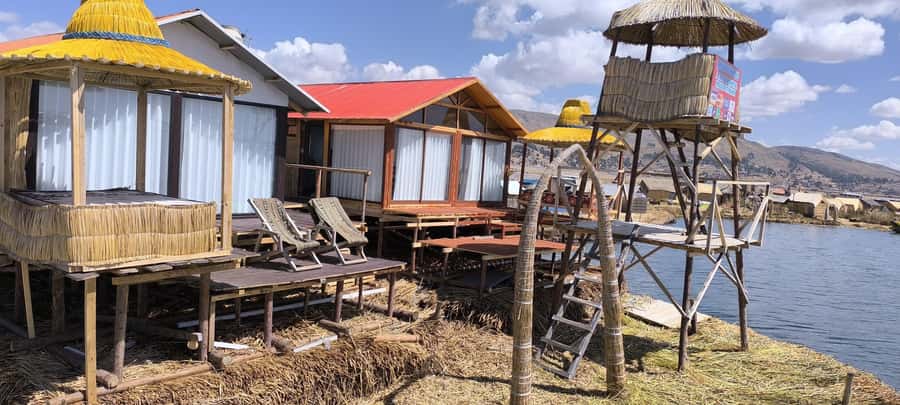
The totora reed is the star of the visit. It provides the basic material for the floating platforms and the distinctive boats associated with the Uros. You get to see how a natural resource shapes homes, transport, work, and local identity.
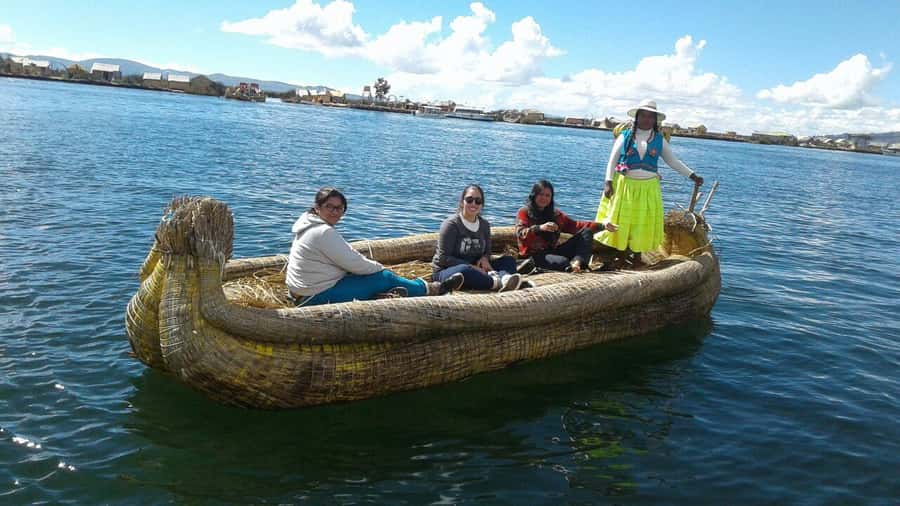
The reed boats are also one of the most recognizable sights on Lake Titicaca. A short ride is available, but it is not part of the $7 price. You need to pay separately if you want to ride one, so ask about the extra cost before boarding.
I recommend thinking of the raft ride as an optional add-on rather than an essential part of the tour. If you are eager to experience the traditional boats directly, it adds a memorable physical element. If you are watching your budget, the included boat trip and island visit still provide the central experience.
The visit can also help you understand why these skills have practical value. Boatbuilding is not simply an old craft shown for display. The tour presents it as part of the community’s way of moving around the lake. Embroidery and rug-making likewise connect creative work with household income and cultural expression.
Do not expect a long workshop where you build something yourself. The supplied details describe demonstrations, explanations, interaction, and sightseeing rather than a hands-on craft class. Your reward is a close look at the setting and the people who maintain these skills.
More things to do in Puno:
- From Cusco: Vinicunca Rainbow Mountain ATV Tour with Meals
★ 4.6 · 1,060 reviews - Uros and Taquile Islands on New and Comfortable SpeedBoat
★ 4.5 · 254 reviews - Lake Titicaca (Day Trip) Uros & Taquile Islands
★ 4.5 · 245 reviews - Lake Titicaca 2-Day Tour to Uros, Amantani and Taquile
★ 4.4 · 199 reviews
A Cultural Visit That Needs Respect
The Uros Islands are a community, not an outdoor museum. You should listen carefully, ask questions politely, and avoid treating people or homes as props for photographs. The tour specifically asks you to respect the Uros community and its environment.
A guide can help explain what you are seeing, but you should also remain aware of the limits of a short organized visit. You receive a selected introduction to island life. That does not mean you will see every part of the community or understand all of its history in one morning.
This is where the guide’s role matters most. One four-star assessment suggested that the guide could cover more elements of Uros life. That is useful advice. If you want more detail, prepare a few questions about language, fishing, island maintenance, family life, and how the community functions today.
The tour’s strongest cultural feature is its direct contact. You meet island inhabitants, learn about their traditions, and may have the privilege of meeting a local island president. One visitor specifically appreciated meeting Olga, the president of a small reed island.
That kind of encounter can be memorable, but keep it natural. A greeting, a question, and an attentive ear are better than rushing through a checklist of pictures. The experience works best when you approach it as a short community visit, not just a stop at a scenic attraction.
What the Three-Hour Schedule Feels Like
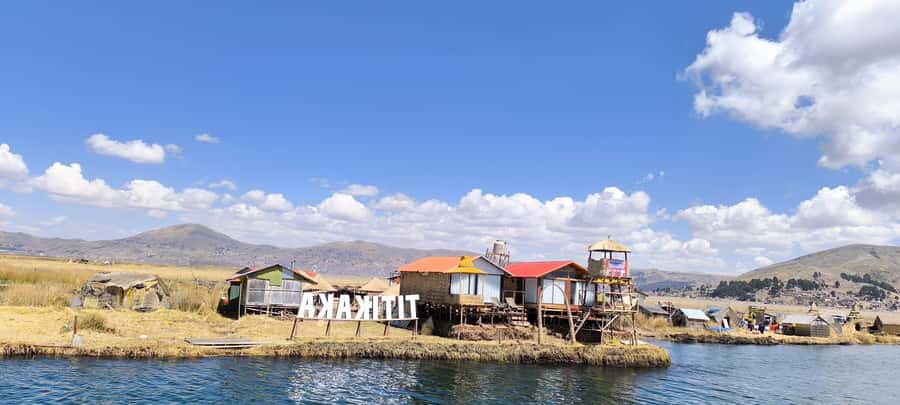
The timing is useful for planning. Pickup, transport, the island visit, and the return to Puno fit into about three hours. That makes this a good option before an afternoon departure or alongside other activities in Puno.
The tradeoff is limited time. Between the two ferry segments, the van transfers, and the island visit, there is little room for delays or long personal exploration. You should stay close to the group and follow the guide’s timing.
Morning and sunset departures may offer different moods. The tour information says to check available starting times, and one visitor especially enjoyed the sunset timing. If you want softer light for photographs, a later departure may appeal to you. If you prefer a traditional half-day outing, morning is also available when offered.
The schedule suits people who want a clear introduction. It is less suitable for someone hoping to sit quietly on the lake for hours or spend a full day learning about the Uros. You get a focused visit, not an open-ended cultural retreat.
Is $7 Good Value?
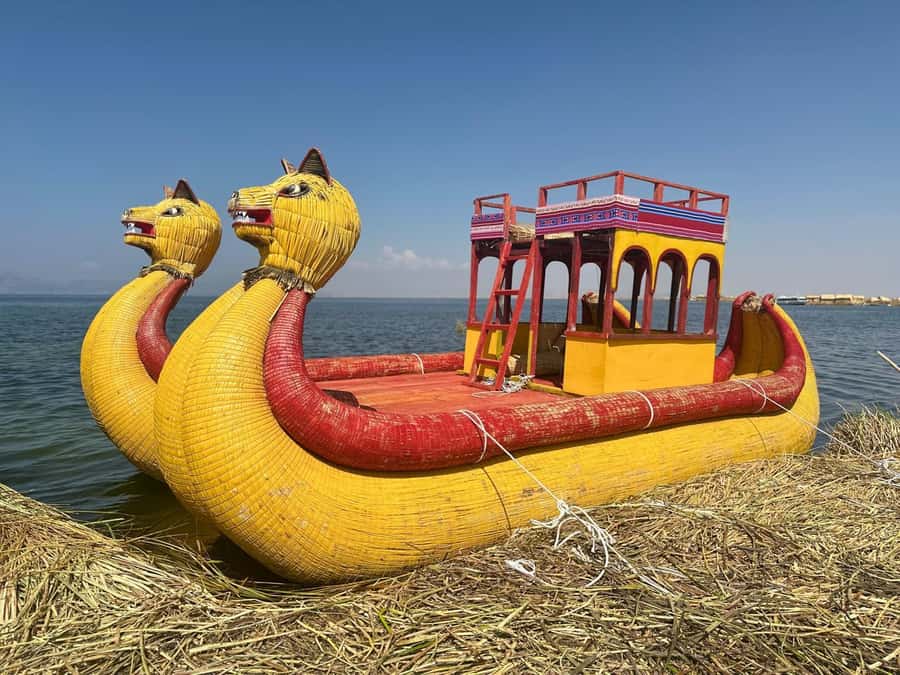
At $7 per person, the tour offers strong value if you want the basic Uros experience at a low cost. The price includes downtown hotel transfer, the entrance ticket, the standard boat, life jackets, a first aid kit, and an official guide in English or Spanish.
The price does not include food, the totora raft ride, or other expenses not specifically listed. That matters because the optional boat ride is one of the most recognizable parts of the experience. Your final spending depends on whether you choose it and whether you purchase anything during the visit.
For a short outing, the included services cover the essentials. You avoid arranging transport to the port, finding a boat independently, and organizing admission. The guide also adds value by explaining the community and helping you communicate with islanders.
I would not choose this tour because it is the cheapest option alone. I would choose it because the price matches the compact format. You get a guided introduction to a major Puno attraction without giving up most of the day.
The overall rating is 4.2 out of 5 from 101 ratings, which fits the experience described here: strong praise for guides, boat crews, and the cultural visit, with the main reservation being the short duration. That balance makes sense. The tour offers plenty for three hours, but not enough for a slow or detailed study.
Who Will Like This Uros Tour?
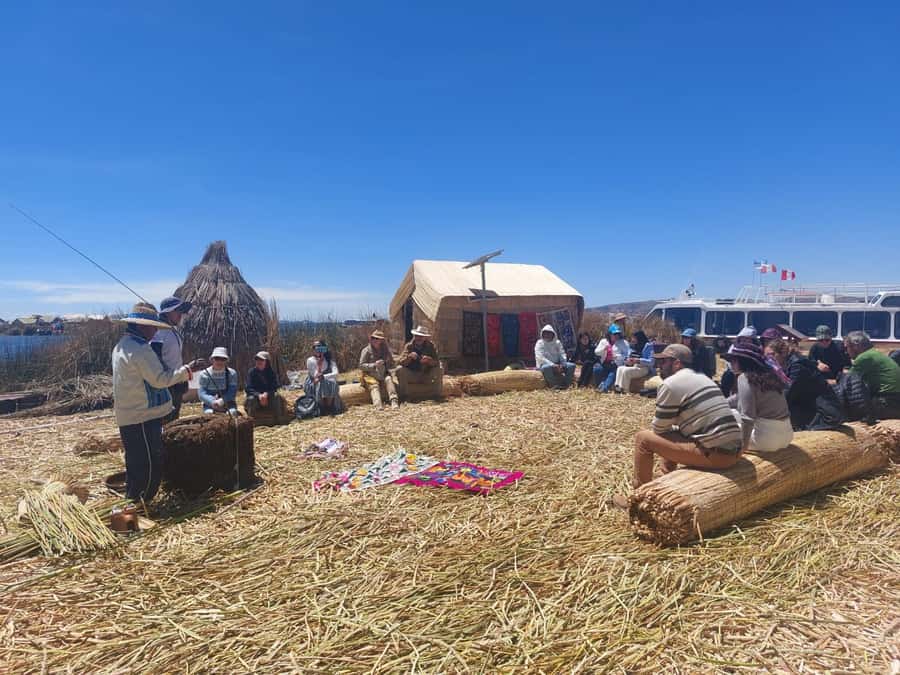
This outing is a good fit for first-time visitors to Puno who want to see the Uros Islands without committing to a longer Lake Titicaca trip. It also suits people with limited time, including those fitting a visit between hotel checkout and another scheduled activity.
Families may appreciate the short duration and the unusual setting. The floating platforms, reed boats, and lake journey give children something concrete to see, although everyone should wear comfortable shoes and protect themselves from the sun.
The tour is also useful for solo visitors. One person was able to enjoy the excursion while her sick husband stayed behind, with office staff helping look after their luggage. That is a specific example of helpful service, though you should contact the provider directly if you need special arrangements.
The activity is listed as wheelchair accessible, but the islands are walking sights with boat transfers. If you use a wheelchair, confirm the exact boarding and island arrangements before you go so the day matches your needs.
You may want a different experience if you dislike organized group visits, extra charges for optional activities, or short stops. You may also prefer a longer Lake Titicaca outing if your main goal is extended time with local communities rather than a quick introduction.
Practical Advice for a Better Visit
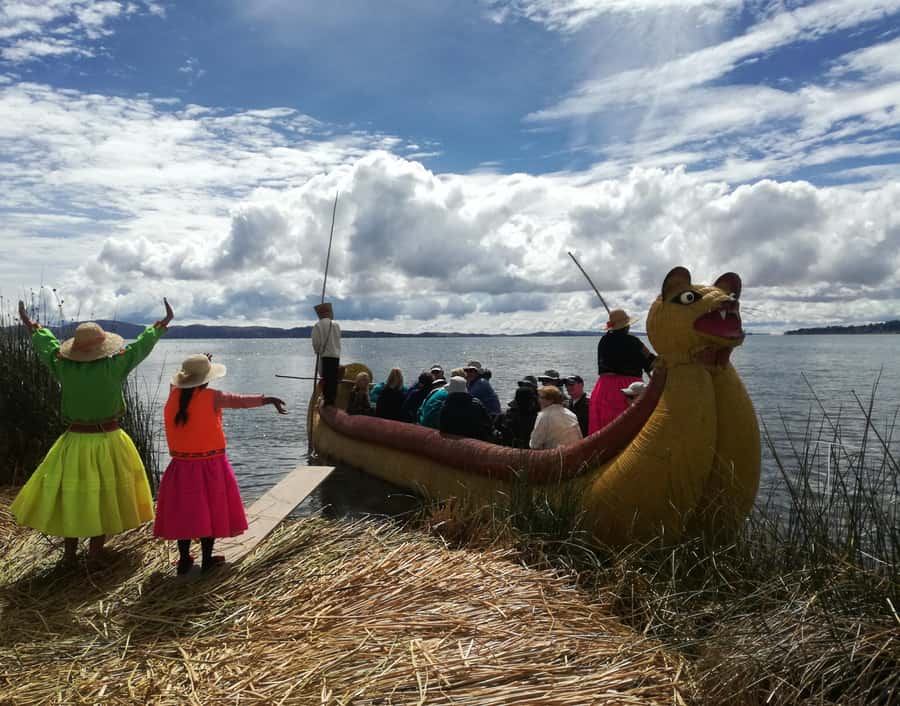
Wear comfortable clothes and shoes suitable for walking. The islands are built from reeds, and stable walking footwear will make the visit easier.
Bring a hat, sunscreen, and water. These are not minor extras at the lake. Sun protection is specifically recommended, and staying hydrated will make the boat and walking portions more comfortable.
Carry your camera, but use it thoughtfully. The floating platforms, reed boats, open water, and embroidered textiles offer unusual photographs. Ask before photographing people, and follow your guide’s advice about respectful behavior.
Smoking is not allowed. Keep the environment clean and avoid leaving anything behind on the islands or in the boat.
The tour accepts English and Spanish. If you do not speak Spanish, ask for an English-speaking guide when booking. A guide such as Roly can also help you learn a simple Aymara greeting, which adds a friendly touch to the visit.
Free cancellation is available up to 24 hours before the activity for a full refund, and you can reserve now while paying later. Starting times depend on availability, so check the schedule before planning connections from Puno.
Should You Book the Floating Islands of the Uros?
I would book this tour if you want an affordable, well-organized introduction to Lake Titicaca and have only a few hours. The included transport, entrance, boat, and guide make the $7 price hard to complain about, especially with guides such as Roly and Freddy receiving strong praise for their explanations and friendly approach.
Go in knowing that the visit is short and that the totora raft ride costs extra. If you want a longer cultural experience, more time to ask questions, or a slower pace, look for a longer Lake Titicaca program instead.
For most first visits to Puno, this is a sensible starting point. You see how the Uros use reeds, meet members of an Aymara-speaking community, and gain a clear picture of life on the floating islands without spending the whole day away from town.
FAQ
How long is the Floating Islands of the Uros tour?
The activity lasts about three hours, including transport from Puno, the ferry and van segments, the island visit, and the return journey.
Where does the tour begin?
Pickup is available from downtown Puno hotels, with transfer to Puno Port included.
How far are the Uros Islands from Puno?
The islands are located about 8 kilometers from Puno.
Is the totora reed raft ride included?
No. The totora reed raft ride is not included in the tour price and must be paid for separately.
What does the $7 price include?
The price includes downtown hotel transfers, entrance to the Uros Islands, the normal passenger boat, life jackets, a first aid kit, and an official guide in English or Spanish.
Are meals included?
No. Meals are not included.
What languages are available for the guided tour?
The tour offers live guides in English and Spanish.
What should I bring?
Bring a sun hat, sunscreen, water, a camera, comfortable clothing, and shoes suitable for walking.
Can I cancel the booking for a refund?
Yes. You can cancel up to 24 hours in advance for a full refund.
Just added in Puno
- Sun island and Copacabana | From Puno or La Paz / Day Trip★ 4.1 · 5 reviews
- Puno: History and Culture Walking Tour★ 4.1 · 13 reviews
- Puno: Uros and Taquile Islands Full-Day Tour with Lunch★ 4.5 · 17 reviews
- Puno: Lake Titicaca, Uros, and Taquile Full-Day Tour★ 4.5 · 4 reviews
- Puno: 3-hour trip to the floating Uros Islands★ 4.5 · 9 reviews
- Puno: 2 Day Visit to Uros, Amantani and Taquile★ 4.5 · 13 reviews
- Puno: Lake Titicaca Day Tour★ 4.5 · 17 reviews
- Lake Titicaca, Uros and Taquile Full-Day Tour★ 4.3 · 69 reviews
Lake Titicaca and the Uros Islands, compared.

From Puno: Uros, Amantaní & Taquile Islands 2-Day Tour
Read our review →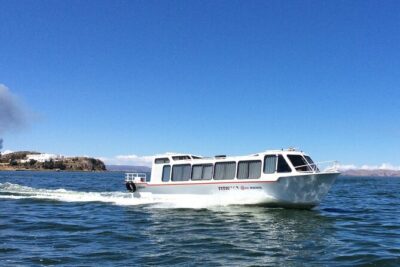
Tour to Uros and Taquile Islands in a Fast Boat
Read our review →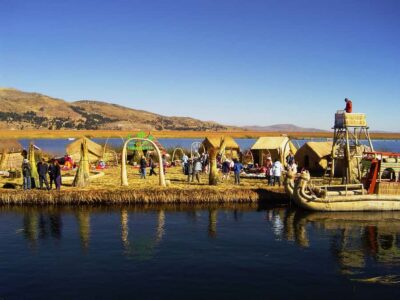
From Puno: Floating Islands of the Uros Half-Day Tour
Read our review →
10-Day Discover Peru: Lima, Arequipa, Puno, Cusco & Machu Picchu
Read our review →
Uros and Taquile Islands on New and Comfortable SpeedBoat
Read our review →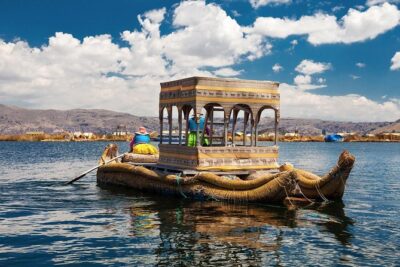
Lake Titicaca (Day Trip) Uros & Taquile Islands
Read our review →
Lake Titicaca 2-Day Tour to Uros, Amantani and Taquile
Read our review →Browse the lists this tour appears in