
Reviewed · MACHU PICCHU TOURS
From Cusco – 2-Day Tour to the Sacred Valley and Machu Picchu with Lunch
Machu Picchu is only half the story. This two-day trip pairs the citadel with Pisac and Ollantaytambo, giving you a useful look at Inca engineering, market life, terraces, and mountain valleys before the main event. I especially like the English and Spanish guiding, plus the small group limit of 15 people.
The $432 price covers Machu Picchu admission, trains, buses, one night in Aguas Calientes, guides, and hotel transfers. The catch is timing: train schedules can leave you waiting for hours, and some connections may end at Ollantaytambo rather than Cusco, followed by a long road transfer.
In This Review
- Key points to know before booking
- How the two-day plan works from Cusco
- Pisac gives you ruins, terraces, and a market
- Urubamba is the practical lunch stop
- Ollantaytambo explains Inca stonework
- The train to Aguas Calientes requires patience
- Aguas Calientes is an overnight base, not the main attraction
- Machu Picchu rewards the early alarm
- The included lunch is a real value
- The return journey may be the tiring part
- Is $432 a good price?
- Who will enjoy this fast-paced route?
- Should you book this Sacred Valley and Machu Picchu tour?
- FAQ
- How long is the tour?
- Is Machu Picchu entrance included?
- Are Pisac and Ollantaytambo entrance fees included?
- Is lunch included on both days?
- What languages are available?
- Is accommodation included?
- How many people can join the tour?
- Can I cancel or change the booking?
Key points to know before booking
- Pisac combines ruins and shopping: You visit high Inca terraces and stonework, then have time for ceramics, textiles, alpaca goods, jewelry, and souvenirs at the market.
- Ollantaytambo is more than a quick photo stop: Its terraces, temples, storehouses, and huge stonework help explain how the Incas built and defended their settlements.
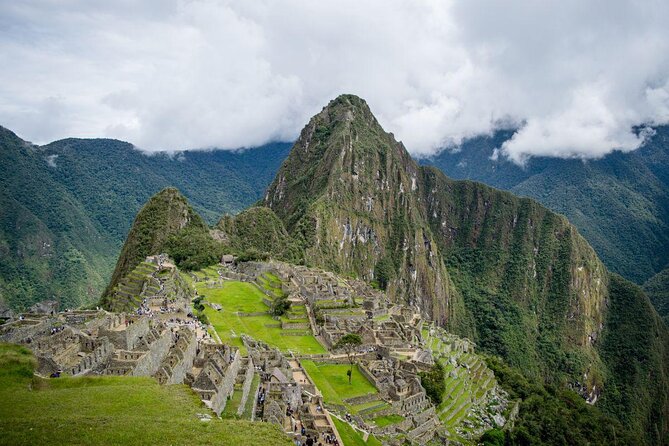
- Machu Picchu begins early: A guide meets you in Aguas Calientes, and the uphill bus ride leads to a guided visit of roughly several hours.
- The second-day lunch is included: Lunch at Chullos received especially warm praise for its quality.
- Train schedules shape the whole trip: Check every departure and arrival time before accepting your final arrangements.
- Admission costs are partly extra: Pisac and Ollantaytambo entrance fees together cost about $22 per person, while Machu Picchu admission is included.
How the two-day plan works from Cusco
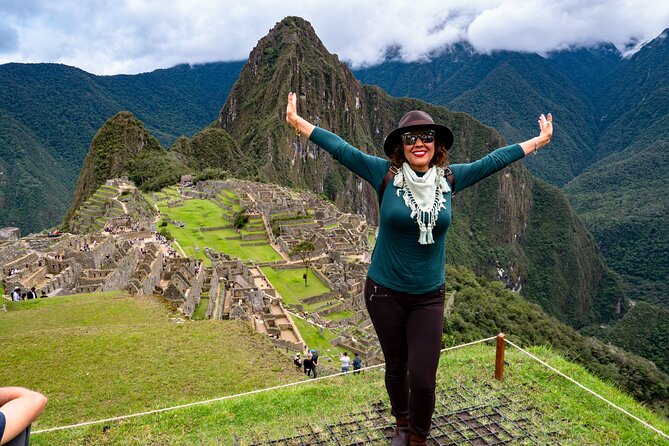
This is a fast, tightly packed introduction to the Sacred Valley and Machu Picchu. You leave your Cusco hotel at about 8:00 a.m. on the first day, visit two major Inca sites, continue by train to Aguas Calientes, and then start day two early for Machu Picchu.
The tour is offered in English or Spanish and has a maximum group size of 15. That is small enough for questions and personal attention, though your exact experience will depend on the guide and on how well the transport connections line up.
The trip is best for you if you want the major sights without arranging separate hotels, trains, buses, entrance tickets, and guides. It is less suitable if you dislike early starts, walking with luggage, or waiting between transport connections.
More Machu Picchu trips:
- Classic Inca Trail Trek 4D/3N to Machu Picchu (Group Service)
★ 5.0 · 8,653 reviews - Machu Picchu: 4-Day Inca Trail Trek with Panoramic Train Ride
★ 5.0 · 4,568 reviews - Short Inca Trail to Machu Picchu 2D/1N
★ 5.0 · 3,007 reviews
Pisac gives you ruins, terraces, and a market
Pisac is the first major stop, and it offers two very different experiences. Above the town, the Inca site spreads along the mountain with stone walls, agricultural terraces, irrigation works, and a cemetery described as the largest in the Inca Empire.
The climb to the viewpoints involves plenty of stairs. Clara, one of the Sacred Valley guides, was praised for taking her time, explaining the site clearly, and helping people who found the uphill sections difficult. You may not have enough time to reach every viewpoint, so tell your guide early if the upper terraces matter most to you.
The ruins show how the Incas used steep ground instead of trying to flatten it. The terraces were practical farming spaces, while the walls and irrigation systems reveal careful planning in a difficult setting. I find this a good opening to the trip because you see the relationship between agriculture, settlement, and mountain geography before arriving at Machu Picchu.
After the ruins, you have time at the Pisac craft market. Expect ceramics, woven goods, jewelry, Andean musical instruments, alpaca products, and ordinary souvenirs. The market is useful if you want to buy gifts early, but remember that every purchase becomes luggage for the train and the next day.
The stop lasts about three hours, including the archaeological area and market. Entrance to Pisac is not included, so budget about $22 per person for the combined Pisac and Ollantaytambo admission fees. The listed amount is approximate, and the two sites are treated as an extra cost.
Urubamba is the practical lunch stop
The road continues for about an hour through the Sacred Valley to Urubamba. Here you have about an hour for lunch at a local restaurant with several Peruvian dishes made from fresh local products.
This meal is not included in the tour price, so keep money available. The tour description does not specify one fixed menu or restaurant for this first-day meal, which means your choices may depend on the group and the local arrangement.
Urubamba is a useful pause between the morning ruins and the afternoon site. You can eat, rest your legs, and prepare for more walking. Do not confuse this lunch with the second-day meal at Machu Picchu, which is included.
Ollantaytambo explains Inca stonework
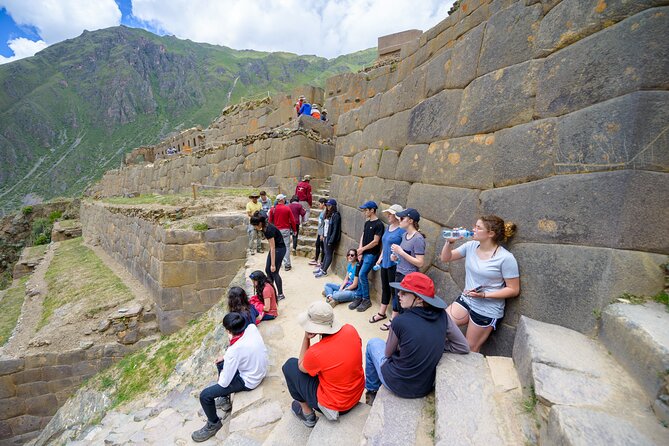
In the afternoon, the group visits the archaeological complex at Ollantaytambo. The site includes terraces, temples, storehouses, a large monolithic stone, and the remains of an Inca settlement still shaped by its original buildings.
This is one of the most worthwhile stops on the first day because the town itself is built over ancient Inca foundations. You are not only looking at isolated ruins. You are seeing how a living town occupies an older plan.
Ollantaytambo also lets you study the Incas’ stonework at close range. Massive blocks, carefully fitted walls, and terraces show the labor and precision behind the empire’s construction. The site is often physically demanding, with steps and uneven paths, so comfortable walking shoes will help.
The visit lasts about an hour. That is enough for a focused introduction, but it can feel short if you want to inspect every terrace or ask many questions. Entrance is not included in the $432 price, so account for the extra archaeological admission before you go.
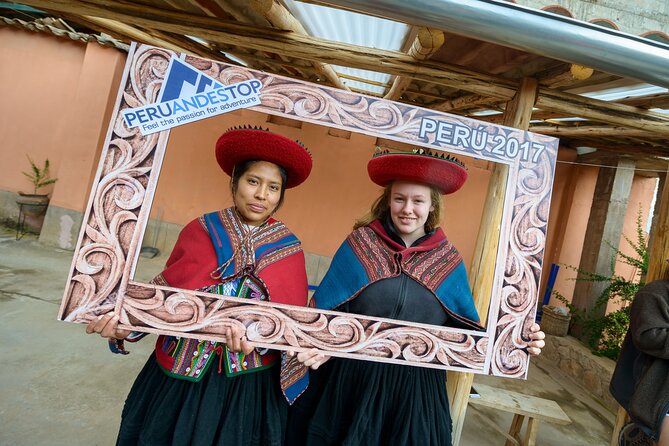
The Sacred Valley portion is conducted in English or Spanish. Clara received particular praise for her humor, patience, and ability to explain the sites in a personal way. Another guide, also called out positively, kept the day informative and enjoyable. Since the group can include up to 15 people, stay close to the guide when moving between the ruins and transport.
More Sacred Valley trips:
- From Cusco: Moray, Maras Salt Mines & Chinchero Weavers Tour
★ 4.8 · 1,925 reviews - 2-Day Tour: Sacred Valley and Machu Picchu by Train
★ 5.0 · 1,127 reviews - Cusco: Sacred Valley, Pisac, Ollantaytambo, Salt Mines Moray
★ 4.6 · 1,058 reviews - Cusco:Chinchero,Moray & Salt Mines drop-off in Ollantaytambo
★ 4.8 · 793 reviews
The train to Aguas Calientes requires patience
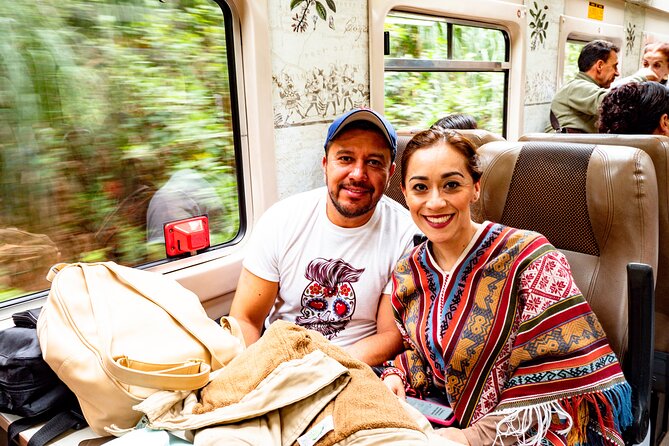
After Ollantaytambo, you board a train at the Ollantaytambo station for Aguas Calientes, the town below Machu Picchu. The train ride is listed at about two hours, though the full transfer experience includes getting to the station, waiting, and meeting staff on arrival.
This is where the tour can feel less polished. Some passengers were taken to the train station well before their own departure and had several hours to wait. Others were left near a town square and told to walk to the station, a walk that felt much longer after a full day on foot.
You should ask three questions before leaving Cusco:
- What time does my train leave Ollantaytambo?
- Where exactly will I be dropped off?
- How far must I walk with my luggage?
The walk to the station or hotel may be longer than expected, and roads in Aguas Calientes can be awkward for a rolling suitcase. One passenger reported an eight-minute walk from the train drop-off to the hotel in rainy conditions, while another described a 15 to 20-minute walk to the station. These details matter more at night, after Pisac and Ollantaytambo.
The company provides assistance in Aguas Calientes and includes one night of accommodation according to the option you choose. The accommodation has been described as basic or below average by some people, while others found it pleasant enough. Think of the hotel as a place to sleep before Machu Picchu, not as a feature that defines the trip.
Aguas Calientes is an overnight base, not the main attraction
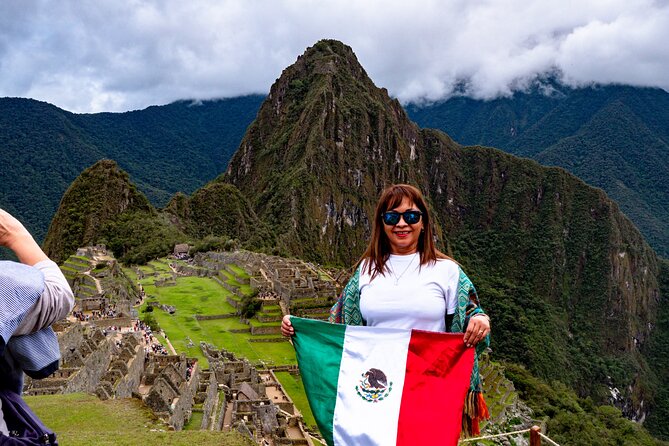
Aguas Calientes is a compact staging point for the next morning. The key benefit of staying there is simple: you are already near the bus departure area for Machu Picchu instead of making the long journey from Cusco before sunrise.
The accommodation level depends on the selected option. Ask what hotel category you are buying, and request a property close to the train station if carrying luggage is a concern. The tour includes 24-hour assistance, which is useful when train arrivals, hotel meetings, and early departures need coordination.
Your guide for Machu Picchu may be different from your Sacred Valley guide. Julio was praised for taking excellent photographs, while Edgar was noted for meeting the group promptly at 5:00 a.m. The names may change with the operating schedule, but the arrangement is clear: expect a new guide and an early start.
Machu Picchu rewards the early alarm
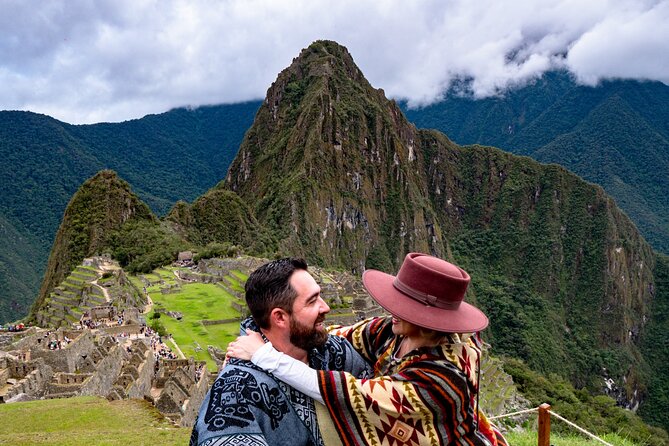
Day two begins with a hotel pickup and a bus to the Machu Picchu entrance. The bus climbs a winding route with views toward the Urubamba River and the canyon below.
The round-trip bus ticket is included, as is the entrance ticket to Machu Picchu and a guided visit. The citadel itself includes terraces, stairways, ceremonial areas, and urban sections. Your guide helps connect these features rather than leaving you to wander without context.
The Machu Picchu portion is listed as lasting about 12 hours because it includes the early pickup, bus transfers, guided visit, lunch, return to Aguas Calientes, train travel, and the transfer toward Cusco. The actual guided visit may finish around 11:00 a.m., depending on your entry time and route.
Do not assume you will have a private bus. At the Machu Picchu bus area, you may wait in the general line with your guide. One person reported waiting about an hour, despite expecting a private vehicle. The public bus system is part of the practical reality here, so build patience into your expectations.
You may have the option to stay longer inside Machu Picchu rather than returning immediately with the guide. Confirm this directly with your guide because the available time depends on the entry rules and your train departure. If you choose to leave with the guide, you might reach Aguas Calientes around 11:30 a.m. and still have several hours before your train.
The included lunch is a real value
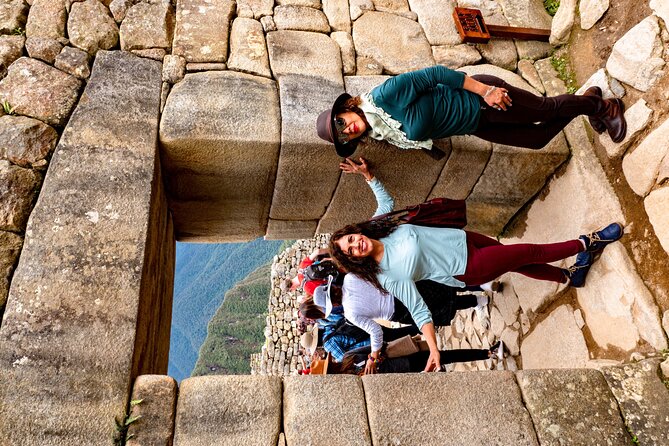
Lunch on the second day is included, and the meal at Chullos earned especially strong praise. It was described as the best tour lunch of a longer Peru trip, which is a meaningful compliment when the rest of the schedule is built around transport.
Lunch matters here because food near major sights can add up quickly. You still need to pay for lunch in Urubamba on day one, but having the second-day meal included makes the total price easier to justify.
Check the timing of lunch against your train ticket. A long gap in Aguas Calientes can be used for a relaxed meal, but it can also become dead time if your train leaves much later in the afternoon.
The return journey may be the tiring part
The package includes return train transportation, but the exact train option matters. Some return tickets go from Aguas Calientes only as far as Ollantaytambo, followed by a road transfer to Cusco. One person described the three-hour drive from Ollantaytambo to Cusco as particularly tiring.
Other arrangements have ended with a return to the Cusco hotel at the expected time. That difference is why I would not book based only on the phrase return train. Ask for the full route and the final Cusco arrival time.
Hotel transfers are included in the stated package, but the service has not always felt fully door to door. One passenger had to arrange and pay for a taxi when the driver would not continue to the hotel. If your hotel is outside the usual route, confirm the drop-off before departure.
Is $432 a good price?
At $432 per person, this is not a budget day trip, but it covers the expensive parts of a Machu Picchu visit. You receive a Sacred Valley tour, Machu Picchu admission, round-trip bus tickets between Aguas Calientes and the citadel, train tickets according to the selected option, one hotel night, professional guides, the second-day lunch, and transfers.
You still need to add the Sacred Valley entrance fees, about $22 for Pisac and Ollantaytambo, plus your first-day lunch. You may also need to budget for a taxi if the final hotel transfer does not reach your property.
The value is strongest if you want one company handling the main pieces. Buying the train, hotel, entrance ticket, bus, and guides separately can take time and makes mistakes more likely. The value is weaker if you want complete control over train times or prefer a better hotel.
The tour is booked an average of 56 days ahead, so planning early makes sense, especially because Machu Picchu entry and train availability affect the schedule. Confirm the option selected before paying, not just the headline price.
Who will enjoy this fast-paced route?
I would choose this tour if you have only two days, want both the Sacred Valley and Machu Picchu, and prefer help with the complicated transport chain. It also suits you if you value live explanations from a guide more than long, unstructured time at each site.
The tour can work for most people, but it includes stairs, uneven archaeological paths, early starts, station walks, and long periods of sitting or waiting. The description says most people can participate, but the physical effort should not be underestimated.
It is a good fit for a first visit to Cusco and Machu Picchu. It gives you a useful overview without asking you to build the entire trip yourself. It is not the best choice for someone who wants a slow Sacred Valley visit, a guaranteed premium hotel, or complete freedom to choose every train.
The cancellation terms are strict: the experience is non-refundable and cannot be changed for any reason. The Machu Picchu ticket portion is also not refundable if you cancel, so make sure your dates and passport details are correct before booking.
Should you book this Sacred Valley and Machu Picchu tour?
I would book it for the strong combination of sites, the helpful guides, the included Machu Picchu ticket, and the convenience of having the major arrangements made for you. Clara’s Sacred Valley guiding, the early Machu Picchu support from guides such as Edgar, and the well-liked Chullos lunch add genuine value.
I would book only after checking the train schedule, hotel name, luggage walking distance, and final transfer route. If the company gives you reasonable connection times and a return all the way to your Cusco hotel, $432 can be fair for a short, well-supported trip.
If your priority is comfort and control, arrange a slower itinerary with more time in Aguas Calientes and carefully chosen trains. If your priority is seeing Pisac, Ollantaytambo, and Machu Picchu in two days, this is a practical choice, provided you prepare for a busy schedule and a few transport surprises.
FAQ
How long is the tour?
The experience lasts approximately two days. Day one begins with hotel pickup at about 8:00 a.m. and ends with an overnight stay in Aguas Calientes. Day two includes Machu Picchu, lunch, the return train, and transport toward Cusco.
Is Machu Picchu entrance included?
Yes. The Machu Picchu entrance ticket and guided visit are included in the tour price.
Are Pisac and Ollantaytambo entrance fees included?
No. Entrance fees for Pisac and Ollantaytambo cost about $22 per person and are paid separately.
Is lunch included on both days?
No. Lunch in Urubamba on day one is not included. Lunch on day two is included.
What languages are available?
The Sacred Valley and Machu Picchu tours are offered in English or Spanish.
Is accommodation included?
Yes. The package includes one night of accommodation in Aguas Calientes, based on the option selected.
How many people can join the tour?
The maximum group size is 15 people.
Can I cancel or change the booking?
No. The experience is non-refundable and cannot be changed for any reason. The portion covering the Machu Picchu entrance ticket cannot be refunded after cancellation.
Just added in Cusco
- Cusco Private Transportation for 2026★ 5.0 · 4 reviews
- Private Transfer from Airport to Hotel in the City of Cusco★ 4.0 · 5 reviews
- Best Cusco walking tour: dinner street food tasting★ 4.5 · 11 reviews
- Private Tour to Pisac Market and Pisac Ruins★ 5.0 · 4 reviews
- Machu Picchu Day Trip With Panoramic Train from Cusco★ 5.0 · 10 reviews
- Sacred Valley of the Incas Tour★ 5.0 · 12 reviews
- Private Tour of the Mountain of Colours by Quad★ 5.0 · 7 reviews
- Sacred Valley Private Tour from Cusco, Guide and Driver only★ 5.0 · 4 reviews
Machu Picchu Tours, compared.
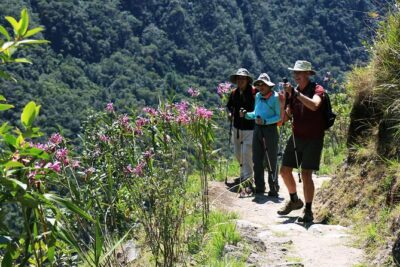
Classic Inca Trail Trek 4D/3N to Machu Picchu (Group Service)
Read our review →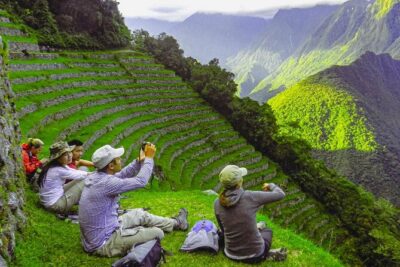
2-Day Inca Trail to Machu Picchu with Panoramic Train
Read our review →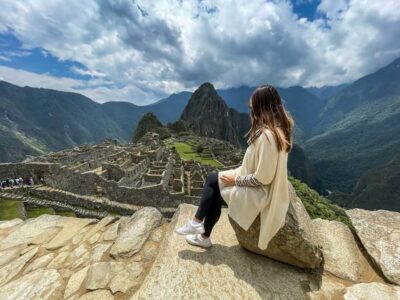
From Cusco: Full-Day Group Tour of Machu Picchu
Read our review →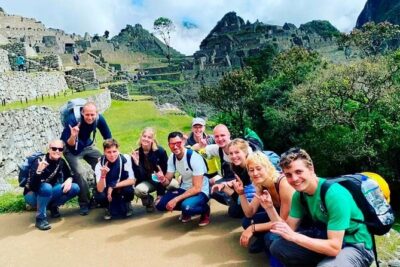

2-Day Tour: Sacred Valley and Machu Picchu by Train
Read our review →
Machu Picchu: Full-Day Tour from Cusco with Optional Lunch
Read our review →
Machu Picchu Full Day from Cusco by Panoramic Train
Read our review →Browse the lists this tour appears in