Reviewed · SACRED VALLEY TOURS
From Cusco: Chinchero Weavers, Moray, Maras Salt Mines Tour
Three Andean sights, one busy morning. This half-day trip from Cusco packs a lot into five to six hours: a traditional weaving workshop in Chinchero, the strange circular terraces of Moray, and the bright salt pools at Maras. I like the excellent value at $14 and the way a bilingual guide turns three very different stops into a connected lesson about Andean farming, craft, and daily life.
I also like the compact format. You return to central Cusco with much of the afternoon free, and the road itself brings broad views toward the Chicon and Pitusiray Mountains. Guides such as Angela, Jenny, Clara, Jorge, and Wilbert have earned especially warm praise for clear explanations and friendly help.
The trade-off is time. Chinchero receives about 45 minutes, and that can feel short if textiles are your main reason for booking. Add the Moray and Maras entrance fees, bring cash, and remember that mountain roads can be rough enough to bother anyone with back trouble.
In This Review
- Key points to know before booking
- Why this half-day route works from Cusco
- Chinchero weaving: a short lesson in living tradition
- Moray’s circular terraces and careful water control
- Maras Salt Mines: the most striking stop
- The Maras workshop and the long ride home
- Guides, languages, and group size
- Cost, cash, and what to bring
- Who should book this outing?
- Should you book the Chinchero, Moray, and Maras tour?
- FAQ
- How long does the Chinchero, Moray, and Maras tour last?
- What is included in the tour price?
- How much does the tour cost?
- How much are the entrance fees?
- Is the Chinchero archaeological site included?
- Is food included?
- Where does the tour meet?
- Is hotel pickup available?
- Are private or small-group options available?
- What should I bring?
- Can weather affect the tour?
Key points to know before booking
- Chinchero is a textile lesson, not a long market visit: You see how alpaca fiber is prepared, dyed, and woven, but workshop time can feel rushed if you want to shop.
- Moray gives you Inka engineering in a compact setting: The circular terraces show careful planning for agriculture and water control.
- Maras is the visual high point: Hundreds of small salt pools spread across the mountainside, fed by a natural spring.
- The low price has limits: The $14 tour fee does not include S/70 for Moray or S/20 for the salt mines.
- The guide matters greatly: Angela, Jenny, Clara, Jorge, Wilbert, and others have been praised for warm bilingual guiding and useful historical detail.
- This is best for active half-day sightseers: Expect walking, uneven ground, mountain roads, and limited time at each stop.
Why this half-day route works from Cusco
Cusco is surrounded by major sights, but arranging separate transport to Chinchero, Moray, and Maras can take time and cost far more than the advertised tour price. This outing handles the long connections by van and gives you a guide at each main stop.
The day usually begins with pickup from a downtown hotel or a meeting point near the Inka Altitude office. If you stay in a private accommodation, send the address and phone number in advance. The guide may ask you to meet nearby, and finding a private address can add 10 to 15 minutes.
The route is not a gentle city excursion. You spend roughly an hour reaching Chinchero, then about 30 to 40 minutes between the main sights, followed by a drive of about an hour and a half back to Cusco. Still, the half-day timing is useful. You can fit this outing around another Cusco plan without giving up an entire day.
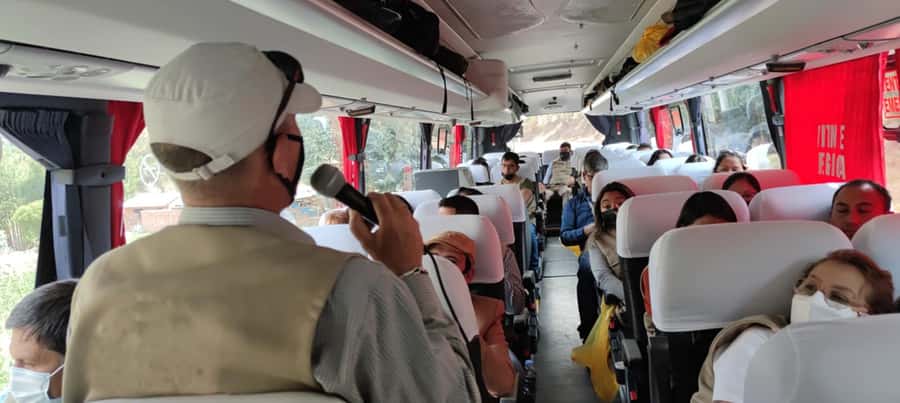
Transportation is included, and several people have found the van comfortable. Vehicle quality can vary, though. One account praised the bus as the best used on several excursions, while another noted that the air conditioning was not working well. Expect practical group transport rather than a luxury coach.
More Sacred Valley trips:
- From Cusco: Moray, Maras Salt Mines & Chinchero Weavers Tour
★ 4.8 · 1,925 reviews - 2-Day Tour: Sacred Valley and Machu Picchu by Train
★ 5.0 · 1,127 reviews - Cusco: Sacred Valley, Pisac, Ollantaytambo, Salt Mines Moray
★ 4.6 · 1,058 reviews
Chinchero weaving: a short lesson in living tradition
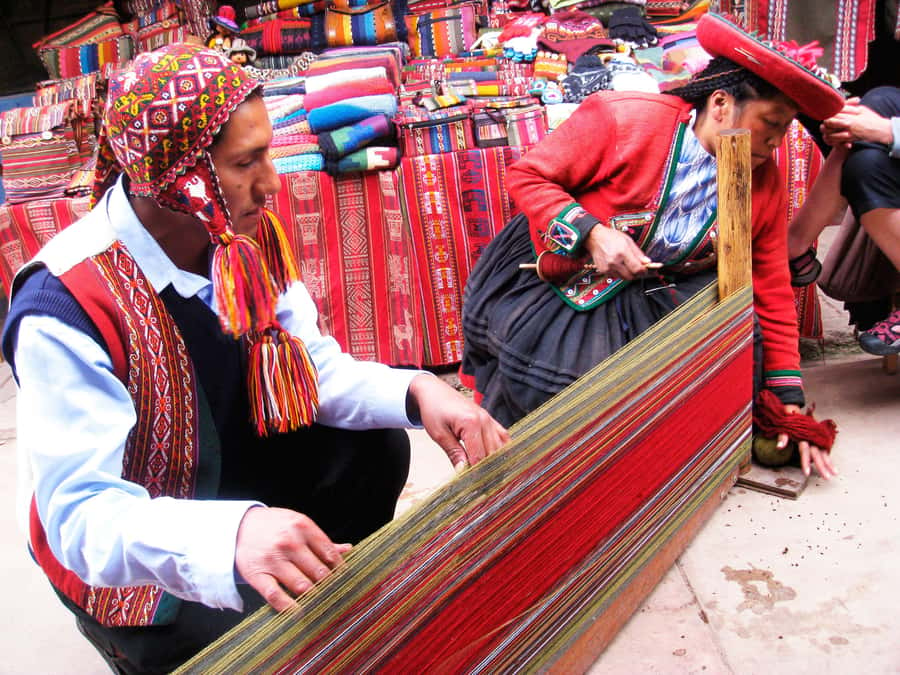
Chinchero is the first meaningful stop, reached after about an hour on the road. You visit a traditional family workshop and see how Andean textiles are made. The demonstration can cover alpaca fiber, spinning, natural dyes, and the weaving process.
This stop gives the tour a human side that an archaeological site cannot provide. Moray and Maras show what earlier societies built, while Chinchero shows how craft knowledge continues in local families. The process is not simply decorative. It reflects patient handwork, local materials, and techniques passed through generations.
You may also receive coca tea at the workshop, a welcome touch at altitude. Snacks and drinks are not included, so the tea should not replace your own water and food planning.
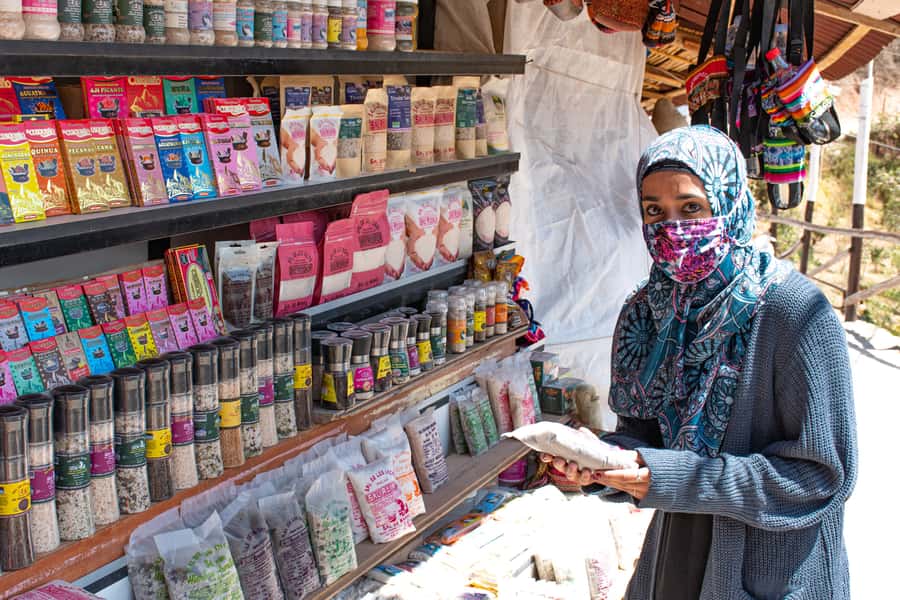
The main caution is the schedule. The official stop is around 45 minutes, and part of that time can include a workshop or store. The local shops do not charge an entrance fee, and you are not required to buy anything. Still, the setup is clearly designed to give you a chance to purchase textiles, alpaca goods, blankets, and other crafts.
That can be useful if you want an introduction to Andean weaving and a convenient place to compare products. It is less useful if you hoped for a long, unhurried look at village life. I would not book this route mainly for shopping in Chinchero. If textiles are your central interest, you may prefer a private taxi arrangement that gives you more control over timing, though that is a different kind of day.
Prices can also be higher in workshop settings than in Cusco. One practical approach is to enjoy the demonstration first, inspect the workmanship, and buy only if the item and price suit you. The craft deserves respect, but you do not need to purchase something to justify the visit.
Moray’s circular terraces and careful water control
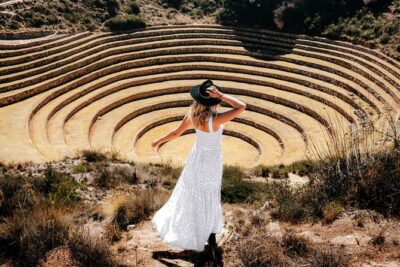
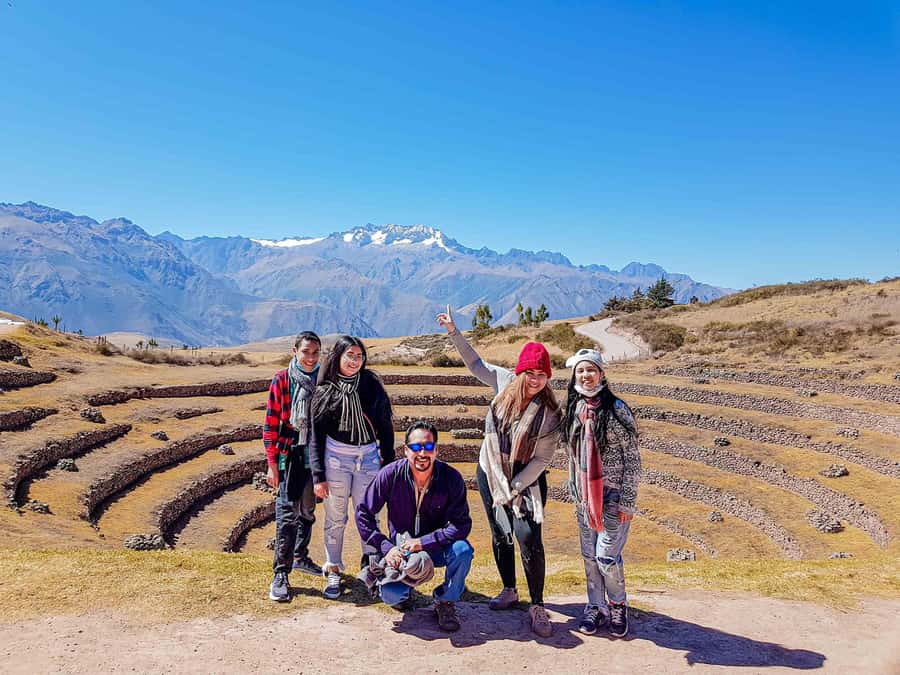
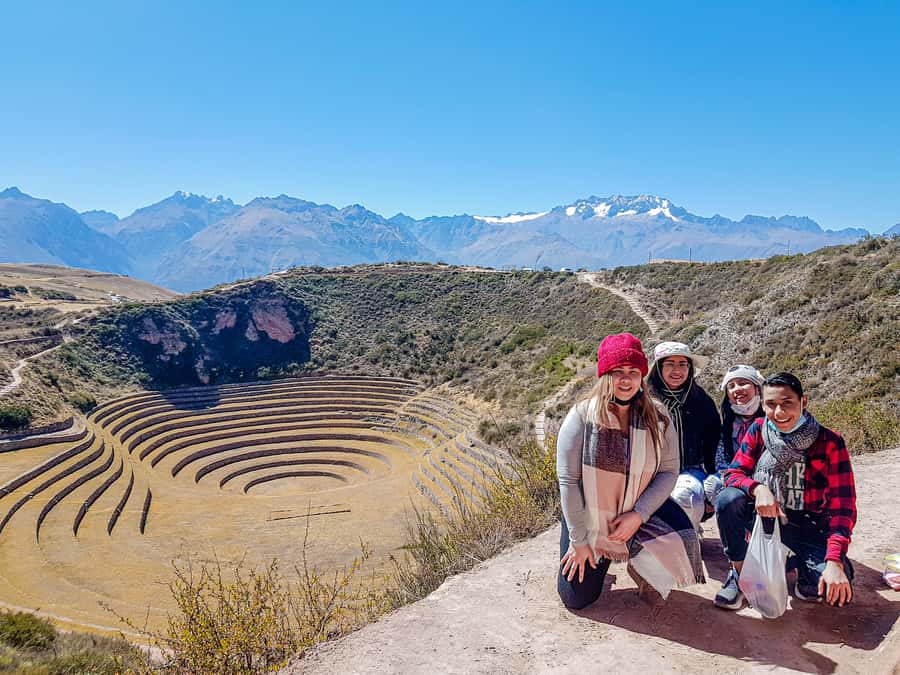
After Chinchero, the van continues for roughly 30 to 40 minutes to Moray. Here, broad agricultural terraces descend in precise circles into a natural depression. The shape is unusual enough to look almost theatrical, but the site is valuable because it shows how carefully the Inka adapted farming to difficult terrain.
Your guide explains the terraces and the irrigation system that supplied water to the area. The stop lasts about 45 minutes, usually enough for a guided walk, photographs, and a clear explanation of how the site worked.
I find Moray most rewarding when you listen for the practical details. The terraces were not just built to look impressive. They formed an organized agricultural space in a rare topographical setting, supported by engineered water management. The site helps connect Inka architecture with food production and planning.
The emotional impact will depend on what else you have seen in the Cusco Region. After Machu Picchu and other large Inka sites, Moray may feel quieter and less dramatic to you. That is not a fault, but it is worth knowing. Moray is more about form, purpose, and engineering than grand stone walls.
Wear shoes with a firm sole. Comfortable footwear is specifically advised, and the combination of uneven ground, altitude, and a quick schedule makes sandals a poor choice. Sunglasses, sunscreen, and water are also sensible because the open site offers little shelter in the information provided.
The Moray archaeological entrance fee is not part of the $14 tour price. You can purchase it on the day for S/70 in cash. That extra charge changes the real cost of the outing, especially if you are watching your budget. Even so, the total remains reasonable for transport, a bilingual guide, and three destinations.
Maras Salt Mines: the most striking stop
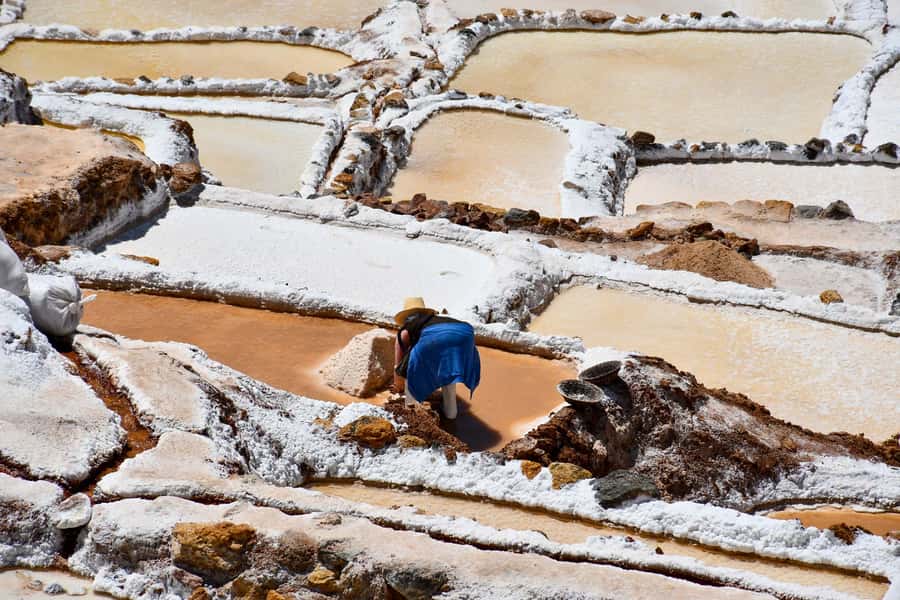
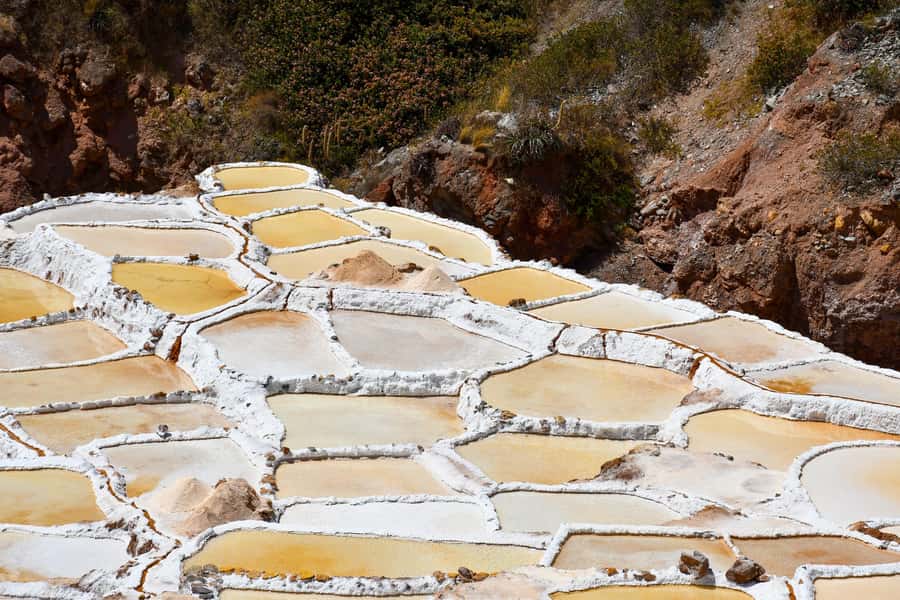
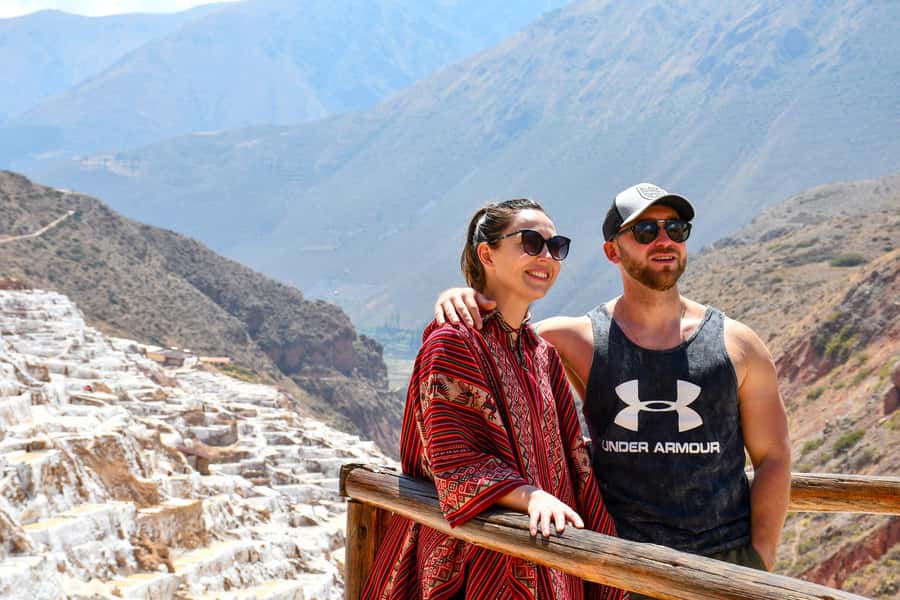
From Moray, you continue toward the Maras Salt Mines. The drive takes roughly 40 minutes in the stated route, followed by a guided visit of about 45 minutes. The salt terraces cling to the mountainside in a striking pattern, fed by a saltwater spring high above.
The spring has been channeled into roughly 1,000 small pools. On sunny days, water evaporates and leaves salt behind. The technique reaches back to pre-Inka times, making this more than a scenic viewpoint. It is a working example of how local people have used a natural water source over many centuries.
The pools vary in color and appearance, and the whole site creates a strong contrast with the surrounding mountains. This is where I would keep your camera ready, but also listen to the guide. The real interest is the simple system: spring water, shallow pools, sunlight, and careful collection.
Weather can change the experience. Rain, landslides, or road conditions may prevent access to the salt pools. One outing was unable to reach the salt flats because of landslides, while the other stops remained open. The operator cannot control weather conditions, so treat the salt mines as a likely highlight rather than an absolute guarantee.
The salt mine entrance costs S/20, payable in cash on the day. You may also have a chance to buy salt products nearby. If you want coffee, one useful shopping tip is to consider the store before the mine, while salt itself may be better purchased at the site.
More things to do in Cusco:
- Classic Inca Trail Trek 4D/3N to Machu Picchu (Group Service)
★ 5.0 · 8,653 reviews - Cusco: Rainbow Mountain and Red Valley Day Trip with Meals
★ 4.9 · 4,893 reviews - Machu Picchu: 4-Day Inca Trail Trek with Panoramic Train Ride
★ 5.0 · 4,568 reviews - Salkantay Classic Trek 5 Days from Cusco
★ 5.0 · 4,062 reviews
The Maras workshop and the long ride home
The route includes another stop in Maras, listed as about 20 minutes for shopping or a workshop. This is a short commercial stop, so keep your expectations in check. It can be handy for a quick purchase or restroom break, but it adds to the feeling that the tour is moving from one scheduled point to the next.
Afterward, the van returns to Cusco in about an hour and a half. Drop-off is near the Main Plaza de Armas, commonly listed as C. Plateros 365 in the historic center. That central ending makes it easy to continue with dinner, a museum, or a quiet afternoon at your hotel.
Road quality is worth considering. Several people have found the transport smooth and well organized, but one direct warning described unpaved roads as hard on the back and body. I would avoid this tour if you have serious back problems, limited mobility, or difficulty walking on uneven surfaces. The experience is also not recommended for people with visual impairments or anyone over 220 pounds, or 100 kilograms, according to the stated restrictions.
Guides, languages, and group size
The tour is offered in English and Spanish, with a live bilingual guide. The quality of the guiding is one of its strongest features. Angela has been praised for warmth, clear English explanations, and her ability to keep both languages moving. Jenny is known for answering questions, translating carefully, and adding humor. Clara, Jorge, Wilbert, and other guides have also been singled out for kindness and strong local knowledge.
That matters here because the sights are easy to photograph but less easy to understand at a glance. Without explanation, Moray is simply a series of circles, and Maras is a collection of white pools. A good guide explains the agricultural purpose, water systems, textile process, and cultural setting.
Private and small-group options are available, but group size can vary. One group had 19 people and still found the pace manageable, while other outings may feel more personal. If you want long photo sessions or extra time at Chinchero, ask about the group format before paying.
Bilingual tours can also take slightly longer at each explanation because information is given in two languages. That is not a problem, but it helps explain why some stops feel brief. The best guides make the process feel natural and keep the group together.
Cost, cash, and what to bring
At $14 per person, this is an unusually inexpensive way to connect three sights outside Cusco. The price covers transportation, a bilingual guide, hotel pickup when available, and drop-off in central Cusco. For a five to six hour outing, that is strong value.
The important catch is the site fees:
- Moray: S/70, cash, purchased on the same day
- Maras Salt Mines: S/20, cash, purchased on the same day
- Food and drinks: not included
- Chinchero archaeological site: not included
That makes cash essential. Bring enough Peruvian soles for both entrances, shopping, snacks, and any extra purchases. A passport or ID card is also listed among the items to bring.
Pack water, sunscreen, sunglasses, snacks, and comfortable shoes. You are moving between open mountain sites, workshop spaces, and a van, so layers are sensible even though clothing guidance is not formally specified. Pets are not allowed.
Free cancellation is available up to 24 hours before departure for a full refund, and you can reserve while paying later. Starting times vary, so check availability carefully. Pickup applies to downtown hotels, not automatically to every private address.
Who should book this outing?
I would choose this tour if you want a low-cost introduction to several sides of the Cusco Region in one morning. It suits first-time visitors who want archaeology, craft, mountain views, and a memorable working site without committing to a full-day excursion.
It also works well after a major trek or long Machu Picchu day, when you want something shorter. One of the appealing features is that you can see three distinctive places and still have time left in Cusco.
I would hesitate if your priority is a slow textile visit. Chinchero is brief, and the workshop setting includes shopping. I would also think twice if you dislike rough roads, dislike group schedules, or need long periods to rest.
The route is not ideal for anyone with back problems, mobility impairments, visual impairments, or a body weight above the stated 100-kilogram limit. The walking is not presented as a demanding hike, but the road conditions and uneven sites still require basic physical comfort.
Should you book the Chinchero, Moray, and Maras tour?
Book it if you want maximum variety for a very low base price and can accept a brisk pace. The salt pools are striking, Moray gives you a useful look at Inka agricultural planning, and Chinchero adds a living craft tradition. A good guide can make the whole route much more than a sequence of photo stops.
Skip it if you want deep time at one place, especially Chinchero. In that case, arrange a more flexible private ride. For everyone else, bring cash, water, sensible shoes, and modest expectations about workshop shopping. At $14 before entrance fees, this is one of the more practical half-day ways to get beyond central Cusco.
FAQ
How long does the Chinchero, Moray, and Maras tour last?
The tour lasts about five to six hours, including transportation between Cusco and the three main stops.
What is included in the tour price?
The price includes transportation, a bilingual English and Spanish guide, hotel pickup where available, and drop-off in central Cusco.
How much does the tour cost?
The listed price is $14 per person. Moray and the Maras Salt Mines charge separate entrance fees.
How much are the entrance fees?
Moray costs S/70, and the Maras Salt Mines cost S/20. Both fees can be paid on site in cash on the day of the tour.
Is the Chinchero archaeological site included?
No. The Chinchero archaeological site is not included in this experience.
Is food included?
No. Food and drinks are not included. Bring water and snacks.
Where does the tour meet?
The meeting point is in front of the Inka Altitude office door. The guide will call your name there. The listed coordinates are -13.5179344920558, -71.98077874414726.
Is hotel pickup available?
Pickup is available from downtown hotels in Cusco. If you stay in a private accommodation, provide the address and phone number so the operator can give you a nearby meeting point.
Are private or small-group options available?
Yes. The experience is available as a private or small-group tour, depending on the selected option.
What should I bring?
Bring your passport or ID card, comfortable shoes, sunglasses, sunscreen, water, snacks, and cash. Pets are not allowed.
Can weather affect the tour?
Yes. Weather conditions or landslides can prevent access to the salt mines. The local partner does not accept responsibility for changes caused by weather.
Just added in Cusco
- Cusco Private Transportation for 2026★ 5.0 · 4 reviews
- Private Transfer from Airport to Hotel in the City of Cusco★ 4.0 · 5 reviews
- Best Cusco walking tour: dinner street food tasting★ 4.5 · 11 reviews
- Private Tour to Pisac Market and Pisac Ruins★ 5.0 · 4 reviews
- Machu Picchu Day Trip With Panoramic Train from Cusco★ 5.0 · 10 reviews
- Sacred Valley Private Tour from Cusco, Guide and Driver only★ 5.0 · 4 reviews
- Sacred Valley of the Incas Tour★ 5.0 · 12 reviews
- Private Tour of the Mountain of Colours by Quad★ 5.0 · 7 reviews
Sacred Valley Tours, compared.
From Cusco: Sacred Valley & Maras Salt Mines Tour with Lunch
Read our review →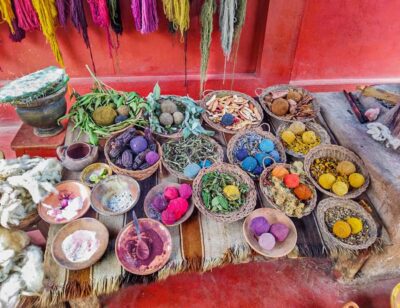
From Cusco: Moray, Maras Salt Mines & Chinchero Weavers Tour
Read our review →
2-Day Tour: Sacred Valley and Machu Picchu by Train
Read our review →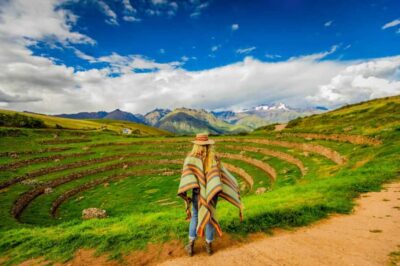
Sacred Valley, Pisac, Ollantaytambo, Salt Mines Moray
Read our review →
Chinchero,Moray & Salt Mines drop-off in Ollantaytambo
Read our review →
Sacred Valley and Maras Moray Tour with Full Day Buffet Lunch
Read our review →