Reviewed · SACRED VALLEY TOURS
From Cusco: Moray, Maras Salt Mines & Chinchero Weavers Half-Day
Three very different Andean sights fit into one day. This tour works because it combines Chinchero’s textile traditions, Moray’s striking Inca terraces, and the Maras salt pools without the cost of a private vehicle. I especially like the strong mix of culture and scenery, and I like the guides’ clear explanations, with Felipe, Julio, Manuel, Eddie, and others praised for making the history easy to follow. The main drawback is simple: a full vehicle, long road time, and no meal stop can make six or seven hours feel tiring.
At $15.20 per person, the price looks remarkably low for hotel pickup, transport, and a bilingual guide. You will need to add the entrance fees for Moray and the salt mines, bring food and water, and arrange your own way from the final drop-off near Cusco’s Plaza de Armas. This is a busy but worthwhile introduction to the Sacred Valley area, especially if you have only half a day available.
In This Review
- The main reasons to consider this tour
- Starting in Cusco at 3,762 meters
- Chinchero: weaving, Quechua customs, and a sales stop
- Moray’s circular terraces and Inca agricultural thinking
- Maras salt pools: the most striking stop
- Why the guide can make or break the day
- Timing, food, and the return to Cusco
- What the $15.20 price really covers
- Who should book this half-day outing?
- Should you book it?
- FAQ
- What time does the tour pick me up in Cusco?
- How long does the experience last?
- Where does the tour end?
- Are the Moray and Maras entrance fees included?
- Is food included?
- What places does the tour visit?
- Is a guide included?
- How many people can join the tour?
- Can I cancel for a refund?
The main reasons to consider this tour
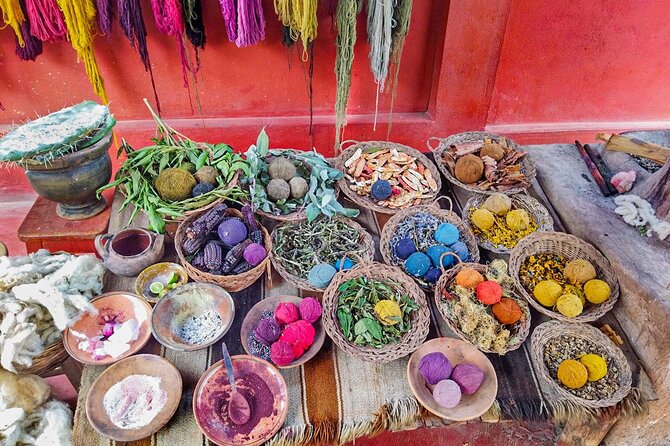
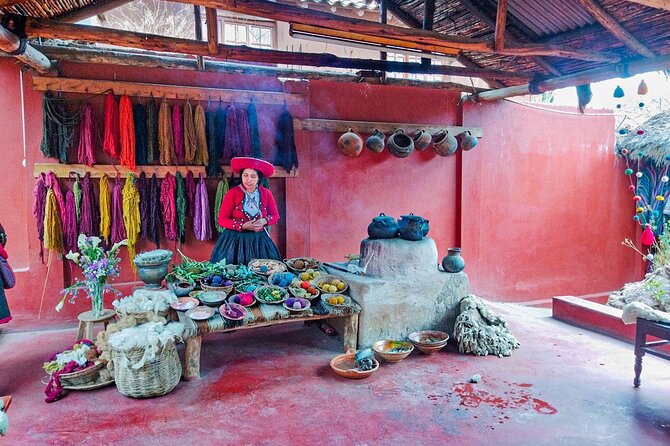
- Chinchero shows living Quechua craft traditions: See natural dyes made from plants and learn how alpaca and llama wool is prepared.
- Moray explains Inca farming in a memorable way: Huge circular terraces create a dramatic view and raise questions about crop testing and climate.
- Maras is the visual highlight: About 3,000 small salt pools spread across the mountainside, fed by a natural saltwater spring.
- Guides add real value: Felipe, Julio, Manuel, Eddie, and other guides are praised for clear English and Spanish explanations, local stories, and help with photos.
- The timing suits a tight schedule: Pickup is around 8:20 to 8:40 a.m., with return near the Plaza de Armas around 3:15 p.m.
- The low base price has important extras: Moray costs $19 or 70 soles, and the salt mines cost $6 or 20 soles.
Starting in Cusco at 3,762 meters
Pickup takes place at your hotel between 8:20 and 8:40 a.m. From there, the minibus heads toward Chinchero, which sits at about 3,762 meters. That altitude matters. If you have just arrived in Cusco, take the morning slowly, drink water, and avoid treating this as a casual lowland outing.
The tour includes hotel pickup, transportation, and a bilingual guide. It does not include breakfast, lunch, tips, or hotel drop-off. The vehicle is the practical part of the deal, not the luxurious part. One passenger found a full minibus uncomfortable, while another described the bus as comfortable. Both experiences are believable because comfort will depend on the vehicle and how full it is.
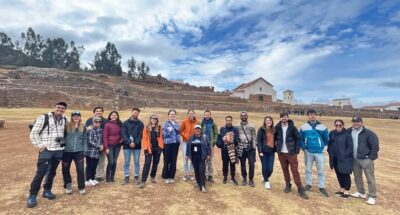
The advertised maximum is 16 people. One account described a group of about 20, so I would confirm the expected group size before booking if personal space matters to you. A smaller group makes it easier to hear the guide, move through stops on time, and get help with photographs.
The road views are part of the experience. One person especially enjoyed the scenery seen from the vehicle, so do not treat the transfers as dead time. Still, the schedule depends on everyone returning to the minibus promptly. If you dislike fixed group timing, this may feel rushed.
More Sacred Valley trips:
- From Cusco: Moray, Maras Salt Mines & Chinchero Weavers Tour
★ 4.8 · 1,925 reviews - 2-Day Tour: Sacred Valley and Machu Picchu by Train
★ 5.0 · 1,127 reviews - Cusco: Sacred Valley, Pisac, Ollantaytambo, Salt Mines Moray
★ 4.6 · 1,058 reviews
Chinchero: weaving, Quechua customs, and a sales stop
The first full stop is Chinchero, where you spend about an hour. The visit includes part of the town, a traditional market, and an Andean textile center. The market is associated with bartering, an old exchange custom that gives you a useful glimpse of local commerce beyond ordinary souvenir shopping.
The textile demonstration is the cultural heart of this stop. Local weavers explain how plant materials create different colors and how wool is prepared and dyed. You may also be invited to wear Andean clothing for photographs, and the center may include llamas and alpacas. One account also described trying coca leaves and seeing a traditional drink, though these details may vary by guide or day.
I value this stop because it explains the work behind the bright textiles sold throughout Cusco. You are not simply looking at finished hats, scarves, and blankets. You see part of the process and learn how Quechua traditions remain active in the region.
Keep your expectations measured. This is not a long walk through the whole town of Chinchero. The visit focuses on the textile center, and the demonstration can be brief before the sales portion begins. One person felt that the presentation lasted about 15 minutes and then shifted strongly toward selling goods.
That does not make the stop worthless, but it helps you decide how to approach it. Listen to the dye explanation, ask which items are made from alpaca, and check the material labels. The center has been praised for being clear about products that combine alpaca with acrylic. If you want authentic handmade goods, this is a useful place to compare quality, but do not feel obliged to buy.
Moray’s circular terraces and Inca agricultural thinking
From Chinchero, the minibus continues to Moray, about 3,450 meters above sea level, or roughly 11,318 feet. You have about an hour here, including time for the guide’s explanation and photographs.
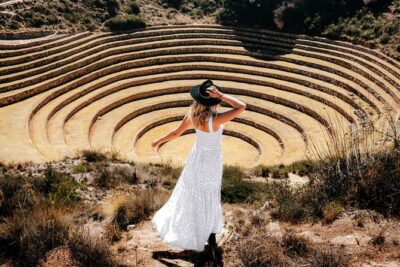
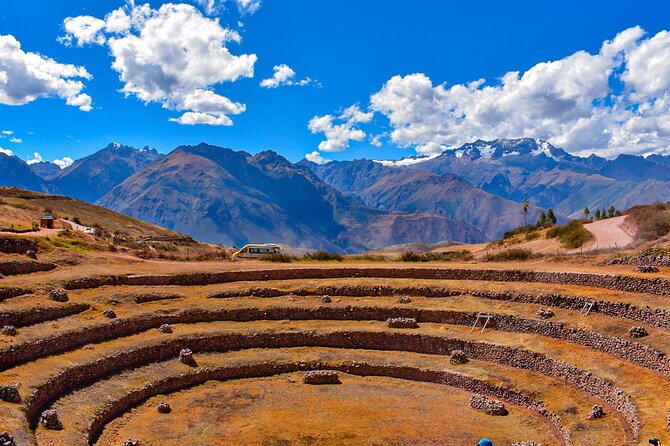
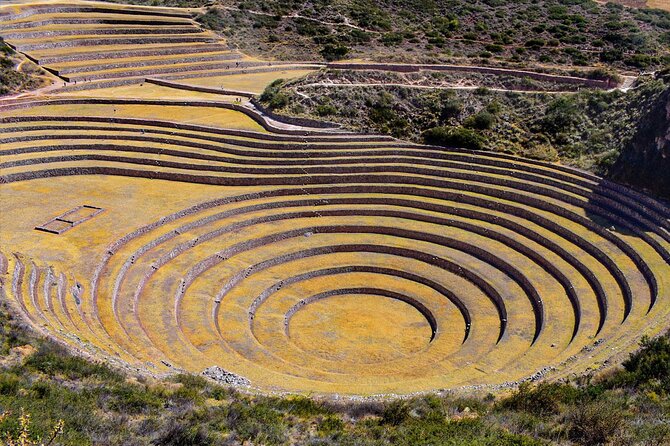
Moray is made up of large circular terraces cut into a natural bowl. The lower levels sit far below the surrounding ground, creating one of the most unusual archaeological views near Cusco. The terraces include irrigation features, and the site is often understood as a place where the Incas studied growing conditions for different crops.
The useful idea here is not simply that the Incas built impressive stonework. Moray shows careful attention to altitude, moisture, sun, and temperature. The different terrace levels produced small climate changes, allowing crops to be grown in conditions that would normally be difficult.
Your guide makes a big difference at Moray. Without context, you may see a set of enormous circles and take a few photographs. With a good explanation, the site becomes an example of practical farming research and engineering. Felipe was particularly praised for telling engaging stories and explaining both ancient and modern life in the Cusco region.
The entrance fee is separate from the tour. The stated cost is $19 or 70 soles. Bring soles if you have them, since the local-currency price may be easier to manage on the day. The stop is not physically described in detail, so anyone concerned about walking conditions should ask the operator for current information before booking.
Moray also gives you excellent mountain views. One account noted the sight of Andean glaciers behind the terraces. Allow a few minutes to look beyond the archaeological site itself. The setting is part of what makes the visit memorable.
Maras salt pools: the most striking stop
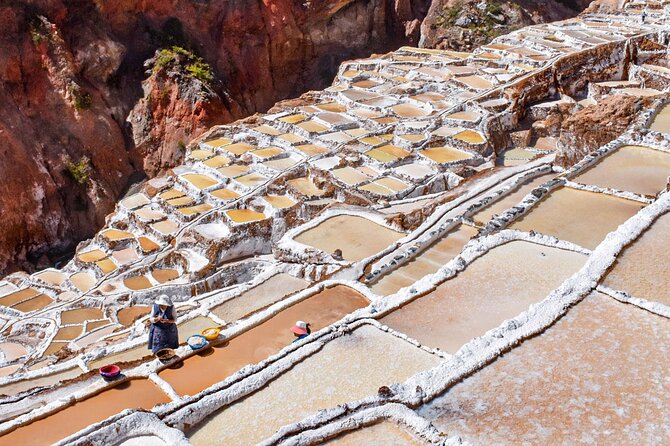
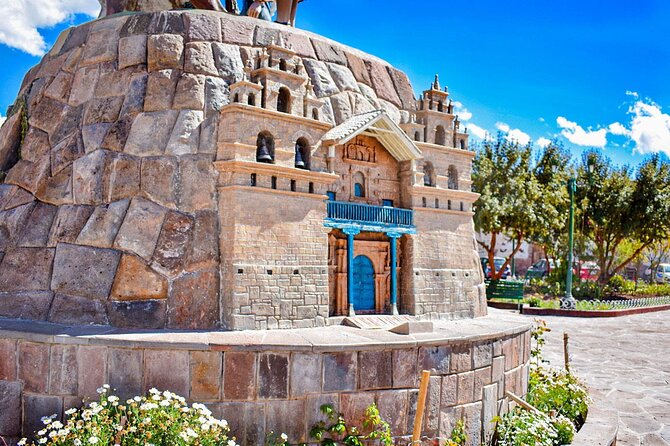
The tour then passes through Maras village before reaching the Salineras, or salt mines. Maras retains colonial architecture, including buildings made with thin stone. The village is a short part of the route, but it adds context to the area’s long connection with farming, trade, and local settlement.
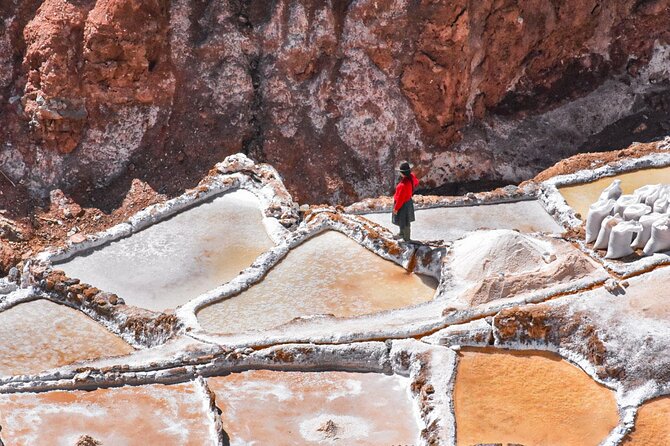
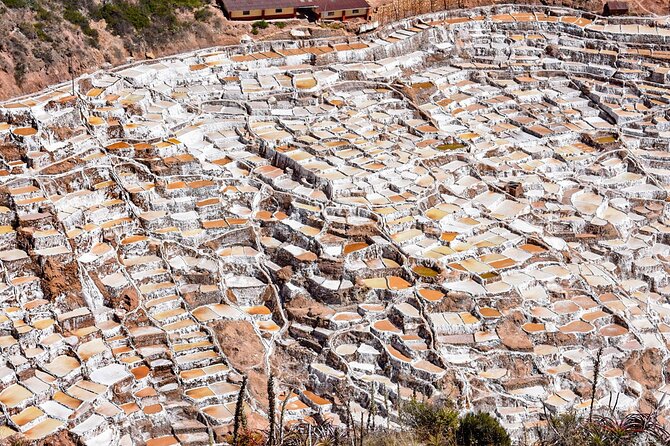
The salt mine is made up of roughly 3,000 small pools. A natural hot spring supplies salty water, and during the dry season workers direct the water into the pools. As the water evaporates, salt remains behind. Workers repeat the process, collect the salt, grind and treat it with iodine, and package it for markets in the region.
The site has been worked since pre-Inca times and remains active today. That combination gives Maras more substance than a scenic viewpoint. You are seeing a working system tied to local communities, not only an archaeological remnant.
For many people, Maras is the visual favorite. The small white pools spread across the mountainside in dense rows, with channels carrying water between them. Light and weather change the appearance, so the view can look very different from one visit to the next.
The stop lasts about an hour, and the $6 or 20 soles entrance fee is not included. Watch your footing and follow the access rules in place on the day. The mine is an active work area, and the exact viewing access may change.
Your guide can help explain how families and cooperative communities manage the pools. That local detail is important. Otherwise, you may see only a beautiful pattern of white rectangles and miss the ongoing labor that keeps the site operating.
More things to do in Cusco:
- Classic Inca Trail Trek 4D/3N to Machu Picchu (Group Service)
★ 5.0 · 8,653 reviews - Cusco: Rainbow Mountain and Red Valley Day Trip with Meals
★ 4.9 · 4,893 reviews - Machu Picchu: 4-Day Inca Trail Trek with Panoramic Train Ride
★ 5.0 · 4,568 reviews - Salkantay Classic Trek 5 Days from Cusco
★ 5.0 · 4,062 reviews
Why the guide can make or break the day
The strongest feature of this outing is the human explanation between the stops. Several guides have received praise, including Felipe, Julio, Manuel, and Eddie. Their styles may differ, but the best feedback centers on clear bilingual explanations, local stories, cultural context, and help with photos.
Manuel was praised for switching smoothly between Spanish and English so everyone could follow. Felipe was repeatedly singled out for detailed explanations, pride in sharing local culture, and practical help at scenic viewpoints. Eddie was described as friendly and well-informed, while Julio received praise for careful explanations and attention to detail.
Because the tour includes three places that can seem unrelated, the guide’s job is important. Chinchero becomes a lesson in living Quechua craft. Moray becomes a study in crop conditions. Maras becomes a working salt industry with pre-Inca roots. The connecting thread is adaptation to the high Andes.
Guides may also share coca leaves or a traditional beverage, but these additions are not guaranteed. Treat them as possible extras, not promised parts of the tour.
Timing, food, and the return to Cusco
The advertised duration is six to seven hours. The return is around 3:15 p.m., near the Plaza de Armas, where you can find lunch on your own. Hotel drop-off is not included.
This timing is useful if you want to keep the evening free. One person chose the tour because the half-day schedule worked with an evening flight. Still, do not call it a light morning outing. With pickup, road time, three main stops, and group movement, the day can stretch toward seven hours.
The biggest practical issue is food. Breakfast is not included, and there is no scheduled lunch stop before the return. One person found seven hours without a meal difficult. Bring water, snacks, and something substantial enough to count as lunch if you need it.
You should also plan around the final drop-off. The tour returns near the Plaza de Armas rather than to your hotel. That is convenient if you want to eat or continue sightseeing in central Cusco, but less convenient if you have luggage or need to reach a different part of town.
The schedule may also work for a transfer day. One person arranged to leave the tour in Maras for Ollantaytambo, with the operator accommodating the change. Do not assume this is standard, but you can ask in advance if your plans require a different ending point.
What the $15.20 price really covers
At $15.20 per person, the base cost is excellent for a bilingual guide, transportation, and hotel pickup. You are paying far less than you would for a private vehicle, while still visiting three major sights in one outing.
The real cost is higher once admissions are added. Moray is listed at $19 or 70 soles, and the salt mines at $6 or 20 soles. That adds $25 per person using the dollar figures provided, bringing the known total to about $40.20 before tips, food, and any purchases at Chinchero.
Even at that total, the tour offers good value if you want an efficient introduction to this part of the Sacred Valley. The guide, transport, and coordination would be difficult to arrange independently at the same price. The trade-off is less control over how long you stay and where you eat.
You should book this as a sightseeing and orientation day, not as a slow cultural visit. The Chinchero center has a sales focus, the road schedule is fixed, and the group must stay together. For many people, that is a fair exchange for seeing Moray and Maras without arranging several separate rides.
Who should book this half-day outing?
I would recommend it to first-time visitors who want a broad introduction to the area around Cusco. It suits solo visitors, couples, and friends who prefer an organized day with commentary rather than negotiating transport on their own.
It is also useful if your schedule is tight. The morning departure and mid-afternoon return leave room for lunch, an evening activity, or possibly a later flight, provided you allow a safe time margin.
It may not suit you if you want a quiet, unhurried visit or dislike shopping stops. The Chinchero textile center is worthwhile for its dye demonstration, but its retail purpose is clear. A full minibus can also feel cramped, and delays by one person affect the entire group.
Before you go, bring:
- Water and snacks or a packed lunch
- Soles for the Moray and Maras entrance fees
- Comfortable clothing for high-altitude conditions
- A camera or phone for the terraces, salt pools, and mountain views
- Patience for group timing and road travel
Free cancellation is available if you cancel at least 24 hours before the start time. Changes made inside that window are not accepted, and poor weather can lead to a new date or a full refund.
Should you book it?
Book this tour if you want maximum sightseeing for a low base price. Moray and Maras are the main reasons to go, while Chinchero adds a human and practical side through weaving, natural dyes, and Quechua traditions. The guides appear to be the difference between a basic transport service and a genuinely informative day.
Skip it if you need a private schedule, a guaranteed small group, or a proper meal break. For everyone else, bring food, budget for the two entrance fees, and expect a full day rather than a short hop. With those conditions understood, this is a strong-value way to see three distinct Andean places in one outing.
FAQ
What time does the tour pick me up in Cusco?
Hotel pickup is scheduled between 8:20 and 8:40 a.m.
How long does the experience last?
The tour takes approximately six to seven hours. Return to Cusco is expected around 3:15 p.m.
Where does the tour end?
The return is near Cusco’s Plaza de Armas. Hotel drop-off is not included.
Are the Moray and Maras entrance fees included?
No. Moray costs $19 or 70 soles, and the Maras salt mines cost $6 or 20 soles.
Is food included?
No. Breakfast and lunch are not included. You should bring water and snacks or lunch.
What places does the tour visit?
The stops are Cusco, Chinchero, Moray, the Maras salt mines, and the return to Cusco.
Is a guide included?
Yes. Transportation and a bilingual tour guide are included.
How many people can join the tour?
The stated maximum is 16 people.
Can I cancel for a refund?
Yes, you can cancel at least 24 hours before the experience for a full refund. Poor weather may result in a different date or a full refund.
Just added in Cusco
- Cusco Private Transportation for 2026★ 5.0 · 4 reviews
- Private Transfer from Airport to Hotel in the City of Cusco★ 4.0 · 5 reviews
- Best Cusco walking tour: dinner street food tasting★ 4.5 · 11 reviews
- Private Tour to Pisac Market and Pisac Ruins★ 5.0 · 4 reviews
- Machu Picchu Day Trip With Panoramic Train from Cusco★ 5.0 · 10 reviews
- Sacred Valley of the Incas Tour★ 5.0 · 12 reviews
- Private Tour of the Mountain of Colours by Quad★ 5.0 · 7 reviews
- Sacred Valley Private Tour from Cusco, Guide and Driver only★ 5.0 · 4 reviews
Sacred Valley Tours, compared.
From Cusco: Sacred Valley & Maras Salt Mines Tour with Lunch
Read our review →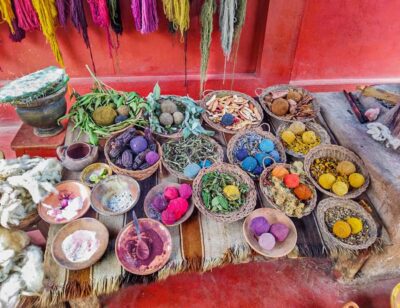
From Cusco: Moray, Maras Salt Mines & Chinchero Weavers Tour
Read our review →
2-Day Tour: Sacred Valley and Machu Picchu by Train
Read our review →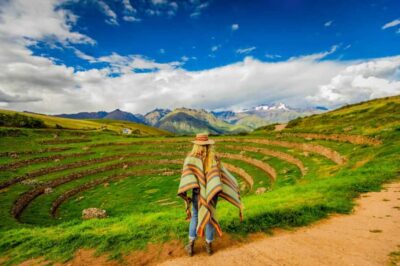
Sacred Valley, Pisac, Ollantaytambo, Salt Mines Moray
Read our review →
Chinchero,Moray & Salt Mines drop-off in Ollantaytambo
Read our review →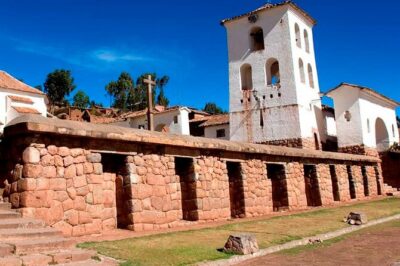
Sacred Valley and Maras Moray Tour with Full Day Buffet Lunch
Read our review →