Reviewed · SACRED VALLEY TOURS
From Ollantaytambo:Private tour to Maras and Moray half day
Ancient salt and perfect circles await. This private half-day outing from Ollantaytambo brings you to two of the Sacred Valley’s most unusual sites: the Moray terraces, built for agricultural experiments, and the Salineras de Maras, where salt still comes from a hillside spring. I like the personal pace and the chance to ask questions without a large group slowing things down. I also like that guides such as Roberto and Yesica have helped make the visits more engaging, especially when weather turns wet.
The $76 per-person price covers hotel pickup, return transport, and a bilingual English or Spanish guide. That is a fair price if you value a private vehicle and direct explanations, but you must add the entrance fees and arrange your own food. The main drawback is a timing mismatch: the experience is described as two hours, while the published plan runs from 8:00 a.m. to about 2:00 p.m.
In This Review
- Key points at a glance
- Why Maras and Moray make a strong half-day trip
- Leaving Ollantaytambo at 8:00 a.m.
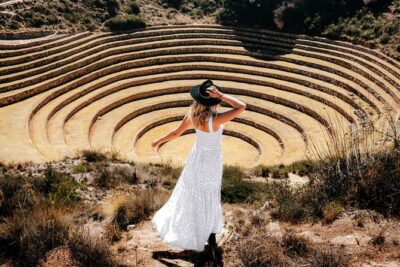
- Moray’s terraces and the Inca approach to farming
- Salineras de Maras and the hillside salt pools
- What the private format is really worth
- Guides, language, and the human side of the outing
- Altitude, walking, and who should skip it
- Booking details that deserve attention
- Should you book the Maras and Moray tour?
- FAQ
- Where does the tour begin?
- When will the guide contact me?
- How long does the tour last?
- Is transportation included?
- Is a guide included?
- Are entrance fees included?
- Are meals included?
- Is the tour suitable for wheelchair users or people with vertigo?
Key points at a glance
- Moray’s circular terraces reveal how the Incas used different levels for agricultural testing.
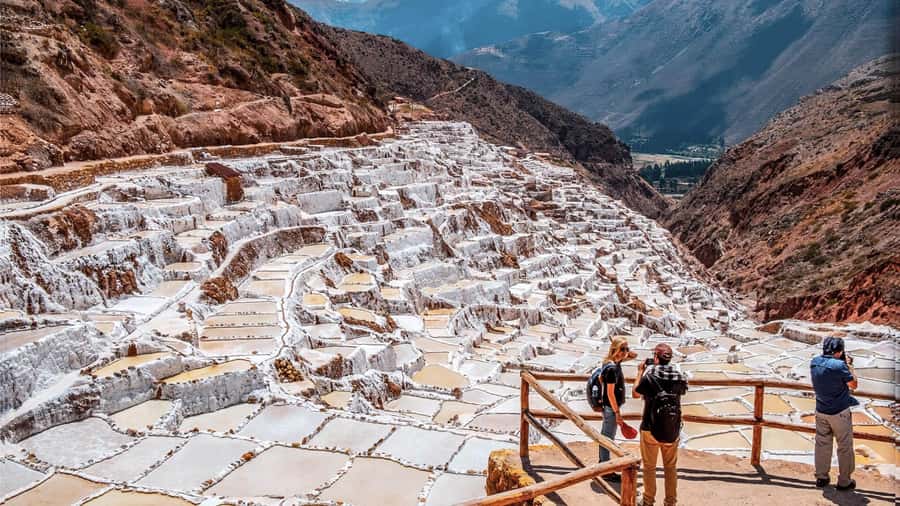
- Maras salt pans spread across a steep hillside, fed by a natural saltwater spring.
- Private transport gives you more freedom to ask questions and stop for photographs.
- Pickup begins in Ollantaytambo at 8:00 a.m., with the guide contacting you about 15 minutes beforehand.
- Extra entrance costs include 10 soles for Maras and a separate Tourist Ticket for Moray.
- The guide can shape the day, with Roberto praised for his Inca history explanations and Yesica praised for making a difficult outing enjoyable.
Why Maras and Moray make a strong half-day trip
You get two very different views of Inca ingenuity in one outing. Moray is about farming and adaptation. Maras is about salt production and the practical use of a natural spring. Together, they show that the Sacred Valley was not only a place of temples and royal estates. It was also a working food and resource center.
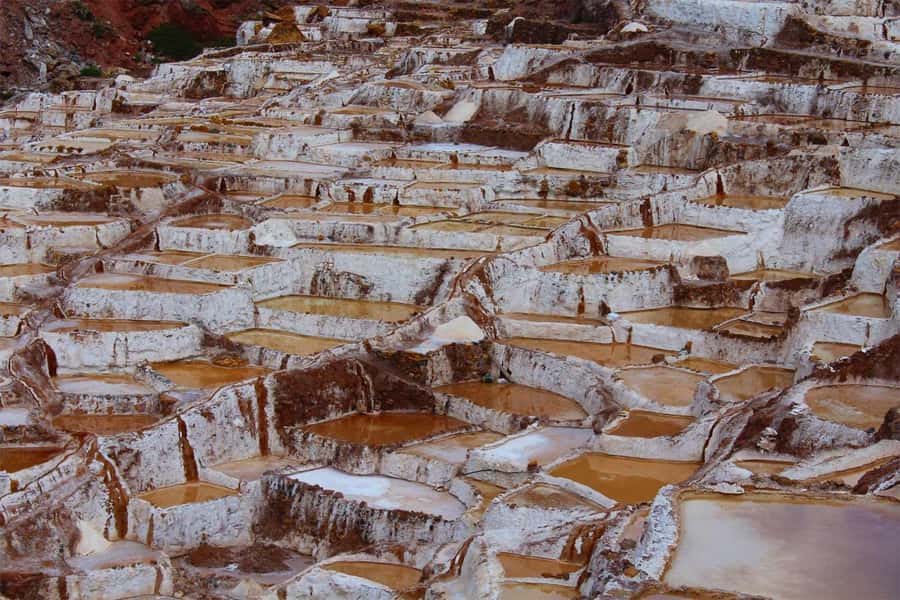
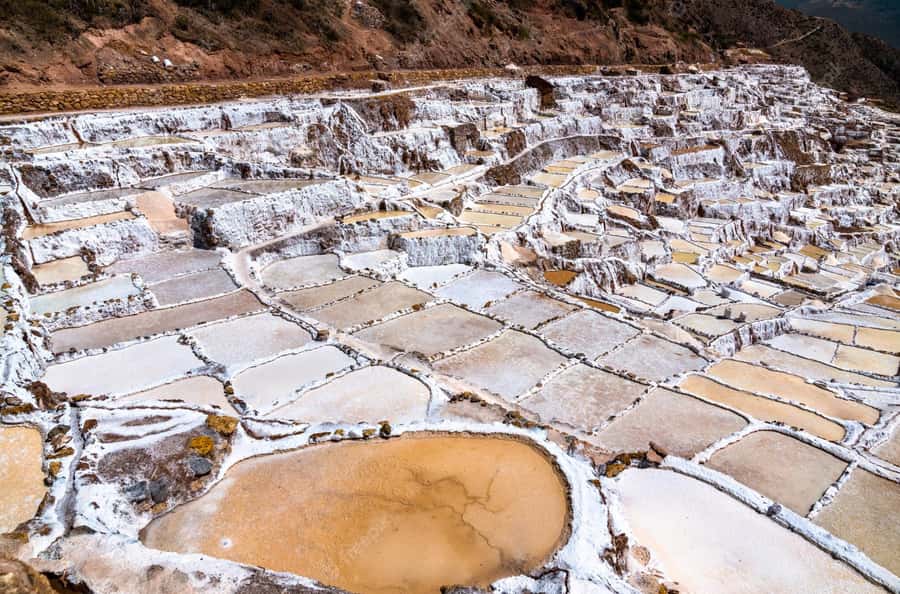
I especially like the contrast. At Moray, the eye follows enormous circular terraces dropping into the earth. At Maras, the scene breaks into hundreds of small salt pools on a mountainside. One site feels carefully designed by planners. The other feels like a clever partnership between people and nature.
The private format matters here. A bilingual guide can explain what you are seeing in English or Spanish, answer follow-up questions, and help you choose good photo spots. One guide, Roberto, earned praise for explaining Inca history and keeping the visit enjoyable when rain arrived at the salt mines. Yesica was also singled out for turning an otherwise disorganized part of the outing into a good experience.
More Sacred Valley trips:
- From Cusco: Sacred Valley & Maras Salt Mines Tour with Lunch
★ 4.8 · 2,227 reviews - From Cusco: Moray, Maras Salt Mines & Chinchero Weavers Tour
★ 4.8 · 1,925 reviews - 2-Day Tour: Sacred Valley and Machu Picchu by Train
★ 5.0 · 1,127 reviews
Leaving Ollantaytambo at 8:00 a.m.
Pickup is included from your hotel in Ollantaytambo. The guide is expected to write or call about 15 minutes before pickup, and you should wait around 10 minutes in the hotel lobby. That small buffer is worth respecting. It keeps the vehicle from searching for you while the morning schedule gets underway.
The plan calls for an 8:00 a.m. departure. You return to Ollantaytambo at about 2:00 p.m., so this is best treated as a morning-to-early-afternoon excursion rather than a quick two-hour visit.
The published duration says two hours, which does not match the six-hour schedule. I would confirm the exact start and return time before paying, especially if you have a train, lunch booking, or another Sacred Valley visit planned. The transport is round trip, but the supplied details do not specify the vehicle type or the exact driving time between stops.
Because this is a private group, you are not sharing the day with a busload of strangers. That makes it easier to pause for photographs or ask your guide to explain a point again. It also means the quality of the day depends more heavily on the assigned guide and the company’s organization.
Moray’s terraces and the Inca approach to farming
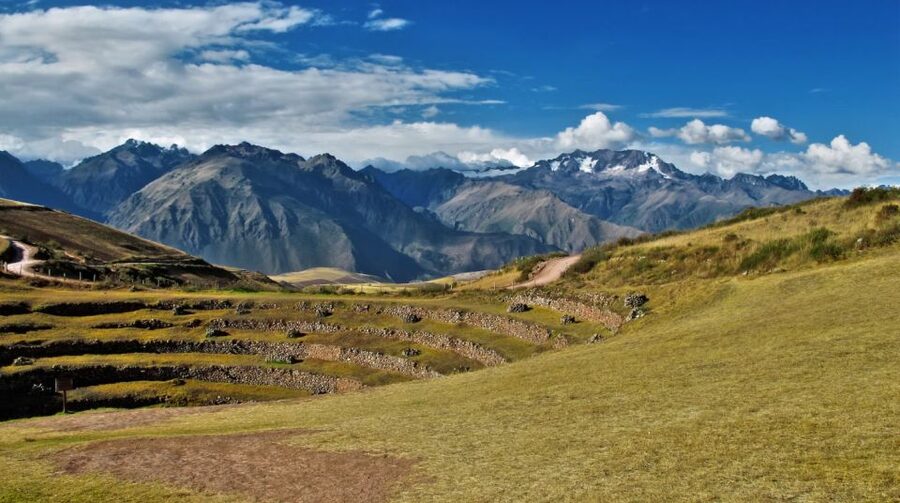
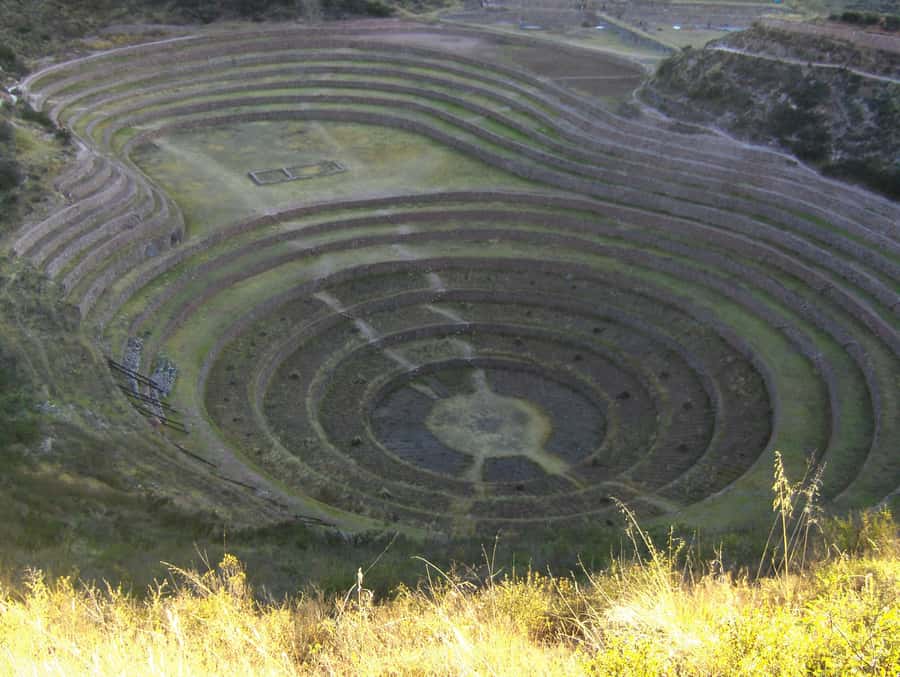
Moray is the first major stop. The site contains large, circular agricultural terraces built at different levels, creating what is described as an agricultural laboratory. The important point is not just the shape. The terraces show a planned effort to manage growing conditions and improve farming techniques.
Your guide should help you look beyond the dramatic circles. Ask how the terraces relate to agricultural management during the Inca period. Ask why farming experiments mattered in the Sacred Valley. Those questions turn a striking viewpoint into a lesson about food production, planning, and the demands of high-altitude agriculture.
The visual effect is strongest from above, where the rings appear to sink into the ground. You will want comfortable shoes because the visit involves walking around an archaeological site. Sunglasses, a hat, and sunscreen are also sensible, since the high-altitude sun can be strong even when the air feels cool.
Moray is a good place to use your private guide well. Instead of rushing from one photo to the next, you can spend a little time understanding the design. The attraction is primarily archaeological and visual, so it rewards curiosity more than entertainment. If you prefer a site with buildings you can enter or a long list of preserved objects, Moray may feel quiet. Its appeal comes from the scale and purpose of the terraces.
The entrance to Moray is not included. It requires the Boleto Turistico, or Tourist Ticket. The supplied information does not give the ticket price, so check the current cost before the tour and keep the ticket available if you are visiting other sites that use the same pass.
Salineras de Maras and the hillside salt pools
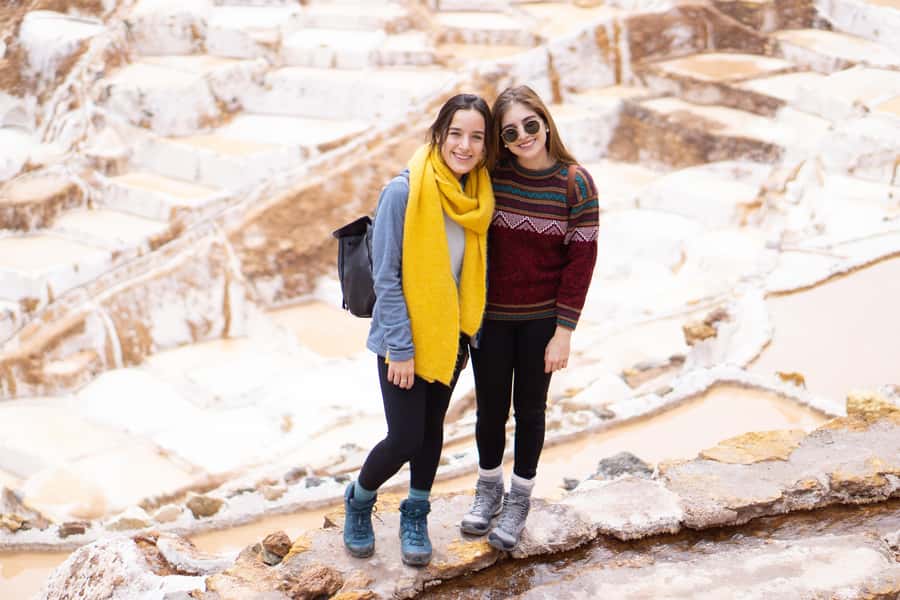
The next stop is the Salineras de Maras, where salt has been collected since the Inca period. A saltwater spring runs down the hillside, and the water is directed into many small pools. As the water evaporates, salt remains behind.
This is one of those places where a guide’s explanation adds real value. Without context, you see a bright patchwork of pools on a slope. With an explanation of the spring and the way salt is collected, you understand why this site mattered and why it remains visually striking.
The salt mines are especially photogenic, but weather can change the mood quickly. Rain affected one outing, yet Roberto kept the visit lively and helped find good positions for photographs. Bring a light layer and protect your camera or phone if the forecast looks uncertain. The stated packing advice is simple: comfortable clothes, shoes, sunglasses, a sun hat, and sunscreen.
The entrance to Maras costs 10 soles and is paid separately. The fee is modest, but you should carry local currency or confirm the accepted payment method before setting out. Meals are also not included, and the plan returns to Ollantaytambo around 2:00 p.m., so arrange breakfast and lunch yourself.
Maras is not only a picture stop. It gives you a clear example of how people used a natural resource with practical skill. The spring made salt production possible, while the pools turned that resource into something that could be gathered and managed. That connection between the environment and human work is the best reason to listen closely here.
A few more options to weigh up in Sacred Valley
- The Best Private Sacred Valley Tour in Cusco
★ 5.0 · 199 reviews - Private Professional Guide in Machu Picchu from Aguas Calientes
★ 5.0 · 165 reviews - Private Tour to Sacred Valley and Machu Picchu from Cusco
★ 5.0 · 133 reviews - Maras, Moray and Chinchero Private Day Trip from Cusco
★ 5.0 · 131 reviews
What the private format is really worth
At $76 per person, the price needs to be judged against what is included and what is not. You receive pickup at your Ollantaytambo hotel, round-trip transportation, and a bilingual guide. You do not receive the Maras entrance fee, the Moray Tourist Ticket, breakfast, lunch, or any service not specifically listed.
For two people, the private format can be good value if you want a more direct day and do not want to coordinate separate transport. The cost is easier to justify when the guide is strong, since the explanations about Inca agriculture and salt production are a central part of the experience.
For a solo visitor, $76 is a bigger expense than a shared group outing would normally be. The benefit is privacy, a flexible conversation, and no need to wait for a large group. For a family or small party, the private setup may feel more worthwhile, particularly if different people want different amounts of time at each site.
I would not book it based on the price alone. I would first confirm the confusing duration, ask how the Tourist Ticket works, and verify the pickup details. One account described the company as somewhat disorganized, even though the assigned guide, Yesica, made the experience enjoyable. That suggests the guide can make a major difference, while the booking communication may require a little patience.
Guides, language, and the human side of the outing
The tour offers live guiding in English or Spanish. That is useful at both sites because the main reward comes from understanding their purpose, not simply seeing them.
A good guide can also improve the practical side of the day. The strongest praise went to guides who answered many questions, helped with Spanish practice, waited patiently, and took photographs at good viewpoints. Roberto was praised for his explanations of Inca history and for keeping spirits up in the rain. Yesica was praised for making the day work well despite some company confusion.
You should feel free to ask for help with photos. That small service can matter at Moray and Maras, where the best compositions often need a little distance or a careful angle. It also fits the private format better than a large group tour, where the guide may need to keep everyone moving.
Do keep expectations realistic. A private tour does not guarantee a particular guide, and the information only confirms English and Spanish service. If a specific guide is important to you, request that person when booking, but do not assume the request can be guaranteed.
Altitude, walking, and who should skip it
The tour information advises drinking coca tea before the outing to help prevent altitude sickness. Treat that as a suggested local practice, not a promise that you will avoid symptoms. You should also bring water, though the supplied information does not list it among the required items.
Comfortable shoes are important. Both stops involve outdoor walking, and the sites are not presented as wheelchair-accessible. The outing is also listed as unsuitable for wheelchair users, pregnant women, and people with vertigo. Those restrictions are particularly relevant at Maras, where the salt pools are set on a hillside.
The sun can be intense, so pack sunscreen, sunglasses, and a hat. Comfortable clothing gives you room to move and helps if the temperature changes during the day. The tour does not include meals, so eat before pickup and plan for food after returning to Ollantaytambo.
I would recommend this experience most strongly to people who want archaeology, agriculture, photography, and a private guide in one outing. It suits curious visitors who enjoy asking questions and taking time at unusual sites. It is less suitable if you need step-free access, dislike uneven outdoor settings, or have a tight afternoon schedule.
Booking details that deserve attention
Free cancellation is available up to 24 hours before the tour for a full refund. You can also reserve now and pay later, which helps if your Sacred Valley plans are still changing.
The entrance fees can be purchased on-site. Remember that Maras costs 10 soles, while Moray uses the Tourist Ticket. Since meals are excluded, the practical cost is higher than the advertised per-person price.
The tour prohibits pets, alcohol, drugs, and explosive substances. Those rules are ordinary but worth noting if you are carrying equipment or traveling with an animal.
Most important, confirm the schedule. The description gives an 8:00 a.m. pickup and an approximately 2:00 p.m. return, yet it also lists a two-hour duration. That is the one detail I would settle before booking. A clear answer will tell you how well the outing fits with trains, lunch, or other plans in Ollantaytambo.
Should you book the Maras and Moray tour?
Book it if you want a private Sacred Valley outing with a bilingual guide, hotel pickup, and time to understand two distinctive Inca-era sites. The strongest part of the experience is the combination of Moray’s agricultural terraces and Maras’s working salt pools. Guides such as Roberto and Yesica also show how much the day can improve when the person leading it is patient, helpful, and good at explaining the past.
Skip it if you need a fully accessible activity, cannot manage hillside walking, or require a firmly scheduled two-hour trip. Also be ready to pay the entrance fees separately and provide your own meals.
For most visitors based in Ollantaytambo, this is a worthwhile private excursion at $76 per person, provided you confirm the actual timing and understand the extra costs. The sights are unusual, the route covers more than standard ruins, and the personal format gives you a better chance to leave with both good photographs and a clearer idea of how Inca society managed food and natural resources.
FAQ
Where does the tour begin?
Pickup is included from your hotel in Ollantaytambo, with the planned pickup time at 8:00 a.m.
When will the guide contact me?
The guide will write or call about 15 minutes before pickup. You should wait around 10 minutes in your hotel lobby.
How long does the tour last?
The information lists a two-hour duration but also gives an 8:00 a.m. pickup and an approximately 2:00 p.m. return. Confirm the exact schedule before booking.
Is transportation included?
Yes. Hotel pickup in Ollantaytambo and round-trip transportation are included.
Is a guide included?
Yes. A live bilingual guide is included, with English and Spanish available.
Are entrance fees included?
No. Maras costs 10 soles, and Moray requires the Boleto Turistico, or Tourist Ticket. The entrance fees can be bought on-site.
Are meals included?
No. Breakfast, lunch, and other meals are not included.
Is the tour suitable for wheelchair users or people with vertigo?
No. The activity is listed as unsuitable for wheelchair users, pregnant women, and people with vertigo.
Just added in Sacred Valley
- Private Tour to Pisac Market and Pisac Ruins★ 5.0 · 4 reviews
- Sacred Valley of the Incas Tour★ 5.0 · 12 reviews
- Sacred Valley Private Tour from Cusco, Guide and Driver only★ 5.0 · 4 reviews
- Sacred Valley VIP Private Tour★ 5.0 · 32 reviews
- Private Tour Sacred Valley Vip Chinchero Ollantaytambo+lunch★ 5.0 · 10 reviews
- Private transfer Cusco to Ollantaytambo★ 5.0 · 7 reviews
- 6-Day Machu Picchu, Sacred Valley and Humantay Lake Tour★ 5.0 · 10 reviews
- Private Tour: 2-Day Exploration of the Sacred Valley and Machu Picchu★ 5.0 · 69 reviews
Sacred Valley Tours, compared.
From Cusco: Sacred Valley & Maras Salt Mines Tour with Lunch
Read our review →
From Cusco: Moray, Maras Salt Mines & Chinchero Weavers Tour
Read our review →
2-Day Tour: Sacred Valley and Machu Picchu by Train
Read our review →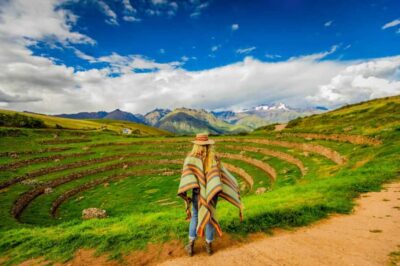
Sacred Valley, Pisac, Ollantaytambo, Salt Mines Moray
Read our review →
Chinchero,Moray & Salt Mines drop-off in Ollantaytambo
Read our review →
Sacred Valley and Maras Moray Tour with Full Day Buffet Lunch
Read our review →