
Reviewed · LAKE TITICACA AND THE UROS ISLANDS
From Puno: Sillustani Tombs and Tourist View Point Puma
The dead still tell their story here. This four-hour outing links the Sillustani burial towers with broad views, local culture, and the quiet waters of Lake Umayo. I like the easy hotel pickup from central Puno, and I like that the tour gives real attention to pre-Inca life rather than treating the tombs as a quick photo stop.
The strongest part is the guiding. Esteban is repeatedly praised for explaining the subject clearly in both English and Spanish, while Ronaldo also receives warm marks for his patient, informed style. The main drawback is the walking at Sillustani, where uneven ground, wind, and exposed weather make this a poor choice for anyone with limited mobility.
In This Review
- Key points to know before booking
- Why this half-day trip works well from Puno
- Starting in Puno and climbing to the Puma viewpoint
- Atuncolla and the Collas connection
- Reaching Sillustani beside Lake Umayo
- What the chullpas reveal about pre-Inca life
- The scenery, weather, and walking conditions
- How the guide affects the experience
- Is $19 a good price?
- Who should book this Sillustani outing?
- Final decision: book or skip?
- FAQ
- How long does the Sillustani and Puma viewpoint tour last?
- What is included in the $19 price?
- Is hotel pickup available?
- Where does the tour return in Puno?
- How much time do you spend at Sillustani?
- What languages does the guide speak?
- Is food included?
- What should you bring?
- Is the tour suitable for people with mobility impairments?
Key points to know before booking
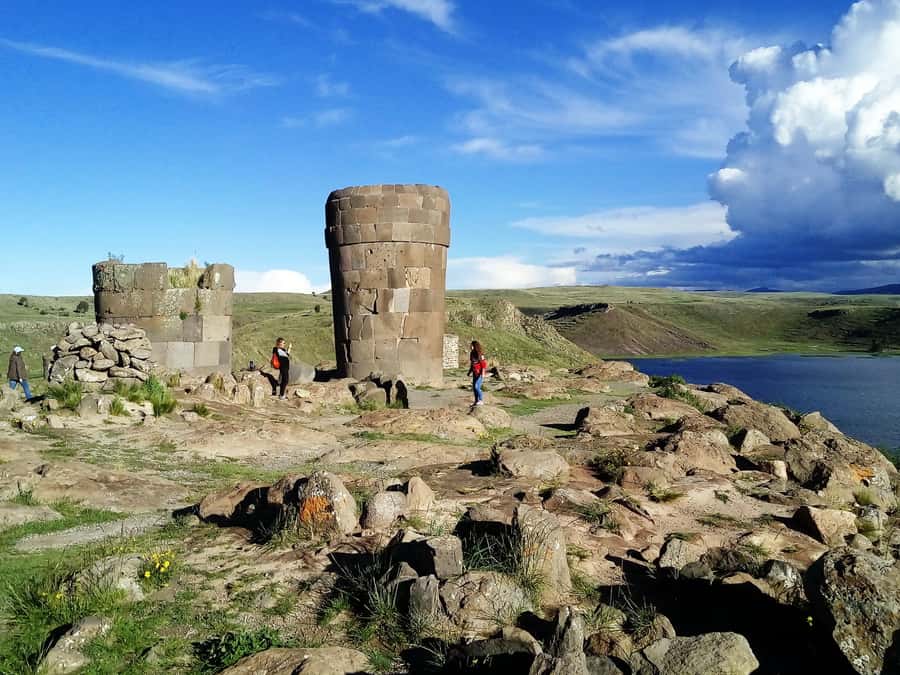
- Sillustani’s tallest chullpas reach about 12 meters, making the site easy to appreciate even before you understand its history.
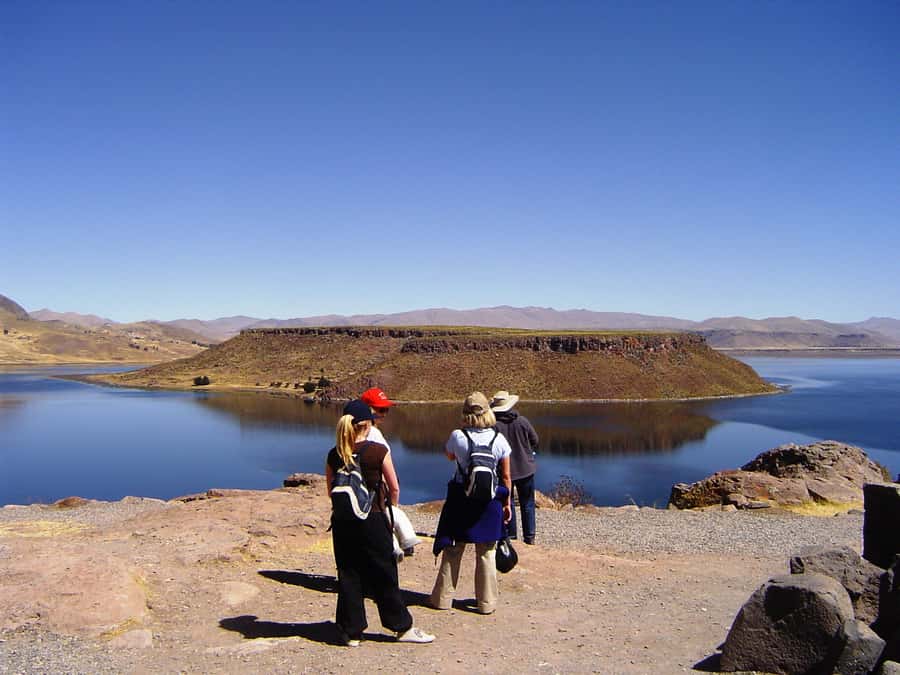
- Lake Umayo provides the setting, with open water and striking views around the archaeological site.
- The Puma viewpoint adds a useful orientation stop, especially if you do not want to find the uphill viewpoint on your own.
- Atuncolla introduces you to the Collas people, with a short village and cultural stop on the way.
- Agriculture is part of the story, including the old Waru Waru raised-field method linked to the Tiwanaku period.
- The $19 price includes transport, a bilingual guide, and the Sillustani entrance fee, which makes this a strong half-day value.
Why this half-day trip works well from Puno
Sillustani is close enough to visit without giving up a full day in Puno. The tour lasts about four hours, with pickup from central hotels or from the stated meeting points near Jirón Puno and Ilave or Puno Cathedral. You return to the same central area, so this fits neatly into a free morning or afternoon.
I like the shape of the outing. You do not simply ride to the tombs, listen to a short talk, and ride back. The route begins with a city and lake viewpoint, continues through Atuncolla, and then gives Sillustani about an hour and a half. Each stop adds a different piece to the picture.
The tour is also useful for visitors who do not want to arrange a taxi or negotiate transport outside Puno. At $19 per person, the price covers the vehicle, a live guide in English or Spanish, hotel pickup and drop-off within central Puno, and admission to the archaeological site. You still need to pay for anything you eat or drink, but the basic cost is refreshingly straightforward.
More Lake Titicaca trips:
- From Puno: Uros, Amantaní & Taquile Islands 2-Day Tour
★ 4.5 · 452 reviews - Tour to Uros and Taquile Islands in a Fast Boat
★ 5.0 · 419 reviews - From Puno: Floating Islands of the Uros Half-Day Tour
★ 4.4 · 394 reviews
Starting in Puno and climbing to the Puma viewpoint
Pickup is available from hotels in central Puno. You should wait in the lobby 15 minutes before the scheduled time, since the vehicle may collect people from more than one central location. If your accommodation is outside the central pickup area, you may need to meet the group at Puno Cathedral or near Jirón Puno and Ilave.
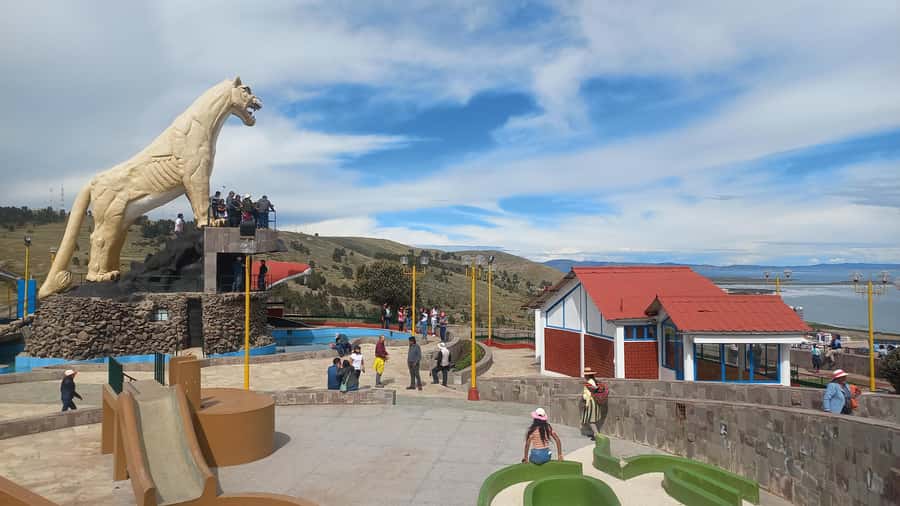
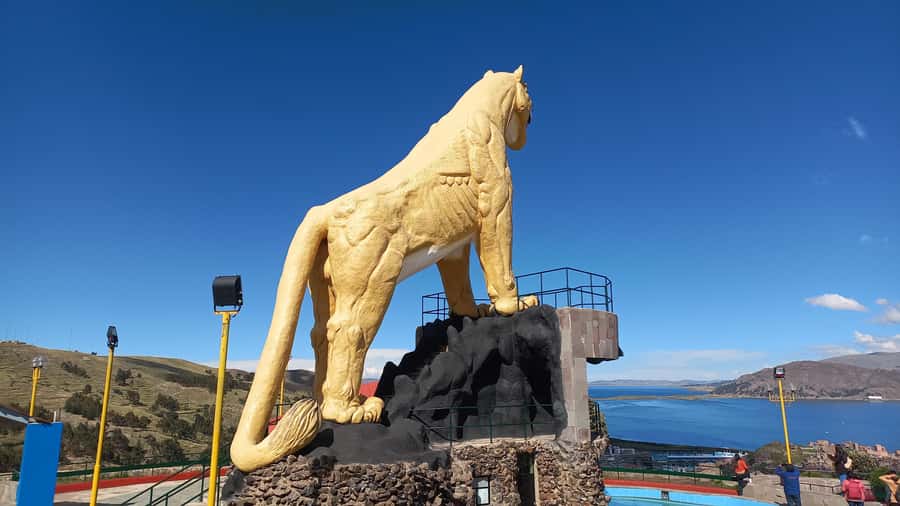
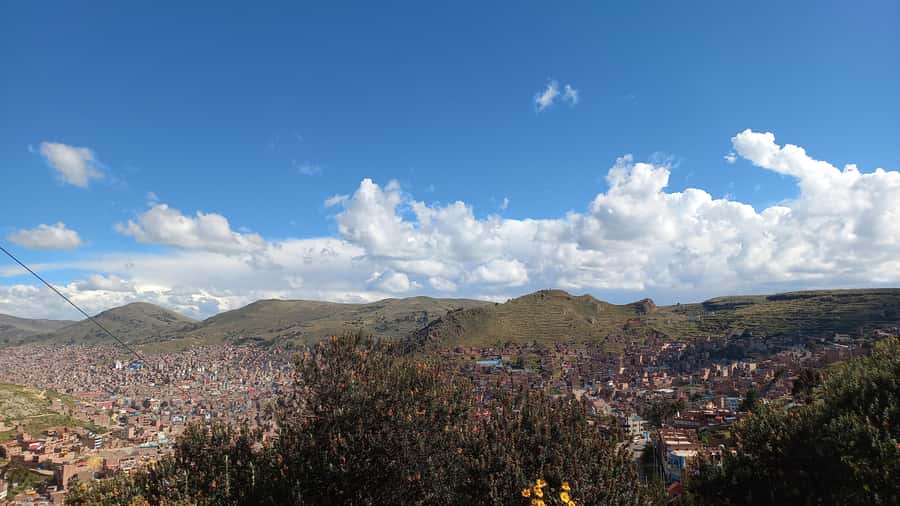
The first ride lasts about 20 minutes and leads to Mirador Puma de Puno. This is a short photo stop of roughly 15 minutes, not a long visit. The appeal is the high view over Puno and the surrounding area, with Lake Titicaca forming the main visual anchor.
I see this as a practical stop rather than the main reason to book. It helps you understand Puno’s position beside the lake, and it gives you a chance to take wide views before the archaeological visit. One useful point from the tour feedback is that the viewpoint can be awkward to reach independently, so the included stop saves you the trouble of finding transport and climbing to it separately.
Do not expect a slow photography session. Fifteen minutes goes quickly, especially if the group needs to gather before departure. Keep your camera ready and listen for the guide’s instructions about when to return to the vehicle.
Atuncolla and the Collas connection
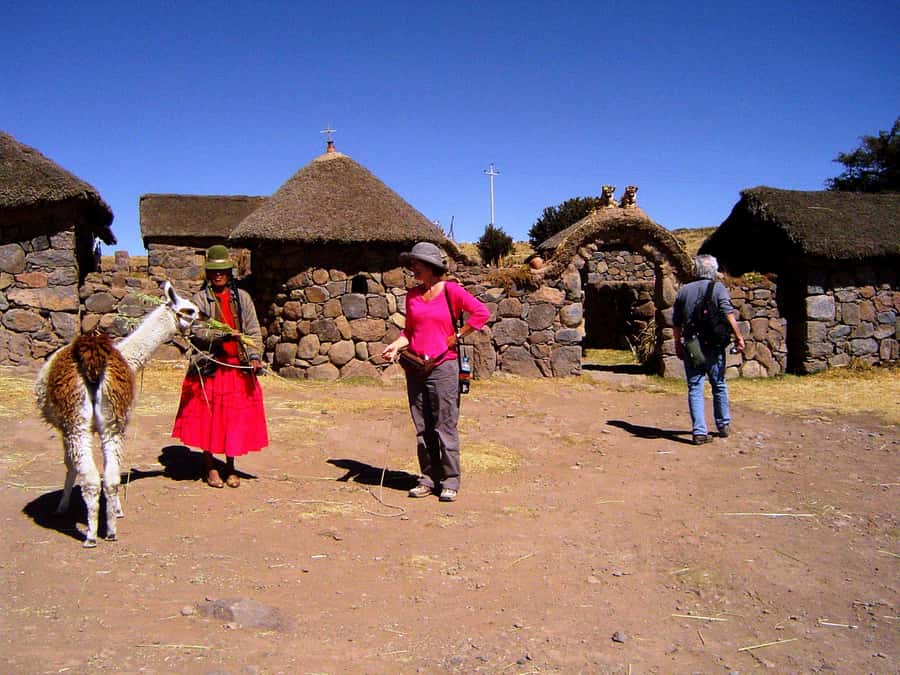
After another stretch by bus, the group stops in Atuncolla for about 20 minutes. This small village is associated with the Collas people and provides a brief look at local life beyond Puno’s city center and Lake Titicaca’s better-known attractions.
The stop may include a visit to a traditional home or farm setting. The point is not a long workshop or a full meal. It is a compact cultural pause that helps connect the archaeological site with living communities in the region.
This part of the tour has a useful advantage: it can feel more relaxed than some highly commercial cultural stops. One account describes the visit as friendly and not pushy about buying anything. That matters if you want contact with local traditions without feeling that the stop is mainly a sales pitch.
You may also encounter traditional food or drink during the cultural visit. One particularly unusual tasting described on the tour was food prepared with clay, which was enjoyed as a local specialty. Since food and drinks are not included in the tour price, you should treat any tasting or purchase as an extra rather than part of the guaranteed schedule.
Twenty minutes is enough for a short introduction, but not enough to understand every detail of Atuncolla. I would regard it as a helpful preview of the area, not a substitute for a dedicated community visit.
Reaching Sillustani beside Lake Umayo
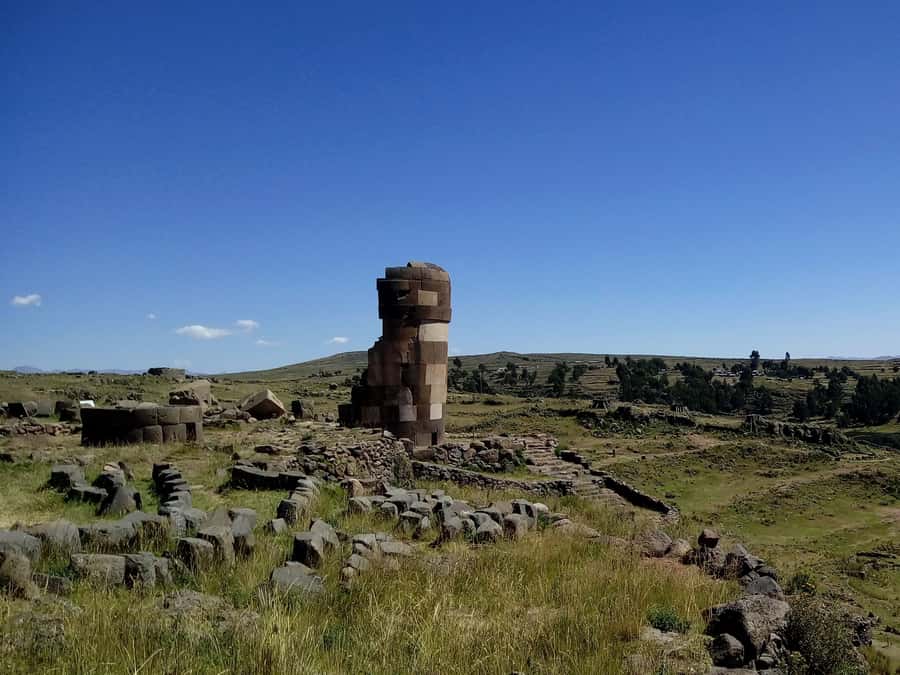
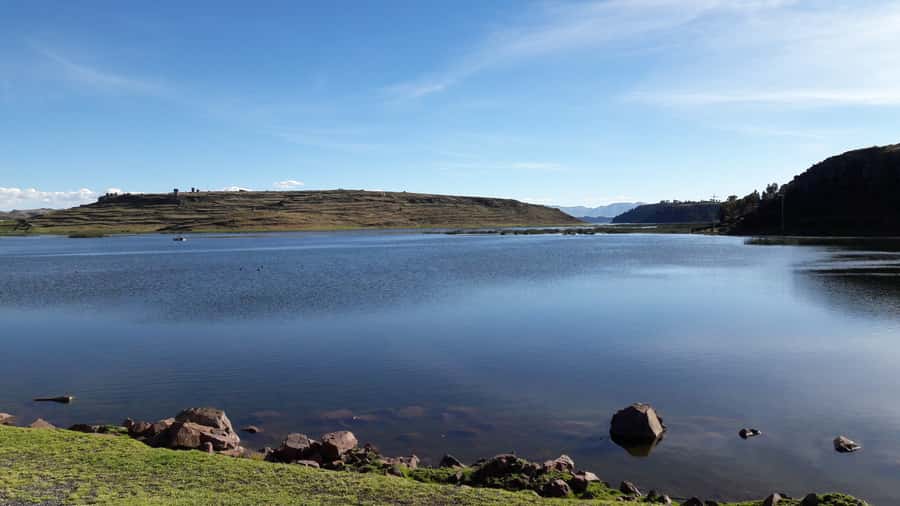
The final approach brings you to Sillustani, an archaeological site on the shore of Lake Umayo. The setting does much of the work. The tombs rise from open ground beside the water, and the combination of stone towers, grassland, and lake creates a memorable scene before the guide begins explaining the site.
You receive about 1.5 hours for a guided visit, sightseeing, and walking among the ruins. That is enough time to hear the main explanations, stop for photos, and look closely at the towers without being rushed through in a few minutes.
The site is associated with Aymara and Quechua burial traditions, and the tour focuses on the pre-Inca people who lived around the lake. The guide explains how the area was later drawn into the Inca Empire during the 15th century. This gives you a more useful timeline than simply labeling the tombs as Inca ruins.
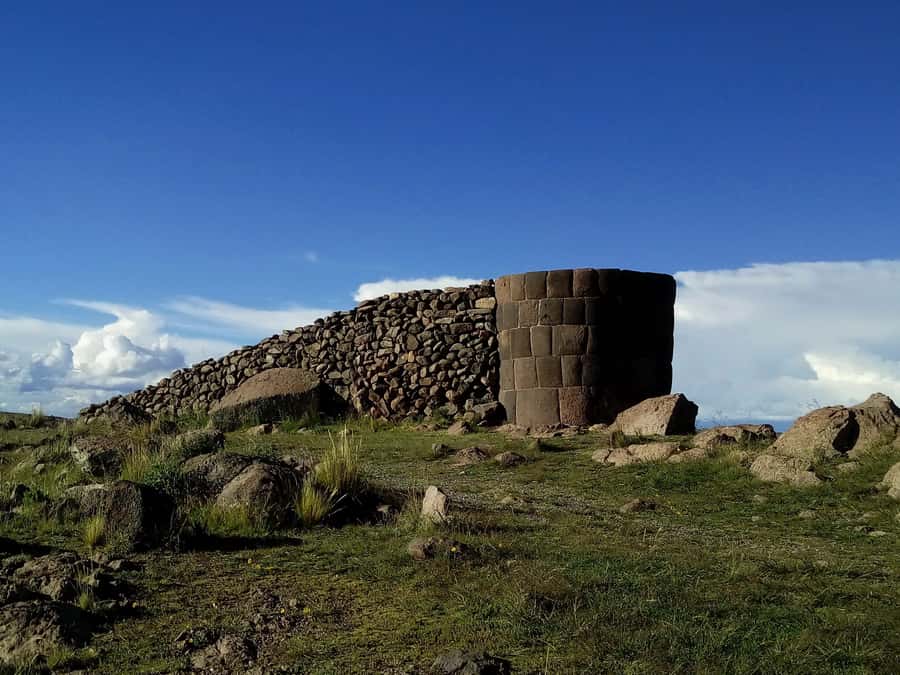
The architecture is one of the clearest reasons to visit. The chullpas are tall burial towers made for important members of society, especially the nobility. Some reach around 12 meters. Their narrow, upward form gives the site its distinctive profile, and the towers are easy to identify from a distance.
The guide also points out differences between these tombs and later Inca construction. That comparison is valuable because many visitors arrive in Peru expecting every impressive stone site to be Inca. Sillustani helps separate the cultures and periods, showing that the Inca Empire absorbed older traditions rather than creating every major structure from scratch.
More things to do in Puno:
- From Cusco: Vinicunca Rainbow Mountain ATV Tour with Meals
★ 4.6 · 1,060 reviews - Uros and Taquile Islands on New and Comfortable SpeedBoat
★ 4.5 · 254 reviews - Lake Titicaca (Day Trip) Uros & Taquile Islands
★ 4.5 · 245 reviews - Lake Titicaca 2-Day Tour to Uros, Amantani and Taquile
★ 4.4 · 199 reviews
What the chullpas reveal about pre-Inca life
The burial towers are not just empty stone shells. Their design offers clues about how status, death, and belief worked in the society that built them. The tour explains the connection between the towers and noble families, along with the painted animal symbols found in the area.
You will hear about the way the tombs were built and why their shapes differ from Inca examples. The exact meaning of every symbol is not something you should expect to master in a single visit, but a good guide gives you enough context to notice details that might otherwise look like worn stone.
The information about agriculture adds another useful layer. The guide discusses Waru Waru, an old farming technique developed during the Tiwanaku period. This method used raised planting areas and surrounding channels to work with the difficult high-altitude climate.
That subject may sound less dramatic than a tall tomb, but I consider it one of the tour’s best features. It shows that the people around Lake Umayo were not defined only by burial customs. They also adapted farming to cold conditions, water management, and the limits of the high plateau.
Esteban receives especially strong praise for connecting agriculture, pre-Inca society, and Inca expansion in a way that makes sense. He is also noted for speaking in both languages and adjusting his pace so people can follow. If you want a tour that gives you historical context instead of a string of dates, the guide can make a big difference.
The scenery, weather, and walking conditions
Lake Umayo is a major part of the experience. The water and open surroundings give Sillustani a calm, isolated feeling, and there are plenty of chances for photographs. The location is visually strong even if you are not especially interested in archaeology.
The weather needs respect. The tour operates in sun or rain, and the site can be windy. One account describes needing a warm drink after visiting the tombs, while another was caught in rain near the end of the outing. Bring layers, protection from rain, and clothing suited to changing highland conditions.
You should also expect walking on uneven ground. The tour information specifically rules out people with mobility impairments, and that warning deserves attention. This is not a vehicle-only sightseeing route. You walk between the tombs and stop at an exposed archaeological site where weather can make the ground less comfortable.
Wear sensible shoes and bring your passport or another form of identification. A small day bag is enough for the essentials. Food and drinks are not included, so carrying water or a snack is sensible, particularly if you are not used to the altitude around Puno.
How the guide affects the experience
The guide is the most important variable on a site like Sillustani. Without context, the chullpas can become a quick collection of stone towers and photo backgrounds. With a good explanation, you begin to understand the differences between Aymara, Tiwanaku, and Inca traditions.
The praise for Esteban is unusually consistent. He is described as passionate, clear, and careful to explain in both English and Spanish. One person appreciated that he spoke more slowly when needed, checked understanding, and filled in gaps with extra explanation. That kind of attention is especially useful on a bilingual tour, where language speed can affect how much you take away.
Ronaldo is also praised for being kind and well informed, and the general organization receives positive marks. The tour is described as having a comfortable pace and a small, friendly group feel. Exact group size is not stated, so I would not book expecting a guaranteed private or tiny group. Still, the experience appears designed to allow stops and questions rather than pushing everyone quickly through the site.
The quality of the explanation is also why this trip can work for people who already visited other attractions around Lake Titicaca. Sillustani offers a different subject and a quieter setting, with less emphasis on staged shopping and more attention to archaeology and farming.
Is $19 a good price?
For $19, this is a strong value if you want a guided half-day outside Puno. The entrance fee is included, and you also receive transport from central Puno, a bilingual guide, and return drop-off. Booking separate transport and admission could easily make the outing less convenient, even before adding the value of a guide.
The price does not include food or drinks. That is a minor cost issue rather than a serious flaw, since the tour lasts only four hours. You might spend extra on a hot drink, a snack, or a souvenir at one of the stops, but you are not committed to a meal package.
The real question is how much independence you want. A private taxi could give you more time at Sillustani and let you skip Atuncolla or the Puma viewpoint. This organized trip is better suited to you if you want the route, admission, and explanations handled in one booking.
Free cancellation up to 24 hours before departure and reserve-now, pay-later booking also reduce the risk when your Puno schedule is changing. The operator lists departures as guaranteed, but you still need to check the available start time for your chosen date.
Who should book this Sillustani outing?
I would recommend it to you if you have half a day in Puno and want more than the city sights. It suits people who enjoy archaeology, highland scenery, photography, and cultural context, especially if you prefer an English or Spanish guide rather than exploring the site without help.
It is also a good fit if you have already visited the floating islands and want a quieter change of pace. The tour combines a scenic viewpoint, a village stop, and a substantial archaeological visit without taking a full day.
You should think twice if uneven walking is difficult for you, if you need a fully sheltered activity, or if you want a long, unhurried visit at Sillustani. The schedule includes several stops, so none of them can expand much beyond its planned time.
Final decision: book or skip?
Book this tour if you want an affordable, well-organized introduction to Sillustani, Lake Umayo, and pre-Inca culture from Puno. The strongest reasons are the included admission and transport, the scenic setting, and the quality of guides such as Esteban and Ronaldo.
Skip it only if you have already arranged private transport and want complete control over timing, or if walking on exposed, uneven ground is a concern. For most visitors with four free hours, the $19 cost buys a useful mix of history, views, and local context, without turning the afternoon into a shopping circuit.
FAQ
How long does the Sillustani and Puma viewpoint tour last?
The tour lasts about four hours, including transport, viewpoint and village stops, and the visit to Sillustani.
What is included in the $19 price?
The price includes a bilingual English or Spanish guide, hotel pickup and drop-off from central Puno, and admission to the Sillustani Archaeological Site.
Is hotel pickup available?
Pickup and drop-off are available from hotels located within central Puno. The stated meeting points are near Jirón Puno and Ilave and Puno Cathedral.
Where does the tour return in Puno?
Drop-off is available at Puno Cathedral or near Jirón Puno and Ilave.
How much time do you spend at Sillustani?
The scheduled visit at Sillustani lasts about 1.5 hours and includes a guided tour and sightseeing.
What languages does the guide speak?
The live guide service is available in English and Spanish.
Is food included?
No. Food and drinks are not included in the tour price.
What should you bring?
Bring your passport or another identification card, along with clothing suited to the weather. Rain and sun are both possible, and the site can be windy.
Is the tour suitable for people with mobility impairments?
No. The activity is not considered suitable for people with mobility impairments because the visit involves walking around the archaeological site.
Just added in Puno
- Sun island and Copacabana | From Puno or La Paz / Day Trip★ 4.1 · 5 reviews
- Puno: History and Culture Walking Tour★ 4.1 · 13 reviews
- Puno: Uros and Taquile Islands Full-Day Tour with Lunch★ 4.5 · 17 reviews
- Puno: Lake Titicaca, Uros, and Taquile Full-Day Tour★ 4.5 · 4 reviews
- Puno: 3-hour trip to the floating Uros Islands★ 4.5 · 9 reviews
- Puno: 2 Day Visit to Uros, Amantani and Taquile★ 4.5 · 13 reviews
- Puno: Lake Titicaca Day Tour★ 4.5 · 17 reviews
- Lake Titicaca, Uros and Taquile Full-Day Tour★ 4.3 · 69 reviews
Lake Titicaca and the Uros Islands, compared.
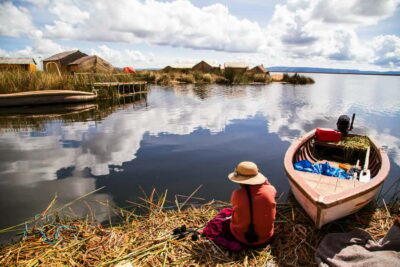
From Puno: Uros, Amantaní & Taquile Islands 2-Day Tour
Read our review →
Tour to Uros and Taquile Islands in a Fast Boat
Read our review →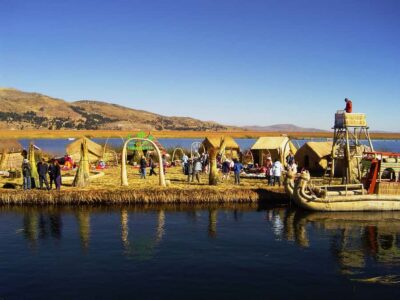
From Puno: Floating Islands of the Uros Half-Day Tour
Read our review →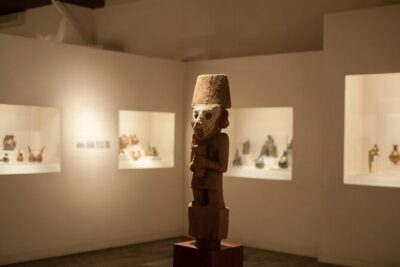
10-Day Discover Peru: Lima, Arequipa, Puno, Cusco & Machu Picchu
Read our review →
Uros and Taquile Islands on New and Comfortable SpeedBoat
Read our review →
Lake Titicaca (Day Trip) Uros & Taquile Islands
Read our review →
Lake Titicaca 2-Day Tour to Uros, Amantani and Taquile
Read our review →Browse the lists this tour appears in