
Reviewed · PERU FOOD TOURS AND COOKING CLASSES
Group Cooking Class in Cusco with Pisco Tasting
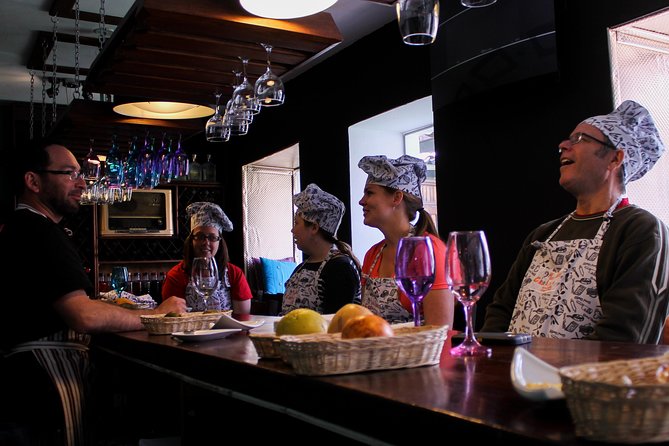
Peru tastes best when you make it yourself. This three-hour Cusco class turns dinner into a hands-on lesson in Peruvian food, from Andean fruit and guinea pig snacks to ceviche, lomo saltado, and pisco cocktails. I especially like the small group of 12 and the way the class connects ingredients to Peru’s geography and culture. Chef Fernando, José, Christina, and Alejandro Castillo have all been praised for making the session relaxed, funny, and easy to follow.
The two strongest features are the chance to cook every main dish yourself and the broad tasting menu built into the afternoon. You are not simply watching a chef work. You taste fruits, handle ingredients, mix drinks, cook with a wok, and sit down to eat several courses. The main consideration is timing: the class is advertised at about three hours, but some sessions have lasted closer to four and a half, so I would not book a tight evening plan afterward.
In This Review
- Key points before you book
- A Cusco cooking class with more than recipes
- Andean fruit tasting and the El Mercado introduction
- Making ceviche from fresh ingredients
- Pisco tasting and cocktail making
- Lomo saltado and the drama of the wok
- Snacks from alpaca and guinea pig
- What you actually eat and drink
- The teaching makes or breaks the afternoon
- Is $99 a fair price in Cusco?
- Timing, age, and useful planning details
- Who should book this Cusco food experience?
- Should you book the Marcelo Batata cooking class?
- FAQ
- Where does the cooking class begin?
- What time does the class start?
- How long does the cooking class last?
- What dishes will I prepare?
- Can dietary restrictions be accommodated?
- Is a passport required?
Key points before you book
- Taste Peru by region: Andean fruits and local ingredients provide a useful introduction to the country’s food culture.
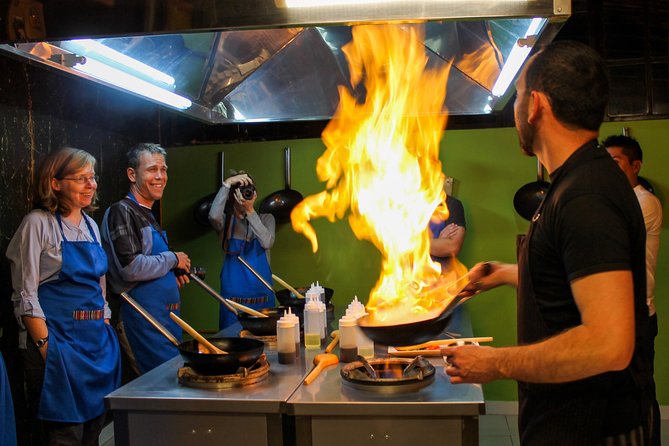
- Cook two Peruvian classics: You prepare ceviche and lomo saltado, including the dramatic wok cooking and pisco flambé technique.
- Pisco is part of the lesson: Taste the spirit on its own, learn about its production, and make a pisco sour or another cocktail.
- Small, social format: The maximum group size is 12, which gives you more time to ask questions and take part.
- Dietary needs are accepted: Vegetarian, vegan, gluten-free, and lactose-free diets can be accommodated if noted when booking.
- Plan for a long afternoon: The scheduled start is 2:00 pm, and some sessions have run well beyond the stated three hours.
A Cusco cooking class with more than recipes
The class begins at Marcelo Batata Cooking Classes, at C. Palacio 135, in central Cusco. There is no hotel pickup or drop-off, so you need to make your own way to the meeting point and return from there. The scheduled start is 2:00 pm.
At the door, you meet the chef and the rest of the group. The tone seems to be friendly rather than formal, which matters when you are asked to handle food in front of strangers. José has been praised for his humor and easy manner, while Fernando is often singled out as a patient and entertaining teacher. Christina has also made a strong impression with her energy and clear explanations.
The group limit of 12 is one of the best practical features. A larger class could turn the cooking into a demonstration with a few volunteers. Here, the format is meant to keep everyone involved. You can ask about ingredients, watch the cooking techniques up close, and take part instead of waiting for your turn behind a crowd.
This is suitable for beginners. The emphasis is on learning and enjoying the food, not proving your kitchen skills. If you cook often, you may still enjoy the cultural explanations and the chance to work with ingredients you do not usually find at home.
More Food Tours and Cooking Classes in Cusco
- Peruvian Cooking Class Cocktails and Market Tour in Cusco
★ 5.0 · 1,712 reviews - Cusco: Peruvian Cooking Class, Cocktails & Local Market Tour
★ 4.9 · 512 reviews - Hands-on Peruvian Cooking Class & San Pedro Market Visit in Cusco
★ 5.0 · 421 reviews
Andean fruit tasting and the El Mercado introduction
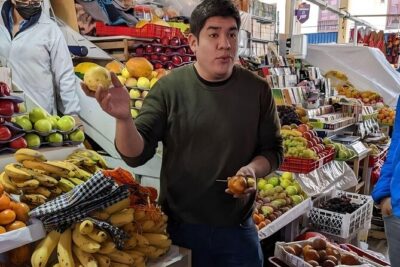
Your first food lesson is a fruit tasting. This is more useful than it may sound. Peru grows produce across very different elevations and climates, and the fruit session gives you a quick way to connect flavor with place. You taste several fruits, try to identify them, and learn where they come from.
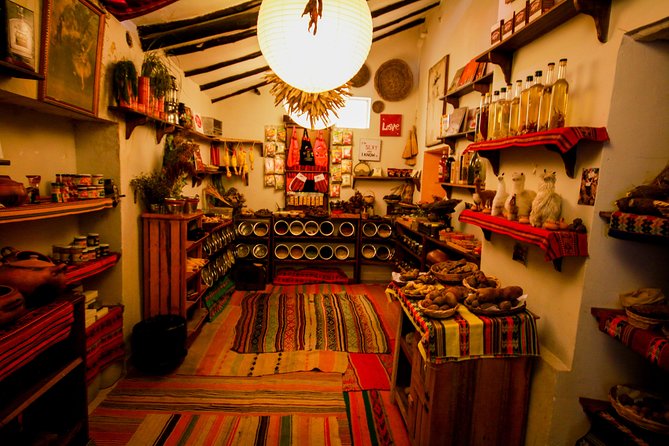
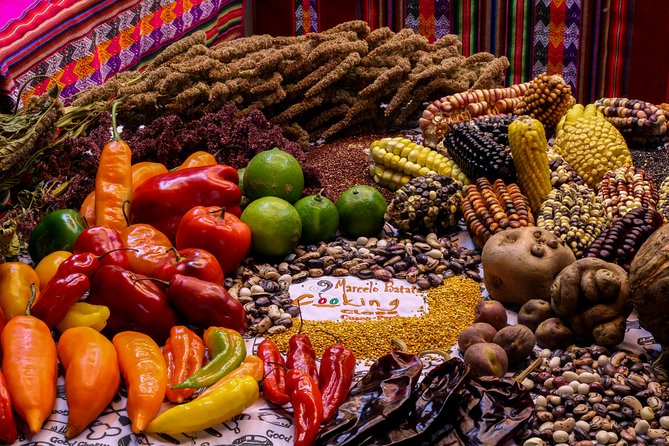
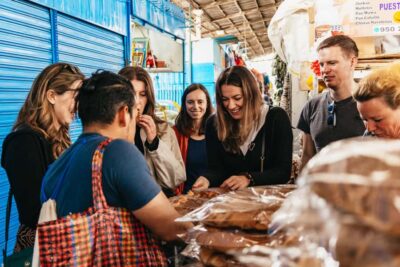
The activity then moves into El Mercado, the class’s interpretive market space. You see, touch, and discuss Andean products, herbs, vegetables, and other ingredients used in Peruvian cooking. A good food class should explain not only what goes into a dish, but why those ingredients matter. This section provides that context.
I like this opening because it slows the meal down. Instead of rushing directly to the stove, you first learn to recognize the building blocks of Peruvian cuisine. It also gives you a better sense of how much Peru’s food depends on regional agriculture and the meeting of different cultures.
The fruit tasting is interactive. You may be asked to identify unfamiliar flavors, so it works well for curious eaters and families with older teenagers. It is less suited to anyone who wants a quick meal with minimal explanation. The class is built around participation and conversation, not speed.
Making ceviche from fresh ingredients
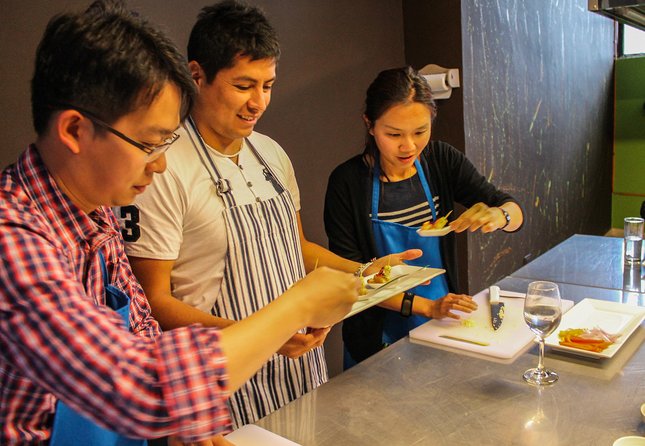
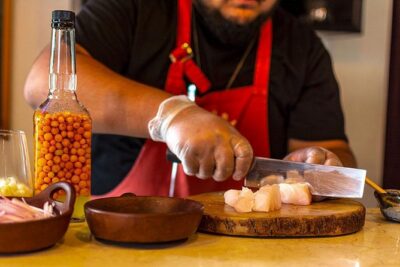
Ceviche is the first major dish, and it is a good choice for a cooking lesson because the method looks simple but depends on balance. You work with fresh ingredients and learn how the citrus, seasoning, and fish come together.
The class explains the preparation rather than handing you a finished plate. You get to make your own ceviche and then eat it as part of the meal. Several people have been surprised by how quickly the dish comes together, but that does not mean the lesson is shallow. The chef can show you how ingredient selection and timing affect the final result.
This is one of the strongest parts of the class for anyone hoping to recreate Peruvian food at home. Ceviche does not require a long list of complicated steps, yet the finished dish feels distinctly Peruvian. You leave with a technique you can remember, not just a photograph of someone else’s dinner.
There is also a cultural lesson here. Ceviche is not presented as an isolated recipe. It fits into the wider story of Peru’s produce, coastal cooking, and culinary fusion. The instructors explain how food traditions from different parts of Peru and beyond have shaped the dishes on the table.
Pisco tasting and cocktail making
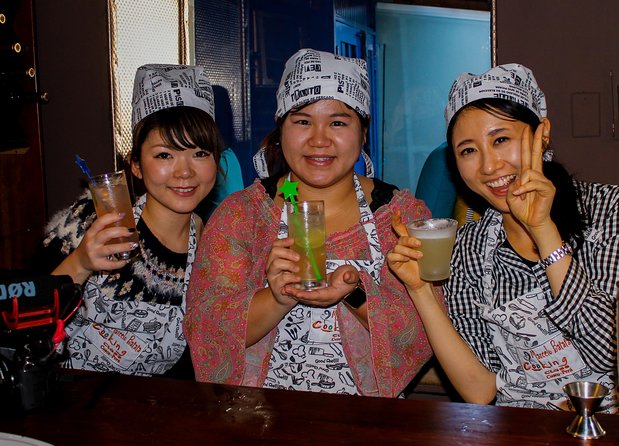
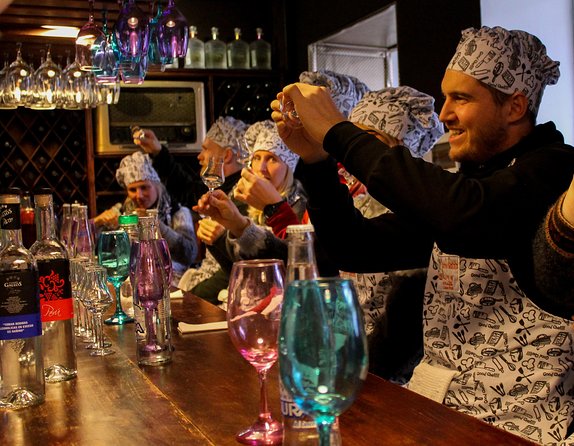
After the ceviche, the focus shifts to pisco, Peru’s national spirit. You taste pure pisco and learn about its background, production, and different uses. This is followed by a cocktail-making session, usually centered on the pisco sour, with other cocktail options also mentioned in the class description.
The tasting is not simply a drink break. It helps you understand why pisco tastes different from the spirits you may already know and how it works in a cocktail. You can compare varieties and then use what you have learned to prepare your own drink.
The pisco sour is a practical souvenir from the afternoon. It is easy to remember the broad formula after you return home, and making it yourself gives the drink more meaning than ordering one at a bar. The class also pairs the drink with the ceviche, which makes the sequence feel like a proper meal rather than a series of unrelated demonstrations.
Alcohol is included, along with soft drinks and snacks. The minimum age is 15, so this is not designed as a young children’s activity. You should also remember that the drink tasting is part of the class, so anyone avoiding alcohol should mention that when booking and confirm the available alternatives.
A completely different kind of day:
- Classic Inca Trail Trek 4D/3N to Machu Picchu (Group Service)
★ 5.0 · 8,653 reviews - Cusco: Rainbow Mountain and Red Valley Day Trip with Meals
★ 4.9 · 4,893 reviews - Machu Picchu: 4-Day Inca Trail Trek with Panoramic Train Ride
★ 5.0 · 4,568 reviews - Salkantay Classic Trek 5 Days from Cusco
★ 5.0 · 4,062 reviews
Lomo saltado and the drama of the wok
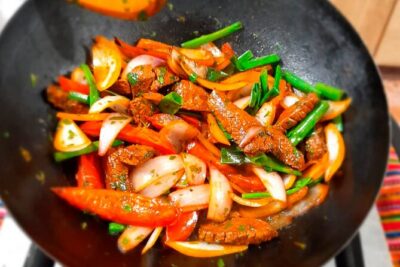
The main course is lomo saltado, a Peruvian stir-fry that combines meat, vegetables, and local flavors in a hot wok. This is the most active cooking section, especially if you enjoy high-heat cooking.
You roll up your sleeves, prepare the ingredients, and work with the wok under the chef’s direction. Some sessions include cooking with open flame and finishing the dish with pisco. That gives the final course a bit of theater, but the technique also has a practical purpose: high heat helps produce the smoky character associated with a good stir-fry.
The dish reflects Peru’s habit of combining traditions. Lomo saltado is a familiar example of Chinese-Peruvian influence alongside local ingredients and methods. The lesson is not just about following a recipe. It shows how migration, local produce, and restaurant cooking have shaped what many people now think of as classic Peruvian food.
You do not need to be comfortable with a wok before arriving. The chef guides the process, and the activity is structured for novices. Still, this part can be more physical and fast-moving than the ceviche session. If you prefer to watch rather than cook, you may find the hands-on format demanding, though that is also the point of booking this class.
Snacks from alpaca and guinea pig
The class also includes traditional Peruvian snacks made from alpaca and guinea pig. These small tastings give you a chance to try food that may not appear on an ordinary tourist menu.
For some people, this will be a highlight. For others, it may be the part that requires the most openness. The portions are described as snacks rather than the main meal, so you can approach them as a cultural tasting without making them the center of your dinner.
I appreciate that these foods are included honestly, as part of Peru’s culinary traditions rather than hidden behind a generic menu. If you have dietary restrictions or strong food preferences, tell the provider when you book. Vegetarian, vegan, gluten-free, and lactose-free diets can be accommodated.
What you actually eat and drink
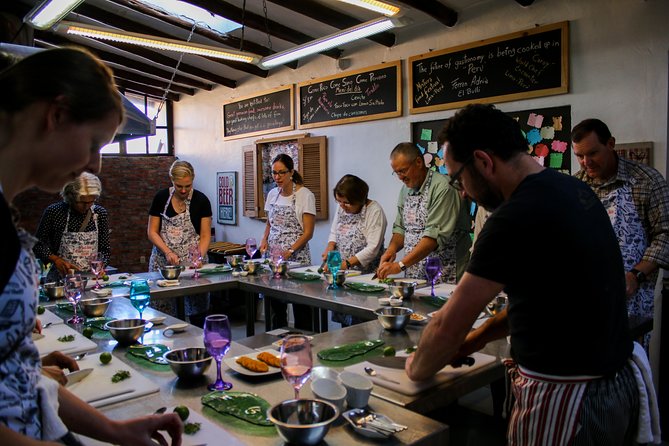
The meal is more substantial than a single recipe. You can expect fruit tasting, traditional snacks, ceviche, lomo saltado, pisco tasting, a cocktail-making session, and soft drinks. The class description also refers to a multiple-course dinner, so you should arrive ready to eat rather than expecting only sample portions.
Several people have described the food quality as one of the best parts of the afternoon. That praise makes sense because the class combines cooking with immediate tasting. You are not waiting until the end to find out if the dish worked. You eat the ceviche after preparing it, then finish with the main course you helped cook.
The chefs also add explanations about Peruvian food history, agriculture, and geography. This is why the class feels broader than a standard recipe lesson. You learn what the ingredients are, where they come from, and how different cultures have influenced the food.
Do not expect a quiet, polished restaurant dinner. You are moving between tasting, cooking, talking, and eating. That lively rhythm is part of the appeal, but it may not suit someone who wants a formal meal with no work involved.
The teaching makes or breaks the afternoon
A cooking class depends heavily on the person leading it. Here, the named chefs receive particularly warm praise for their combination of skill and humor.
Fernando is described as entertaining and encouraging, with a way of making beginners feel comfortable. José is praised for his cultural explanations, good humor, and ability to make the class feel easygoing. Christina’s enthusiasm has been a major part of several memorable sessions. Chef Alejandro Castillo has also been praised for explaining Peru’s culinary fusion and leading the group through the food and pisco portions.
The staff seem willing to adjust when something goes wrong. In one case, a participant became ill and José arranged tea and tried to help the person feel comfortable. That kind of attention is worth noting, especially in Cusco, where altitude can affect how you feel during your first days.
One small caution concerns follow-up recipes. Some people received recipes after class, while one participant had not yet received them at the time of writing. If you want to recreate the dishes at home, ask about the recipes before leaving or confirm how they will be sent.
Is $99 a fair price in Cusco?
At $99 per person, this is not the cheapest cooking class in Cusco. The value comes from the full package: a professional chef, ingredients, several courses, alcoholic and soft drinks, snacks, fruit tasting, market interpretation, pisco education, and hands-on preparation.
A budget class might teach you one dish and provide a basic meal. This session gives you two major Peruvian recipes, a cocktail lesson, unusual tastings, and cultural background. If you would otherwise pay separately for dinner, drinks, and a food-focused activity, the price becomes easier to justify.
The small group also matters. A maximum of 12 people supports more direct instruction and makes it more likely that you will actually cook. For a special afternoon in Cusco, especially early in a Peru trip, I think the price is reasonable for people who care about food and want an activity with substance.
You should skip it if you are looking only for a cheap meal or a short demonstration. You may also find the price harder to justify if you do not drink alcohol, though the food and teaching still make up much of the program.
Timing, age, and useful planning details
The class starts at 2:00 pm and ends back at the meeting point. The stated duration is approximately three hours, but allow extra time. Some sessions have taken four and a half hours, particularly when the group spends longer talking, tasting, and cooking.
The minimum age is 15. The class is a good fit for couples, solo visitors, friends, and families with teenagers. It also works well as a gentler Cusco activity while you are getting used to the altitude, especially if you prefer an indoor food experience to a demanding excursion.
Bring your original passport at the start of the class for tax purposes. This is easy to forget, so put it somewhere accessible before leaving your accommodation.
Dietary requests should be given at booking. Vegetarian, vegan, gluten-free, and lactose-free diets are listed as accommodations, but early notice gives the kitchen time to prepare properly.
Free cancellation is available if you cancel at least 24 hours before the local start time. Changes or cancellations inside that window are not accepted for a refund.
Who should book this Cusco food experience?
I would recommend it most strongly to anyone who wants to understand Peruvian food instead of simply ordering it. The fruit tasting, El Mercado visit, pisco lesson, and cooking sessions create a clear story about ingredients, geography, migration, and local habits.
It is also a strong choice for beginners. The chefs guide you through the recipes, and the setting appears designed to keep the work fun rather than intimidating. Solo visitors can expect a social afternoon, while couples and friends get an activity that naturally gives everyone something to do.
Food-focused visitors will get the most from it, but you do not need to be an expert cook. You only need to be willing to taste unfamiliar snacks, handle ingredients, and take part.
I would hesitate only if you have a short schedule, dislike group activities, or want to avoid alcohol entirely. Also keep the longer possible duration in mind.
Should you book the Marcelo Batata cooking class?
Yes, if you want a practical and social introduction to Peruvian cuisine. The best reasons to book are the small group, the excellent range of food and drinks, and the chance to make ceviche and lomo saltado yourself rather than watching a chef do all the work.
The class costs more than a basic cooking lesson, but it also gives you a full meal, pisco tasting, regional fruit, unusual snacks, and a useful cultural explanation of what you are eating. Book it early, since the activity is often reserved about 40 days ahead.
Leave room in your schedule, bring your passport, state your dietary needs, and expect the afternoon to run long. If those details suit you, this is one of the more memorable ways to spend a few hours in Cusco.
FAQ
Where does the cooking class begin?
It begins at Marcelo Batata Cooking Classes, C. Palacio 135, Cusco 08002, Peru. The activity ends back at the meeting point.
What time does the class start?
The scheduled start time is 2:00 pm.
How long does the cooking class last?
The listed duration is approximately three hours. Some sessions have lasted as long as four and a half hours, so allow extra time.
What dishes will I prepare?
You will learn to prepare ceviche and lomo saltado. The class also includes pisco cocktail making, including a pisco sour.
Can dietary restrictions be accommodated?
Yes. Vegetarian, vegan, gluten-free, and lactose-free diets can be accommodated. Give your specific requirements when booking.
Is a passport required?
Yes. You must provide your original passport at the beginning of the course for tax purposes.
Just added in Cusco
- Cusco Private Transportation for 2026★ 5.0 · 4 reviews
- Private Transfer from Airport to Hotel in the City of Cusco★ 4.0 · 5 reviews
- Best Cusco walking tour: dinner street food tasting★ 4.5 · 11 reviews
- Private Tour to Pisac Market and Pisac Ruins★ 5.0 · 4 reviews
- Machu Picchu Day Trip With Panoramic Train from Cusco★ 5.0 · 10 reviews
- Sacred Valley Private Tour from Cusco, Guide and Driver only★ 5.0 · 4 reviews
- Sacred Valley of the Incas Tour★ 5.0 · 12 reviews
- Private Tour of the Mountain of Colours by Quad★ 5.0 · 7 reviews
Peru Food Tours and Cooking Classes, compared.
Peruvian Cooking Class Cocktails and Market Tour in Cusco
Read our review →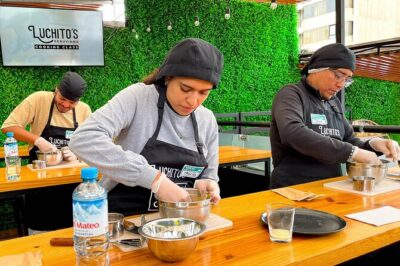
Peruvian Cooking Class, Local Market Tour & Exotic Fruit Tasting
Read our review →
3 Day Tour From Lima: Paracas, Huacachina Oasis & Pisco Vineyard
Read our review →
Peruvian Cooking Class, Cocktails & Local Market Tour
Read our review →Browse the lists this tour appears in