
Reviewed · MACHU PICCHU TOURS
Inka Jungle trek to Machu Picchu in 4-days Tour
Adventure comes before the ruins. This four-day Inka Jungle trek reaches Machu Picchu by bike, raft, footpath, zipline, and a long walk beside the Urubamba River. I like the mix of activities and the small maximum group of 15, which makes the trip feel more social and less like a conveyor belt. The main catch is the early starts, long walking days, and demanding return to Cusco.
I also like that the $350 price includes transport, accommodation, entrance fees when booked two months ahead, most meals, and a bilingual guide. The guide support has earned especially strong praise, including careful help from guides such as Ebert and quick planning assistance from Nixon. Still, this is not the right choice if you want a quiet, train-based visit or an easy path to Machu Picchu.
In This Review
- Key points to know before booking
- Why choose the Inka Jungle route?
- Day 1: Abra Malaga to Santa Maria by bike
- Day 2: Four hours through the high forest
- Day 3: Ziplining, river walking, and Aguas Calientes
- Day 4: Machu Picchu at 6:00 am
- What the $350 price really covers
- Guide support and group size
- Who should book this trek?
- Should you book the Inka Jungle trek?
- FAQ
- How long is the Inka Jungle trek to Machu Picchu?
- What time is pickup from Cusco hotels?
- Is breakfast included on the first day?
- Is Machu Picchu entrance included?
- Do I have to walk from Aguas Calientes to Machu Picchu?
- Is the train back to Cusco included?
- What meals are included?
- What is the maximum group size?
Key points to know before booking
- Four ways to reach Machu Picchu: Bike from Abra Malaga, raft near Santa Maria, hike through the high forest, and walk the final route to Aguas Calientes.
- Abra Malaga begins the adventure: The road reaches about 4,350 meters above sea level, beside Veronica snow mountain, before the bicycle descent.
- Cocalmayo hot springs reward Day 2: After roughly four hours on foot, you can relax in the thermal baths before heading to the lodge.
- Aguas Calientes comes after a three-hour river walk: Day 3 combines ziplining, a suspension bridge, light rock climbing, and the route beside the Urubamba.
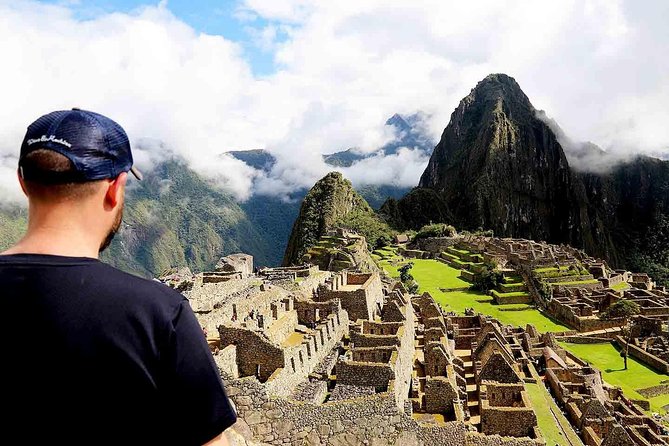
- Machu Picchu begins at 4:00 am: You aim to reach the ruins around 6:00 am, with about two hours of guided touring and free time afterward.
- The return is the tough part: You walk back to Hidroelectrica, then take a minivan to Cusco, arriving around 10:00 pm.
Why choose the Inka Jungle route?
The classic Inca Trail focuses on ancient stone paths and mountain passes. This route takes a different approach. It gives you a moving, active journey through changing environments, with several forms of transport before Machu Picchu appears at the end.
That variety is the reason I would recommend it to someone who finds four days of hiking too repetitive. You might spend one morning on a bicycle, another on an Inca road, and the next crossing a suspension bridge before walking along the river. The activities make the route feel like an expedition rather than a simple transfer to the ruins.
The group limit of 15 is useful here. A group this size can still be sociable, but it should be easier to hear the guide and keep track of the day’s plan than in a large coach group. The experience is offered in English, with a professional guide who also speaks Spanish.
The trade-off is comfort. You will sleep in lodges rather than spend four nights in one comfortable hotel. You will also need to manage early departures, changing transport, and substantial walking. The tour description asks for a moderate level of fitness, and that is a fair warning.
More Machu Picchu trips:
- Classic Inca Trail Trek 4D/3N to Machu Picchu (Group Service)
★ 5.0 · 8,653 reviews - Machu Picchu: 4-Day Inca Trail Trek with Panoramic Train Ride
★ 5.0 · 4,568 reviews - Short Inca Trail to Machu Picchu 2D/1N
★ 5.0 · 3,007 reviews
Day 1: Abra Malaga to Santa Maria by bike
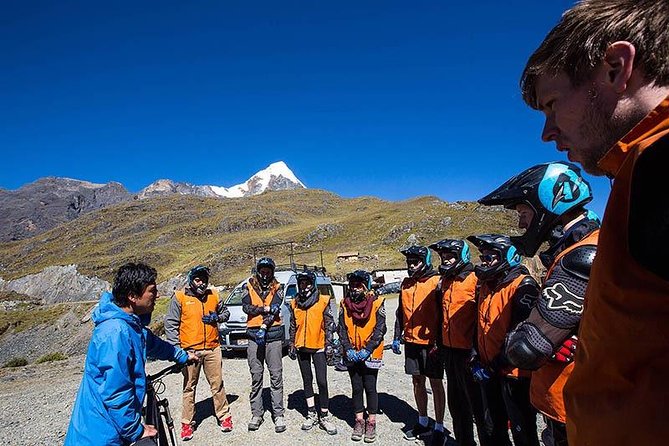
The day starts early. Pickup from your Cusco hostel is scheduled between 5:30 and 6:00 am, so you should be ready at reception with your bags and perhaps a cup of tea. Breakfast on this first morning is not included, so arrange food in advance or bring something with you.
After a stop in Ollantaytambo, the group continues toward Abra Malaga. At about 4,350 meters above sea level, this is the highest point of the trip. The area sits at the edge of the Andes, with Veronica snow mountain nearby. Even if the air feels thin, the stop gives you a dramatic beginning and a clear sense that the route will change quickly.
From the pass, you ride downhill by bicycle toward Santa Maria, at roughly 1,800 meters. The direction matters: Day 1 begins high and cold, then drops toward warmer country. That change brings relief for many people, but you should still dress in layers because the morning at altitude and the later lowland heat are very different.
The included bicycle activity is one of the tour’s strongest features, but it also deserves care. The road is downhill, yet a downhill road is not automatically easy. You need to feel comfortable on a bike and follow the guide’s instructions. If you are uneasy, ask the operator ahead of time how the cycling portion is managed.
After reaching Santa Maria, you have a typical lunch and time to rest. Rafting follows on a river rated level three. The description calls it exciting without being too dangerous, but you should still treat it as a real outdoor activity, not a gentle float. The day ends at an ecolodge.
This is an eight-hour day, not counting every small pause. The early pickup, high-altitude start, cycling, rafting, and transfer make it full. I would keep your first evening in Cusco quiet and avoid scheduling anything important after you return.
Day 2: Four hours through the high forest
After breakfast, the guide introduces you to the plants of the jungle area. The route then moves onto the Inca road, where walking takes about four hours through high forest.
This is where the tour gains its strongest sense of place. You are not simply moving between activities. You are walking through an area noted for orchids, birds, other wildlife, and a wide range of plant life. The route offers a closer look at the natural setting around the old road, rather than only a view from a vehicle.
Lunch comes from a local community and includes fruits and native tubers from the area. That detail adds value to the meal. It connects the day to local food traditions instead of treating lunch as just fuel between stops.
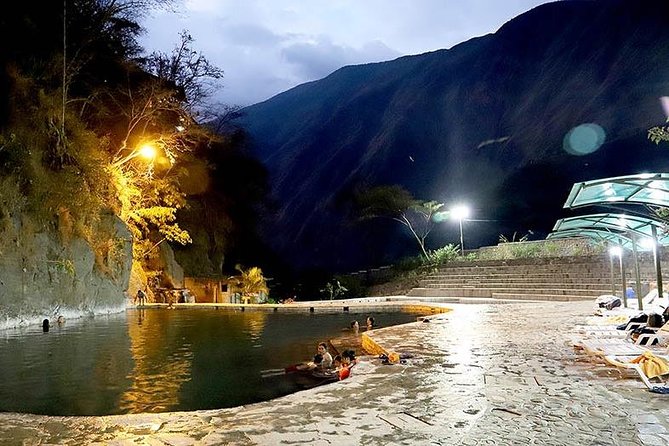
The reward at the end is Cocalmayo hot springs. After four hours of walking, warm water can make a real difference to tired legs. The stop is brief in the schedule, listed at about seven minutes of activity time, but the description says the group relaxes there before going to the lodge. Confirm the exact amount of soaking time when you receive the day’s plan, since the practical value of this stop depends on how long you can stay.
Day 2 is less flashy than the biking and rafting day, but it may be the most satisfying for people who want time on foot. You get forest, wildlife, local food, and thermal baths in one stretch. Bring footwear suitable for walking and keep water close at hand.
Day 3: Ziplining, river walking, and Aguas Calientes
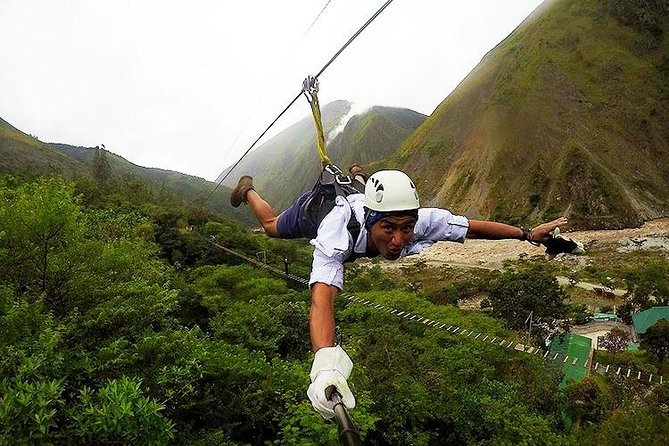
Day 3 begins with breakfast and a short transfer to the zipline area. The activities include several zipline routes, a suspension bridge, and light rock climbing.
This is another active morning, and it gives the tour a playful edge. The suspension bridge and climbing section are not described as extreme, but you should be ready to follow safety instructions and take part in more than one kind of physical activity.
A bus then takes the group to Hidroelectrica for lunch. From there, you walk for about three hours toward Aguas Calientes, the town below Machu Picchu. The route follows the Urubamba River and includes waterfalls and wildlife along the way.
The walk is an important practical point. It is not just a short stroll before dinner. Three hours after a morning of ziplining can be tiring, especially if your legs are still feeling Day 2. The payoff is that you approach Aguas Calientes on foot, with the river and waterfalls beside you, rather than arriving only by train.
At dinner, the guide explains the next day’s plan for Machu Picchu. You then have free time to explore Aguas Calientes. Use it sensibly. You may want to look around town, but the following morning begins at 4:00 am.
The listed duration is about six hours, though transfers and the evening briefing shape the whole day. Keep your overnight items easy to reach and avoid packing your main luggage in a way that forces a late-night reorganization.
More hikes and treks in Cusco:
- Salkantay Classic Trek 5 Days from Cusco
★ 5.0 · 4,062 reviews - 4-Day Salkantay Trek with Sky Camp Stay
★ 5.0 · 3,346 reviews - Salkantay Trek 5D/4N with Glass Cabins, Domes and Hobbit House
★ 5.0 · 2,488 reviews - 2-Day Inca Trail to Machu Picchu with Panoramic Train
★ 5.0 · 1,876 reviews
Day 4: Machu Picchu at 6:00 am
The final day starts before dawn. At 4:00 am, you begin the climb toward Machu Picchu through high forest, with the goal of reaching the sanctuary around 6:00 am. The ascent is done on foot. The bus up from Aguas Calientes is not included, and the itinerary says everyone walks.
That early start has two clear benefits. You reach the site near opening time, and you may have the chance to see the ruins in the morning light. It also lets you spend a substantial part of the day inside the sanctuary rather than rushing through a short visit.
The guide leads about two hours of touring. After that, you have free time until around 11:30 am, with the schedule allowing about six and a half hours at Machu Picchu in total. That is generous compared with a brief guided stop, although the exact experience depends on your entry time and the rules in effect at the sanctuary.
The buses from Machu Picchu down to Aguas Calientes are not included either. You walk back, then continue to Hidroelectrica for about three and a half hours. A vehicle departs at 3:00 pm for Cusco, with arrival around 10:00 pm.
This is the tour’s hardest logistical day. You have an early climb, several hours at the ruins, a long walk back, and a late minivan ride. The return vehicle is included, but the journey is much slower and less comfortable than returning by train.
You can pay about $30 extra for another night in Machu Picchu town and return the following day. That is a sensible option if you want to climb Huayna Picchu or Machu Picchu Mountain, or simply spend longer at the sanctuary. You can also replace the minivan with a train. The train takes about one hour and 40 minutes from Aguas Calientes to Ollantaytambo, followed by roughly an hour and a half by car to Cusco.
What the $350 price really covers
At $350 per person, the tour offers a lot for the money. Included items cover private transportation, bicycle use, rafting, ziplining, accommodation, entrance fees, a professional bilingual guide, and three breakfasts, three lunches, and three dinners.
The value is strongest if you want one booking to handle the moving parts. The route requires coordination between road transfers, activities, walking sections, lodges, and Machu Picchu entry. Having a guide and transport arranged reduces the chance that you will waste time sorting out each connection yourself.
The price does not cover the first day’s breakfast or your final day’s lunch and dinner. Tips are also separate. You must pay for the buses between Aguas Calientes and Machu Picchu if you choose not to walk, and the train costs extra.
Pay attention to the entrance-fee condition. Machu Picchu entry is included for bookings made two months in advance. If you book later, contact the operator to discuss available options. This matters because the entrance is the centerpiece of the trip, not a minor add-on.
Guide support and group size
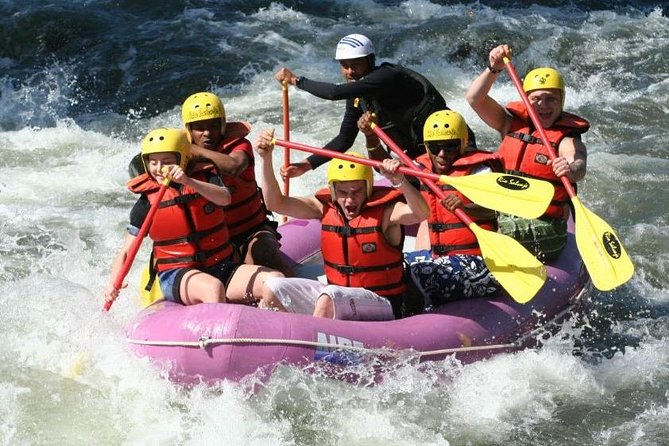
The strongest part of the service is the personal attention described by the people who took the trip. Ebert is praised for helping a parent and two teenagers, while also keeping the activities safe and exciting. Another guide helped with blisters by finding plasters and antiseptic, a small act that matters when you still have miles to walk.
Nixon is singled out for quick messages, clear planning, and help when a strike disrupted a previous Machu Picchu date. The booking was rearranged, hotel and ticket changes were handled, and the trip continued with only the stated Machu Picchu penalty. That suggests useful flexibility in a difficult situation, though you should not assume every disruption will be handled without cost.
The maximum group size is 15. The actual group may be smaller, but the important point is that this is not designed as a private tour. You will share meals, activities, walking time, and transport with other people. That suits anyone who likes meeting people from different countries and enjoys a team feeling.
Who should book this trek?
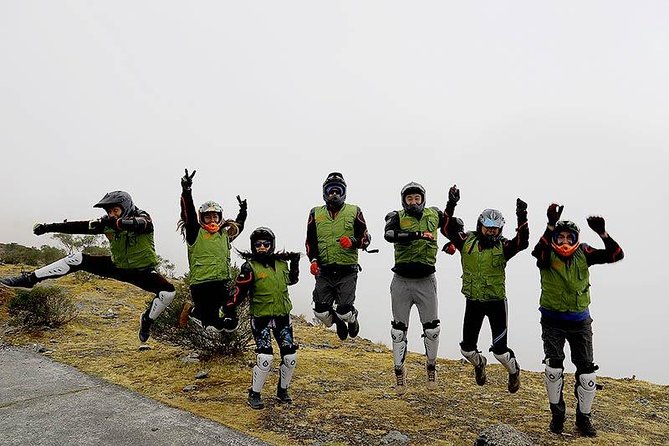
I would choose this tour if you want activity and variety more than a relaxed holiday. It suits people who enjoy cycling, rafting, ziplining, long walks, early starts, and changing scenery. It also works well for first-time visitors who want a guide to handle the route and connections.
Families with active teenagers may find the mixture appealing. The account of Ebert helping two teenagers suggests that the guide can be attentive to different needs, but the moderate fitness requirement still applies.
You should think twice if you dislike heights, river activities, bicycles, or long walks. The final return to Cusco is especially demanding. If your main goal is maximum time at Machu Picchu, pay for the extra night and consider the train back.
Bring layers for the high pass, comfortable walking shoes, personal snacks for the early first morning, and basic blister care. The tour includes meals, but the two uncovered final-day meals and small personal costs are easy to overlook.
The experience is non-refundable and cannot be changed for personal reasons. It requires suitable weather. If poor weather forces cancellation, you are offered another date or a full refund. That policy makes travel insurance worth considering, especially for an expensive Peru itinerary.
Should you book the Inka Jungle trek?
Book it if you want Machu Picchu wrapped inside a four-day adventure rather than a simple train excursion. The route gives you biking from Abra Malaga, level-three rafting, a forest walk, Cocalmayo hot springs, ziplining, river scenery, and a long final approach to the ruins. The included transport, meals, lodging, guide, and activities make $350 a strong value.
I would add the extra night and train if your budget allows. That removes the exhausting same-day return and gives you more control over your time at Machu Picchu.
Skip it if you want comfort, a slow schedule, or a direct train journey. For active visitors who accept early mornings and tired legs, this is a lively and well-supported way to reach one of Peru’s great sights.
FAQ
How long is the Inka Jungle trek to Machu Picchu?
The tour lasts approximately four days. The scheduled activities take about eight hours on Day 1, seven minutes listed for the Cocalmayo stop on Day 2, six hours on Day 3, and ten hours on Day 4.
What time is pickup from Cusco hotels?
Pickup begins between 5:30 and 6:00 am. You should provide your Cusco hostel or hotel details at least 24 hours before the tour and wait at reception.
Is breakfast included on the first day?
No. Breakfast on the first day is not included. Breakfast is included on the following three mornings.
Is Machu Picchu entrance included?
Entrance is included when the booking is made two months in advance. If you book later, you should contact the operator about the available entrance options.
Do I have to walk from Aguas Calientes to Machu Picchu?
Yes, the included plan has you walk uphill from Aguas Calientes. The bus up is not included. The return bus down is also not included.
Is the train back to Cusco included?
No. The standard return uses a minivan from Hidroelectrica to Cusco. You can pay extra for a train from Aguas Calientes to Ollantaytambo, followed by a car to Cusco.
What meals are included?
The tour includes three breakfasts, three lunches, and three dinners. The first day’s breakfast and the final day’s lunch and dinner are not included.
What is the maximum group size?
The maximum is 15 people. The tour is offered in English and includes a professional bilingual guide who speaks English and Spanish.
More Amazon Jungle Trips
- 4-Day Inca Jungle Trail to Machu Picchu Hiking and Biking Tour
★ 5.0 · 438 reviews - 4-Day Adventure Tour: Inca Jungle Trail to Machu Picchu
★ 5.0 · 426 reviews - 4-Day Inca Jungle Tour: Machu Picchu Biking, Rafting, and Zipline
★ 5.0 · 241 reviews - Manu National Park 4-Day Eco Tour from Cusco
★ 5.0 · 216 reviews
Just added in Cusco
- Cusco Private Transportation for 2026★ 5.0 · 4 reviews
- Private Transfer from Airport to Hotel in the City of Cusco★ 4.0 · 5 reviews
- Best Cusco walking tour: dinner street food tasting★ 4.5 · 11 reviews
- Private Tour to Pisac Market and Pisac Ruins★ 5.0 · 4 reviews
- Machu Picchu Day Trip With Panoramic Train from Cusco★ 5.0 · 10 reviews
- Sacred Valley Private Tour from Cusco, Guide and Driver only★ 5.0 · 4 reviews
- Sacred Valley of the Incas Tour★ 5.0 · 12 reviews
- Private Tour of the Mountain of Colours by Quad★ 5.0 · 7 reviews
Machu Picchu Tours, compared.
Classic Inca Trail Trek 4D/3N to Machu Picchu (Group Service)
Read our review →
2-Day Inca Trail to Machu Picchu with Panoramic Train
Read our review →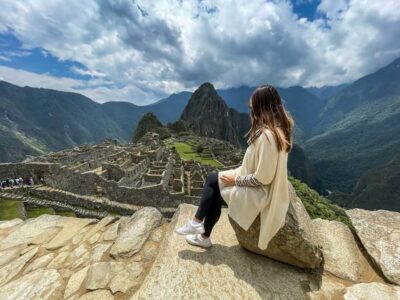
From Cusco: Full-Day Group Tour of Machu Picchu
Read our review →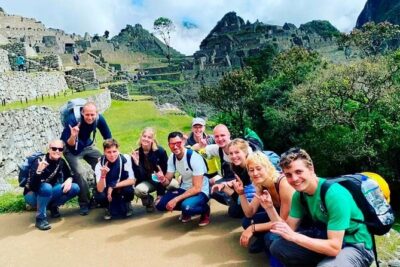
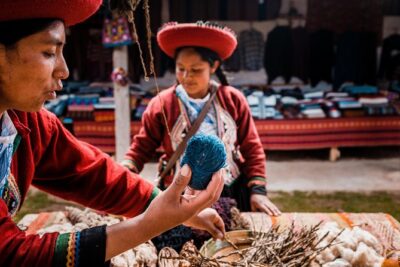
2-Day Tour: Sacred Valley and Machu Picchu by Train
Read our review →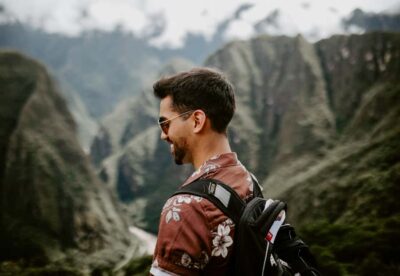
Machu Picchu: Full-Day Tour from Cusco with Optional Lunch
Read our review →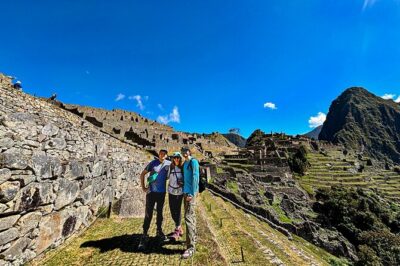
Machu Picchu Full Day from Cusco by Panoramic Train
Read our review →Browse the lists this tour appears in