
Reviewed · MACHU PICCHU TOURS
Machu Picchu: 5-Day Salkantay Trek with Panoramic Train
Mountain mornings, jungle trails, and Inca ruins make this a memorable route to Machu Picchu. I like the mix of serious high-altitude trekking and thoughtful comforts, especially the glamping night, hot meals, and campsite at Llactapata with Machu Picchu in view. I also like the cultural stops, including a Pachamanca feast and a local coffee experience. The main caution is simple: the first two days are physically demanding, and altitude sickness can make the opening stage much harder than the mileage suggests.
This five-day trip costs $655 per person and is limited to 16 people. That price covers transport from Cusco, the guide, park entries, meals, camping equipment, muleteers, a hotel night, buses at Machu Picchu, and the panoramic train back toward Cusco. Guides such as César, José, Roger, Gilbert, and Elias have earned especially warm praise for encouragement, organization, and care. Still, you need a reasonable walking base, cash in Peruvian soles, and a willingness to start at 4:30 in the morning.
In This Review
- Key points at a glance
- Why choose the Salkantay route to Machu Picchu?
- Day one: Humantay Lake and a night at 4,150 meters
- Day two: Salkantay Pass and the descent into cloud forest
- Day three: Pachamanca, coffee farms, and Llactapata
- Day four: Llactapata, the railway walk, and Aguas Calientes
- Day five: Machu Picchu and the panoramic train home
- Food, camps, and the value of $655
- Safety, fitness, and what to pack
- Who this Salkantay Trek suits best
- Should you book this five-day trek?
- FAQ
- How long is the Salkantay Trek experience?
- What time is pickup from Cusco?
- What languages are available for the guided tour?
- How high is Salkantay Pass?
- Is Humantay Lake included?
- What accommodation is included?
- Is the train back to Cusco included?
- Are Huayna Picchu and Machu Picchu Mountain included?
Key points at a glance
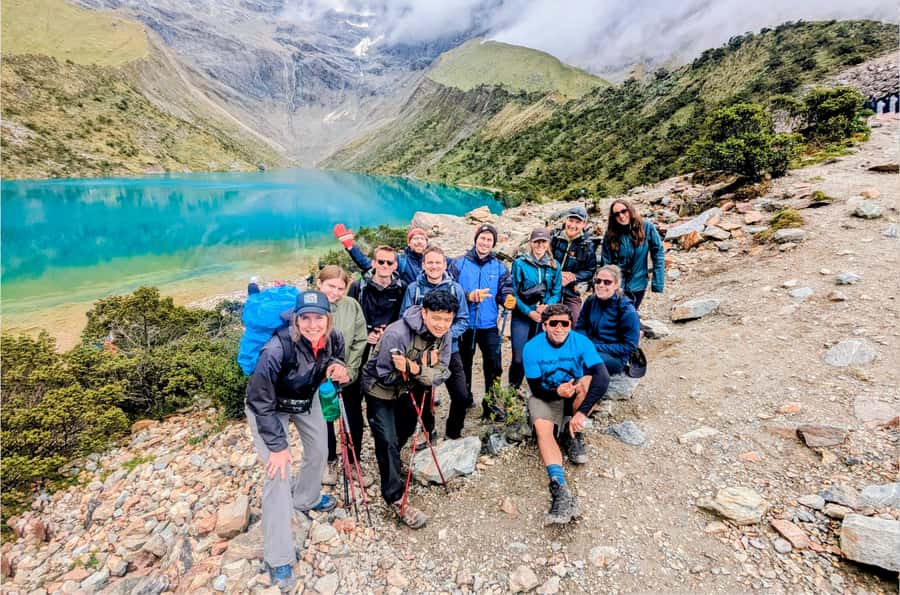
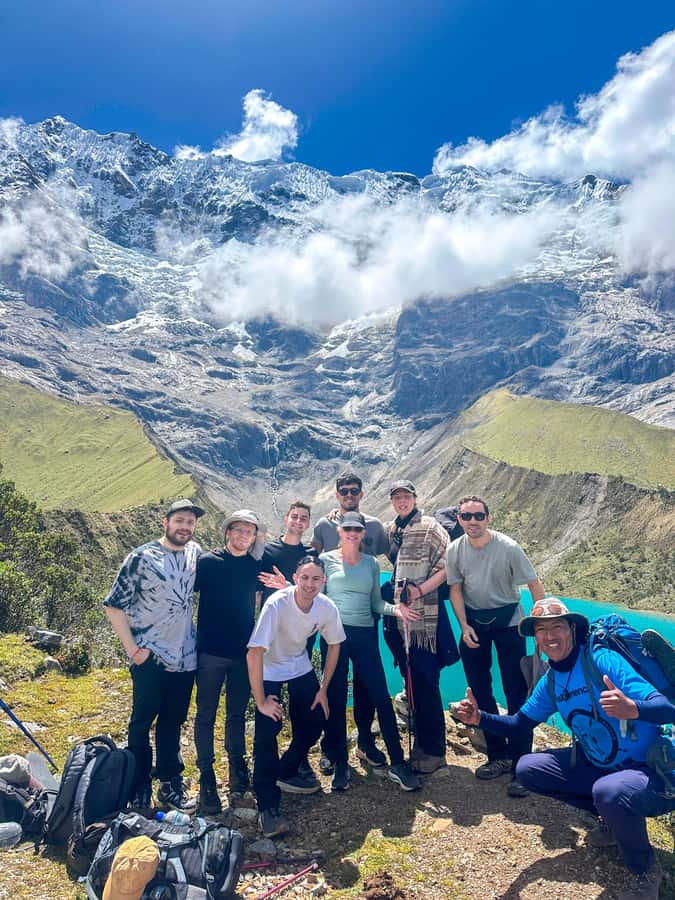
- Humantay Lake reaches 4,200 meters: The turquoise lake is beautiful, but the climb on day one gives you an immediate test of altitude and fitness.
- Salkantay Pass is the high point: At 4,630 meters, day two brings the trek’s biggest climb, followed by a long descent into cloud forest.
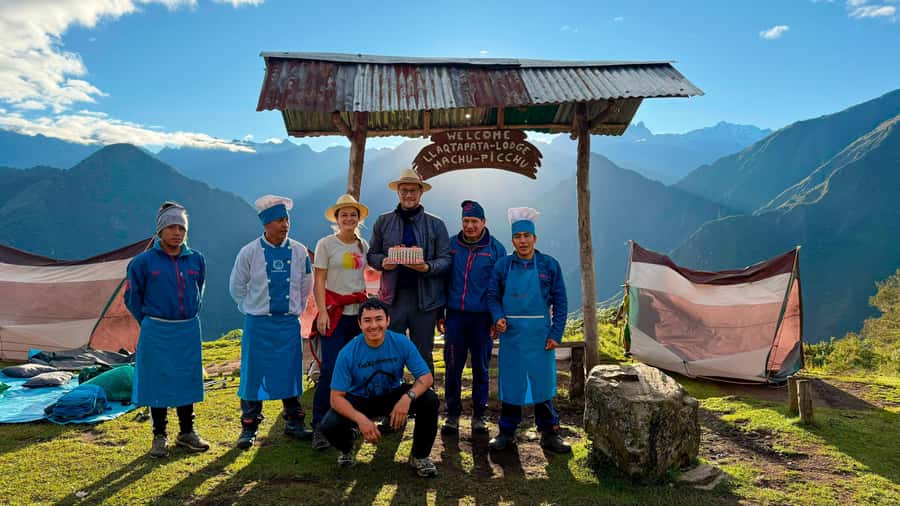
- Llactapata gives you an unusual Machu Picchu view: You camp with the citadel in sight before reaching it the next morning.
- Food is a major strength: Chefs prepare fresh meals, snacks, hot drinks, vegetarian choices, and a traditional Pachamanca barbecue.
- The route changes dramatically: Snowy peaks, glacial water, cloud forest, coffee farms, waterfalls, orchids, and the Urubamba River all appear within five days.
- The return is comfortable: After Machu Picchu, you ride a Vistadome or 360° train to Ollantaytambo, then continue by private van to Cusco.
Why choose the Salkantay route to Machu Picchu?
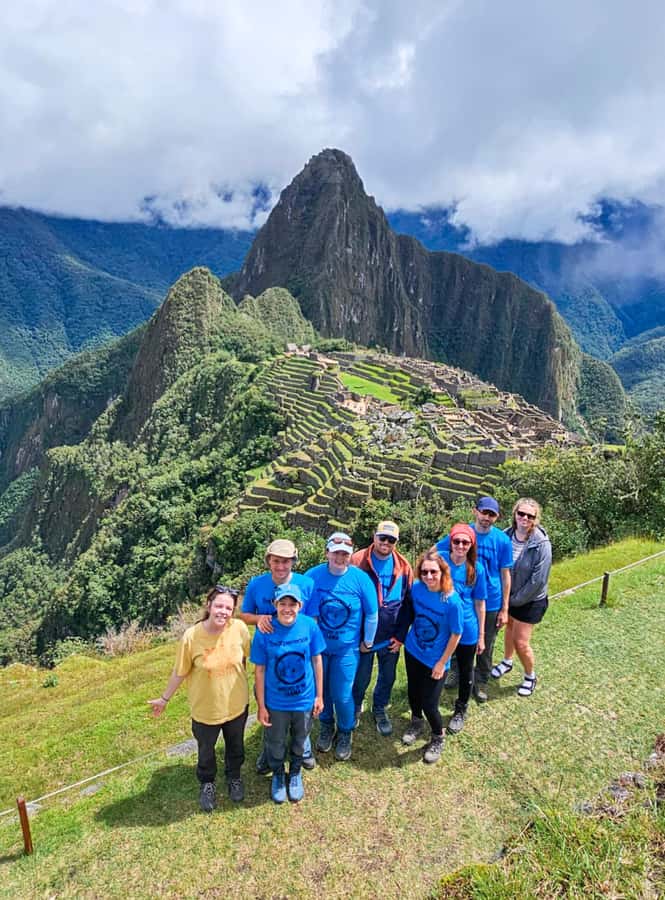
The Salkantay Trek suits you if Machu Picchu is the goal but you want the journey to feel like a real expedition rather than a quick rail-and-bus visit. The route crosses high mountain country before dropping through warmer forest and coffee-growing areas. You get changing scenery every day, and the physical effort gives the final arrival at Machu Picchu more weight.
It is also a useful alternative to the classic Inca Trail. This route includes Inca Trail sections near Llactapata, but it is not the same as hiking the full classic trail. The reward here is the contrast between Salkantay’s open mountain views and the later forest paths.
I particularly like the way the tour pairs hard walking with human-scale experiences. You are not simply moved from one viewpoint to another. You meet the cooking team, taste local coffee, eat food cooked in the earth, and sleep in several different kinds of accommodation.
The small group limit of 16 matters. It allows the guide to keep an eye on different walking speeds and offer help when someone is struggling. José was praised for waiting patiently for slower walkers, while other guides allowed people to move ahead when they preferred a faster pace. That flexibility is useful on a route where group members may have very different fitness levels.
More Machu Picchu trips:
- Classic Inca Trail Trek 4D/3N to Machu Picchu (Group Service)
★ 5.0 · 8,653 reviews - Machu Picchu: 4-Day Inca Trail Trek with Panoramic Train Ride
★ 5.0 · 4,568 reviews - Short Inca Trail to Machu Picchu 2D/1N
★ 5.0 · 3,007 reviews
Day one: Humantay Lake and a night at 4,150 meters
Your pickup begins around 4:30 a.m. from a hotel or Airbnb near Cusco’s historic center. That is an early start, but it lets you reach Mollepata after roughly three hours of scenic driving, eat breakfast, and meet the trekking team before walking.
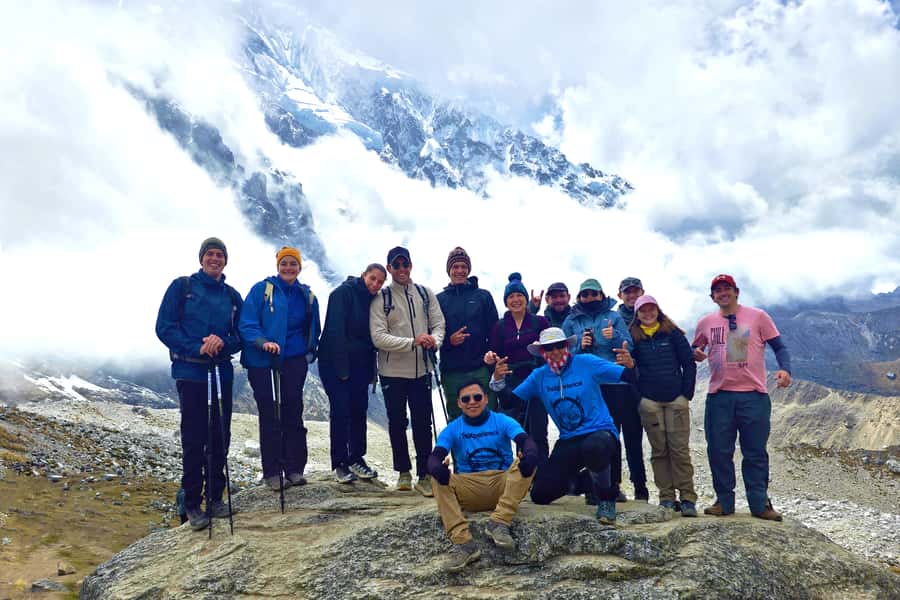
The first hike takes about three hours to reach Humantay Lake at 4,200 meters. The water’s turquoise color is the obvious attraction, framed by steep Andean peaks and glacial surroundings. It is one of the trek’s most photogenic stops, but it is not a gentle introduction. At this height, even a short slope can feel surprisingly tough.
After spending time at the lake, you descend to Soraypampa for lunch. That downhill section gives your legs a break, though the day is far from finished. A gentle two-hour climb takes you to the Salkantay glamp campsite at about 4,150 meters.
The glamping setup is a welcome touch here. You still sleep outdoors in a mountain setting, but a proper tent, sleeping pad, pillow, warm meal, and hot drink are a lot more pleasant than a bare campsite after a long first day. The view of Salkantay Mountain and the night sky are two of the strongest memories associated with this camp.
Altitude is the serious issue. Several people have reported headaches or altitude sickness during the early stages, and acetazolamide helped some of them. That is not medical advice, so discuss altitude medication with a qualified health professional before the trek. Arriving in Cusco early enough to adjust before starting is sensible, though the supplied information does not specify a required acclimatization period.
Day two: Salkantay Pass and the descent into cloud forest
Day two is the trek’s toughest mountain day. You begin with coffee or coca tea, then climb toward Salkantay Pass at 4,630 meters, the highest point on the route.
At the pass, the views open toward high peaks and glacial terrain. You also stop near a glacial lake before starting the long descent. This is the day when good pacing matters most. You do not need to race uphill, and the guide’s job is to keep the group moving safely rather than turn the morning into a competition.
After lunch at Wayracmachay, the surroundings change hour by hour. The bare highlands give way to cloud forest, with more plant life, warmer air, and a greener feel. By evening, you reach Collpapampa at 2,770 meters and sleep in comfortable Andean huts.
The change in temperature is one of the route’s pleasures. You begin bundled against cold at high elevation and finish in a much softer forest climate. It also makes day two tiring in a different way: the descent is long, and tired knees can complain even after the major climb is over.
Bring trekking poles if you like extra support. They are not included, but they can be rented. A sleeping bag and inflatable mattress are also available for rent, while a sleeping pad and pillow are already provided.
Day three: Pachamanca, coffee farms, and Llactapata
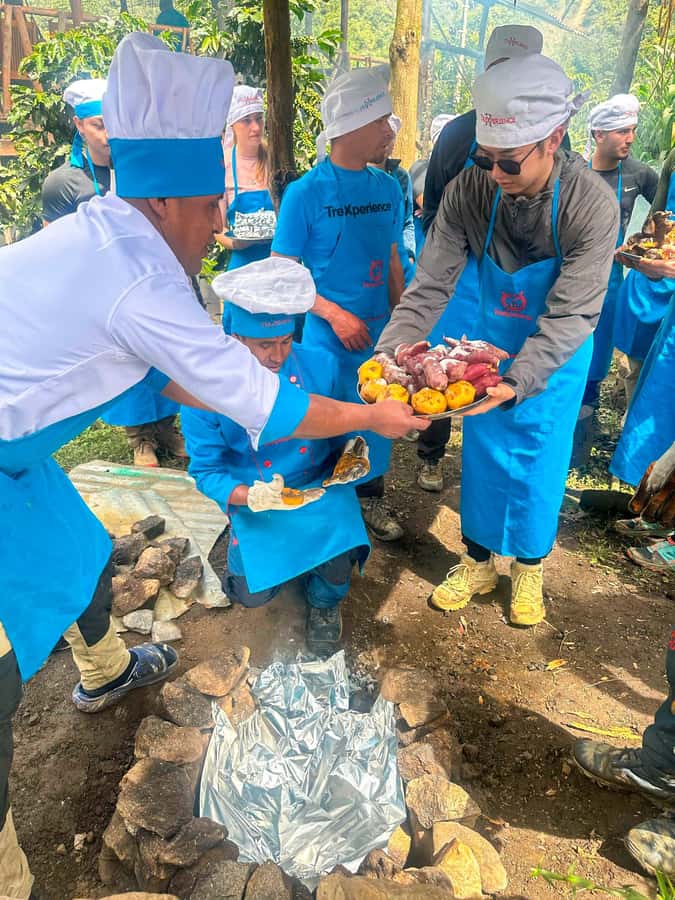
Day three is the most cultural section of the trek. After breakfast, you follow paths through a warmer zone, crossing wooden bridges and passing waterfalls, plantations, and local communities on the way to Lucmabamba at roughly 2,000 meters.
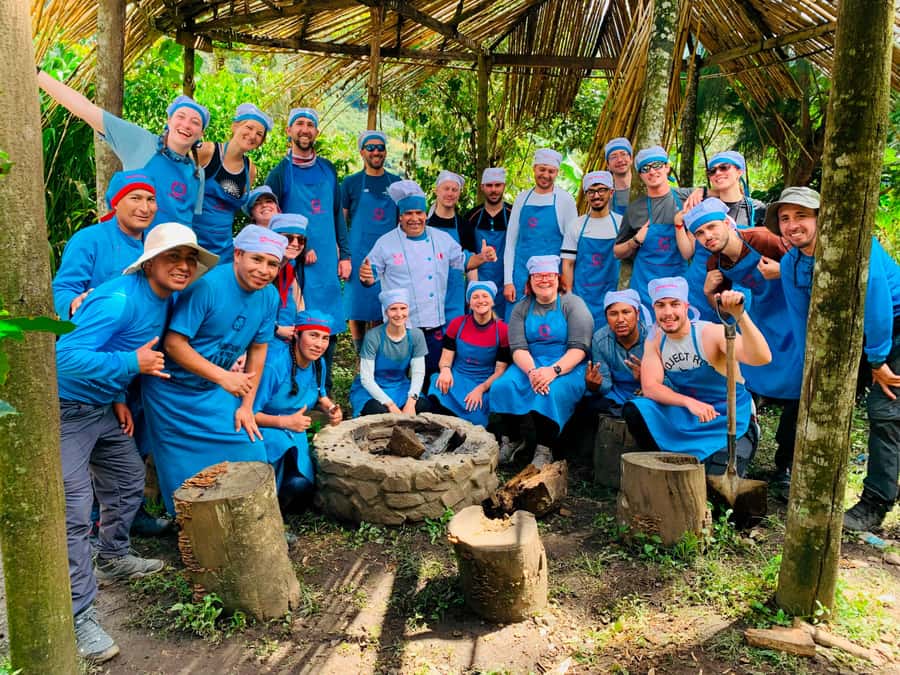
The Pachamanca meal is more than a standard lunch stop. Food is cooked in an underground earth oven using heated stones, a traditional Andean method. You also take part in a cooking experience, which gives you a closer look at an important part of local food culture.
The coffee visit adds another layer. Lucmabamba is known here for coffee farms, and you get to taste freshly brewed coffee after seeing how the crop fits into the local economy and daily life. After two demanding mountain days, this slower cultural pause gives the day a welcome change of rhythm.
One practical point: the order of the day may not feel perfect for every walker. The provided schedule places the Pachamanca experience before the afternoon hike, and one piece of feedback suggested hiking before the meal would create a better flow. A substantial barbecue followed by three hours on the trail may feel heavy, so pace yourself and avoid treating lunch as an excuse to overeat.
The afternoon hike follows an Inca Trail section for around three hours to Llactapata at 2,750 meters. The reward is not only the archaeological site itself but the first memorable view of Machu Picchu. You spend the night camping with the citadel visible from the site.
This is one of the best choices in the whole itinerary. At Machu Picchu itself, you share the main viewpoint with many other people and follow set circuits. At Llactapata, the setting feels more open and personal. You see the destination ahead instead of meeting it all at once.
More hikes and treks in Cusco:
- Salkantay Classic Trek 5 Days from Cusco
★ 5.0 · 4,062 reviews - 4-Day Salkantay Trek with Sky Camp Stay
★ 5.0 · 3,346 reviews - Salkantay Trek 5D/4N with Glass Cabins, Domes and Hobbit House
★ 5.0 · 2,488 reviews - 2-Day Inca Trail to Machu Picchu with Panoramic Train
★ 5.0 · 1,876 reviews
Day four: Llactapata, the railway walk, and Aguas Calientes
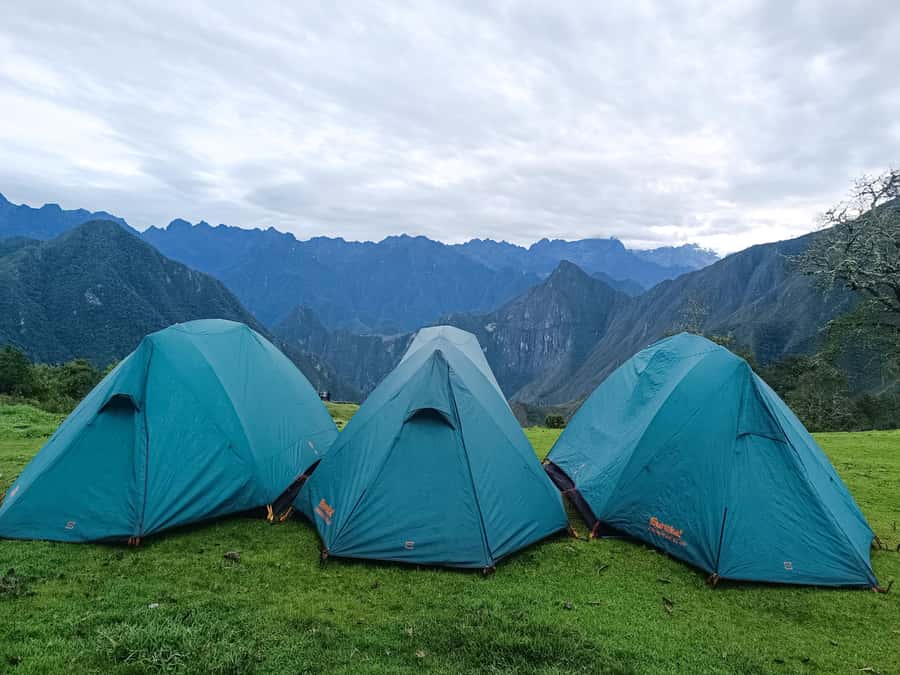
Wake early enough to see Machu Picchu from the campsite, then enjoy freshly brewed coffee before descending for about two hours to the hydroelectric station. The morning view is a smart preview of the next day’s main event.
At the station, you have a final brunch with the trekking team. Afterward comes a roughly three-hour walk beside the railway and the Urubamba River to Aguas Calientes, also known as Machu Picchu Pueblo.
This stretch is not the grandest part of the trek, but it has its own appeal. The river, forest, and railway create a steady route into town. You also stop at Mandor Botanical Gardens, where orchids and birdlife add interest to the walk.
You spend the night in a three-star hotel in Aguas Calientes. That bed and private town base are well timed after three nights outdoors. You can explore, rest, or visit the hot springs before dinner at a local restaurant.
Do not expect day four to be a free afternoon. The descent and railway walk add up, and you still need to prepare for an early start to Machu Picchu. Keep your evening calm, organize your small daypack, and save energy for the next morning.
Day five: Machu Picchu and the panoramic train home
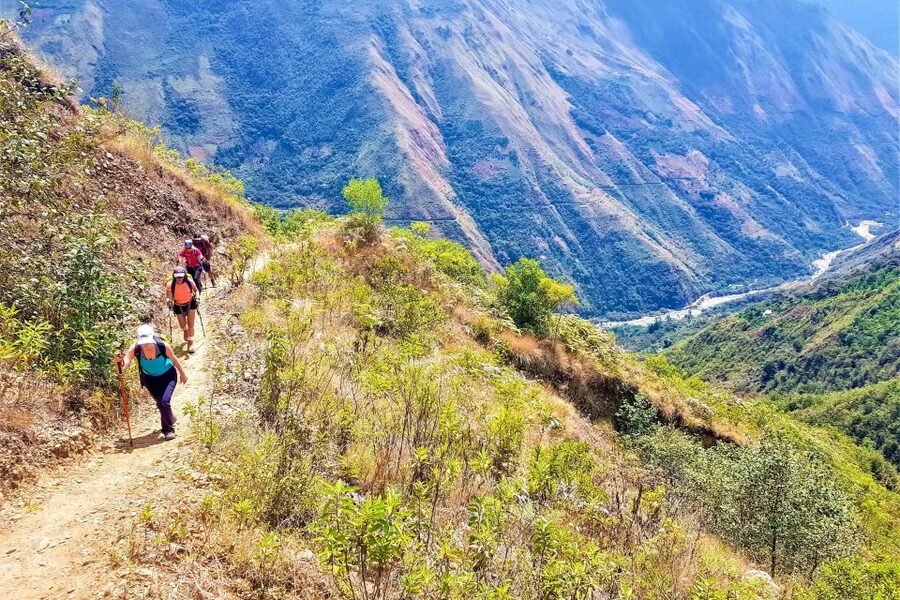
The final day begins with breakfast and one of the first buses up to Machu Picchu. The early timing is designed to give you a chance at sunrise and a quieter first look at the citadel.
A guided tour lasts about two to three hours. This is where a good guide adds real value. The stonework and mountain setting are impressive on their own, but context helps you understand how the site was planned and why its terraces, temples, and position matter.
After the guided circuit, you may have time to explore independently. Huayna Picchu and Machu Picchu Mountain are not included by default. You must book either permit in advance, and availability is separate from the main Machu Picchu entry.
The pass system at Machu Picchu can also affect the day. One guide cannot always accompany every person if the group splits between different circuits or optional mountain hikes. For that reason, confirm exactly what your Machu Picchu ticket allows and pay attention to the meeting instructions.
Afterward, return to Aguas Calientes for lunch and board the Vistadome or 360° train to Ollantaytambo. The panoramic windows make the train ride a pleasant final chapter, especially after several days on foot. A private van then takes you back to Cusco, with arrival expected around 7:30 p.m.
That makes day five long. You will have an early start, a major sightseeing visit, a train journey, and a road transfer. It is best treated as a travel day rather than a night of rest before another activity.
Food, camps, and the value of $655
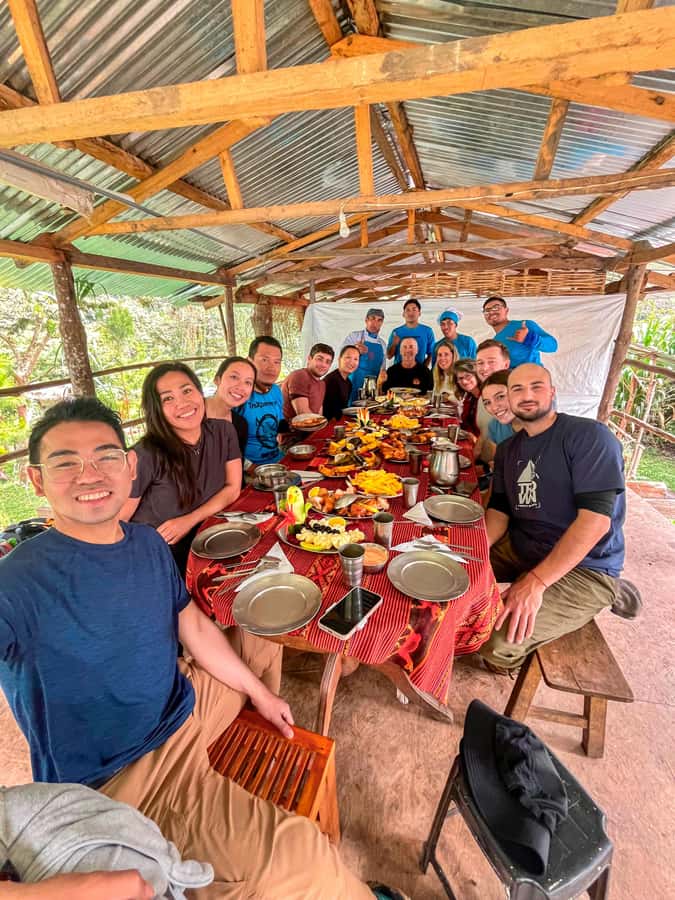
At $655, this trek is not just paying for a guide and a Machu Picchu ticket. The package includes four breakfasts, three lunches, three dinners, water, daily snacks, experienced chefs, camping equipment, muleteers, transport, park entries, buses, the hotel, and the train to Ollantaytambo.
That is a strong bundle for five days. You also receive a duffle bag with a limit of 7 kilograms, while muleteers carry camping gear. The duffle reduces the need to carry everything in a daypack, though you still need a comfortable backpack of no more than 25 liters for Machu Picchu.
Food is one of the tour’s clearest strengths. The cooks have prepared multi-dish meals, fresh hot drinks, snacks, and vegetarian options. Ismael, Esteban, and other kitchen staff received especially strong praise for making meals that compared favorably with restaurant food in Aguas Calientes.
You should still bring some cash. Cash is useful in Peru, and the trek information specifically advises it. The package includes many essentials, but it does not include sleeping bags, inflatable mattresses, trekking poles, or optional mountain permits.
The accommodation is varied rather than luxurious. You get two nights camping, one glamping night, one night in a three-star hotel, and Andean huts on day two. That mix works well if you like comfort without losing the outdoor character of the trek.
Safety, fitness, and what to pack
This is a demanding trek, not a casual walk with a few viewpoints. The highest point is 4,630 meters, day one includes a climb to 4,200 meters, and the route contains long descents and several hours of walking on multiple days.
You should be comfortable with sustained uphill and downhill walking before booking. One useful benchmark from the supplied information is being comfortable with walks of around 25 kilometers, though exact daily distances are not provided. The guide team can adjust pace and offer encouragement, but no guide can remove the altitude or the steep sections.
The company provides a satellite phone, first-aid kit, and oxygen tank. Those are reassuring safeguards, but they do not make the trek suitable for everyone. The experience is not suitable for pregnant women, people with heart or back problems, people with mobility impairments, or wheelchair users. Children must be accompanied by an adult.
Pack for both cold and warm conditions. Your list should include:
- Passport and any required student card
- Hiking shoes, comfortable shoes, and hiking pants
- Warm layers, rain gear, sun hat, sunglasses, and sunscreen
- Insect repellent, toiletries, hand sanitizer or tissues, and toilet paper
- Personal medication, band-aids, and a head torch
- Camera, extra batteries, and cash
A lightweight backpack of no more than 25 liters is especially important because larger bags cannot be taken into Machu Picchu. Tell the company about dietary needs when booking, and provide passport name, number, expiration date, and country at that time.
Who this Salkantay Trek suits best
I would choose this trip if you want a physically active route, changing scenery, and more support than a basic independent trek provides. The staff handle meals, equipment transport, camps, tickets, and transfers, leaving you to concentrate on walking and enjoying the route.
It is also a good choice if food matters to you. The Pachamanca meal and coffee stop give the itinerary more character, while the chefs provide a level of cooking that is unusual on a multi-day trek.
You may prefer another Machu Picchu plan if altitude has been a serious problem for you, if you dislike early starts, or if you want a relaxed schedule. The first pickup is around 4:30 a.m., the pass is very high, and the final day does not end until the evening in Cusco.
The guides are a major part of the value. César is praised for careful support during altitude trouble, Roger for handling complicated transport, José for patience and humor, and Gilbert for combining information with motivation. Those details suggest a team that pays attention to individual needs rather than simply leading from the front.
Should you book this five-day trek?
Book it if you want Machu Picchu to be the final reward for a demanding journey through Peru’s mountains and forest. At $655, the inclusion list is generous, the group size is manageable, and the camps, meals, cultural stops, and panoramic train give the trip more substance than a basic trek-and-ticket package.
Do not book it simply because five days sounds short. This is a serious high-altitude walk with an early start, a long pass day, and a late return to Cusco. Prepare your legs, allow time to adjust to altitude, arrange any optional mountain permit early, and pack light.
For an active visitor who values strong guides, excellent food, and a route with both scenery and local connection, this is an excellent Machu Picchu choice. The Llactapata campsite, Pachamanca meal, coffee farm visit, and Salkantay Pass make the route feel like a full Peruvian journey, not just a long way to reach an ancient citadel.
FAQ
How long is the Salkantay Trek experience?
The experience lasts five days, including the trek, Machu Picchu visit, and return to Cusco.
What time is pickup from Cusco?
Pickup is around 4:30 a.m. from a hotel or Airbnb near Cusco’s historic center.
What languages are available for the guided tour?
The live tour guide service is available in English and Spanish.
How high is Salkantay Pass?
Salkantay Pass reaches 4,630 meters, which is the highest point of the trek.
Is Humantay Lake included?
Yes. The route visits Humantay Lake on day one, at an elevation of about 4,200 meters.
What accommodation is included?
The package includes two nights camping, one night of glamping in Salkantay, one night in a three-star hotel in Aguas Calientes, and a night in Andean huts along the route.
Is the train back to Cusco included?
Yes. The return includes a Vistadome or 360° panoramic train to Ollantaytambo, followed by a private van to Cusco.
Are Huayna Picchu and Machu Picchu Mountain included?
No. The pass for either Huayna Picchu or Machu Picchu Mountain must be booked separately and in advance.
Just added in Cusco
- Cusco Private Transportation for 2026★ 5.0 · 4 reviews
- Private Transfer from Airport to Hotel in the City of Cusco★ 4.0 · 5 reviews
- Best Cusco walking tour: dinner street food tasting★ 4.5 · 11 reviews
- Private Tour to Pisac Market and Pisac Ruins★ 5.0 · 4 reviews
- Machu Picchu Day Trip With Panoramic Train from Cusco★ 5.0 · 10 reviews
- Sacred Valley Private Tour from Cusco, Guide and Driver only★ 5.0 · 4 reviews
- Sacred Valley of the Incas Tour★ 5.0 · 12 reviews
- Private Tour of the Mountain of Colours by Quad★ 5.0 · 7 reviews
Machu Picchu Tours, compared.
Classic Inca Trail Trek 4D/3N to Machu Picchu (Group Service)
Read our review →
2-Day Inca Trail to Machu Picchu with Panoramic Train
Read our review →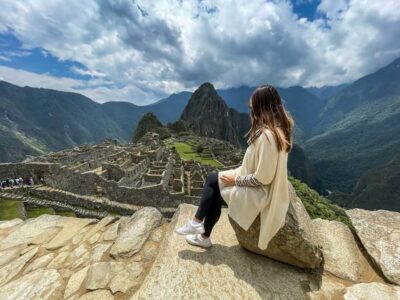
From Cusco: Full-Day Group Tour of Machu Picchu
Read our review →
2-Day Tour: Sacred Valley and Machu Picchu by Train
Read our review →
Machu Picchu: Full-Day Tour from Cusco with Optional Lunch
Read our review →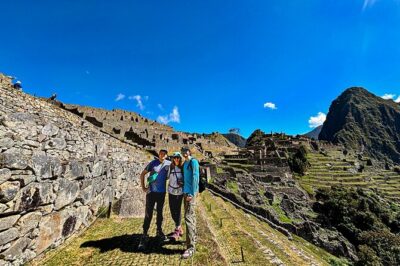
Machu Picchu Full Day from Cusco by Panoramic Train
Read our review →Browse the lists this tour appears in