
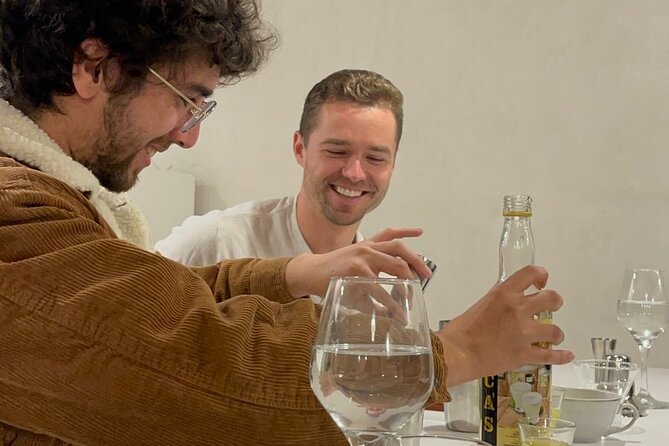
Reviewed · PERU FOOD TOURS AND COOKING CLASSES
Peruvian cooking class – Pachamanca experience
Cooking underground changes lunch completely. This five-hour Cusco experience lets you help prepare Pachamanca, an ancient Andean meal cooked beneath hot stones, rather than simply watching a chef work. I like the hands-on preparation of marinated meats, native potatoes, corn, and seasonal vegetables, and I like the communal meal with a Pisco Sour afterward. The main concern is serious: one booking ended with a locked meeting place, no host, and no replies.
The $80 price is fair if the operation runs as promised, since it covers private transport, tools, lunch, the cooking activity, and the drink tasting. I also appreciate that food restrictions can be handled by replacing ingredients. Still, the reported no-show means I would confirm the meeting details shortly before departure and keep your booking information handy.
In This Review
- Key points to know before you book
- Why Pachamanca makes a better cooking lesson
- Meeting at Sacsayhuaman and getting started
- Marinating meat with Andean herbs and spices
- Preparing potatoes, corn, and seasonal vegetables
- Building the hot-stone earth oven
- Waiting while the meal cooks
- Opening the earth oven and sharing lunch
- How the $80 price measures up
- Who will enjoy this private Cusco experience
- The booking risk and how to handle it
- Should you book the Pachamanca experience?
- FAQ
- Where does the Pachamanca experience begin?
- Where does the experience end?
- How long does the cooking class last?
- Is transportation included?
- What food is prepared?
- Is lunch included?
- Is a Pisco Sour included?
- Can ingredients be changed for dietary restrictions?
- Is this a private activity?
- Can I cancel for a full refund?
Key points to know before you book
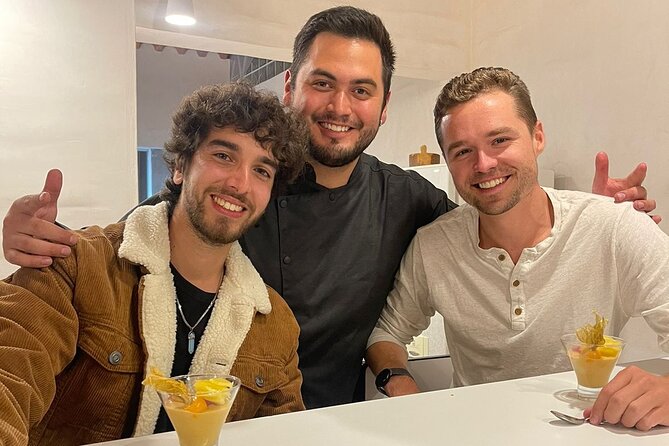
- Pachamanca is cooked underground: You help build an earth oven with hot stones, then open it later to uncover the meal.
- The food is prepared from scratch: You marinate meats with Andean herbs and spices and prepare potatoes, corn, and seasonal vegetables.
- Lunch is part of the lesson: You taste every dish after cooking and share the meal with your group and hosts.
- A Pisco Sour is included: The drink is tasted as part of the culinary experience, not added as a separate purchase.
- It is a private activity: Only your own group participates, which makes the cooking process more personal.
- Check the meeting carefully: The published starting point is C.C. Fortaleza Sacsayhuaman, at F2X8+VX8 in Cusco, but one serious complaint reported a locked door and no staff arrival.
Why Pachamanca makes a better cooking lesson
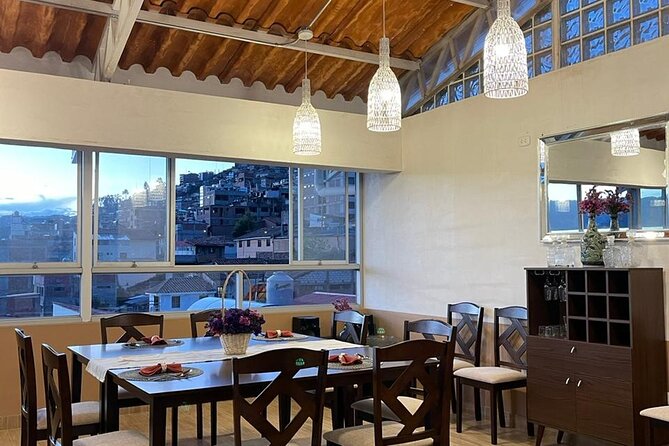
Pachamanca is not just a recipe. It is a cooking method tied to the Andes, where food is placed in an earth oven and cooked with heated stones. That gives the class a strong sense of place. You are not making a generic Peruvian dish in a standard kitchen. You are taking part in a traditional process that depends on fire, stone, earth, timing, and shared work.
The method also changes the rhythm of the class. You prepare the food first, then help assemble the oven, then wait while the meal cooks underground. That pause matters. It gives the cooking experience a social side instead of turning it into a rushed sequence of chopping and eating.
I like this format because it teaches the reason behind the meal, not only the ingredients. The hosts introduce the cultural importance of Pachamanca and explain the native foods used in the preparation. You get a better sense of how Andean gastronomy connects cooking with local customs.
The information provided does not name the individual chefs, so I would not expect a celebrity-chef presentation. The appeal is the tradition and the chance to work with local hosts in a private setting.
More Food Tours and Cooking Classes in Cusco
- Peruvian Cooking Class Cocktails and Market Tour in Cusco
★ 5.0 · 1,712 reviews - Cusco: Peruvian Cooking Class, Cocktails & Local Market Tour
★ 4.9 · 512 reviews - Hands-on Peruvian Cooking Class & San Pedro Market Visit in Cusco
★ 5.0 · 421 reviews
Meeting at Sacsayhuaman and getting started
The activity begins at C.C. Fortaleza Sacsayhuaman, listed at F2X8+VX8, Cusco 08003. Private transportation is included, and the experience returns to the same meeting point at the end. That return arrangement is useful if you are planning another Cusco activity later in the day, although a five-hour experience can still take a large part of your schedule.
The meeting point deserves extra care. One person reported arriving to find a locked door, with no one appearing in the square and no response to messages. The complaint also says that a Viator representative could not reach the operator at the time. That is a major operational warning, even though the overall score is 4.6 from 19 reviews.
I would save the address, booking confirmation, and provider contact details before leaving your hotel. If possible, confirm the start time and exact meeting instructions close to the date. This is not a criticism of the Pachamanca idea itself. It is practical protection against the one problem that can ruin an otherwise excellent food experience: not finding the people running it.
Once the hosts meet you, the class begins with an introduction to Pachamanca and the ingredients. The experience is private, so you do not have to share the lesson with a large public group. That should make it easier to ask questions, adjust ingredients, and take part at your own pace.
Marinating meat with Andean herbs and spices
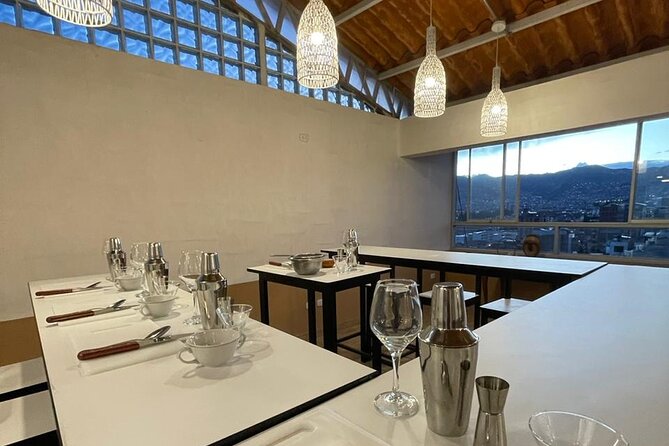
The preparation begins with the food itself. You help marinate the meats using Andean herbs and spices. This is one of the strongest parts of the class because it gives you a real task with a clear purpose. You are not merely standing beside a cooking station. Your work becomes part of the meal you will eat later.
The description does not specify the kinds or cuts of meat, so I would not book this expecting a particular dish. What you can count on is the use of meat, native potatoes, corn, and seasonal vegetables, with the possibility of ingredient changes for health, religious, or other dietary needs.
That flexibility is important in an earth-oven meal. Since the dishes are prepared at the time of the activity, ingredients can be replaced to make the experience suitable for different restrictions. You should provide those details when booking rather than waiting until the cooking begins.
The herbs and spices are also a useful window into Andean cooking. The class is designed to show how local ingredients are combined before the food goes into the earth oven. You will see the preparation as a chain of steps, from seasoning to cooking to serving, rather than as a finished plate with its origins hidden.
Preparing potatoes, corn, and seasonal vegetables
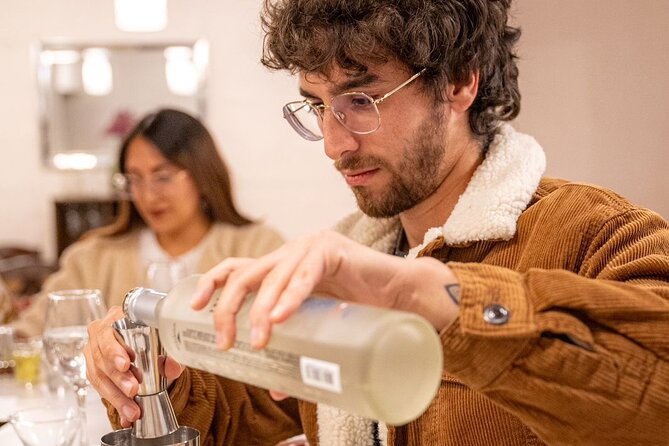
The side dishes are not filler here. Native potatoes, corn, and seasonal vegetables are part of the identity of Pachamanca. You help prepare them before they are placed in the oven, which gives the meal more range than a meat-centered barbecue.
The supplied information does not list the exact potato varieties or vegetables used on the day. That is likely to change with the season, so you should think of this as a fresh, flexible menu rather than a fixed tasting list. If you have a strong preference or restriction, ask about the available substitutions in advance.
I especially like that the meal includes familiar ingredients in a distinctly Andean setting. Potatoes and corn are everyday foods in Peru, but the earth-oven method gives them a different role and flavor. You also get to see how a full communal meal is built from several simple elements.
Every dish is tasted afterward. That wording suggests the activity is not limited to one main serving. You should have the chance to try the prepared components together, then ask the hosts about what you are eating.
A completely different kind of day:
- Classic Inca Trail Trek 4D/3N to Machu Picchu (Group Service)
★ 5.0 · 8,653 reviews - Cusco: Rainbow Mountain and Red Valley Day Trip with Meals
★ 4.9 · 4,893 reviews - Machu Picchu: 4-Day Inca Trail Trek with Panoramic Train Ride
★ 5.0 · 4,568 reviews - Salkantay Classic Trek 5 Days from Cusco
★ 5.0 · 4,062 reviews
Building the hot-stone earth oven
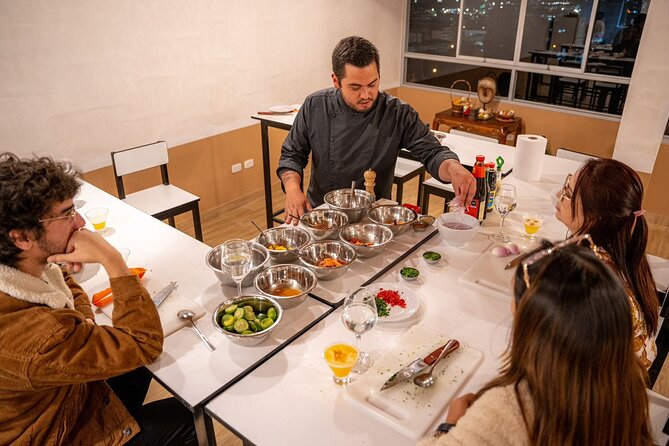
The most unusual practical task is helping assemble the Pachamanca oven. Hot stones are used to heat the cooking space, and the food is placed underground. You take part in the construction rather than arriving after all the difficult work has been done.
The supplied details do not explain exactly how the pit is covered or how long the cooking takes. You should expect the hosts to direct the process and handle any step that requires special care. The important point is that the oven is assembled as part of the lesson, then used to cook the meal beneath the ground.
This is where the experience earns its price better than a standard lunch does. At $80 per person, you are paying for transport, ingredients, equipment, instruction, cooking, lunch, and the private format. You are also paying for access to a traditional technique that would be difficult to arrange on your own in Cusco.
The value depends heavily on the operator showing up and delivering the full session. If the class operates as described, the hands-on work and private setting make the cost reasonable for someone who values food and culture. If you only want a quick meal, the price will feel high.
Waiting while the meal cooks
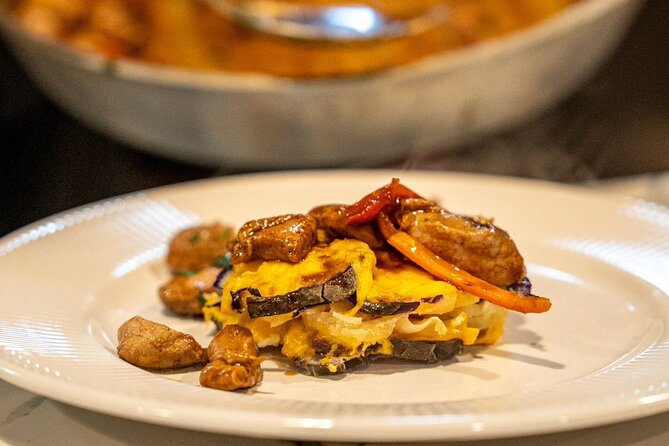
After the food and oven are prepared, you have time to relax and enjoy the surroundings while the Pachamanca cooks. The pause is part of the experience, not dead time. It gives the hosts room to talk about Andean gastronomy and local traditions, and it gives you a chance to ask questions before lunch.
The details do not promise a specific view, garden, farm, or entertainment, so I would keep expectations modest. You will have time to sit, talk, and learn, but the supplied information does not support claims about a particular setting or activity during the cooking period.
This slower middle section may suit you if you enjoy meals that unfold over time. It may be less appealing if you want constant action or a tightly packed schedule. At approximately five hours, the class is long enough to feel like a full half-day outing, not a quick cooking demonstration.
The private format helps here. Your group can use the waiting period for questions that might be difficult in a crowded class. You can ask about the herbs, cooking method, native ingredients, and local food traditions without competing with a large audience.
Opening the earth oven and sharing lunch
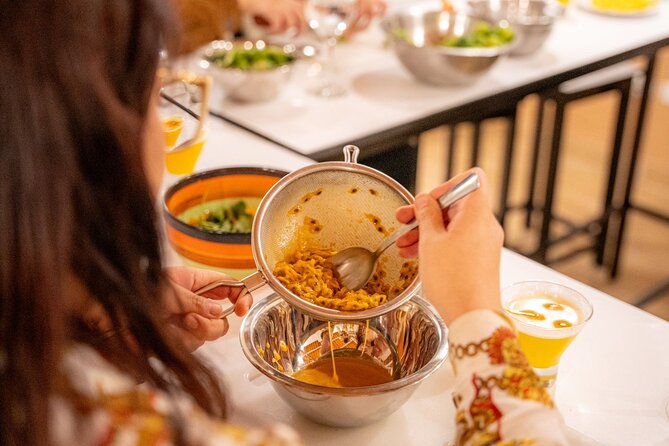
The payoff comes when the cooking is complete and you help open the earth oven. This is the moment when the preparation becomes visible. Food that has been hidden underground is uncovered, removed, and served fresh.
That reveal gives the meal a sense of occasion. You have helped season the meat, prepare the vegetables, and assemble the oven, so lunch feels connected to the work that came before it. The shared serving style also fits the tradition better than receiving an isolated plate at a restaurant table.
Lunch is included, and the dishes are tasted afterward. A Pisco Sour is also included as part of the culinary experience. Since the information says the drink will be tasted, I would regard it as a sample within the meal, not assume an open bar or multiple alcoholic drinks.
The communal setting is one of the experience’s best features. Food often makes cultural learning easier because you can discuss it while eating. You finish with time to enjoy the meal, ask questions, and connect with the hosts before returning to the meeting point.
How the $80 price measures up
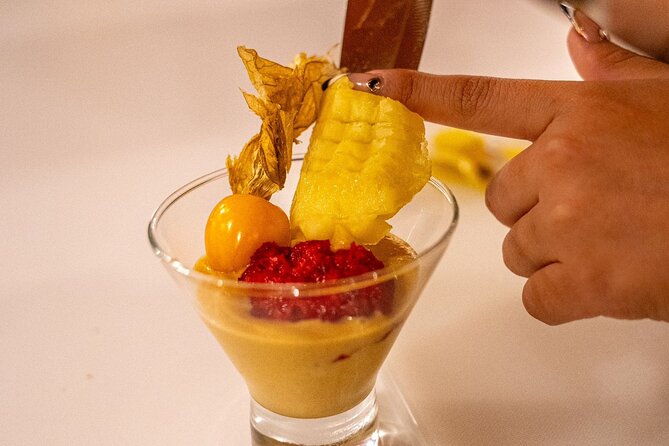
At $80 per person, this is not a budget lunch. The price makes more sense when you count the whole five-hour package:
- Private transportation to and from the meeting point
- Every tool needed for preparation
- Instruction about Pachamanca and Andean food traditions
- Hands-on work with meat, herbs, potatoes, corn, and vegetables
- Construction of the hot-stone earth oven
- Lunch with every prepared dish
- A Pisco Sour tasting
- A private activity for your own group
For a person who wants cultural context and active participation, that is a reasonable package. The private format is especially useful for families, couples, or small groups who would rather ask questions freely than join a large class.
The value is weaker if you are mainly comparing it with the cost of eating lunch in Cusco. A local restaurant meal will usually be cheaper, but it will not give you the same role in preparing and cooking the food. You are paying for the process, not only the final meal.
The five-hour length should also enter your calculation. This is a substantial commitment. You will need to give up most of a morning or afternoon, depending on the scheduled start. For someone with only a short stay in Cusco, that time may compete with major sightseeing plans.
Who will enjoy this private Cusco experience
I would recommend the class most strongly to you if food is one of the ways you like to understand a place. It suits people who enjoy preparing ingredients, learning a traditional method, and eating what they helped make.
It is also a good match for a private group. Families can divide up the preparation, couples can work side by side, and friends can share a long meal without strangers joining the activity. The ingredient-substitution policy makes it more practical for people with dietary, health, or religious restrictions.
You may want to skip it if you need a short, guaranteed stop between other plans. The experience takes about five hours, and the earth-oven method naturally involves waiting. It is also not a good choice if the reported meeting problem cannot be resolved before you go.
Service animals are allowed, which removes one possible barrier for some participants. The provided details do not explain the physical setup, ground conditions, or whether every part of the activity is suitable for a particular mobility need, so ask the operator directly if that matters for your group.
The booking risk and how to handle it
The overall rating is 4.6 from 19 reviews, which suggests that the experience has worked well for most people who completed it. Still, one detailed complaint describes a complete failure: a locked door, no host at the meeting point, unanswered messages, and a refund request through Viator.
You should not ignore that warning simply because the score is high. A cooking class can be wonderful in theory and still be poorly managed on a particular day. The complaint does not prove that every booking will fail, but it does show why meeting instructions and last-minute confirmation matter.
The experience is offered by Peruvian Cooking Experience by Sonqo Cooking Studio. Keep that provider name with your reservation and make sure you know exactly where to meet. If something seems unclear before departure, ask for confirmation rather than guessing at the square or address.
The cancellation terms provide some protection. You can cancel for a full refund up to 24 hours before the start time. Cancellations or changes made less than 24 hours before the experience are not accepted for a refund, and the cut-off uses local time.
Should you book the Pachamanca experience?
I would book this for the food culture, the underground cooking method, and the chance to share a meal you helped prepare. The combination of Andean ingredients, hot stones, private instruction, lunch, and a Pisco Sour gives the five-hour experience a clear purpose.
I would not book it casually without checking the meeting arrangements. Send a confirmation request close to the date, save the address and provider details, and avoid scheduling an important activity immediately afterward. If the operator confirms clearly, $80 is a fair price for an unusual private cooking experience. If you cannot get a response, choose another plan.
FAQ
Where does the Pachamanca experience begin?
It begins at C.C. Fortaleza Sacsayhuaman, F2X8+VX8, Cusco 08003, Peru.
Where does the experience end?
The activity ends back at the meeting point.
How long does the cooking class last?
The experience lasts approximately five hours.
Is transportation included?
Yes. Private transportation is included, with the activity returning to the meeting point.
What food is prepared?
You help prepare marinated meats with Andean herbs and spices, native potatoes, corn, and seasonal vegetables.
Is lunch included?
Yes. Lunch is included, and every prepared dish is tasted afterward.
Is a Pisco Sour included?
Yes. A Pisco Sour is tasted as part of the culinary experience.
Can ingredients be changed for dietary restrictions?
Yes. Ingredients can be replaced for health, religious, or other food restrictions if you provide the information.
Is this a private activity?
Yes. Only your group participates.
Can I cancel for a full refund?
Yes. You can cancel at least 24 hours before the start time for a full refund. Changes or cancellations made less than 24 hours before the start time are not accepted for a refund.
Just added in Cusco
- Cusco Private Transportation for 2026★ 5.0 · 4 reviews
- Private Transfer from Airport to Hotel in the City of Cusco★ 4.0 · 5 reviews
- Best Cusco walking tour: dinner street food tasting★ 4.5 · 11 reviews
- Private Tour to Pisac Market and Pisac Ruins★ 5.0 · 4 reviews
- Machu Picchu Day Trip With Panoramic Train from Cusco★ 5.0 · 10 reviews
- Private Tour of the Mountain of Colours by Quad★ 5.0 · 7 reviews
- Sacred Valley Private Tour from Cusco, Guide and Driver only★ 5.0 · 4 reviews
- Sacred Valley of the Incas Tour★ 5.0 · 12 reviews
Peru Food Tours and Cooking Classes, compared.
Peruvian Cooking Class Cocktails and Market Tour in Cusco
Read our review →

Peruvian Cooking Class, Local Market Tour & Exotic Fruit Tasting
Read our review →
3 Day Tour From Lima: Paracas, Huacachina Oasis & Pisco Vineyard
Read our review →
Peruvian Cooking Class, Cocktails & Local Market Tour
Read our review →Browse the lists this tour appears in