
Reviewed · PERU FOOD TOURS AND COOKING CLASSES
Pisco Bilingual Cocktail Class at Night
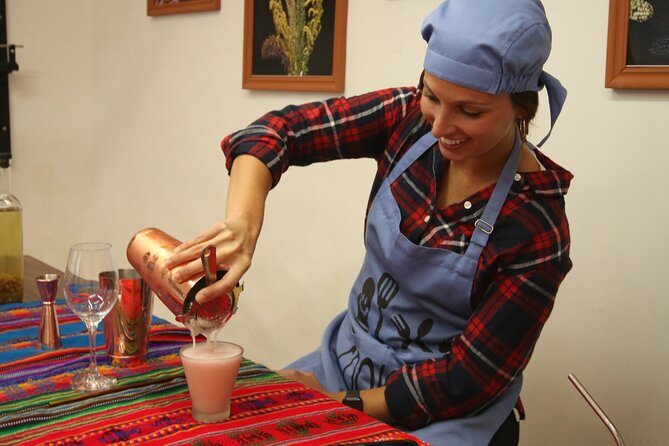
Pisco gets the evening started. This one-hour class in Cusco’s Centro Historico combines hands-on cocktail making with a short lesson on Peru’s famous grape spirit. I like the fully participatory format, since you make both drinks instead of simply watching a bartender work, and I like the small maximum of 12 people, which should keep the class personal.
The $25 price is fair for two cocktails, a cultural introduction, and a final shot, especially if you want an easy first-night activity near the center. The main consideration is the alcohol: the drinks are described as strong, and the class moves quickly, so it may not suit anyone looking for a slow, food-focused introduction to Peruvian drinks.
In This Review
- Key points to know before booking
- Why this one-hour Cusco class works well
- Starting with a Pisco Sour after dark
- Learning what Pisco means in Peru
- Making the Chilcano in the second 15 minutes
- The farewell shot and the decision to keep going
- What the $25 price really includes
- Who should book this evening activity?
- Timing, location, and planning advice
- Should you book the Pisco class?
- FAQ
- Where does the Pisco cocktail class take place?
- What time does the class start?
- How long does the activity last?
- Where does the class end?
- How much does the class cost?
- How many people can join the class?
- Is the class bilingual?
- Which cocktails do you make?
- Do participants make the cocktails themselves?
- Is cancellation free?
Key points to know before booking
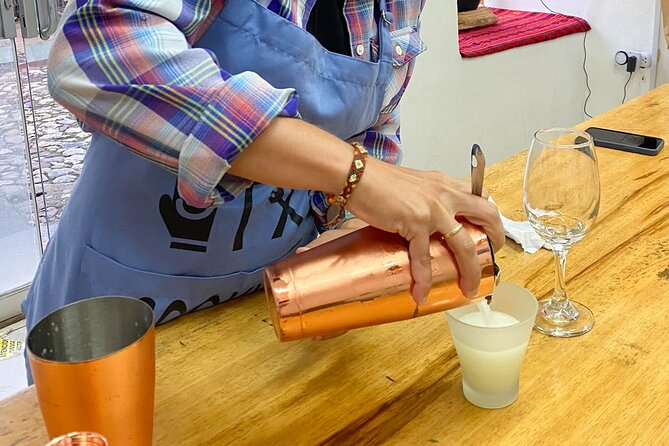
- Two classic cocktails in one hour: You prepare a Pisco Sour first, then make a refreshing Chilcano.
- A genuinely hands-on class: Every participant takes part in mixing and tasting the drinks.
- Flavored Pisco adds a playful twist: You may get to choose flavors for your Pisco Sour or try flavored shots.
- A short cultural lesson comes with the cocktails: The specialist explains Pisco’s history and the ideas behind it.
- Small evening group: The class accepts a maximum of 12 people and begins at 7:00 pm.
- A lively finish: Each person receives a farewell shot before heading back to the hotel or continuing into Cusco’s nightlife.
Why this one-hour Cusco class works well
Cusco offers no shortage of evening activities, but many require a full meal, a long performance, or a late night. This class takes about an hour, begins at 7:00 pm, and ends where it started at C. Palacio 135 in the Centro Historico. That makes it easy to fit between an early dinner and a night walk, or to use as a simple first-night plan after arriving in town.
I like the balance here. You do not spend the whole hour listening to a lecture, and you are not left to make drinks without any context. The format gives you a short introduction, a cocktail, some cultural explanation, a second cocktail, and a final shot. It is brisk, social, and built around doing rather than watching.
The bilingual setup also makes the class more approachable for an international audience. The available details do not specify the languages used at every moment, so you should confirm that the bilingual format matches your needs when booking. Still, the class is clearly designed to explain the drinks while keeping the activity accessible.
The small group limit matters. With no more than 12 people, you should have a reasonable chance to follow the demonstration and prepare your own drinks without waiting through a large crowd. A private booking is also possible in some circumstances, as one group of nine enjoyed the class privately, but you should confirm the exact arrangement before paying.
More Food Tours and Cooking Classes in Cusco
- Peruvian Cooking Class Cocktails and Market Tour in Cusco
★ 5.0 · 1,712 reviews - Cusco: Peruvian Cooking Class, Cocktails & Local Market Tour
★ 4.9 · 512 reviews - Hands-on Peruvian Cooking Class & San Pedro Market Visit in Cusco
★ 5.0 · 421 reviews
Starting with a Pisco Sour after dark
The first 20 minutes focus on getting acquainted with Pisco and preparing a Pisco Sour. After a brief introduction, you make the drink yourself. This is the part where the class earns its price, since your cocktail is not simply placed in front of you.
The Pisco Sour is the right starting point. It is one of Peru’s best-known cocktails and gives you a clear way to taste the spirit in a mixed drink. The activity also allows some creativity. You may be able to choose flavors for your Pisco Sour, which turns the first drink into a small experiment rather than a fixed recipe.
That flexibility is useful if you are curious about how Pisco changes with different flavor combinations. It also gives a group something to talk about as everyone compares choices. One person may prefer a sharper drink, while another may choose something sweeter or more aromatic.
The class is not presented as advanced mixology training. You should expect practical instruction and a chance to make a familiar Peruvian cocktail, not a long technical session about bar equipment or professional methods. For most visitors, that is a plus. You get the fun part without turning the evening into homework.
Keep the strength in mind. Pisco is the main spirit, and the class includes two cocktails plus a shot. If you are sensitive to alcohol, eat beforehand and take the drinks slowly. The relaxed pace may make the alcohol easy to underestimate.
Learning what Pisco means in Peru
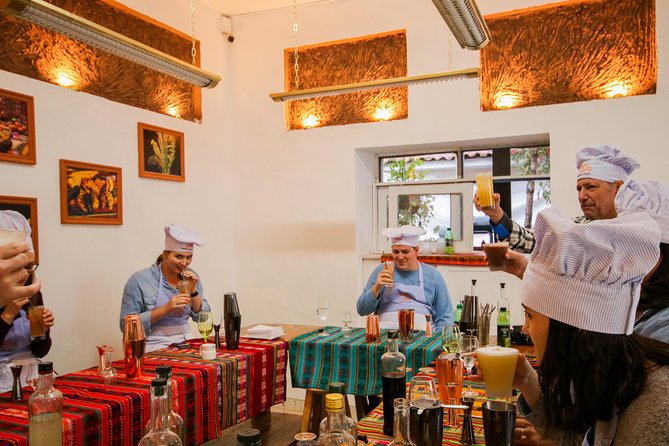
The next 15 minutes are spent enjoying the first cocktail while the Pisco specialist explains the drink’s background and the wider culture of alcohol. This section gives the class more purpose than a standard cocktail workshop.
The information focuses on the history and concepts of Pisco. That may include how the spirit fits into Peruvian drinking culture, though the exact subjects can vary with the instructor. The important point is that you are not only learning a recipe. You are getting a little context for why Pisco matters in Peru and why these cocktails are so closely linked with the country.
I especially like this timing. The lesson comes after you have made and tasted the first drink, so the information has something concrete to attach to. You can listen with the cocktail in hand, then use the second drink to notice how a different recipe presents the same base spirit.
Christina is praised by name for making the class enjoyable and for explaining the history of Pisco. If she is leading your session, expect an instructor who adds warmth and useful facts to the practical work. The available details do not promise a particular instructor for every date, so do not book solely on the assumption that Christina will be present.
This is also where the bilingual format may be most valuable. Cocktail instructions can often be copied from a demonstration, but cultural explanations are easier to enjoy when you understand the language comfortably. If you have questions about Pisco’s background, this is the natural time to ask them.
Making the Chilcano in the second 15 minutes
There is no first drink without a second in this class. During the following 15 minutes, you prepare a Chilcano, a refreshing Pisco-based cocktail that gives the lesson a different feel from the Pisco Sour.
The change is welcome. A Pisco Sour introduces one style of drink, while the Chilcano offers another way to use the spirit. Making both lets you compare the cocktails while the instructions are still fresh. You also get a better sense of how much the mixer and recipe shape the character of Pisco.
The schedule remains active. You make the drink, taste it, and continue the social part of the evening. This is a good fit if you enjoy short activities with a clear beginning and end. It may feel rushed if you want to linger over each cocktail or ask a long list of questions.
The class is fully participatory, so you should be ready to handle the preparation yourself. That is important to understand before booking. This is not a bartender performance where you sit back and receive samples. Your involvement is the point, and the hands-on format is repeatedly praised for making the different Pisco flavors fun to taste.
A completely different kind of day:
- Classic Inca Trail Trek 4D/3N to Machu Picchu (Group Service)
★ 5.0 · 8,653 reviews - Cusco: Rainbow Mountain and Red Valley Day Trip with Meals
★ 4.9 · 4,893 reviews - Machu Picchu: 4-Day Inca Trail Trek with Panoramic Train Ride
★ 5.0 · 4,568 reviews - Salkantay Classic Trek 5 Days from Cusco
★ 5.0 · 4,062 reviews
The farewell shot and the decision to keep going
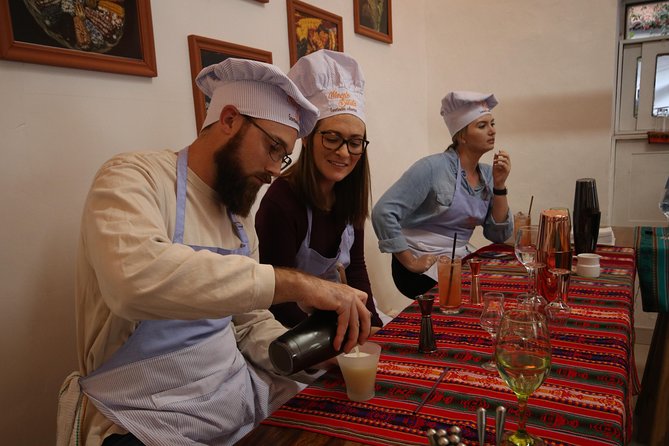
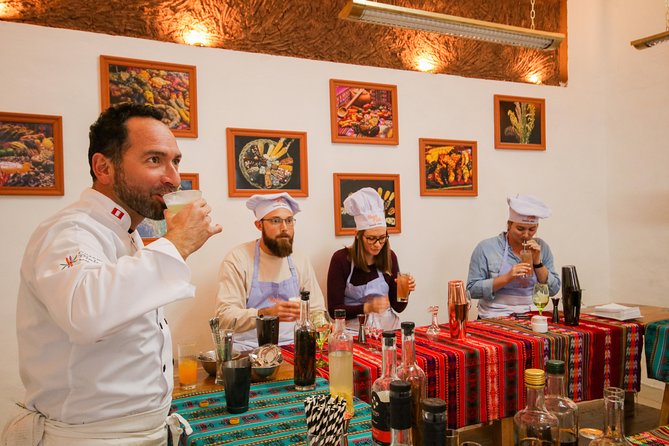
The final 10 minutes bring a farewell shot for each person. The stated purpose is to liven up the group before you return to your hotel or continue into the city for the rest of the night.
This ending fits the 7:00 pm start. You finish early enough to make your own evening plans in Cusco. You might use the class as a compact introduction to local drinks, then find dinner afterward. Or, if you already have dinner arranged, you can treat it as a pre-evening activity.
The shot is also the clearest reason to think about your alcohol tolerance. By the end, you may have had a Pisco Sour, a Chilcano, and a final shot within about an hour. The experience is designed to be lively, but it is not a good match for someone who wants only a mild tasting.
The class ends back at the meeting point on C. Palacio 135. Since it is in the Centro Historico and near public transportation, the location is practical for an evening outing. The details do not specify the exact walking distance from your hotel, so check your route in advance, especially if you are still adjusting to Cusco’s altitude.
What the $25 price really includes
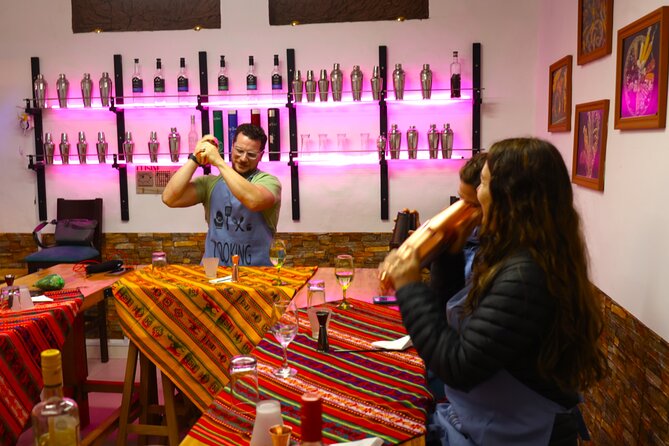
At $25 per person, this is a reasonable value for a one-hour activity that includes two cocktails, a cultural presentation, hands-on preparation, and a farewell shot. You are paying for more than the alcohol itself. You are also getting instruction, an organized setting, and an easy way to learn about a distinctly Peruvian spirit.
The value improves if you are already planning to buy Pisco drinks during your stay. After the class, you should have a better idea of what a Pisco Sour and Chilcano are supposed to be, plus a sense of which flavors you prefer. That can help you order with more confidence at bars and restaurants in Cusco.
The price is less compelling if you mainly want to drink. You could possibly spend less on one cocktail elsewhere, depending on the venue, but that would not include the participatory lesson or the chance to make both drinks. This class makes the most sense for someone who wants an activity built around alcohol, not simply a beverage stop.
The high recommendation rate and perfect rating from 16 published ratings suggest that the format is working well for its audience. Still, the sample is small, so I would treat those numbers as encouraging rather than conclusive. The most consistent strengths are clear: friendly instruction, fun flavored Pisco, cultural information, and active participation.
Who should book this evening activity?
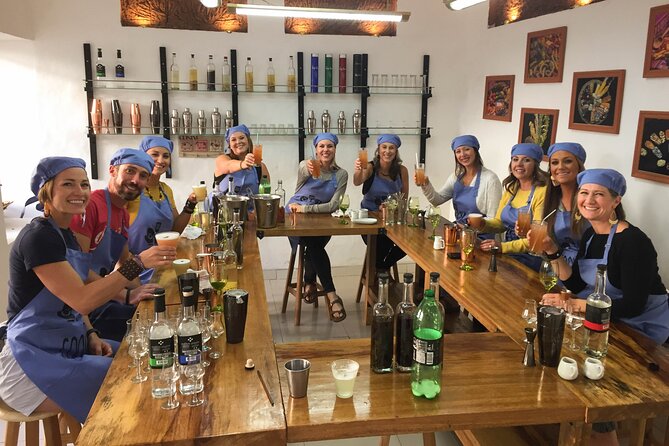
I would recommend this class to couples, friends, and small groups who want a relaxed introduction to Peruvian cocktails. It is also a smart choice for a first night in Cusco because it gives you a short, organized activity without taking over the evening.
It suits you especially well if you enjoy learning by doing. You will prepare the drinks, make flavor choices, listen to the explanation, and taste the results. People who prefer a quiet lecture or a formal spirits tasting may find the atmosphere too playful.
The class may also work for a group trip. A private session for nine was described as a particularly enjoyable way to begin a visit, and the maximum of 12 keeps the regular format from becoming unwieldy. If you are booking for a larger party, ask how the group will be arranged.
I would be more cautious if you do not drink alcohol, have a low tolerance, or want a culinary class with substantial food. The provided format is focused on cocktails, and the strong drinks can add up quickly. The activity is also weather-dependent and requires a minimum number of participants, so plans can change if those conditions are not met.
Timing, location, and planning advice
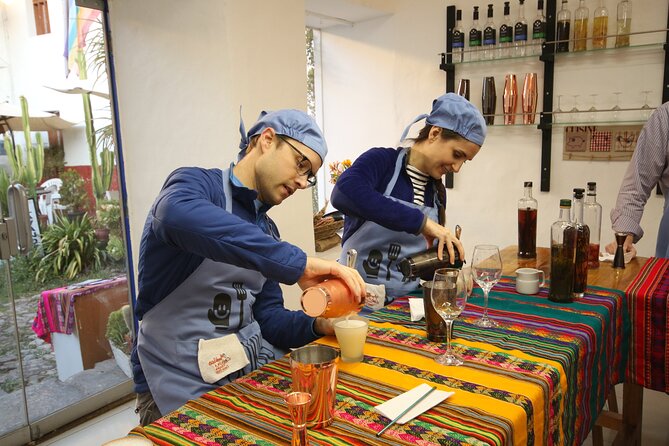
The meeting point is C. Palacio 135 in Cusco’s Centro Historico, with a 7:00 pm start and a return to the same place at the end. It is near public transportation, which helps if your accommodation is not within an easy walk.
The class lasts about one hour, but allow a little extra time for meeting the group and settling in. The official schedule totals 60 minutes, divided into 20 minutes for the first cocktail, 15 minutes for the Pisco explanation, 15 minutes for the Chilcano, and 10 minutes for the final shot.
This activity is booked an average of 57 days ahead. That does not guarantee every date will sell out, but it is a useful sign to plan early if your Cusco schedule is fixed. A small group cap can limit last-minute availability.
Confirmation is provided when you book. Free cancellation is available if you cancel at least 24 hours before the start time. Cancellations or changes made within 24 hours are not refunded or accepted, and the cut-off follows Cusco local time.
Bad weather or an insufficient minimum group can cause cancellation. In those cases, you are offered another date or experience, or a full refund. That policy gives you some protection, but keep your evening plans flexible until the class is confirmed.
Should you book the Pisco class?
Book it if you want a short, social Cusco activity that teaches you something while putting a drink in your hand. The strongest reasons are the fully participatory format, the chance to compare a Pisco Sour with a Chilcano, the freedom to try flavors, and the useful cultural explanation.
I would skip it if you are avoiding alcohol, dislike strong drinks, or want a longer food-and-drink workshop. For everyone else, $25 buys a cheerful introduction to Pisco and leaves the rest of the night open. Eat first, pace yourself, and arrive ready to mix your own drinks rather than simply watch.
FAQ
Where does the Pisco cocktail class take place?
The class meets at C. Palacio 135, Cusco 08002, Peru, in the Centro Historico de Cusco.
What time does the class start?
The class starts at 7:00 pm.
How long does the activity last?
The activity lasts approximately one hour.
Where does the class end?
The class ends back at the meeting point on C. Palacio 135.
How much does the class cost?
The listed price is $25 per person.
How many people can join the class?
The activity accepts a maximum of 12 participants.
Is the class bilingual?
Yes. It is described as a bilingual Pisco cocktail class.
Which cocktails do you make?
You prepare a Pisco Sour first and a Pisco-based Chilcano second.
Do participants make the cocktails themselves?
Yes. The activity is fully participatory, so each participant takes part in preparing the drinks.
Is cancellation free?
Yes, you can cancel for a full refund up to 24 hours before the experience starts. Cancellations made less than 24 hours in advance are not refunded.
Just added in Cusco
- Cusco Private Transportation for 2026★ 5.0 · 4 reviews
- Private Transfer from Airport to Hotel in the City of Cusco★ 4.0 · 5 reviews
- Best Cusco walking tour: dinner street food tasting★ 4.5 · 11 reviews
- Private Tour to Pisac Market and Pisac Ruins★ 5.0 · 4 reviews
- Machu Picchu Day Trip With Panoramic Train from Cusco★ 5.0 · 10 reviews
- Sacred Valley Private Tour from Cusco, Guide and Driver only★ 5.0 · 4 reviews
- Sacred Valley of the Incas Tour★ 5.0 · 12 reviews
- Private Tour of the Mountain of Colours by Quad★ 5.0 · 7 reviews
Peru Food Tours and Cooking Classes, compared.
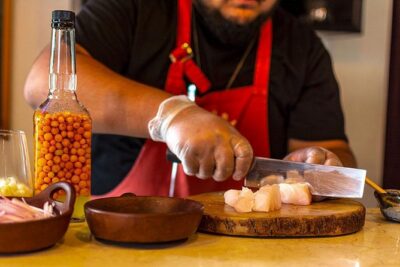
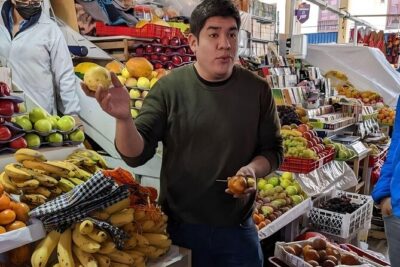
Peruvian Cooking Class Cocktails and Market Tour in Cusco
Read our review →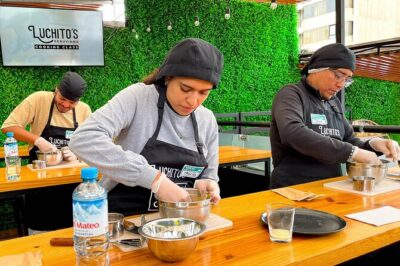
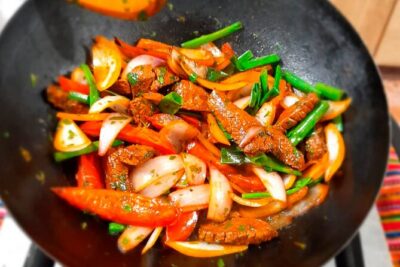
Peruvian Cooking Class, Local Market Tour & Exotic Fruit Tasting
Read our review →
3 Day Tour From Lima: Paracas, Huacachina Oasis & Pisco Vineyard
Read our review →
Peruvian Cooking Class, Cocktails & Local Market Tour
Read our review →Browse the lists this tour appears in