
Reviewed · PERU FOOD TOURS AND COOKING CLASSES
Pisco Tasting Experience
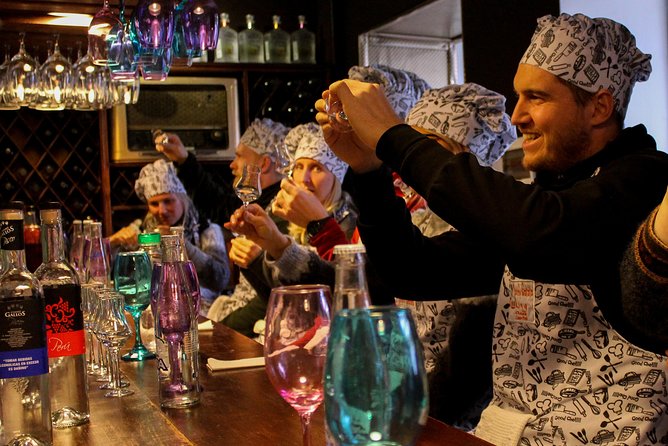
Pisco gets far more interesting after the first sip. This 90-minute evening experience goes beyond the familiar Pisco Sour with four different Pisco varieties, guided tasting, and a hands-on cocktail lesson. I like that you learn how to compare aroma, flavor, and body instead of simply drinking whatever is poured.
I also like the small-group format, capped at eight people, and the small plates served with the drinks. They give the evening a relaxed food-and-drink rhythm. The main drawback is the fixed 6:30 pm start, which may not suit your plans, and the $40 price makes this a better choice for curious drinkers than for anyone seeking only a quick cocktail.
In This Review
- Key details before you book
- Why this Cusco tasting is more than a Pisco Sour
- Four varieties, four chances to notice a difference
- Learning the story behind Peru’s national drink
- Making your own cocktail after the demonstration
- Small plates keep the evening comfortable
- A small group at C. Palacio 135
- Is $40 a fair price?
- Who will enjoy this experience most?
- What to know before you go
- Should you book the Pisco Tasting Experience?
- FAQ
- How long does the Pisco Tasting Experience last?
- Where does the experience begin and end?
- What time does the tasting start?
- How many Pisco varieties are included?
- Is a cocktail included?
- Do I need to bring a passport?
Key details before you book
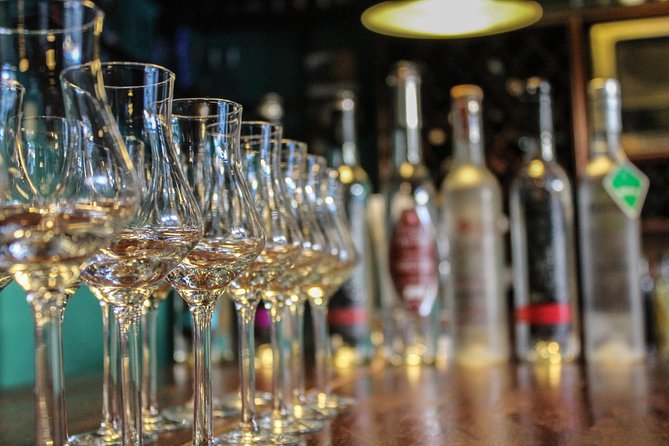
- Four Pisco varieties: You taste several styles side by side, making differences easier to notice.
- A cocktail you prepare yourself: A bartender demonstrates the method, then you mix your own drink.
- Small plates and snacks included: Food helps balance the alcohol and keeps the tasting from feeling rushed.
- Small group of eight maximum: The format should allow room for questions and individual attention.
- Central Cusco meeting point: The experience begins and ends at C. Palacio 135 at 6:30 pm.
- Passport required: Bring a current valid passport on the day of the experience.
Why this Cusco tasting is more than a Pisco Sour
Pisco is often introduced to visitors through the Pisco Sour. That cocktail is a fine starting point, but it can hide the character of the spirit beneath lime, syrup, egg white, and bitters. This experience gives you a better way to understand what is in the glass before the cocktail arrives.
The tasting focuses on four Pisco varieties. That matters because one sample alone gives you little basis for comparison. With several pours, you can notice how the spirit changes in aroma, flavor, and body. You do not need a trained palate. You simply need to pay attention to what changes from one glass to the next.
The session also explains the main ideas behind Pisco production. You can expect discussion of the grapes used, the history of the drink, aging, and the proper way to assess what you are tasting. Those details give the pours a sense of place and purpose rather than turning the evening into a standard bar visit.
I especially like the balance between instruction and participation. You listen first, taste with some guidance, then use what you have learned while making a cocktail. That progression works well for beginners, while people who already enjoy whiskey or other spirits still have something to compare.
More Food Tours and Cooking Classes in Cusco
- Peruvian Cooking Class Cocktails and Market Tour in Cusco
★ 5.0 · 1,712 reviews - Cusco: Peruvian Cooking Class, Cocktails & Local Market Tour
★ 4.9 · 512 reviews - Hands-on Peruvian Cooking Class & San Pedro Market Visit in Cusco
★ 5.0 · 421 reviews
Four varieties, four chances to notice a difference
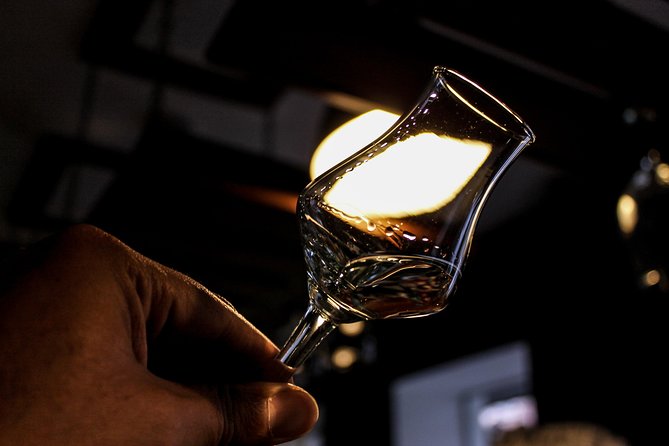
The first part centers on tasting the four Pisco varieties. Your guide explains what to look for in each glass, including its aroma, flavor, and body. This is useful because many people approach a clear spirit by taking a sip and deciding only whether they like it.
A structured tasting gives you better questions. Does the aroma seem light or forceful? Does the flavor feel smooth, fruity, dry, or sharp? Does the spirit feel thin or full in the mouth? You will not be expected to produce a professional tasting note, but these simple comparisons make the session more rewarding.
The order of the pours is important too. Tasting several styles in sequence helps your memory. The earlier glass becomes a reference point for the next one, and differences that seemed small at first may become clear after two or three samples.
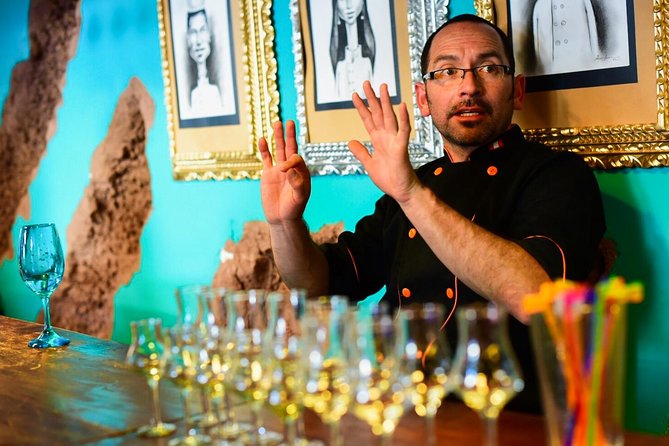
The guides bring strong personal knowledge to this part. José has been praised for explaining Pisco’s history, aging process, and sensible ways to assess each type. Alejandro has been noted for his explanations of the grapes, why they are used, and how Pisco became so well known. If your host is one of them, you can expect a lesson shaped by enthusiasm rather than a memorized speech.
That passion is a real part of the experience. A tasting can feel dry if the instructor treats every detail like a textbook. Here, the teaching appears to be conversational and lively, which matters during an evening activity built around spirits.
Learning the story behind Peru’s national drink
The history section gives the tasting a wider frame. You are not just trying four alcoholic drinks. You are learning why Pisco has such an important place in Peru’s food and drink culture.
The session covers the grapes used in Pisco and the reasons those grapes matter. It also addresses production and aging, two subjects that help explain why different varieties can offer distinct aromas and textures. Since the provided details do not specify the exact grape names or production methods discussed on a particular night, you should think of this as an introduction rather than a full spirits course.
That is a fair trade for a 90-minute experience. The goal is not to turn you into a Pisco expert before dinner. The goal is to help you recognize the spirit’s differences and give you enough background to order with more confidence later in your trip.
I would pay close attention during this part even if you mainly came for cocktails. Once you understand the spirit on its own, you can better judge what happens when it is combined with citrus, sweet ingredients, or other flavors. The cocktail lesson becomes more meaningful because you know what the base drink contributes.
Making your own cocktail after the demonstration
The final part shifts from tasting to Peruvian mixology. A bartender demonstrates how to prepare a Pisco cocktail, including the classic Pisco Sour and other possible creations. You then get the chance to mix your own drink from a range of ingredients.
This hands-on step is one of the strongest reasons to book. Watching a bartender make a cocktail is pleasant, but making one yourself gives you a practical memory to take home. You can see how the ingredients work together and how small changes affect the finished drink.
The experience is not limited to copying one recipe. The emphasis is on combining Pisco with other ingredients to create different flavor results. That gives you room to make choices rather than simply following instructions without thought.
For a first-time cocktail maker, the demonstration should remove much of the guesswork. You can watch the process, then try it yourself with guidance nearby. For someone who already mixes drinks at home, the value comes from working with Pisco and trying combinations you may not normally use.
The classic Pisco Sour still has an important role. It is the drink most associated with Pisco for many visitors, so learning its basic preparation gives you a useful reference. If you prefer something less traditional, the range of ingredients lets you explore other combinations.
Do not expect a full bartending course. The experience is short, and the focus remains on enjoyment and discovery. You will leave with a better sense of how Pisco works in a cocktail, but not necessarily with a professional bartender’s technique.
A completely different kind of day:
- Classic Inca Trail Trek 4D/3N to Machu Picchu (Group Service)
★ 5.0 · 8,653 reviews - Cusco: Rainbow Mountain and Red Valley Day Trip with Meals
★ 4.9 · 4,893 reviews - Machu Picchu: 4-Day Inca Trail Trek with Panoramic Train Ride
★ 5.0 · 4,568 reviews - Salkantay Classic Trek 5 Days from Cusco
★ 5.0 · 4,062 reviews
Small plates keep the evening comfortable
The tasting includes small plates and snacks, along with bottled water. This is more important than it may sound. Four Pisco samples followed by a cocktail can feel heavy on an empty stomach, so the food makes the pacing more comfortable.
The exact dishes are not specified, so you should not book this as a substitute for dinner. Think of the plates as a light accompaniment that helps keep hunger under control. If you need a full meal, plan one before or after the tasting.
The food also adds a Peruvian touch to what could otherwise be a spirits lesson. Small plates give you something to enjoy between samples and may help you notice how food changes the taste of the drinks. Because the selection is not listed, anyone with strict dietary needs should ask the provider directly before booking.
Bottled water is included as well. That is a welcome practical detail during an alcohol-based activity. Use it between tastings, especially if you are still adjusting to Cusco’s altitude or have spent the day walking.
A small group at C. Palacio 135
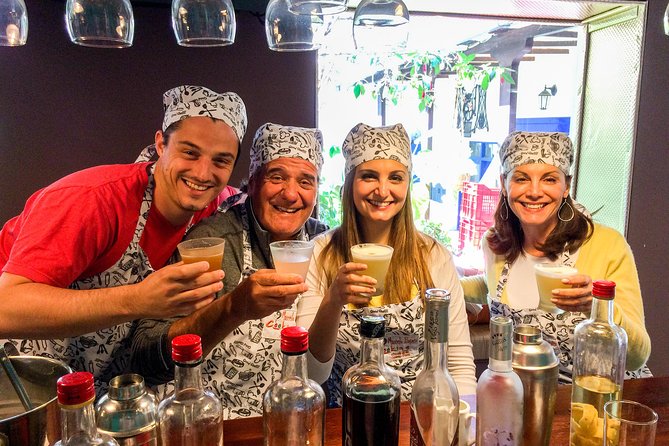
The activity begins at C. Palacio 135 in Cusco and returns to the same meeting point. That simple arrangement makes the evening easy to plan, since you do not need to organize transport between several stops.
The start time is 6:30 pm. This places the tasting neatly into an evening schedule, though the fixed time can be inconvenient if you have a late dinner reservation, a night tour, or another booked activity. Allow enough time to reach the meeting point without rushing.
The maximum group size is eight people. That is a strong feature for a tasting, where good questions and clear explanations matter. A smaller group gives you a better chance to hear the guide, compare impressions, and get help while making your cocktail.
The experience is offered in English, which makes the teaching accessible to English-speaking visitors. Confirmation is provided when you book, and a current valid passport is required on the day. Keep that requirement in mind, since arriving without the correct document could cause a needless problem.
The tasting lasts about one hour and 30 minutes. That is long enough for four varieties, production context, a demonstration, your own cocktail, and snacks, but short enough to fit into a busy Cusco itinerary.
Is $40 a fair price?
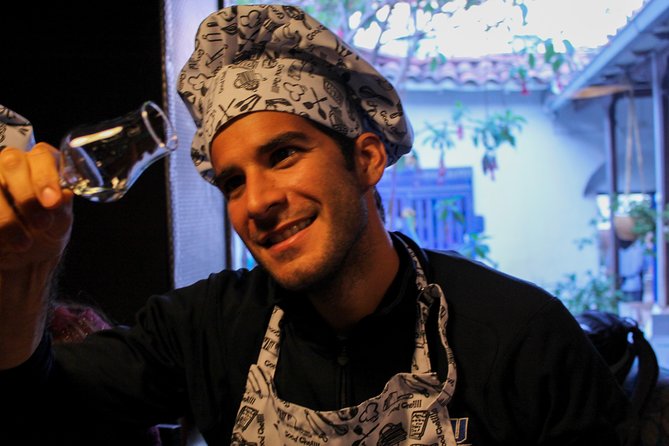
At $40 per person, this is not the cheapest way to have a drink in Cusco. You are paying for more than alcohol, though. The price includes four Pisco varieties, a cocktail preparation, snacks, small plates, bottled water, and instruction in a small group.
The value is strongest if you want to understand what you are drinking. Four samples alone would be less useful without guidance, and a cocktail class alone would miss the chance to compare Pisco styles. The combination makes the price easier to justify.
I would also compare the cost with what you might spend on separate drinks and a meal in the city. The included food is light, so you should not count on it as dinner. Still, the package gives you a planned cultural activity instead of simply ordering a Pisco Sour at a bar and guessing at the rest.
The experience is booked around 21 days ahead on average. That suggests you should reserve early if your Cusco dates are fixed, especially because the group is limited to eight. It also tells you not to leave this until the last night if tasting is a priority.
Free cancellation is available when you cancel at least 24 hours before the 6:30 pm start. Cancellations made less than 24 hours before the activity are not refunded, and late changes are not accepted. The cut-off follows Cusco local time.
Who will enjoy this experience most?
I would recommend it to anyone who likes spirits, cocktails, or food traditions and wants more context than a standard bar stop provides. It suits people who enjoy learning in a relaxed setting, especially those who want to try something local without committing to a long cooking class or a full-day tour.
Whiskey drinkers may find the tasting especially appealing. The session gives you a chance to compare spirits by aroma, body, and flavor, rather than treating Pisco as nothing more than a cocktail ingredient. That said, the four samples and cocktail may not suit someone who avoids alcohol or prefers a purely historical activity.
It also works well for couples and small groups. The chance to make cocktails together adds a social element, while the eight-person limit keeps the evening from feeling like a large class.
You may want to skip it if your main goal is a full dinner, a formal spirits certification, or a late-night party. The activity is educational and hands-on, but it lasts only 90 minutes and includes small plates rather than a complete meal.
What to know before you go
Arrive ready to taste slowly. You will get more from the four varieties if you pause between sips and notice the differences your guide points out.
Bring your current valid passport. This is a stated requirement, not an optional suggestion.
Have a little food earlier if you know alcohol affects you quickly. Snacks and small plates are included, but they are meant to accompany the tasting, not replace dinner.
Keep your evening plans flexible after the experience. The activity is scheduled to end back at the meeting point, but you will likely want time to enjoy the final cocktail rather than rush away.
Finally, remember that hosts may bring different personalities to the evening. José is associated with explanations of history, aging, and tasting technique, while Alejandro is known for his enthusiasm about grapes, production, and Peru’s drink culture. The common thread is a warm, personal teaching style.
Should you book the Pisco Tasting Experience?
Book it if you want a focused Cusco evening built around local drink culture, not just another bar visit. The four Pisco varieties, small group, cocktail lesson, snacks, and strong teaching make $40 reasonable for curious drinkers.
I would be especially inclined to reserve this early in a Cusco stay. You can use what you learn when ordering Pisco elsewhere, and the 6:30 pm timing leaves room to continue your evening afterward. Skip it only if you need a full meal, cannot drink alcohol, or have no interest in learning how spirits differ.
FAQ
How long does the Pisco Tasting Experience last?
The experience lasts approximately one hour and 30 minutes.
Where does the experience begin and end?
It begins at C. Palacio 135, Cusco 08002, Peru, and ends back at the same meeting point.
What time does the tasting start?
The start time is 6:30 pm.
How many Pisco varieties are included?
The tasting includes four different Pisco varieties.
Is a cocktail included?
Yes. You learn how to prepare a Pisco cocktail, with the classic Pisco Sour included among the cocktail styles discussed.
Do I need to bring a passport?
Yes. A current valid passport is required on the day of the experience.
Just added in Cusco
- Cusco Private Transportation for 2026★ 5.0 · 4 reviews
- Private Transfer from Airport to Hotel in the City of Cusco★ 4.0 · 5 reviews
- Best Cusco walking tour: dinner street food tasting★ 4.5 · 11 reviews
- Private Tour to Pisac Market and Pisac Ruins★ 5.0 · 4 reviews
- Machu Picchu Day Trip With Panoramic Train from Cusco★ 5.0 · 10 reviews
- Sacred Valley Private Tour from Cusco, Guide and Driver only★ 5.0 · 4 reviews
- Sacred Valley of the Incas Tour★ 5.0 · 12 reviews
- Private Tour of the Mountain of Colours by Quad★ 5.0 · 7 reviews
Peru Food Tours and Cooking Classes, compared.

Peruvian Cooking Class Cocktails and Market Tour in Cusco
Read our review →
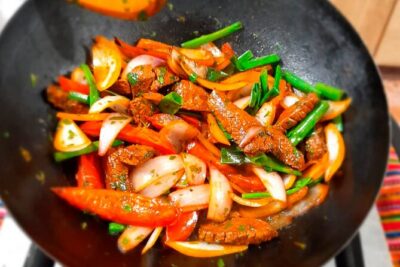
Peruvian Cooking Class, Local Market Tour & Exotic Fruit Tasting
Read our review →
3 Day Tour From Lima: Paracas, Huacachina Oasis & Pisco Vineyard
Read our review →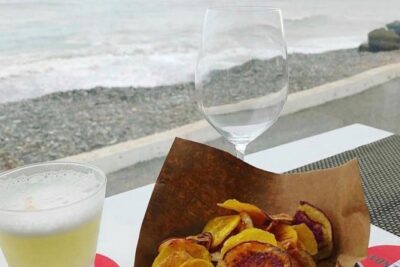
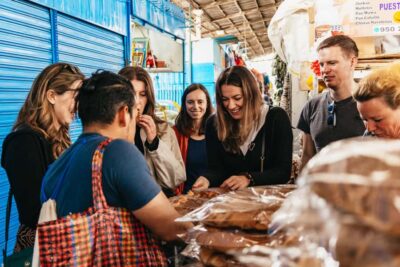
Peruvian Cooking Class, Cocktails & Local Market Tour
Read our review →Browse the lists this tour appears in