
Reviewed · PERU FOOD TOURS AND COOKING CLASSES
Private Andean Cooking Class, Pachamanca
Food can explain Peru faster than any museum. This private Cusco class turns local ingredients, old cooking methods, and a shared meal into a three-hour lesson in Andean culture. I like the hands-on format, where you prepare food rather than watch a chef work, and I like the chance to taste grains, fruits, peppers, chicha, and other ingredients from across Peru.
The private setting is another strong point. You get a professional chef and a class tailored to your group, with Spanish or English instruction available by request. The main consideration is the $150 per-person price, which is a serious spend for a three-hour activity, especially since the exact dishes and chef may vary.
In This Review
- Key points to know before booking
- Why this class fits well between Cusco adventures
- Starting with marinades and local flavors
- Making Andean tamales with corn
- Exploring the private Andean market
- Preparing uchucuta, the Inca-era pepper sauce
- Tasting chicha, the drink of the Andes
- The clay-pot tasting and the final meal
- What the chefs add to the experience
- Is $150 per person a fair price?
- Language, dietary needs, and practical details
- Who will enjoy this Cusco cooking class most?
- Should you book the Pachamanca cooking class?
- FAQ
- How long is the private Andean cooking class?
- Where does the activity begin and end?
- What time does the class start?
- Is the class available in English?
- Is a vegetarian option available?
- What is included in the price?
Key points to know before booking
- Andean cooking with a modern class format: You prepare marinated ingredients, corn tamales, uchucuta sauce, and dishes cooked in clay pots.
- A private class for your group: You do not share the activity with strangers, and the chef can adapt the pace to your party.
- More than a meal: The class includes a private market visit, local produce tasting, chicha, and explanations of Andean food traditions.
- Useful for families and beginners: Children and older adults can take part, and mocktails can be arranged for children according to the class experience described.
- Three hours with lunch included: You receive one appetizer, one main course, beverages, and bottled water.
- Plan for the passport requirement: Your original passport must be provided at the beginning for tax purposes.
Why this class fits well between Cusco adventures
Cusco days can become a parade of early starts, high-altitude ruins, and long drives. A cooking class gives you a different kind of activity without asking you to climb another staircase or sit on a bus for hours.
The scheduled start is 9:00 am at C. Palacio 135, with the activity ending back at the same meeting point. At about three hours, it can fill a morning and lead naturally into lunch, leaving the rest of your day open for Cusco museums, shopping, or a slow walk through the historic center.
I especially like the cultural angle. This is not simply a lesson in making a popular Peruvian dish. The class connects food with farming, regional products, Indigenous traditions, and the role of ingredients in everyday Andean life.
The pace should also work well for mixed-age groups. One family class included children and grandparents, with music, mocktails, and cooking help for the younger participants. That makes this a useful choice when your group wants one activity that does not depend on fitness.
More Food Tours and Cooking Classes in Cusco
- Peruvian Cooking Class Cocktails and Market Tour in Cusco
★ 5.0 · 1,712 reviews - Cusco: Peruvian Cooking Class, Cocktails & Local Market Tour
★ 4.9 · 512 reviews - Hands-on Peruvian Cooking Class & San Pedro Market Visit in Cusco
★ 5.0 · 421 reviews
Starting with marinades and local flavors
The first stage focuses on marination. You learn how meat and other ingredients are prepared in a seasoned sauce before cooking, with attention to how the mixture builds flavor.
This opening works as a practical introduction because Peruvian food often depends on strong combinations of peppers, herbs, citrus, and seasoning. Rather than rushing straight to the stove, the chef gives you a reason for each step.
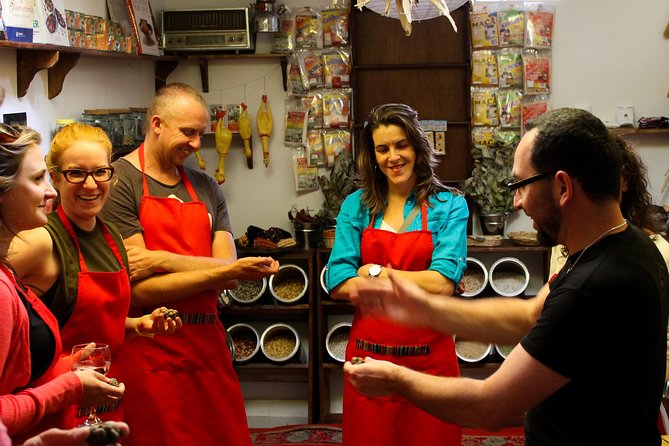
The class also includes tasting. You might sample fruits, vegetables, condiments, grains, and other regional products before cooking with them. That matters in Peru, where the same broad category of food can come in many forms, colors, and flavors.
Previous classes with chefs such as Alejandro, Fernando, Christina, Jose, and Jose Luis have included fruit tastings, explanations of local potatoes, and introductions to Peruvian peppers and grains. The exact instructor is not guaranteed, but the teaching style appears to be a major part of the experience.
Making Andean tamales with corn
The tamale portion brings the class closer to traditional Andean cooking. You work with corn and learn a preparation method passed through generations.
Tamales are valuable here because they show how cooking can preserve a link to the land. Corn is not treated as just another ingredient. It carries agricultural and cultural meaning across the Andes, and the class places that food in its wider context.
For you, the appeal is the hands-on work. You are not just tasting a finished tamale at lunch. You get to take part in shaping and preparing one, which gives the dish more meaning when it reaches the table.
This is also an accessible part of the class for beginners. The format is designed for all levels, and the chef guides the process. If you have never made a tamale, you do not need professional kitchen skills to take part.
Exploring the private Andean market
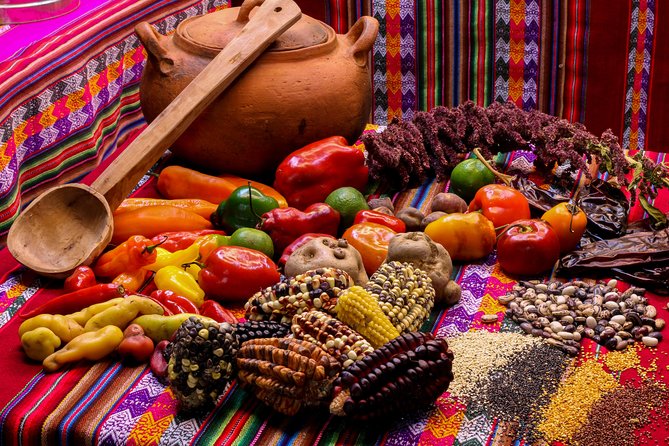
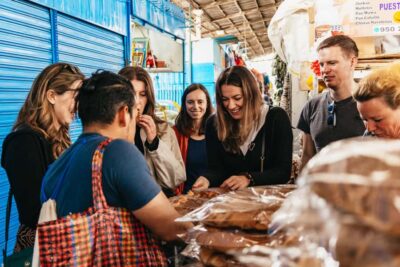
The private market segment introduces products from the Andes, including ancient grains and foods often described as superfoods. The useful part is not only seeing the ingredients, but learning why they matter in local diets and culture.
You might encounter products linked with Peru’s long agricultural tradition, such as distinctive corn, potatoes, peppers, fruits, and grains. The class gives you a chance to taste before trying to cook, which is far more useful than simply hearing a list of unfamiliar names.
I like this stop because it helps you understand the food on your plate. A dish of meat, sauce, or grains becomes less abstract when you know something about where its ingredients fit into Andean life.
Do not expect a large public market excursion. This is described as a private market experience within the cooking activity, not a separate shopping tour through Cusco. Its value is the guided tasting and explanation rather than time spent browsing stalls.
A completely different kind of day:
- Classic Inca Trail Trek 4D/3N to Machu Picchu (Group Service)
★ 5.0 · 8,653 reviews - Cusco: Rainbow Mountain and Red Valley Day Trip with Meals
★ 4.9 · 4,893 reviews - Machu Picchu: 4-Day Inca Trail Trek with Panoramic Train Ride
★ 5.0 · 4,568 reviews - Salkantay Classic Trek 5 Days from Cusco
★ 5.0 · 4,062 reviews
Preparing uchucuta, the Inca-era pepper sauce
Next comes uchucuta, a spicy Andean sauce associated with the Incas and prepared with traditional methods. The sauce gives you a direct taste of Peru’s love of peppers and bold seasoning.
The important point is that uchucuta is not treated as a decorative side dish. You learn how it is made and how its flavor develops. If you enjoy heat, this may be one of the most memorable parts of the class.
Spice levels can be personal, so it is sensible to tell the chef what you prefer. The available information confirms that dietary requirements should be shared when booking, but it does not promise a particular spice adjustment. Ask at the start if you are sensitive to hot peppers.
This part also gives the class a strong sense of place. You are learning a sauce with Andean roots, not just preparing a generic dip that could appear in any cooking school.
Tasting chicha, the drink of the Andes
Chicha adds a drinkable piece of Andean tradition. The class introduces it as an ancestral fermented drink connected with the Incas, giving you a chance to taste something with a long cultural role.
The drink tasting is separate from the cocktail instruction, but the overall class can include several Peruvian beverages. Past classes have featured pisco tastings and drinks such as pisco sours and Chilcanos. The advertised experience specifically includes chicha, while the exact cocktail selection may depend on the class and chef.
That variety is one reason the activity works well for people who enjoy food but do not want a strictly technical cooking lesson. You are learning, tasting, and eating throughout the morning.
Families should mention children when booking. A previous family class included mocktails, but that detail should be treated as an example rather than a guaranteed inclusion for every group.
The clay-pot tasting and the final meal
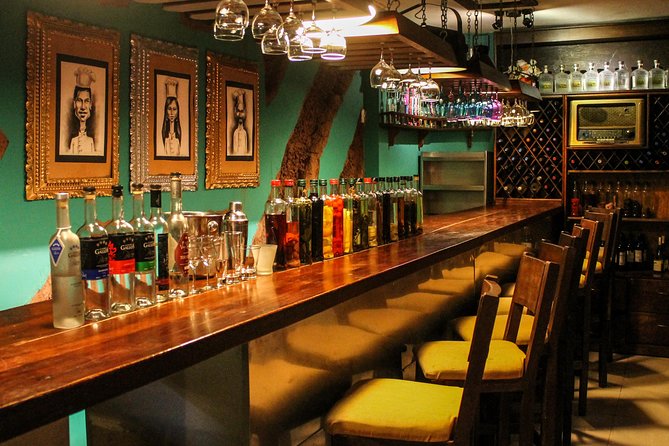
The final tasting brings together the ingredients cooked in clay pots. This is the point where the class shifts from preparation to reward, with an appetizer and main course included.
Cooking in clay pots gives the meal a clear Andean identity. It also makes the final course feel connected to the earlier discussion of land, ingredients, and traditional methods.
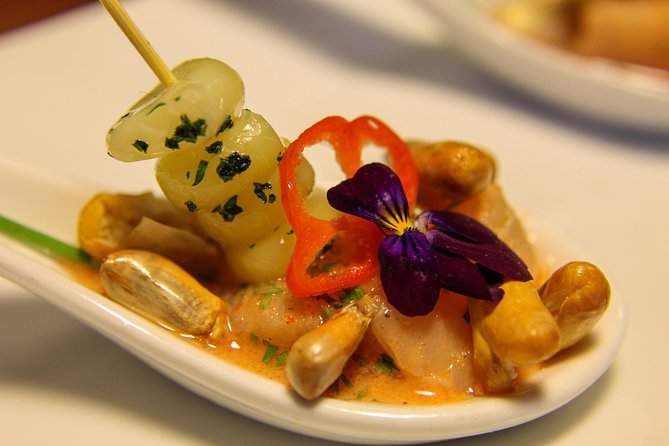
The supplied details do not name the precise appetizer or main course for every booking. That is worth remembering if you are choosing the class because of one particular dish. The class description centers on Pachamanca-style Andean cooking, tamales, uchucuta, and clay-pot preparation, while previous classes have also included ceviche, lomo saltado, alpaca lomo saltado, and pisco cocktails.
That changing menu may be a benefit if you want a broad introduction to Peruvian food. It could be a drawback if you want a fixed recipe list. Ask what your group will prepare when you book, especially if you have already taken another Peruvian cooking class in Lima or Cusco.
What the chefs add to the experience
The chef is central to this activity. A good cooking class needs more than recipes, and the available feedback points repeatedly to friendly, engaging instruction.
Alejandro has been praised for making the class fun while explaining Peruvian food and local ingredients. Fernando has worked well with children and adjusted the class for a family group. Christina has been singled out for her warmth, food knowledge, history lessons, and follow-up recipes.
Other classes have been led by Jose and Jose Luis, with an emphasis on humor, hospitality, and clear guidance. Since the provider assigns the chef, you should not book on the assumption that one specific instructor will lead your session unless that has been confirmed directly.
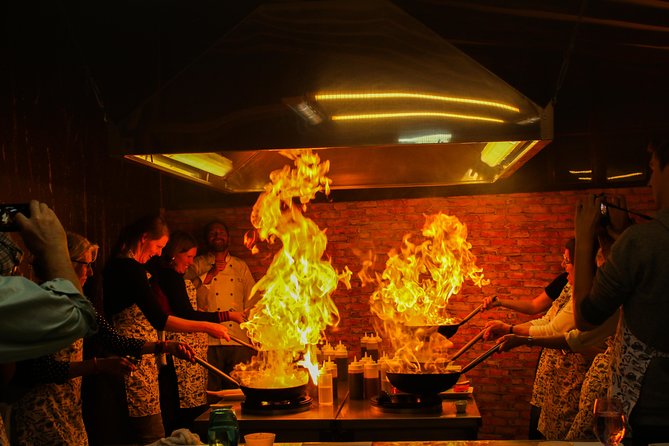
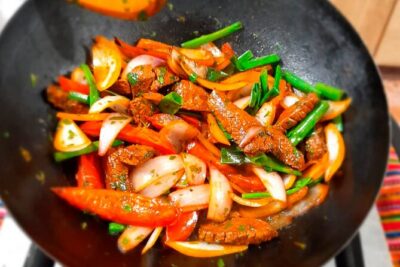
The best part of this format is the coaching. You see a demonstration, then prepare the food yourself with help at the stove and during chopping or mixing. Some classes have included flambéed lomo saltado, which adds a little theater, though the experience supplied here focuses more strongly on Andean dishes and clay-pot cooking.
Is $150 per person a fair price?
At $150 per person, this is not a budget meal or a casual market lesson. You are paying for a private three-hour activity, a professional chef, instruction in your requested language, food preparation, lunch, drinks, bottled water, and a private group setting.
For a couple or small group that values personal attention, the price can make sense. You are not just buying lunch. You are paying for an organized cultural lesson, ingredient tasting, cooking guidance, and a meal you helped prepare.
The value is stronger if you want a flexible experience for a family or group with different interests. A private chef can usually keep the class moving at your group’s pace, and the food discussion gives non-cooks something to enjoy too.
The value is weaker if you mainly want to eat traditional food. Cusco has many less expensive ways to sample Peruvian dishes. You should choose this class because you want to participate, ask questions, and learn the process.
The current rating is 5 out of 5 from 54 ratings, with full recommendation from the people represented in the supplied information. That suggests a reliable level of satisfaction, particularly with the chefs, food, and personal attention.
Language, dietary needs, and practical details
The class operates in Spanish or English, depending on your request. Make your language preference clear at booking rather than assuming it will be arranged automatically.
Vegetarian cooking is available, but you must request it in advance. The same applies to other dietary requirements. Since the class includes tasting and shared preparation, early notice gives the chef a better chance to plan suitable ingredients.
Bring your original passport at the start. It is required for tax purposes, and a photograph or copy is not identified as an acceptable substitute.
The meeting point is C. Palacio 135 in Cusco, and the activity returns there. Transportation is not listed as an inclusion, so you should plan your own way to the meeting point.
Free cancellation is available if you cancel at least 24 hours before the local start time. A later cancellation or late change is not refundable. The activity also requires a minimum number of participants, and if that minimum is not reached, you can be offered another date or experience, or receive a full refund.
Who will enjoy this Cusco cooking class most?
I would recommend it most to:
- Couples who want a shared cultural activity beyond ruins and churches
- Families looking for a private, adaptable class
- First-time visitors who want a broad introduction to Peruvian ingredients
- Food lovers interested in chicha, pisco, peppers, corn, and Andean grains
- Beginners who want instruction without needing prior kitchen experience
- People with a free morning between major Cusco excursions
You may want to skip it if your schedule is packed with sightseeing and you dislike planned activities. It is also less suitable if you only want a fixed menu or the lowest possible price.
Should you book the Pachamanca cooking class?
Book this experience if you want to understand Andean food by tasting it, preparing it, and sharing it at the table. The combination of tamales, uchucuta, chicha, regional products, clay-pot cooking, and a private chef gives the morning a clear cultural focus.
Before paying, confirm the class language, menu, chef availability, and any dietary needs. Ask specifically whether your session will include the Pachamanca dishes described or the ceviche, lomo saltado, and cocktails featured in other class formats.
For many visitors, this will be a welcome change from Cusco’s usual sightseeing circuit. At $150 per person, it is a splurge, but the private setting and full meal make it a reasonable choice for a special day, a honeymoon, or a family activity that everyone can share.
FAQ
How long is the private Andean cooking class?
The class lasts approximately three hours.
Where does the activity begin and end?
It begins at C. Palacio 135, Cusco 08002, Peru, and ends back at the same meeting point.
What time does the class start?
The scheduled start time is 9:00 am.
Is the class available in English?
Yes. The class can operate in Spanish or English, depending on your request.
Is a vegetarian option available?
Yes. A vegetarian option is available, but you must advise the provider when booking. You should also provide details of any other dietary requirements in advance.
What is included in the price?
The price includes the private tour, professional chef, beverages, bottled water, one appetizer, and one main course for lunch.
Just added in Cusco
- Cusco Private Transportation for 2026★ 5.0 · 4 reviews
- Private Transfer from Airport to Hotel in the City of Cusco★ 4.0 · 5 reviews
- Best Cusco walking tour: dinner street food tasting★ 4.5 · 11 reviews
- Machu Picchu Day Trip With Panoramic Train from Cusco★ 5.0 · 10 reviews
- Private Tour to Pisac Market and Pisac Ruins★ 5.0 · 4 reviews
- Sacred Valley Private Tour from Cusco, Guide and Driver only★ 5.0 · 4 reviews
- Sacred Valley of the Incas Tour★ 5.0 · 12 reviews
- Private Tour of the Mountain of Colours by Quad★ 5.0 · 7 reviews
Peru Food Tours and Cooking Classes, compared.
Peruvian Cooking Class Cocktails and Market Tour in Cusco
Read our review →
Peruvian Cooking Class, Local Market Tour & Exotic Fruit Tasting
Read our review →
3 Day Tour From Lima: Paracas, Huacachina Oasis & Pisco Vineyard
Read our review →
Peruvian Cooking Class, Cocktails & Local Market Tour
Read our review →Browse the lists this tour appears in