
Reviewed · LAKE TITICACA AND THE UROS ISLANDS
Puno: Chucuito, Aramu Muru, and Juli Day Trip
Ancient stones and sacred stories await. This full-day trip from Puno offers a fine mix of archaeology, local farming, spiritual folklore, and colonial churches, all for $40 per person. I especially like the chance to see more than Lake Titicaca’s usual highlights and the small-group limit of 15 people.
The tour also benefits from attentive staff. Guides such as Pablo have been praised for clear historical explanations, while driver Adrian has earned kind words for his professional service. The main drawback is time: Aramu Muru has several things competing for your attention, and you may need to choose between walking to a viewpoint and taking part in a shaman ceremony.
In This Review
- Key points to know before booking
- Why this nine-hour route is worth your time
- Chucuito and the Temple of Fertility
- The Chullpas of Molloco and ancient farming fields
- Aramu Muru, the Gate of the Gods
- Juli, the Rome of Latin America
- Lunch and the pace of the afternoon
- Guide quality and the small-group setup
- What the $40 price really covers
- Who should book this day trip?
- Should you book the Chucuito, Aramu Muru, and Juli tour?
- FAQ
- How long does the tour last?
- Where does pickup take place?
- What languages are available?
- How large is the group?
- Is lunch included in the price?
- Are entrance fees included?
- What should I bring?
- Is the tour suitable for wheelchair users?
- Can I cancel the booking?
Key points to know before booking
- Chucuito begins the cultural story: Visit the Temple of Fertility and enjoy views toward Lake Titicaca from this hillside town.
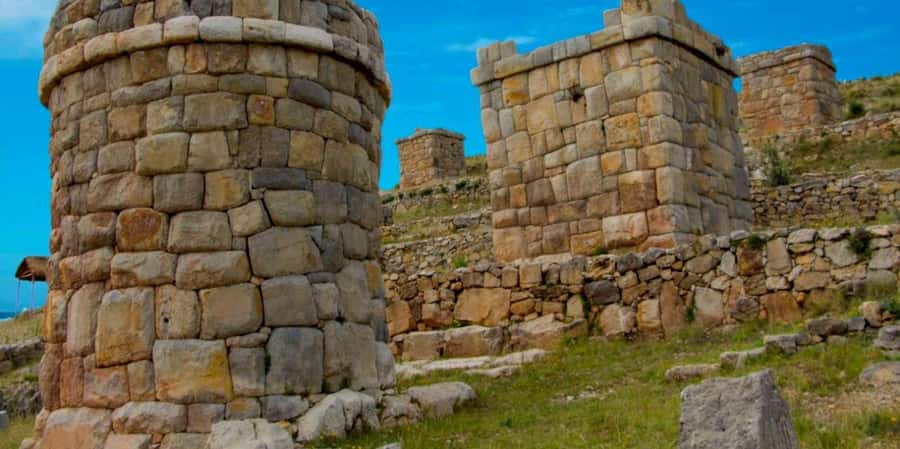
- Molloco offers unusual pre-Columbian tombs: The Chullpas of Molloco are funerary towers that give the day an archaeological focus.
- Waru Waru Andinos show practical ancient farming: These raised fields helped protect crops from frost by creating a warmer microclimate.
- Aramu Muru mixes stonework and legend: The Gate of the Gods is a memorable photo stop, but the spiritual activities may limit your sightseeing time.
- Juli earns its nickname through its churches: San Pedro, San Juan de Letrán, and Santo Domingo contain large paintings linked to Cusco artists.
- The $40 price is convenient, not always the cheapest: Transport, hotel pickup, drop-off, and a guide are included, but meals and entry fees cost extra.
Why this nine-hour route is worth your time
Puno is often treated as a base for Lake Titicaca, yet the surrounding region has much more to offer. This tour heads south through places tied to pre-Columbian burial customs, old farming methods, local religious life, and Andean mythology.
I like the route because it does not rely on one headline attraction. You get several shorter visits, each with a different purpose. Chucuito introduces the area’s archaeology. Molloco shows its funerary traditions. Waru Waru Andinos explains how people adapted to cold highland conditions. Aramu Muru adds a mystical note, and Juli brings the day to a close with impressive colonial churches.
The small-group format matters here. With a maximum of 15 participants, you have a better chance of hearing the guide at each stop than you would in a large coach group. English and Spanish guiding is available, though one English-speaking participant found some explanations difficult to follow at times. If your Spanish is limited, it is sensible to confirm the guide’s language before departure.
Pickup is offered from hotels in Puno, with a meeting option at Plaza Mayor de Puno. You are asked to wait in your hotel lobby from 10 minutes before pickup. The drive segments are listed at about 30 minutes each, though the visits themselves make up most of the nine-hour day.
More Day Trips in Puno
- Lake Titicaca (Day Trip) Uros & Taquile Islands
★ 4.5 · 245 reviews - Speedboat Day Trip to Uros and Taquile From Puno
★ 5.0 · 113 reviews - Full day trip to Lake Titicaca, the Uros and Taquile Islands.
★ 4.5 · 34 reviews
Chucuito and the Temple of Fertility
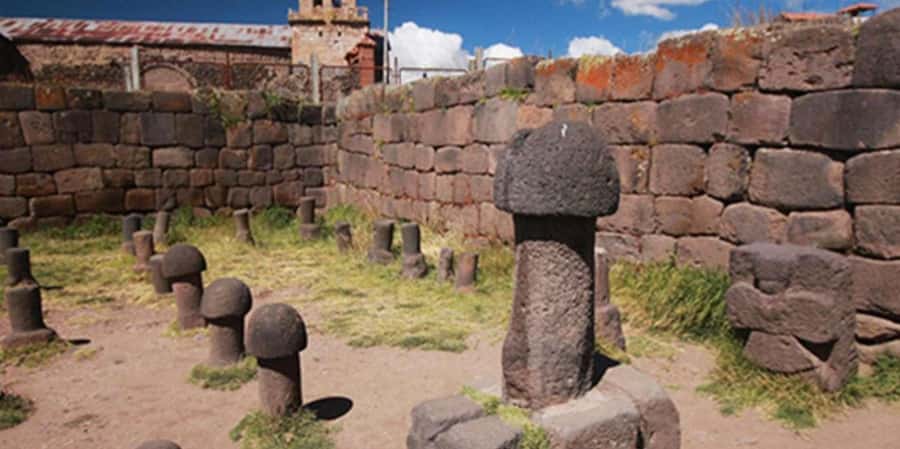
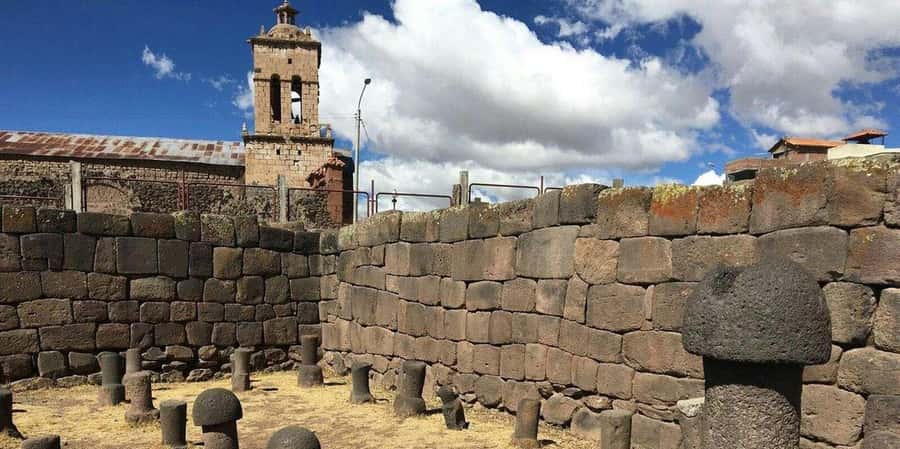
Chucuito sits on a hill with views toward Lake Titicaca. It is a useful first stop because it gives you both scenery and a quick introduction to the area’s pre-Columbian past.
The Temple of Fertility is the town’s most unusual sight. Its name points to ancient beliefs connected with fertility and reproduction, and the site gives the guide a chance to explain local archaeology in a direct, memorable way. This is not a vast ruin complex, so do not expect hours of wandering. Its value comes from the story and symbolism.
I would pay close attention to the explanation here. The tour is at its best when the guide connects stone remains with the way Andean societies understood family, farming, and survival. Nelson, from Sweden, particularly praised the historical discussion of Inca architecture and construction, along with the guide’s use of literary sources.
Chucuito also helps you ease into the altitude and pace of the day. Wear shoes with a firm sole, since several stops involve walking over uneven ground. Warm clothing is useful even when the sun is bright. Puno’s high-altitude weather can shift quickly, and the open setting offers little shelter.
The Chullpas of Molloco and ancient farming fields
The Chullpas of Molloco add a clear archaeological stop to the route. These pre-Columbian funerary towers were built for the dead, and their form offers clues about the ceremonies and social customs of earlier Andean communities.
The site is valuable because it feels different from a church or a famous tourist monument. You are looking at burial architecture in its original setting, with the guide helping you understand why these towers mattered. Bring your camera, but allow time to listen. The structures are easy to photograph, yet the explanation is what turns them from old stone towers into a meaningful part of the day.
The next stop, the Waru Waru Andinos, shows a more practical side of ancient life. These raised agricultural fields used channels and beds to create a warmer microclimate around crops. That helped reduce the damage caused by frost, a constant problem in the high Andes.
This is one of the most useful stops for understanding local ingenuity. Instead of seeing agriculture as a simple matter of planting crops, you see how people shaped the ground to manage cold temperatures and water. The site also adds balance to the day. After tombs and sacred places, you get a close look at food production and daily survival.
The tour description places the Chullpas of Molloco and Waru Waru Andinos within the wider visit to Chucuito and the surrounding area. Exact stop lengths are not specified, so expect the guide to manage time according to road conditions, group pace, and the number of questions.
Aramu Muru, the Gate of the Gods
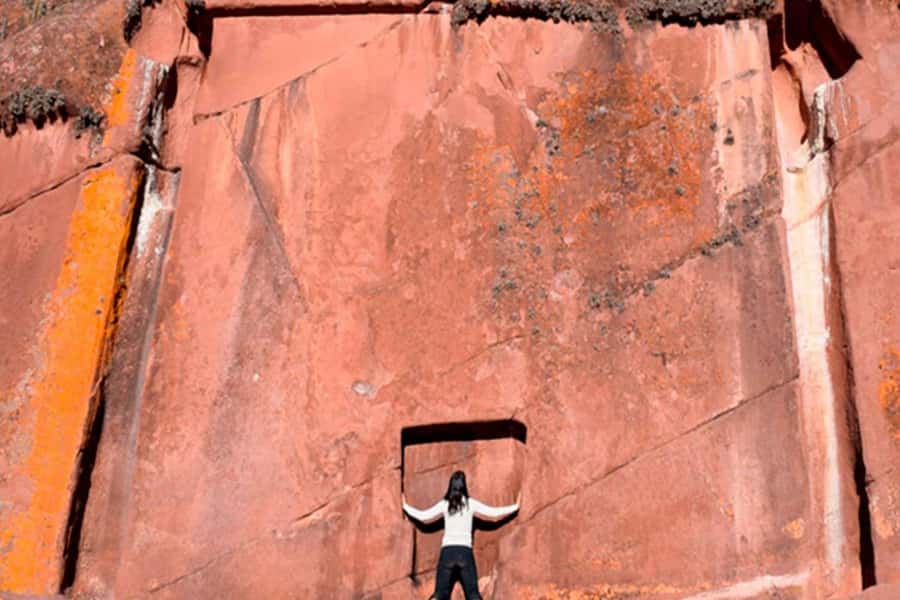
Aramu Muru is the most mysterious stop on the route. It is also the place most likely to divide your time and attention.
The site is known as the Gate of the Gods, a name tied to an old legend that the stone portal will one day allow various deities to arrive on Earth. The opening and surrounding rock create an atmospheric setting, especially when the guide explains the stories connected with it.
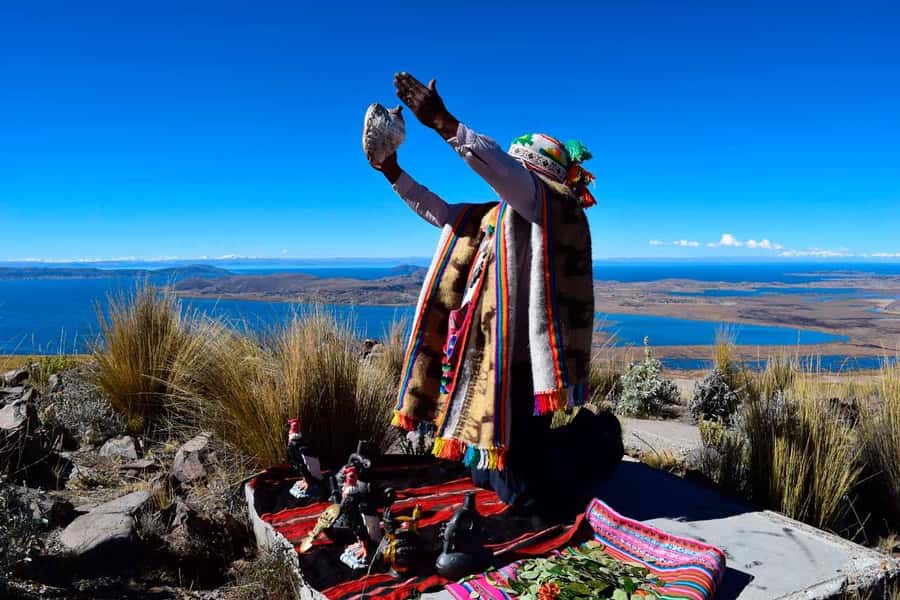
You can take photographs and hear about the site’s mysteries, but this stop may include a spiritual element as well. One participant praised the energy and mystical quality of the shaman ceremony. Another wished there had been enough time to both walk up for the view and take part in the ceremony.
That is useful advice. If Aramu Muru is your main reason for booking, ask the guide at the beginning how much time is planned there and what choices you will have. You may need to pick one activity rather than attempt everything. The experience is better when you accept that this is a short guided visit, not an open-ended afternoon.
I also recommend bringing water and sunscreen. Aramu Muru is an outdoor stop, and the strong high-altitude sun can catch you off guard in cool weather. Comfortable shoes will make the walk easier, particularly if you choose the viewpoint.
Some tour details describe Aramu Muru as part of a long central portion of the day, while the road transfers are listed at about 30 minutes. In practice, the schedule includes several nearby cultural stops before continuing to Juli. Do not read the nine-hour duration as nine hours at the stone portal itself.
More Lake Titicaca trips:
- From Puno: Uros, Amantaní & Taquile Islands 2-Day Tour
★ 4.5 · 452 reviews - Tour to Uros and Taquile Islands in a Fast Boat
★ 5.0 · 419 reviews - From Puno: Floating Islands of the Uros Half-Day Tour
★ 4.4 · 394 reviews - Uros and Taquile Islands on New and Comfortable SpeedBoat
★ 4.5 · 254 reviews
Juli, the Rome of Latin America
Juli is known as the Rome of Latin America because of its collection of historic churches. This nickname becomes clear as you walk through the city and visit San Pedro, San Juan de Letrán, and Santo Domingo.
The churches are the strongest architectural finish to the day. Their large paintings, associated with artists from Cusco, show how religious art moved through the Andes and how Catholic buildings became part of local cultural life.
I like this part of the route because it gives you time in a real town rather than only at isolated ruins. Juli’s churches also offer a different visual experience from the archaeological sites. Instead of carved stone and burial towers, you see painted interiors, religious decoration, and the marks of the colonial period.
The amount of time in Juli matters. One participant felt that a lunch stop, described as a beach stop with street food as the available choice, left too little time in town. That is a fair concern. If you are most interested in the churches, ask whether lunch and the Juli visit are tightly scheduled on the day you go.
The route includes lunch at a local restaurant in Juli, but meals are listed as an extra expense. In other words, you should budget separately for food. The meal has been praised as good, but the exact restaurant and menu may vary. Bring enough cash for lunch and entry fees, since entrance costs are not included and one participant wished prices had been provided in advance.
Lunch and the pace of the afternoon
A local meal can be an important part of a day trip like this. It gives you a chance to sit down, eat, and see how the route works for people living in the area. The food has received positive comments, but do not assume it is part of the $40 price.
The lunch break may also be the least satisfying part if you want more sightseeing. The schedule has several cultural stops packed into one day, and a long meal can reduce the time available in Juli. If you prefer historic sites to a leisurely stop, make your priorities clear to the guide.
This is not a tour for rushing through each location alone. It works best when you enjoy listening to explanations and moving with a group. The day covers a lot, but the tradeoff is that no single site receives unlimited time.
Guide quality and the small-group setup
The guide can make or break a history-focused route, and this one has received strong praise in that area. Pablo has been described as attentive and professional, while another guide impressed a participant by explaining Inca architecture and citing written sources.
That level of preparation matters. The sites are not all self-explanatory, especially Waru Waru Andinos and Aramu Muru. Without context, you might see raised fields, stone towers, or a carved portal and move on in a few minutes. A good guide gives each place a reason to matter.
The English service may vary in clarity. One English-speaking participant found it hard to keep up with the guide at times, so ask questions when needed. A small group should make this easier than a crowded tour, since you can usually speak directly with the guide during stops.
The driver is part of the experience too. Adrian received praise for attentive, professional service, which is reassuring on a long day with repeated road transfers. Hotel pickup and return are included, so you do not need to arrange separate transport to the southern stops.
What the $40 price really covers
At $40, this is a convenient way to see several places beyond Puno in one day. The price includes hotel pickup and drop-off, transport, a live guide, and visits to Chucuito, Aramu Muru, and Juli. The group is limited to 15 people, which adds value compared with a very large bus excursion.
Still, it is not the absolute lowest-cost way to make the trip. One participant felt a local agency might have charged nearly half as much. That comparison is worth taking seriously if you are comfortable arranging transport, finding a guide, and handling each site independently.
The tour price does not include meals, entrance fees, or personal expenses. Budget extra for all three. Because entry prices are not stated, carry small change or ask ahead for the current amounts. The tour is best value for you if you want a simple package with hotel pickup and a guide, rather than the cheapest possible transport.
Free cancellation is available up to 24 hours before departure, and you can reserve now and pay later. Those terms help if your Puno schedule may change, though you should still check the available start time before booking.
Who should book this day trip?
I would choose this tour if you have already seen Puno’s main sights and want a full day focused on nearby history, churches, and local traditions. It suits people who enjoy variety and do not mind changing locations several times.
It is also a good match for you if you want a guide to explain the meaning behind archaeological sites. The route is more rewarding with historical context than as a series of photo stops.
You may want another option if you need wheelchair access, since the experience is not suitable for wheelchair users. It may also disappoint you if you want a slow visit at Aramu Muru or several relaxed hours in Juli. The route covers a lot, but time is divided among many stops.
Bring warm clothing, comfortable shoes, water, sunscreen, and a camera. Smoking is not allowed. The high-altitude sun can be strong, and the combination of open sites and walking makes basic preparation worthwhile.
Should you book the Chucuito, Aramu Muru, and Juli tour?
Book it if you value a well-organized route with a guide, hotel transport, and a wide mix of archaeological and religious sites. The strongest parts are the explanations, the unusual Aramu Muru stop, the ancient farming fields, and Juli’s churches.
Before paying, ask two practical questions: how much time will be given to Aramu Muru, and what are the entry fees and lunch arrangements? If the answer suits your priorities, $40 is a fair convenience price for a nine-hour outing.
Skip it if your main goal is the lowest possible cost or a long, unhurried stay at one site. For most visitors with one free day beyond Puno, though, this is an original and worthwhile excursion, especially when the guide is as strong as Pablo.
FAQ
How long does the tour last?
The experience lasts nine hours, including transport, visits, lunch, and the return to Puno.
Where does pickup take place?
Pickup is included from any hotel in Puno. Plaza Mayor de Puno is also listed as a pickup and drop-off option.
What languages are available?
The live guide service is available in Spanish and English.
How large is the group?
The tour is a small-group experience limited to 15 participants.
Is lunch included in the price?
No. Meals are not included in the tour price. Lunch is planned at a local restaurant in Juli, so you should budget separately.
Are entrance fees included?
No. Entrance fees are not included, and you should carry money for them.
What should I bring?
Bring comfortable shoes, warm clothing, a camera, sunscreen, and water.
Is the tour suitable for wheelchair users?
No. The experience is not suitable for wheelchair users.
Can I cancel the booking?
Yes. You can cancel up to 24 hours in advance for a full refund. You can also reserve now and pay later.
Just added in Puno
- Sun island and Copacabana | From Puno or La Paz / Day Trip★ 4.1 · 5 reviews
- Puno: History and Culture Walking Tour★ 4.1 · 13 reviews
- Puno: Uros and Taquile Islands Full-Day Tour with Lunch★ 4.5 · 17 reviews
- Puno: Lake Titicaca, Uros, and Taquile Full-Day Tour★ 4.5 · 4 reviews
- Puno: 3-hour trip to the floating Uros Islands★ 4.5 · 9 reviews
- Puno: 2 Day Visit to Uros, Amantani and Taquile★ 4.5 · 13 reviews
- Puno: Lake Titicaca Day Tour★ 4.5 · 17 reviews
- Lake Titicaca, Uros and Taquile Full-Day Tour★ 4.3 · 69 reviews
Lake Titicaca and the Uros Islands, compared.
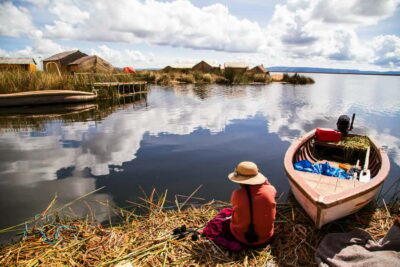
From Puno: Uros, Amantaní & Taquile Islands 2-Day Tour
Read our review →
Tour to Uros and Taquile Islands in a Fast Boat
Read our review →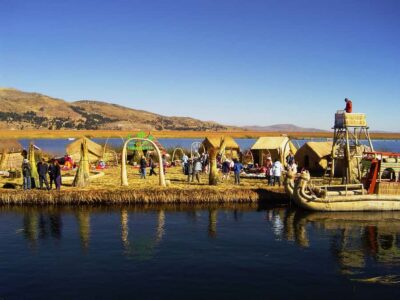
From Puno: Floating Islands of the Uros Half-Day Tour
Read our review →
10-Day Discover Peru: Lima, Arequipa, Puno, Cusco & Machu Picchu
Read our review →
Uros and Taquile Islands on New and Comfortable SpeedBoat
Read our review →
Lake Titicaca (Day Trip) Uros & Taquile Islands
Read our review →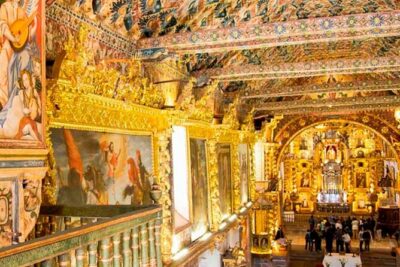
Lake Titicaca 2-Day Tour to Uros, Amantani and Taquile
Read our review →Browse the lists this tour appears in