
Reviewed · LAKE TITICACA AND THE UROS ISLANDS
Puno: Full-Day Route of the Sun Tour to Cusco with Lunch
The best bus rides have a story. This 11-hour Route of the Sun trip turns the long journey from Puno to Cusco into a full day of Andean history, mountain views, guided visits, and a buffet lunch. I especially like the comfortable bus with a bathroom and the well-spaced stops at Pucara, Abra La Raya, Raqchi, and Andahuaylillas. The main catch is the extra 53 soles for site admissions, plus limited time at some stops.
At $44 per person, this is a strong-value alternative to a plain public bus or a much costlier train. I also like that the guide stays with you throughout the day, offers coca tea and other hot drinks, and explains the cultural meaning behind each place. Lunch can be rushed when several buses arrive together, and it may be ordinary rather than memorable, but the whole ride remains a smart way to travel between Peru’s two highland cities.
In This Review
- Key points before you book
- Why this Puno to Cusco bus journey works
- 6:40 AM from Puno: start early and arrive prepared
- Pucara: an early look at Andean civilization
- Abra La Raya: the high point between Puno and Cusco
- Buffet lunch near Sicuani: useful, filling, and sometimes rushed
- Raqchi and the 15-meter Temple of Wiracocha
- Andahuaylillas: an unassuming church with a dazzling interior
- The guide and driver can make or break the day
- What the $44 price really covers
- Who should choose this Route of the Sun tour?
- Should you book it?
- FAQ
- Where does the tour start in Puno?
- Where does the tour finish in Cusco?
- How long does the tour take?
- What places does the tour visit?
- Is lunch included?
- Are entrance fees included?
- Is the bus comfortable?
- Is the tour available in English?
Key points before you book
- A transfer that feels like a tour: You travel from Puno to Cusco while visiting four important sites along the way.
- Comfort for a long day: The climate-controlled bus has reclining seats, generous legroom, power outlets reported on some departures, a bathroom, drinks, and onboard oxygen.
- Four very different stops: You get ancient Pucara, the high Andes at La Raya, the Inca site of Raqchi, and the decorated church at Andahuaylillas.
- Budget-friendly pricing: The $44 fare includes transport, guiding, lunch, drinks, and Cusco bus-station drop-off, but not the 53 soles in entrance fees.
- A reliable English and Spanish guide: Guides such as Elisabeth, Manuel, and Juan Carlos have been praised for clear explanations and friendly care.
- A long but useful day: The schedule runs roughly from 6:40 AM to 5:30 PM, so you trade a direct ride for a fuller look at southern Peru.
Why this Puno to Cusco bus journey works
The road between Puno and Cusco is not just a gap between two destinations. It crosses high plains, mountain passes, farming country, small towns, and places tied to the earliest Andean cultures and the Inca world.
A standard bus gets you there. This service gives you a reason to look out the window and get off several times. The bus leaves from the Terminal Terrestre Puno at about 6:40 AM and arrives at the Cusco bus terminal on Alameda Pachacuteq at roughly 5:30 PM. The exact start time should be checked when you reserve, but you should plan for a full day.
I like this setup for anyone who needs to make the transfer anyway. Your luggage stays with the bus, lunch is arranged, and the guide keeps the day moving. It is easier than arranging separate taxis, buses, and entrance tickets for the same sites.
The cost is also persuasive. At $44, you receive the vehicle, bilingual guiding, buffet lunch, soft drinks, mineral water, hot infusions, and terminal drop-off. You still pay 53 soles in person for admission to Pucara, Raqchi, and Andahuaylillas. That extra charge is worth including in your budget, since the schedule is built around entering these places.
More Lake Titicaca trips:
- From Puno: Uros, Amantaní & Taquile Islands 2-Day Tour
★ 4.5 · 452 reviews - Tour to Uros and Taquile Islands in a Fast Boat
★ 5.0 · 419 reviews - From Puno: Floating Islands of the Uros Half-Day Tour
★ 4.4 · 394 reviews
6:40 AM from Puno: start early and arrive prepared
The meeting point is Terminal Terrestre Puno, at Jiron Primero de Mayo 703 to 705. You need to make your own way there, and hotel transport in Puno is not included.
The early departure is practical. It gives the bus enough daylight hours for the four visits, but it also means breakfast is your responsibility. Breakfast is not included, so eat before leaving or bring something small. The bus does provide drinks, including coffee, tea, coca tea, other herbal infusions, Coca Cola, Inca Kola, and mineral water.
One useful tip is to allow extra time to find the correct bus inside the terminal. The Inka Express booth can be easy to miss, and a vague sign may not immediately point you to the right place. Do not arrive at the last minute with bags in hand. A few extra minutes at the station will make the beginning calmer.
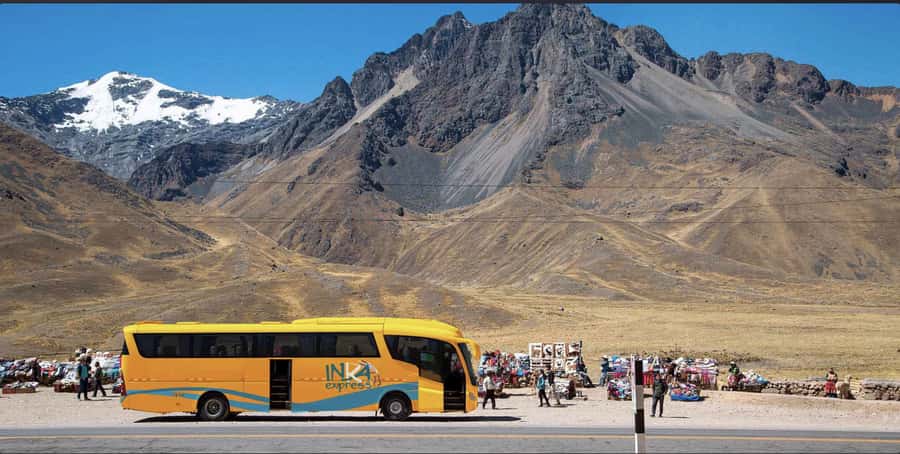
The bus is one of the strongest parts of the experience. It is climate-controlled, has reclining seats, and includes a clean onboard bathroom. Several people have also appreciated the wide seats, legroom, and power outlets. Those details matter when you are spending most of the day on the road.
Pucara: an early look at Andean civilization
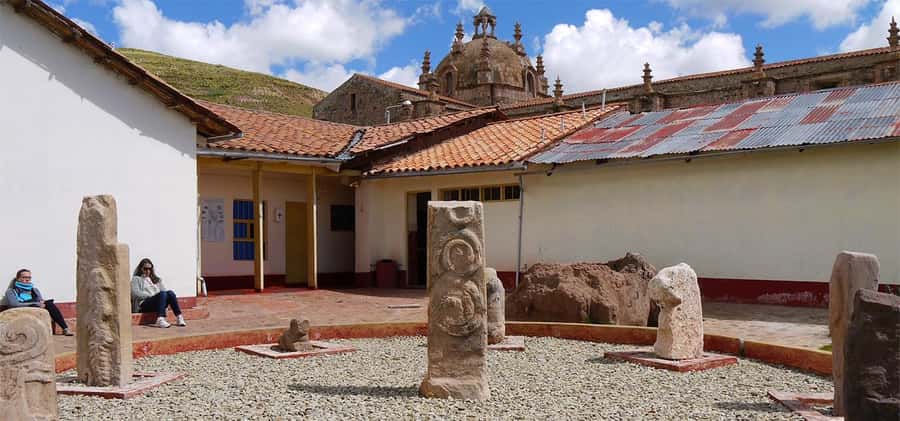
The first major stop comes at about 8:50 AM in Pucara. The visit lasts around 45 minutes and includes the Lithic Museum of Pucará, though admission is not part of the advertised fare.
Pucara was the first major settlement in the Titicaca basin. Its main period is the Late Formative Period, about 500 BC to 200 AD. At its height, the settlement covered more than a square kilometer and supported priests, artisans, farmers, shepherds, officials, and warriors.
That context helps you see the Andes as more than an Inca story. Long before the Inca Empire, organized communities were already building ceremonial centers, developing skilled crafts, and creating religious traditions around Lake Titicaca.
The stop is compact, so think of it as an introduction rather than a full archaeological visit. The guide makes the difference here, explaining the objects and the place in a way that gives the museum purpose. Pucara is also a useful place to consider buying small souvenirs. One especially practical tip is to compare local goods here or at Raqchi before shopping in Cusco, where similar items may cost more.
Abra La Raya: the high point between Puno and Cusco
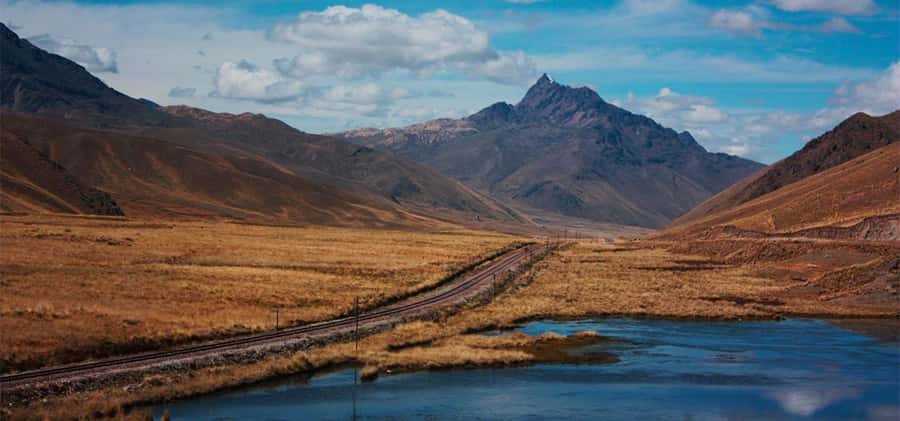
At about 11:00 AM, the bus reaches Abra La Raya, the highest point on the route between Puno and Cusco. The stop lasts around 10 minutes, mainly for photographs and a short explanation.
This is a quick outdoor break, not a long walk. You get out, take in the Andes, and look across the watershed dividing the Puno and Cusco regions. The high-altitude air can feel sharp, so keep a jacket close even if the morning began in sunshine.
The view is the attraction. Mountain ridges spread out around the road, and the open setting gives you a clear sense of how high and remote this part of Peru can feel. Because the stop is brief, listen for the meeting instructions and stay aware of the departure time.
I appreciate this pause for another reason: it breaks up the long bus ride before lunch. You can stretch your legs, take photographs, and return to your seat with a better sense of the terrain you are crossing.
More things to do in Puno:
- From Cusco: Vinicunca Rainbow Mountain ATV Tour with Meals
★ 4.6 · 1,060 reviews - Uros and Taquile Islands on New and Comfortable SpeedBoat
★ 4.5 · 254 reviews - Lake Titicaca (Day Trip) Uros & Taquile Islands
★ 4.5 · 245 reviews - Lake Titicaca 2-Day Tour to Uros, Amantani and Taquile
★ 4.4 · 199 reviews
Buffet lunch near Sicuani: useful, filling, and sometimes rushed
Lunch is scheduled at about 11:35 AM and lasts roughly 50 minutes. The buffet in Marangani, near Sicuani, includes beef, chicken, and fish, along with side dishes, warm and raw salads, desserts, and herbal drinks.
For a bus tour, the buffet is convenient. You can choose what suits you, and the selection gives people with different tastes a reasonable range of options. Several people have found the meal delicious, while one less favorable account described the food as bland and partly cold.
The bigger concern is timing. When several buses arrive at once, the line can stretch, leaving less time to eat. I would treat this as a practical group meal rather than a destination restaurant. Move through the buffet promptly, keep an eye on the guide’s instructions, and do not spend the whole break browsing.
The meal still adds real value to the fare. You do not need to arrange lunch in an unfamiliar town, and you avoid losing time searching for food along the route. If you have a very specific diet, the provided information does not promise special meals, so bringing a small backup snack is sensible.
Raqchi and the 15-meter Temple of Wiracocha
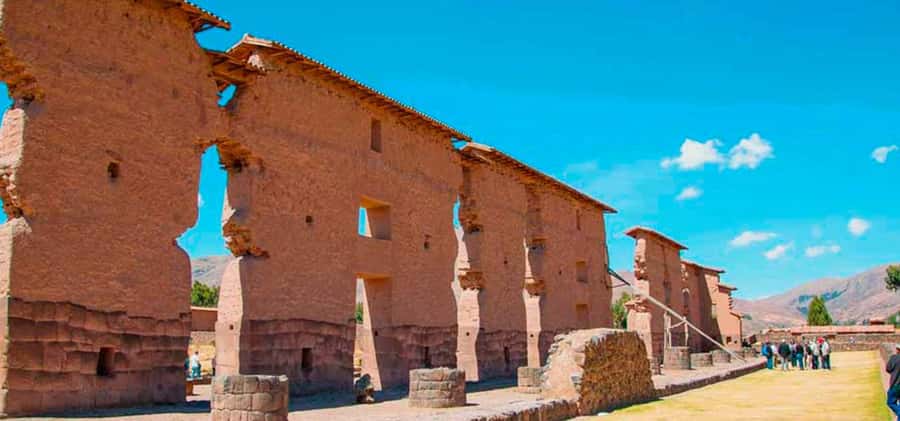
Around 1:00 PM, the bus reaches Raqchi for a visit of about an hour and a half. This is the longest site stop and, for many people, the most impressive.
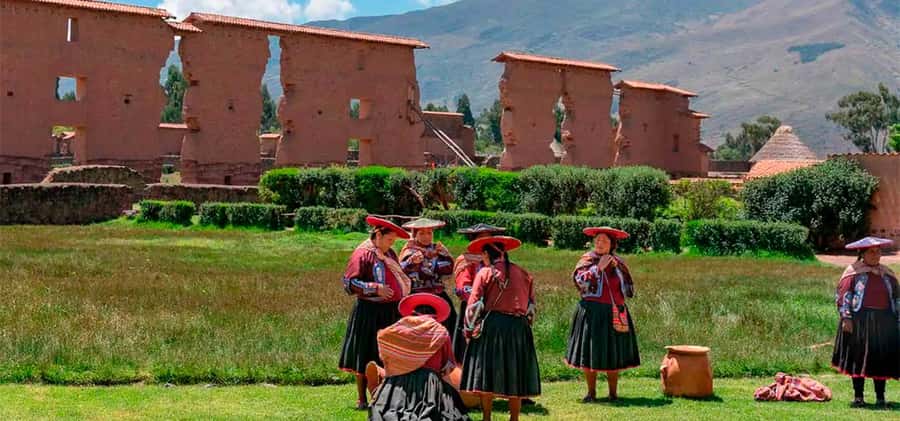
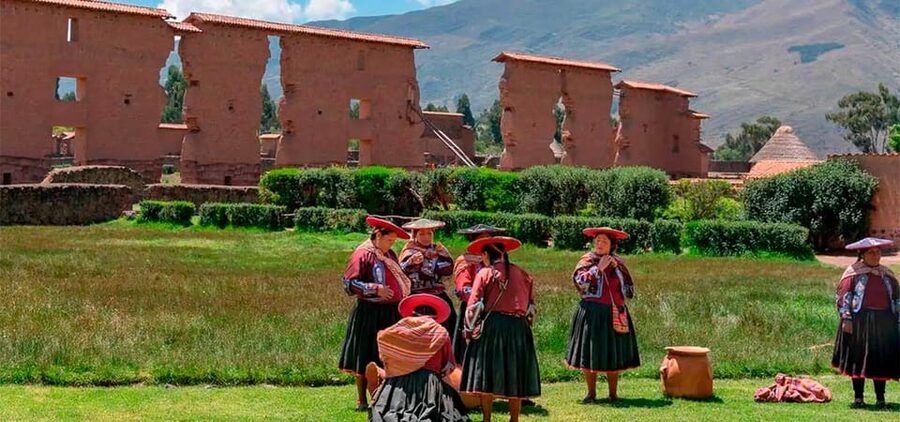
The focus is the Temple of Wiracocha, an enormous Inca structure dedicated to the invisible Superior God of the Andean people. Its walls rise about 15 meters, giving the site a powerful sense of scale even if you know little about Inca architecture.
Raqchi was also recognized as one of the Best Tourism Villages. The visit gives you more time than the short photo stop at La Raya, so you can listen to the guide, study the remains, and look around the village area.
This is a good place to pay attention to construction methods and the relationship between sacred buildings and the surrounding highland setting. The site is not simply a collection of old walls. The guide’s explanation connects the architecture to Andean belief and Inca authority.
Admission to the Raqchi Complex is extra, part of the combined 53 soles paid in person. You can technically wait outside while the group visits, but that would defeat the purpose of choosing this route. Budget for the ticket and go inside.
Andahuaylillas: an unassuming church with a dazzling interior
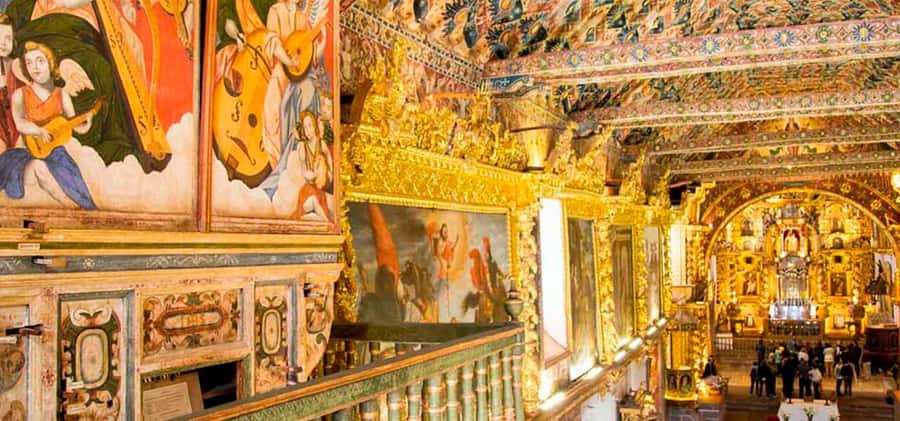
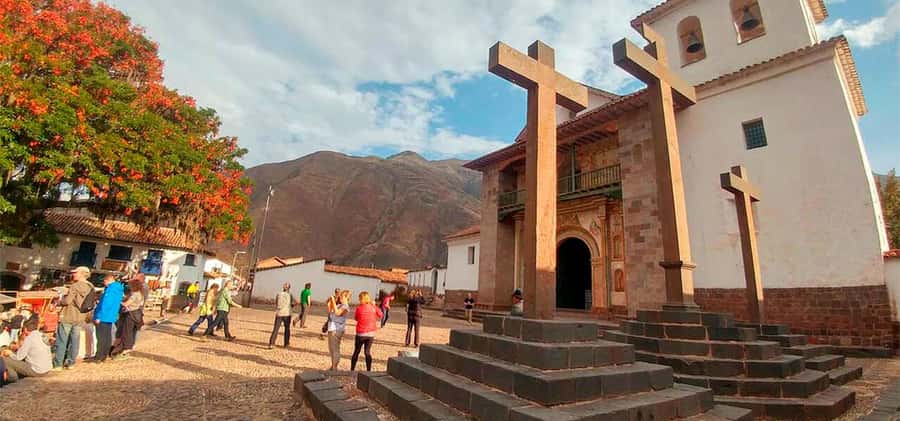
The final guided visit is Andahuaylillas at about 3:30 PM, with around 45 minutes at the Church of Saint Peter the Apostle. From the outside, this 16th-century Jesuit church looks modest. Inside, it is a different story.
Gold leaf, detailed murals, and elaborate decoration cover the interior. The contrast between the plain exterior and the ornate inside makes the visit especially memorable. It is often called the Sistine Chapel of the Americas, but you do not need a nickname to appreciate the skill and visual force of the work.
The church is a reminder that colonial Peru was shaped through both force and artistic exchange. European religious ideas were presented through local labor, materials, and visual traditions. A good guide helps you notice details you might otherwise miss, especially in the murals.
The admission fee is not included, and the church is one of the places covered by the 53 soles collected in person. Forty-five minutes is enough for a guided look, but not enough for a slow, independent study of every painting. If church art is a major interest for you, the short visit may leave you wanting more.
The guide and driver can make or break the day
A long bus ride needs more than a comfortable seat. It needs a guide who can explain the places without turning every quiet moment into a lecture.
The strongest praise has gone to guides including Elisabeth, also called Ellie, Manuel, and Juan Carlos. Ellie was particularly appreciated for speaking excellent English, offering hot drinks several times, and staying attentive to the group. Manuel was praised for helping with large luggage, answering travel questions, and offering cultural explanations beyond basic facts.
The tour operates in English and Spanish. If you need English commentary, confirm the language arrangement when booking, since the guide may speak to both groups during the day.
The driver also matters on a route with mountain roads. One driver named Benny received praise for cautious, professional driving and a friendly manner. You are not booking a private car, so the driver cannot control every road delay, but a careful driver adds comfort on a long highland journey.
An oxygen tank is carried onboard. That is a useful safety provision at altitude, though it does not replace taking the high elevation seriously. Move at a comfortable pace during the stops and use the short breaks to breathe and stretch.
What the $44 price really covers
The price is low for a full-day transfer with four visits and lunch. A direct public bus may get you from Puno to Cusco, but it will not normally provide this combination of guided stops, food, drinks, and onboard facilities.
The value is strongest if you were already planning to travel between the two cities. You are turning transport time into sightseeing time without arranging a separate day trip.
Remember the additional 53 soles for entrance fees. This is the main pricing irritation because the sites are central to the experience, even though the cost is clearly stated as separate. Add it before comparing the tour with other transport options.
You also need to pay for breakfast and get yourself to the Puno terminal. The tour finishes at the Cusco bus terminal, not at your hotel. Arrange your own onward transport in Cusco, especially if you arrive with heavy luggage or after dark.
Free cancellation is available up to 24 hours before departure, and you can reserve while paying later. Those terms help if your route through Peru is still shifting, but you should still check the current departure time and meeting details before travel.
Who should choose this Route of the Sun tour?
I would choose this tour if I wanted a practical transfer with real cultural stops. It suits first-time visitors to southern Peru, people who prefer guided context, and anyone who finds a straight 10-hour bus ride dull.
It is also a good option if the train between Puno and Cusco is outside your budget. You trade some railway scenery for archaeological sites, a church, a buffet, and a bus with more services.
I would think twice if you dislike fixed schedules or prefer to linger at historic sites. The stops are well spaced, but they are still timed for a large group. Pucara, La Raya, and Andahuaylillas are fairly short visits, and lunch may feel hurried when multiple buses arrive.
The route is best for someone who sees the journey itself as part of the holiday. You will spend many hours seated, but the day does not feel like a simple transfer because each stop changes the subject and scenery.
Should you book it?
Book this Puno to Cusco Route of the Sun tour if you want comfort, clear guiding, and four worthwhile stops for a modest price. The bus, bathroom, drinks, lunch, and careful coordination remove much of the hassle from a long travel day.
Before paying, set aside the 53 soles in entrance fees, arrange breakfast, arrive early at the Puno terminal, and plan your own hotel transfer from Cusco. If you can accept a set schedule and a basic buffet, this is one of the better ways to cross the Andes while seeing places you would probably miss on a direct bus.
FAQ
Where does the tour start in Puno?
The tour starts at Terminal Terrestre Puno, with the meeting location listed at Jiron Primero de Mayo 703 to 705. Transport to the terminal is not included.
Where does the tour finish in Cusco?
The bus drops you at the Cusco bus terminal at Alameda Pachacuteq 499-B, Cusco 08007. Hotel drop-off in Cusco is not included.
How long does the tour take?
The activity lasts about 11 hours. The listed schedule runs from approximately 6:40 AM to 5:30 PM, though you should check the available departure time when booking.
What places does the tour visit?
The route includes the Pucara Museum, Abra La Raya, Raqchi and the Temple of Wiracocha, and the Church of Saint Peter the Apostle in Andahuaylillas.
Is lunch included?
Yes. A buffet lunch in Marangani near Sicuani is included, with beef, chicken, fish, side dishes, salads, desserts, and herbal infusions.
Are entrance fees included?
No. Entrance to Pucara, Raqchi, and Andahuaylillas costs 53 soles, paid in person on arrival.
Is the bus comfortable?
The bus is climate-controlled and includes reclining seats, a clean bathroom, drinks, hot infusions, and an oxygen tank. Some departures also provide power outlets and generous legroom.
Is the tour available in English?
Yes. Live guiding is available in English and Spanish.
Just added in Puno
- Sun island and Copacabana | From Puno or La Paz / Day Trip★ 4.1 · 5 reviews
- Puno: History and Culture Walking Tour★ 4.1 · 13 reviews
- Puno: Uros and Taquile Islands Full-Day Tour with Lunch★ 4.5 · 17 reviews
- Puno: Lake Titicaca, Uros, and Taquile Full-Day Tour★ 4.5 · 4 reviews
- Puno: 3-hour trip to the floating Uros Islands★ 4.5 · 9 reviews
- Puno: 2 Day Visit to Uros, Amantani and Taquile★ 4.5 · 13 reviews
- Puno: Lake Titicaca Day Tour★ 4.5 · 17 reviews
- Lake Titicaca, Uros and Taquile Full-Day Tour★ 4.3 · 69 reviews
Lake Titicaca and the Uros Islands, compared.
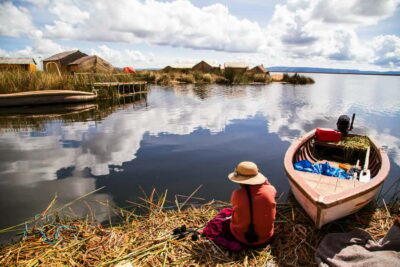
From Puno: Uros, Amantaní & Taquile Islands 2-Day Tour
Read our review →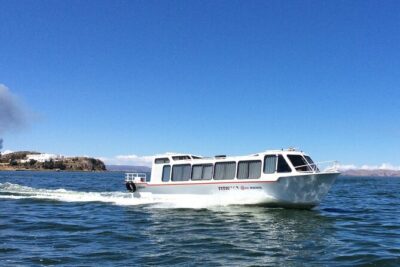
Tour to Uros and Taquile Islands in a Fast Boat
Read our review →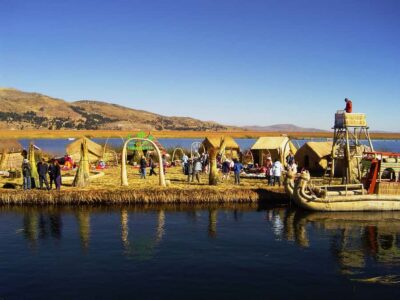
From Puno: Floating Islands of the Uros Half-Day Tour
Read our review →
10-Day Discover Peru: Lima, Arequipa, Puno, Cusco & Machu Picchu
Read our review →
Uros and Taquile Islands on New and Comfortable SpeedBoat
Read our review →
Lake Titicaca (Day Trip) Uros & Taquile Islands
Read our review →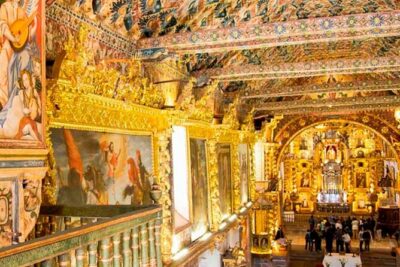
Lake Titicaca 2-Day Tour to Uros, Amantani and Taquile
Read our review →Browse the lists this tour appears in