Reviewed · SACRED VALLEY TOURS
Sacred Valley Full Tour – Pisac, Moray & Andean Traditions
Sacred Valley days go big. This private Cusco tour links Ollantaytambo, Pisac, Maras, Moray, and Chinchero in about 10 hours, giving you a broad look at Inca sites, Andean farming, salt production, and living textile traditions. I like the door-to-door pickup and drop-off, and I like that admission fees, a bilingual guide, air-conditioned transport, and buffet lunch are bundled into the $109.99 price.
The trade-off is simple: this is a packed day with plenty of road time. You will see a great deal, but some stops may feel brisk, especially if opening hours, traffic, or a late start cuts into the schedule. Guide quality also matters, and one past booking had a serious pickup and language mix-up, so confirm your arrangements before setting out.
In This Review
- Key points to know before booking
- Why this Sacred Valley route works
- Ollantaytambo: an Inca town still shaped by its old plan
- Pisac: mountain roads, terraces, and an imperial route
- Maras salt pans: a working Andean industry
- Moray: circular terraces and Inca crop planning
- Chinchero: the day’s strongest human connection
- Guides, drivers, and the private service
- Transport, lunch, and the value of $109.99
- The pace, altitude, and what to bring
- Who should book this full-day route
- Should you book it?
- FAQ
- How long does the Sacred Valley tour last?
- Where does the tour begin and end?
- Is this a private tour?
- How many people are required to book?
- Is lunch included?
- Are admission fees included?
- Is transportation air-conditioned?
- What language does the guide speak?
- Do I need to bring my passport?
- Can I cancel for a full refund?
Key points to know before booking
- Five distinct stops in one private day: You move from Inca military and agricultural sites to salt pools and Chinchero weaving communities.
- Richard is a name worth requesting: Several strong experiences were led by Richard, with Patricia, Ronny, and Edgar also receiving warm praise for guiding or driving.
- The $109.99 package covers the costly basics: Admission fees, permits, taxes, transport, hotel transfers, a professional bilingual guide, and buffet lunch are included.
- Expect a long, active schedule: The listed visits add up to nearly six hours before driving, meals, and transitions are counted.
- Chinchero adds living culture: Women demonstrate traditional weaving, natural dyeing, and loom work, giving the day more than ruins and photo stops.
- Private transport gives you flexibility: Your group travels alone, and the guide may be able to change the order to avoid following the main flow of group tours.
Why this Sacred Valley route works
Many day trips from Cusco focus on only one side of the valley. This route tries to give you the full picture. You see grand stonework at Ollantaytambo and Pisac, old agricultural engineering at Moray, working salt pans at Maras, and Andean craft traditions in Chinchero.
That range is the main reason I find the tour appealing. It does not treat the Sacred Valley as one large ruin field. You get a sense of how the region supported an empire through roads, terraces, crops, water, trade, defense, and skilled textile work.
The private format matters here. You are not tied to a large coach group, and only your own party participates. Past guide-driver combinations have included Richard and Ronny, Patricia and Richard, and Edgar as a highly praised driver. Richard was repeatedly singled out for clear English, historical explanations, patience, and care with the pace.
Still, the day is not leisurely. The tour lasts around 10 hours, and the listed stop times total roughly five hours and 40 minutes. The rest goes to driving between Cusco and the valley, lunch, loading up, and moving through a full circuit. I would choose it when time is tight, not when I want a slow morning in one village.
More Sacred Valley trips:
- From Cusco: Moray, Maras Salt Mines & Chinchero Weavers Tour
★ 4.8 · 1,925 reviews - 2-Day Tour: Sacred Valley and Machu Picchu by Train
★ 5.0 · 1,127 reviews - Cusco: Sacred Valley, Pisac, Ollantaytambo, Salt Mines Moray
★ 4.6 · 1,058 reviews
Ollantaytambo: an Inca town still shaped by its old plan
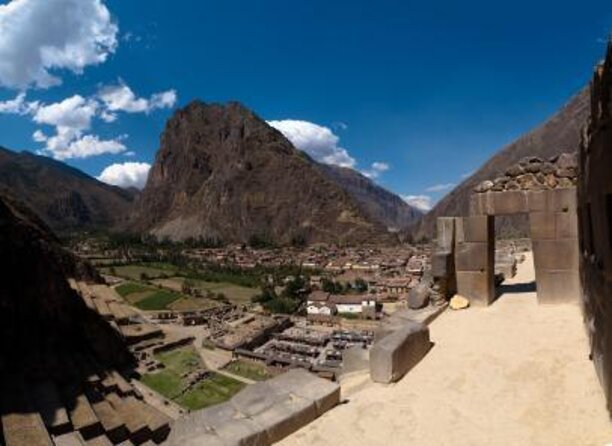
Ollantaytambo is a strong opening or closing point because it is more than an archaeological site. The town preserves its old Inca urban design, making the streets themselves part of the experience.
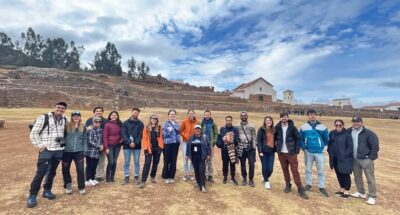
You have about one hour here, with admission included. That is enough to take in the main stonework and hear the guide explain why Ollantaytambo mattered in the Sacred Valley. The site is also tied to Inca control of movement through the valley, so it helps set up the larger story of roads, settlements, and power.
The limitation is time. Ollantaytambo deserves longer than a quick pass, especially if you enjoy stone construction or want to explore beyond the main viewpoints. On a private tour, ask your guide early how much walking is planned and which parts of the site matter most to your group.
One practical advantage is the order. Some guides have run the route in reverse, helping the group avoid the thickest flow of organized excursions. That approach cannot be guaranteed, but private transport gives you a better chance of adjusting the sequence.
Pisac: mountain roads, terraces, and an imperial route

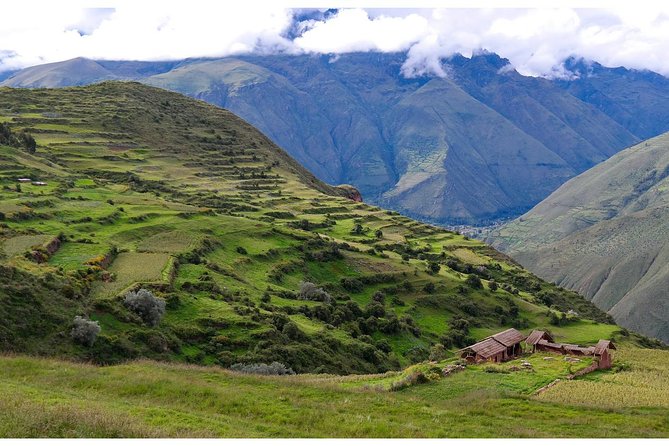
Pisac was once positioned along an important Inca road running through the Sacred Valley toward the eastern jungle and Paucartambo. That location gave it a strategic role, and the archaeological park lets you see how the Incas used high ground to watch and control movement.
The scheduled visit is one hour, with admission included. I would expect a mix of stone structures, terraces, and broad views over the valley. Your guide is especially useful here because the site can look like a collection of walls unless someone explains how its position fit into the wider Inca system.
Pisac is often associated with its market, but the listed stop is the archaeological park, not a guaranteed market visit. Keep that distinction in mind when planning your expectations. If shopping is important to you, ask the operator exactly what the day’s route includes before booking.
The climb and uneven ground can also make this stop more demanding than the clock suggests. The tour information says most people can participate, but sensible shoes and a steady pace will help. If you are sensitive to altitude or tiring easily, tell the guide at the start so the visit can be handled sensibly.
Maras salt pans: a working Andean industry
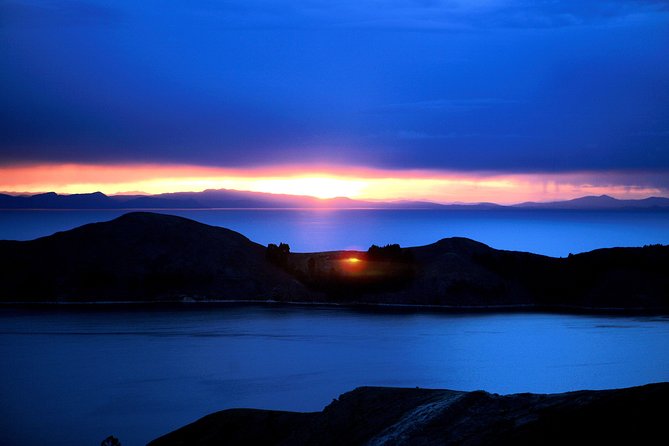
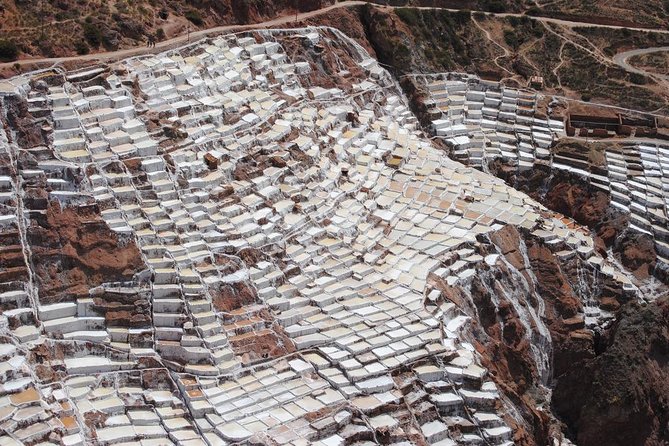
The Salinas de Maras are one of the most unusual stops because they combine scenery with a working tradition. Thousands of shallow pools are cut into the mountainside. Salt water fills the pools, evaporates, and leaves behind crystals.
The process has been practiced for more than 500 years. That detail changes how you see the place. These are not simply attractive terraces arranged for photographs. They represent a long-running local method of gathering salt from mineral water, with the mountain slope turned into a carefully managed production system.
You have about an hour here, and the admission fee is included. The pools can look different from one another as the salt forms and the light shifts. I would bring a camera, but I would also listen closely to the guide’s explanation of how water and evaporation make the system work.
Maras is a good reminder that the Sacred Valley remains a place of work, not just a collection of historic monuments. At the same time, your visit is likely to be observational rather than hands-on. The tour description does not promise a tasting, purchase, or demonstration beyond seeing the salt pans.
More things to do in Cusco:
- Classic Inca Trail Trek 4D/3N to Machu Picchu (Group Service)
★ 5.0 · 8,653 reviews - Cusco: Rainbow Mountain and Red Valley Day Trip with Meals
★ 4.9 · 4,893 reviews - Machu Picchu: 4-Day Inca Trail Trek with Panoramic Train Ride
★ 5.0 · 4,568 reviews - Salkantay Classic Trek 5 Days from Cusco
★ 5.0 · 4,062 reviews
Moray: circular terraces and Inca crop planning
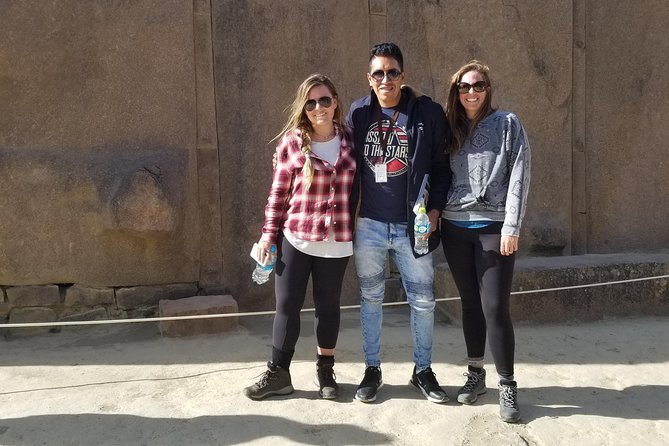
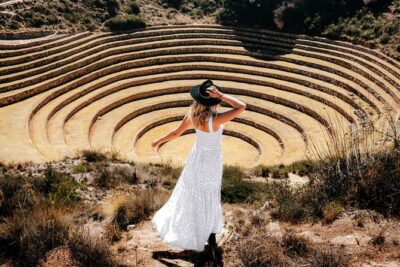
Moray is the shortest archaeological stop, with about 40 minutes scheduled and admission included. Its circular terraces descend into the earth in broad rings, creating one of the most memorable forms in the Sacred Valley.
The site is described as an agricultural laboratory, where crops could be cultivated and acclimated. Potatoes, corn, quinoa, kiwicha, squash, and coca are among the crops associated with the terraces. The important point is not only the shape. Moray shows that Inca agriculture involved testing conditions, managing elevation, and making difficult mountain terrain productive.
Forty minutes can work for the main explanation and viewpoints, but do not expect a long exploration. This is a stop where a good guide makes a large difference. A well-informed explanation can connect the terraces to food supplies and farming across the empire. Without that context, you may simply see impressive circles and move on.
I would pay attention to the balance of the day here. Moray follows the longer Maras visit in the listed route, and both involve looking closely at unusual systems rather than walking through a conventional town. The variety comes from the subject matter, not from a slow pace.
Chinchero: the day’s strongest human connection
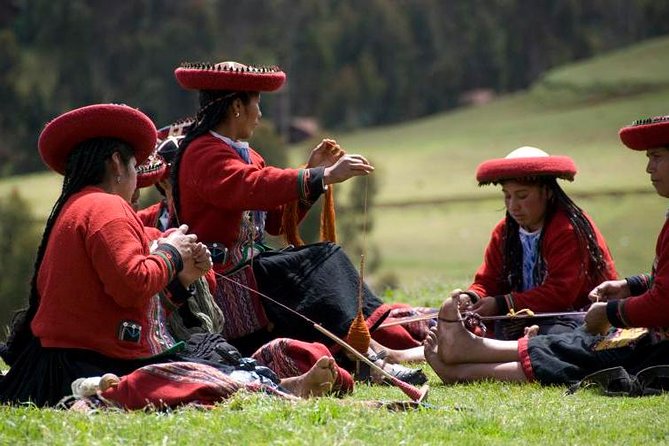
Chinchero gives the itinerary a welcome change of tone. The town is known for traditional weaving communities, and women in colorful clothing demonstrate ancestral textile methods, natural dyeing, and loom work.
The scheduled visit lasts two hours, longer than any other stop. That makes sense. A demonstration needs time for you to see how raw materials become finished textiles and to understand why weaving remains important in local culture. One past experience also included a stop explaining alpaca products from animal to finished item, which suggests that the cultural portion may include practical information about fibers and production.
Chinchero is also known for its Sunday market, where local people exchange goods through barter, known as trueque. The market is not guaranteed by the listed schedule, so treat it as a possibility tied to the day rather than a promise.
This is the part of the tour I would not rush. Ruins can be photographed quickly, but a weaving demonstration rewards attention. Watch the use of natural dyes and the movements at the loom. If you want to buy something, ask about the materials, production, and care rather than treating the stop as a quick souvenir break.
Guides, drivers, and the private service
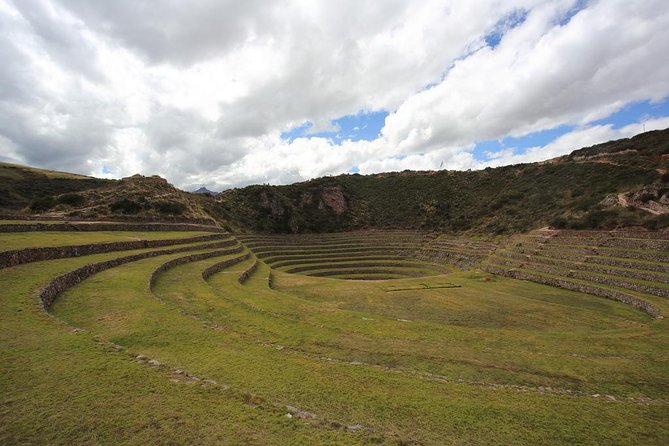
The guide can make or break a day with this much ground to cover. Richard was repeatedly praised for his English, historical explanations, friendly manner, and effort to keep the group comfortable. He was also requested for a separate private Cusco tour, which says a lot about the impression he made.
Ronny, Patricia, and Richard were also described warmly, while Edgar received especially strong praise for safe driving and local route knowledge. Safe driving matters in a 10-hour mountain day. You spend a good portion of the experience in the vehicle, and a calm, capable driver makes that time far easier.
The bilingual service is listed as included, but I would confirm your preferred language before the tour. One past booking suffered a late pickup, a replacement guide who spoke only Spanish, and lost time in the morning. The driver handled the roads well, but the lack of English explanations changed the experience.
That problem appears to have been a service error rather than a problem with the replacement driver. Still, it is useful advice: confirm the pickup time, guide language, and route the night before. Keep the local contact number handy, and ask your hotel concierge for help if communication becomes difficult.
Transport, lunch, and the value of $109.99
At $109.99 per person, the tour is not the cheapest way to see the valley, but the inclusions make the price easier to judge. You receive hotel pickup and drop-off, an air-conditioned vehicle, a professional bilingual guide, admission fees, taxes, permits, priority access, and buffet lunch.
The value depends on how many people are in your private group. A larger family or small party can spread the private transport cost across several people, while a solo booking is not available because at least two people are required. Children must be accompanied by an adult.
The buffet lunch is included, though the exact restaurant is not identified in the supplied details. One past group considered the lunch stop touristy but acceptable. Another group preferred not to lose an hour at the restaurant and was satisfied with snacks instead, so lunch clearly affects how you judge the schedule.
I would not skip the included meal without first asking how the timing works. The route has many stops, and food in the middle of a long day is useful. If you care more about squeezing in site time, bring snacks and discuss the plan with the guide, but do not assume the lunch stop can simply be removed.
The pace, altitude, and what to bring
The tour operates in all weather, so dress for changing conditions. The information does not promise a particular forecast or clothing rental, so I would choose layers and practical walking shoes rather than dressing only for photographs.
You should also carry your current passport. The booking requires each participant’s passport name, number, expiry date, and country, and a valid passport is required on the day of travel. That is an easy detail to miss and an unpleasant one to discover at pickup.
The schedule is suitable for most people, but the combination of altitude, walking, uneven archaeological sites, and a long vehicle day may feel tiring. I would be realistic about your energy. The private format helps because your group is not sharing the day with strangers, but it does not shorten the roads between sites.
Personal expenses and souvenirs are not included. Travel insurance is also not included. Admission costs, permits, taxes, lunch, transport, and guide service are covered, so your extra spending is mainly for items you choose to buy and anything outside the package.
Who should book this full-day route
I would recommend this tour to someone with only one open day for the Sacred Valley who wants more than the most famous ruins. It suits couples, families, and small groups who value their own vehicle and want explanations in English or Spanish.
It is also a good choice if you prefer variety. In one day, you can see an old Inca town, a strategic archaeological park, salt production, agricultural terraces, and textile work. That is a lot of cultural ground for one ticket.
I would hesitate if you prefer slow meals, long independent walks, or time to sit in one village. You may also want a different plan if your main goal is the Chinchero Sunday market, since the market is described as a local tradition but is not guaranteed as a scheduled stop.
Before paying, confirm the pickup time, guide language, lunch arrangement, and intended order of stops. If possible, request Richard, since his clear explanations and calm approach were especially well regarded. Free cancellation is available up to 24 hours before the start time, but changes or cancellations inside that window are not accepted for a refund.
Should you book it?
Book this tour if your priority is coverage, comfort, and a private guide in one long day. The combination of included fees, hotel transfers, lunch, air-conditioned transport, and five very different stops gives the $109.99 price solid value, particularly for a small group.
Skip it if you want a relaxed Sacred Valley visit or if you already have plenty of time to explore each site separately. This is a busy route, but it is an effective one. With a confirmed bilingual guide and a sensible start, it can give you a clear, memorable introduction to the valley without forcing you to arrange every piece yourself.
FAQ
How long does the Sacred Valley tour last?
The tour lasts approximately 10 hours.
Where does the tour begin and end?
The experience includes hotel pickup and drop-off in Cusco.
Is this a private tour?
Yes. Only your group participates in the private activity.
How many people are required to book?
A minimum of two people per booking is required.
Is lunch included?
Yes. A buffet lunch is included in the tour package.
Are admission fees included?
Yes. Admission fees, taxes, permits, and priority access are included.
Is transportation air-conditioned?
Yes. Premium transportation in an air-conditioned vehicle is included.
What language does the guide speak?
A professional bilingual guide is included. You should confirm the requested language before the tour because one past booking had a Spanish-only replacement guide.
Do I need to bring my passport?
Yes. A current valid passport is required on the day of travel, and passport details are required for all participants at booking.
Can I cancel for a full refund?
Yes, if you cancel at least 24 hours before the experience start time. Cancellations or changes made less than 24 hours before the start time are not accepted for a refund.
Just added in Cusco
- Cusco Private Transportation for 2026★ 5.0 · 4 reviews
- Private Transfer from Airport to Hotel in the City of Cusco★ 4.0 · 5 reviews
- Best Cusco walking tour: dinner street food tasting★ 4.5 · 11 reviews
- Private Tour to Pisac Market and Pisac Ruins★ 5.0 · 4 reviews
- Machu Picchu Day Trip With Panoramic Train from Cusco★ 5.0 · 10 reviews
- Sacred Valley Private Tour from Cusco, Guide and Driver only★ 5.0 · 4 reviews
- Sacred Valley of the Incas Tour★ 5.0 · 12 reviews
- Private Tour of the Mountain of Colours by Quad★ 5.0 · 7 reviews
Sacred Valley Tours, compared.
From Cusco: Sacred Valley & Maras Salt Mines Tour with Lunch
Read our review →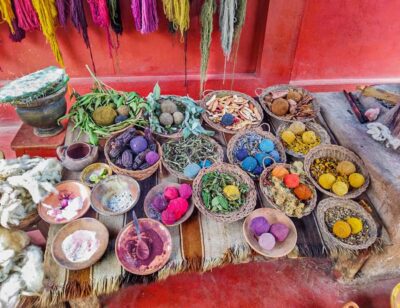
From Cusco: Moray, Maras Salt Mines & Chinchero Weavers Tour
Read our review →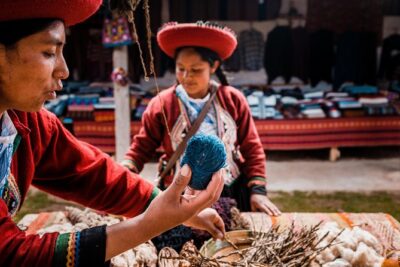
2-Day Tour: Sacred Valley and Machu Picchu by Train
Read our review →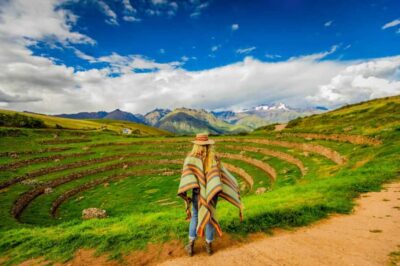
Sacred Valley, Pisac, Ollantaytambo, Salt Mines Moray
Read our review →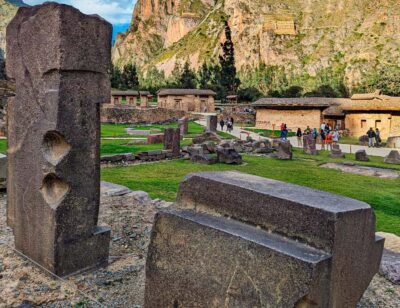
Chinchero,Moray & Salt Mines drop-off in Ollantaytambo
Read our review →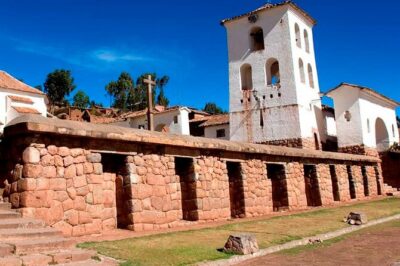
Sacred Valley and Maras Moray Tour with Full Day Buffet Lunch
Read our review →