
Reviewed · MACHU PICCHU TOURS
Sacred Valley & Machu Picchu by Train: 2-Day, 1-Night Tour
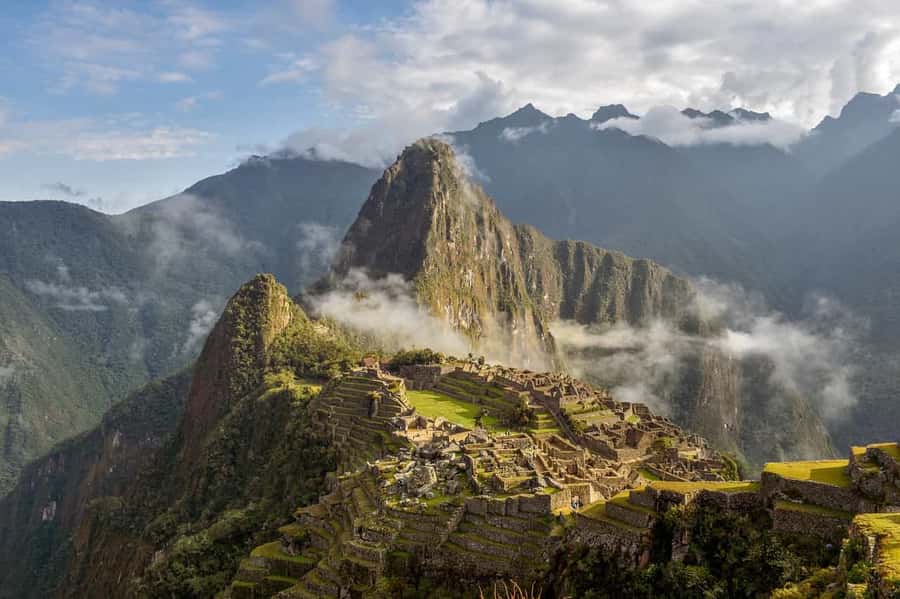
A short trip, but packed with Peru. This two-day Sacred Valley and Machu Picchu tour links major Inca sites, mountain views, local crafts, and a sunrise visit to the citadel without asking you to arrange each train, ticket, bus, and transfer yourself. I especially like the broad first-day route, from Pisac and Moray to Maras and Ollantaytambo, and I like that the small group is limited to 16 people. The main drawback is the pace: you cover a great deal in two days, with an early morning and limited freedom to choose your own train times.
The $698 price is not cheap, but it covers hotel pickup in Cusco, transport, entrance tickets, two train journeys, Machu Picchu buses, a three-star hotel, two meals, and guides. The fixed schedule is useful if you want a simple package, though the non-refundable policy means you should be certain of your dates before booking.
In This Review
- Key points to know before booking
- Why this two-day route works
- Alpacas and Andean textiles near Cusco
- Taray viewpoint and the Sacred Valley below
- Pisac ruins and the market below
- Urubamba lunch and the road to Moray
- Moray’s circular terraces
- The salt ponds of Maras
- Ollantaytambo before the Expedition train
- An early bus to Machu Picchu
- Three hours inside the Inca citadel
- Optional Huayna Picchu or Machu Picchu Mountain hikes
- Returning to Cusco by train and van
- What the $698 price really covers
- Who should book this Sacred Valley tour?
- Should you book it?
- FAQ
- How long is the Sacred Valley and Machu Picchu tour?
- Does the tour pick me up at my Cusco accommodation?
- Which languages are available for the guide?
- How large is the group?
- Is the Expedition train included?
- Are Machu Picchu bus tickets included?
- Is food included?
- Can I hike Huayna Picchu or Machu Picchu Mountain?
Key points to know before booking
- The first day covers six major stops: an alpaca center, Taray viewpoint, Pisac, Pisac Market, Moray, Maras, and Ollantaytambo before the train.
- The group is limited to 16 people, a practical size for hearing the guide at archaeological sites.
- Machu Picchu begins early, with breakfast in Aguas Calientes and one of the first buses up to the citadel.
- Herbert Vidal, Alex, and Oliver are guides whose patient explanations and strong knowledge of Inca sites have earned special praise.
- The price includes the expensive essentials, including Machu Picchu admission, round-trip buses, the Expedition train, hotel, and several site tickets.
- You return to Cusco the same day, by train to Ollantaytambo and van from there, so the second day is long.
Why this two-day route works
I like this tour because it treats Machu Picchu as part of a wider visit to the Cusco Region, not as a single isolated photo stop. The Sacred Valley sites give you useful context before you reach the famous citadel. You see farming terraces, temples, storehouses, irrigation works, salt ponds, and market traditions in one tightly organized circuit.
The route also solves a common problem. A self-planned visit requires separate arrangements for Sacred Valley transport, site admissions, the train, the Machu Picchu bus, and the return to Cusco. Here, those pieces are handled together. You still need to provide your hotel or Airbnb details and a reachable phone number, WhatsApp contact, or email, but the operator handles the main movement once the tour begins.
The tradeoff is that this is not a slow, flexible exploration. Day one has several drives and visits, while day two starts early and finishes late. If you prefer lingering at one ruin, choosing a later train, or eating wherever you please, you may find the schedule restrictive.
More Machu Picchu trips:
- Classic Inca Trail Trek 4D/3N to Machu Picchu (Group Service)
★ 5.0 · 8,653 reviews - Machu Picchu: 4-Day Inca Trail Trek with Panoramic Train Ride
★ 5.0 · 4,568 reviews - Short Inca Trail to Machu Picchu 2D/1N
★ 5.0 · 3,007 reviews
Alpacas and Andean textiles near Cusco
The first stop is an alpaca center and textile farm about 30 minutes from Cusco. You can see llamas, alpacas, vicuñas, and guanacos, then learn how local textile makers produce woven goods and create natural colors.
This is more than a quick animal stop because it introduces two important parts of Andean life: camelid herding and textile work. The weaving demonstration also gives you a better basis for judging the alpaca products sold later in the day. A shop is available, so this is one of several places where you can buy souvenirs.
I would treat shopping here as optional rather than the main reason to book the tour. The day already includes Pisac Market, and buying something early means carrying it through the rest of the route. Since large luggage is not allowed, keep purchases small or ask the operator how they handle items during the day.
Taray viewpoint and the Sacred Valley below
After the farm, the vehicle continues for about 30 minutes to Mirador Taray. From this lookout, you can see the Urubamba River and the agricultural lands of the Sacred Valley, with the Andes forming the backdrop.
I find this stop useful because it gives you the valley at a glance before you visit the individual sites. The fields and river are not just scenery. They help explain why the Incas valued this area for farming and settlement. The viewpoint is also a good place to get your bearings before the more detailed archaeological visits begin.
The amount of time at the lookout is not specified, so you should expect a scheduled photo and explanation stop rather than a long walk. Bring a daypack with water and sun protection, while keeping your hands free for steps and uneven ground later.
Pisac ruins and the market below
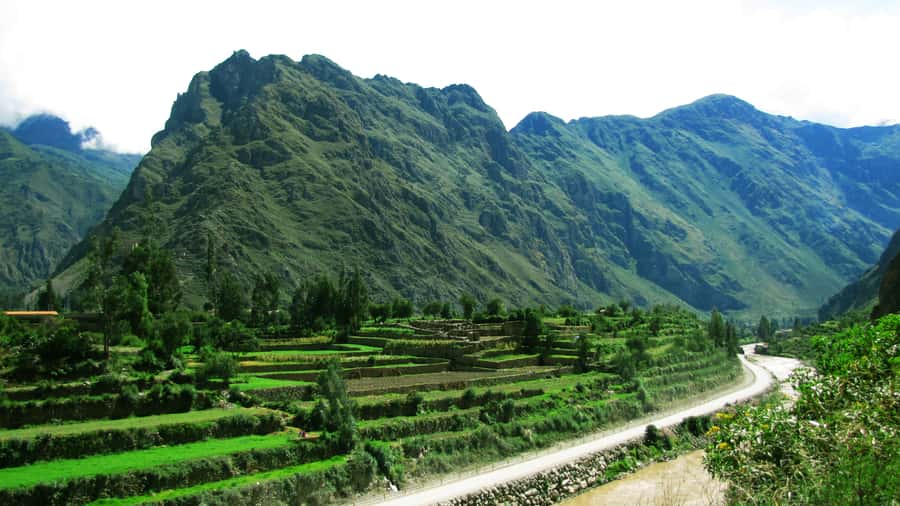
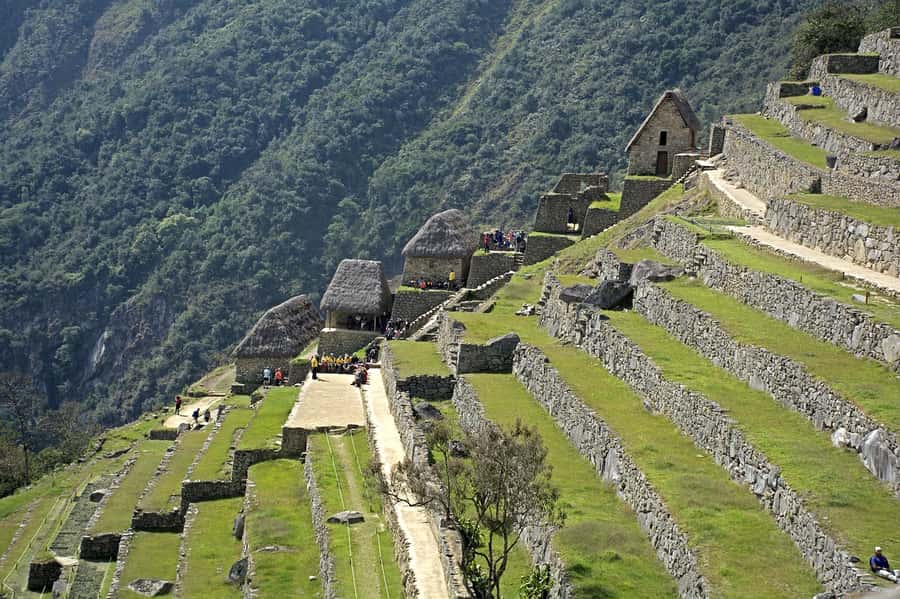
Pisac combines an Inca archaeological site with a well-known handicraft market. The ruins sit high in the mountains and include stone walls, agricultural terraces, irrigation systems, temples, and what is described as the largest cemetery of the Inca Empire.
The setting is a major part of the appeal. From above, you can see how terraces were fitted into steep mountain slopes and how the settlement used its position for farming and defense. I especially like the contrast between the stonework above and the market town below. You are not seeing only a ruin; you are seeing how archaeology and present-day commerce share the same valley.
After the ruins, you visit Pisac Market. Stalls offer ceramics, textiles, jewelry, Andean instruments, alpaca products, and other souvenirs. This is the tour’s clearest chance to bargain for traditional crafts. Go in with a price in mind, compare similar items, and remember that you will still need to carry anything you buy.
The sequence is practical, but it can feel full. You visit the mountaintop ruins before shopping, then continue toward lunch. If market browsing is a priority, stay focused, since the day has several later stops.
More Sacred Valley trips:
- From Cusco: Moray, Maras Salt Mines & Chinchero Weavers Tour
★ 4.8 · 1,925 reviews - 2-Day Tour: Sacred Valley and Machu Picchu by Train
★ 5.0 · 1,127 reviews - Cusco: Sacred Valley, Pisac, Ollantaytambo, Salt Mines Moray
★ 4.6 · 1,058 reviews - Cusco:Chinchero,Moray & Salt Mines drop-off in Ollantaytambo
★ 4.8 · 793 reviews
Urubamba lunch and the road to Moray
The group drives for about an hour to Urubamba for lunch at a local restaurant. A buffet lunch is included, with Peruvian dishes made from fresh local products.
Including lunch is helpful on a packed day. You do not need to search for a restaurant while watching the clock, and the buffet format should make it easier to choose something familiar or sample local food. Dinner in Ollantaytambo is also included later, so day one covers two important meals.
Lunch is not included on the second day, and food in Aguas Calientes is on your own. Plan for that expense when judging the total cost. The tour price covers plenty, but it is not an all-meals package.
Moray’s circular terraces
The terraces of Moray are among the more unusual stops on the route. Their large circular formations descend into the earth, creating a striking pattern that is very different from the long agricultural terraces at Pisac.
You do not need to be an archaeology specialist to appreciate Moray. The shapes are immediately memorable, and your guide can explain the site as part of the wider Inca farming system. The visit also breaks up the day with a place that looks unlike the other ruins.
The supplied details do not specify the walking time or accessibility conditions at each site, so comfortable footwear is sensible. You should also remember that the tour is moving on to Maras and Ollantaytambo afterward. Moray is a focused stop, not an afternoon spent wandering every path.
The salt ponds of Maras
The Salineras of Maras offer another sharp change of scene. Here, many small salt ponds cover the mountainside, creating a geometric patchwork that has been used for salt production.
I like this stop because it shows a working tradition rather than only monumental stonework. The Sacred Valley was not simply a collection of temples and royal buildings. It was also a place where people farmed, traded, and produced useful goods.
The tour includes admission to the Salineras, but the full details of the salt operation are not specified. Your guide is central here, since the explanation will add meaning to what might otherwise look like a collection of bright pools. As with the other sites, follow local rules and do not assume you can touch or enter every area.
Ollantaytambo before the Expedition train
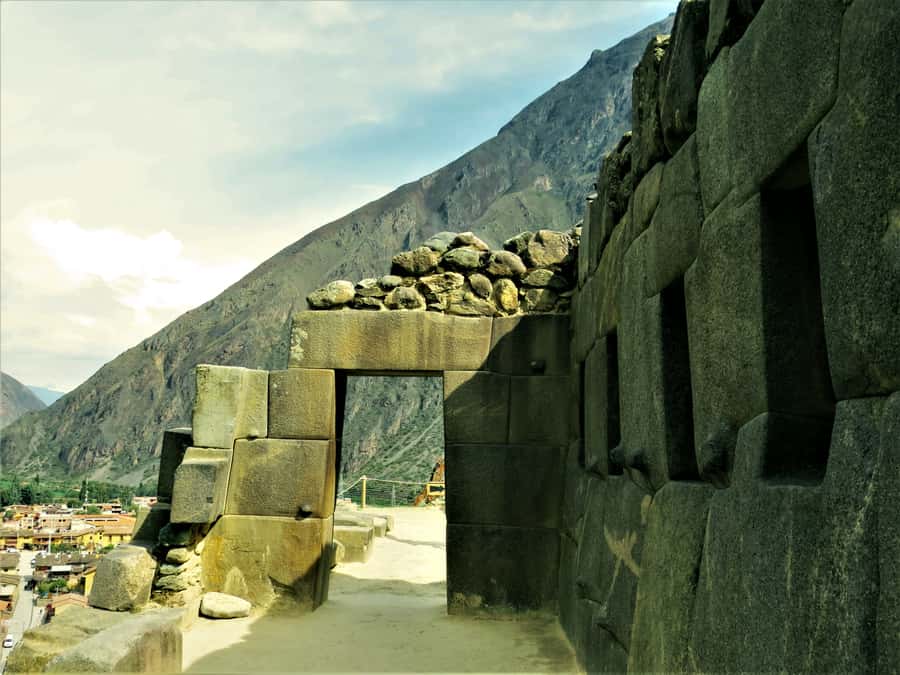
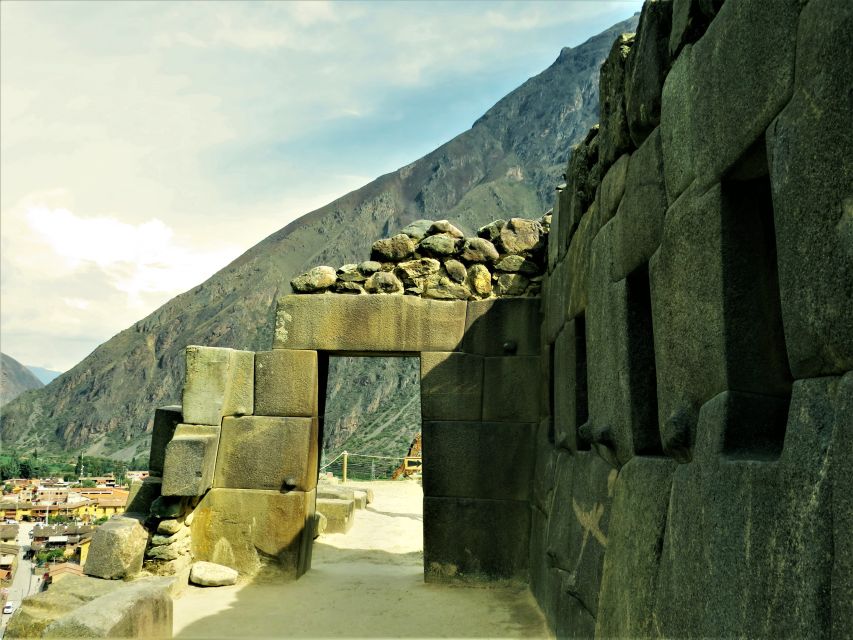
The final major stop on day one is Ollantaytambo, often described as the last standing Inca citadel. The town is built above ancient Inca structures, and the archaeological site includes temples, terraces, storehouses, and a large monolithic stone.
This is a particularly valuable stop before Machu Picchu because it lets you see an Inca town and fortress area with a strong connection to the modern settlement around it. The terraces and stonework show the scale of Inca construction, while the town gives the visit a more lived-in feel than a remote ruin.
Dinner is included in Ollantaytambo before you board the Expedition train to Aguas Calientes. The train is covered in both directions, but train departure times are arranged by the operator. One past passenger specifically wished for more choice over the outbound and return train times. That is worth noting if schedule control matters to you.
You spend the night in a three-star hotel in Aguas Calientes. This overnight stop is essential to the early Machu Picchu plan, since you do not have to make the entire journey from Cusco before entering the citadel.
An early bus to Machu Picchu
Day two begins with breakfast at the hotel and one of the first buses up to Machu Picchu. The early start is designed to give you a morning visit and the chance to watch sunrise conditions at the citadel, although the exact view depends on weather, season, and the assigned entry time.
At the checkpoint, you must show your original passport. A photocopy is not identified as an acceptable substitute, so keep the original in a secure but reachable place. Large bags are not allowed, and the tour asks you to bring a daypack instead.
Round-trip bus transportation from Aguas Calientes to Machu Picchu is included. That removes one more ticket and queue from your list, which is useful on a morning when timing matters.
Three hours inside the Inca citadel
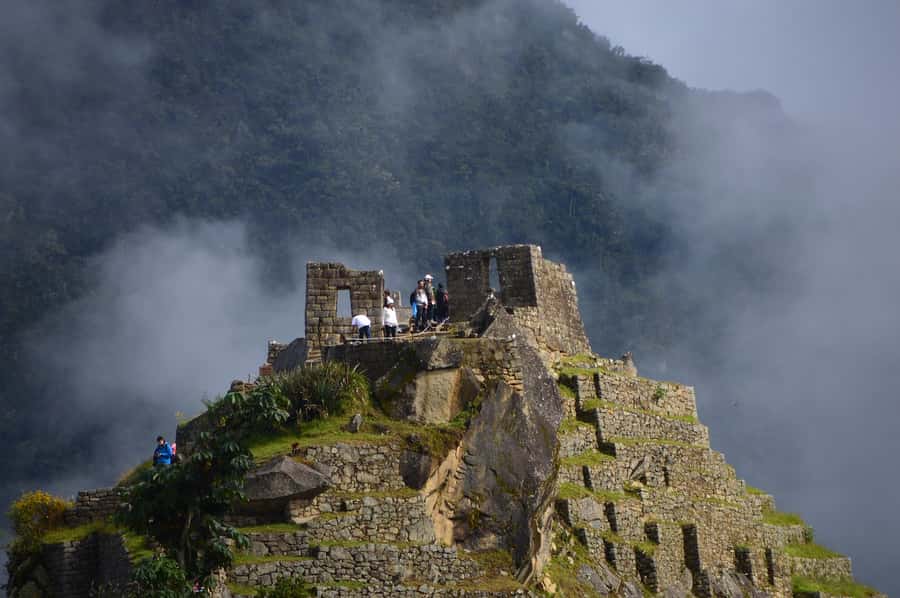
The guided visit lasts about three hours. You will see terraces, storehouses, temples, and palaces while the guide explains the site and its place in the Inca world.
This is where the quality of the guide matters most. The strongest praise for this experience centers on clear explanations, patience, and the ability to answer follow-up questions. Herbert Vidal was singled out for explaining more when asked, while Alex was praised as an excellent guide and Oliver for patience and a strong grasp of the Inca period. Guide assignments can vary, but those names give you a useful sense of the standard the company has delivered.
I would not expect three hours to cover every corner at a leisurely pace. The value is in having a structured explanation of the principal areas, rather than walking through the ruins without context. Stay close enough to hear, and save optional hiking decisions for before the day gets too far along.
Optional Huayna Picchu or Machu Picchu Mountain hikes
After the main visit, you may have the option to hike Huayna Picchu or Machu Picchu Mountain for an additional fee. These hikes are not included in the $698 price.
The important point is to treat them as separate add-ons, not as part of the standard visit. The tour already includes an approximately three-hour guided circuit, and the return train schedule may limit how much extra time you have. Confirm availability, cost, and timing before counting on either climb.
If you choose not to add a hike, you still receive the central Machu Picchu experience included in the tour. The package is built around the citadel itself, not around an additional mountain ascent.
Returning to Cusco by train and van
After Machu Picchu, you take the bus down to Aguas Calientes. Lunch is optional and on your own, then you board the Expedition train back to Ollantaytambo. From there, a van takes you to your Cusco hotel.
This door-to-door return is one of the tour’s strongest practical features. You do not need to work out a separate transfer from the train station or find your own way across the Sacred Valley. The second day is still a long one, but the final van connection removes a tiring piece of travel planning.
The company provides pickup from any hotel, hostel, or Airbnb in Cusco and returns you to your hotel. Contact details for your accommodation are important, especially if you are staying in an Airbnb rather than a conventional hotel.
What the $698 price really covers
At $698 per person, this is a premium-priced two-day package. I would not call it the cheapest way to reach Machu Picchu. Its value comes from what is bundled together:
- Hotel pickup and return in Cusco
- Transport throughout the route
- Pisac, Moray, Maras, Ollantaytambo, and Machu Picchu entrance tickets
- Expedition train transportation in both directions
- Round-trip Machu Picchu buses
- One night in a three-star Aguas Calientes hotel
- Buffet lunch in Urubamba
- Dinner in Ollantaytambo
- English or Spanish guides
- Taxes and reservation charges
You still pay for the second-day lunch, any unlisted meals, optional mountain hikes, and travel insurance. The non-refundable booking rule also reduces flexibility. I would compare the price with the cost of arranging the same train, admission, hotel, and transport pieces yourself, but I would also place a value on having one company responsible for the connections.
The small group, capped at 16, is another reason the price may make sense. It is not a private tour, but it should be easier to hear explanations than in a large coach group.
Who should book this Sacred Valley tour?
I would recommend it if you have only two days, want the major Sacred Valley sites, and prefer a guide to handle the transport and admissions. It suits first-time visitors who want a clear plan and people who value explanations at archaeological sites. The English and Spanish guide options also make it useful for a mixed-language group.
I would be more cautious if you want a relaxed holiday. The route is full, the Machu Picchu morning starts early, and train times are not yours to choose. People who want extra time at Pisac Market, a long lunch, or a second night in Aguas Calientes may prefer a longer arrangement.
Pack your original passport, a small daypack, and only what you need for the overnight stay. Leave large bags, drones, alcohol, and drugs behind, and do not feed the animals at the alpaca center. The age restriction excludes people over 95, and travel insurance is not included.
Should you book it?
Book this tour if convenience, coverage, and expert site explanations matter more to you than a low price or a flexible schedule. The combination of Pisac, Moray, Maras, Ollantaytambo, and Machu Picchu gives you a strong overview of the region in a short time.
I would especially consider it for a first visit when you do not want to coordinate Peru’s many transport links yourself. Skip it if you dislike fixed train times, non-refundable bookings, or tightly planned days. At $698, you are paying for a managed experience, and the package earns its value through the number of important costs it includes.
FAQ
How long is the Sacred Valley and Machu Picchu tour?
The tour lasts two days and includes one night in Aguas Calientes.
Does the tour pick me up at my Cusco accommodation?
Yes. Pickup is available from a hotel, hostel, or Airbnb in Cusco, followed by return service to your hotel.
Which languages are available for the guide?
Guided tours are available in English and Spanish.
How large is the group?
The tour is described as a small-group experience limited to 16 participants.
Is the Expedition train included?
Yes. Round-trip transportation on the Expedition train is included.
Are Machu Picchu bus tickets included?
Yes. The package includes the round-trip bus between Aguas Calientes and Machu Picchu.
Is food included?
A buffet lunch in Urubamba and dinner in Ollantaytambo are included on day one. Other meals, including lunch in Aguas Calientes on day two, are not included.
Can I hike Huayna Picchu or Machu Picchu Mountain?
You can take an optional extra hike to Huayna Picchu or Machu Picchu Mountain, but neither hike is included in the tour price.
Just added in Cusco
- Private Transfer from Airport to Hotel in the City of Cusco★ 4.0 · 5 reviews
- Best Cusco walking tour: dinner street food tasting★ 4.5 · 11 reviews
- Cusco Private Transportation for 2026★ 5.0 · 4 reviews
- Private Tour to Pisac Market and Pisac Ruins★ 5.0 · 4 reviews
- Machu Picchu Day Trip With Panoramic Train from Cusco★ 5.0 · 10 reviews
- Sacred Valley Private Tour from Cusco, Guide and Driver only★ 5.0 · 4 reviews
- Sacred Valley of the Incas Tour★ 5.0 · 12 reviews
- Private Tour of the Mountain of Colours by Quad★ 5.0 · 7 reviews
Machu Picchu Tours, compared.
Classic Inca Trail Trek 4D/3N to Machu Picchu (Group Service)
Read our review →
2-Day Inca Trail to Machu Picchu with Panoramic Train
Read our review →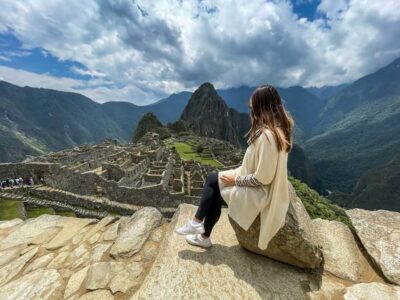
From Cusco: Full-Day Group Tour of Machu Picchu
Read our review →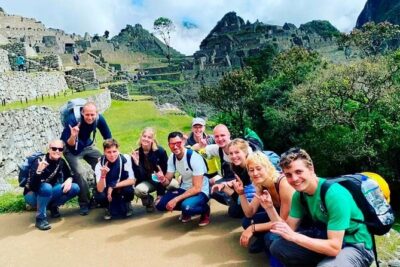

2-Day Tour: Sacred Valley and Machu Picchu by Train
Read our review →
Machu Picchu: Full-Day Tour from Cusco with Optional Lunch
Read our review →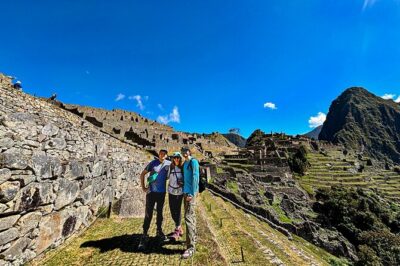
Machu Picchu Full Day from Cusco by Panoramic Train
Read our review →Browse the lists this tour appears in