
Reviewed · MACHU PICCHU TOURS
Salkantay Trek to Machu Picchu 5 Days / 4 Nights by Glamping
Sacred mountains make this trek unforgettable. The Salkantay route gives you high-altitude lakes, snowy peaks, hot springs, Inca ruins, and Machu Picchu in one demanding five-day journey. At $310 per person, it also includes meals, guides, transport, camping, one hotel night, and the Machu Picchu entry ticket, which gives the trip strong value.
I especially like the small maximum group of 16 and the comfort of three nights in glamping domes instead of ordinary tents. I also like the route itself: it feels wilder and less crowded than the classic Inca Trail. The main caution is the physical effort, plus one reported problem with English communication, so confirm your guide’s language before setting out.
- Humantay Lake reaches 4,200 meters, making the first afternoon a serious test of altitude and fitness.
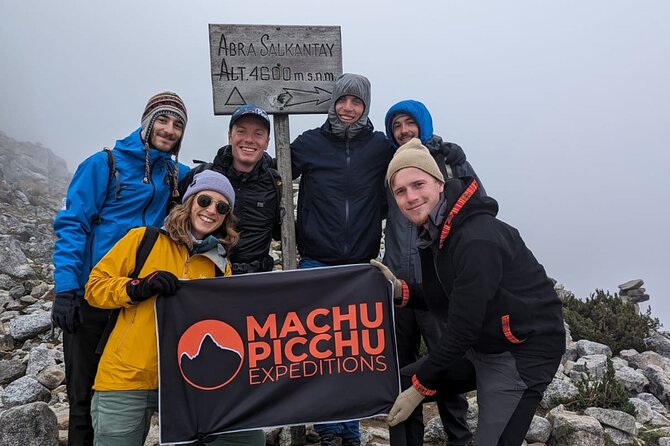
- Salkantay Pass rises to 4,630 meters, the highest and hardest point of the trek.
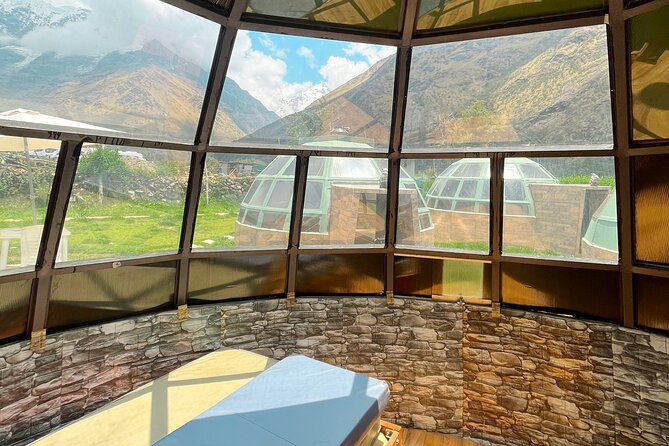
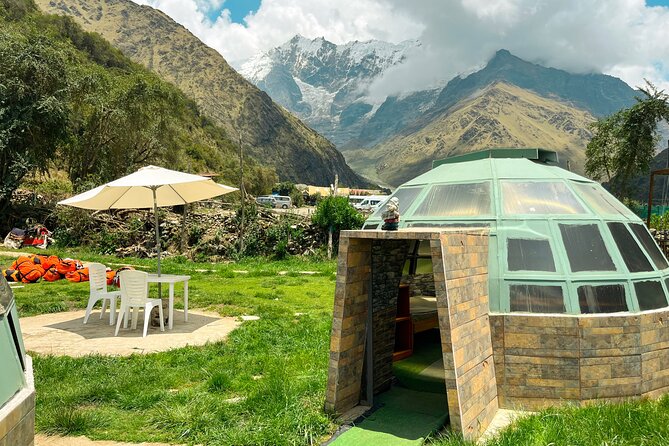
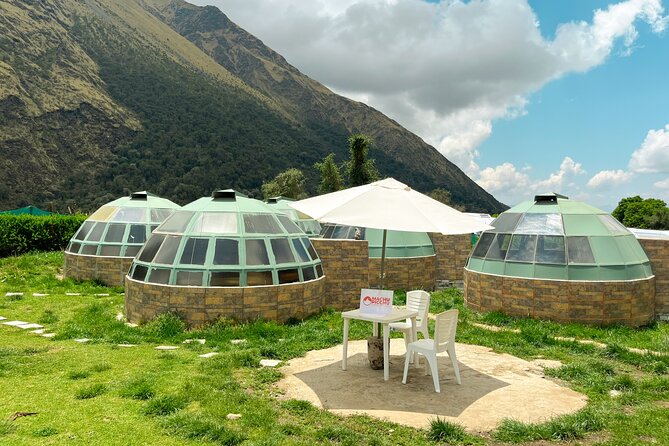
- Three nights use glamping sky huts or domes, with a hotel night in Aguas Calientes.
- Llactapata gives you an early view of Machu Picchu before your main visit the next morning.
- Meals, snacks, horses, transport, and Machu Picchu entry are included, but hot springs, sleeping bags, and walking sticks cost extra.
- Circuit 2 at Machu Picchu depends on availability, so the exact access route is not fully guaranteed.
In This Review
- Why Choose Salkantay Instead of the Inca Trail?
- The 4 AM Start and the Road to Soraypampa
- Day 1: Humantay Lake at 4,200 Meters
- Day 2: The Salkantay Pass and the Trail of Seven Snakes
- Day 3: Santa Teresa Valley and Cocalmayo Hot Springs
- Day 4: Llactapata and the Walk Into Aguas Calientes
- Day 5: Machu Picchu Circuit 2
- What the $310 Price Really Covers
- Fitness, Altitude, and Packing Advice
- Group Size, Guide Communication, and Overall Feel
- Should You Book This Salkantay Trek?
- FAQ
- How long is the Salkantay Trek by glamping?
- What time does the tour start?
- How high does the trek go?
- What fitness level do I need?
- Is Machu Picchu entry included?
- Are meals included?
- Is a sleeping bag included?
- Are the Cocalmayo hot springs included?
- How does the tour return to Cusco?
Why Choose Salkantay Instead of the Inca Trail?
The Salkantay Trek is a strong choice if you want big mountain scenery without committing to the permit system and heavier demand associated with the classic Inca Trail. The route passes through remote valleys and high mountain country before dropping toward the warmer forests around Machu Picchu.
You get a wide range of scenery in five days. The first two days are cold, high, and physically tough. Later, the route becomes warmer and more relaxed, with hot springs, coffee and farming country around the Santa Teresa Valley, and views toward the citadel.
I like this change of setting because the walk never feels like one long repeat of the same view. The tradeoff is that the route is rugged and the daily distances are serious. This is not a gentle sightseeing walk with a few scenic stops.
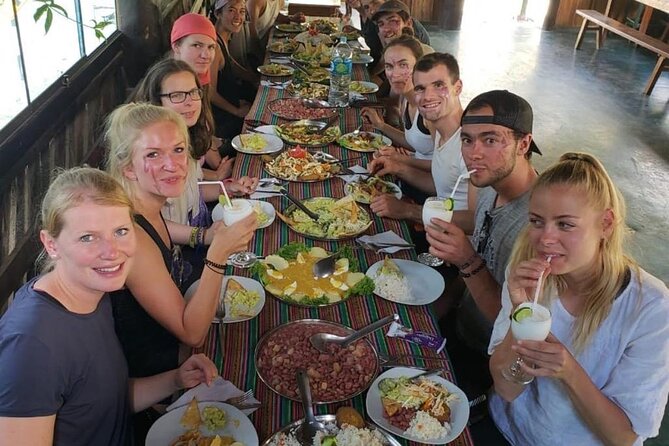
The tour has a maximum of 16 people, which is a useful middle ground. You get the social feel of a group trip without being placed in a huge hiking procession. The guides speak English and Spanish, though one recent booking reported that the English communication was poor. Ask the provider to confirm that an English-speaking guide will lead your departure.
The 4 AM Start and the Road to Soraypampa
Your day begins at about 4 AM, with pickup available from your hotel in Cusco’s historic center. The starting meeting point is Plaza Regocijo, and the private transport includes blankets, a welcome detail since you will be leaving before dawn.
After roughly two hours, you stop in Mollepata. Breakfast there is optional, so you can eat before leaving Cusco or use this pause to get something on the road. From Mollepata, the vehicle continues to Challacancha, where the walking begins.
The drive matters because it lets you reach the trailhead without adding a long first day on foot. Still, the early departure is demanding. You may get some sleep in the vehicle, but do not expect a full night. Keep water, a warm layer, and a small snack within reach rather than buried in your larger luggage.
Your duffle bag can hold up to 5 kilos of personal belongings, and horses carry it during the trek. You will need to keep your day-to-day items in a small daypack. The horse service also carries required equipment, which reduces the load on your back but does not remove the need for careful packing.
More Machu Picchu trips:
- Classic Inca Trail Trek 4D/3N to Machu Picchu (Group Service)
★ 5.0 · 8,653 reviews - Machu Picchu: 4-Day Inca Trail Trek with Panoramic Train Ride
★ 5.0 · 4,568 reviews - Short Inca Trail to Machu Picchu 2D/1N
★ 5.0 · 3,007 reviews
Day 1: Humantay Lake at 4,200 Meters
The first walk begins at Challacancha and takes you toward Soraypampa, where you settle into the private camp. After lunch, you have time to rest before climbing to Humantay Lake.
The lake sits at 4,200 meters, so the short distance does not make this an easy afternoon. The climb is steep enough to feel tough, especially if you have only recently arrived in Cusco. Walk slowly and let the mountain set the pace. Your guide carries first-aid equipment and an oxygen bottle for emergencies, but your own steady pace is the best tool.
Humantay Lake is one of the visual highlights of the trip. Its setting below the mountain peaks gives you an immediate sense of why the Salkantay route is considered sacred. You are not simply checking off a viewpoint. You are stepping into the high country that gives the trek its character.
The stated walking time is about six hours for the day. That includes reaching camp, the ascent to the lake, and returning for dinner. Admission to the lake is not included, so check the current entrance arrangement and carry a little local currency.
Your first night is in a glamping sky hut or dome. This is a useful comfort upgrade after a demanding start. You still need to sleep at altitude, but you are not setting up a tent after a six-hour mountain day.
Day 2: The Salkantay Pass and the Trail of Seven Snakes
Day two is the hardest section. You wake at the first light with coca tea, eat breakfast, and begin the climb toward Salkantay Pass at 4,630 meters.
The ascent covers about 7 kilometers and takes around three hours. The path is known as the Trail of the 7 Snakes because it winds repeatedly up the mountain. The name tells you something important: this is a steady uphill effort, not a quick climb to a viewpoint.
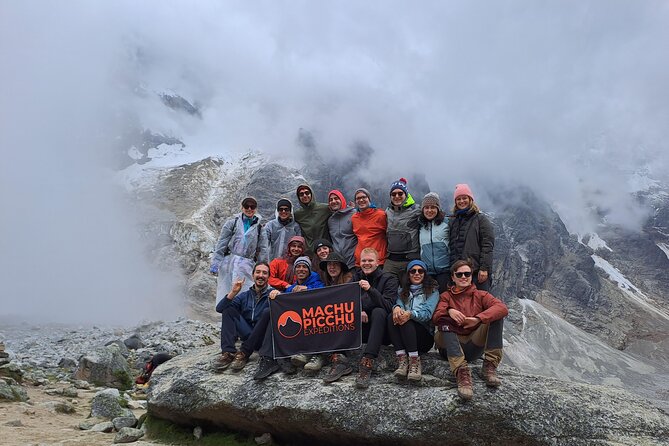
At the pass, Salkantay Mountain rises beside you at 6,271 meters. It is one of the sacred Apus, or mountain gods, in Inca tradition. The view over the surrounding valleys is the reward for the climb, but the altitude remains the main story. Even fit hikers can feel slow, breathless, or headachy here.
After the pass, the route continues toward Collpapampa, where you reach camp after the longest day of walking. The full day is listed at about 10 hours. That is a long time on your feet, and the downhill section can be hard on knees and ankles after the morning climb.
This is the day that should determine your decision to book. If you have a moderate physical fitness level and are comfortable with long mountain walks, the challenge can feel satisfying. If you prefer short walks and plenty of free time, this route may be too much.
Day 3: Santa Teresa Valley and Cocalmayo Hot Springs
Day three changes the rhythm. You wake at 6 AM for coca tea and breakfast, then walk through the Santa Teresa Valley toward La Playa.
The route is still active, but it is less dominated by the extreme altitude of the first two days. At La Playa, you stop for lunch at camp before heading to Cocalmayo by car. The drive takes about 30 minutes.
Cocalmayo is optional and costs extra. The entrance fee is PEN 10, and transportation to the hot springs is also not included. If you choose to go, you spend about two hours in the natural pools before returning to camp for tea, dinner, and a group bonfire.
I like having this choice. After the long climb and descent on day two, soaking in warm water can make the trip feel far more manageable. You can also stay at camp and rest if you would rather save your energy for Machu Picchu.
The day is listed at about seven hours, including the walking and hot springs outing. Vegetarian and vegan meals are available at no extra charge if you request them in advance. Four breakfasts, four lunches, and four dinners are included across the trip, but your final lunch is not covered.
More hikes and treks in Cusco:
- Salkantay Classic Trek 5 Days from Cusco
★ 5.0 · 4,062 reviews - 4-Day Salkantay Trek with Sky Camp Stay
★ 5.0 · 3,346 reviews - Salkantay Trek 5D/4N with Glass Cabins, Domes and Hobbit House
★ 5.0 · 2,488 reviews - 2-Day Inca Trail to Machu Picchu with Panoramic Train
★ 5.0 · 1,876 reviews
Day 4: Llactapata and the Walk Into Aguas Calientes
Day four gives you your first direct connection with Machu Picchu. After breakfast, you walk for about two hours uphill along part of the original Inca Trail toward Llactapata.
Llactapata sits at 2,700 meters, across from Machu Picchu. The archaeological site gives you a view of the citadel before your official visit. You do not get the full experience yet, but that is part of the fun. The distant sight of the ruins gives the final day a clear purpose.
From Llactapata, the route drops downhill for about two hours. You get more glimpses of Machu Picchu along the way, then stop for lunch at Hidroeléctrica. After lunch, you walk for another two hours to Aguas Calientes.
The full day is listed at about nine hours. The walking is not as high as the Salkantay Pass, but the total time adds up. Your legs may be tired by the final stretch into town.
That evening, you stay in a hotel in Aguas Calientes rather than another camp. This is well timed. A proper hotel night gives you a chance to wash, repack, and prepare for the early visit to Machu Picchu.
The route from Hidroeléctrica also explains part of the return arrangement. After visiting Machu Picchu, the return journey to Cusco uses a bus from Hidroeléctrica. The walk between Machu Picchu Pueblo and Hidroeléctrica is about two hours, so keep that extra stretch in mind.
Day 5: Machu Picchu Circuit 2
The final morning is the payoff. You make your way to Machu Picchu for a guided visit lasting about 1.5 hours.
The tour covers major parts of the citadel, including temples, terraces, palaces, priest’s houses, the sundial, the industrial sector, and farming fields. The guide helps give shape to what can otherwise feel like a maze of stone walls and stairways.
The Machu Picchu admission ticket is included, with Circuit 2 listed as the intended access route. It is subject to availability at the sales site, so do not assume the exact circuit is guaranteed until your entry is confirmed.
After the guided visit, you have additional time to explore on your own. Optional climbs include Huayna Picchu at 2,720 meters or Machu Picchu Mountain at 3,000 meters. Each takes about three hours up and down, and tickets must be booked in advance.
You can also choose the Sun Gate at 2,729 meters or the Inca Bridge. These choices matter because your final day can be either a focused citadel visit or a longer outing with another climb. Check your energy honestly. Five days of walking can make a grand extra ascent less appealing than a slower look at the ruins.
The Machu Picchu visit is listed at three hours in total. Afterward, the return transport is by bus from Hidroeléctrica to Cusco. The tour ends back at the original meeting point.
What the $310 Price Really Covers
At $310 per person, this is a good-value package for a five-day route, provided you want the included structure. The price covers private transport to the trailhead, four lunches, four dinners, four breakfasts, four snacks, coca tea at camp, three nights of glamping, one hotel night, the guide, chef, cooking equipment, horses for luggage, and Machu Picchu entry.
You also get first-aid equipment and an oxygen bottle for emergencies. That does not replace proper preparation, but it is reassuring on a high route with a 4,630-meter pass.
The items not included are easy to overlook:
- Your last lunch is not included.
- A sleeping bag costs $10 for the trek if rented.
- Walking sticks cost $15 for the trek if rented.
- Cocalmayo entrance costs PEN 10.
- Transportation to Cocalmayo costs extra.
- Huayna Picchu or Machu Picchu Mountain tickets require advance booking.
The glamping setup is the main reason this trip can appeal to people who want adventure without four nights in basic tents. The supplied details do not specify the exact furnishings or heating in the domes, so ask before booking if those points matter to you.
Fitness, Altitude, and Packing Advice
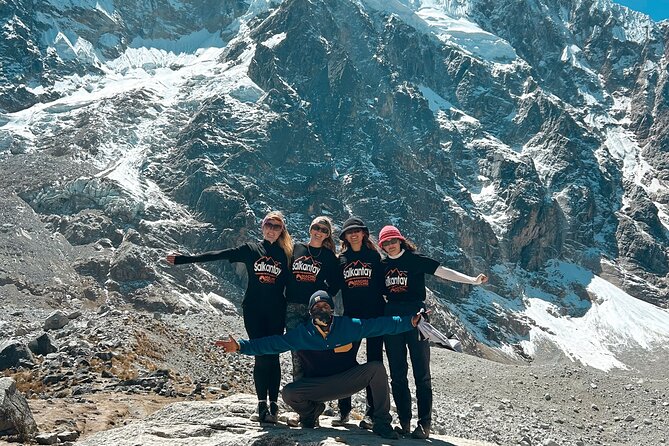
The tour asks for a moderate level of physical fitness, but the wording should not make the route sound easy. Day two is a 10-hour mountain day, and day four combines an uphill walk, a descent, and the route into Aguas Calientes.
Altitude is the bigger concern than speed. Humantay Lake reaches 4,200 meters, and Salkantay Pass reaches 4,630 meters. You should be ready to walk slowly, take breaks, and follow the guide’s advice.
Pack for changing conditions. You need warm clothing for the high camps, lighter layers for the warmer valley, rain protection, sturdy walking shoes, sun protection, personal medication, and a daypack. Since only 5 kilos go on the horses, avoid bringing large or heavy items.
Walking sticks are not included, but they can be useful on the steep ascent, long descent, and uneven paths. Renting them for $15 may be worthwhile if you do not already have a pair.
Group Size, Guide Communication, and Overall Feel
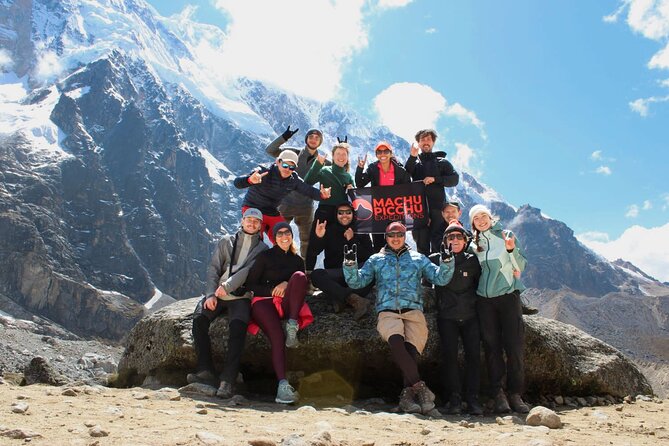
A maximum of 16 people keeps the group manageable and lets the guide work with individuals more easily. The guides are described as professional and bilingual in English and Spanish, and the general rating is 4.8 from 402 ratings, with 97 percent recommending the experience.
One poor rating raised a specific concern: the guides reportedly did not speak English well enough, leaving other group members to translate important information. That appears to be an individual problem rather than a stated feature of every departure, but it is too practical to ignore. Confirm the language of your guide before you leave Cusco, especially because instructions about pace, meeting points, meals, and optional activities matter on a trek.
The strongest praise centers on the team atmosphere and responsible guiding. That fits the design of the trip, which combines shared meals, a chef, camp tea, and a group bonfire. You get a social experience, but the mountain itself remains the main attraction.
The non-refundable policy also deserves attention. If you cancel or request a change, the payment is not returned. Poor weather or failure to meet the minimum group size can result in a different date, a different experience, or a full refund. Read those terms carefully before paying.
Should You Book This Salkantay Trek?
Book it if you want a challenging route to Machu Picchu with striking mountain scenery, included meals, horse-supported luggage, and more comfort than standard camping. It suits you best if you can handle long walking days and high altitude, and if the thought of Humantay Lake and Salkantay Pass excites you more than the idea of an easy holiday.
The $310 price is especially attractive when you count the guide, food, transport, camping, hotel, luggage support, and Machu Picchu ticket. Add the optional costs for a sleeping bag, walking sticks, hot springs, and your final lunch when setting your budget.
Skip it if you want a relaxed schedule, struggle with steep mountain paths, or need guaranteed English communication without confirming it first. For the right hiker, this route offers a memorable balance of hard walking, comfortable camps, sacred mountains, and a rewarding arrival at Machu Picchu.
FAQ
How long is the Salkantay Trek by glamping?
The experience lasts five days and four nights. It includes three nights in glamping sky huts or domes and one hotel night in Aguas Calientes.
What time does the tour start?
Pickup or meeting begins at about 4 AM from Plaza Regocijo in Cusco. Pickup is offered from hotels in Cusco’s historic center.
How high does the trek go?
Humantay Lake reaches 4,200 meters, while Salkantay Pass reaches 4,630 meters. Salkantay Mountain beside the pass rises to 6,271 meters.
What fitness level do I need?
A moderate level of physical fitness is required. The longest day lasts about 10 hours, and the route includes steep uphill and downhill sections.
Is Machu Picchu entry included?
Yes. The Machu Picchu entrance ticket and a guided visit are included. Circuit 2 is listed as the intended circuit, but it is subject to availability.
Are meals included?
Breakfast, lunch, and dinner are included for four days, along with four snacks. Your last lunch is not included. Vegetarian and vegan meals are available at no extra cost when requested.
Is a sleeping bag included?
No. A sleeping bag can be rented for $10 for the whole trek. Walking sticks can also be rented for $15.
Are the Cocalmayo hot springs included?
No. The hot springs are optional. The entrance fee is PEN 10, and transportation to the springs costs extra.
How does the tour return to Cusco?
The return journey uses a bus from Hidroeléctrica to Cusco. The activity ends back at the original meeting point.
Just added in Cusco
- Cusco Private Transportation for 2026★ 5.0 · 4 reviews
- Private Transfer from Airport to Hotel in the City of Cusco★ 4.0 · 5 reviews
- Best Cusco walking tour: dinner street food tasting★ 4.5 · 11 reviews
- Machu Picchu Day Trip With Panoramic Train from Cusco★ 5.0 · 10 reviews
- Private Tour to Pisac Market and Pisac Ruins★ 5.0 · 4 reviews
- Sacred Valley Private Tour from Cusco, Guide and Driver only★ 5.0 · 4 reviews
- Sacred Valley of the Incas Tour★ 5.0 · 12 reviews
- Private Tour of the Mountain of Colours by Quad★ 5.0 · 7 reviews
Machu Picchu Tours, compared.
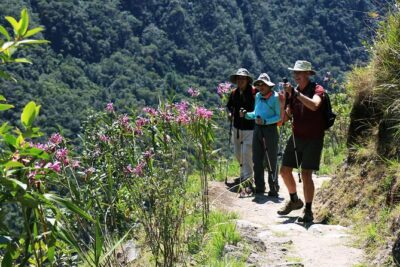
Classic Inca Trail Trek 4D/3N to Machu Picchu (Group Service)
Read our review →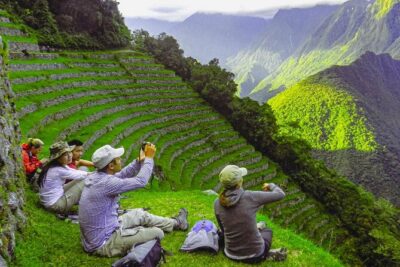
2-Day Inca Trail to Machu Picchu with Panoramic Train
Read our review →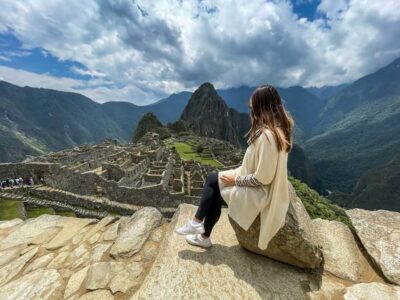
From Cusco: Full-Day Group Tour of Machu Picchu
Read our review →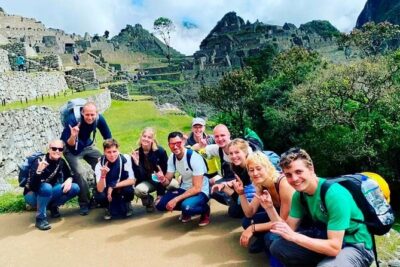
2-Day Tour: Sacred Valley and Machu Picchu by Train
Read our review →
Machu Picchu: Full-Day Tour from Cusco with Optional Lunch
Read our review →
Machu Picchu Full Day from Cusco by Panoramic Train
Read our review →Browse the lists this tour appears in