
Reviewed · MACHU PICCHU TOURS
Small Group 5 Days Salkantay and Machu Picchu by Llactapata Tour
Wake up in Cusco, sleep beneath Salkantay, and reach Machu Picchu on foot. This five-day route gives you a big slice of Peru in one trip: high mountain passes, Humantay Lake, coffee and cacao farms, an Inca trail, Llactapata ruins, and the famous citadel itself. With a maximum of nine people, the group is small enough for real conversation and personal help on the trail.
I especially like the variety of scenery, which changes from cold, rocky peaks to warm forest and plantations. I also like the human side of the trip: local muleteers, a family coffee visit, fresh meals, and guides who take time to explain Inca culture. The main caution is the pace. The first two days are demanding at high altitude, and one past participant felt the effort was not spread evenly across all five days.
In This Review
- Key points to know before booking
- Why this five-day route earns its keep
- Day one: from Cusco to Soraypampa and Humantay Lake
- Day two: the Salkantay Pass at 4,600 meters
- Day three: forest paths, coffee, cacao, and Lucmabamba
- Day four: the Inca trail to Llactapata
- Day five: first light at Machu Picchu
- Camping, meals, gear, and group comfort
- Who will enjoy this trek most
- Should you book the Llactapata Salkantay trek?
- FAQ
- Where does the tour start?
- How large is the group?
- How high is Salkantay Pass?
- Is Humantay Lake included?
- Is a hotel included in Aguas Calientes?
- Is the Machu Picchu entrance ticket included?
- Is the bus from Aguas Calientes to Machu Picchu included?
- Is a sleeping bag included?
- Are meals included?
- Is transportation back to Cusco included?
- Can I request a specific guide?
- Is the tour suitable for someone with low fitness?
Key points to know before booking
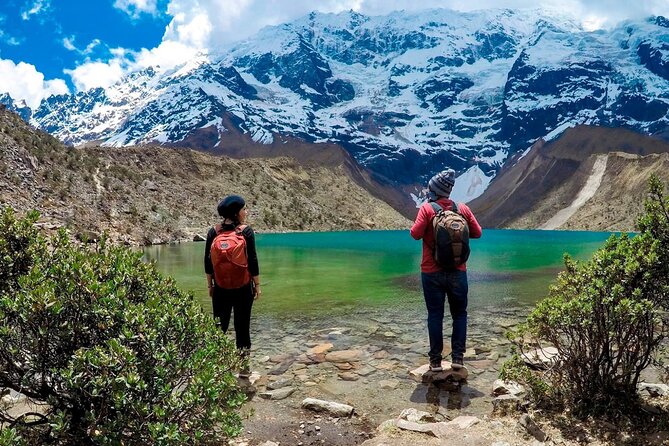
- Humantay Lake and Salkantay Pass give you two major mountain highlights in the first two days.
- A maximum group size of nine makes it easier to walk at your own pace and ask questions.
- The Lucmabamba coffee visit adds a genuine local experience beyond ruins and viewpoints.
- Llactapata offers a different view of Machu Picchu, with sightlines toward Machu Picchu Mountain and the Vilcanota Canyon.
- The $593 price includes major costs, such as Machu Picchu entry, meals, camping gear, a private room in Aguas Calientes, and the return train.
- You need strong fitness and altitude preparation, especially for the climb to 4,600 meters at Salkantay Pass.
Why this five-day route earns its keep
At $593 per person, this is not simply a hike with a Machu Picchu ticket added at the end. The price covers transportation from Cusco, camping support, a guide, meals on most trekking days, horses and mules for up to 7 kilograms of personal gear, your Machu Picchu entrance, a hotel room in Aguas Calientes, and the train to Ollantaytambo.
That bundle matters in Peru. You are not carrying every piece of camping equipment yourself, and you are not arranging separate transport between remote trail sections and Cusco. The included private room and bathroom in Aguas Calientes are also welcome after several nights outdoors.
You should still budget for several extras. Breakfast on the first morning and lunch on the final day cost $30 each according to the supplied information. The bus from Machu Picchu down to Aguas Calientes costs $12, and a sleeping bag costs $5 per day. Tipping expectations for the cooks and muleteers should be clarified at the pre-trip meeting. This was a point of confusion for one group, even though the support team was praised for its hard work.
The company provides a briefing at 7 pm one or two days before departure. Treat it as important, not as a quick formality. Confirm what you need to pack, how the 7-kilogram limit works, what tips are expected, and how the sleeping bag rental is handled.
More Machu Picchu trips:
- Classic Inca Trail Trek 4D/3N to Machu Picchu (Group Service)
★ 5.0 · 8,653 reviews - Machu Picchu: 4-Day Inca Trail Trek with Panoramic Train Ride
★ 5.0 · 4,568 reviews - Short Inca Trail to Machu Picchu 2D/1N
★ 5.0 · 3,007 reviews
Day one: from Cusco to Soraypampa and Humantay Lake
The day begins early, with a 4 am start from Plaza de Armas de Cusco, at Del Medio 123. You first ride toward Mollepata, at about 3,000 meters, where there is time for a short stop and a look at the countryside before continuing to Challacancha at 3,400 meters.
That early departure is tiring, but it gets you onto the trail before the day has fully warmed. At Challacancha, you meet the muleteers and the rest of the group. This is where the trek properly begins, with support animals carrying camping supplies and up to 7 kilograms of each person’s personal equipment.
The opening hike follows a broad mountain valley with views toward Humantay and Salkantay. These snow-covered peaks provide the visual drama right away. The route is already high, so even the first walking hours deserve a steady pace. You are not racing a clock here. Saving energy for the afternoon and the next morning is wise.
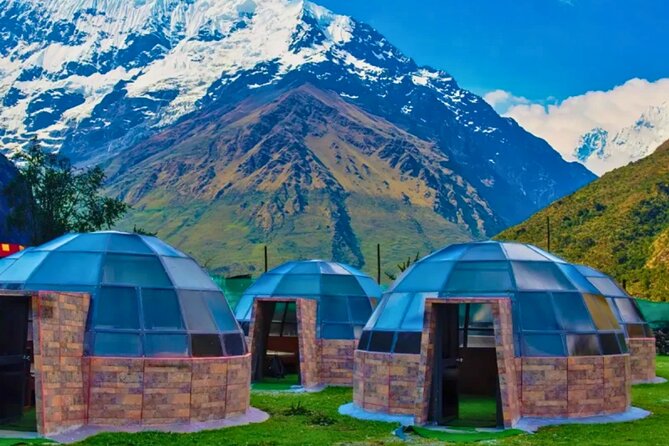
The night’s camp is at Soraypampa, about 3,700 meters above sea level. The setting gives you wide views of the mountains and valleys, but the altitude can make a simple walk feel harder than expected. Your included tea and snack time is useful here, as is the chance to drink steadily and rest before the next activity.
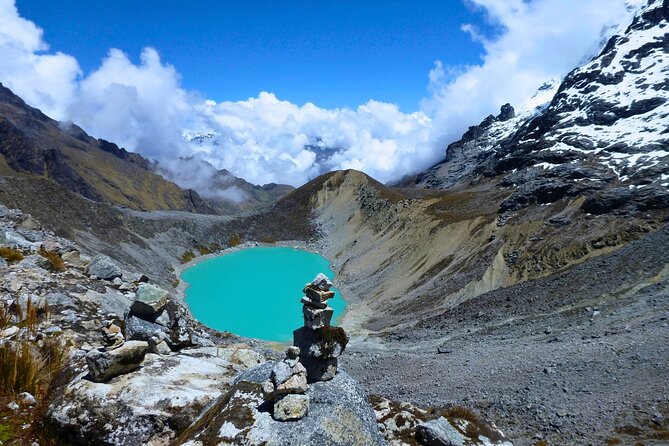
The optional afternoon hike to Humantay Lake is one of the trip’s major selling points. The lake sits high in the mountains and is known for its blue-green water, framed by steep Andean slopes. The walk is short on the itinerary, but the altitude makes it a real effort. If you arrive at Soraypampa feeling worn out, skipping the optional hike is sensible. You already have a demanding summit day ahead.
This first day combines transport, several hours of trekking, and an optional climb. I would not treat it as a gentle introduction. It is an acclimatization day with teeth.
Day two: the Salkantay Pass at 4,600 meters
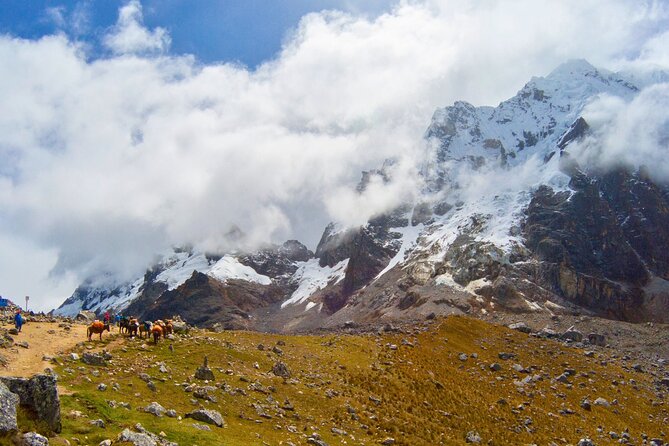
After breakfast, you climb from Soraypampa toward Salkantay Pass, reaching roughly 4,600 meters. This is the physical high point of the trip and the section most likely to test your preparation.
The climb takes about four hours. The reward is a huge view of Salkantay, one of the highest peaks in the region at 6,264 meters. At the pass, you have time to stop, catch your breath, and take in the high Andes before starting the descent.
This is where the route changes character. As you lose altitude, the cold, open mountain setting gives way to greener slopes and then warmer forest. The change is striking, and it explains why the Salkantay route feels like several trips joined together.
The descent continues toward Collpapampa, at about 3,000 meters, where you camp in a warmer, more humid setting. Mosquitoes are specifically noted here, so insect repellent and long, light clothing are practical choices. The lower altitude may feel easier on your lungs, but the combination of a long climb and descent can leave your legs tired.
I would plan this day around patience. A small group helps because the guide can respond to different walking speeds more easily. One account praised a guide named Jainor for handling a group whose ages ranged from 21 to 67, while other strong praise went to Carlos, Henry, Dario, and Rolando. You can request a guide by name, but a request is not a guarantee. The more important point is that guide quality appears to be a major part of how enjoyable this trek becomes.
Day three: forest paths, coffee, cacao, and Lucmabamba
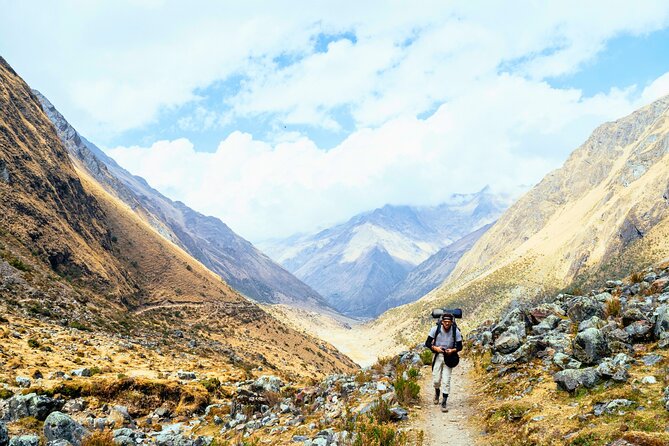
Day three is less about dramatic altitude and more about rural life. From Collpapampa, the route descends through forest filled with orchids, bromeliads, and other plants suited to the warm, damp conditions.
The scenery is a welcome change after the stark heights of Salkantay. You move through a living agricultural zone rather than a purely wild mountain area. Coffee, cacao, and fruit plantations line the route, giving you a chance to understand how local families work the land and support their communities.
The route passes through Wiñaypoco and Granadilla before reaching Lucmabamba, at about 2,000 meters. These small settlements offer a look at daily life away from Cusco’s busy center and Machu Picchu’s crowds. The campsite is at Lucmabamba, where you also have a cultural activity with a local rural family.
The coffee visit is one of the most distinctive parts of the tour. You learn how coffee plants are cared for, how ripe cherries are collected, and how the beans are dried and roasted. The process ends with a cup of coffee, which tastes better when you have seen the labor behind it.
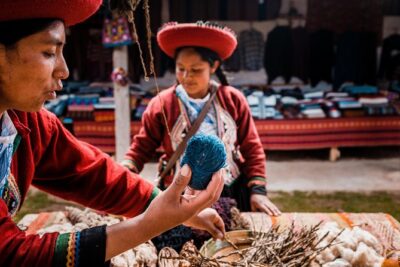
This stop gives the trip some needed depth. Many Machu Picchu routes focus almost entirely on mountains and ruins. Here, you also see the work and traditions that sustain people in the valleys. The experience is not just a photo stop. It connects the trail to the lives of families who depend on coffee and other crops.
The food is another strong point. Multiple accounts praised the cooking, particularly a chef named Alejandro. His meals were described as fresh and generous, even with limited supplies in remote camps. Vegetarian options are available. Tea and snacks are provided each day, along with three breakfasts, three lunches, and three dinners during the trek.
Do not expect restaurant service in the mountains. You should expect a serious effort from the cooking team. Alejandro was even said to have prepared a birthday cake for one participant’s mother, a small gesture that shows how personal the camp service can become.
More hikes and treks in Cusco:
- Salkantay Classic Trek 5 Days from Cusco
★ 5.0 · 4,062 reviews - 4-Day Salkantay Trek with Sky Camp Stay
★ 5.0 · 3,346 reviews - Salkantay Trek 5D/4N with Glass Cabins, Domes and Hobbit House
★ 5.0 · 2,488 reviews - 2-Day Inca Trail to Machu Picchu with Panoramic Train
★ 5.0 · 1,876 reviews
Day four: the Inca trail to Llactapata
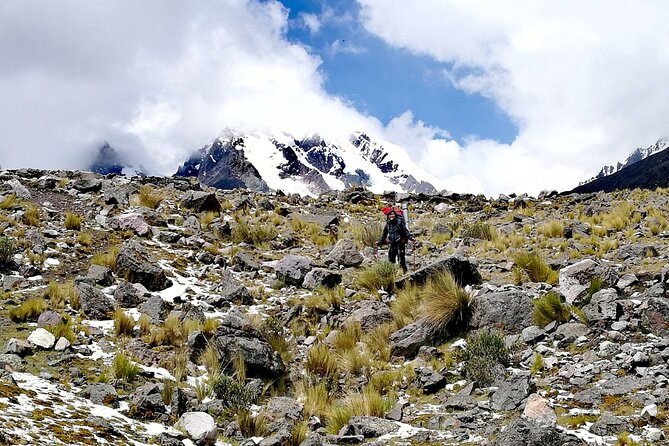
After breakfast in Lucmabamba, you climb toward Llactapata on an old Inca trail. The route reaches the archaeological site at around 2,650 meters and takes you through another mix of forest, plants, and mountain views.
Llactapata is valuable because it changes your perspective on Machu Picchu. Instead of approaching the famous citadel directly, you look across toward Machu Picchu Mountain and the Vilcanota Canyon from another historic site. The ruins include terraces and structures connected with the wider Inca trail system.
Your guide explains the role of Llactapata and the meaning of the remains. This is where a strong guide can make a real difference. Names such as Jainor, Rolando, Carlos, Henry, and Dario received especially warm praise for clear explanations, patience, humor, and a strong grasp of Inca culture. If you care about history, mention that when requesting a guide.
From Llactapata, you descend toward the Hydroelectric station at about 1,950 meters. The tour provides transport from Lucmabamba to Hydroelectrica for equipment and everyone’s bags, which keeps the walking load manageable. The stated route then continues on foot toward Machu Picchu town, also called Aguas Calientes.
You spend the night in Aguas Calientes in a private room with a private bathroom, with breakfast included. This is a major comfort break after the camps. You can eat dinner, look around the market area, and prepare for the early visit to Machu Picchu.
The exact end of the walking section deserves clarification at the briefing. The itinerary describes the descent to Hydroelectrica and then continuing to town, while the included transport specifically refers to bags and equipment. Ask where you will walk, where your bags will meet you, and how long the final section is expected to take.
Day five: first light at Machu Picchu
The final morning begins at 5:30 am after breakfast. A bus takes you from Aguas Calientes to Machu Picchu, arriving around 6 am. The bus fare is not included, so set aside $12 for this ride.
Arriving early gives you the chance to see the citadel in the softer light of morning. The guided visit lasts about three hours and covers the main archaeological area, Inca construction, cultural traditions, and the story of the site.
The Machu Picchu entry ticket is included, which is essential. Access rules and circuits can change, so your guide will direct the visit according to the ticket issued for your date. The supplied information does not specify a particular circuit, mountain permit, or independent exploration time, so ask about those details before departure if they matter to you.
After the visit, you return to Aguas Calientes. Lunch is not included and is listed at $30. Your afternoon train runs from Machu Picchu to Ollantaytambo, where a vehicle takes you back to Cusco’s historic center.
This final transfer is long. You should not expect to be back in Cusco shortly after lunch. Train, road transport, and the return journey make this a full day, even though the walking is lighter than earlier in the trek.
Camping, meals, gear, and group comfort
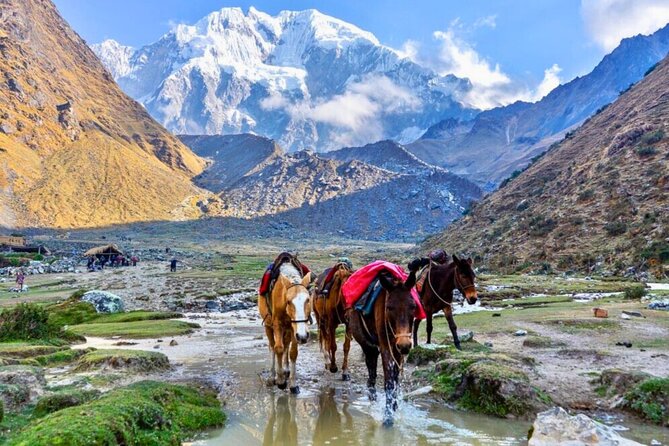
The support package is quite strong for the price. You receive camping equipment, a dining tent with tables and chairs, a first-aid kit, and an oxygen bottle. An emergency horse is available between Marcoccasa and Chaullay, which offers reassurance if someone struggles during a section.
A muleteer and horses carry equipment, but your personal limit is 7 kilograms. Pack with restraint. The practical core is warm clothing, rain protection, sturdy footwear, sun protection, insect repellent, water storage, and personal medication. The information provided does not state a full packing list, so use the briefing to confirm what the company supplies beyond the listed camping equipment.
The sleeping bag is extra at $5 per day. That is inexpensive, but it is easy to overlook when comparing tour prices. Add the sleeping bag, the first breakfast, final lunch, Machu Picchu bus, and a reasonable tip to your true budget.
Toilet conditions are not uniform. One account specifically found the toilet situation on day three could be improved. That is a fair warning for anyone expecting hotel-level facilities throughout the trek.
Who will enjoy this trek most
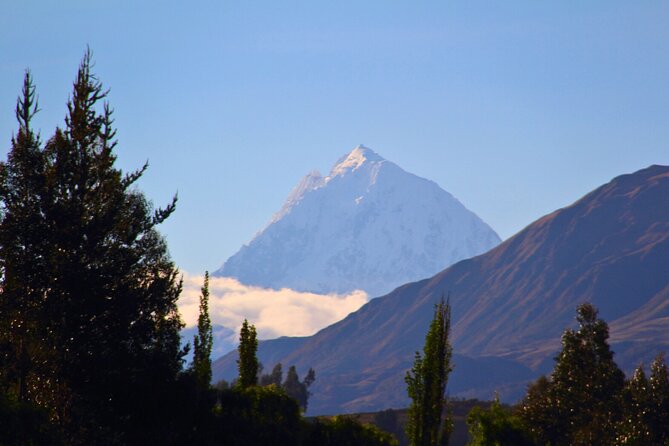
This route suits you if you want more than a direct visit to Machu Picchu. You get mountain scenery, a demanding high pass, rural agriculture, coffee production, archaeological remains, and a guided visit to the citadel in one package.
You should have a strong level of fitness. The tour specifically requires it, and the first two days are the hardest. High altitude affects people differently, so a person who is comfortable with long hikes at home may still need to slow down here. The small group and emergency horse help, but they do not remove the physical challenge.
I would choose this route over a simpler Machu Picchu package if you value scenery and local contact. I would choose something shorter if your main goal is the ruins and you do not enjoy several nights camping.
The experience is also a good fit for people who appreciate a social group. At nine or fewer people, it is easier to form connections, and one account described the small group as a key part of the experience. Four days without internet may also appeal if you want a break from screens, though it means you should prepare to be offline.
Should you book the Llactapata Salkantay trek?
Book it if you want a demanding but varied route to Machu Picchu, and if you value excellent camp food, personal guiding, and a small group more than hotel comfort every night. The combination of Humantay Lake, Salkantay Pass, Lucmabamba coffee, Llactapata, and Machu Picchu gives you far more range than a simple point-to-point visit.
Think twice if you dislike steep altitude walks, humid camps, basic toilets, or very early starts. Before paying, confirm the guide assignment, tipping expectations, sleeping bag arrangements, baggage transfer at Hydroelectrica, and the exact return schedule. The cancellation policy is strict: the experience is non-refundable and cannot be changed after booking.
For a fit hiker who wants Peru’s mountains and communities, not just its headline ruin, the $593 package offers solid value. Just arrive prepared for the first two days to work hard.
FAQ
Where does the tour start?
It starts at 4 am from Plaza de Armas de Cusco, at Del Medio 123, Cusco 08000, Peru.
How large is the group?
The tour has a maximum of nine participants.
How high is Salkantay Pass?
Salkantay Pass reaches about 4,600 meters, or 15,092 feet.
Is Humantay Lake included?
The hike to Humantay Lake is listed as an optional afternoon activity on day one. The admission ticket is included.
Is a hotel included in Aguas Calientes?
Yes. The package includes a private room with a private bathroom in Aguas Calientes, along with breakfast.
Is the Machu Picchu entrance ticket included?
Yes. The package includes entrance to Machu Picchu and the Salkantay route.
Is the bus from Aguas Calientes to Machu Picchu included?
No. The bus costs $12 and is not included in the tour price.
Is a sleeping bag included?
No. A sleeping bag can be rented for $5 per day.
Are meals included?
Three breakfasts, three lunches, and three dinners are included during the trek. Breakfast on the first day and lunch on the final day in Aguas Calientes are not included and are listed at $30 each.
Is transportation back to Cusco included?
Yes. The package includes the tourist train from Machu Picchu to Ollantaytambo and road transportation to Cusco’s historic center.
Can I request a specific guide?
You may request a guide, and names praised for their guiding include Jainor, Carlos, Henry, Dario, and Rolando. The supplied information does not guarantee that a particular guide will be available.
Is the tour suitable for someone with low fitness?
No. The tour states that participants should have a strong physical fitness level, particularly because the first two days include high-altitude trekking and the climb to Salkantay Pass.
Just added in Cusco
- Cusco Private Transportation for 2026★ 5.0 · 4 reviews
- Private Transfer from Airport to Hotel in the City of Cusco★ 4.0 · 5 reviews
- Best Cusco walking tour: dinner street food tasting★ 4.5 · 11 reviews
- Private Tour to Pisac Market and Pisac Ruins★ 5.0 · 4 reviews
- Machu Picchu Day Trip With Panoramic Train from Cusco★ 5.0 · 10 reviews
- Private Tour of the Mountain of Colours by Quad★ 5.0 · 7 reviews
- Sacred Valley Private Tour from Cusco, Guide and Driver only★ 5.0 · 4 reviews
- Sacred Valley of the Incas Tour★ 5.0 · 12 reviews
Machu Picchu Tours, compared.
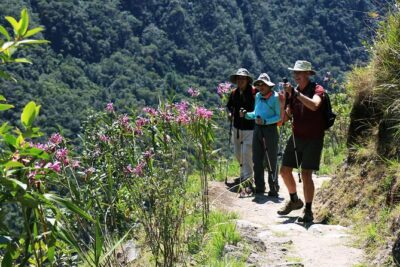
Classic Inca Trail Trek 4D/3N to Machu Picchu (Group Service)
Read our review →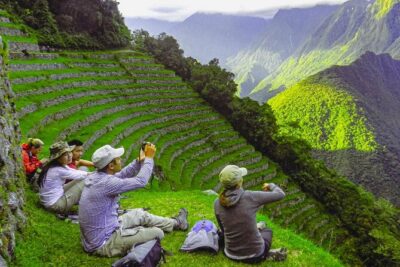
2-Day Inca Trail to Machu Picchu with Panoramic Train
Read our review →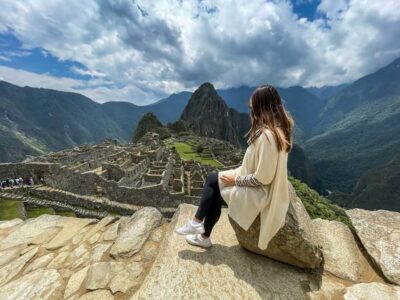
From Cusco: Full-Day Group Tour of Machu Picchu
Read our review →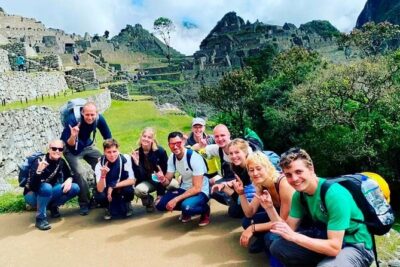
2-Day Tour: Sacred Valley and Machu Picchu by Train
Read our review →
Machu Picchu: Full-Day Tour from Cusco with Optional Lunch
Read our review →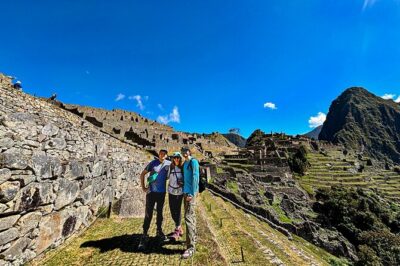
Machu Picchu Full Day from Cusco by Panoramic Train
Read our review →Browse the lists this tour appears in