Reviewed · SACRED VALLEY TOURS
Super Sacred Valley: Chinchero – Salt Mines – Moray & Ollantaytambo
Four Andean stops, one packed day. This private tour links Chinchero, Moray, the Maras Salt Mines, and Ollantaytambo without asking you to handle the mountain roads yourself. I like the private car and guide, and I like how much variety fits into roughly six hours: weaving, farming, salt production, and Inca stonework all share the same day.
The main catch is the schedule. The stated start time is 12:30 am, an unusually early hour, so confirm it carefully before booking. You will also pay extra for the tourist ticket, the salt mines, and lunch. High-altitude Chinchero, at about 3,800 meters, can make the first stop demanding if you have only just arrived in Cusco.
Guides are a major part of the experience. Jenny, Ronald, Yeny, Nohemi, Ernesto Cusi, Jonathan, and Papa Freddy have all been praised for clear explanations, patience, and warmth. Drivers such as Miguel and Eddy also receive strong praise, especially for safe driving and helping families with mobility needs.
In This Review
- Key points to know before booking
- Why this route works for a first day in Cusco
- Chinchero at 3,800 meters: textiles and high-country traditions
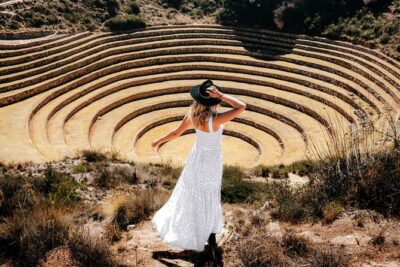
- Moray: Inca terraces shaped like giant bowls
- Maras Salt Mines: thousands of pools on a mountainside
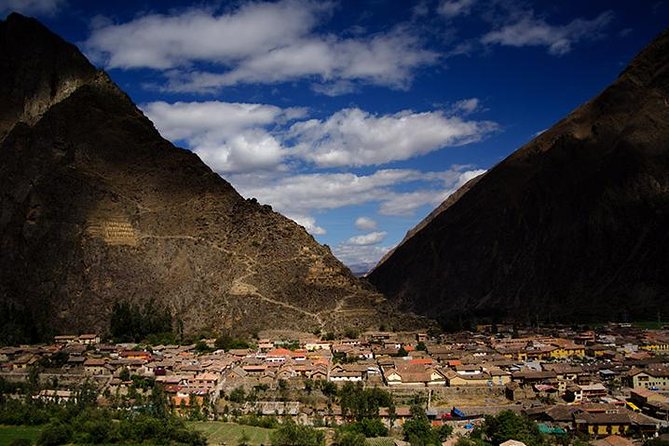
- Ollantaytambo: terraces above a living town
- What the private guide and driver add
- Price, extra fees, lunch, and timing
- Who should book this Sacred Valley day trip?
- Should you book it?
- FAQ
- Where does the tour start and finish?
- What time does the tour start?
- How long does the tour last?
- What places does the tour visit?
- Are entrance fees included?
- Is lunch included?
Key points to know before booking
- Chinchero reaches 3,800 meters: You start at the highest point of the day, with weaving, local textile work, and a market visit.
- Moray is an unusual Inca site: Circular terraces cut into the earth give the stop a shape unlike the usual ruins around Cusco.
- Maras has more than 3,000 salt pools: A small stream feeds the hillside pools, which are still the defining feature of this former salt-producing center.
- Ollantaytambo adds major stonework: Terraces rise directly above the town, making this the most monumental stop of the route.
- It is a private tour: Only your party joins, and private transport lets you set a comfortable pace within the planned route.
- The advertised price is not the final cost: At $135 per person, you still need to add about $28.30 in site fees, plus lunch.
Why this route works for a first day in Cusco
The Sacred Valley can take several days if you want to explore each town properly. This tour takes the quick, practical approach. You see four of the area’s best-known places while someone else handles the driving between high mountain roads, villages, and valley sites.
I especially like the mix of experiences. This is not four similar archaeological stops. Chinchero gives you living craft traditions, Moray shows an ingenious agricultural site, Maras explains local salt production, and Ollantaytambo brings you back to monumental Inca construction.
That variety matters if you have limited time in Cusco. It also helps families and small groups, since the day keeps changing rather than asking you to study one type of ruin for hours.
The private format is another strong point. You are not joining a large coach group, and the only participants are your own party. That gives you a better chance to ask questions, stop for photographs, and move at a pace that suits your group.
Still, this is a concentrated introduction rather than a slow study of the valley. You will see the main features, but the schedule leaves little room for lingering. If you want long market browsing, extended walks, or a relaxed lunch, you may prefer to split the route over two days.
More Sacred Valley trips:
- From Cusco: Moray, Maras Salt Mines & Chinchero Weavers Tour
★ 4.8 · 1,925 reviews - 2-Day Tour: Sacred Valley and Machu Picchu by Train
★ 5.0 · 1,127 reviews - Cusco: Sacred Valley, Pisac, Ollantaytambo, Salt Mines Moray
★ 4.6 · 1,058 reviews
Chinchero at 3,800 meters: textiles and high-country traditions
Chinchero is the first stop, and its altitude shapes the experience. At about 3,800 meters, or 12,500 feet, it sits higher than the other places on the route. You begin with thin mountain air, broad views, and a traditional weaving center.
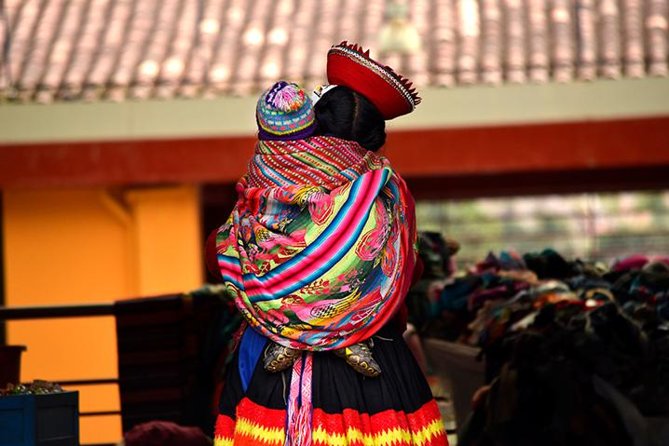
The textile presentation explains dyeing and weaving methods. You can expect a demonstration of how local materials are turned into colored thread and woven cloth. The visit also includes a chance to see traditional clothing, and one guide-led group enjoyed trying on the garments while local women sang.
This stop adds something human to the day. Ruins can tell you how the Inca built, but textile work shows how Andean culture continues through daily skill and ceremony. A good guide can make the demonstration more than a shopping stop by explaining the process and the meaning behind the designs.
You also visit the famous Chinchero market. The supplied schedule does not promise a particular market day or market size, so keep your expectations sensible. It is best treated as a chance to see local trade and handmade goods, not as the main reason to book the tour.
Because Chinchero comes first, take the pace seriously. Walk slowly, drink water, and tell your guide if the altitude affects you. Guides such as Yeny and Papa Freddy were praised for being attentive and patient, which is useful at a stop where some people may need extra time to adjust.
Moray: Inca terraces shaped like giant bowls
From Chinchero, the route descends toward Moray. The change in altitude should make this part of the day feel easier for many people, though you should still follow your own pace.
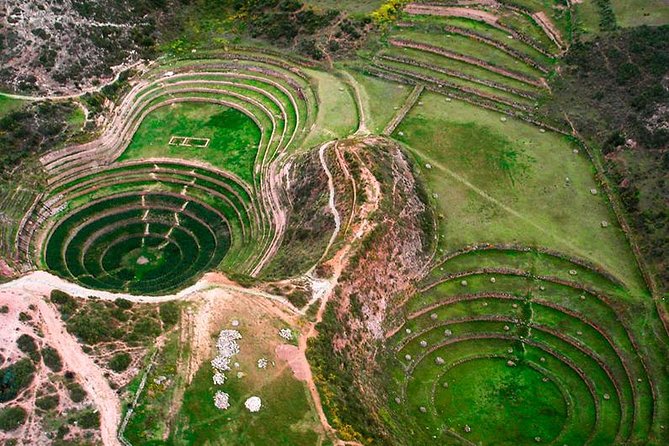
Moray is made up of three large, bowl-shaped terraces cut deep into the ground. From above, the circular construction looks almost theatrical. From closer up, you can see how the Incas shaped the earth into a series of stepped growing areas.
The site is widely connected with experiments in crop cultivation and the search for good growing conditions. Your guide can help explain why the terraces were designed this way and how the different levels may have created varied conditions for plants.
I like Moray because it rewards both the eye and the imagination. The shape is immediately memorable, but the real interest comes from thinking about the engineering behind it. The Incas were not simply building walls for display. They were adapting farming to difficult mountain conditions.
The stop does involve walking around an archaeological site, and the route may not suit everyone equally. The tour is described as suitable for most people, but that does not mean every section is effortless. If you have limited mobility, discuss your needs when booking and with the guide at the start of the day.
Maras Salt Mines: thousands of pools on a mountainside
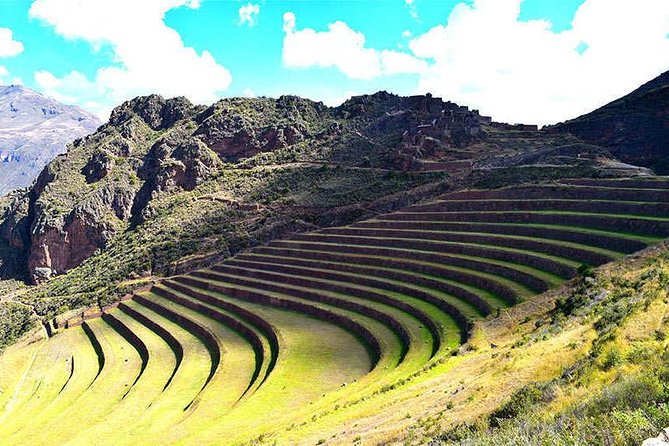
The salt mines are about two miles from Moray, so this is a short transfer compared with the longer drive from Cusco. More than 3,000 salt pools spread across the mountain side, each supplied by a small stream of water.
The pools are the visual centerpiece. From a distance, the hillside appears divided into countless pale rectangles. Up close, the appeal is more practical than grand. This is a working salt-producing area shaped by water, slope, and repeated human labor.
The site is thought to date back to pre-Inca times and is associated with the former salt-producing center of Maras. That long use gives the stop a different feel from Moray. Moray asks you to think about agricultural planning; Maras shows how a natural resource can be collected through a carefully managed system.
The entrance fee is not part of the $135 tour price. The stated cost is S/. 10, or about $3.30 per person. Bring enough Peruvian currency or confirm accepted payment methods before setting out, since a small admission charge can otherwise become an unnecessary nuisance.
Be careful with your expectations here. The salt pools are seen from the mountainside, but the information provided does not promise a salt-harvesting demonstration or a chance to walk through every pool. The value is in the view, the explanation, and the unusual sight of thousands of small pools arranged across steep ground.
More things to do in Cusco:
- Classic Inca Trail Trek 4D/3N to Machu Picchu (Group Service)
★ 5.0 · 8,653 reviews - Cusco: Rainbow Mountain and Red Valley Day Trip with Meals
★ 4.9 · 4,893 reviews - Machu Picchu: 4-Day Inca Trail Trek with Panoramic Train Ride
★ 5.0 · 4,568 reviews - Salkantay Classic Trek 5 Days from Cusco
★ 5.0 · 4,062 reviews
Ollantaytambo: terraces above a living town
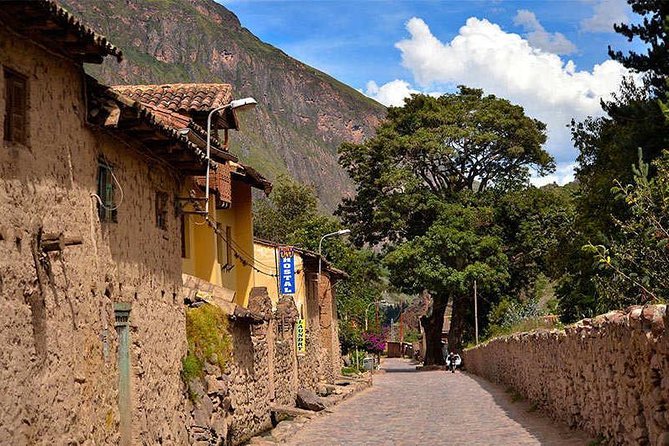
The route then descends to the base of the Sacred Valley and continues to Ollantaytambo. This is the final major stop and the one most likely to satisfy anyone hoping for classic Inca architecture.
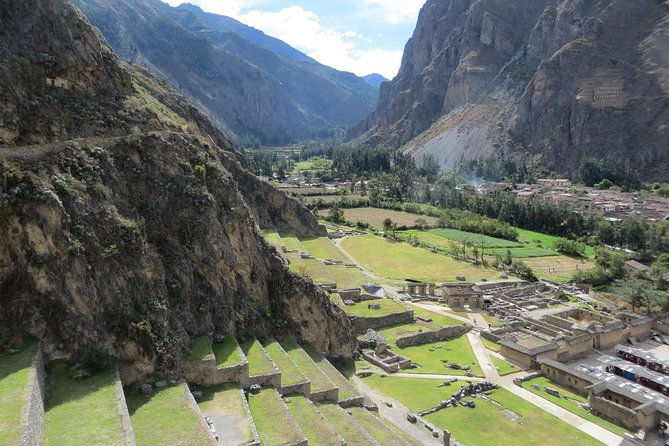
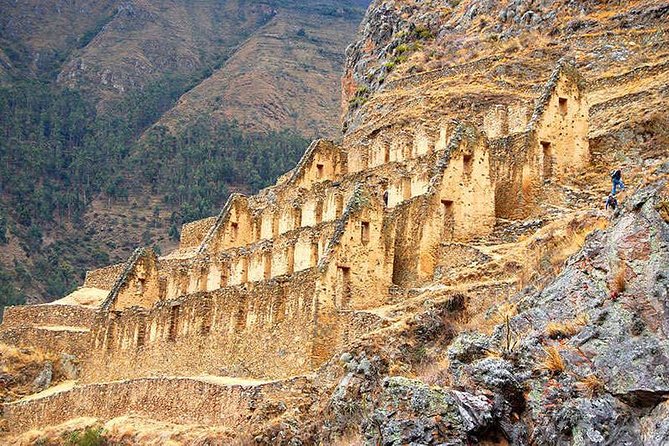
Ollantaytambo features an impressive set of terraces rising from the village center. The town gives you a strong sense of how ancient construction and present-day life can occupy the same place. Instead of viewing ruins in isolation, you see monumental stonework tied directly to a settled town.
The terraces are the main event, so listen closely as your guide explains their purpose and construction. This is where having a private guide pays off. A guide such as Ronald, Nohemi, or Ernesto Cusi can connect the stones, the farming terraces, and the wider story of Inca society in a way that a quick photo stop cannot.
Ollantaytambo also provides a strong final image for the day. After the craft work at Chinchero, the agricultural design at Moray, and the salt pools at Maras, you finish with large-scale engineering.
The trade-off is time. Since this is a one-day circuit, you should not expect a full exploration of Ollantaytambo town. If you plan to stay in the Sacred Valley or continue toward Machu Picchu, ask about arrangements before booking, since the standard service starts and finishes in Cusco.
What the private guide and driver add
The guide is not a minor detail on this route. Four stops have different subjects, and each benefits from explanation. You need someone who can move from textile techniques to Inca agriculture, then to salt production and stone construction without turning the day into a string of disconnected photo stops.
The guide team has received especially strong praise for friendliness, clear teaching, and personal attention. Jenny was praised for making each place feel special. Ronald was described as warm and informative during a family outing with a 12-year-old. Yeny helped bring the textile presentation to life and shared plenty of information at each stop.
Ernesto Cusi has been praised for explaining local culture, people, and the land. Nohemi was recognized for professional, informative guiding. Papa Freddy was described as patient, generous, punctual, and very comfortable speaking English, as well as good at finding photo spots and helping with group pictures.
The drivers matter too. Miguel was praised for a comfortable ride and careful driving. Eddy was singled out for helping a grandmother who used a wheelchair and for assisting with family photographs.
Guide assignments can vary, so you cannot assume you will receive one particular person. You can, however, ask whether a preferred guide is available. The private setup also lets you explain family needs clearly before departure.
Price, extra fees, lunch, and timing
The listed price is $135 per person. For a private one-day tour covering four major stops, private transport, and a private guide, that can be fair value, especially if you are splitting the cost among a small group.
It is not an all-inclusive $135, though. You must add:
- Tourist ticket for the archaeological sites: S/. 70, or about $25 per person
- Maras Salt Mines entrance: S/. 10, or about $3.30 per person
- Lunch in Urubamba
That brings the known per-person total to roughly $163.30 before lunch. Currency exchange rates can change the dollar equivalent, so use the sol amounts as the practical guide.
Lunch is not included, and the route places it in Urubamba. This is useful because Urubamba lies in the Sacred Valley and gives the day a natural break, but you should budget for the meal and ask how much time is allowed.
The stated duration is approximately six hours. That is a brisk schedule for four stops, transfers, explanations, photographs, and lunch. The published start time is 12:30 am, which deserves special attention. Since that is unusually early for a six-hour Sacred Valley visit, confirm the exact pickup time with Waman Adventures before your day begins.
Hotel pickup and drop-off in Cusco are included. If you want to start or finish in the Sacred Valley instead, an extra payment applies. That makes the tour most convenient for people based in Cusco, not for those already staying in Urubamba, Ollantaytambo, or another valley town.
The experience is commonly reserved well ahead, with an average booking lead time of about 140 days. That suggests planning early if your Cusco dates are fixed, particularly because this is a private activity rather than a large group departure.
Who should book this Sacred Valley day trip?
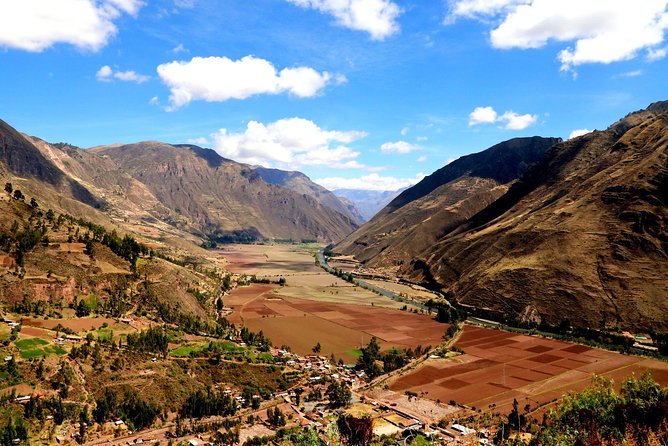
I would choose this tour if you are visiting Cusco for the first time and need a broad introduction in one day. It is also a good match if you prefer a private car, want a guide beside you, or would rather watch the scenery than concentrate on mountain roads.
Families may find the private arrangement helpful. The guide team has shown flexibility with children and with a family member using a wheelchair. You should still explain mobility needs in advance, since archaeological sites and hillside viewpoints can present uneven or demanding areas.
This route also suits people who want cultural variety. The weaving presentation gives you contact with local craft traditions, while the ruins and salt pools provide visual highlights. You will not spend the entire day walking through one large complex.
I would hesitate if you dislike early starts, need a slow pace, or want substantial free time at each stop. I would also think twice if you have just arrived at high altitude and are not feeling well. Starting at Chinchero, the highest point, may be a poor first outing for some people.
If you are already staying in the Sacred Valley, check the extra pickup charge before paying. The standard arrangement begins and ends in Cusco, so the route may not be the most economical choice for your location.
Should you book it?
Book this tour if your goal is to see the Sacred Valley’s main contrasts in one efficient private outing. The combination of Chinchero, Moray, Maras, and Ollantaytambo is strong, and the guide quality appears to be one of the experience’s greatest assets.
Before booking, confirm the 12:30 am start time, the exact extra fees, the lunch plan, and whether the route can accommodate anyone with limited mobility. If those details work for you, $135 per person is a reasonable starting price for private transport and guiding, but budget closer to $163.30 plus lunch.
Choose it for breadth, convenience, and personal guiding. Skip it if you want a relaxed Sacred Valley stay with long visits at fewer places.
FAQ
Where does the tour start and finish?
The standard tour starts and finishes in Cusco, with hotel pickup and drop-off included. Starting in the Sacred Valley requires an additional payment.
What time does the tour start?
The stated start time is 12:30 am. Because this is unusually early for the listed route and duration, confirm the exact pickup time with Waman Adventures before the tour.
How long does the tour last?
The tour lasts approximately six hours.
What places does the tour visit?
The route visits Chinchero, Moray, the Maras Salt Mines, and Ollantaytambo.
Are entrance fees included?
No. The tourist ticket for the archaeological sites costs S/. 70, or about $25 per person. The Maras Salt Mines entrance costs S/. 10, or about $3.30 per person.
Is lunch included?
No. Lunch in Urubamba is not included in the tour price.
Just added in Cusco
- Cusco Private Transportation for 2026★ 5.0 · 4 reviews
- Private Transfer from Airport to Hotel in the City of Cusco★ 4.0 · 5 reviews
- Best Cusco walking tour: dinner street food tasting★ 4.5 · 11 reviews
- Private Tour to Pisac Market and Pisac Ruins★ 5.0 · 4 reviews
- Machu Picchu Day Trip With Panoramic Train from Cusco★ 5.0 · 10 reviews
- Sacred Valley Private Tour from Cusco, Guide and Driver only★ 5.0 · 4 reviews
- Sacred Valley of the Incas Tour★ 5.0 · 12 reviews
- Private Tour of the Mountain of Colours by Quad★ 5.0 · 7 reviews
Sacred Valley Tours, compared.
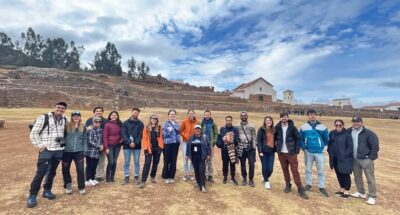
From Cusco: Sacred Valley & Maras Salt Mines Tour with Lunch
Read our review →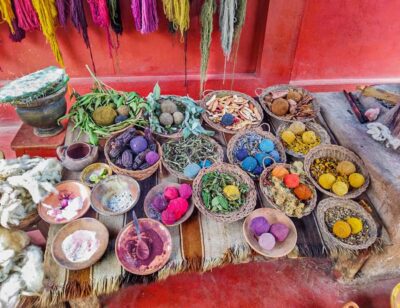
From Cusco: Moray, Maras Salt Mines & Chinchero Weavers Tour
Read our review →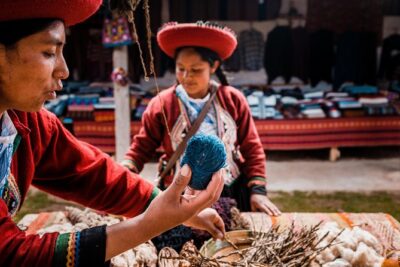
2-Day Tour: Sacred Valley and Machu Picchu by Train
Read our review →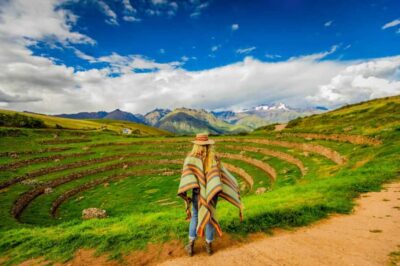
Sacred Valley, Pisac, Ollantaytambo, Salt Mines Moray
Read our review →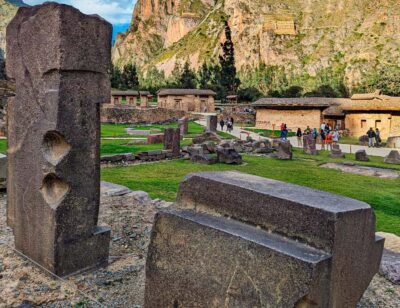
Chinchero,Moray & Salt Mines drop-off in Ollantaytambo
Read our review →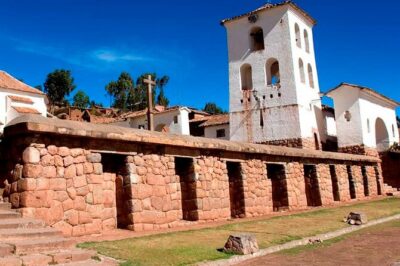
Sacred Valley and Maras Moray Tour with Full Day Buffet Lunch
Read our review →