
Reviewed · PERU FOOD TOURS AND COOKING CLASSES
The 10 Tastings of Cusco With Locals: Private Food Tour
Cusco tastes better with a local guide. This three-hour private walk combines market snacks, classic Peruvian dishes, and local drinks with stops at some of the city’s best-known landmarks. I like the personal format, since your guide can adjust the food to your tastes, answer questions, and set a pace that suits your group. I also like the mix of food and sightseeing, especially the stop at San Pedro Market and the chance to try dishes you might not find alone.
The main concern is value. At $90.11 per person, you are paying for private guiding as much as for food, and several people found that the tour lasted closer to two hours or included fewer than 10 tastings. I would book it early in your Cusco stay, but I would also confirm the expected food portions and duration before setting out.
In This Review
- Key points to know before booking
- Why start with a private food walk in Cusco
- Santa Clara sets the scene before the food
- San Pedro Market: juice, fruit, chocolate, and giant corn
- Arco de Santa Clara brings potatoes into the story
- The empanada-style snack near Tambomachay
- Qorikancha adds ceviche and pisco sour
- Fried pork near Qorikancha makes the food heavier
- La Merced offers a short architectural pause
- Coffee and pastry near Iglesia de la Compania de Jesus
- Qorikancha and Colegio Nacional de Ciencias fill out the route
- How much food do you really receive?
- Is $90.11 per person a fair price?
- Who will enjoy this Cusco experience most?
- Booking advice and final verdict
- FAQ
- How long does the private Cusco food tour last?
- How much does the tour cost?
- Where does the tour start?
- Where does the tour end?
- Is hotel pickup included?
- Is this a private activity?
- How many food and drink tastings are included?
- Are vegetarian alternatives available?
- Does the tour include alcoholic drinks?
- How far in advance can I cancel?
Key points to know before booking
- San Pedro Market starts the tour with juice, fruit, chocolate, corn, and cheese.
- The private format lets the guide adjust tastings for dietary needs and personal tastes.
- Angelo, Fabrizio, and Harry are praised for their warmth, stories, and ability to answer questions.
- Food stops are mixed with landmarks including Santa Clara, La Merced, Qorikancha, and Colegio Nacional de Ciencias.
- The advertised 10 tastings are not guaranteed to feel like 10 full portions.
- A three-hour schedule may run shorter, so the experience is strongest when you value local explanation as much as eating.
Why start with a private food walk in Cusco
Cusco is a good city for a food walk because its most useful discoveries often sit away from the grand plazas and polished dining rooms. A guide can lead you into the Mercado Central de San Pedro, point out unfamiliar fruit, explain local eating habits, and help you try foods without guessing what to order.
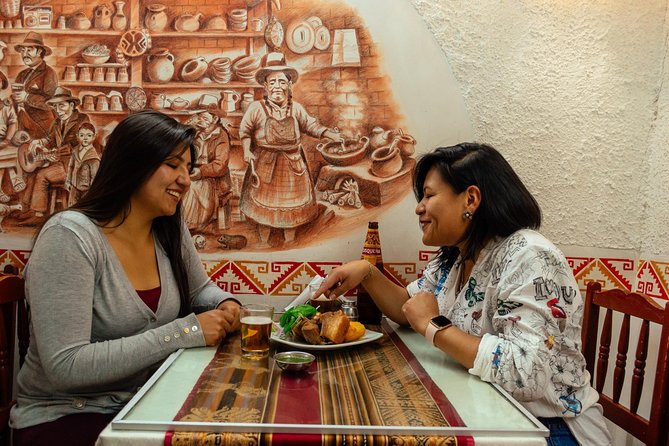
The private setup is the biggest practical advantage. You are not tied to a large group or a fixed conversation. If you want to ask about daily life in Peru, the city’s traditions, or the origins of a dish, you can keep talking. Guides Angelo, Fabrizio, and Harry each receive strong praise for being friendly, clear, and easy to talk with.
I would especially consider this tour for your first full day in Cusco. Several people used it to get acquainted with the city and begin adjusting to the elevation. That makes sense: you walk, eat small portions, and gain an orientation to the center without giving up a full day to a major excursion.
The tour begins at C. Sta. Clara 317 and ends at the same meeting point. Hotel pickup and drop-off are not included, although one guide once walked to a hotel to meet a couple after a late arrival. Treat that as personal courtesy, not a standard service.
More Food Tours and Cooking Classes in Cusco
- Peruvian Cooking Class Cocktails and Market Tour in Cusco
★ 5.0 · 1,712 reviews - Cusco: Peruvian Cooking Class, Cocktails & Local Market Tour
★ 4.9 · 512 reviews - Hands-on Peruvian Cooking Class & San Pedro Market Visit in Cusco
★ 5.0 · 421 reviews
Santa Clara sets the scene before the food
Before the first tasting, you pause near the National College of Sciences and Arts and the 16th-century Santa Clara convent. This is a smart opening because it gives you a quick look at Cusco’s layered architecture before the eating begins.
The Santa Clara area also helps you locate the meeting point. Take a moment to admire the buildings, but do not expect a long formal visit inside a monument. The food walk uses the city as its setting, so the sights are brief stops and conversation points rather than full museum tours.
That balance will suit you if you want a taste of Cusco’s culture without committing to a separate walking tour. If your priority is detailed architectural commentary, this experience may feel light.
San Pedro Market: juice, fruit, chocolate, and giant corn
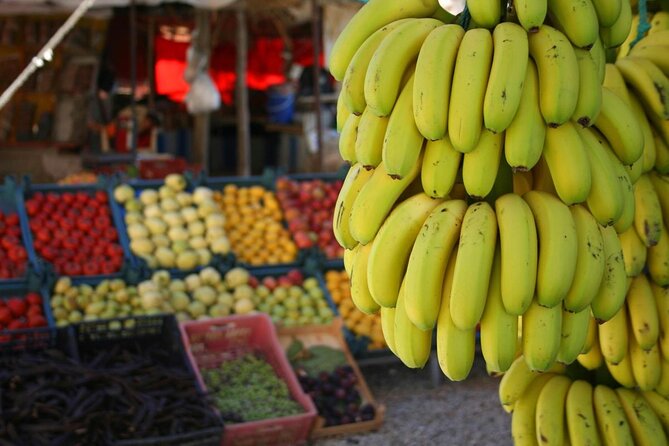
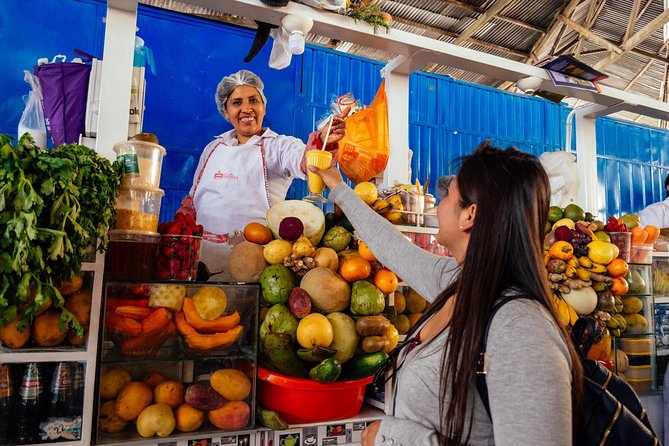
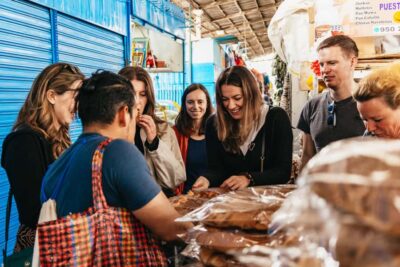
The Mercado Central de San Pedro is the heart of the food portion. You mingle with local shoppers while trying freshly squeezed fruit juice and a large piece of corn with cheese. The corn is a memorable Peruvian ingredient, with much larger kernels than the sweet corn many people know at home.
The market can also include passion fruit, sacha tomate, pineapple, orange juice, and small chocolate samples. The exact mix may vary, but the point is to introduce you to ingredients you might pass without recognizing. A guide can explain what is seasonal, how locals use it, and which flavors are sweet, sour, or unfamiliar.
This is one of the tour’s strongest stops because the setting matters. You are not simply sitting at a restaurant table with a prepared tasting menu. You are seeing the market where people buy food and noticing how everyday commerce works in central Cusco.
There is one practical limitation. Some market samples are tiny, and the group may share certain items. One family found itself sharing a spoon for passion fruit and receiving very small chocolate samples. That may not bother you if you see the market as an introduction, but it matters when judging the $90.11 price.
Arco de Santa Clara brings potatoes into the story
Near the Arco de Santa Clara, you try one local preparation based on potatoes. Peru is famous for its many potato varieties, and this stop gives the guide a chance to explain how an ordinary-looking crop became such an important part of the country’s food culture.
The tasting is meant to be a quick local bite, not a full plate. That is useful early in the walk, when you are still sampling rather than eating a complete meal. It also gives you a chance to compare textures and preparation styles with what you have already tried at the market.
Because the tour is private, you can ask your guide to explain the difference between varieties or preparation methods. Guides have been praised for answering questions patiently and connecting food with daily life in Peru.
A completely different kind of day:
- Classic Inca Trail Trek 4D/3N to Machu Picchu (Group Service)
★ 5.0 · 8,653 reviews - Cusco: Rainbow Mountain and Red Valley Day Trip with Meals
★ 4.9 · 4,893 reviews - Machu Picchu: 4-Day Inca Trail Trek with Panoramic Train Ride
★ 5.0 · 4,568 reviews - Salkantay Classic Trek 5 Days from Cusco
★ 5.0 · 4,062 reviews
The empanada-style snack near Tambomachay
The stop near Tambomachay features a snack resembling an empanada. One particularly well-liked version uses dough made with sweet potato and pumpkin. This is the sort of bite that can make the tour worthwhile for food-focused visitors because it is both familiar and different.
You recognize the general idea of an empanada, but the dough and filling give it a local character. One family singled out this snack as the best part of an otherwise disappointing food lineup. I would ask your guide at the start if this item is included on your departure date, especially if you are keen to try it.
The supplied route gives this stop about 30 minutes, which is longer than several of the other tastings. That suggests it may be more substantial than the market samples, though the actual portion can depend on the guide and the day.
Qorikancha adds ceviche and pisco sour
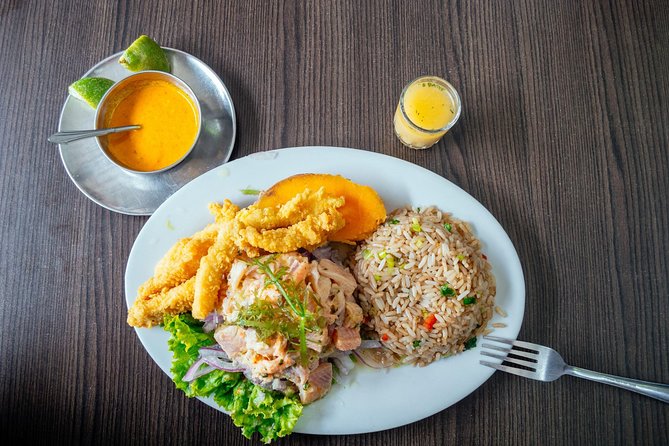
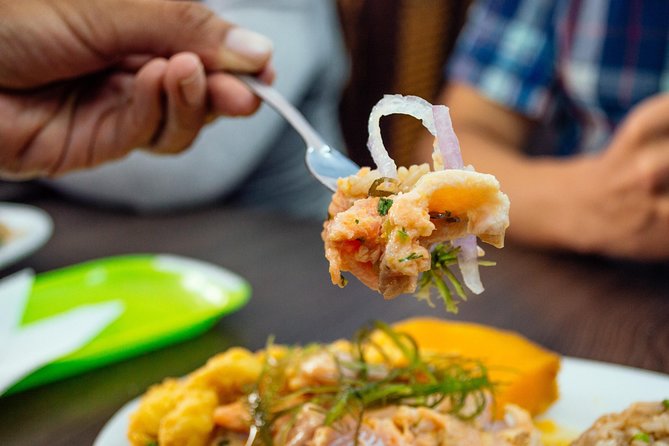
Near Qorikancha, you try ceviche made with fresh fish, citrus, and chili. This is one of Peru’s signature dishes, and a good guide will help you understand why the sharp citrus flavor and heat work together.
The ceviche is paired with a pisco sour, Peru’s best-known cocktail. That combination gives the tour a clear national-food moment, but it also creates an important limitation: the drink may not suit you. Fabrizio adjusted the food and drinks for a couple who did not drink alcohol, and vegetarian alternatives are offered.
If you do not drink, say so before the tour begins. The same advice applies if you avoid seafood, chili, or particular ingredients. The private format makes adjustments easier, but alternatives should be discussed rather than assumed.
The stop is scheduled for only 20 minutes. You are getting a taste and an explanation, not a long ceviche meal. If you measure value by the amount of food on the plate, this brief stop may feel modest.
Fried pork near Qorikancha makes the food heavier
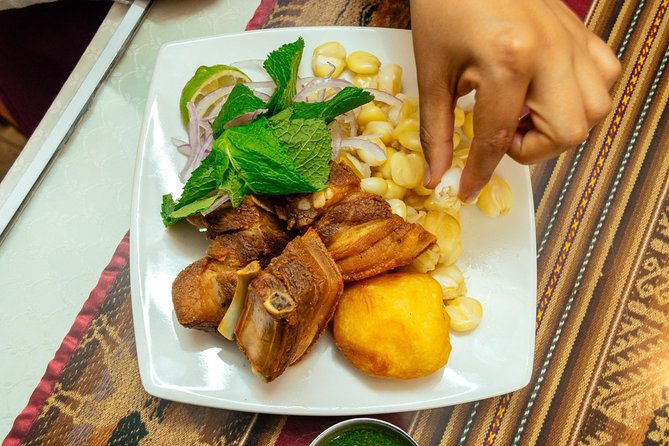
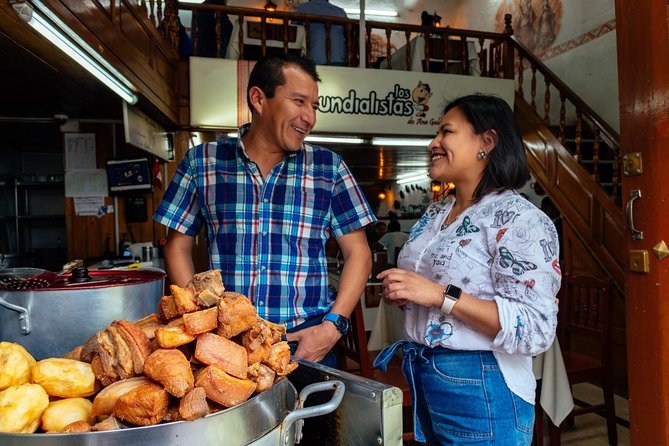
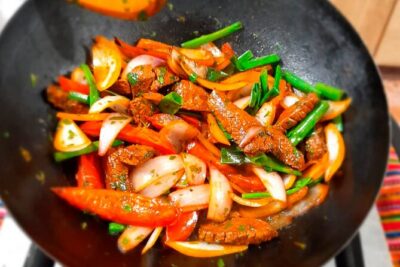
Another stop near Qorikancha focuses on fried pork, normally served in a baguette with onions and mint. This is a more filling sandwich-style bite, and it contrasts nicely with the bright ceviche.
The contrast is also a warning about pacing. One couple became full after two pork dishes and then shifted toward desserts and chocolate. If you are not used to rich food at altitude, small tastings can add up quickly.
The experience is at its best when you tell the guide what you enjoy. Fabrizio adapted one couple’s stops around their preferences, replacing alcohol and moving toward sweets when the pork became too much. A private tour should feel flexible, so speak up instead of politely accepting food you will not enjoy.
La Merced offers a short architectural pause
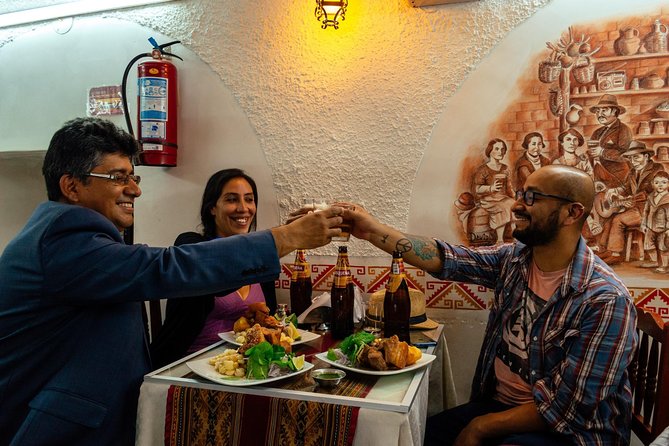
The walk includes time to look at La Merced church, a baroque building regarded as one of Cusco’s notable architectural sights. This pause breaks up the food and gives your palate a rest.
I like this part of the design. Eating for three hours without a visual or cultural pause would be tiring, especially in Cusco. The churches and Inca-era sites also remind you that this is not only a restaurant crawl. You are walking through the center and receiving a broad introduction to the city.
Still, the sightseeing is limited. The route includes city highlights between food stops, but it is not a substitute for a dedicated Cusco history tour or a ticketed monument visit.
Coffee and pastry near Iglesia de la Compania de Jesus
Near the Iglesia de la Compania de Jesus, you stop at Cusco’s oldest coffee shop for a brew and a local pastry. This gives the tour a gentler middle section after the market, ceviche, pork, and empanada-style snack.
The pastry is useful for anyone with a sweet tooth, and coffee provides a change from juice and cocktails. The stop is scheduled for about 30 minutes, making it one of the longer breaks on the route.
Guides may adjust the order or selection. One group ended with desserts and a chocolate shop after finding the savory food filling. That kind of adjustment is one of the clearer benefits of paying for a private experience rather than joining a fixed group.
Qorikancha and Colegio Nacional de Ciencias fill out the route
Qorikancha, also spelled Coricancha, Koricancha, or Qoricancha, was the most important temple in the Inca Empire. The route uses the site as a cultural stop while the guide explains its place in Cusco’s past.
You also pass Colegio Nacional de Ciencias, a school in the city. These stops are short, around 15 minutes each, but they help connect the food to the streets and buildings around you.
Do not expect long entry visits or a full archaeological lecture. The route is designed to keep moving. Its strength is the combination of short explanations, local bites, and a sense of place.
How much food do you really receive?
The tour is sold as 10 food and drink tastings, with vegetarian alternatives. The stated route includes juice, corn and cheese, fruit, chocolate, a potato preparation, an empanada-style snack, ceviche, pisco sour, fried pork, coffee, pastry, and other possible bites such as tamales, picarones, chicken, or French fries.
The exact count is the key uncertainty. Some people counted about eight foods, while others counted only six. A family also felt that the tour ended well before three hours. Another person described the experience as lasting about two hours.
That does not mean every departure is short or skimpy. Angelo sometimes extended the time when crowds or festivals changed the pace, and some groups had extra dessert or chocolate stops. But you should not book this expecting ten full restaurant courses. Think of it as a sequence of samples, with the guide’s conversation and the walking route included in the price.
Before starting, ask a simple question: What are today’s 10 tastings, and are the drinks included? That gives you a clear baseline and may prevent disappointment.
Is $90.11 per person a fair price?
The price makes sense if you are paying for privacy, local guidance, flexibility, and orientation in Cusco. A private guide can focus entirely on your group, tailor the food to your restrictions, and recommend restaurants for later meals. Angelo directed one couple to Morena Peruvian Kitchen and Cicciolina, both of which they enjoyed.
The cost is harder to justify if your main goal is quantity. Several people felt the food portion did not match the price, especially when market items were small and only a few substantial dishes appeared. At $90.11, you are not paying only for ingredients. You are paying for access, translation, explanation, and someone to make choices easier in an unfamiliar city.
I would compare it with the price of a meal at a respected Cusco restaurant and ask what matters most to you. If you enjoy food stories and private conversation, it can be good value. If you want a large dinner, spend the money elsewhere and explore San Pedro Market on your own.
Who will enjoy this Cusco experience most?
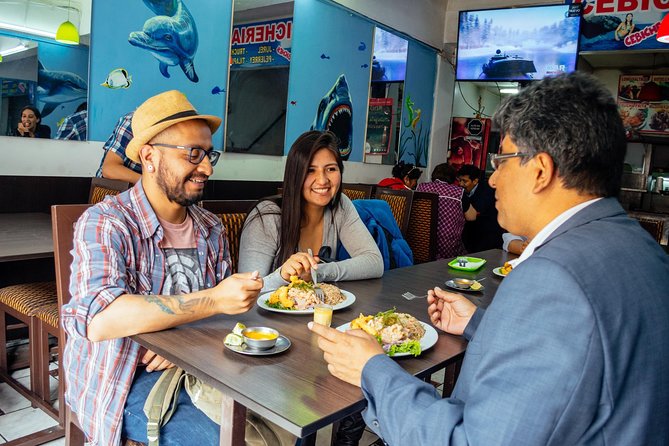
I would recommend the tour to couples, friends, and small families who want personal attention and a flexible pace. It is also a good fit for people who like asking questions and learning how local ingredients fit into Peruvian culture.
It suits you particularly well at the beginning of a Cusco stay. The route offers an easy introduction to central streets, food customs, and landmarks, while the guide can suggest places to eat later.
You should think twice if you have a very tight schedule, need a guaranteed three-hour program, or expect ten generous portions. People with strong dietary restrictions should contact the provider in advance, even though vegetarian alternatives are available.
A moderate level of physical fitness is advised. The experience involves walking between stops, and the city’s elevation can make a casual stroll feel more demanding than expected.
Booking advice and final verdict
Free cancellation is available up to 24 hours before the start time. After that point, the amount paid is not refunded, and changes are not accepted. Confirmation arrives at booking, and the meeting point is near public transportation.
I would book this for your first or second full day, confirm the guide’s name and meeting time, and ask for the planned tasting list. If you receive Angelo, Fabrizio, or Harry, you can expect a guide who has been praised for warmth, humor, clear English, and helpful local advice. The private setting also gives you a better chance of getting food adjusted to your needs.
Book it if you value conversation, context, and small local samples more than a large meal. Skip it if the promised number of tastings and full three-hour duration are nonnegotiable. With a rating of 4.5 from 71 ratings, the experience is often a very pleasant introduction to Cusco, but the uneven food quantity means you should set realistic expectations.
FAQ
How long does the private Cusco food tour last?
The scheduled duration is approximately three hours. Actual timing may vary, and some departures have lasted closer to two hours.
How much does the tour cost?
The listed price is $90.11 per person.
Where does the tour start?
It starts at C. Sta. Clara 317, Cusco 08002, Peru.
Where does the tour end?
The activity ends back at the meeting point.
Is hotel pickup included?
No. Hotel pickup and drop-off are not included in the tour price.
Is this a private activity?
Yes. Only your group and your local guide participate.
How many food and drink tastings are included?
The tour includes 10 food and drink tastings, although the exact number and selection can vary by departure.
Are vegetarian alternatives available?
Yes. Vegetarian alternatives are offered.
Does the tour include alcoholic drinks?
A pisco sour is part of the planned tasting near Qorikancha. The guide can adjust the experience for people who do not drink alcohol.
How far in advance can I cancel?
You can cancel at least 24 hours before the start time for a full refund. Cancellations or changes made less than 24 hours before the start are not accepted.
Just added in Cusco
- Cusco Private Transportation for 2026★ 5.0 · 4 reviews
- Private Transfer from Airport to Hotel in the City of Cusco★ 4.0 · 5 reviews
- Best Cusco walking tour: dinner street food tasting★ 4.5 · 11 reviews
- Private Tour to Pisac Market and Pisac Ruins★ 5.0 · 4 reviews
- Machu Picchu Day Trip With Panoramic Train from Cusco★ 5.0 · 10 reviews
- Sacred Valley Private Tour from Cusco, Guide and Driver only★ 5.0 · 4 reviews
- Sacred Valley of the Incas Tour★ 5.0 · 12 reviews
- Private Tour of the Mountain of Colours by Quad★ 5.0 · 7 reviews
Peru Food Tours and Cooking Classes, compared.
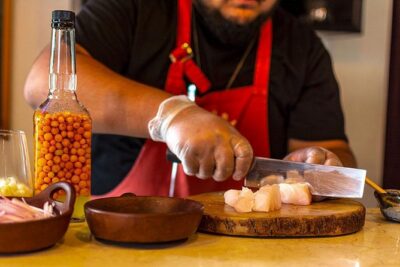
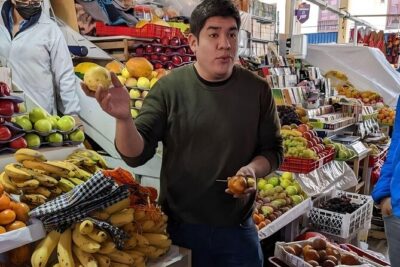
Peruvian Cooking Class Cocktails and Market Tour in Cusco
Read our review →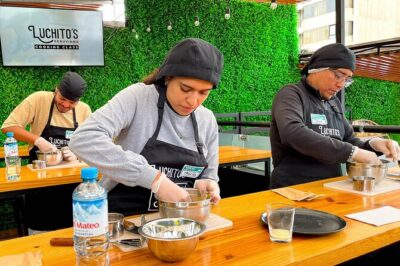
Peruvian Cooking Class, Local Market Tour & Exotic Fruit Tasting
Read our review →
3 Day Tour From Lima: Paracas, Huacachina Oasis & Pisco Vineyard
Read our review →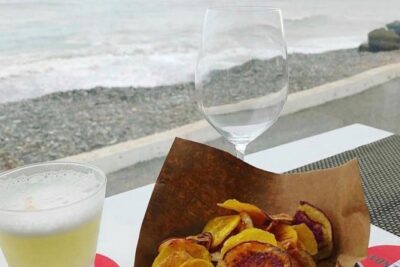
Peruvian Cooking Class, Cocktails & Local Market Tour
Read our review →Browse the lists this tour appears in