
Reviewed · WORKSHOPS
The Textile Workshop Experience in Cusco Region
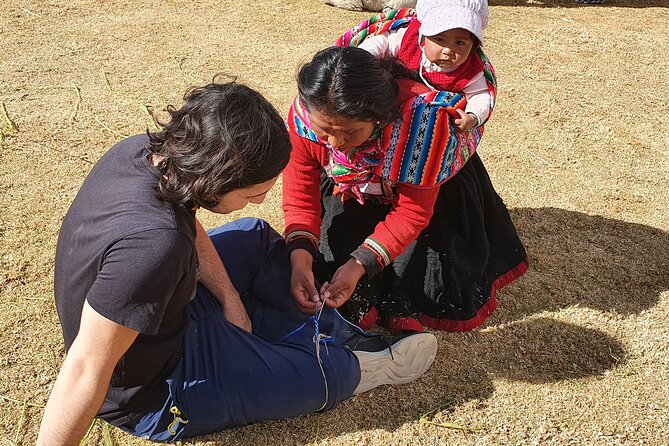
Make wool tell its story. At Andean Colors, you do far more than watch a weaving demonstration. You wash wool, spin it, dye it with natural materials, and weave a bracelet or bookmark of your own. I especially like the hands-on process and the chance to spend time with llamas and alpacas against the Andes Mountains. The main drawback is transport: private transportation is not included, and the workshop sits outside central Cusco.
This four-hour outing also works well as a gentle first full day in the Cusco area. Miguel, Paulita, Marco, and the Andean Colors team are attentive hosts, and the pace leaves room for questions, lunch, photographs, and browsing the on-site boutique. I like that your purchase supports local artisan mothers, though lunch is best viewed as a warm homemade meal rather than a grand culinary event.
In This Review
- Key points about the Andean Colors workshop
- A four-hour visit that feels like a family welcome
- Meeting the alpacas before touching the wool
- From raw fiber to yarn, one patient step at a time
- Natural dyes made from plants, moss, and cactus insects
- Weaving your own bracelet or bookmark
- Lunch with the people behind the workshop
- Shopping that makes sense after the lesson
- What the $79 price includes
- Who should book this experience
- Booking, timing, and cancellation details
- Should you book Andean Colors?
- FAQ
- Where does the textile workshop take place?
- How long does the experience last?
- Is transportation from Cusco included?
- What do I make during the workshop?
- Is lunch included?
- Can I cancel for a full refund?
Key points about the Andean Colors workshop
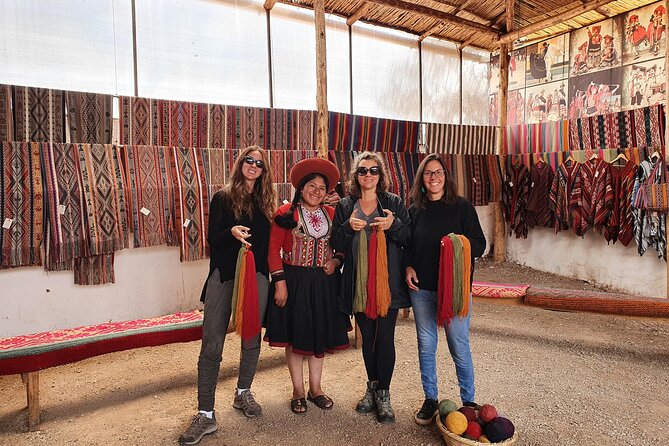
- You take part in every major textile step: clean wool, spin fiber, prepare natural dyes, color yarn, and weave a small item to keep.
- Natural dyes come from the surrounding area: plants, moss, and cactus insects help produce green, yellow, purple, and pink shades.
- Llamas and alpacas are part of the visit: you can feed them with fresh grass, walk with them, and gather some dye material.
- The setting is a major part of the appeal: the workshop looks out across open Andean countryside and mountain views.
- Lunch is included: expect a traditional regional meal, with dietary needs discussed in advance.
- This is a private experience: only your own group participates, making it easier to ask questions and work at a comfortable pace.
A four-hour visit that feels like a family welcome
The workshop takes place at Andean Colors in Racchi ayllu, in the Cusco Region. It is near public transportation, but the activity does not include private transfers. That detail matters because many visitors stay in Cusco itself, while the workshop is outside the city.
You can arrange transportation through the Andean Colors team. Past arrangements have included a round-trip ride from a Cusco hotel for about $80, though that price is not part of the $79 workshop fee and should be confirmed before booking. One visitor described the drive from Cusco as about an hour. If you add stops at Maras and Moray, the day becomes much longer, with roughly an hour and a half or more of driving involved.
Once you arrive, the mood is informal and personal. This is a private tour, not a large group demonstration where you stand at the back and try to hear a script. Miguel often leads the explanations, while Paulita and other team members help with the practical work. Their calm, patient approach is especially useful when your first attempt at spinning or weaving does not look anything like the example.
The location gives the workshop its sense of place. You are not learning about Andean textiles in a city showroom. You are looking across pasture and mountains, listening to animals nearby, and handling the materials in the same general setting where many of these traditions remain part of daily life.
More things to do in Cusco:
- Classic Inca Trail Trek 4D/3N to Machu Picchu (Group Service)
★ 5.0 · 8,653 reviews - Cusco: Rainbow Mountain and Red Valley Day Trip with Meals
★ 4.9 · 4,893 reviews - Machu Picchu: 4-Day Inca Trail Trek with Panoramic Train Ride
★ 5.0 · 4,568 reviews
Meeting the alpacas before touching the wool
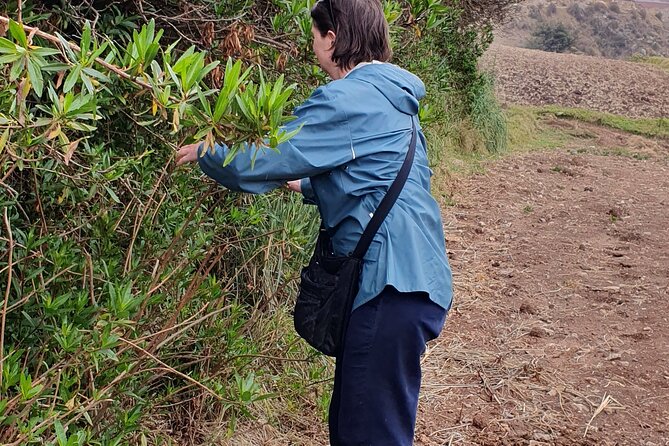
The animal encounter is not just a quick photograph beside a fenced enclosure. Fresh grass is provided so you can feed the llamas and alpacas, and you may take a short walk with them. Some groups also walk to gather plants used in the dyeing process.
This portion is particularly appealing if you enjoy animals but do not want a demanding outdoor excursion. One account describes walking with the alpacas to collect leaves for dye. Another recalls meeting baby goats as well as the llamas and alpacas. The animals add warmth and humor to the visit, and even people who are not especially interested in crafts can find this part memorable.
The setting also gives you time to take photographs. The mountains provide a strong backdrop, but keep the focus on the animals and the people caring for them rather than expecting a staged photo attraction. The encounter is charming because it is tied to the textile lesson: you see the animals that provide the fiber, then learn what happens to that fiber after shearing.
The visit may include a short walk to an overlook or around the property. It is not presented as a major hike, and this makes the experience a good alternative to another strenuous mountain activity. Still, you should be comfortable walking outdoors for a short period and standing during parts of the workshop.
From raw fiber to yarn, one patient step at a time
The strongest part of this activity is the full sequence. At many textile demonstrations, the process jumps from a pile of wool to a finished scarf. Here, you participate in the stages in between.
You begin by cleaning the wool. This helps you understand that alpaca fiber is not ready to use the moment it is collected. It must be prepared before it can become a smooth thread. You then learn to spin the fiber by hand, using a simple top-like tool with a stick rather than an electric machine or a large spinning wheel.
Hand spinning takes patience. The tool needs a steady rhythm, and the yarn can become uneven while you learn. That is part of the value. You are not merely hearing that traditional textile work requires skill. You feel how much coordination and time go into making a usable thread.
The instructors explain the work step by step and give you time to try it yourself. If you arrive with little experience in crafts, do not worry about producing perfect yarn. The point is to understand the method and gain respect for the labor behind the finished textiles sold throughout Cusco.
This is also where the workshop becomes useful for families. Children around ages eight to eleven have taken part in the process with help from the team. Younger children may need extra assistance, but the activity is not limited to experienced crafters. One practical advantage of a private booking is that the instruction can slow down when your group needs it.
Natural dyes made from plants, moss, and cactus insects
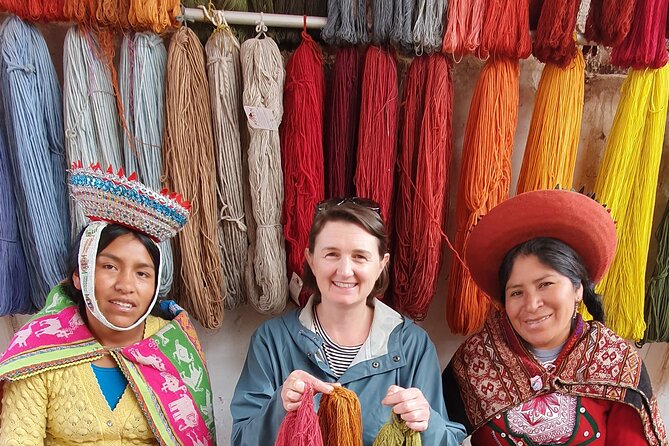
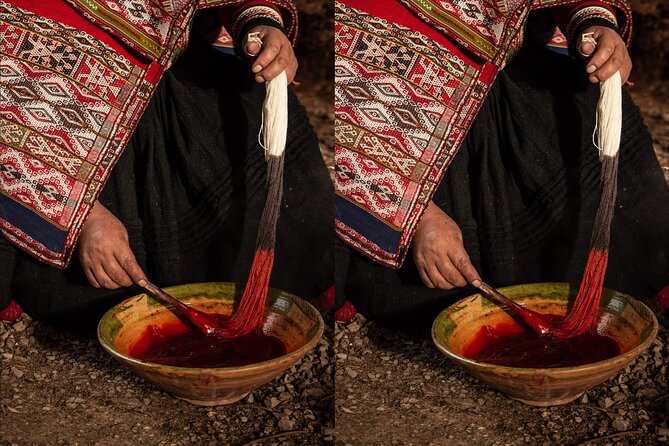
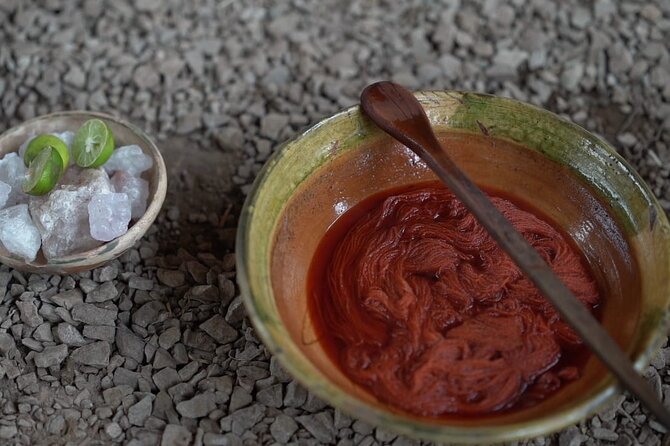
The dyeing lesson is the most surprising part for many people. You learn that local color can come from ordinary natural materials, including leaves, dried moss, and insects that live on cactus.
The exact shades depend on the material used. Green can come from gathered leaves. Dried moss can create yellow. Small dried insects from cactus can produce purple, and cactus-based dyes can also create pink tones. These details turn a familiar souvenir into something more meaningful. A bright woven hat is no longer just a colorful object. You begin to see the plant knowledge, preparation, and repeated handling behind it.
You take part in preparing and applying the dyes rather than watching someone else do all the work. The process can take time, which is why the four-hour schedule feels full without being rushed. You may leave with the yarn you colored yourself, along with the bracelet or bookmark you make during the weaving portion.
The use of natural materials also gives the workshop an environmental and cultural angle. The team explains the resources involved and the effect of the process on the environment. Do not expect a formal academic lecture. The lesson is practical, visual, and tied to whatever you are holding in your hands.
A completely different kind of day:
- Salkantay Classic Trek 5 Days from Cusco
★ 5.0 · 4,062 reviews - 4-Day Salkantay Trek with Sky Camp Stay
★ 5.0 · 3,346 reviews - Short Inca Trail to Machu Picchu 2D/1N
★ 5.0 · 3,007 reviews - Excursion to Rainbow Mountain Full Day Optional Red Valley
★ 5.0 · 2,996 reviews
Weaving your own bracelet or bookmark
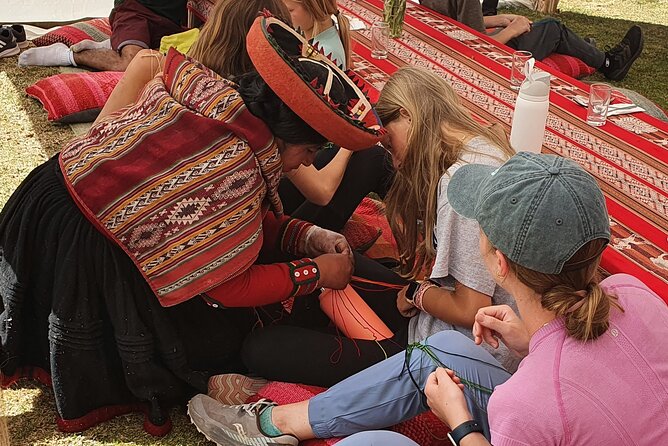
After the wool has been prepared and the yarn has been colored, you learn to weave. The finished project is modest in size, but that is sensible for a four-hour activity. A bracelet or bookmark gives you a realistic chance to complete something and take it home.
The instructors guide your hands through the pattern and help when the threads become confusing. You may find weaving harder than it looks. That is useful information, especially after seeing highly detailed textiles in Cusco markets and shops. Even a small bracelet shows how much concentration is required to keep tension, color, and pattern under control.
You can wear traditional ponchos during the activity, adding to the sense that you are taking part rather than simply observing. The best souvenir here is not only the finished item. It is also the yarn you dyed and the memory of making something imperfect but personal.
If you already sew, knit, weave, or work with recycled clothing, you may find extra meaning in the process. But you do not need a craft background. The instruction is designed for beginners, and the team is used to offering patient help.
Lunch with the people behind the workshop
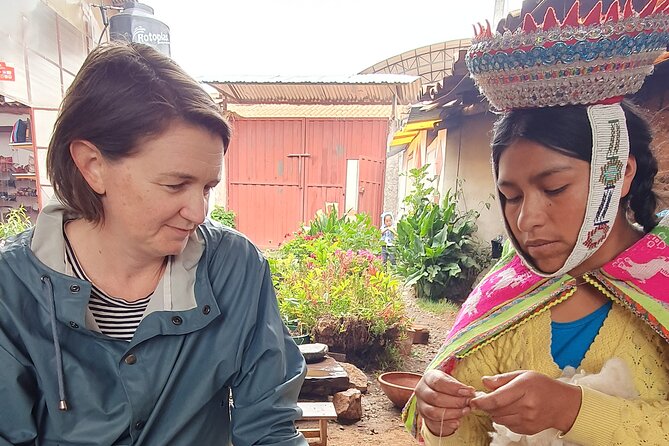
Lunch follows the practical work and gives the visit a welcome pause. The meal is a traditional Andean-style lunch prepared on site, often described as homemade and filling. Dishes have included soup followed by chicken, potatoes, carrots, and rice.
The meal is included in the $79 price, but soda, bottled water, and breakfast are not. Bring or arrange your own water, especially if you are still adjusting to Cusco’s altitude. If you have dietary restrictions, tell Miguel ahead of time. He has contacted visitors before arrival to ask about requirements such as gluten-free eating, no shellfish, and no red meat, then prepared a suitable meal.
Lunch quality may depend on your expectations. Some people consider it the best meal of their Peru visit, while another found it pleasant and basic rather than exceptional. I would describe it as a thoughtful home-style meal that adds to the welcome, not as a reason to book the activity by itself.
Sharing the table with the hosts is part of the appeal. You can ask about the region, the textile work, and the purpose of Andean Colors. The meal helps the day feel less like a commercial stop and more like time spent with a local family and working team.
Shopping that makes sense after the lesson
The on-site boutique carries handmade Peruvian textiles and fine leather goods. You may find ponchos, capes, hats, gloves, and other woven items, along with smaller pieces that are easier to pack.
Shopping after the workshop is useful because you now understand what goes into the goods. You can look more closely at the yarn, dye colors, pattern, and finish. The purchase also supports the project’s work with single artisan mothers from Cusco communities, giving the transaction a social purpose beyond taking home another souvenir.
Prices and quality in Cusco’s main plaza vary, but one useful comparison emerged from this experience: some visitors found Andean Colors products better made and less expensive than similar items purchased in the central plaza. I would not assume every item will be the cheapest option, but the chance to see the production process makes this a more informed place to shop.
The boutique is large enough to browse without feeling hurried. You can also pay by credit card, a practical detail if you have already spent much of your cash in Cusco.
What the $79 price includes
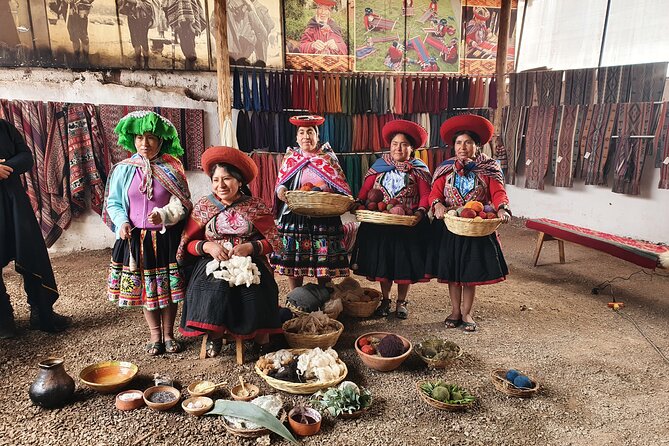
At $79 per person, this is not the cheapest short outing near Cusco. The price becomes easier to justify when you count what is included:
- A private textile workshop
- Wool, dyes, and fabric tools
- A finished bracelet or bookmark
- Yarn you dye during the process
- Lunch
- Fresh grass for feeding the llamas and alpacas
You are paying for instruction, materials, food, animal interaction, and a small group setting. A simple craft class alone might cost less, but it would not necessarily include the Andean setting, the animals, or the meal.
The key value is participation. If you only want photographs with alpacas, this is more activity than you need. If you want to understand how Andean textiles are made and try the work yourself, the fee is reasonable.
Transportation is the main extra cost. Since private transportation is not included, ask Andean Colors about the best way to reach Racchi ayllu before your date. Public transportation is nearby, and the team can help with arrangements, but any car service should be priced separately.
Who should book this experience
I would recommend the workshop to:
- Families with children who enjoy animals and hands-on activities
- Couples looking for a quieter cultural outing
- Solo visitors who want a welcoming private experience
- Anyone interested in weaving, natural dyes, clothing, or handmade goods
- Visitors who prefer learning and conversation to a packed sightseeing schedule
- People who want a gentle activity before attempting harder hikes
It is also a smart choice if you are not fluent in Spanish. Miguel speaks English and Spanish, and the practical demonstrations make the process easy to follow even when technical terms become unfamiliar.
You may want to skip it if your priority is a fast tour of several major sights. Adding Maras and Moray can be arranged, but the drive makes the day long. You should also avoid packing the schedule too tightly. The work is most enjoyable when you have time to handle the wool, ask questions, and let the day unfold.
Most people can participate, and the activity is near public transportation. Because there is some walking and outdoor activity, tell the provider about any mobility concerns before booking.
Booking, timing, and cancellation details
The activity lasts about four hours and ends back at the Andean Colors meeting point. It is commonly booked about a month ahead, with an average booking time of 32 days, although last-minute reservations have also been accepted.
You receive confirmation at booking. Free cancellation is available if you cancel at least 24 hours before the start time. Changes or cancellations made within 24 hours are not accepted for a refund.
I would schedule it on your first full day in the Cusco area if you want a calm introduction before hiking. That plan gives you a chance to adjust to the altitude while spending time outdoors without committing to a demanding trek.
Should you book Andean Colors?
Yes, if you want to do more than look at Peruvian textiles in a market. The best reason to book is the complete process: cleaning wool, spinning it by hand, using plants and cactus insects for color, and weaving something you can keep.
The llamas, alpacas, mountain views, homemade lunch, and boutique make the visit feel full, but the patient teaching is the real center of the experience. Arrange transportation early, carry water, share dietary needs in advance, and leave room in your schedule for the workshop to take its natural pace.
If you want a fast, polished sightseeing stop, choose another outing. If you want a personal encounter with Andean craft and the people working to support local artisan mothers, this is a strong choice for your Cusco plans.
FAQ
Where does the textile workshop take place?
It takes place at Andean Colors in Racchi ayllu, 08670, Peru, in the Cusco Region.
How long does the experience last?
The activity lasts approximately four hours and ends back at the meeting point.
Is transportation from Cusco included?
No. Private transportation is not included, but the location is near public transportation. Andean Colors can help arrange transportation separately.
What do I make during the workshop?
You create your own bracelet or bookmark using wool, dyes, and fabric tools supplied during the activity.
Is lunch included?
Yes. A traditional Andean lunch is included. Soda, bottled water, and breakfast are not included.
Can I cancel for a full refund?
Yes, if you cancel at least 24 hours before the experience start time. Cancellations or changes made less than 24 hours before the start time are not refunded or accepted.
Just added in Cusco
- Cusco Private Transportation for 2026★ 5.0 · 4 reviews
- Private Transfer from Airport to Hotel in the City of Cusco★ 4.0 · 5 reviews
- Best Cusco walking tour: dinner street food tasting★ 4.5 · 11 reviews
- Private Tour to Pisac Market and Pisac Ruins★ 5.0 · 4 reviews
- Machu Picchu Day Trip With Panoramic Train from Cusco★ 5.0 · 10 reviews
- Sacred Valley Private Tour from Cusco, Guide and Driver only★ 5.0 · 4 reviews
- Sacred Valley of the Incas Tour★ 5.0 · 12 reviews
- Private Tour of the Mountain of Colours by Quad★ 5.0 · 7 reviews
Workshops, compared.
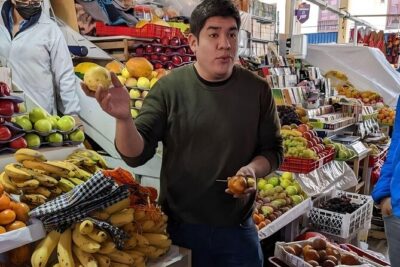
Peruvian Cooking Class Cocktails and Market Tour in Cusco
Read our review →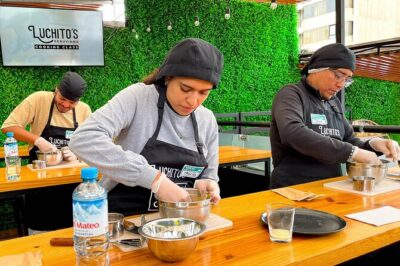

Peruvian Cooking Class, Local Market Tour & Exotic Fruit Tasting
Read our review →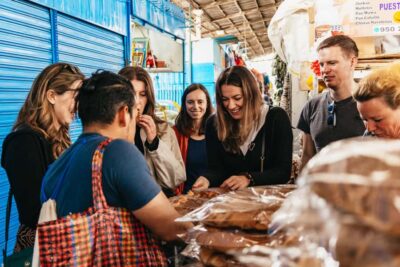
Peruvian Cooking Class, Cocktails & Local Market Tour
Read our review →
Hands-on Peruvian Cooking Class & San Pedro Market Visit in Cusco
Read our review →
Bean to Bar Chocolate Workshop in ChocoMuseo Cusco
Read our review →
Local Market and Peruvian Cooking Class with Pisco Sour in Cusco
Read our review →
Traditional Peruvian Cooking Class and Market Tour in Cusco
Read our review →Browse the lists this tour appears in