Reviewed · INCA TRAIL AND SALKANTAY TREKS
3 Day Trek Including Transfer to Puno / Colca Canyon
Colca Canyon rewards people who are willing to walk. This three-day trip combines condor watching, village trails, and an overnight stay in the canyon with a practical transfer toward Puno. I like the small maximum group of 12, and I like that meals and two canyon nights are included. The main catch is the effort required: you descend for about three and a half hours on the first day, then climb for roughly three hours before sunrise on the last day.
The price is $214 per person, which is fair for the transport, guide service, meals, lodging arrangements, and onward connection. You should still budget for the PEN70 Colca Canyon entrance, PEN15 hot springs entry, and PEN30 buffet lunch in Chivay. Guide Roy and guide Omar have both been singled out for being helpful, and one guide even lent a walker hiking poles. That sort of practical help matters here.
In This Review
- Key points before you book
- Why this trek is more than a viewpoint stop
- The 3:00 am start from Arequipa
- Condor’s Cross and the first canyon views
- Day one: the long descent to San Juan de Chuccho
- Day two: honey, old settlements, and Sangalle Oasis
- Sangalle Oasis: the trip’s best recovery stop
- Day three: the 5:00 am climb to Cabanaconde
- Chacapi hot springs and the road back
- The Puno connection is a major advantage
- Is $214 a good value?
- Who should choose this Colca Canyon trek?
- Should you book it?
- FAQ
- How long is the Colca Canyon trek?
- Where does pickup take place?
- What if my accommodation is not on the pickup list?
- How large is the group?
- What fitness level is required?
- What meals are included?
- Is the Colca Canyon entrance fee included?
- How much does the Chacapi hot springs entrance cost?
- Are the hot springs included in the route?
- Is the transfer to Puno included?
- Is the experience refundable?
Key points before you book
- The first morning begins around 3:00 to 3:30 am, with pickup from your accommodation in Arequipa.
- The main hike drops from 3,300 meters to about 2,100 meters, then reaches the lower Sangalle area at about 1,900 meters.
- Sangalle Oasis is the reward on day two, with pools, vegetation, and a chance to rest near the river.
- The final climb starts at 5:00 am and takes about three hours to reach Cabanaconde.
- The transfer to Puno saves time and planning, though you should confirm the exact handoff and departure details after booking.
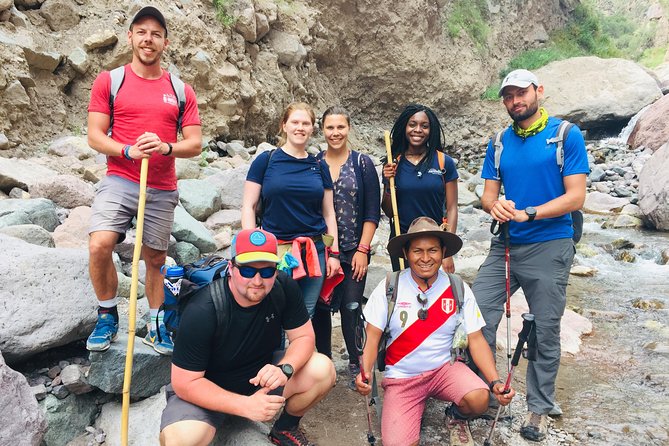
- The group is capped at 12 people, making it easier to get attention than on a large coach tour.
Why this trek is more than a viewpoint stop
Many Colca Canyon excursions are built around a bus ride, a condor lookout, and a few roadside stops. This one asks you to enter the canyon on foot. That changes the experience completely.
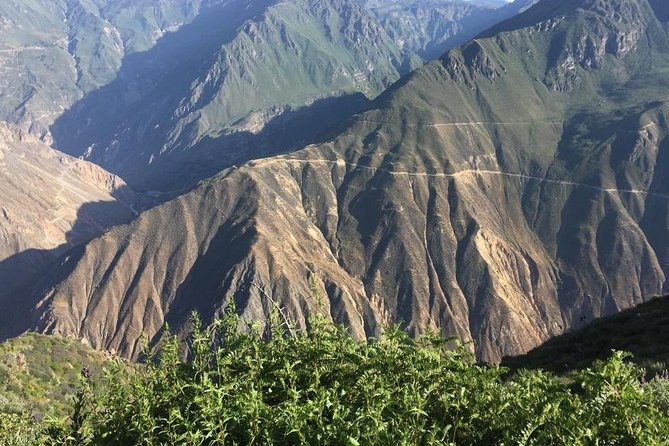
You see the canyon from above at Condor’s Cross, then walk down into it, sleep in San Juan de Chuccho, continue through small settlements, and spend a second night at Sangalle Oasis. The route gives you a sense of how large the canyon is because you feel the change in altitude with every step.
I especially like the two-night arrangement. A one-day canyon visit can show you the scale of Colca, but it does not give you much time to settle into the quiet. Here, the noise and traffic of Arequipa are replaced by village paths, vegetation, and long mountain views.
The trade-off is simple: this is not a casual sightseeing outing. The route requires a moderate level of physical fitness, and the altitude adds another layer of work. You do not need to be an elite hiker, but you should be comfortable walking for several hours on uneven downhill and uphill trails.
More hikes and treks in Arequipa:
- 2 day 1 night trek / Colca Canyon
★ 5.0 · 1,069 reviews - From Arequipa: Sillar Route Trek
★ 4.2 · 461 reviews - Colca Canyon Trek 3 Day 2 Night
★ 5.0 · 328 reviews
The 3:00 am start from Arequipa
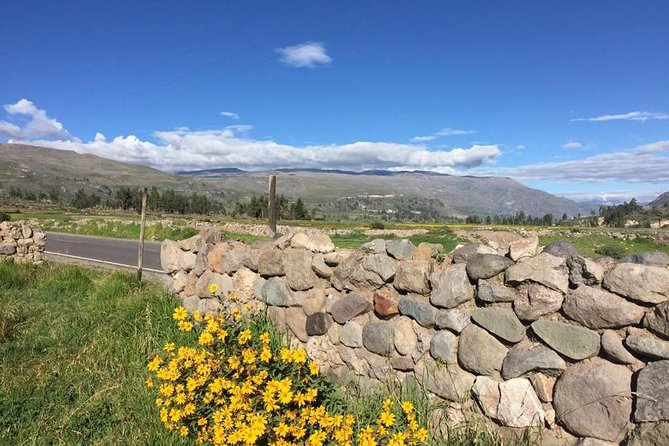
Pickup begins between 3:00 and 3:30 am. You need to be ready in your accommodation reception from 3:00 am, even if the vehicle arrives later in that window. If your lodging is not on the pickup list, select one of the listed options when booking and send the operator your actual accommodation name afterward.
That early departure is tiring, but it serves a purpose. The drive to Chivay takes about three and a half hours, and the morning schedule allows you to reach Condor’s Cross when condors are commonly watched in flight. You stop in Chivay for breakfast before continuing.
Three breakfasts, three lunches, and two dinners are listed as included. The final buffet lunch in Chivay is separately priced at PEN30, so I would clarify this detail before departure. It appears the canyon meals are covered while the last Chivay buffet is not.
The transport portion is important to understand. This is a small-group trek, but the road sections are shared transport. The group size is limited to 12, which should make introductions, questions, and guide support easier than on a large bus outing.
Condor’s Cross and the first canyon views
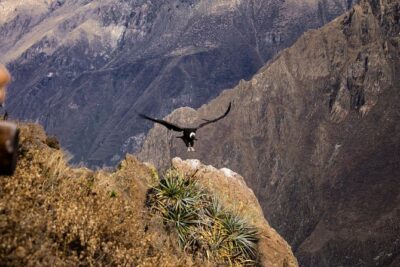
Condor’s Cross is the first major stop. You have about 40 minutes to look across Colca Canyon and watch for Andean condors. Admission to this stop itself is listed as free, although the wider Colca Canyon entrance fee of PEN70 is not included.
The viewpoint is valuable because it gives you the canyon’s full scale before you walk into it. From here, the route continues by bus for about 20 minutes. Then the serious part begins.
The condor stop can be busy and the visit is brief, so keep your expectations sensible. You may see the birds gliding over the canyon, but no wildlife sighting is guaranteed. The great strength of this tour is not just the lookout. It is what follows.
Day one: the long descent to San Juan de Chuccho
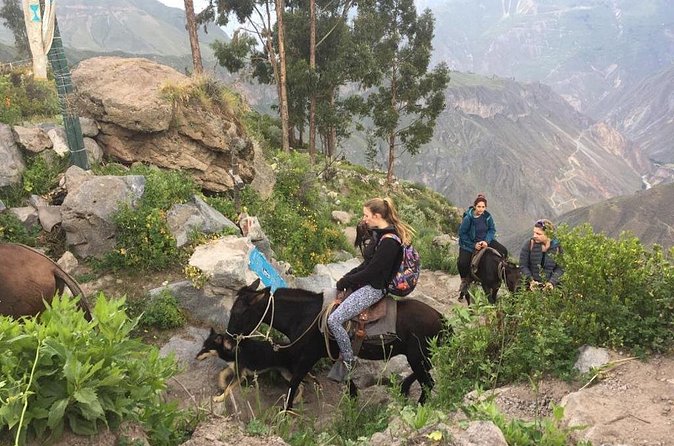
The first trek drops from approximately 3,300 meters above sea level to about 2,100 meters. The descent takes around three and a half hours, followed by lunch, dinner, and an overnight stay in San Juan de Chuccho.
Walking downhill sounds easier than climbing, but it can be hard on your knees and thighs. You should bring sturdy walking shoes, water, sun protection, and whatever support you normally use for long descents. Hiking poles are useful, and the helpfulness of the guides matters here. One guide, Omar, lent a participant a pair of walking poles, which is a small detail but a good sign of attentive support.
San Juan de Chuccho has a tropical climate with plenty of vegetation. That change from the high, dry canyon rim is part of the appeal. You are not simply moving from one viewpoint to another. The route passes from a high-altitude setting into a warmer, greener part of the canyon.
The overnight stop also gives you a needed pause. After the early start, long drive, and descent, you have dinner and sleep in the canyon rather than returning to a city hotel. Accommodation details are not specified, so I would ask what bedding and facilities are provided if comfort is a major concern.
More Colca Canyon trips:
- From Arequipa: Colca Canyon Full-Day Guided Tour with Meals
★ 4.5 · 982 reviews - Tour to the Salinas Lagoon and National Reserve in Arequipa
★ 4.5 · 548 reviews - Colca Full Day Tour
★ 4.5 · 429 reviews - Rafting Arequipa – Chili River Canoeing – Cusipata Rafting Arequipa
★ 5.0 · 332 reviews
Day two: honey, old settlements, and Sangalle Oasis
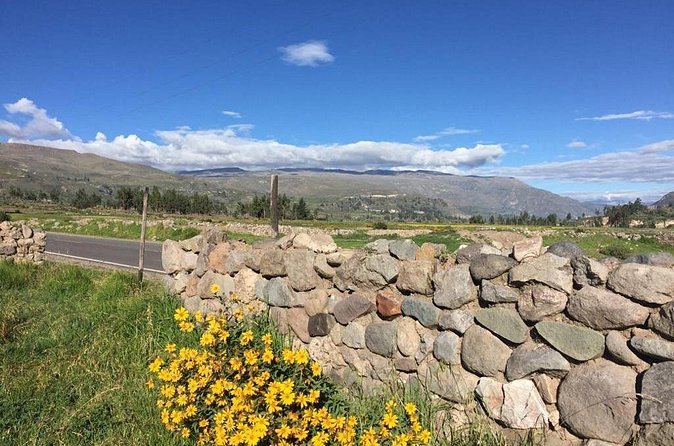
After breakfast at 8:00 am, the route continues toward Cosñirhua. Here, you can see local honey production and taste the honey. That stop adds a human element to the trek and breaks up the walking with a look at one local product.
The area also contains archaeological ruins connected with pre-Inca cultures. The information provided does not promise a formal archaeological visit or a long guided explanation, so think of these remains as an added sight along the route rather than a dedicated museum-style stop.
From Cosñirhua, you continue to Malata, known for its old Spanish church design. These small communities help you understand that the canyon is not empty wilderness. People live, work, and maintain traditions here, even though the route feels far removed from Arequipa.
The day ends with a descent to Sangalle at about 1,900 meters. This is the lowest point of the trek and the setting for the second night.
Sangalle Oasis: the trip’s best recovery stop
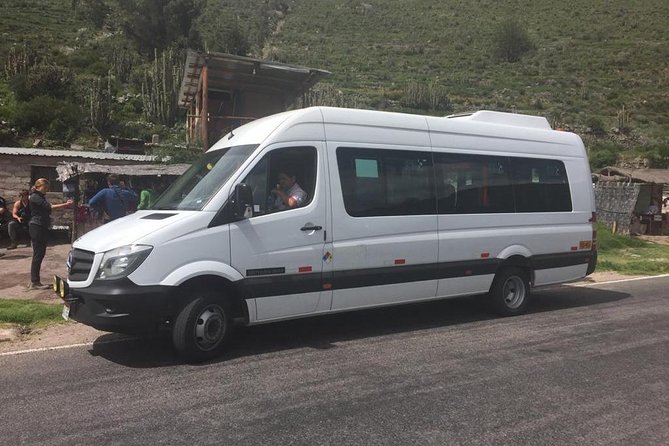
Sangalle Oasis is a tiny settlement at the bottom of the canyon, close to the river and surrounded by vegetation. Local residents have created lodges and pools for people taking the trek, giving you a place to cool off and rest after the walk.
I can see why this stop earns so much praise. The chance to swim and relax after the first day’s descent gives the trek a pleasant rhythm. You work hard, then get time to slow down rather than rushing straight into another transfer.
The pools are not just a sightseeing feature. They make Sangalle a practical recovery point. If you are not in excellent physical shape, this two-night format may suit you better than a faster itinerary. One account described walking around four hours a day and found the slower schedule manageable with a guide and a small group.
Still, day two is not a free afternoon. You descend farther into the canyon, and the next morning begins early. Enjoy the pool, but save enough energy for the climb out.
Day three: the 5:00 am climb to Cabanaconde
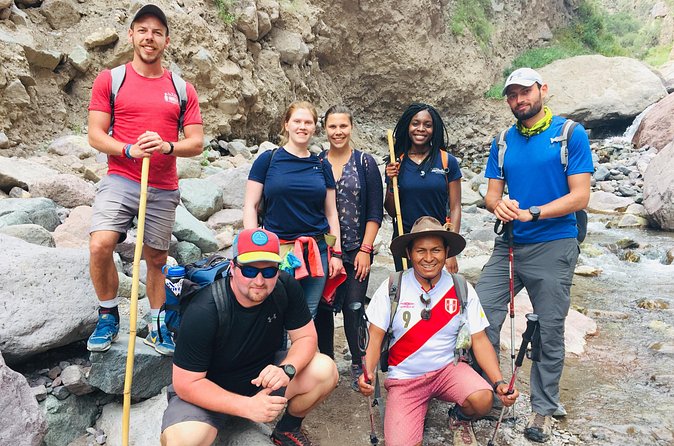
The final morning begins at 5:00 am. You climb uphill to Cabanaconde, a route that takes approximately three hours. This is the hardest physical section for many people because it comes after two days of walking and starts before sunrise.
The benefit of an early departure is cooler conditions and an earlier arrival in Cabanaconde. Once there, you have breakfast before taking transport toward Chivay.
You should take this morning seriously when deciding if the tour fits you. The operator describes the required fitness level as moderate, but the combination of altitude, darkness at the start, and sustained uphill walking is not trivial. If you have knee, heart, breathing, or mobility concerns, you should get medical advice before booking.
The schedule then moves from exertion to comfort. Around noon, you reach Chivay and head toward the Chacapi hot springs.
Chacapi hot springs and the road back
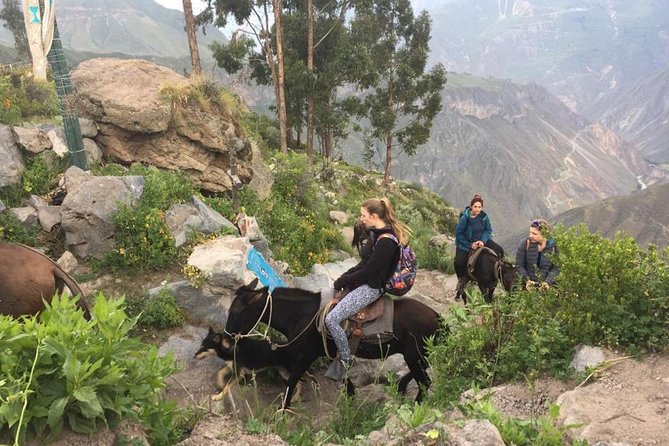
The Chacapi hot springs are close to Chivay and offer several pools with temperatures listed from 30°C to 60°C. Entry costs PEN15 and is optional.
This is a sensible place to relax after the climb. You can choose the springs if your muscles need a break, or skip them if you prefer more time for lunch and the onward journey. Because the pools vary in temperature, you can select what feels comfortable, but the hottest pool may not suit everyone.
A typical regional lunch in Chivay follows, with the buffet listed at PEN30 per person and not included. I would carry some cash in Peruvian soles for these extra costs. The entrance fee, hot springs, and lunch add PEN115 per person if you choose all three, so the real cost is closer to $214 plus those local charges.
The return route passes through Salinas y Aguada Blanca National Reserve. At Pampa Cañahuas, there is a short 15-minute stop to see volcanoes and South American camelids. You may spot llamas, alpacas, vicuñas, and guanacos, and the animals can also be seen from the vehicle for more than an hour along this section.
That stop is brief, so do not expect a long wildlife visit. It is best understood as a quick roadside break within a scenic drive. The route descends from about 4,830 meters to Arequipa at approximately 2,325 meters, a dramatic change in altitude over the course of the return journey.
The Puno connection is a major advantage
The transfer toward Puno is one of the strongest practical reasons to choose this trip. Instead of returning to Arequipa and arranging a separate connection, you can continue from Chivay toward Puno.
The transfer has been organized through Rutas del Sur in cooperation with Trek The Colca. That arrangement can save both time and hassle, especially if Puno is your next destination. You should confirm the exact departure point, bus company, and timing after booking because the trek and the onward transport may be handled by different companies.
There is a small scheduling point to clarify. The day three plan describes returning toward Arequipa while also including a transfer to Puno. The provided information confirms the Chivay to Puno transfer, but it does not spell out every handoff. Ask the operator how your luggage and transport are handled before the trek starts.
Is $214 a good value?
At $214 per person, the package offers solid value if you intend to continue to Puno. It includes the transfer from Chivay to Puno, three breakfasts, three lunches, two dinners, and the organized canyon route. It also gives you two nights in the canyon rather than paying for extra transport and lodging separately.
The price does not cover the PEN70 Colca Canyon entrance, PEN15 Chacapi hot springs entry, or PEN30 final buffet lunch. Those charges are not excessive, but they should be part of your planning.
The value is strongest for active visitors who want a structured route and an onward connection. It is less attractive if you only want a quick canyon viewpoint or prefer complete control over accommodation, meals, and departure times.
The non-refundable policy also matters. You cannot change or cancel for a refund, except that poor weather may lead to a different date or a full refund if the operator cancels. Do not book this as a loose backup plan.
Who should choose this Colca Canyon trek?
I would choose this tour if you want to walk into the canyon, not just look at it from the rim. It suits people who appreciate small groups, included meals, local villages, basic canyon lodging, and a practical route to Puno.
It may also work well if you are reasonably fit but do not want to race through the area. The three-day pace allows time for San Juan de Chuccho and Sangalle, and the pool at Sangalle gives you a genuine rest period.
I would think twice if you dislike pre-dawn departures, long descents, uphill hiking, basic overnight arrangements, or fixed group schedules. A moderate fitness label should not hide the reality of the 5:00 am climb from Sangalle to Cabanaconde.
The tour is offered in English, allows service animals, and accepts a maximum of 12 people. Pickup is provided from accommodation in Arequipa, but you must be ready from 3:00 am.
Should you book it?
Book this trek if your priorities are active exploration, two nights inside Colca Canyon, and a convenient connection to Puno. The condors and hot springs are appealing, but the real reward is the change in scenery and pace as you walk from the canyon rim to San Juan, Cosñirhua, Malata, and Sangalle.
Skip it if you want an easy sightseeing day or if a three-hour pre-dawn climb sounds unreasonable. For the right person, this is a well-organized way to see more of Colca without giving up a useful onward transfer. Just budget the extra fees, confirm the Puno handoff, and arrive ready to walk.
FAQ
How long is the Colca Canyon trek?
The experience lasts approximately three days. The schedule begins around 3:00 to 3:30 am on day one and returns to the Arequipa area at about 5:30 pm on day three, with a transfer to Puno also provided from Chivay.
Where does pickup take place?
Pickup is offered from accommodation in Arequipa. You must be ready at the reception of your accommodation from 3:00 am.
What if my accommodation is not on the pickup list?
You should select any listed accommodation when booking, then send the operator a message with the name of your actual accommodation.
How large is the group?
The activity has a maximum of 12 participants.
What fitness level is required?
The tour states that you should have a moderate level of physical fitness. The route includes about three and a half hours of downhill walking on day one and about three hours of uphill walking from Sangalle to Cabanaconde on day three.
What meals are included?
The package includes three breakfasts, three lunches, and two dinners. The final buffet lunch in Chivay costs PEN30 per person and is not included.
Is the Colca Canyon entrance fee included?
No. The Colca Canyon entrance costs PEN70 per person and is not included.
How much does the Chacapi hot springs entrance cost?
Entry to the Chacapi hot springs costs PEN15 per person. Visiting the springs is optional.
Are the hot springs included in the route?
Yes, the route includes a visit to the Chacapi hot springs near Chivay, but entering the pools is optional and requires the separate PEN15 fee.
Is the transfer to Puno included?
Yes. A transfer from Chivay to Puno is included. The onward bus service is organized through Rutas del Sur in cooperation with Trek The Colca.
Is the experience refundable?
No. The experience is non-refundable and cannot be changed for any reason. If poor weather causes the operator to cancel it, you will be offered another date or a full refund.
More Lake Titicaca Trips
- 2-Day Tour Colca Canyon in Arequipa with end in Puno
★ 4.6 · 248 reviews - From Arequipa: Colca Canyon Day Trip with Transfer to Puno
★ 4.6 · 90 reviews - Turist Bus Colca Canyon (Chivay) To Puno
★ 5.0 · 83 reviews - From Puno to Arequipa: 2 Days/1 Night Colca Canyon Tour
★ 3.6 · 83 reviews
Just added in Arequipa
- Sillar Route★ 5.0 · 4 reviews
- Salinas Lagoon + Mini Volcano DE Lojen★ 5.0 · 9 reviews
- 3-Day Colca Canyon trek with Professional Guide★ 5.0 · 40 reviews
- Full Day Tour To The Salt Lake Salinas in Arequipa★ 4.5 · 34 reviews
- Walking City tour including the Monastery of Santa Catalina★ 5.0 · 6 reviews
- Trekking, Waterfalls and Thermal Baths★ 4.5 · 47 reviews
- Downhill Tour – Mountain Bike in Arequipa★ 3.5 · 5 reviews
- 2 Days 1 Night trekking Through Colca Canyon, Private room★ 5.0 · 16 reviews
Inca Trail and Salkantay Treks, compared.
Classic Inca Trail Trek 4D/3N to Machu Picchu (Group Service)
Read our review →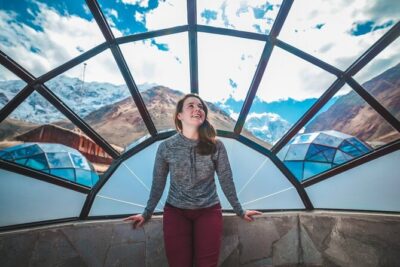
Salkantay Trek 5D/4N with Glass Cabins, Domes and Hobbit House
Read our review →2-Day Inca Trail to Machu Picchu with Panoramic Train
Read our review →