
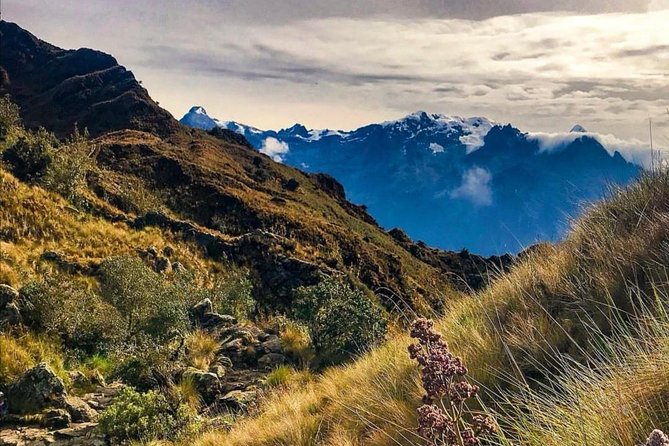
Reviewed · 4-DAY EXPERIENCES
Classic Inka Trail: 4-Day, 3-Nights
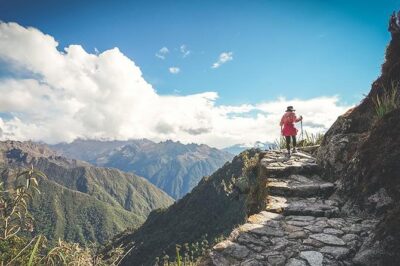
The Inca Trail earns its reputation step by step. This four-day route from Cusco combines mountain walking, high-altitude passes, stone ruins, camping, and a sunrise arrival at Machu Picchu. For me, the best parts are the early entry through the Gate of the Sun and the excellent support from the cooks and porters.
I also like that the price of $740 per person covers the Inca Trail permit, Machu Picchu entry, transport, meals, camping, and the train back toward Cusco. The main caution is communication: one unhappy customer had trouble getting clear answers before departure and was left short of the promised hotel transfer at the end.
In This Review
- Four details that shape the experience
- What the $740 price really covers
- Day one: Ollantaytambo to Wayllabamba
- Day two: Dead Woman’s Pass at 4,250 meters
- Day three: Runkurakay, Sayacmarca, and Wiñay Huayna
- Day four: Sunrise at Inti Punku and Machu Picchu
- Camping, food, and the support crew
- What to pack and what to rent
- Who should book this trek?
- Should you book the Classic Inca Trail?
- FAQ
- How long is the Classic Inca Trail experience?
- What time does pickup begin?
- Is the Inca Trail permit included?
- Are meals included?
- Is a sleeping bag included?
- Can I leave my main luggage in Cusco?
- Is the train back to Cusco included?
Four details that shape the experience
- You reach Machu Picchu on foot: The final approach through Inti Punku, the Gate of the Sun, gives you your first major view of the citadel.
- Dead Woman’s Pass reaches 4,250 meters: Day two is the physical test, with a long climb followed by a descent to Pacaymayo.
- The food gets strong praise: A chef prepares full meals in a tented kitchen, with vegetarian and special menus available at no added charge.
- The group is capped at 15 people: Groups over eight receive two guides, which can help on the harder sections.
- You camp three nights: Personal tents hold two people in a four-person tent, leaving space for backpacks and added comfort.
- The return train is included: The standard ticket is Expedition Service, with a Vistadome upgrade available for $55 one way.
What the $740 price really covers
At first glance, $740 is a serious amount for four days of hiking. But the Inca Trail is not a walk you can arrange casually. The route requires an official permit, and the permit includes entry to Machu Picchu. Those important pieces are already handled here.
The price also covers private morning transportation from Cusco, camping equipment, a cook, porters, an English-speaking official guide, meals, a duffle bag allowance, emergency oxygen, and the train from Aguas Calientes to Cusco. You also receive a transfer from the Ollantaytambo train station to your Cusco hotel.
That package gives you a useful level of support. You are not carrying every meal and piece of camping gear yourself. You can place up to 6 kilograms in the supplied bag, while your main luggage can remain at the company office or your hotel at no charge.
The value is strongest if you want one organized package rather than several separate bookings. The value is weaker if you expect polished, highly responsive customer service before departure. One customer reported sending several questions without receiving clear answers and found that some purchases had to be made shortly before the trek. I would ask for a full packing and transfer confirmation in writing before leaving home.
The tour is usually reserved about 95 days ahead. That makes sense because permits for the Classic Inca Trail are limited. I would not wait until the last minute if your dates are fixed.
More things to do in Cusco:
- Classic Inca Trail Trek 4D/3N to Machu Picchu (Group Service)
★ 5.0 · 8,653 reviews - Cusco: Rainbow Mountain and Red Valley Day Trip with Meals
★ 4.9 · 4,893 reviews - Machu Picchu: 4-Day Inca Trail Trek with Panoramic Train Ride
★ 5.0 · 4,568 reviews
Day one: Ollantaytambo to Wayllabamba
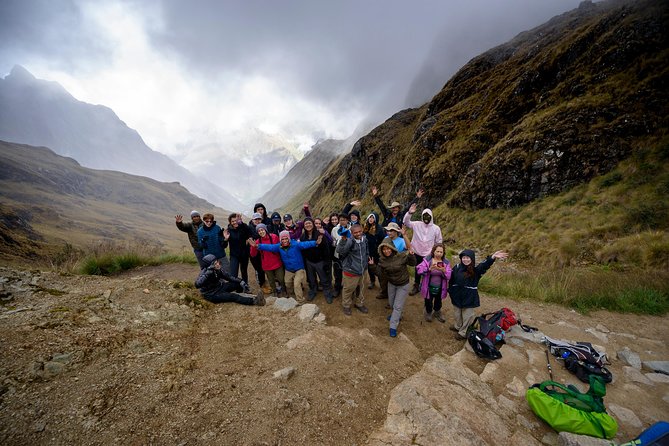
Pickup begins around 6:00 a.m. from your Cusco hotel. The private bus heads toward the trailhead at Km 82, with a roughly 20-minute stop in Ollantaytambo. This is a useful pause before the hike and gives you a quick look at one of the Andes’ best-known Inca towns.
At the starting point, you unpack, organize your day pack, and show your original passport. Keep that passport easy to reach. You may also need your original ISIC student card if you are claiming the $30 student discount.
The first walking day is about four hours. The route begins more gently than day two, allowing you to settle into your rhythm. After about three hours, you reach a lookout with a view toward Llactapata, an Inca building at the foot of the mountains. Lunch follows, then you continue to Wayllabamba at about 3,000 meters.
This first day is a good test of your gear and routine. You will learn how much water you need, how warm or cool you feel while walking, and how useful your rain gear is. The tour supplies boiled water in the morning and evening, plus more at lunch if requested ahead of time. Bring a refillable bottle, along with bottled water for the first morning.
Dinner is served at camp. The cooking support is one of the appealing parts of this trip. A temporary kitchen produces complete meals, and one customer described the food as a highlight. Still, be precise about dietary needs. One person identified as mostly vegetarian but found beef and ham in four meals. Tell the operator exactly what you can and cannot eat, then confirm it again with the guide.
Day two: Dead Woman’s Pass at 4,250 meters
Day two is the hardest section. You begin early with a hot cup of tea and breakfast, then climb toward Warmiwañusca, better known as Dead Woman’s Pass.
The pass reaches 4,250 meters, so altitude is the central issue. The climb takes about five hours before you reach the top. You get wide views across the Andes and see several changing microclimates, but the physical work comes first. Go slowly, take short breaks, and follow the guide’s pace instead of racing ahead.
Reaching the pass brings a real sense of achievement. It is also only the halfway point of the day. From the top, you descend to Pacaymayo at about 3,600 meters, where lunch and the night’s campsite await.
The descent can be tough on knees and thighs, especially after the long climb. Hiking poles are available to rent for $20, and they may be useful here. You can also bring your own poles if you prefer.
Warm clothing matters at camp. The packing instructions call for a jacket, fleece, and thermal clothing for cold nights. Bring a headlamp with spare batteries, sandals for camp, and a small towel and toiletries. A sleeping bag is not included, although one can be rented for $20. The deluxe package, with pillow and liners, costs $30.
This is not a casual sightseeing walk. You need a moderate level of physical fitness, and the altitude makes even familiar uphill walking feel harder. The reward is a dramatic mountain day, but you should prepare for effort rather than treat the pass as a simple photo stop.
Day three: Runkurakay, Sayacmarca, and Wiñay Huayna
Day three is described as the most beautiful and longest day, with changing microclimates and the route’s arrival into cloud forest. It also packs in several major archaeological sites.
The trail rises toward a second pass at 3,950 meters. Along the way, your guide leads a visit to Runkurakay, an Inca complex with a distinctive rounded form. The route then reaches Sayacmarca, another important site set along the trail.
After more walking, you arrive at Phuyupatamarca, or Cloud-level town, for lunch. The name gives you a good idea of the setting. This section mixes stonework, mountain views, and damp forest conditions, so a waterproof jacket and trousers are more than a nice extra.
After lunch comes a long descent toward Wiñay Huayna, whose name means Forever Young. This is one of the most memorable ruins on the route. The campsite is next to the complex, allowing you to leave your belongings and take a guided visit without packing up again.
The walking time is listed at about four hours, but the day’s terrain and repeated climbs make it feel full. Your guide’s explanations matter here. A good guide helps you understand why the sites were built where they were and points out details you could easily miss while focusing on your footing. Sebastian received particularly warm praise for his history explanations and considerate treatment of the group, although guide assignments can vary.
That evening includes a small farewell gathering for the porters and cooks. It is a fitting moment because the support crew has carried much of the practical burden of the trip. The porters and kitchen team received strong praise for being friendly and welcoming, and this final evening gives you a chance to thank them directly.
A completely different kind of day:
- Salkantay Classic Trek 5 Days from Cusco
★ 5.0 · 4,062 reviews - 4-Day Salkantay Trek with Sky Camp Stay
★ 5.0 · 3,346 reviews - Short Inca Trail to Machu Picchu 2D/1N
★ 5.0 · 3,007 reviews - Excursion to Rainbow Mountain Full Day Optional Red Valley
★ 5.0 · 2,996 reviews
Day four: Sunrise at Inti Punku and Machu Picchu
The final morning starts very early. After breakfast, you walk for about an hour and a half through cloud forest to Inti Punku, the Gate of the Sun.
The timing is designed to put you there for sunrise. Weather controls how dramatic that moment feels, but the approach itself is special because Machu Picchu appears from the trail rather than from a bus or train. You get a first view from above before entering the citadel.
Machu Picchu sits at about 2,400 meters, lower than the high passes of the previous days. After arrival, the guide leads a tour lasting about two hours. You visit the main sites and monuments, then receive free time to explore independently.
The early arrival is one of the strongest reasons to choose this route. You enter before many people arriving later in the morning, although exact crowd levels can change. The early start also means you will be tired by the time the guided tour begins. Keep your expectations realistic: the final morning is magical, but your legs have already worked hard for three days.
After the visit, you take a bus down to Aguas Calientes. Lunch is not included on this final day, so budget for it. The train back to Cusco uses Expedition Service, with the exact departure time and destination printed on your ticket. The journey may return you to Cusco or Ollantaytambo before the included transfer continues to your hotel.
One customer expected door-to-door service and was dropped about 20 minutes from the hotel. I would confirm the exact final drop-off point, especially if you are arriving late or carrying tired legs and extra bags.
Camping, food, and the support crew
The camping setup is more comfortable than a basic shared-tent arrangement. Two people use a four-person tent, leaving room for backpacks and making it easier to change clothes or organize gear.
The supplied duffle allows up to 6 kilograms per person. That is enough for clothing and personal items, but you still need a small rucksack for water, rain gear, sunscreen, snacks, and valuables during the day.
Hot water is provided each morning and evening for washing. Boiled water is available to refill your bottle at those times and at lunch if you request it early enough. The tour also supplies biodegradable personal hand soap and a reusable textile snack bag, which cuts down on plastic waste.
Three breakfasts, three lunches, and three dinners are included, along with breakfast on day four. A daily morning snack is also provided. You can bring your own biscuits, energy bars, fruit, chocolate, or muesli if you have a favorite hiking snack.
Vegetarian and special menus are available without an extra fee. I would still repeat your needs at pickup and at camp. The earlier food issue shows why a general request is not always enough.
The company carries a first-aid kit and emergency oxygen. That does not remove the need for travel insurance, but it is a sensible safeguard on a high-altitude trek.
What to pack and what to rent
You need your original passport for the trail. Bring a small rucksack, durable waterproof trekking shoes, rain gear, warm layers, sun protection, insect repellent, a headlamp, spare batteries, toiletries, and a water bottle.
The instructions recommend insect repellent with at least 20 percent DEET and note that no malaria cases have been reported during this trip. You may also want a swimsuit if you plan to visit the thermal baths in Aguas Calientes.
Available rentals include hiking poles for $20, a sleeping bag for $20, and a deluxe sleeping bag package for $30. A private tent costs $30. The Vistadome train upgrade is $55 one way, and entry to Huayna Picchu or Machu Picchu Mountain costs $70, subject to availability.
The mountain add-ons require planning. They are not part of the standard experience, and availability is not guaranteed. I would treat them as optional extras rather than build your trip around them.
Who should book this trek?
I would recommend this experience to you if you want the full footpath approach to Machu Picchu, enjoy archaeological sites along the way, and prefer having transport, permits, meals, camping, and train travel arranged together.
It suits hikers with moderate fitness who can manage long uphill sections, high altitude, early mornings, and basic camping. It also works well for people who value a small group, since the maximum is 15 and larger groups receive two guides.
I would be more cautious if you need fast, precise answers before departure or if you have strict dietary requirements that must be handled perfectly. Ask for written confirmation of your meals, luggage storage, pickup, final hotel transfer, sleeping bag arrangements, and train destination.
The tour has an overall rating of 4.5 from 12 ratings, with especially strong praise for the guide, cooks, porters, and group atmosphere. The one low account focused less on the trail itself and more on poor communication and an incomplete return transfer. That distinction matters: the mountain experience can be excellent, but the office support deserves careful checking.
Should you book the Classic Inca Trail?
I would book it if walking into Machu Picchu through the Gate of the Sun is the main dream. The combination of Dead Woman’s Pass, Runkurakay, Sayacmarca, Phuyupatamarca, Wiñay Huayna, and the sunrise approach gives you far more than a quick visit to the citadel.
At $740, the package is fair because it includes the permit, park entry, crew, meals, camping, transfers, and train. Before paying, confirm every practical detail in writing and remember that cancellation is non-refundable. If you are fit, organized, and ready for four demanding days, this is a strong way to reach Machu Picchu under your own power.
FAQ
How long is the Classic Inca Trail experience?
The trip lasts approximately four days and three nights, beginning with early pickup in Cusco and ending back at the Cusco meeting point after the return journey.
What time does pickup begin?
The stated start time is 6:00 a.m. Pickup is from your hotel in Cusco.
Is the Inca Trail permit included?
Yes. The Inca Trail permit and entrance fee to Machu Picchu are included in the tour price.
Are meals included?
Yes. The package includes four breakfasts, three lunches, and three dinners. Vegetarian and special menus are available at no extra cost.
Is a sleeping bag included?
No. A sleeping bag is not included, but one can be rented for $20. A deluxe sleeping bag package with a pillow and liners costs $30.
Can I leave my main luggage in Cusco?
Yes. Your main luggage can be stored free of charge at the company office or at your hotel during the trek.
Is the train back to Cusco included?
Yes. The standard Expedition Service train from Aguas Calientes to Cusco is included. A one-way Vistadome upgrade is available for $55.
Just added in Cusco
- Cusco Private Transportation for 2026★ 5.0 · 4 reviews
- Private Transfer from Airport to Hotel in the City of Cusco★ 4.0 · 5 reviews
- Best Cusco walking tour: dinner street food tasting★ 4.5 · 11 reviews
- Private Tour to Pisac Market and Pisac Ruins★ 5.0 · 4 reviews
- Machu Picchu Day Trip With Panoramic Train from Cusco★ 5.0 · 10 reviews
- Sacred Valley Private Tour from Cusco, Guide and Driver only★ 5.0 · 4 reviews
- Sacred Valley of the Incas Tour★ 5.0 · 12 reviews
- Private Tour of the Mountain of Colours by Quad★ 5.0 · 7 reviews
4-Day Experiences, compared.
Lares Valley Trek with Hot Spring 4-Day, 3-Night
Read our review →
4-Day Inca Jungle Trail to Machu Picchu Hiking and Biking Tour
Read our review →
4-Day Inca Trail to Machu Picchu with Accommodation
Read our review →
4-Day Adventure Tour: Inca Jungle Trail to Machu Picchu
Read our review →
4-Day Trek to Machu Picchu Through the Inca Trail
Read our review →
4 Day Tour from Lima: Nazca Lines Flight, Paracas, and Huacachina
Read our review →Browse the lists this tour appears in