
Reviewed · SACRED VALLEY TOURS
Cooking Class in Ollantaytambo
Food opens doors here. This three-hour Ollantaytambo cooking class pairs a short market visit with hands-on Peruvian cooking and dinner in a local setting. I like the small maximum of six people, which keeps the class personal, and I like that your meal supports Awamaki’s community work. The main drawback is practical: transportation is not included, so you must reach Ollantaytambo on your own.
The 4:00 pm start also works well. You can spend the day exploring the Sacred Valley, then finish with a warm meal and a recipe book to take home. Just allow enough time to reach the meeting point at La Esquin Plaza de Armas, since there is no pickup from Cusco, Urubamba, a hotel, or the train station.
In This Review
- What makes this Ollantaytambo class special
- Meeting your guide in Ollantaytambo
- Choosing ingredients at the local market
- Cooking in a local home or community kitchen
- Learning causa, a cool Peruvian starter
- Preparing rocoto relleno or papa a la Huancaina
- Sipping chicha morada and ending with dinner
- What the Awamaki connection adds
- Price, timing, and transport
- Who should book this class?
- Final verdict: book it if food and people matter
- FAQ
- How long does the cooking class last?
- What time does the class start?
- Where does the class begin?
- Where does the class end?
- Is transportation included?
- What food will I prepare?
- Is the class offered in English?
What makes this Ollantaytambo class special
- A local market stop: You help choose ingredients before cooking, rather than simply arriving at a prepared kitchen.
- A small group of six or fewer: The size allows more direct help from the cooking teacher and guide.
- Home-based cooking: Past class arrangements have included cooking in Tina’s home and sharing dinner with Irma and other local hosts.
- Classic Peruvian recipes: You may prepare rocoto relleno or papa a la Huancaina, with causa and a traditional drink.
- Awamaki community connection: The class works with local cooking teachers and community partners, including Jenny and Ruth.
- A useful souvenir: The online recipe book lets you try the dishes again after Peru.
Meeting your guide in Ollantaytambo
Your class begins at 4:00 pm at La Esquin Plaza de Armas in Ollantaytambo. The meeting point is central, but the name can be easy to misread when planning, so check the exact location and leave time to find it.
You will meet an English-speaking guide or interpreter and your local cooking teacher. Jenny and Ruth are named as the cooking teachers and community partners, though the specific teacher for your date may vary. The guide may also be multilingual.
This arrangement matters because the class is not just a recipe demonstration. The guide helps with translation and context, while the local teacher leads the cooking. That gives you a chance to ask questions about ingredients, preparation, and daily food traditions without relying on hand gestures alone.
The maximum group size is six. That is a real advantage in a cooking class. You should have more room to participate, ask for help, and follow each step than you would in a large commercial kitchen. Families and food lovers are the best fit, especially if you prefer a social activity with a clear cultural purpose.
More Food Tours and Cooking Classes in Cusco
- Peruvian Cooking Class Cocktails and Market Tour in Cusco
★ 5.0 · 1,712 reviews - Cusco: Peruvian Cooking Class, Cocktails & Local Market Tour
★ 4.9 · 512 reviews - Hands-on Peruvian Cooking Class & San Pedro Market Visit in Cusco
★ 5.0 · 421 reviews
Choosing ingredients at the local market
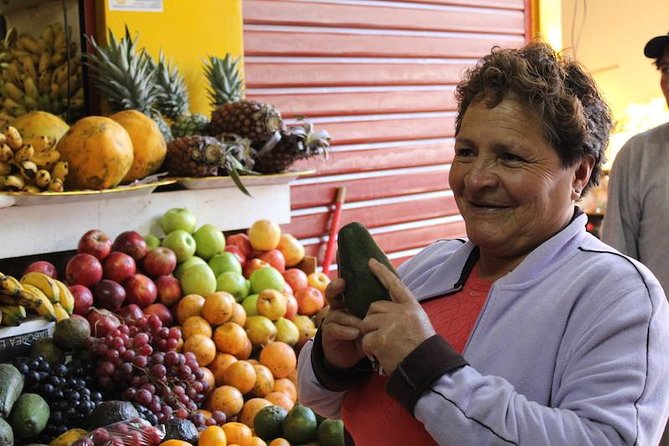
The first activity is a visit to the market with a local. You help pick out ingredients for dinner, then carry the food to the cooking location.
This short stop gives the meal a better sense of place. Instead of seeing Peruvian dishes as items on a menu, you start with the produce and ingredients that make them possible. The market visit is described as brief, so do not expect a long guided food tour or a full lesson on every stall. Its value is in the connection between shopping and cooking.
I especially like this part for families. Children can see ingredients before they are chopped, mixed, stuffed, or baked. It also gives you a simple way to learn which foods are familiar and which are new, without turning the whole evening into a formal lecture.
The market visit is one area where expectations should stay realistic. The class lasts about three hours, and the cooking and dinner take up much of that time. You are there to select ingredients for one meal, not to cover every Peruvian food region or market tradition.
Cooking in a local home or community kitchen
After the market, you go to the cooking location to prepare dinner. The details can vary, but the class has included cooking in Tina’s home, with Melissa serving as the Awamaki liaison and translator. Another meal took place in Irma’s home, where the group cooked, sat down together, and ate what they had made.
That home setting is one of the strongest reasons to choose this activity. You are not only watching a chef in a purpose-built cooking studio. You may be welcomed into a local household, where the meal has a more personal feel and conversation becomes part of the evening.
The cooking teachers are described as friendly, warm, and accommodating. That matters when you are working with unfamiliar ingredients or trying a technique for the first time. The guide can translate, and the teacher can show you how the dish comes together.
The class includes all necessary ingredients, so you do not need to shop separately or bring cooking supplies. You should still wear comfortable clothing suitable for a hands-on activity. The supplied details do not specify kitchen layout, seating, or the exact amount of standing involved, so ask Awamaki if you have mobility concerns or need a particular arrangement.
Learning causa, a cool Peruvian starter
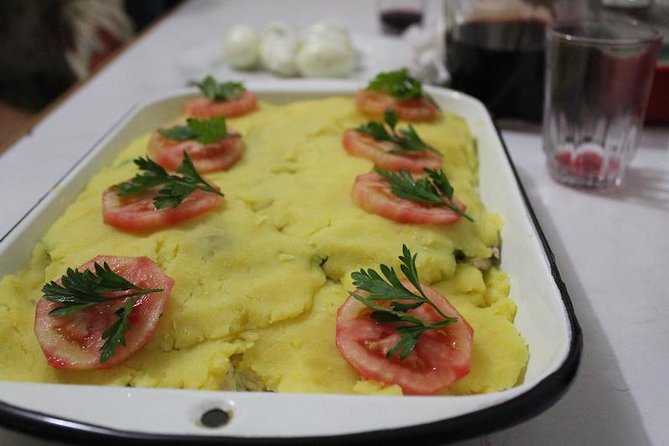
The sample menu begins with causa. This is a cold dish made with a lemony potato mash, layered with vegetables and shredded chicken or avocado.
Causa is a useful introduction to Peruvian cooking because potatoes are central to the country’s food culture, and the finished dish depends on seasoning as much as technique. The lemon gives the potato a fresh edge, while the layers make it look more special than its simple ingredients might suggest.
You may prepare the chicken version or the avocado version, depending on the class plan and available ingredients. The information provided does not confirm that you can choose between them, so make your dietary needs clear when booking or soon after confirmation.
Because causa is served cold, you can prepare it early and set it aside while working on the main course. That gives the class a natural rhythm: make the starter, continue with the hot dish, then sit down to eat.
More Sacred Valley trips:
- From Cusco: Moray, Maras Salt Mines & Chinchero Weavers Tour
★ 4.8 · 1,925 reviews - 2-Day Tour: Sacred Valley and Machu Picchu by Train
★ 5.0 · 1,127 reviews - Cusco: Sacred Valley, Pisac, Ollantaytambo, Salt Mines Moray
★ 4.6 · 1,058 reviews - Cusco:Chinchero,Moray & Salt Mines drop-off in Ollantaytambo
★ 4.8 · 793 reviews
Preparing rocoto relleno or papa a la Huancaina
The main course may be rocoto relleno or papa a la Huancaina. These dishes offer two different introductions to Peruvian flavor.
Rocoto relleno uses a Peruvian rocoto pepper stuffed with seasoned meat or vegetables and baked. Rocoto peppers are known for their heat, so this is the dish to choose if you enjoy spice. The filling also makes it flexible for different food preferences, though you should confirm the exact menu and substitutions in advance.
Papa a la Huancaina is a more gentle option for many diners. It features potatoes with a cheese and pepper sauce. The dish still has character, but the creamy sauce makes it a less fiery choice than stuffed rocoto.
The class description presents these as alternatives, not a guaranteed chance to cook both. If one dish is important to you, ask which recipe will be taught on your date. The sample menu names rocoto relleno as the main course, but the general description also includes papa a la Huancaina.
This is where the practical value of the class becomes clear. At $68 per person, you are paying for instruction, ingredients, a guide or interpreter, dinner, and the cultural setting. You are also paying for a small group rather than a crowded demonstration. It is not the cheapest way to eat in the Sacred Valley, but it offers more than a restaurant meal and leaves you with a recipe book.
Sipping chicha morada and ending with dinner
The traditional refreshment may be limonada or chicha morada. Chicha morada is a lightly sweet purple corn drink flavored with cinnamon, pineapple, and other typical ingredients.
The sample menu lists chicha morada under dessert, though it is described elsewhere as a traditional refreshment. Either way, it gives you a chance to try a familiar Peruvian drink rather than defaulting to an international soft drink.
Limonada provides a simpler alternative. If you prefer less sweetness or do not want to try purple corn, it may be the better choice. The exact drink served can depend on the menu and availability.
Once the cooking is finished, you sit down to eat dinner together. That shared meal is important. The class does not end with a rushed tasting at the counter. You get time to enjoy the food, talk with the cooking teacher, and appreciate the work behind each dish.
The most praised feature of the class is the welcome. The local hosts are described as exceptionally friendly, warm, and accommodating. One family particularly valued being invited into a home and preparing the meal before sitting down together. That kind of contact is hard to get from a standard restaurant visit.
What the Awamaki connection adds
Awamaki works with community partners, and the class is led with local cooking teachers. For you, this means your payment supports an activity tied to local people rather than only a large sightseeing operation.
The community connection is not a separate lecture added onto the class. It comes through the people who teach, host, translate, and share the meal. That keeps the evening grounded in real interaction.
I would choose this class for the human element as much as for the food. You get a meal, but you also meet the people connected with its preparation. The experience has earned a top overall rating from four supplied reviews, with repeated praise for the hosts, the home setting, the food, and the cultural insight.
Still, it is wise to keep the scale in mind. A three-hour class cannot explain all of Peru’s regional cuisines. You will learn a few dishes and gain a small window into local food life, not complete culinary training.
Price, timing, and transport
The price is $68 per person. That includes the English-speaking guide or interpreter, local cooking teacher, ingredients, dinner, and an online recipe book.
The class does not include transportation to Ollantaytambo from Cusco, Urubamba, or another town. Hotel pickup and drop-off are not included, and neither is train station pickup or drop-off. You need to arrange your own way to the Plaza de Armas meeting point.
This makes the class easiest for you if you are already staying in Ollantaytambo. It can also work from another Sacred Valley town if your transport plan is reliable. Do not book it with a tight train connection or an uncertain evening transfer. The activity finishes back at the meeting point, so you will need to continue from there independently.
The three-hour duration is long enough for shopping, cooking, and dinner without taking your entire day. Starting at 4:00 pm lets you fit the class after sightseeing, but it also means you should plan your evening around it. Since the class ends at the meeting point, confirm your onward transport before you set out.
Confirmation is sent within 48 hours, subject to availability. The class is offered in English, and service animals are allowed. It is near public transportation, though no specific transport service is included.
Who should book this class?
I would recommend it to you if you enjoy food, small groups, and direct contact with local people. It is especially suitable for families, couples, and anyone who wants a calm evening activity after visiting Ollantaytambo.
You will get the most from it if you are willing to participate. This is not a show where you sit back while someone else does all the work. You help shop, prepare the food, and share dinner.
It is also a good choice for people who want a meaningful souvenir. The online recipe book is more useful than a token trinket, since you can use it to recreate causa, rocoto relleno, papa a la Huancaina, or related dishes at home.
I would hesitate only if your schedule is uncertain, your transport is not arranged, or you want a broad cooking course with many recipes. The short market visit and limited menu keep the evening focused, but they also limit how much you can cover.
Final verdict: book it if food and people matter
Book this class if you want more than dinner in Ollantaytambo. The small group, local market stop, home-based cooking, and shared meal create a friendly evening with real cultural value.
The strongest reason to go is the local welcome. The food gives the class structure, but the conversations and home setting give it warmth. At $68, the price is fair for the ingredients, instruction, meal, guide, and community connection, provided you are already in the area or can arrange transport without stress.
Skip it if you need hotel pickup, a guaranteed single menu, or a fully scheduled sightseeing tour. For everyone else, this is a practical and personal way to spend an evening in the Sacred Valley.
FAQ
How long does the cooking class last?
The activity lasts approximately three hours.
What time does the class start?
The class starts at 4:00 pm local time.
Where does the class begin?
It begins at La Esquin Plaza de Armas in Ollantaytambo, Peru.
Where does the class end?
The activity ends back at the meeting point.
Is transportation included?
No. Transportation from Cusco, Urubamba, or other towns is not included. Hotel pickup and drop-off and train station transfers are also not included.
What food will I prepare?
The class may include rocoto relleno or papa a la Huancaina, along with an appetizer such as causa and a traditional drink such as limonada or chicha morada.
Is the class offered in English?
Yes. An English-speaking guide or interpreter is included, and the class may also be operated by a multilingual guide.
Just added in Cusco
- Cusco Private Transportation for 2026★ 5.0 · 4 reviews
- Private Transfer from Airport to Hotel in the City of Cusco★ 4.0 · 5 reviews
- Best Cusco walking tour: dinner street food tasting★ 4.5 · 11 reviews
- Private Tour to Pisac Market and Pisac Ruins★ 5.0 · 4 reviews
- Machu Picchu Day Trip With Panoramic Train from Cusco★ 5.0 · 10 reviews
- Sacred Valley Private Tour from Cusco, Guide and Driver only★ 5.0 · 4 reviews
- Sacred Valley of the Incas Tour★ 5.0 · 12 reviews
- Private Tour of the Mountain of Colours by Quad★ 5.0 · 7 reviews
Sacred Valley Tours, compared.
From Cusco: Sacred Valley & Maras Salt Mines Tour with Lunch
Read our review →
From Cusco: Moray, Maras Salt Mines & Chinchero Weavers Tour
Read our review →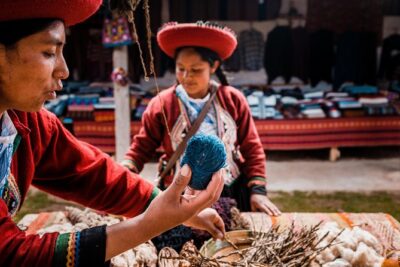
2-Day Tour: Sacred Valley and Machu Picchu by Train
Read our review →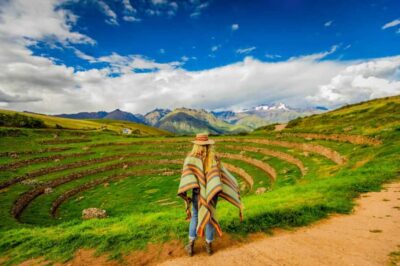
Sacred Valley, Pisac, Ollantaytambo, Salt Mines Moray
Read our review →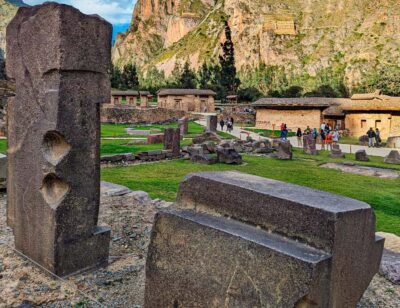
Chinchero,Moray & Salt Mines drop-off in Ollantaytambo
Read our review →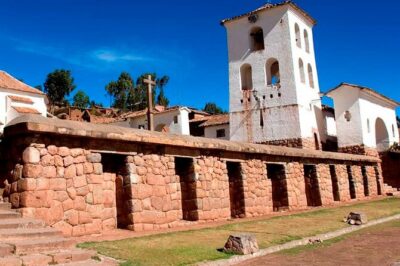
Sacred Valley and Maras Moray Tour with Full Day Buffet Lunch
Read our review →
Browse the lists this tour appears in