
Reviewed · SACRED VALLEY TOURS
Cusco: Pisac, Sacsayhuaman, Q’enqo, and Tambomachay Tour
The Sacred Valley begins with a wide view. I like the mix of Pisac’s market and archaeological park, followed by Cusco’s hilltop ruins, because you get local life and major Inca sites in one outing. I also like the Taray Viewpoint, where the Sacred Valley opens below you in a sweep of terraces. The main catch is that the six-hour schedule covers a lot of ground, and the entrance fees are extra.
This is a private-group tour with hotel pickup, transport by car or minibus, and an English or Spanish-speaking guide. Guide quality can make a big difference here. Juan Carlos, a trained archaeologist, earned especially strong praise for clear, evidence-based explanations, while Jessica was praised as both driver and guide. For four adults, though, one vehicle was reported to feel cramped, so ask about the vehicle before booking if comfort matters.
In This Review
- Key points to know before booking
- Why this six-hour route works
- Pisac market brings the valley to life
- Taray Viewpoint puts the Sacred Valley in perspective
- Sacsayhuaman shows Inca stonework at full scale
- Q’enqo offers a more intimate ritual site
- Tambomachay and Puka-Pukara complete the circuit
- Guide quality is the most important variable
- What the $77 price really covers
- Practical advice for a smoother day
- Who will enjoy this tour most
- Should you book the Pisac and ruins tour?
- FAQ
- How long does the tour last?
- What sites are included?
- Are entrance tickets included?
- Where does pickup take place?
- Is the tour private?
- What should I bring?
Key points to know before booking
- Pisac combines a market visit with an archaeological park, giving you both present-day Andean culture and Inca remains.
- Taray Viewpoint provides the day’s broadest Sacred Valley view, with extensive agricultural terraces below.
- Sacsayhuaman, Q’enqo, Tambomachay, and Puka-Pukara sit close to Cusco, making the final part of the route efficient.
- Juan Carlos is a trained archaeologist, a strong choice if you want serious context rather than quick photo stops.
- The listed price is $77 per person, but foreign visitors also pay S/ 70, about $18.70, for site admission.
- The tour lasts six hours and uses a private group, but the vehicle may feel tight for four adults.
Why this six-hour route works
Cusco has an unusual advantage: some of Peru’s most important Inca sites are just outside the city, while the Sacred Valley lies within reach by road. This tour links both areas without asking you to arrange several separate rides.
The route begins with pickup at your hotel in Cusco’s historic center. If your hotel sits outside that area, you receive a coordinated meeting point instead. That detail matters because early pickup arrangements can affect the useful time you spend at the sites.
You travel by car or minibus, depending on the group and arrangement. The outing is private, not a large shared coach tour, so you have a better chance to ask questions and set a comfortable pace within the fixed schedule. Still, private does not always mean spacious. A report of four adults finding the vehicle uncomfortable is worth taking seriously.
The tour moves between viewpoints, markets, and ruins rather than focusing on one site in great depth. I see that as its main strength and its main limitation. You get a useful first look at the Cusco area, but anyone wanting long archaeological walks or extended time in Pisac may prefer a slower itinerary.
More Sacred Valley trips:
- From Cusco: Moray, Maras Salt Mines & Chinchero Weavers Tour
★ 4.8 · 1,925 reviews - 2-Day Tour: Sacred Valley and Machu Picchu by Train
★ 5.0 · 1,127 reviews - Cusco: Sacred Valley, Pisac, Ollantaytambo, Salt Mines Moray
★ 4.6 · 1,058 reviews
Pisac market brings the valley to life
Pisac is the most people-focused stop of the day. You can walk through its picturesque streets, browse artisan stalls, and visit the well-known market before heading to the archaeological park.
The market gives the tour a welcome change of pace. After hearing about Inca rulers and ceremonial sites, you see the modern commercial side of the valley. It is a practical place to look at local crafts and get a feel for how Pisac presents itself to visitors. The tour description does not promise a set amount of free shopping time, so you should expect the market visit to be guided and tied to the wider schedule.
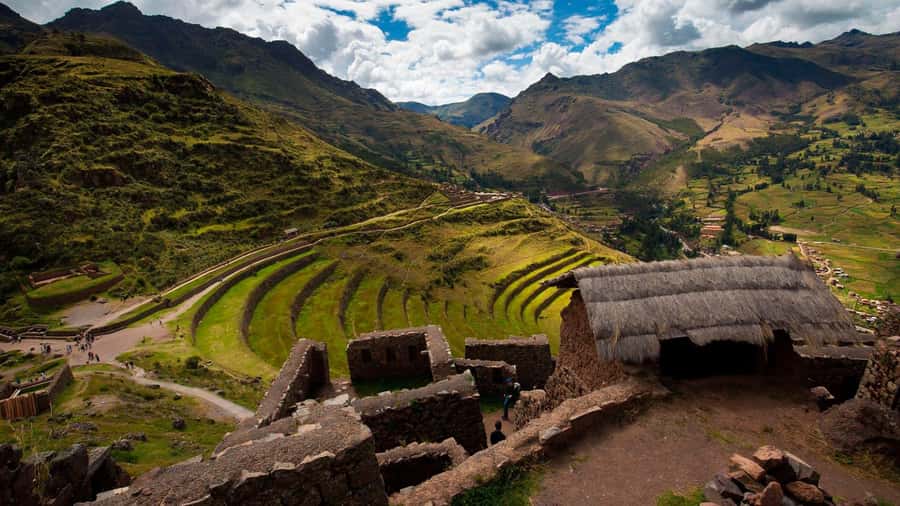
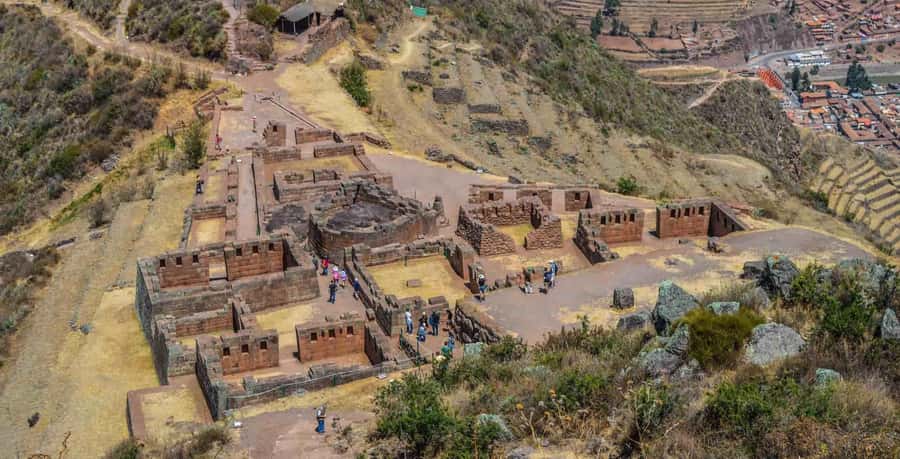
I like that Pisac is not treated as just a shopping stop. The guided visit continues to the archaeological park, one of the important Inca sites in the Sacred Valley. You can expect terraces, stonework, and remains set above the town, with your guide explaining how the site fitted into the wider Inca system.
The contrast is the point. Below, you have stalls and town streets. Above, you see carefully built terraces and monumental remains. That pairing helps you understand that the valley is not only scenic. It was shaped for farming, administration, ritual, and movement.
Wear shoes with a firm sole. The tour specifically calls for comfortable footwear and clothing suitable for walking, and that advice is useful here. Pisac is not a stop where you should plan to spend the whole time in sandals or stiff city shoes.
Taray Viewpoint puts the Sacred Valley in perspective
On the return route toward Cusco, the tour stops at Taray Viewpoint. This is a short stop with a large payoff: a broad view across the Sacred Valley of the Incas and its many agricultural terraces.
From ground level, terraces can look like scattered lines on a hillside. From a viewpoint, their scale becomes easier to grasp. You can see how much of the valley was shaped and worked over time. Bring your camera, but do not let the photo stop replace the guide’s explanation. This is one of the places where a few good comments about the terraces can make the view more meaningful.
Taray is also a good breathing space between Pisac and the ruins around Cusco. The schedule has already included town streets, market stalls, and an archaeological site. A viewpoint lets you pause and take in the larger setting.
The weather may change quickly. The information for this tour warns you to prepare for varying conditions and bring water, sunscreen, and a hat. The high-altitude sun can be strong even when the air feels cool. A light layer is sensible, though the tour does not provide a specific clothing list beyond comfortable walking clothes.
Sacsayhuaman shows Inca stonework at full scale
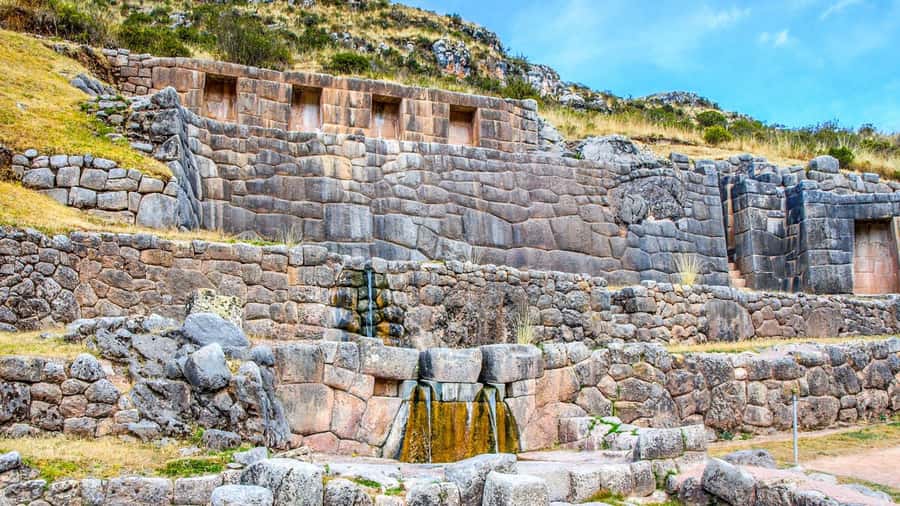
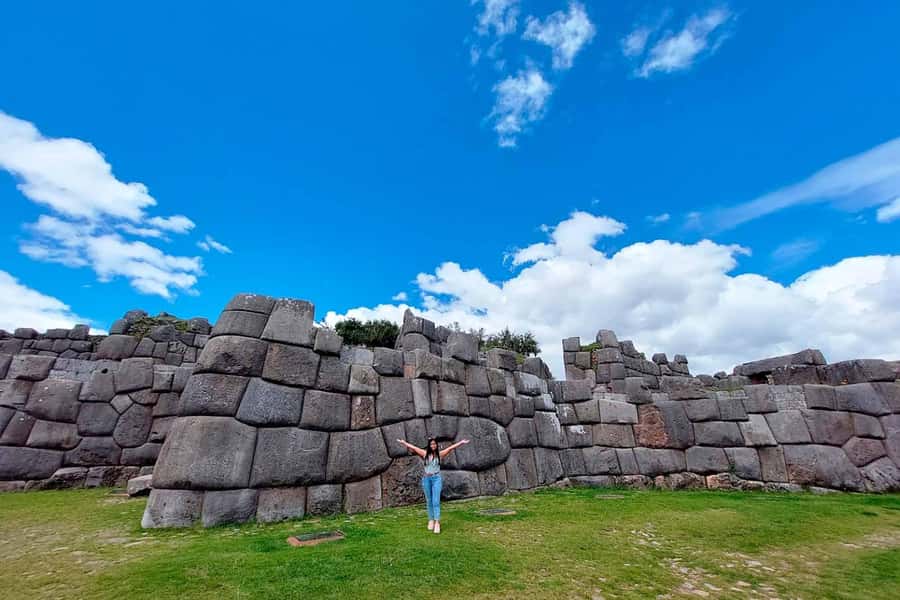
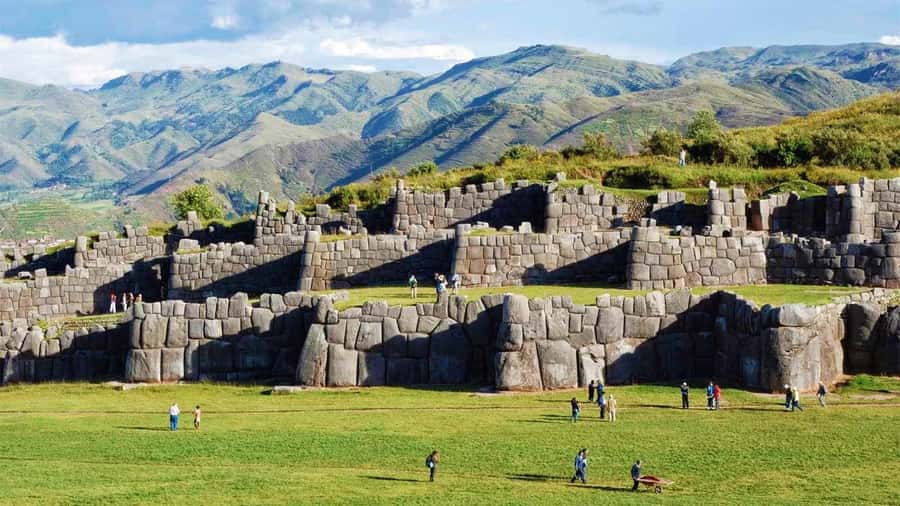
Back near Cusco, the route turns to Sacsayhuaman, described as a ceremonial fort of stone monuments. This is likely to be the most visually imposing stop on the city portion of the tour.
The appeal is not only the size of the stones. It is the way the site occupies the hills above Cusco and frames the city below. Your guide can connect the structure to the broader story of the Incas and the Spanish conquest, giving you a better sense of why this place matters.
Sacsayhuaman can feel overwhelming if you visit without context. There are large walls, open spaces, and remains spread across the site, but a guide helps you read what you are seeing instead of treating it as a backdrop for photographs. The strongest guiding on this tour appears to come from people who explain the evidence and answer questions carefully.
Juan Carlos received especially high praise for his archaeological training, precise explanations, and ability to address questions that had not been answered elsewhere in Peru. If you have a strong interest in Inca construction, ritual, or the Spanish conquest, requesting him may be worthwhile if the operator allows guide selection. That is not guaranteed, so ask before booking.
The site also calls for walking and may not suit anyone with serious back problems. It is not suitable for wheelchair users according to the tour information.
More Cusco city tours:
- Cusco: Half-Day City Tour with Sacsayhuaman and Q’enco
★ 4.6 · 1,129 reviews - City Tour Cusco Qoricancha Sacsayhuaman y Tambomachay
★ 4.7 · 617 reviews - Cusco City Tour Four Ruins in Half-Day
★ 5.0 · 530 reviews - Open Bus Cusco City Tour
★ 4.5 · 219 reviews
Q’enqo offers a more intimate ritual site
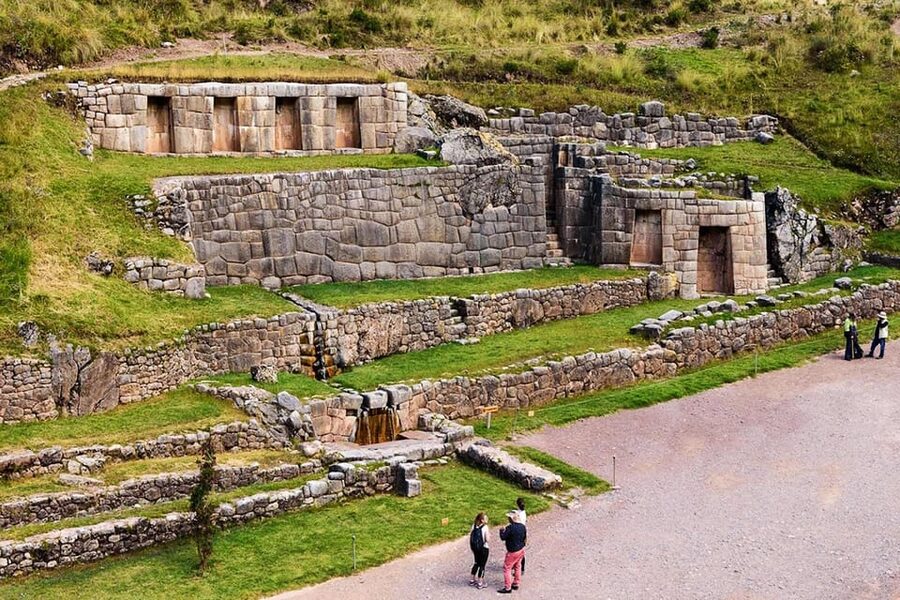
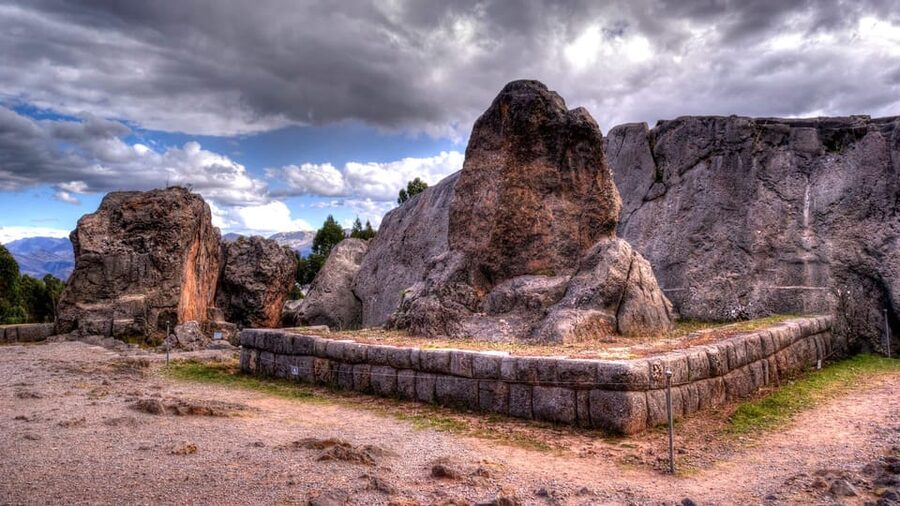
Q’enqo feels different from Sacsayhuaman. Instead of broad stone walls and open ceremonial areas, you visit a ritual site associated with sacrifices. The stop gives the guide a chance to discuss Inca religious practice and the meaning of carved stone spaces.
This is the kind of place where interpretation matters more than size. Without an explanation, Q’enqo can seem like a collection of carved rocks and passages. With a good guide, you can better understand how ritual activity may have shaped the site.
I would pay close attention here and ask questions. The tour’s subject matter includes ceremonies, sacrifice, and the religious role of sites around Cusco. If you prefer only scenic stops, this may feel less immediately impressive than Sacsayhuaman. If you want a fuller picture of Inca society, it adds an important piece.
The schedule does not state how long you spend at each ruin. Expect a coordinated visit rather than unlimited exploration. That is normal for a route covering four Cusco-area sites plus Pisac.
Tambomachay and Puka-Pukara complete the circuit
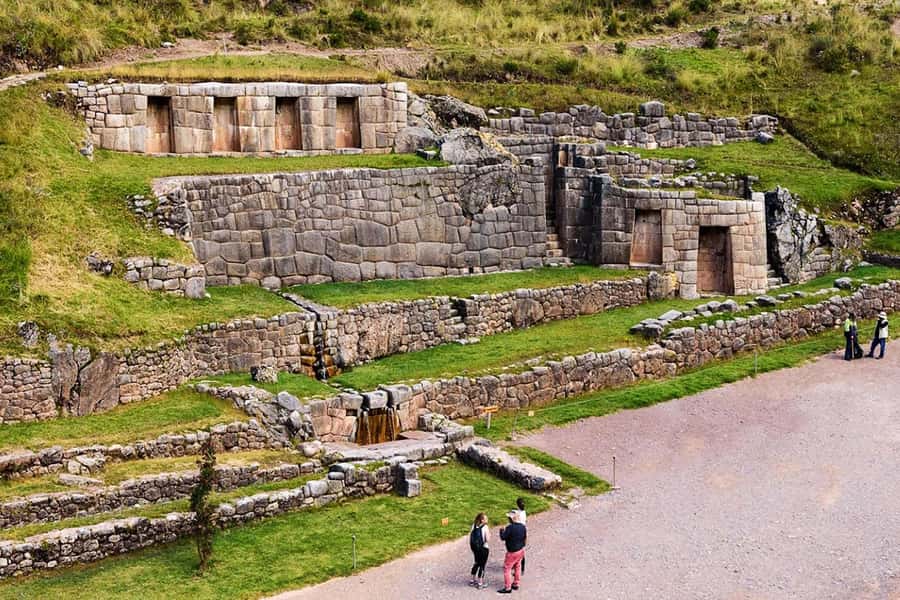
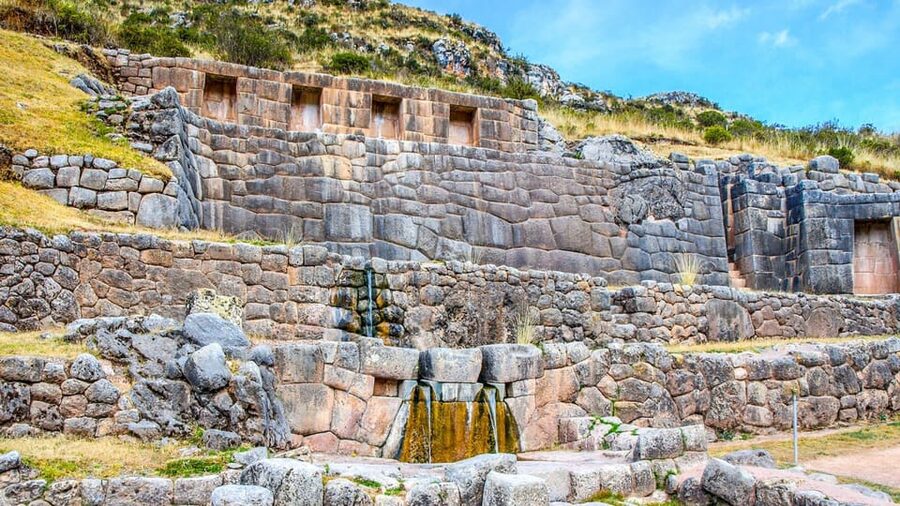
Tambomachay is presented as a temple dedicated to the worship of the God of Water. Its association with water gives the final section of the tour a different subject from the defensive and ritual sites earlier in the day.
This stop can help you see how the Incas linked practical resources with religious meaning. The tour does not provide a detailed description of the fountains or channels, so your guide’s explanation will shape how much you take away from the visit. A good question to ask is how the site’s water features fit into its ceremonial role.
The last stop is Puka-Pukara, an ancient tambo, or guard post, along the Inca roads. You enjoy a panoramic view of the site rather than a detailed promise of an extended visit. Puka-Pukara helps show that the Inca road system depended on more than roads alone. Travelers, officials, and messengers needed places connected to movement and control.
Puka-Pukara also works well as a closing view because it brings together the day’s main themes: roads, highland travel, defense, ceremony, and the connection between Cusco and the Sacred Valley.
You should expect several short site visits rather than one long walk. That is useful if you want a broad introduction, but less ideal if you prefer to linger over stonework or take your time with photographs.
Guide quality is the most important variable
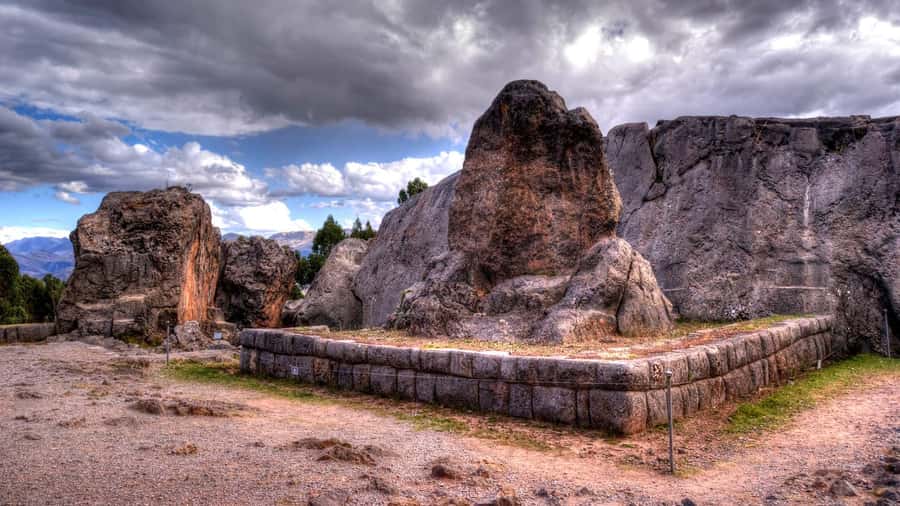
The guide can determine whether this feels like a meaningful history day or simply a sequence of stops. The experience is available in English or Spanish, and the group is private, which should make conversation easier.
Juan Carlos is the clearest example of what a strong guide can add. His background in archaeology and his evidence-based approach were particularly valued by visitors who wanted precise explanations. That kind of guide can help separate established information from speculation, especially at sites where popular stories often circulate alongside archaeological evidence.
Jessica also received warm praise for her work as driver and guide. She was described as kind, capable, and able to make the day work despite a vehicle problem outside her control. That is useful context because driving between Cusco and the valley is part of the experience, not just a transfer between attractions.
The operator is XPLORA AMERICA. Before you pay, I would confirm three points: the language you want, whether a particular guide is available, and the size and type of vehicle. The last point matters most for four adults, since one report found the vehicle a poor fit for that number.
What the $77 price really covers
At $77 per person, the tour is not an all-inclusive archaeological day. The price covers hotel pickup and drop-off, transport by car or minibus, and an English or Spanish-speaking guide.
The admission fees are separate. Foreign visitors pay S/ 70, about $18.70, while Peruvians pay S/ 40, about $10.70. For a foreign visitor, the practical cost is therefore about $95.70 per person before any food, drinks, or purchases in Pisac.
That can still be fair value for a private six-hour outing that combines the Sacred Valley with four Cusco-area sites. You are paying for transport, route planning, and interpretation as much as for the stops themselves. A private group may also make sense for families or friends who want to ask questions without keeping pace with a large coach.
The value drops if you expect long free time, a roomy vehicle, or meals included. Food is not listed as part of the price, although Juan Carlos took one group to an excellent restaurant near Pisac. Treat that as a guide recommendation, not a guaranteed inclusion.
Practical advice for a smoother day
Your hotel must be in Cusco’s historic center for direct pickup. If it is farther away, the operator designates a meeting point through prior coordination. Confirm this before the day of the tour so you are not trying to solve the issue at pickup time.
Bring:
- Comfortable walking shoes
- Water
- Sunscreen
- A hat
- A camera
- Clothing suited to changing weather
Smoking is not allowed during the activity. The tour is not suitable for wheelchair users or people with back problems, so consider that restriction carefully before booking.
The tour lasts six hours, but the phrase full-day should not lead you to expect an eight or ten-hour expedition. The schedule is compact and includes several archaeological sites. You will see a lot, but you should be ready for a fairly active morning or afternoon with repeated boarding and walking.
Ask your guide to explain how the Sacred Valley, Pisac, and the Cusco ruins connect. That simple request can turn separate stops into a clear story. Also ask about the entrance ticket before departure, since it is not included and must be paid separately.
Who will enjoy this tour most
I would recommend this outing to first-time visitors who want a broad introduction to the Cusco area without arranging several separate excursions. It suits people who want markets, viewpoints, Inca sites, and historical explanation in one manageable day.
It is also a good fit for couples, families, or friends who value a private group. You can ask questions more freely than on a large shared tour, and the guide can respond to your interests.
History-minded visitors should pay special attention to guide availability. A trained archaeologist such as Juan Carlos can make the ruins far more rewarding, especially if you want careful explanations rather than simple labels.
I would hesitate if you need generous time at each site, have limited mobility, or are traveling with four adults and require plenty of vehicle space. In those cases, ask for the exact vehicle arrangement or consider a slower, more specialized outing.
The free cancellation policy gives you some flexibility: you can cancel up to 24 hours ahead for a full refund. You can also reserve and pay later, which helps if your Cusco plans are still shifting.
Should you book the Pisac and ruins tour?
Book it if you want breadth, private transport, and strong historical guidance in six hours. The combination of Pisac, Taray, Sacsayhuaman, Q’enqo, Tambomachay, and Puka-Pukara gives you a useful overview of the region, and the best guides can turn that overview into a well-connected lesson about Inca life, roads, ritual, and conquest.
Before booking, confirm the vehicle size, entrance fee arrangements, guide language, and availability of a guide with archaeological training. If those details line up, the $77 price is reasonable for a private route, though foreign visitors should budget the additional S/ 70 admission fee.
FAQ
How long does the tour last?
The tour lasts six hours, including hotel pickup, visits to Pisac and the Cusco-area ruins, and return to your hotel in Cusco.
What sites are included?
The route includes Pisac town and market, the Pisac archaeological park, Taray Viewpoint, Sacsayhuaman, Q’enqo, Tambomachay, and a panoramic view of Puka-Pukara.
Are entrance tickets included?
No. Archaeological site admission costs S/ 70, about US$18.70, for foreigners and S/ 40, about US$10.70, for Peruvians.
Where does pickup take place?
Pickup is available at hotels within Cusco’s historic center. If your hotel is outside that area, a meeting point is arranged in advance.
Is the tour private?
Yes. The activity is offered for a private group and includes transport by car or minibus with an English or Spanish-speaking guide.
What should I bring?
Bring comfortable shoes, a hat, sunscreen, water, and a camera. You should also wear clothing suitable for walking and changing weather conditions.
Just added in Cusco
- Cusco Private Transportation for 2026★ 5.0 · 4 reviews
- Private Transfer from Airport to Hotel in the City of Cusco★ 4.0 · 5 reviews
- Best Cusco walking tour: dinner street food tasting★ 4.5 · 11 reviews
- Private Tour to Pisac Market and Pisac Ruins★ 5.0 · 4 reviews
- Machu Picchu Day Trip With Panoramic Train from Cusco★ 5.0 · 10 reviews
- Sacred Valley of the Incas Tour★ 5.0 · 12 reviews
- Private Tour of the Mountain of Colours by Quad★ 5.0 · 7 reviews
- Sacred Valley Private Tour from Cusco, Guide and Driver only★ 5.0 · 4 reviews
Sacred Valley Tours, compared.
From Cusco: Sacred Valley & Maras Salt Mines Tour with Lunch
Read our review →
From Cusco: Moray, Maras Salt Mines & Chinchero Weavers Tour
Read our review →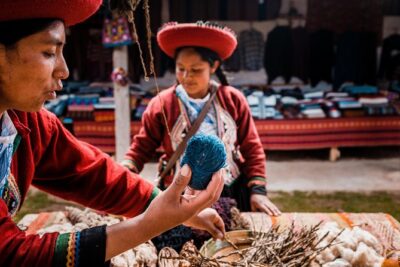
2-Day Tour: Sacred Valley and Machu Picchu by Train
Read our review →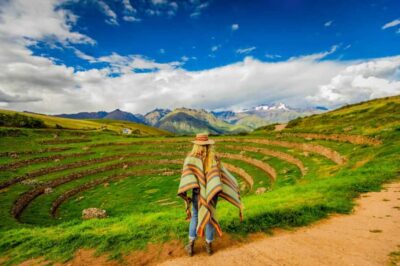
Sacred Valley, Pisac, Ollantaytambo, Salt Mines Moray
Read our review →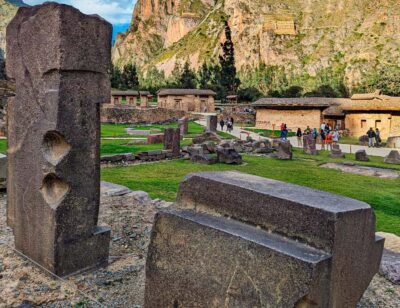
Chinchero,Moray & Salt Mines drop-off in Ollantaytambo
Read our review →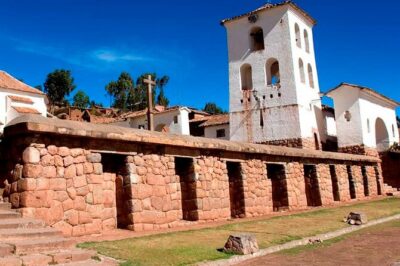
Sacred Valley and Maras Moray Tour with Full Day Buffet Lunch
Read our review →

Browse the lists this tour appears in