
Reviewed · SACRED VALLEY TOURS
Cusco: Sacred Valley VIP, Pisac, Ollantaytambo
The Sacred Valley packs a lot into one long day. This $29 tour links Chinchero, Moray, Maras, Urubamba, Ollantaytambo, and Pisac with a bilingual guide, buffet lunch, and round-trip transport from central Cusco. I like the wide mix of sights and the chance to see both Inca sites and working craft traditions without arranging several separate trips.
I also like the helpful structure: your driver handles the mountain roads while your guide explains what you are seeing. The main drawback is the pace. With 13 hours on the road and short visits at most stops, you will see a great deal, but you will not have much time to linger. The extra entrance fees also raise the real cost above the headline price.
In This Review
- Key points to know before booking
- What this Sacred Valley day is really like
- Early pickup from central Cusco
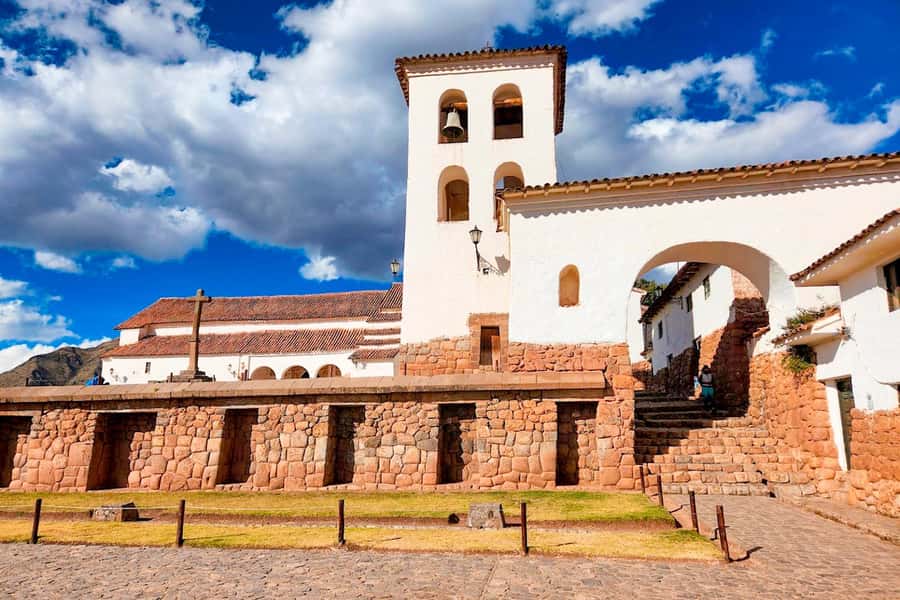
- Chinchero: weaving, ruins, and an old church
- Moray and the Incas’ agricultural experiment
- Maras: salt ponds with an extra fee
- Urubamba buffet lunch and a needed pause
- Ollantaytambo and its 200-plus steps
- Pisac brings ruins and souvenir shopping
- The ride back to Calle Plateros
- Guide quality and the value of a bilingual tour
- What to bring for the highland day
- Is $29 a good deal?
- Who should book this tour?
- Should you book the Sacred Valley VIP day?
- FAQ
- How long does the Sacred Valley tour last?
- Where does pickup take place?
- What is included in the price?
- Are entrance fees included?
- Is lunch included?
- What languages are available?
- Can I be dropped off in Ollantaytambo?
- Is the tour suitable for wheelchair users?
Key points to know before booking
- Six major stops in one day: Chinchero, Moray, Maras, Urubamba, Ollantaytambo, and Pisac all appear on the route.
- Traditional weaving comes early: Chinchero combines an archaeological site, an old church, and a textile market using traditional Inca techniques.
- The salt ponds cost extra: The Maras salt mine entrance fee is PEN 20, and the partial archaeological ticket costs PEN 70.
- Lunch is included: The buffet in Urubamba features mixed Peruvian and Cusco-style food and lasts about 45 minutes.
- Ollantaytambo requires stairs: Reaching the upper part of the fortress involves more than 200 steps.
- Central Cusco pickup and return: Pickup is generally between 6:20 and 6:50 AM, with the tour ending around 7:20 PM on Calle Plateros.
What this Sacred Valley day is really like
This is an ambitious sightseeing day built for visitors who want a broad first look at the Cusco Region. You leave early, travel by van between stops, and return to central Cusco after sunset. The route covers archaeology, agriculture, salt production, food, textiles, shopping, and old towns.
At $29 per person, the price is attractive for the included transport, guide, and lunch. But you should not treat $29 as the full cost. You need to add PEN 70 for the partial archaeological ticket and PEN 20 for the salt mine. Breakfast and dinner are also on you, so bring cash and eat something before pickup.
The day works best if you value variety over a slow, quiet visit. You will not have a free morning at each ruin. Instead, you get a guided introduction to several important places and a practical way to cover ground from Cusco.
More Sacred Valley trips:
- From Cusco: Sacred Valley & Maras Salt Mines Tour with Lunch
★ 4.8 · 2,227 reviews - From Cusco: Moray, Maras Salt Mines & Chinchero Weavers Tour
★ 4.8 · 1,925 reviews - 2-Day Tour: Sacred Valley and Machu Picchu by Train
★ 5.0 · 1,127 reviews
Early pickup from central Cusco
Pickup takes place at your hotel in the historic center, or at a nearby meeting point, between 6:20 and 6:50 AM. The listed pickup area includes many central hotels and locations around Santa Ana, Wanchaq, San Pedro, Avenida Arcopata, Calle Saphy, Recoleta, and nearby parts of Cusco.
You should be ready in the hotel lobby 20 to 30 minutes before the stated pickup time. That early start matters. The route includes roughly three hours of driving in separate stretches, and a late departure would make the final stops even more rushed.
The first drive takes about 45 minutes. It gives you time to settle into the van, but do not count on a relaxed sightseeing morning. You will want breakfast before leaving because lunch does not arrive until after Moray and Maras.
The experience is not suitable for wheelchair users. Several stops involve uneven ground, archaeological paths, or stairs, and Ollantaytambo includes a climb of more than 200 steps.
Chinchero: weaving, ruins, and an old church
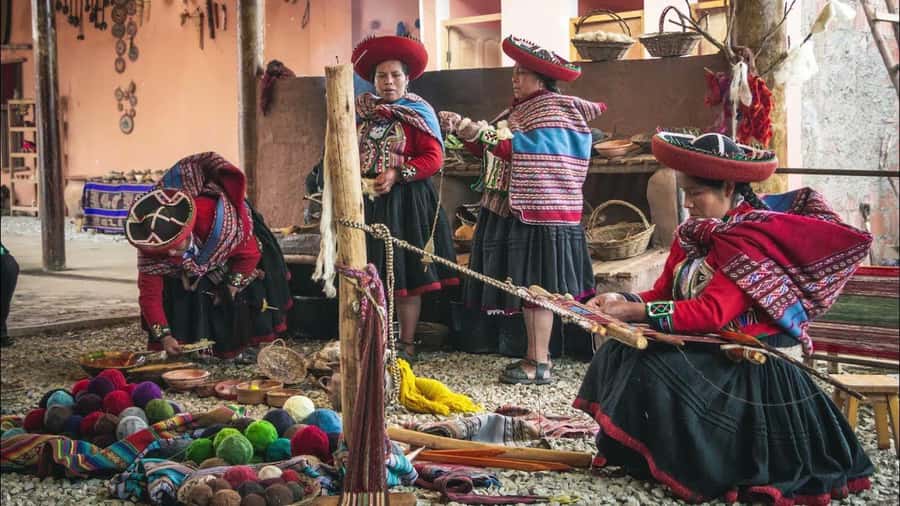
Chinchero is the first stop, with about 30 minutes for the archaeological site and another 30 minutes at the craft market in the district. This is a good opening because it introduces both the ancient and living sides of the region.
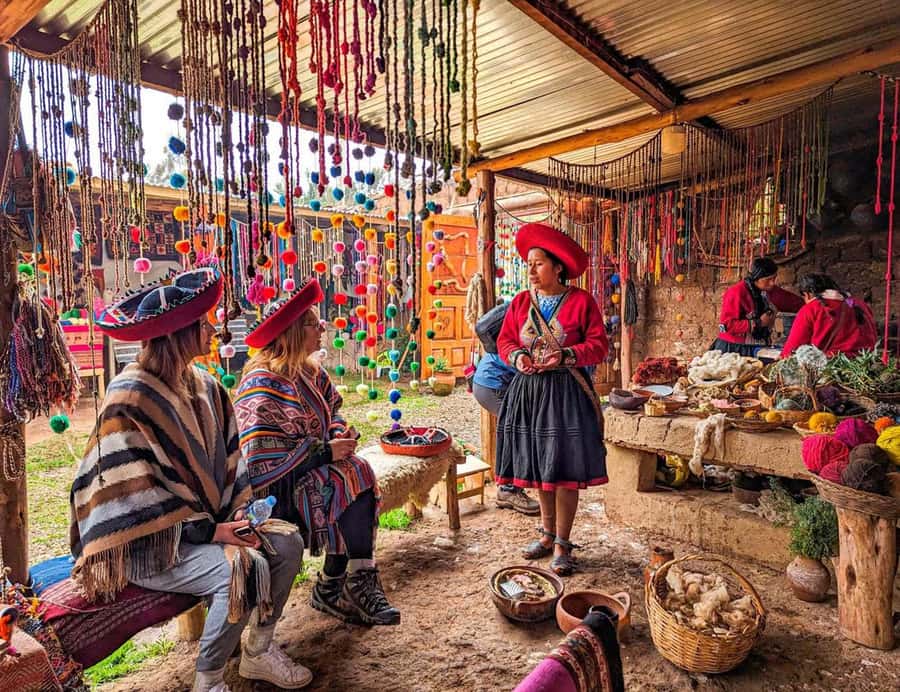
The town has a long tradition of textile weaving. You can see textiles made with traditional Inca techniques, and the guide can help explain the work behind the patterns and materials. The market also gives you an early chance to browse souvenirs.
The archaeological site includes a beautiful old church. The combination is useful: you are not seeing a ruin in isolation, but a place where Indigenous traditions and colonial religious architecture occupy the same setting.
The drawback is time. Thirty minutes at the site and 30 minutes at the market will give you an overview, not a careful study. If you like textiles and want to shop seriously, you may feel hurried. Still, Chinchero is more than a quick photo stop, and the textile demonstration adds a human touch to the morning.
Moray and the Incas’ agricultural experiment
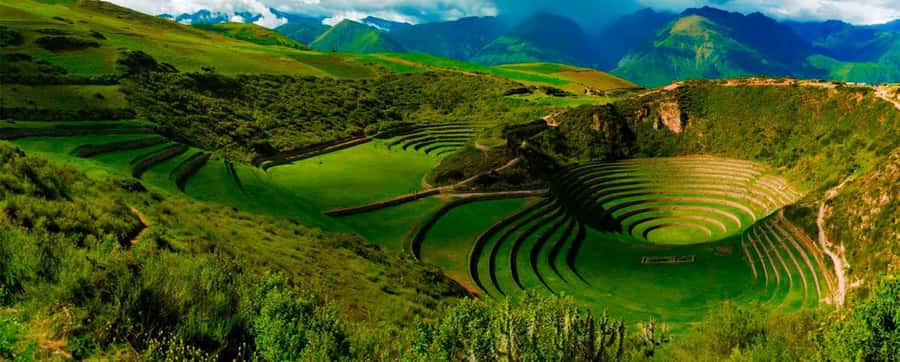
After about 30 minutes in the van, you reach Moray for another 30-minute visit. Here, wide circular terraces descend into the ground in a striking pattern. The terraces were built by the Incas to grow crops in difficult mountain terrain.
Your guide will explain how the terraces supported agriculture and why the site mattered. The value of Moray is not simply its unusual appearance. It shows practical problem solving. The Incas shaped the land to make food production possible where ordinary flat fields were scarce.
You will have time for a guided visit and photographs. Bring sunglasses and a sun hat because the open site can feel bright and exposed. Rain gear is also sensible in the Cusco Region, where conditions can change quickly.
Half an hour is enough to understand the basic idea and take in the view, but it is a short visit. If you prefer long walks or detailed archaeological study, this tour will feel brisk. If you want a clear introduction without spending half a day at one site, the timing is more reasonable.
A few more options to weigh up in Peru
- Hiram Bingham Round Trip Luxury Train to Machu Picchu
★ 4.5 · 157 reviews - Machu Pichu from Cusco on a full day with Peru Vip
★ 5.0 · 138 reviews - Luxury Inca Trail to Machu Picchu in 4 Days
★ 5.0 · 106 reviews - VIP Best Wildlife Tour in Cusco Official Cochahuasi Sanctuary®
★ 5.0 · 63 reviews
Maras: salt ponds with an extra fee
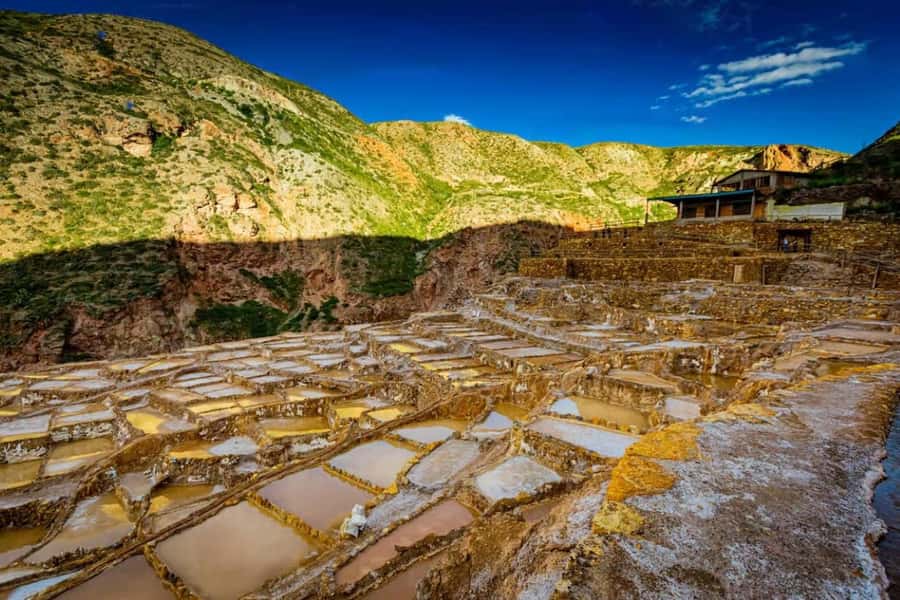
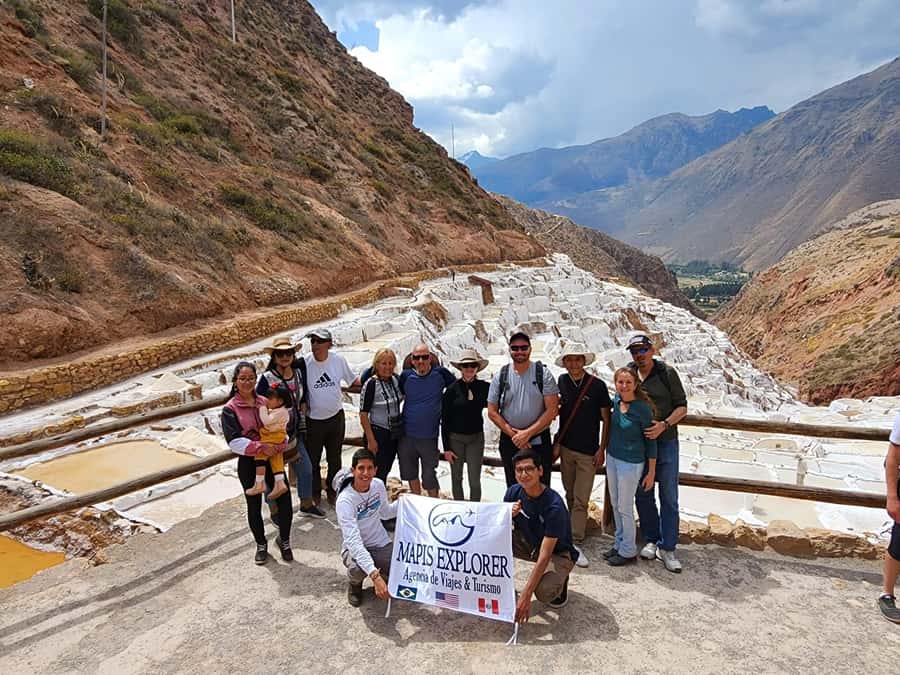
A 15-minute drive brings you to Maras, where more than 5,000 salt ponds cover the hillsides. The Incas used the ponds for salt extraction, and salt helped preserve food for long periods.
This stop adds a different kind of history to the day. At Moray, you see agriculture. At Maras, you see food preservation and resource use. The ponds also make a strong photo stop, with rows of small basins spreading across the slope.
The visit lasts about 30 minutes and includes guided sightseeing and time for shopping. The salt mine entrance is not included. Budget PEN 20 for that fee, in addition to the PEN 70 partial archaeological ticket.
The term salt mine can be a little misleading if you expect underground tunnels. The supplied tour details describe open salt ponds, so think of this as an outdoor salt-producing site. You should keep some cash handy for the entrance and any purchases.
Urubamba buffet lunch and a needed pause
After Maras, the van continues for about 20 minutes to Urubamba, the capital of the Sacred Valley. Lunch lasts roughly 45 minutes and is included in the tour price.
The buffet serves mixed food between Peruvian and Cusco cooking. That makes it practical for a mixed group with different tastes. You can try local-style dishes without committing to one unfamiliar plate, and the buffet format helps keep a large day moving.
This meal is also the day’s main pause. By this point, you have already visited Chinchero, Moray, and Maras, usually with walking and standing at each location. I would use lunch to drink water, eat properly, and take a brief rest rather than spend the whole break shopping.
Breakfast and dinner are not included. Eat before pickup, and consider carrying a small snack in case you need something between stops. The itinerary has planned meal timing, but a 13-hour day can feel long.
Ollantaytambo and its 200-plus steps
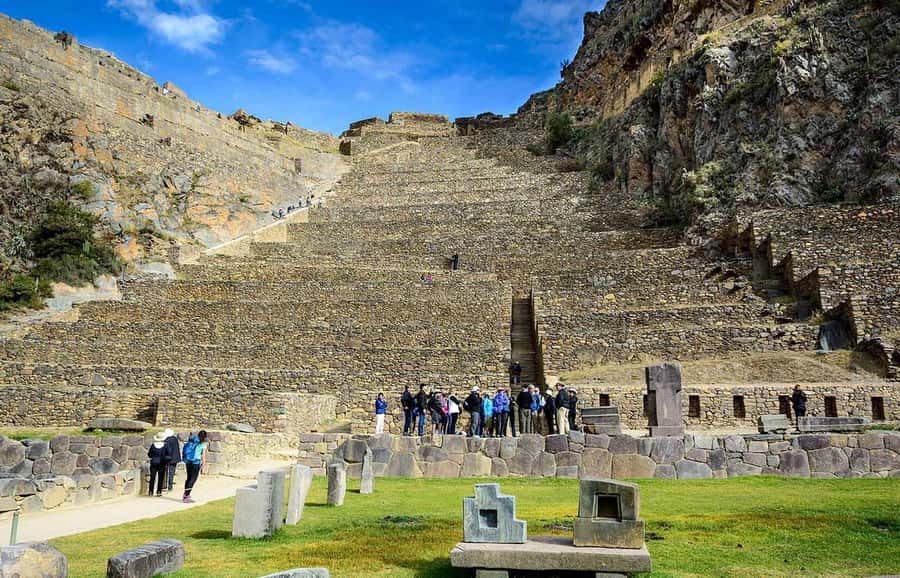
From Urubamba, it takes about 15 minutes to reach Ollantaytambo. You have about an hour for a guided visit, photographs, and shopping.
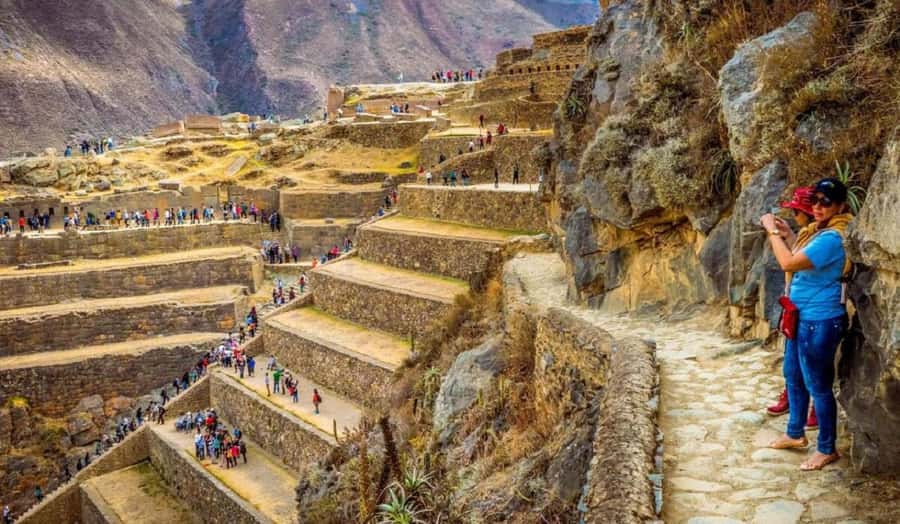
The main challenge is physical. You climb more than 200 steps to reach the upper part of the ancient terraced fortress above the town. The climb rewards you with views over Ollantaytambo and a closer look at the scale of the stonework, but it is not a casual stroll.
Wear shoes that are comfortable on uneven paths, and do not rush the stairs. The tour has a schedule, but your guide can explain how much time is available. If altitude or exertion is bothering you, pace yourself and focus on the lower sections rather than treating the top as a test.
Ollantaytambo is also useful for trip planning. An optional drop-off is available there if you need to remain in town or have other plans. That could help if you are continuing by train or arranging separate accommodation, but confirm the details before you book so you know how the drop-off fits your plans.
The one-hour visit is enough for a strong first look. It is not enough for a slow exploration of every corner, and the shopping time competes with the fortress visit. Decide in advance which matters more to you.
Pisac brings ruins and souvenir shopping
After Ollantaytambo, the van travels for about 75 minutes to Pisac. This is the longest transfer of the day, so expect a quieter stretch in the vehicle. You have about 45 minutes for the archaeological site, guided sightseeing, photographs, and shopping.
Pisac adds another major archaeological stop, but it arrives late. By then, you may have already spent many hours walking and riding in the van. The site is worthwhile for the view and the chance to compare it with Ollantaytambo, though the schedule does not allow a long visit.
After Pisac, the group gets about 25 minutes in a traditional village for shopping and an arts and crafts market. This is a final chance to look for textiles and souvenirs before returning to Cusco.
Shopping appears at Chinchero, Ollantaytambo, Pisac, and the traditional village. That can be useful if you want several chances to buy crafts, but it may feel repetitive if markets are not your priority. You can use the time for a short break instead.
The ride back to Calle Plateros
The final drive takes about 40 minutes, and the tour finishes around 7:20 PM on Calle Plateros. This central ending is convenient if you are staying in the historic center and want to find dinner nearby.
The tour does not return you to every hotel door at the end. Pickup is included at the start, while the published finish is Calle Plateros. Plan your evening around that location rather than expecting a late hotel drop-off.
The long return also explains why this is a full-day commitment. You leave around dawn and finish in the evening, with multiple van rides between stops. That is the trade-off for seeing so many places in one outing.
Guide quality and the value of a bilingual tour
The guide is available in English and Spanish, and the strongest praise in the supplied feedback focuses on the guide, the explanations, and the food. One German-speaking customer specifically praised Victor as a very nice guide and liked the meal and overall tour. Spanish-language feedback also describes the guide as pleasant, with excellent explanations.
That matters on this route. Moray, Maras, Chinchero, and the two major archaeological sites are easier to appreciate when someone explains what you are looking at. A bilingual guide also helps with timing, meeting points, and the practical parts of moving through a long day.
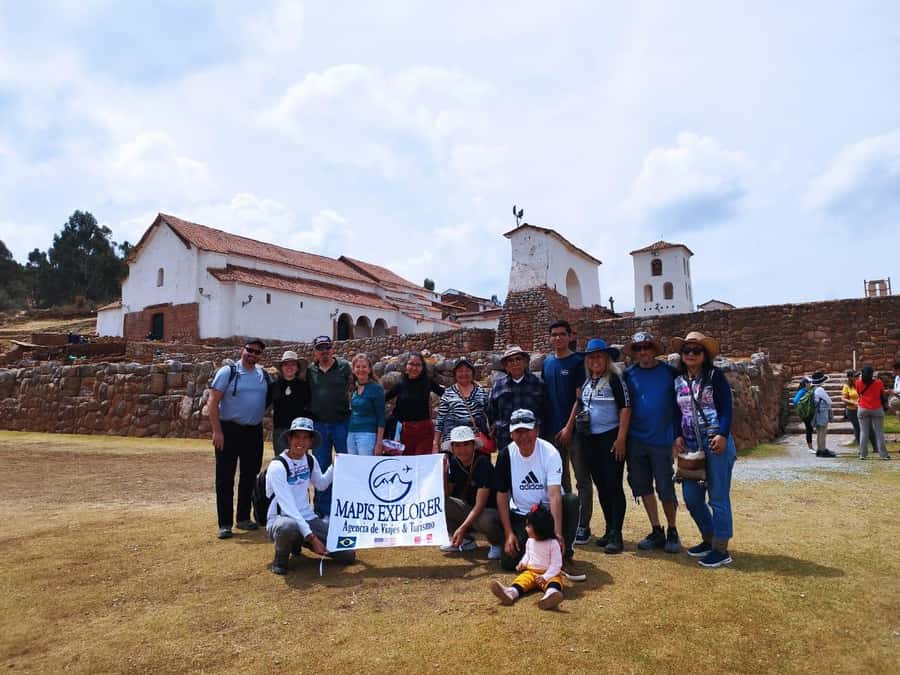
The experience provider is Mapis Explorer. The available rating is 5 out of 5 from seven reviews, with positive comments also coming from visitors booking in Turkey and Spain. That is encouraging, especially for the guide service, but seven reviews are still a small sample. I would treat the rating as a helpful signal, not a promise that every departure will feel identical.
What to bring for the highland day
Keep your belongings simple and useful. The tour information recommends:
- Passport
- Sunglasses
- Sun hat
- Rain gear
- Cash
Your passport is important for the day’s visits and general travel needs. Cash covers the PEN 70 partial ticket, the PEN 20 salt mine entrance, food outside the included lunch, and purchases at the markets.
Dress for changing conditions. You could have sun at the open terraces and salt ponds, then rain later. A hat and sunglasses help at Moray and Maras, while rain gear protects you if the weather turns.
Comfortable walking shoes are especially important at Ollantaytambo. The more than 200 steps are the clearest physical demand, but the archaeological sites can also involve uneven surfaces.
Is $29 a good deal?
Yes, if you want coverage and convenience. The price includes hotel pickup in central Cusco, round-trip transport, an English or Spanish-speaking guide, and buffet lunch. Booking separate transport to six stops would cost more in time, planning, and likely money.
The added entrance fees bring the basic outlay to at least PEN 90 beyond the tour price. That is not a flaw, but you should include it when comparing tours. Breakfast, dinner, and souvenirs add to the day’s spending.
The best value comes from the route. Chinchero, Moray, Maras, Urubamba, Ollantaytambo, and Pisac are spread across the region, and this tour connects them in one day. The cost is less attractive if you dislike early starts, group schedules, or short visits.
Who should book this tour?
I would choose this experience if you have limited time in Cusco and want a broad introduction to the Sacred Valley. It suits first-time visitors, people who prefer a planned day, and anyone who wants a guide to explain the sites rather than simply arranging transport.
It also suits shoppers who want repeated chances to browse textiles and crafts. The food, guide, and transport make it easy to focus on the day instead of handling every road connection yourself.
I would hesitate if you want a quiet, slow visit to one or two sites. The 75-minute transfer before Pisac and the short time at each attraction may feel tiring. Visitors with limited mobility should also avoid this tour because wheelchair access is not provided and Ollantaytambo requires a substantial stair climb.
Should you book the Sacred Valley VIP day?
Book it if your priority is seeing a lot in one day for a low starting price. The mix of archaeology, agriculture, salt production, textiles, food, and markets gives you a useful overview of the Cusco Region, and the guide service receives the strongest praise.
Before paying, set aside money for the PEN 70 partial ticket and PEN 20 salt entrance, pack breakfast and rain gear, and accept that the schedule will be brisk. If you can handle the long day, the early pickup, and the Ollantaytambo stairs, this is a practical way to make the most of limited time in Cusco.
FAQ
How long does the Sacred Valley tour last?
The tour lasts 13 hours. Pickup is scheduled between 6:20 and 6:50 AM, and the tour finishes around 7:20 PM on Calle Plateros.
Where does pickup take place?
Pickup is available from accommodations in Cusco’s historic center or from a nearby meeting point. The listed pickup area includes locations around Santa Ana, Wanchaq, San Pedro, Avenida Arcopata, Calle Saphy, Recoleta, and several central hotels.
What is included in the price?
The price includes hotel pickup in Cusco, round-trip transportation, an English or Spanish-speaking guide, and buffet lunch.
Are entrance fees included?
No. The partial archaeological ticket costs PEN 70, and entrance to the salt mine costs PEN 20. These fees are separate from the tour price.
Is lunch included?
Yes. Buffet lunch in Urubamba is included. It features mixed Peruvian and Cusco-style food. Breakfast and dinner are not included.
What languages are available?
The live guide service is available in English and Spanish.
Can I be dropped off in Ollantaytambo?
An optional drop-off is available in Ollantaytambo for people who need to stay there or have other plans. Confirm the arrangement when booking.
Is the tour suitable for wheelchair users?
No. The tour is not suitable for wheelchair users. The route includes archaeological areas and more than 200 steps at Ollantaytambo.
Just added in Peru
- Cusco Private Transportation for 2026★ 5.0 · 4 reviews
- Private Transfer from Airport to Hotel in the City of Cusco★ 4.0 · 5 reviews
- Best Cusco walking tour: dinner street food tasting★ 4.5 · 11 reviews
- Private Tour to Pisac Market and Pisac Ruins★ 5.0 · 4 reviews
- Machu Picchu Day Trip With Panoramic Train from Cusco★ 5.0 · 10 reviews
- Sacred Valley Private Tour from Cusco, Guide and Driver only★ 5.0 · 4 reviews
- Sacred Valley of the Incas Tour★ 5.0 · 12 reviews
- Private Tour of the Mountain of Colours by Quad★ 5.0 · 7 reviews
Sacred Valley Tours, compared.
From Cusco: Sacred Valley & Maras Salt Mines Tour with Lunch
Read our review →
From Cusco: Moray, Maras Salt Mines & Chinchero Weavers Tour
Read our review →
2-Day Tour: Sacred Valley and Machu Picchu by Train
Read our review →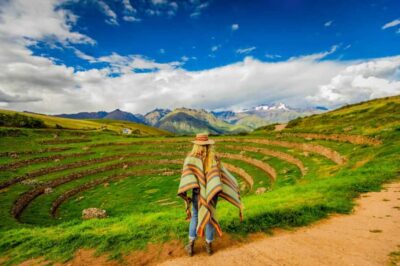
Sacred Valley, Pisac, Ollantaytambo, Salt Mines Moray
Read our review →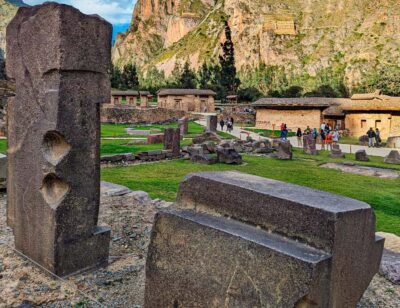
Chinchero,Moray & Salt Mines drop-off in Ollantaytambo
Read our review →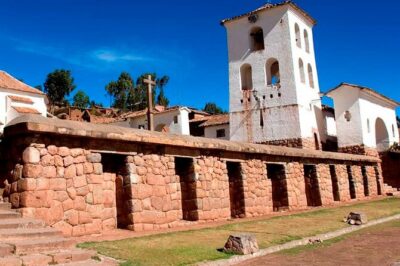
Sacred Valley and Maras Moray Tour with Full Day Buffet Lunch
Read our review →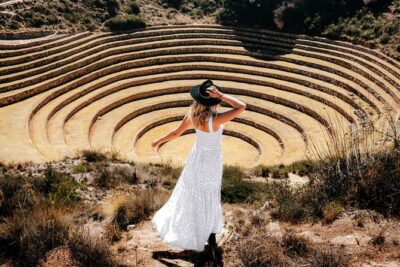

Browse the lists this tour appears in