
Reviewed · WALKING TOURS IN CUSCO
Cusco Walking Tour: Downtown, Sun Temple & San Blas Views
Cusco reveals itself one stone at a time. This 135-minute walking tour links the city’s main square, Inca walls, Qorikancha, San Blas, and a hilltop view into a clear introduction to Cusco’s layered past. I like the route because it covers major sights without requiring entrance tickets, and I like that Jose Martinez, a local guide and former licensed trekking guide to Machu Picchu, leads the experience.
The other strong point is the practical mix of history and daily life. You learn about Inca engineering, Spanish conquest, Andean traditions, and local neighborhoods rather than simply collecting photo stops. The main consideration is altitude and uphill walking: the tour is not suitable for people with altitude sickness or people over 70, and San Blas and San Cristóbal require steady movement on cobbled streets and slopes.
In This Review
- Key Points at a Glance
- Why This Walk Works as a First Introduction to Cusco
- Plaza de Armas and the Four Roads of Tawantinsuyo
- Sun Street and the Engineering of Inca Walls
- Qorikancha, the Temple of the Sun
- Cusicancha and the Twelve-Angled Stone
- San Blas, Seven Lambs Street, and the Artistic Side of Cusco
- San Cristóbal Viewpoint and the Final Climb
- What the Tip-Based Price Really Means
- Choosing the Best Departure Time
- What to Bring and Who Should Book
- Should You Book This Cusco Walk?
- FAQ
- How long does the Cusco walking tour last?
- What is the price of the tour?
- Where does the tour meet?
- How will I recognize the guide?
- Which languages are available?
- Who leads the tour?
- Are entrance tickets included?
- What should I bring?
- What departure times are available?
- Is the tour suitable for everyone?
Key Points at a Glance
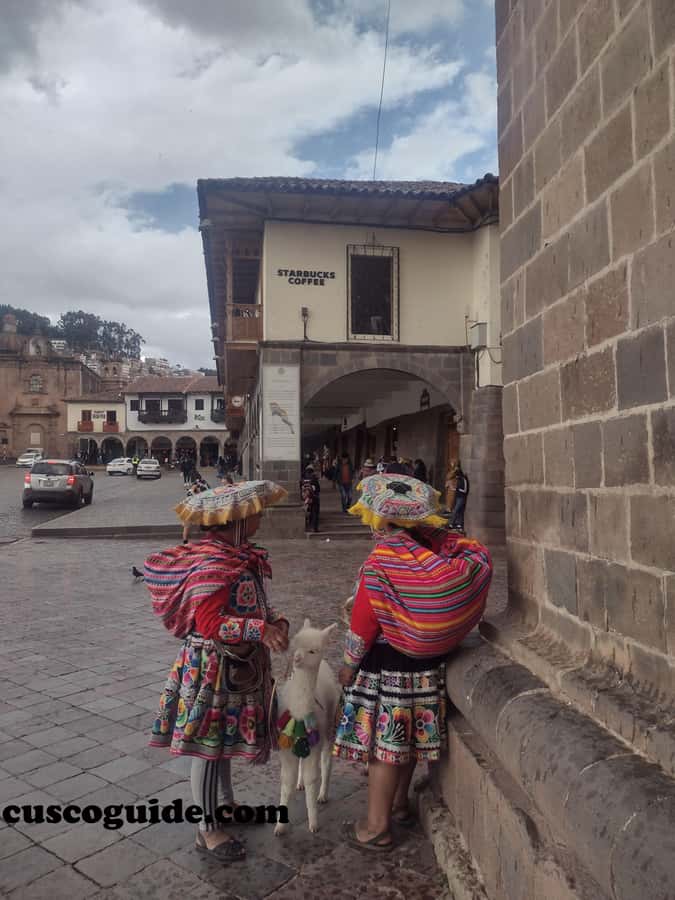
- Qorikancha from the outside: Learn how the former Temple of the Sun connected religion, astronomy, and imperial power without paying an entrance fee.
- Inca stonework up close: Sun Street and the Twelve-Angled Stone make Cusco’s famous masonry easier to understand.
- San Blas with a local angle: Narrow lanes, artisan workshops, and Seven Lambs Street give the tour a more personal neighborhood feel.
- A useful final viewpoint: San Cristóbal offers rooftops, mountains, and a quick lesson in Cusco’s unusual geography.
- Tip-based pricing: The $1.20 charge secures your place, but it is not the guide’s fixed tour fee. You decide the gratuity.
- Several departure choices: Tours run at 7:30 am, 9:45 am, 12:30 pm, 3:00 pm, and 6:00 pm, including a Cusco by Night option.
Why This Walk Works as a First Introduction to Cusco
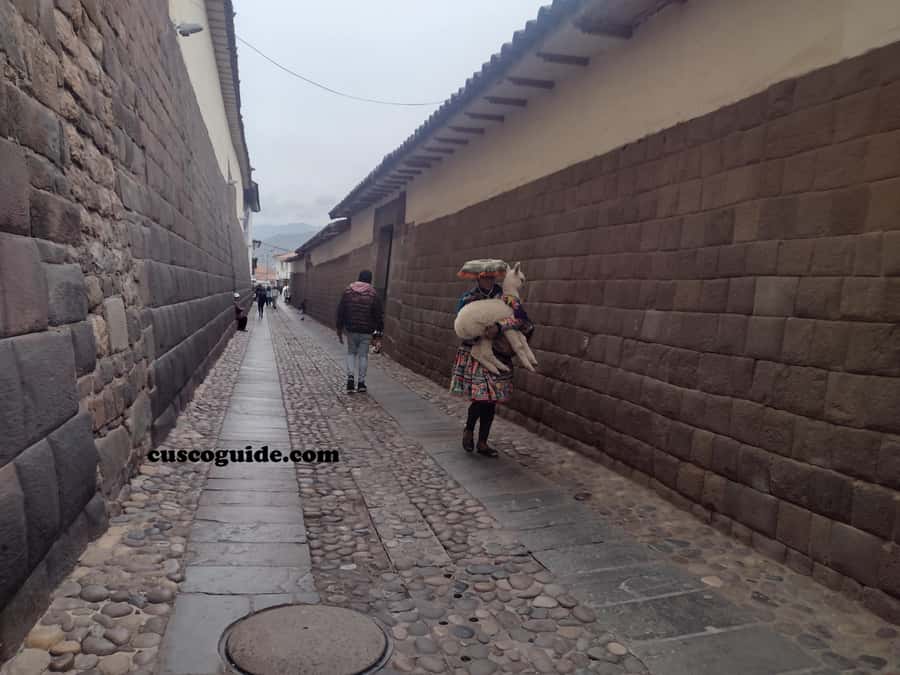
Cusco can feel confusing at first. It is a high-altitude city built around Inca foundations, Spanish colonial buildings, modern shops, and steep Andean streets. A walking route helps you connect those pieces before you start visiting museums, ruins, and markets on your own.
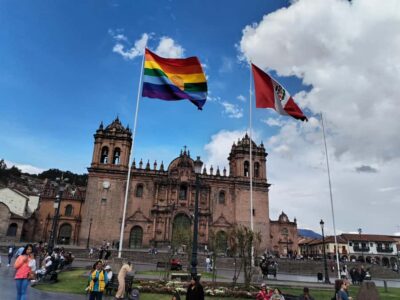
This tour begins in the Plaza de Armas, the obvious place to start. In Inca times, the square was a ceremonial center of Tawantinsuyo, the Inca realm, and the origin point for four major roads leading through the empire. That background gives the square more weight than its attractive arcades and cathedral facades suggest.
Your guide, Jose Martinez, brings useful field experience to the walk. He previously worked as a licensed trekking guide to Machu Picchu and has completed more than 400 journeys to the Inca citadel. That does not turn this into a Machu Picchu tour, but it helps explain why the guide can connect Cusco’s streets with the wider Inca world.
The tour is offered in English and Spanish. It is designed to be easy to follow, with history explained alongside local customs and everyday life. A 4.5 rating from 26 reviews suggests a strong overall reception, and the most specific praise focuses on the quality of the guide. One Spanish-language review singled out Henrry for making the route enjoyable and for offering useful advice about acclimatization and local products. Since the tour information identifies Jose as the guide, you should confirm the guide’s name when booking or meeting up.
More Walking Tours in Cusco
- Cusco: Walking Tour with an Experienced Local Guides
★ 4.8 · 636 reviews - Cusco: Historic Walking Tour with Pisco Sour and Local Music
★ 5.0 · 190 reviews - Curious Monkey Cusco- Eat the Streets, Walking Food Tour
★ 5.0 · 160 reviews
Plaza de Armas and the Four Roads of Tawantinsuyo
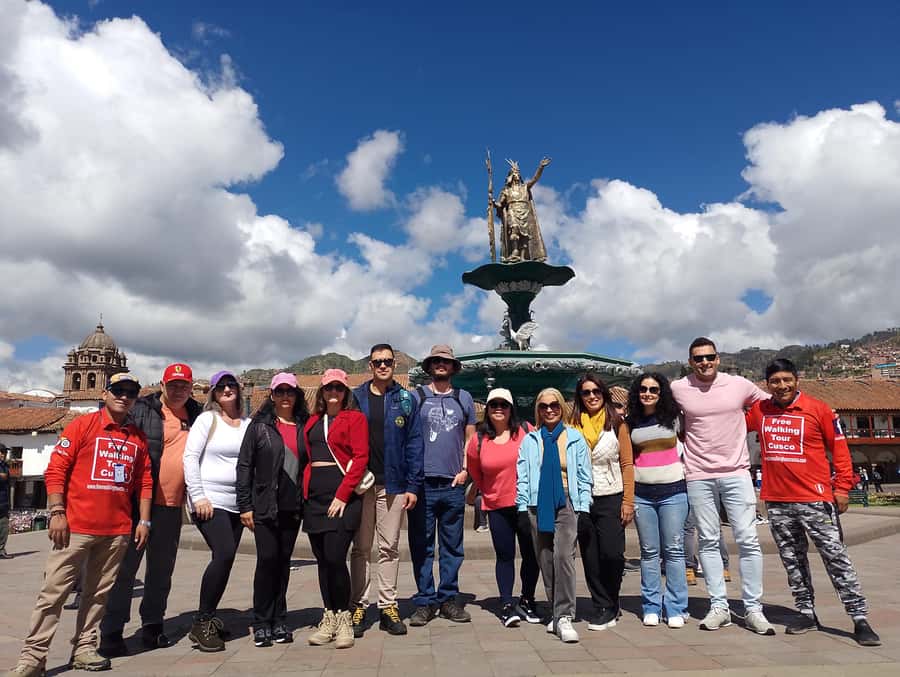
The meeting point is in front of the Inca statue in Cusco’s Plaza de Armas. Look for a guide wearing a red T-shirt with the Cusco Guide or Free Walking Tour Cusco logo. The tour begins five minutes after the scheduled time, so arriving early is sensible, especially if you are still learning the city’s layout.
The opening explanation of the plaza sets up the rest of the walk. This was not simply an open public square. It served ceremonial purposes and connected to the four great Inca roads, which carried people, goods, messages, and armies across the empire.
I appreciate starting here because you can immediately see the city’s mixture of eras. Spanish buildings frame a space that was important long before the conquest. The tour uses that contrast to explain how Spanish Cusco was built over, around, and sometimes directly onto the Inca city.
The plaza is also a practical meeting point. It is central, easy to recognize, and close to the other stops. You do not need transport, and the walking route avoids the need to organize several separate visits during your first hours in town.
Sun Street and the Engineering of Inca Walls
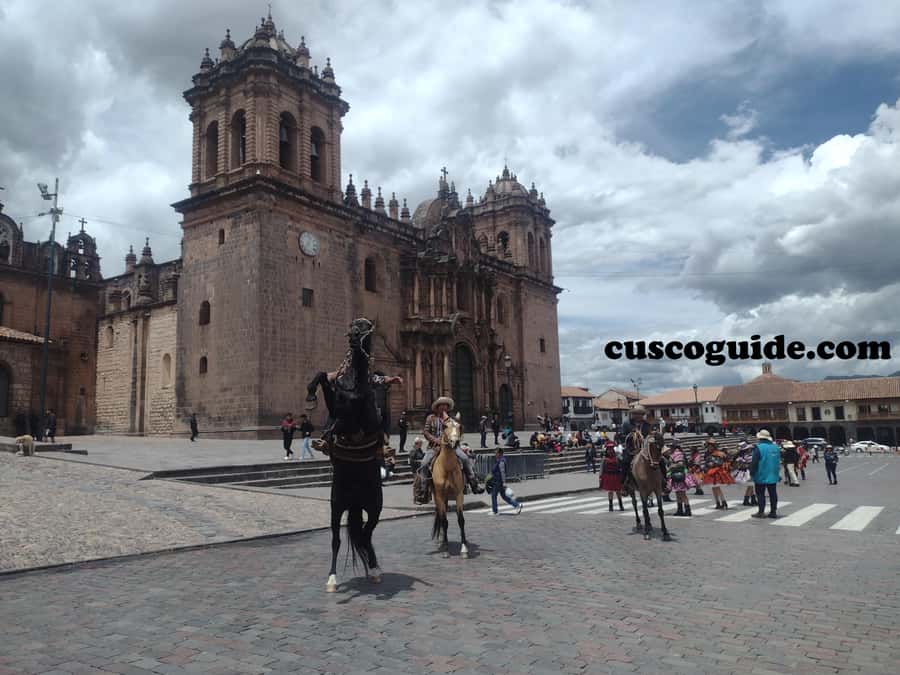
From the plaza, the route follows Sun Street, also called Intikijllu. This is one of the best sections for seeing original Inca stonework in the middle of modern Cusco.
The guide explains how Inca walls were built to resist earthquakes. The stones were cut and fitted tightly, often with irregular shapes that lock together instead of relying on mortar. You will also hear about the symbolic side of the construction, since these walls were not only practical structures. Their careful design reflected the power and order of the Inca state.
This part of the walk is valuable because the stonework can be easy to admire without understanding. A close look at the joints, angles, and scale makes the construction more impressive. The lesson is short and visual, so you do not need a background in archaeology to follow it.
The route is on foot and includes cobbled surfaces. Wear shoes with a firm sole. Sandals or smooth casual shoes may make the walk less pleasant, particularly as the route continues toward San Blas.
Qorikancha, the Temple of the Sun
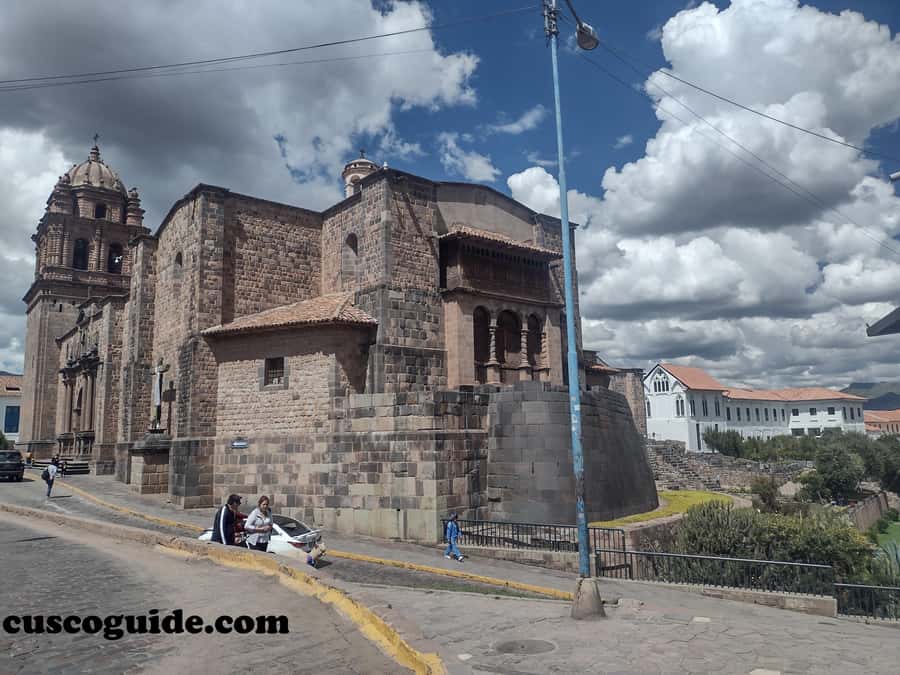
The tour passes Qorikancha, the former Temple of the Sun, from the outside. This is an important limitation to understand. The entrance is not included, and the group does not go inside as part of the walking tour.
Even from outside, Qorikancha gives you a useful picture of Inca religion and imperial authority. It was once the heart of Inca worship, with connections to the sun, astronomy, ritual, and the ruler’s position at the center of the empire. After the Spanish conquest, the sacred complex was transformed, showing how conquest changed both the buildings and their meaning.
I like this stop for the context more than for the photograph. If Qorikancha is high on your personal list, you can return later and pay the separate entrance fee. The walking tour gives you the background first, which can make a later independent visit more rewarding.
Because all regular stops are viewed from outside, the tour suits a first orientation or a budget-conscious visit. It does not replace paid access to Cusco’s museums and monuments. Think of it as a street-level history lesson that helps you choose which interiors deserve your time and money.
A completely different kind of day:
- Classic Inca Trail Trek 4D/3N to Machu Picchu (Group Service)
★ 5.0 · 8,653 reviews - Cusco: Rainbow Mountain and Red Valley Day Trip with Meals
★ 4.9 · 4,893 reviews - Machu Picchu: 4-Day Inca Trail Trek with Panoramic Train Ride
★ 5.0 · 4,568 reviews - Salkantay Classic Trek 5 Days from Cusco
★ 5.0 · 4,062 reviews
Cusicancha and the Twelve-Angled Stone
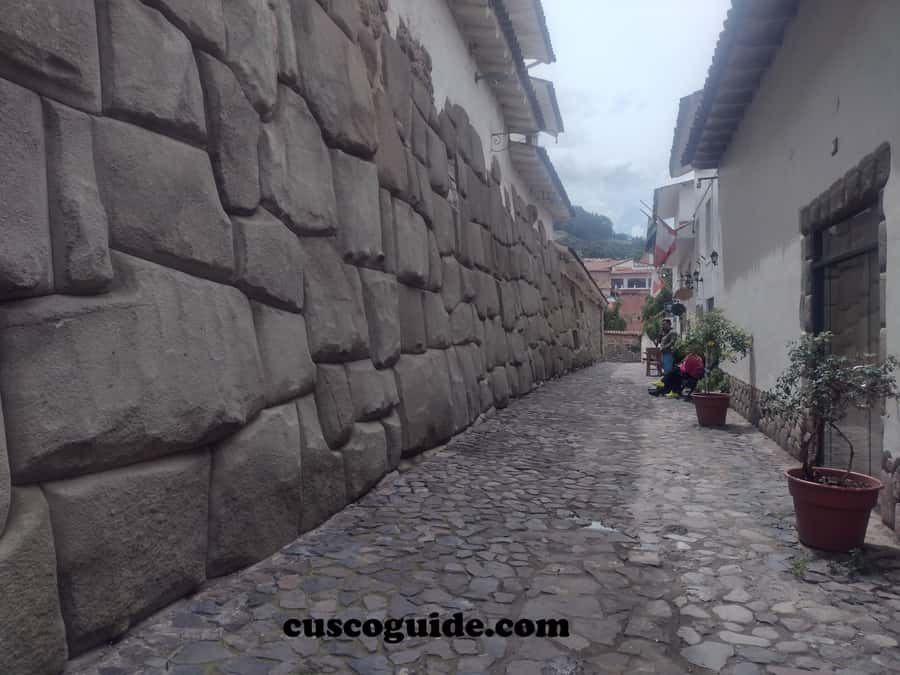
The walk continues through Cusicancha, an old Inca neighborhood and palace area. Here, large blocks and the arrangement of the streets help show how the Inca city was planned for more than simple shelter. Elite residences, ceremonial spaces, and important routes were part of a carefully organized urban center.
This is where the guide’s explanation matters. A casual walk might leave you seeing only old stones. With context, you can start to notice how the blocks fit into a larger plan and why some walls look more precise or substantial than others.
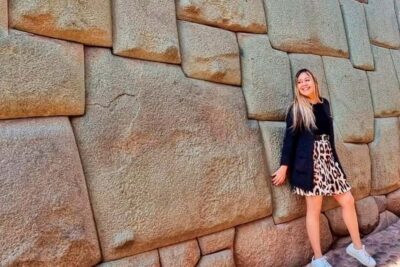
The Twelve-Angled Stone is the route’s most famous masonry example. It is an easy place to understand the precision of Inca stone cutting, since the stone fits into a wall with multiple carefully shaped sides. The point is not that one stone alone explains Inca construction, but that it gives you a memorable example to carry through the rest of your Peru trip.
Expect a popular photo stop and a narrow urban setting. The experience is not a quiet archaeological site. It is part of a living city, with people moving through the streets and modern life close by. That is also the appeal: Cusco’s Inca past is not sealed away behind a fence.
San Blas, Seven Lambs Street, and the Artistic Side of Cusco
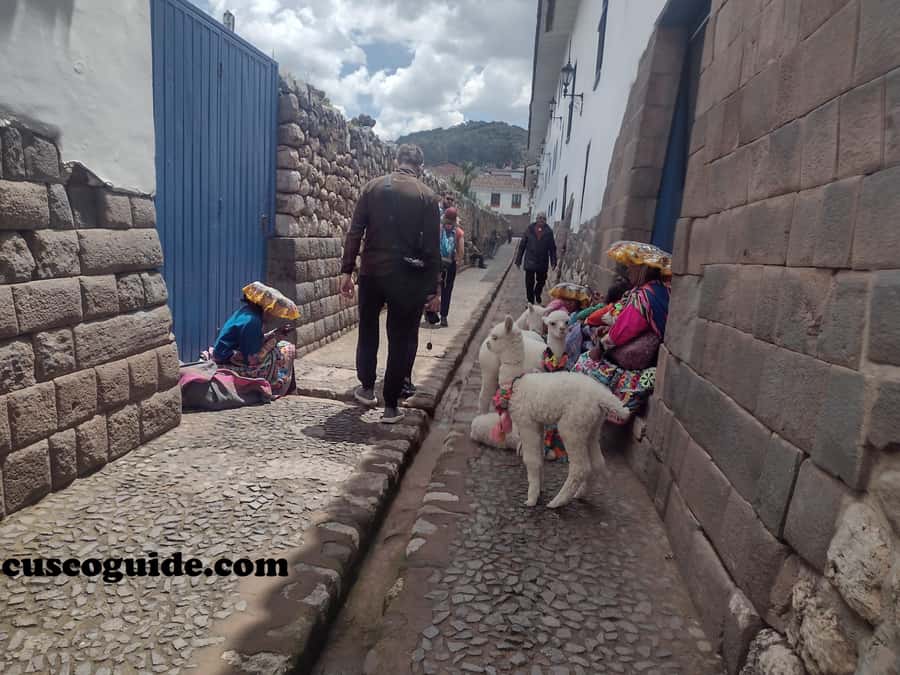
After the central streets, the route heads into San Blas. This neighborhood is known for its artistic character, narrow cobbled lanes, artisan workshops, and colorful corners. It feels different from the grand scale of the Plaza de Armas and the formal subject matter of Qorikancha.
Seven Lambs Street is one of the named stops. Details like this make the walk more memorable than a broad claim that San Blas is charming. You get a specific lane, a local name, and a sense of how the neighborhood’s smaller streets fit into Cusco’s character.
San Blas is also where the physical demands of the tour become clearer. The neighborhood sits uphill from the center, and the route may feel harder if you have just arrived in Cusco. The altitude affects people differently, so take the advice about water, sunscreen, and a light jacket seriously. You may have warm sun, cool shade, or a quick weather change during the same walk.
The review information includes praise for advice about acclimatization and local products. That is useful early in a Cusco visit. You can ask the guide practical questions in English or Spanish, but remember that the tour’s main focus is the walking route, not a dedicated food or shopping excursion.
San Cristóbal Viewpoint and the Final Climb
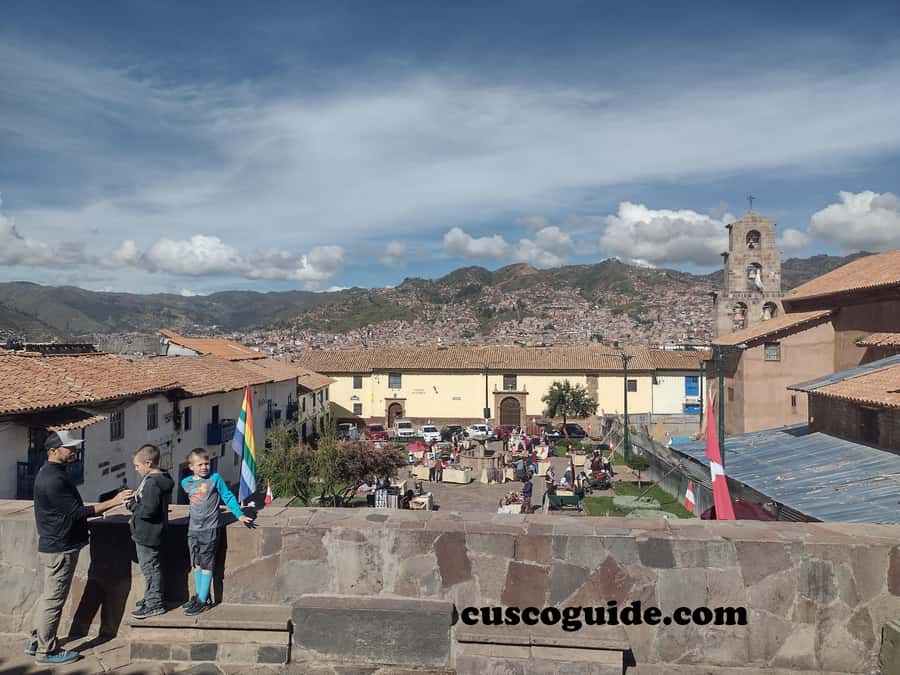
The tour finishes near San Cristóbal, where you can look across Cusco’s rooftops toward the surrounding mountains. This is a fitting end because it lets you see the city’s shape after walking through its central streets.
From above, the relationship between the colonial center, San Blas, and the hills becomes easier to grasp. You can also see why Cusco feels enclosed by the Andes. The view is not just a final photo opportunity. It helps place the earlier stops into a physical setting.
The viewpoint does require uphill walking, so it may be the least comfortable part for anyone affected by altitude, age, or limited mobility. The experience specifically says it is not suitable for people over 70 or people with altitude sickness. That is a direct warning, not a minor footnote.
If you have recently arrived from a lower altitude, consider choosing the 7:30 am or 9:45 am departure only if you already feel well. The noon and afternoon departures give you more time to rest first. The 6:00 pm Cusco by Night option may offer a different mood, but the available details do not promise a particular sunset, lighting plan, or evening performance.
What the Tip-Based Price Really Means
The advertised $1.20 per person is a booking fee, not the full cost of the tour. This is a pay-what-you-want experience, and the guide is paid through gratuities. You reserve your place, then decide what the walk was worth.
That makes the tour a good low-cost way to get oriented, but you should not treat it as a free tour in the strict sense. Bring enough cash or prepare to tip according to the quality, length, and usefulness of the experience. The guide is providing the service on a gratuity basis.
The value is strongest if you use the walk to plan the rest of your Cusco stay. You can identify which streets you want to revisit, decide if Qorikancha deserves a paid entry, and learn how San Blas connects to the center. The tour also saves you from paying for transport between these central stops.
No entrance tickets are included because the sites are viewed from outside. Drinks and snacks are also not included. Bring water and a small snack if you need one, since 135 minutes of walking at altitude can take more energy than the same distance at sea level.
Choosing the Best Departure Time
You have five scheduled choices:
- 7:30 am
- 9:45 am
- 12:30 pm
- 3:00 pm
- 6:00 pm, labeled Cusco by Night
The early start may suit you if you want cooler conditions and a head start on the day. The 9:45 am and 3:00 pm departures are the main daytime options. The noon start can work if you need a slower morning after arriving in Cusco or after a demanding excursion.
The best choice depends on how your body handles altitude. You should not book simply because a time fits your schedule. Give yourself enough time to eat, drink water, and judge how you feel before walking uphill to San Blas and San Cristóbal.
All options last about 2 hours and 15 minutes. The stated duration is 135 minutes, so plan for a little more than two hours and avoid booking another activity that begins immediately afterward.
What to Bring and Who Should Book
Comfortable shoes, water, and sunscreen are the basic requirements. A light jacket is also sensible because Cusco’s weather can change quickly. You do not need tickets for the included stops, but you may want money for a later optional entrance to a site such as Qorikancha.
I would choose this tour if you want:
- A first look at central Cusco before independent sightseeing
- Clear explanations of Inca walls and urban planning
- A local guide rather than an audio guide
- San Blas and a city viewpoint included in the same route
- A low upfront cost with flexible payment
- English or Spanish guiding
I would hesitate if you want extensive indoor sightseeing, a slow museum visit, or a route with little uphill walking. Since the landmarks are seen from the outside, you need to be comfortable treating the tour as an introduction rather than a full archaeological visit.
Cancellation is free up to 24 hours before the start, and you can reserve now while paying later. Those terms are useful if your Peru schedule is still moving around, though they do not change the tip-based nature of the experience.
Should You Book This Cusco Walk?
Book it if you want a practical first orientation with real historical content, especially if you are new to Cusco. The route covers the Plaza de Armas, Sun Street, Qorikancha, Cusicancha, the Twelve-Angled Stone, San Blas, and San Cristóbal in one compact walk.
The strongest reason to choose it is the guide-led explanation of places you could otherwise pass without understanding. Jose Martinez’s Machu Picchu guiding background adds useful context, and the praise for acclimatization advice is worth noting for a first day in the city.
Skip it if altitude or uphill walking will be a serious problem, or if you mainly want to enter monuments. For most able walkers, though, this is a sensible, inexpensive way to meet Cusco through its stones, streets, views, and living neighborhoods.
FAQ
How long does the Cusco walking tour last?
The tour lasts about 135 minutes, or 2 hours and 15 minutes.
What is the price of the tour?
The $1.20 per person charge secures your booking but is not the fixed tour price. This is a tip-based experience, so you decide the gratuity.
Where does the tour meet?
The meeting point is in front of the Inca statue in Cusco’s Plaza de Armas.
How will I recognize the guide?
The guide wears a red T-shirt with the Cusco Guide or Free Walking Tour Cusco logo.
Which languages are available?
The tour is available in English and Spanish.
Who leads the tour?
The tour information identifies Jose Martinez as the local guide. One review refers to a guide named Henrry, so you may wish to confirm the guide’s name when booking.
Are entrance tickets included?
No. The included sites are viewed from the outside, and any optional entrance fees are paid separately.
What should I bring?
Bring comfortable shoes, water, sunscreen, and a light jacket because the weather can change quickly.
What departure times are available?
Departure times are 7:30 am, 9:45 am, 12:30 pm, 3:00 pm, and 6:00 pm. The final option is called Cusco by Night.
Is the tour suitable for everyone?
The tour is not suitable for people with altitude sickness or people over 70 years old. It also includes walking through cobbled streets and uphill areas around San Blas and San Cristóbal.
Just added in Cusco
- Cusco Private Transportation for 2026★ 5.0 · 4 reviews
- Private Transfer from Airport to Hotel in the City of Cusco★ 4.0 · 5 reviews
- Best Cusco walking tour: dinner street food tasting★ 4.5 · 11 reviews
- Private Tour to Pisac Market and Pisac Ruins★ 5.0 · 4 reviews
- Machu Picchu Day Trip With Panoramic Train from Cusco★ 5.0 · 10 reviews
- Sacred Valley Private Tour from Cusco, Guide and Driver only★ 5.0 · 4 reviews
- Sacred Valley of the Incas Tour★ 5.0 · 12 reviews
- Private Tour of the Mountain of Colours by Quad★ 5.0 · 7 reviews
Walking Tours in Cusco, compared.
Historic Walking Tour with Pisco Sour and Local Music
Read our review →
Curious Monkey Cusco- Eat the Streets, Walking Food Tour
Read our review →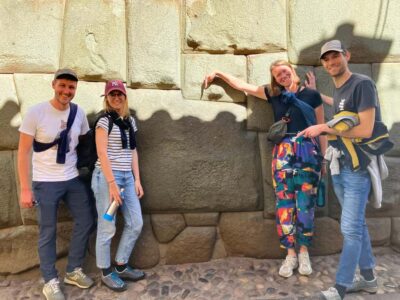
Cusco Highlights Walking Tour: History, Culture, Traditions
Read our review →
Historic Walking Tour with Pisco Sour and Music Show
Read our review →
Historic Walking Tour & Scenic Views with local drink
Read our review →
Browse the lists this tour appears in