
Reviewed · HISTORY TOURS IN CUSCO
Cusco: Historic Walking Tour & Scenic Views with local drink
Cusco reveals itself one street at a time. This walking tour brings together Plaza de Armas, Inca walls, San Blas, and broad city views in one well-packed outing. I like the visit to a local luthier shop, which adds a human touch to the usual monument circuit, and I like that a traditional drink closes the tour instead of another long lecture. The main consideration is the walking: steep streets, uneven paving, and several viewpoints make this unsuitable for wheelchair users and tiring if you are still adjusting to Cusco’s altitude.
The route takes about 150 minutes to three hours, depending on the pace and group. Guides speak English or Spanish, and private or small-group options are available. Nilo received special praise for his clear explanations, restaurant suggestions, and calm handling of a thunderstorm, even finding shelter in a traditional music shop where the group could try Andean instruments.
In This Review
- Key points to know before you go
- Starting in Cusco’s Main Square
- Coricancha and the engineering of the Inca
- Hatunrumiyoc and the famous stonework
- San Blas, art, and a higher view
- Calle Siete Borreguitos and the old water route
- The colonial aqueduct beside Inca foundations
- San Cristobal for the full city view
- The luthier shop and Andean music
- Ending with a Pisco Sour
- Time, price, and practical value
- Who will enjoy this Cusco walk?
- Should you book it?
- FAQ
- Where does the tour start?
- Where does the tour finish?
- How long does the walking tour last?
- Which languages are available?
- Is a drink included?
- Is hotel pickup included?
- Does the tour include food?
- Is the tour suitable for wheelchair users?
- What should I bring?
Key points to know before you go
- The route links Cusco’s biggest sights on foot: You move from the Main Square through Coricancha, Hatunrumiyoc, San Blas, and San Cristobal.
- The luthier stop is the tour’s most personal moment: You learn how traditional Andean instruments are made and may get a chance to handle or use them.
- San Blas provides both culture and views: The district includes an artisan stop, a museum of Andean art, and a viewpoint above the city.
- You see layers of Cusco in a short distance: Inca ceremonial sites, colonial aqueducts, churches, and Spanish-era streets share the same route.
- A local drink is included: The final stop features a Pisco Sour or another authentic local drink.
- Bring proper walking gear: Comfortable shoes, water, sunscreen, and a sun hat matter here, especially during the longer three-hour version.
Starting in Cusco’s Main Square
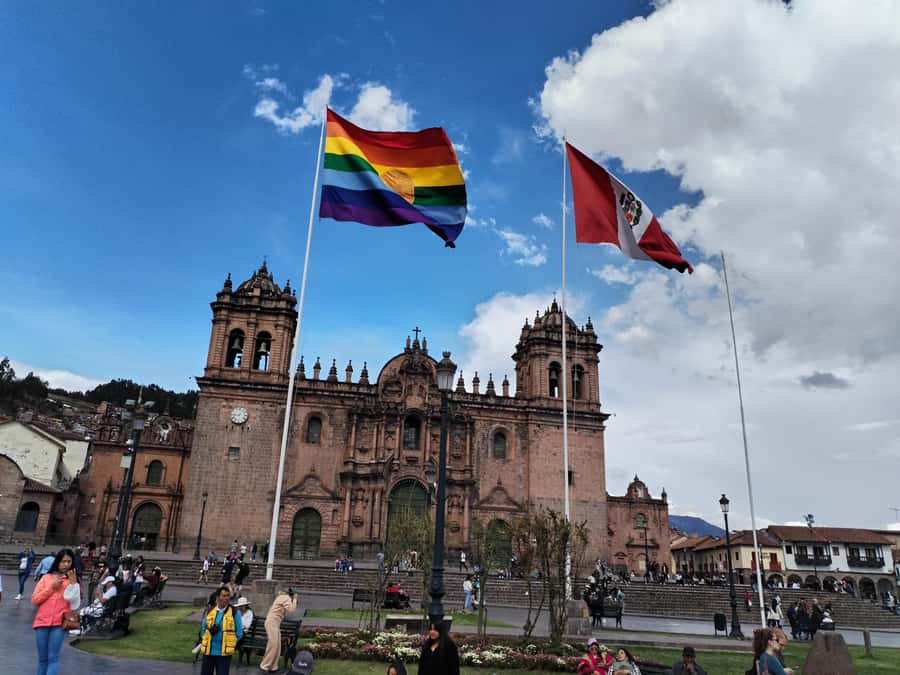
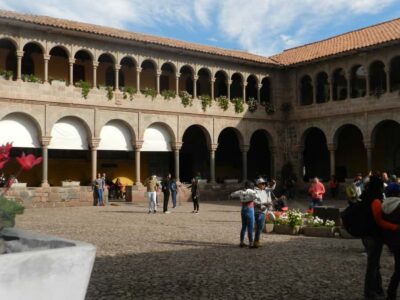
The tour begins at Plaza Mayor de Cusco, also called Plaza de Armas. This is the natural place to begin because Cusco’s major stories meet here: Inca power, Spanish colonial rule, Catholic traditions, and modern city life.
Your guide sets the scene around the square, pointing out the colonial and Inca features that frame it. The square is not simply a pretty open space for photographs. It helps you understand how Cusco was organized and why this center has remained important across centuries.
You then spend about ten minutes at Cusco Cathedral with a guide. The visit is brief, so expect an introduction rather than a full museum-style examination. That works well for a walking tour, since the cathedral is one part of a larger story rather than the entire focus.
I recommend looking beyond the most decorative details. Pay attention to how the cathedral occupies a central colonial position on a site tied to earlier Andean power. This contrast between Spanish religious architecture and older Cusco traditions is one of the main themes of the morning.
More History Tours in Cusco
- Cusco: Historic Walking Tour with Pisco Sour and Local Music
★ 5.0 · 190 reviews - Cusco: Historical Guided City Tour with 4 Inca Ruins
★ 4.5 · 99 reviews - Cusco Highlights Walking Tour: History, Culture, Traditions
★ 4.9 · 72 reviews
Coricancha and the engineering of the Inca
From the square, the route reaches Coricancha, another short guided stop of about ten minutes. This was an important Inca ceremonial center, and it gives your guide a chance to explain the building methods and beliefs that shaped Cusco.
The value here is not only the remains themselves. You begin to see how the Incas worked with precisely cut stone and how later colonial construction was placed around or above earlier foundations. Cusco often makes its history visible in the same wall, and Coricancha is a strong example.
Ten minutes is enough to establish the site’s importance, but not enough for a slow, detailed archaeological visit. If Coricancha is high on your personal list, you may want additional time there on another day. On this tour, the stop functions as a useful introduction before the route moves into the streets.
Hatunrumiyoc and the famous stonework
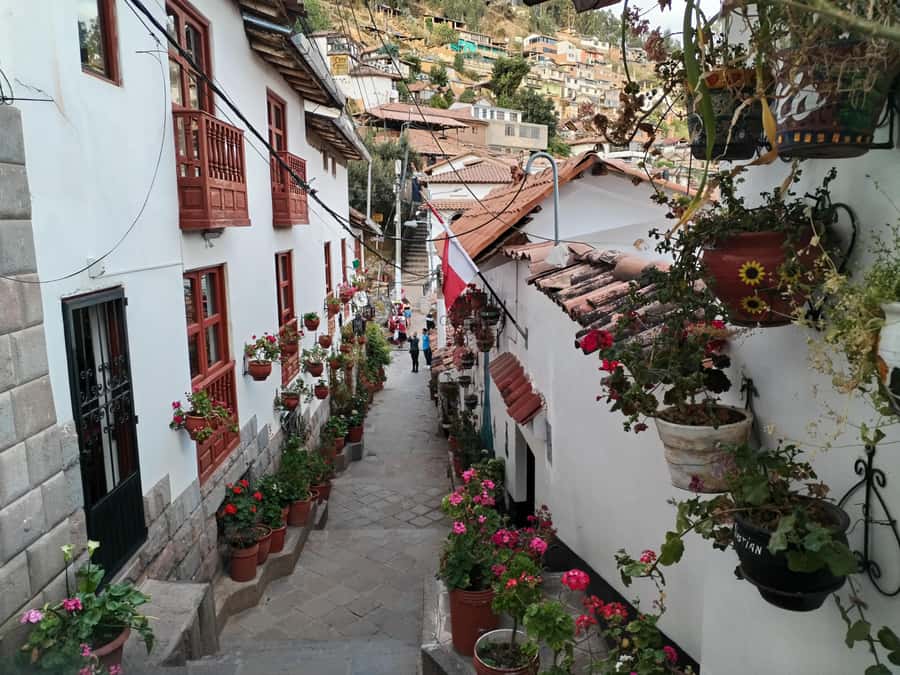
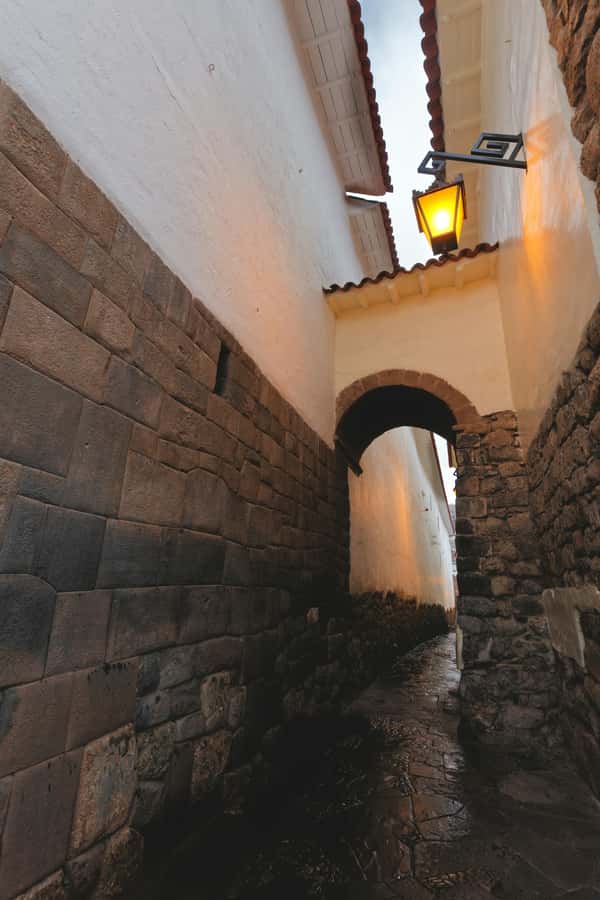
A guided walk along Calle Hatunrumiyoc lasts about twenty minutes. This is one of the best parts of the route for seeing Inca masonry at street level.
The appeal is simple: you do not need to enter a remote archaeological park to study the stonework. You can stand close to the walls and examine the tight joins, unusual shapes, and careful construction. Your guide explains the cultural importance of the street and the techniques that helped make Cusco a UNESCO World Heritage site.
This stop also teaches you to slow down. A narrow street can look like a quick passage when you are rushing between attractions, but here the wall itself is the exhibit. The walking surface is part of the experience, too. Wear shoes with a good grip, since old streets can be uneven and the route includes uphill sections.
San Blas, art, and a higher view
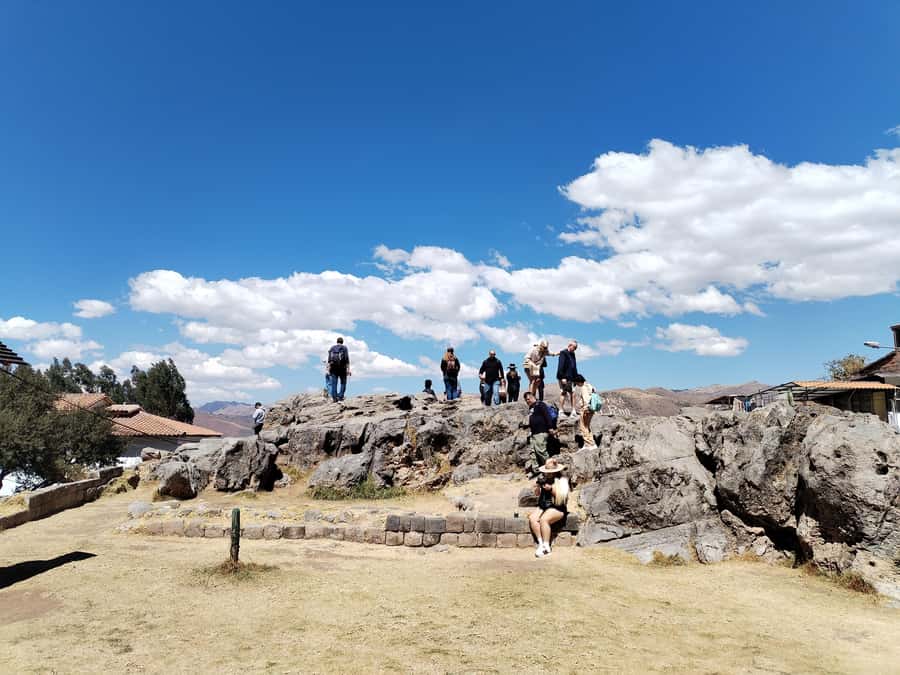
After a short three-minute walk, you reach San Blas. The district is known for artisans, traditional streets, and views over Cusco. The guided visit lasts about thirty minutes, making it one of the fuller stops on the route.
San Blas gives the tour a different feel from the formal monuments around the Main Square. You see a neighborhood with a strong craft identity, and you have time to notice the small-scale details of its streets. The area is also useful for understanding how Cusco’s historic center extends beyond the central plaza.
The tour includes a museum featuring traditional Andean art. The supplied details do not specify the museum’s name or collection size, so you should think of this as a focused cultural stop rather than a major museum visit. It adds context to the crafts and visual traditions you encounter in San Blas.
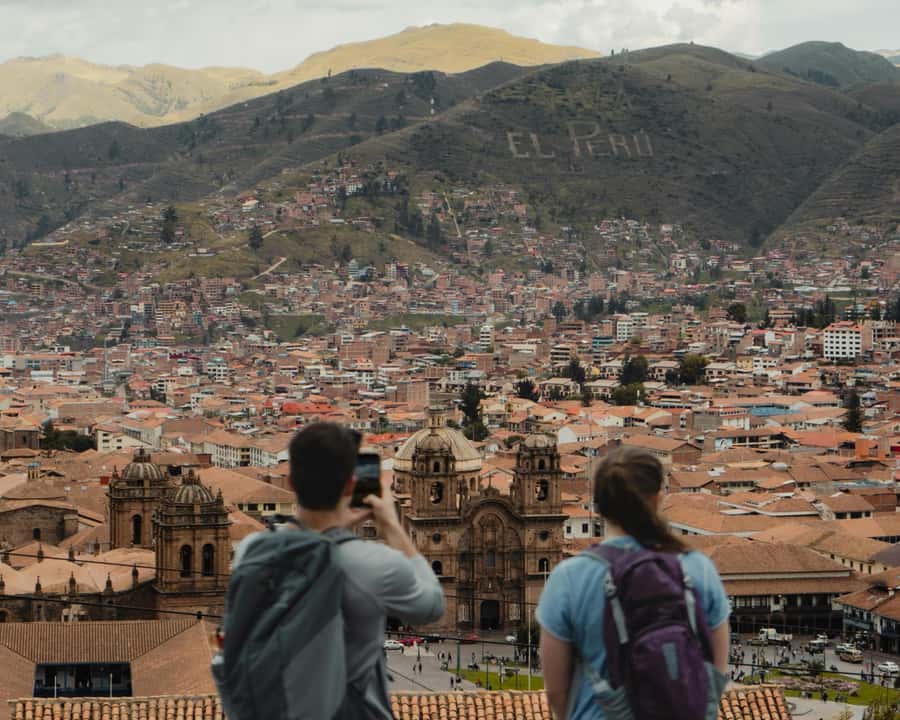
A viewpoint visit follows, with about ten minutes for sightseeing and explanation. You get a broad look across Cusco’s rooftops and surrounding hills. This is one of the moments when a guide can help you read the city’s layout instead of simply pointing a camera at it.
Keep your expectations practical. The viewpoint is a short stop, not a long rest break, and the group continues on foot afterward. If you want photographs, have your camera ready before you arrive.
More Walking Tours in Cusco
- Cusco: Walking Tour with an Experienced Local Guides
★ 4.8 · 636 reviews - Curious Monkey Cusco- Eat the Streets, Walking Food Tour
★ 5.0 · 160 reviews - Cusco: Historic Walking Tour with Pisco Sour and Music Show
★ 4.6 · 65 reviews - Cusco Food Walking Tour & Central Market
★ 5.0 · 48 reviews
Calle Siete Borreguitos and the old water route
The route continues through Calle Siete Borreguitos, with about fifteen minutes of guided commentary. This street is known for its attractive colonial character and its connection to Cusco’s older routes.
This section is especially useful because it moves the focus away from headline monuments. You see how the city’s character survives in its lanes, walls, and changing levels. Your guide can explain how streets developed around older Inca foundations and later Spanish planning.
The walk is short on paper, but Cusco’s terrain can make time feel different. A three-minute connection on a map may involve a slope or uneven stones. If you are sensitive to altitude, keep your pace steady and tell your guide if you need a pause. The tour includes a ten-minute break later, but you should still carry water.
The colonial aqueduct beside Inca foundations
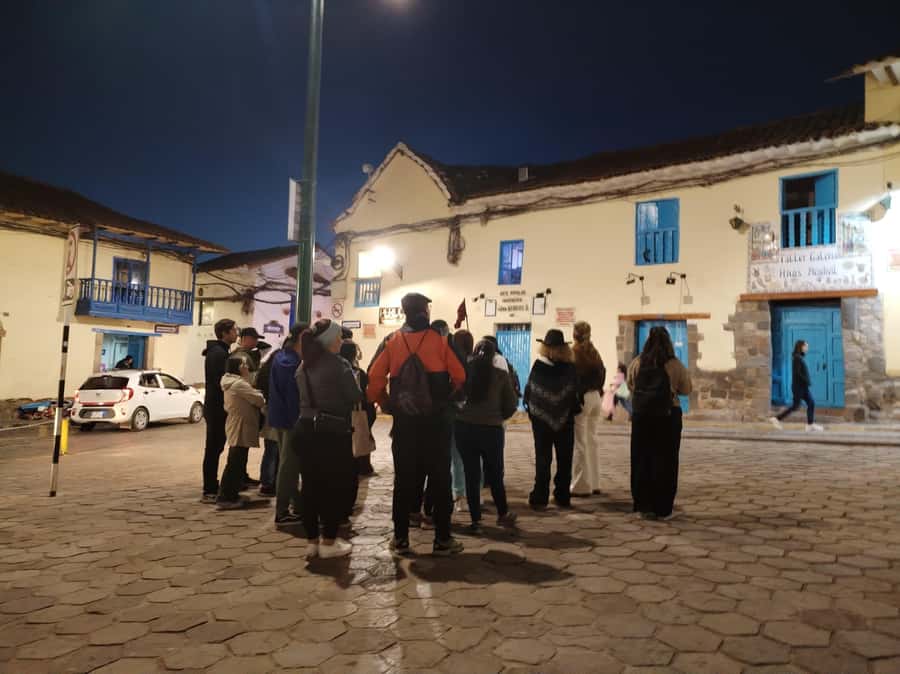
Next comes the Acueducto Colonial Fortaleza, a guided stop of about ten minutes. This colonial-era aqueduct helps show how Spanish infrastructure was added to a city already shaped by Inca engineering.
I like this stop because it broadens the story. Cusco is not only a collection of Inca walls, and it is not only a Spanish colonial city. The aqueduct represents the later period and the practical systems needed to support urban life.
The tour presents these pieces together, which makes the city easier to understand. You can compare construction styles and think about how old sites were reused, altered, or given new meaning. That idea of cultural mixing appears again in the ceremonial sites, churches, streets, and local traditions along the route.
San Cristobal for the full city view
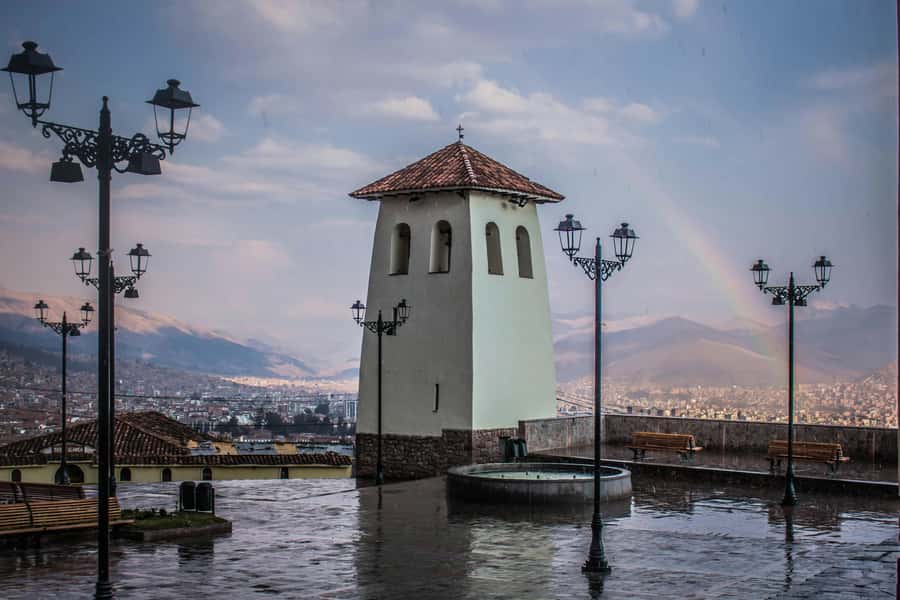
A five-minute walk leads to Mirador de San Cristobal Cusco. The guided visit lasts about fifteen minutes, and this is likely the broadest city view on the tour.
From here, you can take in Cusco as a bowl of tiled roofs, church towers, streets, and hills. Your guide explains the city’s layout and historical growth, helping you connect the places you have already visited. After walking through narrow lanes, the open view gives you a useful sense of the whole city.
This is also where the route’s physical demands become clear. San Cristobal involves uphill walking, and the altitude can make a modest climb feel strenuous. The tour is not suitable for wheelchair users, and it may not be a comfortable choice if you want a flat, low-effort stroll.
A ten-minute break at a visitor center follows. Use it properly. Drink water, adjust your layers, and take a breath before returning toward the Main Square. The break is short, but it can make the final stretch more pleasant.
The luthier shop and Andean music
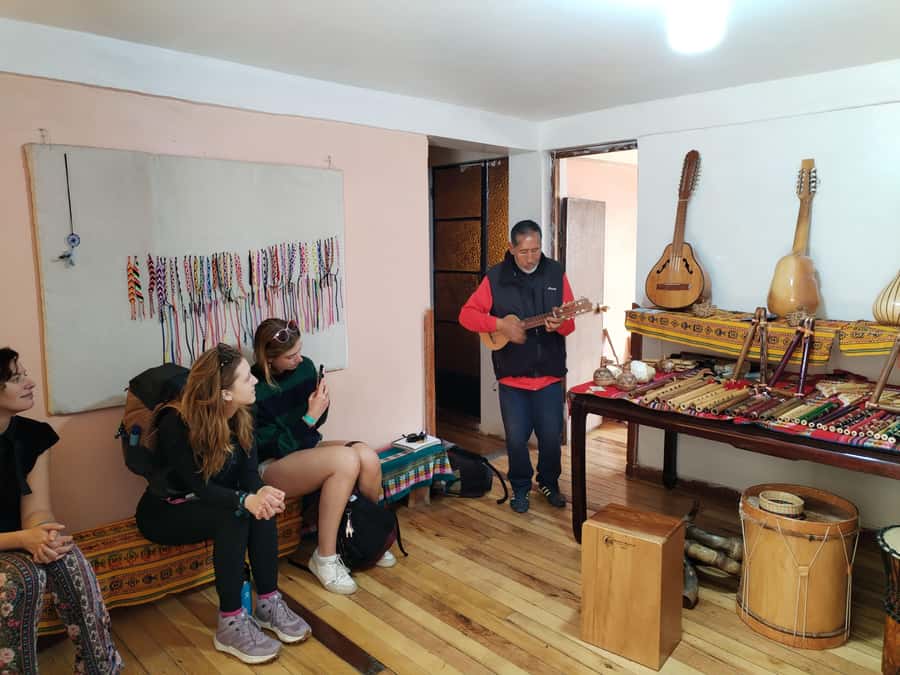
One of the tour’s best details is the visit to a local luthier shop. A luthier makes and repairs musical instruments, and this stop offers a direct look at the craft behind traditional Andean music.
This is more personal than simply seeing an instrument in a display case. You learn how the instruments are created and how they connect to local musical traditions. One particularly useful detail from the tour experience is that a guide was able to shelter a group from a thunderstorm inside a traditional music shop, where they learned about and used some of the instruments.
That story also points to a practical strength of a small-group or private tour. A guide can sometimes adjust the route or find a sensible pause when the weather changes. Still, no itinerary can remove Cusco’s sudden rain or strong sun, so bring weather-appropriate clothing and sun protection.
Ending with a Pisco Sour
After the walking and viewpoints, you return toward the Main Square for a traditional drink. The included option is a Pisco Sour or another authentic local drink.
This is a pleasant finish because it gives you time to sit down and talk with the guide. One three-hour outing ended at a small restaurant or bar, which made the final stop feel relaxed rather than rushed. Nilo also offered restaurant suggestions, a useful extra if this is your first day in Cusco and you are still deciding where to eat.
The drink is not a meal, and meals are not included. Think of it as a cultural tasting and a chance to ask final questions. If you do not want a Pisco Sour, another local drink may be available, according to the tour details.
Time, price, and practical value
The listed price is $1.20 per person, which is remarkably low for a guided three-hour city walk with a local drink and a luthier visit. At that price, the value is easy to see, provided the actual option and meeting details match what you select when booking.
The duration can range from 150 minutes to three hours. That difference matters. A shorter version may feel brisk, while the three-hour outing gives more room for explanations, the break, and the final drink. Check the available starting times and the option you choose.
Hotel pickup and drop-off are not included. You meet in the Cusco center, with the exact meeting point varying by booking option. The listed coordinates are approximately -13.5167779, -71.9787928, and the start and finish are both around Plaza Mayor de Cusco.
Free cancellation is available up to 24 hours before the tour for a full refund, and you can reserve now and pay later. Those terms help if your Cusco schedule may change, but they do not replace checking the exact meeting point before you leave your hotel.
Who will enjoy this Cusco walk?
I would choose this tour if you want a first look at Cusco that mixes major landmarks with ordinary streets and local craft. It suits you especially well if you enjoy history explained while walking, rather than spending several hours inside one museum.
It also works for travelers who want a guide’s help with orientation. The Main Square, Coricancha, Hatunrumiyoc, San Blas, and San Cristobal are easier to connect when someone explains how they fit together.
The tour may be less suitable if you dislike hills, need step-free access, or want long visits at each monument. The route is active, the timing at some stops is short, and the walk includes uneven streets. A private option may give you more flexibility, but the supplied details do not promise a slower pace or extra time at every site.
Should you book it?
Book this tour if you want strong value, city views, Inca and colonial sites, and a few local touches beyond the standard photo stops. The luthier visit and final drink give the outing a warmer feel, while the guides’ history explanations keep the route focused.
Skip it if your priority is a detailed cathedral or Coricancha visit, or if uphill walking is a problem. For most fit visitors settling into Cusco, though, this is a smart first-day orientation, especially if you bring water, wear solid shoes, and allow the full three hours.
FAQ
Where does the tour start?
The tour starts at or near Plaza Mayor de Cusco. The exact meeting point may vary depending on the option booked.
Where does the tour finish?
The tour finishes at Plaza Mayor de Cusco or Plaza Mayor de Cuzco, depending on the selected drop-off option.
How long does the walking tour last?
The duration is listed as 150 minutes to three hours. Check the available starting times and selected option when booking.
Which languages are available?
The live tour guide service is available in English and Spanish.
Is a drink included?
Yes. A traditional Pisco Sour or another authentic local drink is included at the end of the tour.
Is hotel pickup included?
No. Hotel pickup and drop-off are not included.
Does the tour include food?
No. Meals are not included. The included drink is served at the end.
Is the tour suitable for wheelchair users?
No. The experience is not suitable for wheelchair users because it involves walking through historic streets and reaching viewpoints.
What should I bring?
Bring comfortable walking shoes, a sun hat, sunscreen, water, weather-appropriate clothing, and a camera.
Just added in Cusco
- Cusco Private Transportation for 2026★ 5.0 · 4 reviews
- Private Transfer from Airport to Hotel in the City of Cusco★ 4.0 · 5 reviews
- Best Cusco walking tour: dinner street food tasting★ 4.5 · 11 reviews
- Private Tour to Pisac Market and Pisac Ruins★ 5.0 · 4 reviews
- Machu Picchu Day Trip With Panoramic Train from Cusco★ 5.0 · 10 reviews
- Sacred Valley of the Incas Tour★ 5.0 · 12 reviews
- Private Tour of the Mountain of Colours by Quad★ 5.0 · 7 reviews
- Sacred Valley Private Tour from Cusco, Guide and Driver only★ 5.0 · 4 reviews
History Tours in Cusco, compared.
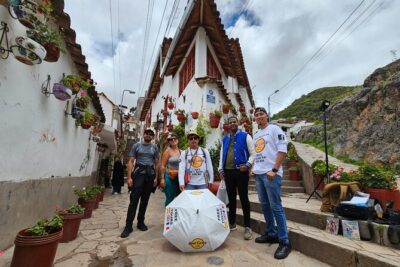
Historic Walking Tour with Pisco Sour and Local Music
Read our review →
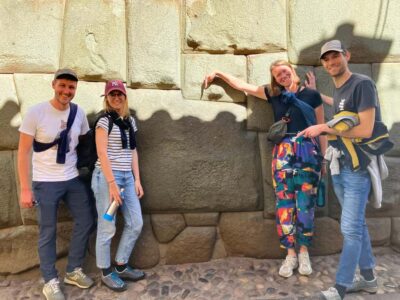
Cusco Highlights Walking Tour: History, Culture, Traditions
Read our review →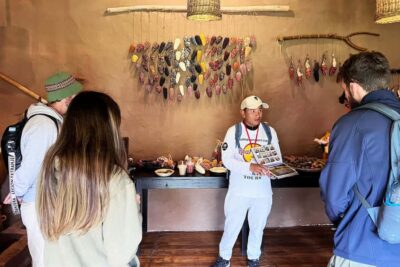
Historic Walking Tour with Pisco Sour and Music Show
Read our review →
Pisco Sour Secrets: Hands-On Mixology in Historic Cusco
Read our review →
Historic/music Cusco FreeWalkingTour “free drink” Group Tour
Read our review →Browse the lists this tour appears in