
Reviewed · HISTORY TOURS IN CUSCO
Cusco: Half-Day Historic City Tour
Cusco rewards a well-planned afternoon. I like the smart route, which pairs the Cathedral and Qoricancha with four important Inca sites, and I like having an air-conditioned coach for the hills beyond the center. The guide adds useful context about Inca religion, military sites, and traditional textiles. The catch is pace: several stops receive only a short explanation and a brief chance to explore.
At $18 per person, this is a strong value if you want a broad first look at Cusco without arranging separate taxis and entrance visits. You should budget another 110 soles for the Cathedral, Qoricancha, and tourist ticket, and be prepared for some sales activity at the textile center or during the return ride.
In This Review
- Key points to know before booking
- What this Cusco afternoon actually covers
- The Cathedral of Cusco starts the historical story
- Qoricancha explains the Inca view of the sun
- Sacsayhuaman brings the scale
- Qenqo is smaller, stranger, and more symbolic
- Puca Pucara shows the working side of the road
- Tambomachay adds water to the Inca story
- The textile center is useful, but expect a sales pitch
- The price is low, but tickets change the calculation
- Timing, group size, and guide quality matter
- Who will get the most from this tour
- Should you book the Cusco half-day city tour?
- FAQ
- How long does the Cusco Historic City Tour last?
- What sites are included in the route?
- Are entrance tickets included in the $18 price?
- Is hotel pickup included?
- What language is the tour conducted in?
- Is the tour suitable for wheelchair users?
Key points to know before booking
- The afternoon route covers Cusco’s main Inca sites: You visit Sacsayhuaman, Qenqo, Puca Pucara, and Tambomachay after seeing the city center.
- The real cost is higher than $18: Entrance tickets add 25 soles for the Cathedral, 15 soles for Qoricancha, and 70 soles for the tourist ticket.
- The schedule favors variety over depth: You see many places in one outing, but the stops can feel rushed.
- Pickup is centered on central Cusco hotels: If your hotel is outside the center, meet near the Inka Ahy statue in the main square.
- The small-group format is useful but not perfectly defined: The activity information gives a limit of 12 participants, while the highlights describe groups of up to 20.
- The tour ends near the main square: Return is planned for Santa Catalina Street at about 7:30 PM, handy for dinner or an evening walk.
What this Cusco afternoon actually covers
This is not a gentle stroll through the old town. It is a packed city-and-ruins circuit that begins at about 1:00 PM and finishes around 7:30 PM. You start with two major indoor sites, board a coach for the ruins above Cusco, then finish with a demonstration of Andean textiles.
The route works well for a first day in Cusco because it gives you the basic map. You see the Spanish colonial center, the Inca religious heart of the city, and the major archaeological sites nearby. I would not treat it as a substitute for a full day at any one site, but it is a practical way to get oriented.
The advertised duration is seven hours, although the stated pickup and return times cover roughly six and a half hours. Some of that difference is likely built around hotel pickup and group movement. Do not plan a tight dinner reservation before 8:00 PM unless you are comfortable arriving late.
More History Tours in Cusco
- Cusco: Historic Walking Tour with Pisco Sour and Local Music
★ 5.0 · 190 reviews - Cusco: Historical Guided City Tour with 4 Inca Ruins
★ 4.5 · 99 reviews - Cusco Highlights Walking Tour: History, Culture, Traditions
★ 4.9 · 72 reviews
The Cathedral of Cusco starts the historical story
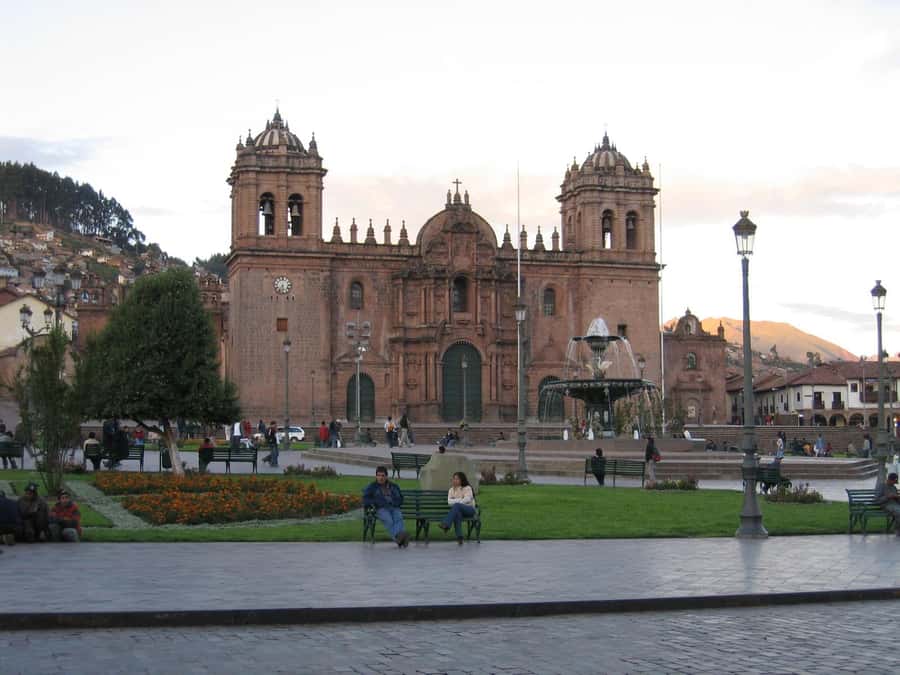
The first major stop is the Cathedral of Cusco, a UNESCO World Heritage Site on or near the main square. Inside, you can expect paintings, carved details, and sculptures, with the guide explaining how the building fits into Cusco’s colonial story.
This visit gives the tour an important contrast. The later ruins focus on Inca engineering and ceremonial life, while the Cathedral reflects the Spanish religious order that followed the conquest. Seeing both helps you understand why Cusco feels layered rather than belonging to only one period.
The entrance fee is 25 soles, paid separately in local currency. Bring cash, since the tour price does not cover it. The Cathedral can be a good opening stop, but the visit may feel brief if the group is large or if the guide needs to keep the afternoon moving.
I like beginning here because it puts the city’s central square in context before you head into the hills. If you have never visited Cusco, this is also a simple way to start without immediately tackling a long walk at high altitude.
Qoricancha explains the Inca view of the sun
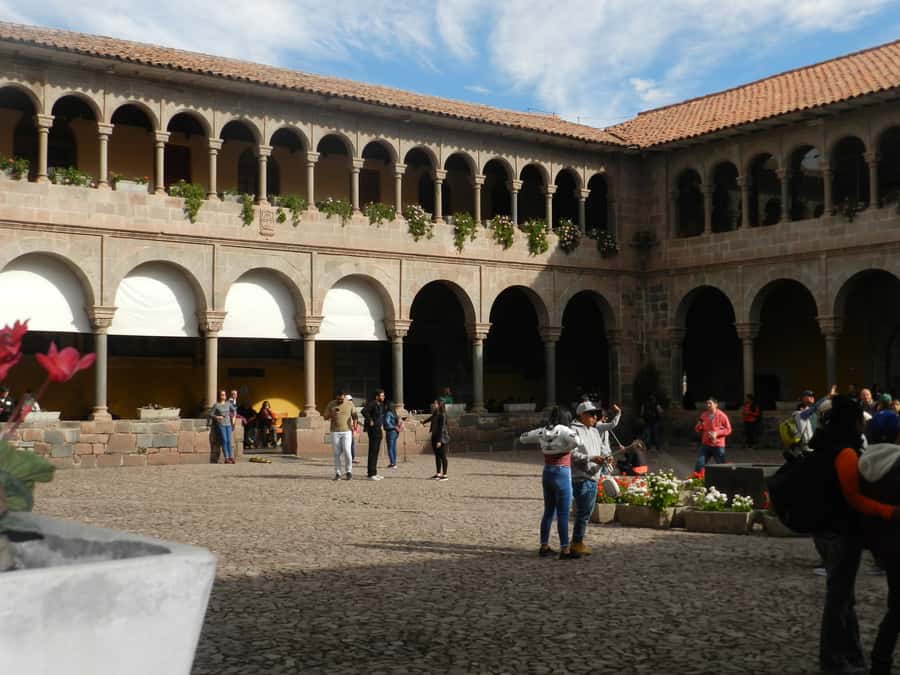
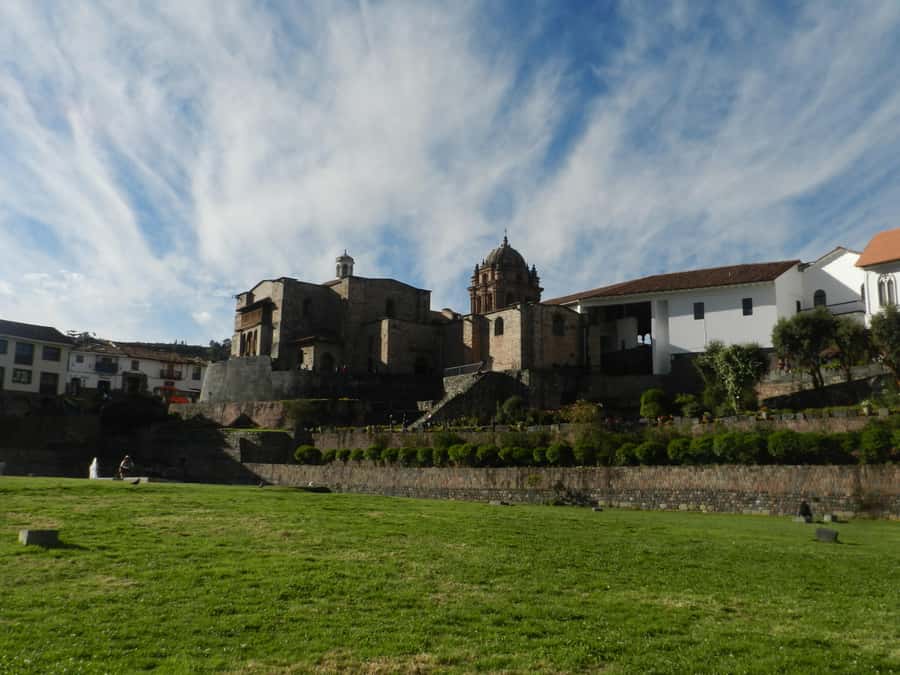
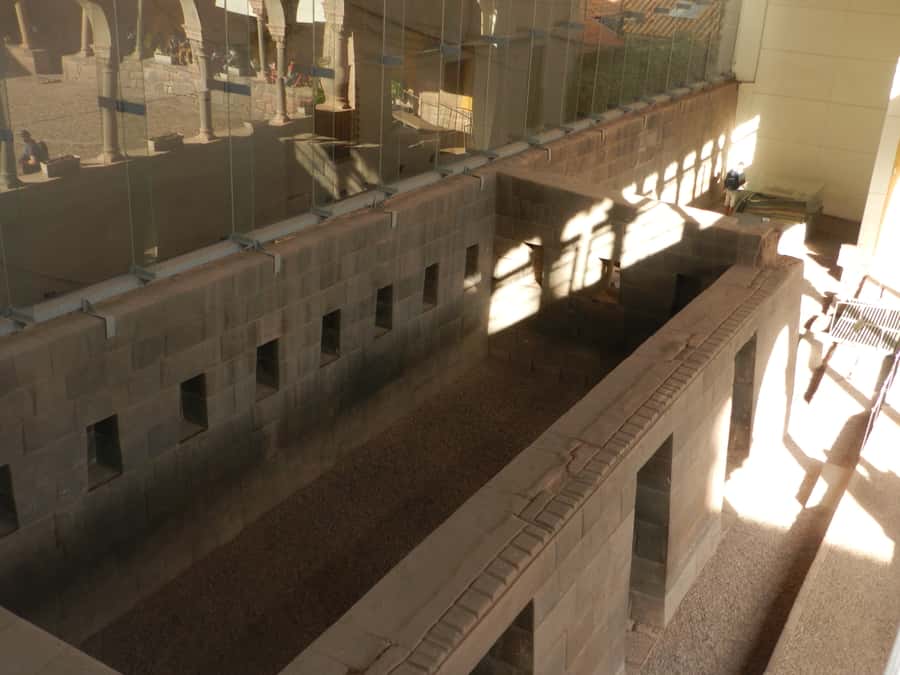
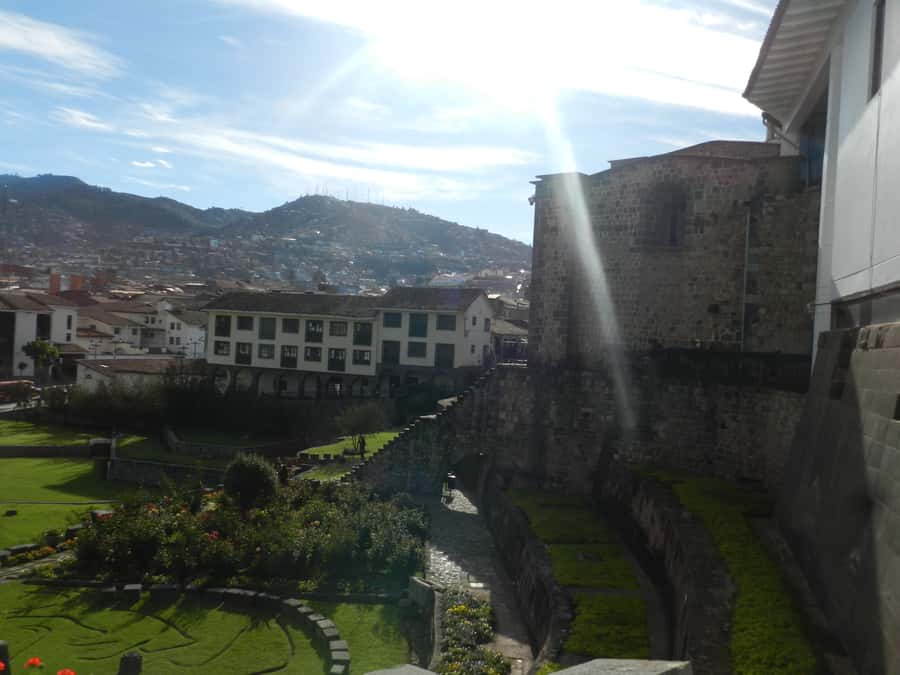
Next comes Qoricancha, described here as the Qoricancha Museum. This was originally an Inca temple devoted to the Sun, making it one of the most important stops for understanding Inca religion and power.
The key idea is contrast. The Cathedral shows colonial worship in a Spanish setting. Qoricancha points to an earlier religious system in which the Sun held central importance. The guide can help connect the building to ceremonies, beliefs, and the way Cusco served as the center of the Inca world.
The entrance ticket costs 15 soles, also paid separately. The museum is in the city, so this part of the tour is not yet a long transport outing. That makes the first section fairly easy, though you are already working against the clock if the group arrives late or spends extra time at the Cathedral.
I would pay close attention here even if you plan to visit other Inca sites later. Qoricancha supplies the religious background that makes Qenqo and Tambomachay easier to understand.
Sacsayhuaman brings the scale
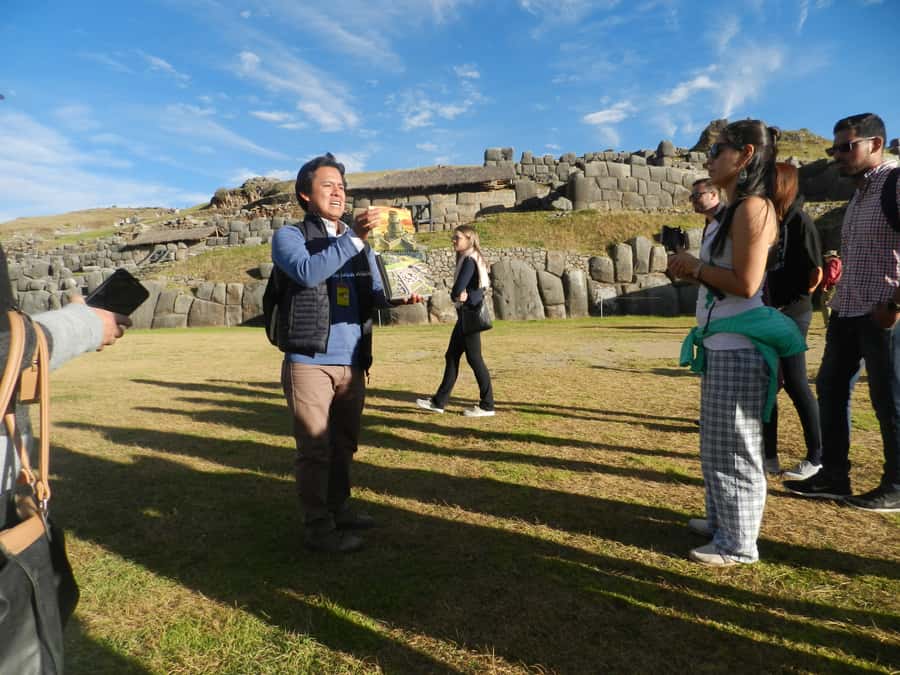
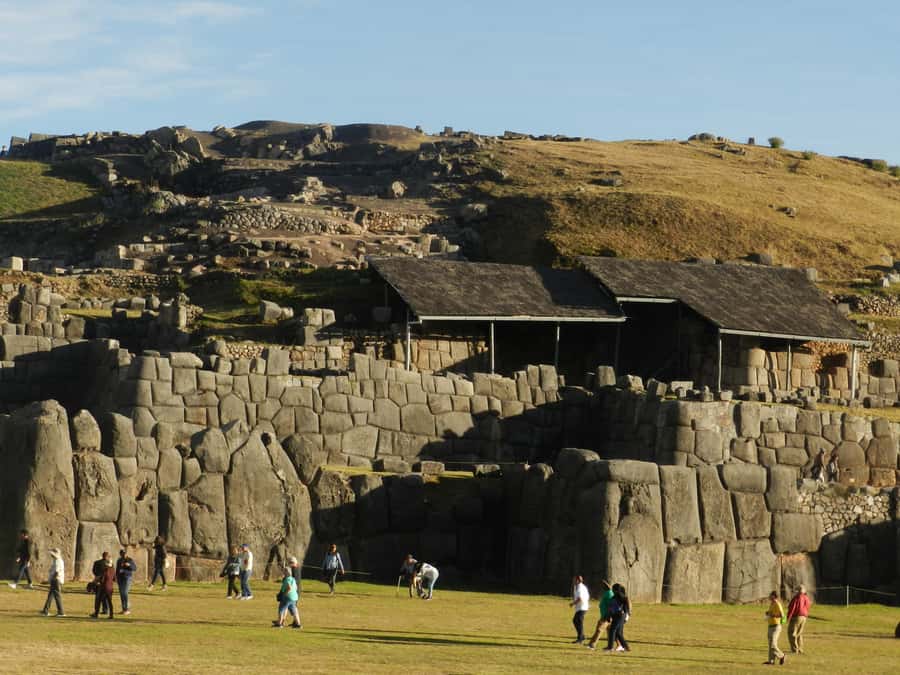
After the central sights, the air-conditioned coach carries the group about 2 kilometers from the city center to Sacsayhuaman. The complex includes 33 archaeological sites and is commonly linked with military use.
The sheer scale is the point. This is where the tour shifts from rooms, paintings, and museum displays to large stone construction and wide open spaces. Your guide will explain the site’s role and the theories around its purpose, while you get time to look around on your own.
Sacsayhuaman is often the highlight of this circuit because it gives you a strong sense of the engineering involved. The tour data does not promise a long independent visit, and the overall schedule means you should expect an introduction rather than a detailed examination of every section.
Wear hiking shoes, not smooth-soled city shoes. The instructions also recommend a sun hat, sunscreen, and clothing suited to the weather. Even on a cloudy afternoon, the sun can be strong, and the tour takes place outdoors in areas where conditions can change.
A completely different kind of day:
- Classic Inca Trail Trek 4D/3N to Machu Picchu (Group Service)
★ 5.0 · 8,653 reviews - Cusco: Rainbow Mountain and Red Valley Day Trip with Meals
★ 4.9 · 4,893 reviews - Machu Picchu: 4-Day Inca Trail Trek with Panoramic Train Ride
★ 5.0 · 4,568 reviews - Salkantay Classic Trek 5 Days from Cusco
★ 5.0 · 4,062 reviews
Qenqo is smaller, stranger, and more symbolic
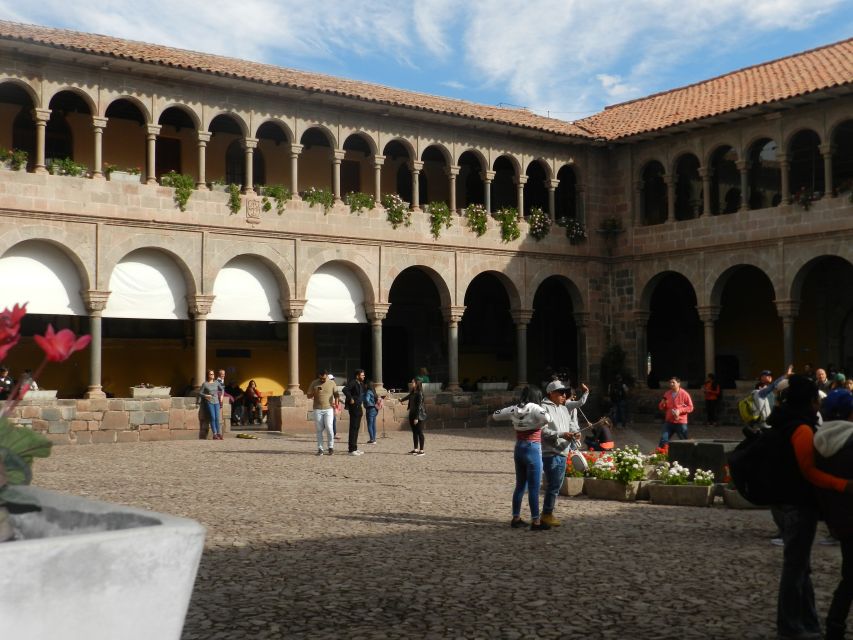
From Sacsayhuaman, the group continues to Qenqo. The name is associated with a labyrinth, and the site is described as a sacred place where ceremonies honored the Sun, Moon, and stars.
Qenqo offers a different experience from Sacsayhuaman. Instead of a huge complex, you get a place tied more closely to ritual and symbolism. The guide’s explanation matters here because the physical remains can be less immediately obvious than the giant stones at Sacsayhuaman.
This is one of the stops most likely to feel short. You receive a brief overview, then some time to look around. That arrangement is fine if your goal is to sample the main sites, but you may want a longer visit if you are particularly interested in Inca ceremonies or sacred spaces.
The schedule also means you should stay close to the group. There are several stops still ahead, and a few minutes lost at Qenqo can reduce time at the next sites.
Puca Pucara shows the working side of the road
The coach then travels about 7 kilometers from the city center to Puca Pucara. This complex includes halls, inner plazas, aqueducts, watchtowers, and paths. It is commonly connected with military use and food storage.
Puca Pucara helps fill in the practical side of the Inca road system. The site was not only about temples and royal ceremonies. Watchtowers, storage areas, water management, and movement through the region were all part of keeping the empire working.
I find this stop useful because it broadens the story. You are not seeing four versions of the same ruin. Sacsayhuaman suggests defense on a grand scale, Qenqo focuses on ceremony, Puca Pucara points toward control and supply, and Tambomachay brings water into the picture.
Again, do not expect a long archaeological study. The guide gives the main points, and you have limited time to walk and take photographs before the coach moves on.
Tambomachay adds water to the Inca story
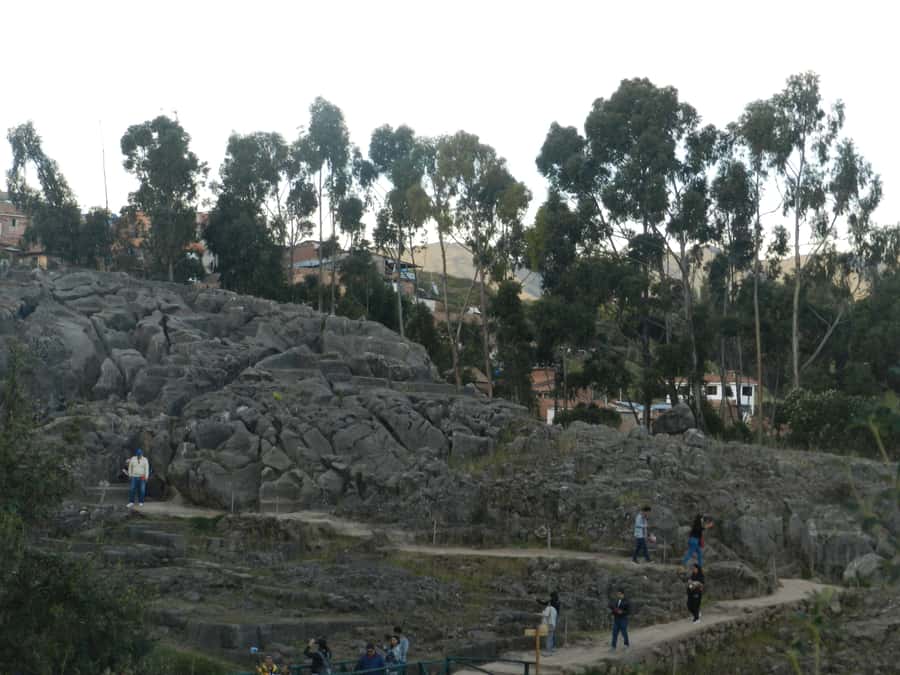
Tambomachay is the final major archaeological stop. It is known for its fresh water spring, and the visit lets the guide explain the importance of water within Inca ceremonial and practical life.
After the stonework at Sacsayhuaman and the military associations of Puca Pucara, Tambomachay provides a calmer finish to the ruins portion. The flowing water gives the site a clear visual focus, which helps when you have already seen several complexes in a single afternoon.
The stop is not designed for a long walk. You will hear the main explanation, see the spring area, and continue. That is the pattern of this tour: a useful introduction at each place, followed by a short period to look around independently.
If you want to study the architecture in detail, return to Tambomachay on a separate outing. If you want to understand how the sites relate to one another, this quick stop works well.
The textile center is useful, but expect a sales pitch
The tour concludes at a craft center. A local guide explains ancient Inca crafts and shows you how to identify traditional garments made from vicuña wool.
This can be one of the more practical parts of the outing. It gives you a chance to learn about Andean clothing rather than simply hearing another archaeological lecture. Knowing how to distinguish genuine vicuña material from imitations can help you shop more carefully during the rest of your Peru trip.
Still, treat this stop as a commercial visit as well as a cultural lesson. Sales presentations are part of the experience, and the tour has also included reports of other sales activity, including a bus visit from someone selling anis and another person selling a book. One tasting of Peruvian alcohol has also been part of the return journey.
That will not bother everyone. Some people enjoy the added local color, while others prefer a clean sightseeing program with no purchases or pitches. If you are in the second group, listen to the explanation, look at the textiles, and do not feel obliged to buy.
The price is low, but tickets change the calculation
The listed tour price is $18 per person, which covers central hotel pickup, transportation, and an English-speaking local guide. For a route containing the Cathedral, Qoricancha, and four archaeological sites, that is attractive pricing.
The important detail is the separate admission cost:
- Cathedral: 25 soles
- Qoricancha: 15 soles
- Tourist ticket: 70 soles
That adds up to 110 soles per person, paid in local currency. The tourist ticket is the largest extra cost, so include it when comparing this tour with a more expensive package. The low headline price does not mean the entire afternoon costs only $18.
Even after adding admissions, the tour can still offer good value because transport between the sites is handled for you. You also avoid arranging individual taxis and trying to work out the order of the ruins. The guide provides a connected explanation, which is worth paying for if you are new to Inca history.
The tradeoff is control. You pay for convenience, but you do not set the length of each stop. A private tour or a longer archaeological outing would give you more time, but it would likely cost more.
Timing, group size, and guide quality matter
Pickup is included from hotels in central Cusco. Confirm your hotel name and address when booking, then wait at reception at the assigned time. If your accommodation is outside the city center, pickup is arranged from the Inka Ahy statue in the main square.
The activity is described as a small-group tour with a limit of 12 participants, although the highlights also refer to groups of up to 20. Ask for the expected group size if that matters to you. A smaller vehicle and group usually make hotel pickup and site explanations easier, while a larger group can slow every stop.
The guide is listed as English-speaking. One past outing included both English and Spanish for part of the day, which made the English portion less satisfying. If you need an English-only tour, confirm that point before paying.
Guide quality will shape the day. The best feedback praises clear historical explanations, good organization, and the ability to cover all the major archaeological sites in one outing. The weaker experience involved repetitive, long explanations and too many sales interruptions. That range is worth keeping in mind because the itinerary itself is solid, but the delivery can make it feel either efficient or tiring.
Who will get the most from this tour
I would recommend this outing to a first-time Cusco visitor who wants a broad introduction in one afternoon. It suits you if you value coverage and convenience more than long, quiet visits at individual sites.
It also works well if you have limited time in the city. You can see the Cathedral, Qoricancha, and the main nearby ruins without spending your first day planning routes, finding transport, and buying each ticket separately.
You may want another option if you have several days in Cusco and prefer slow travel. A longer tour would give you more time at Sacsayhuaman, Qenqo, Puca Pucara, and Tambomachay. This outing can also be tiring if you are not comfortable with walking on uneven ground, and it is not suitable for wheelchair users or people with mobility impairments.
Bring your passport or ID, cash, sun protection, sturdy shoes, and weather-appropriate clothing. The tour runs rain or shine, so a change in weather will not cancel the route.
Should you book the Cusco half-day city tour?
Book it if you want a low-cost orientation to Cusco and are happy to trade depth for variety. The route is well chosen, the included transport saves effort, and the guide can connect colonial Cusco with Inca religion, defense, water, and daily administration.
Skip it if you dislike fixed schedules, sales stops, or short visits. You should also look elsewhere if your main aim is detailed archaeological study or an English-only experience that cannot include bilingual commentary.
My practical advice is to take this tour early in your Cusco stay, then return independently to the one or two sites that interest you most. With the extra 110 soles budgeted for admission, it is a useful introduction and a fair deal, as long as you board expecting a fast sampler rather than an unhurried study day.
FAQ
How long does the Cusco Historic City Tour last?
The activity is advertised as a seven-hour tour. Pickup begins at about 1:00 PM, and the coach is expected to return to Santa Catalina Street near Cusco’s main square at approximately 7:30 PM.
What sites are included in the route?
The route includes the Cathedral of Cusco, Qoricancha Museum, Sacsayhuaman, Qenqo, Puca Pucara, and Tambomachay. It also includes a visit to a craft center focused on traditional Andean textiles.
Are entrance tickets included in the $18 price?
No. The Cathedral costs 25 soles, Qoricancha costs 15 soles, and the tourist ticket costs 70 soles. These fees must be paid separately in local currency.
Is hotel pickup included?
Yes, pickup is included from hotels in central Cusco. If your hotel is outside the city center, pickup is arranged from the Inka Ahy statue in the main square.
What language is the tour conducted in?
The listed live guide language is English. Confirm the language arrangement before booking if you need the entire tour to be conducted only in English.
Is the tour suitable for wheelchair users?
No. The activity is not suitable for wheelchair users or people with mobility impairments. You should bring hiking shoes because the route includes outdoor archaeological sites.
More City Tours in Cusco
- Cusco: Half-Day City Tour with Sacsayhuaman and Q’enco
★ 4.6 · 1,129 reviews - City Tour Cusco Qoricancha Sacsayhuaman y Tambomachay
★ 4.7 · 617 reviews - Cusco City Tour Four Ruins in Half-Day
★ 5.0 · 530 reviews - Cusco: Sightseeing Tour of the City on an Open-Top Bus
★ 4.0 · 481 reviews
Just added in Cusco
- Private Transfer from Airport to Hotel in the City of Cusco★ 4.0 · 5 reviews
- Best Cusco walking tour: dinner street food tasting★ 4.5 · 11 reviews
- Cusco Private Transportation for 2026★ 5.0 · 4 reviews
- Private Tour to Pisac Market and Pisac Ruins★ 5.0 · 4 reviews
- Machu Picchu Day Trip With Panoramic Train from Cusco★ 5.0 · 10 reviews
- Sacred Valley Private Tour from Cusco, Guide and Driver only★ 5.0 · 4 reviews
- Sacred Valley of the Incas Tour★ 5.0 · 12 reviews
- Private Tour of the Mountain of Colours by Quad★ 5.0 · 7 reviews
History Tours in Cusco, compared.
Historic Walking Tour with Pisco Sour and Local Music
Read our review →
Cusco Highlights Walking Tour: History, Culture, Traditions
Read our review →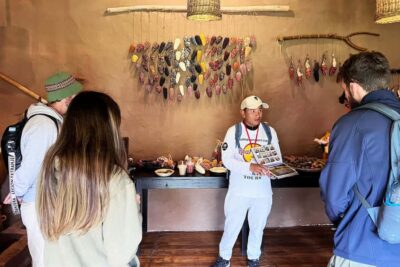
Historic Walking Tour with Pisco Sour and Music Show
Read our review →
Pisco Sour Secrets: Hands-On Mixology in Historic Cusco
Read our review →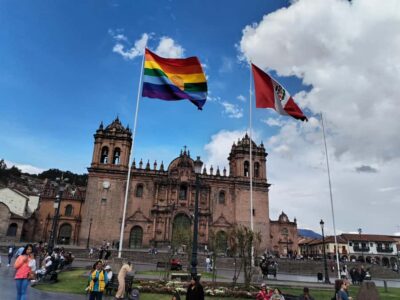
Historic Walking Tour & Scenic Views with local drink
Read our review →
Historic/music Cusco FreeWalkingTour “free drink” Group Tour
Read our review →Browse the lists this tour appears in