
Reviewed · SACRED VALLEY TOURS
Food and Culture Full day Tour in the Sacred Valley
Come hungry, leave with a fuller picture of Peru. This 10-hour Sacred Valley outing links market tastings in Urubamba, chicha in an authentic Ollantaytambo chicheria, and a long visit with an indigenous family in Huilloc. I like the way food provides the thread connecting each place, and I especially like that the day includes a family meal rather than stopping at scenic viewpoints alone. The main drawback is practical: you must reach Urubamba for the 9:00 a.m. start, and transport from Cusco costs extra.
The tour costs $200 per person, which is a serious price for a food excursion. Still, that fee covers breakfast tastings, snacks, a festive lunch, dessert, an English-speaking guide, and transport during the day. The value depends on what you want: this is less a quick tasting walk and more a full cultural day with several long stops.
In This Review
- Key things to know before booking
- Starting in Urubamba with a Market Breakfast
- Ollantaytambo, Chicha, and the Old Inca Town
- Four Hours with a Huilloc Family
- Liat’s Warm, Hands-On Guiding Style
- Returning to Urubamba for Dessert
- Is $200 a Fair Price?
- Who Will Enjoy This Sacred Valley Day?
- Should You Book It?
- FAQ
- Where does the tour start?
- What time does the tour begin?
- Where does the tour end?
- How long does the experience last?
- Is transportation from Cusco included?
- What food is included?
- Is the Ollantaytambo archaeological entrance included?
- How many people can join the tour?
- Is the tour conducted in English?
- What happens if the weather is poor?
Key things to know before booking
- Urubamba starts the day with three hours of food tasting: You begin in the market area and main square of the Sacred Valley’s main town.
- Ollantaytambo adds chicha and an old Inca town: The visit lasts about two hours, though admission to the archaeological site is not included.
- Huilloc provides the heart of the experience: You spend four hours meeting an indigenous family, learning about daily life and traditional crafts, and eating a festive lunch.
- Guide Liat shapes the tone: The strongest praise centers on her warmth, energy, care, and willingness to encourage cautious eaters.
- The group is capped at 15 people: That keeps the experience from becoming a large coach outing, though group size can still affect the pace.
- The day ends with dessert in Urubamba: You return to the original meeting point after a final local sweet.
Starting in Urubamba with a Market Breakfast
The day begins at Tienda Ampay, at Palomino Cargo on Avenida Ferrocarril in Urubamba. The scheduled start is 9:00 a.m., and the meeting point matters because the tour does not automatically begin in Cusco. If you are staying in Cusco, you need to arrange your own way to Urubamba or pay the additional transfer fee offered by the operator.
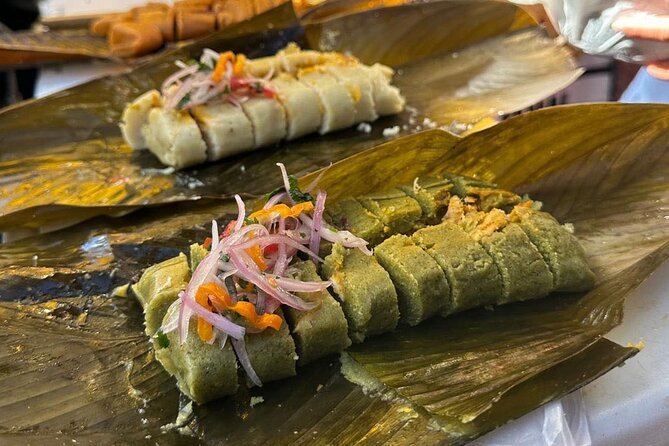
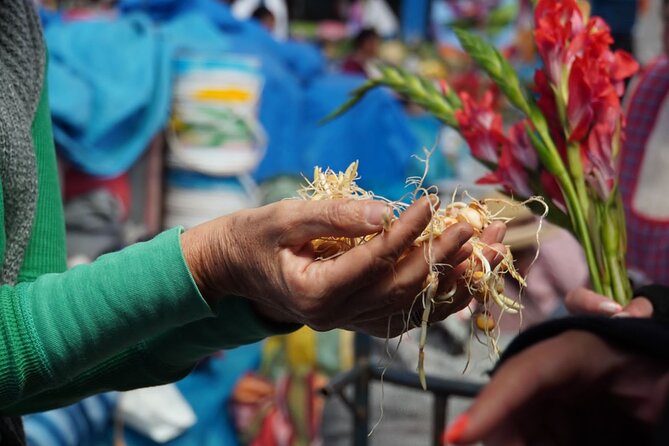
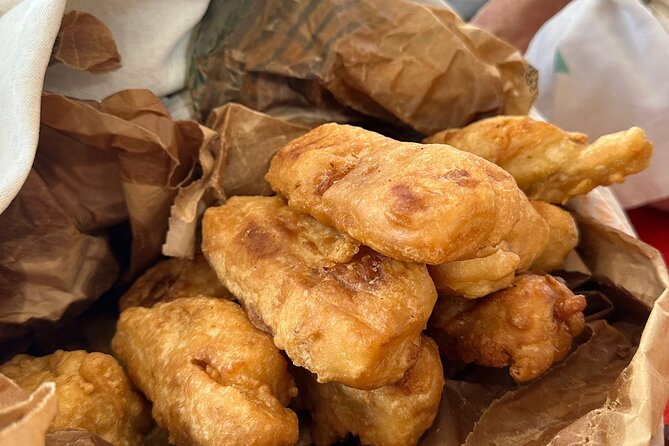
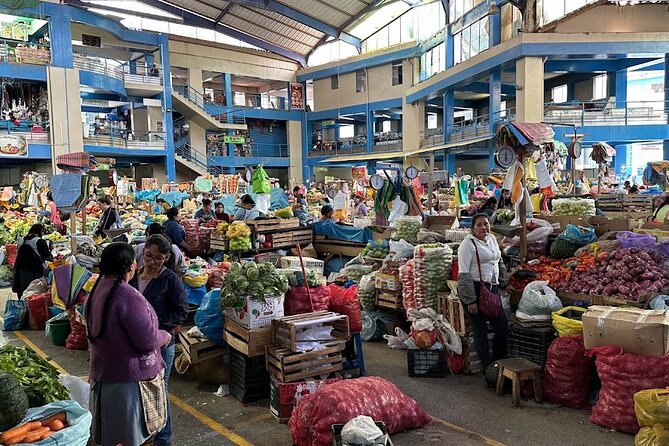
The first three hours focus on morning tastings around the market area and main square. Breakfast is not presented as one formal restaurant meal. Instead, you get a chance to try street food and other local bites as part of the town’s daily rhythm.
That format is useful for two reasons. First, you see how food fits into ordinary life in Urubamba. Second, a guide can help you approach unfamiliar dishes with some context and confidence. The food itself is only half the point. The setting helps you understand what a market town in the Sacred Valley feels like before the day moves into more obviously historic and rural places.
I would plan to keep an open mind here. The experience includes breakfast tastings and snacks, but the exact dishes are not specified in advance. That is normal for a market-based outing, though it means you should tell Liat about allergies or strong sensitivities at the start. The provider specifically asks people with allergies and special dietary sensitivities to raise them early.
The long first stop also sets the pace for the rest of the day. You are not rushing through a single sample and jumping back into a vehicle. Three hours gives the food portion room to breathe, but it can feel slow if you prefer a fast-moving sightseeing schedule.
More Sacred Valley trips:
- From Cusco: Moray, Maras Salt Mines & Chinchero Weavers Tour
★ 4.8 · 1,925 reviews - 2-Day Tour: Sacred Valley and Machu Picchu by Train
★ 5.0 · 1,127 reviews - Cusco: Sacred Valley, Pisac, Ollantaytambo, Salt Mines Moray
★ 4.6 · 1,058 reviews
Ollantaytambo, Chicha, and the Old Inca Town
From Urubamba, the tour continues to Ollantaytambo, one of the Sacred Valley’s best-known historic towns. The planned visit lasts about two hours and includes a walk through the old city, followed by chicha in an authentic chicheria.
Chicha is more than a drink to tick off a list. It is presented here as a drink closely tied to Peru, and a chicheria offers a more grounded setting than a polished tasting room. You get a cultural stop that is social and familiar, not only a monument visit.
The old city gives the stop visual and historical weight. Streets and stonework make Ollantaytambo feel different from the market setting in Urubamba, while the chicheria brings the focus back to local life. That contrast is one of the day’s better design choices: you move between food, history, and living traditions instead of spending all day on one type of attraction.
There is one cost to watch. Admission to the Ollantaytambo archaeological site is not included. The tour does include the town visit, but you should budget separately if you want to enter the archaeological area. The supplied details do not state the entrance fee, so check the current price before booking or at the time of planning.
Two hours is enough for a meaningful town visit and drink, but not necessarily an exhaustive archaeological tour. If Ollantaytambo’s ruins are your main reason for visiting the Sacred Valley, you may want a separate, more site-focused visit. If you want the town as one part of a food and people-centered day, the stop fits well.
Four Hours with a Huilloc Family
The longest stop takes you high into the Andes and into the Huilloc Valley. The vehicle travels up to the Huilloc community, where you meet an indigenous Peruvian family and spend about four hours learning about their way of life and traditional crafts.
This is the point where the tour becomes more than a collection of tastings. A market can show you what people buy and eat. A family visit can show you how food sits within home life, work, customs, and community. The experience gives you time to ask questions, listen, and see traditional crafts in a personal setting.
You also eat a festive traditional lunch with the family. That is a substantial part of the value of the tour. Lunch is not simply another restaurant stop between attractions. It is tied to the host family and the visit itself, giving the meal a social purpose.
The four-hour length is important. A short photo stop in a mountain community can leave you with little more than an impression. Four hours allows space for introductions, conversation, crafts, and lunch without making every moment feel timed to the minute. It also means you should be ready for a full day rather than a light half-day food walk.
The mountain drive is described as breathtaking, but the practical side deserves attention. The tour uses an air-conditioned vehicle, with the vehicle type depending on the number of participants. The group maximum is 15 people. That is reasonably small for a shared tour, though it is not a private family outing.
The experience is best for you if you want contact with local people handled through a structured visit. It is not designed for someone who only wants restaurant tastings or a quick overview from a guide. You need to be comfortable spending several hours in a community setting and taking part respectfully.
Liat’s Warm, Hands-On Guiding Style
The guide, Liat, is a major part of the experience. The strongest praise focuses on her friendly, energetic approach and the care she gives to the group. The comments describe her as someone who handles details, encourages people to try foods they might otherwise avoid, and helps the group connect with one another.
That matters on a food tour. You may be willing to taste something unfamiliar, but a little explanation and encouragement can make the difference between hesitation and curiosity. Liat’s role also appears to extend beyond naming dishes. She connects food with Peruvian life and keeps the day personal.
The tone is not formal or academic. If you want a quiet, highly scripted culinary lecture, this may not be your ideal match. If you enjoy a guide who is expressive, attentive, and emotionally invested in the group, the experience is likely to suit you well.
The feedback also points to a generous approach to food. You are not expected to leave hungry, and the description makes clear that more food is available if you want more. That is useful for anyone worried that a tasting tour means a few tiny bites followed by an expensive lunch elsewhere.
More Food Tours and Cooking Classes in Cusco:
- Group Cooking Class in Cusco with Pisco Tasting
★ 5.0 · 335 reviews - Curious Monkey Cusco- Eat the Streets, Walking Food Tour
★ 5.0 · 160 reviews - The 10 Tastings of Cusco With Locals: Private Food Tour
★ 4.5 · 71 reviews - Cusco Food Walking Tour & Central Market
★ 5.0 · 48 reviews
Returning to Urubamba for Dessert
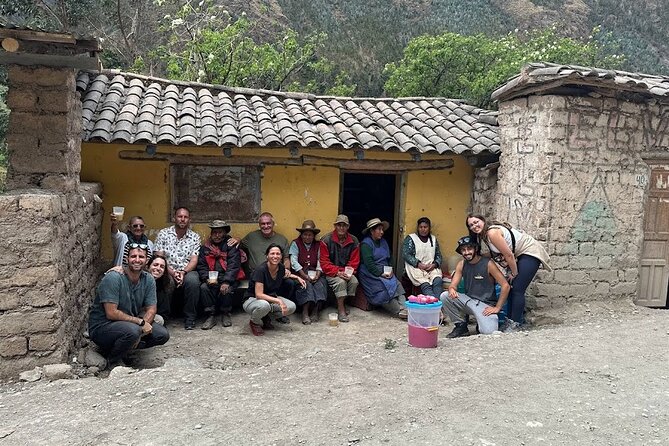
After the Huilloc visit, the tour returns to Urubamba for a final local dessert. This last stop lasts about an hour and ends back at the original meeting point.
The dessert gives the day a pleasant closing note. You start in Urubamba with morning food, leave for Ollantaytambo and Huilloc, then return to the town where the experience began. That circular route is practical if you are staying in the Sacred Valley and need to finish where you started.
It also helps balance the meal schedule. Breakfast tastings come early, the family lunch arrives after the mountain visit, and dessert waits until the end. Snacks are included as well, so the food is spread across the day rather than concentrated in one sitting.
The return time is not stated precisely, only that the full experience lasts about 10 hours. I would avoid booking a fixed evening commitment immediately afterward, especially if you are arranging onward transport. The day begins at 9:00 a.m. and ends back in Urubamba after the full route.
Is $200 a Fair Price?
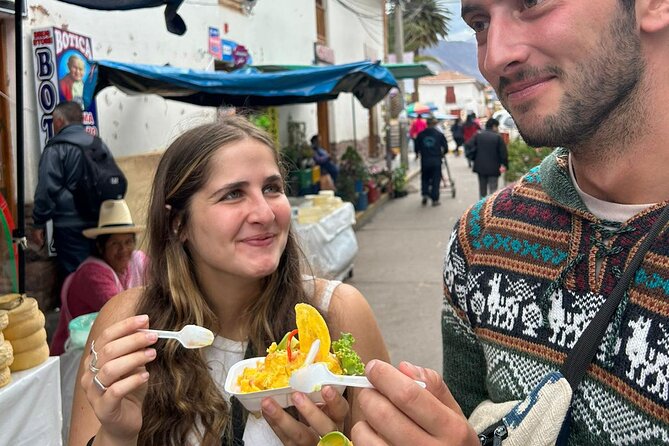
At $200 per person, this is not a budget market tour. You are paying for a full-day shared experience, an English-speaking guide, an air-conditioned vehicle, breakfast tastings, snacks, a traditional family lunch, and dessert.
The price looks stronger when you consider the range of settings. You receive a market introduction in Urubamba, a historic-town visit in Ollantaytambo, a chicha experience, a mountain community visit, crafts, and a hosted lunch. Recreating that combination independently would require separate transport planning and a great deal of local coordination.
The value is weaker if you mainly want a cheap way to sample Peruvian food. You could spend less on individual meals and market visits, especially if you are already based in the Sacred Valley. You also need to add the cost of reaching Urubamba from Cusco, unless you pay for the available transfer, plus the Ollantaytambo archaeological entrance if you choose to enter.
For me, the key question is not how many dishes you receive. It is how much you value access and interpretation. The family visit, the chicheria, and the guide’s personal care are the parts that justify the higher price. If those sound like the main reason you are going, the package makes sense.
Who Will Enjoy This Sacred Valley Day?
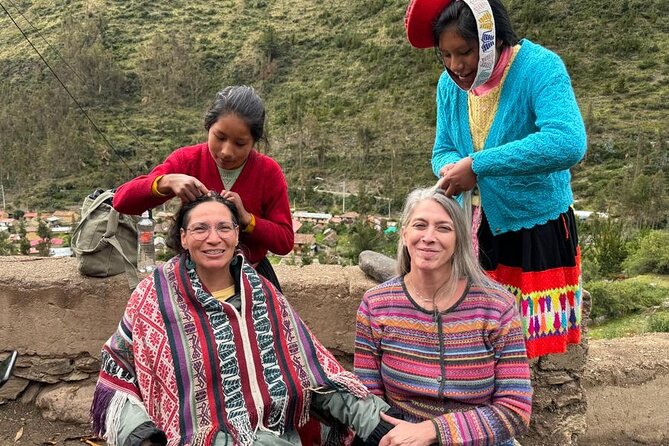
I would recommend this tour to you if you want food to open a door into Peruvian culture. It suits curious eaters, couples, families, and solo visitors who like meeting people and hearing personal explanations along the way.
It also works for people who want several Sacred Valley experiences in one day without arranging separate tours. You see Urubamba, Ollantaytambo, and Huilloc, with food connecting the stops.
You may want something else if you dislike shared groups, dislike long days, or want detailed archaeological guiding. A maximum of 15 people is manageable, but the pace and attention will depend on the group. And while most people can participate, the tour is still a 10-hour outing with mountain travel and several active stops.
People with allergies or special sensitivities should speak with Liat at the beginning. Service animals are allowed, and the meeting point is near public transportation. The provided information does not give detailed mobility guidance, so anyone with specific access needs should confirm suitability before booking.
Free cancellation is available if you cancel at least 24 hours before the local start time. Late cancellations and changes are not accepted for a refund. The tour also requires good weather, with a different date or full refund offered if poor conditions force cancellation.
Should You Book It?
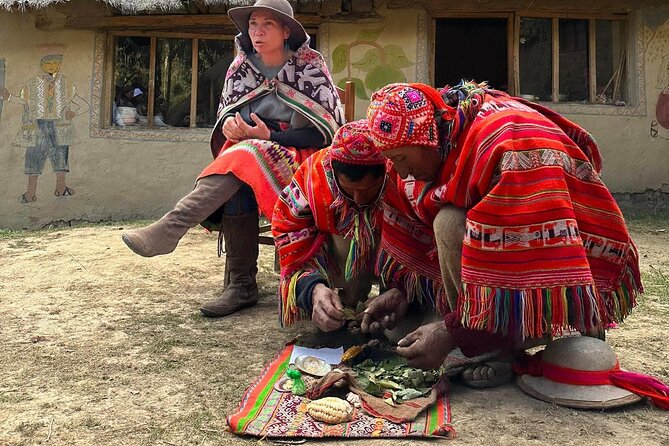
Book this tour if you want a people-centered food experience, not just a checklist of Sacred Valley sights. The strongest reasons are the range of food settings, the long Huilloc family visit, and Liat’s warm, encouraging style.
Think twice if you are staying in Cusco on a tight schedule, since Urubamba is the starting point and transfer costs extra. Also check the archaeological entrance cost at Ollantaytambo and be honest about your appetite for a 10-hour shared day.
For the right kind of visitor, this is a generous introduction to the valley. You taste, listen, travel, and share a meal. That combination gives the $200 price a reasonable case, especially for anyone who wants Peru to feel like more than a view from a tour bus.
FAQ
Where does the tour start?
It starts at Tienda Ampay, at Palomino Cargo, MVQQ+Q9F, Avenida Ferrocarril, Urubamba 08660, Peru.
What time does the tour begin?
The scheduled start time is 9:00 a.m.
Where does the tour end?
The activity ends back at the original meeting point in Urubamba.
How long does the experience last?
The full experience lasts approximately 10 hours.
Is transportation from Cusco included?
No. Transfer from Cusco is available for an additional fee.
What food is included?
The tour includes breakfast tastings in Urubamba, snacks, a traditional festive lunch with an indigenous Peruvian family, and a local dessert.
Is the Ollantaytambo archaeological entrance included?
No. Admission to the Ollantaytambo archaeological site is not included.
How many people can join the tour?
The shared group has a maximum of 15 travelers.
Is the tour conducted in English?
Yes. An English-speaking tour guide is included.
What happens if the weather is poor?
The experience requires good weather. If it is canceled because of poor weather, you will be offered another date or a full refund.
Just added in Cusco
- Cusco Private Transportation for 2026★ 5.0 · 4 reviews
- Private Transfer from Airport to Hotel in the City of Cusco★ 4.0 · 5 reviews
- Best Cusco walking tour: dinner street food tasting★ 4.5 · 11 reviews
- Private Tour to Pisac Market and Pisac Ruins★ 5.0 · 4 reviews
- Machu Picchu Day Trip With Panoramic Train from Cusco★ 5.0 · 10 reviews
- Sacred Valley Private Tour from Cusco, Guide and Driver only★ 5.0 · 4 reviews
- Sacred Valley of the Incas Tour★ 5.0 · 12 reviews
- Private Tour of the Mountain of Colours by Quad★ 5.0 · 7 reviews
Sacred Valley Tours, compared.
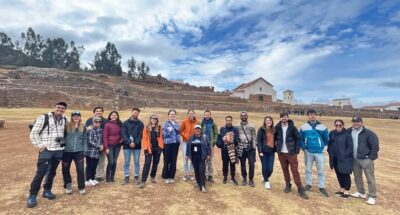
From Cusco: Sacred Valley & Maras Salt Mines Tour with Lunch
Read our review →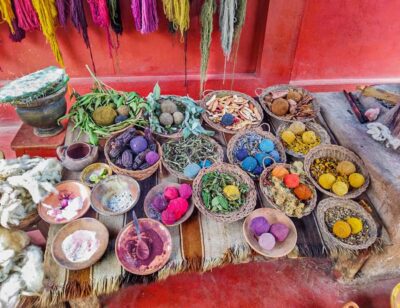
From Cusco: Moray, Maras Salt Mines & Chinchero Weavers Tour
Read our review →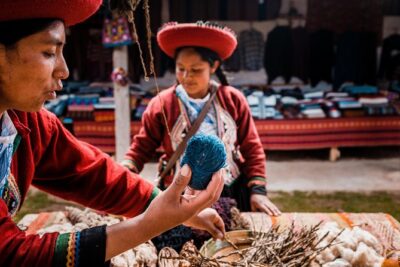
2-Day Tour: Sacred Valley and Machu Picchu by Train
Read our review →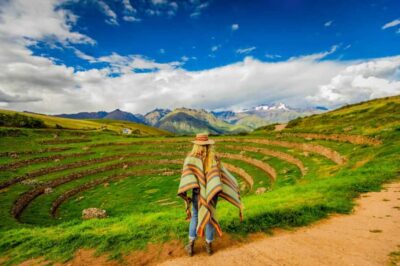
Sacred Valley, Pisac, Ollantaytambo, Salt Mines Moray
Read our review →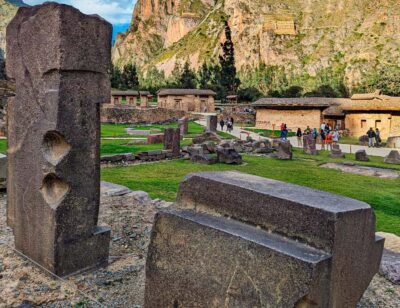
Chinchero,Moray & Salt Mines drop-off in Ollantaytambo
Read our review →
Sacred Valley and Maras Moray Tour with Full Day Buffet Lunch
Read our review →

Browse the lists this tour appears in