
Reviewed · INCA TRAIL AND SALKANTAY TREKS
Half Day Andean Llama Trek in the Sacred Valley
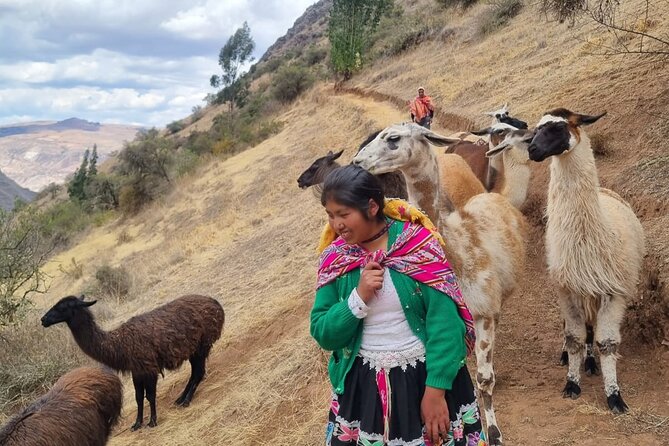
Llamas turn a short hike into a cultural lesson. I like the traditional herding and the chance to meet local llama farmers, and I like that your visit supports farming communities and mountain ecosystems. The main consideration is the uphill section, which can be easy to moderate and may not suit anyone with knee or hip problems.
This is a small-scale experience with a maximum of 20 people, and the 3-hour-45-minute schedule leaves room for conversation, food, and views instead of rushing from one photo stop to the next. I also appreciate the practical touches, including refillable water, snacks, a first aid kit, and a family-friendly option for carrying young children.
In This Review
- Key points at a glance
- Why this llama trek feels different from a standard Sacred Valley outing
- Meeting the llama farmers at San Isidro
- Packing the llamas before the uphill walk
- Reaching the resting point and the hot-stone meal
- Looking over the Pumahuanca Valley on the return
- What the $78 price includes
- Is this a good family activity?
- Weather, cancellation, and planning advice
- Who should book this 3-hour-45-minute experience?
- Should you book the Andean llama trek?
- FAQ
- Where does the llama trek start and finish?
- How long is the experience?
- How far do you walk?
- How difficult is the hike?
- Is lunch included?
- Can I cancel for a full refund?
Key points at a glance
- A 40-minute uphill walk with llamas: The pace is slow, and the total route covers about 2 kilometers, or 1.2 miles.
- Local farmers lead the visit: You learn how the llama project helps Andean communities and mountain ecosystems.
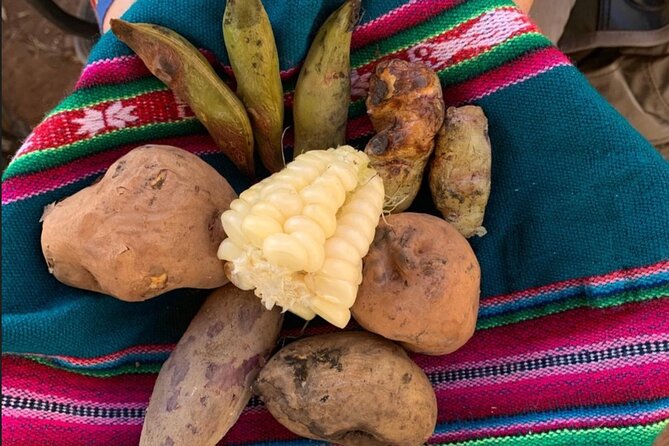
- Lunch is cooked beneath hot stones: The meal includes traditional potatoes and tubers, with preparation forming part of the cultural lesson.
- The Pumahuanca Valley appears on the way down: The return route offers a different view after your mountain rest.
- A manageable half-day outing: The full experience lasts about 3 hours and 45 minutes and returns to the starting point.
- Strong value for a community-focused tour: At $78 per person, the price includes the llama trek, hosts, snacks, water refills, lunch tasting, and basic first aid.
Why this llama trek feels different from a standard Sacred Valley outing
Many Sacred Valley activities focus on ruins, viewpoints, or transport between major sites. This one takes a quieter route. The central attraction is not a monument, but the relationship between the llamas, the farmers, and the high mountain environment.
You are not simply walking near animals for a quick photograph. You help prepare the llamas for the climb, pack the lunch with your hosts, and help herd the animals in the traditional Andean style. That gives the visit a useful sense of purpose. The animals are part of a working rural tradition, not just scenery arranged for a tourist stop.
I especially like the educational side. You learn about the positive effect of llama farming communities and the role these animals can play in mountain ecosystems. The supplied information does not give a detailed lecture outline, so the depth of discussion may depend on your hosts and the questions you ask. Still, the setting makes the topic easier to understand than a formal presentation.
The activity is also short enough to fit into a busy Cusco or Sacred Valley schedule. It takes most of a morning or afternoon, but it does not consume a full day. That makes it a good choice if you want a genuine rural experience without giving up an entire day of sightseeing.
More hikes and treks in Cusco:
- Classic Inca Trail Trek 4D/3N to Machu Picchu (Group Service)
★ 5.0 · 8,653 reviews - Machu Picchu: 4-Day Inca Trail Trek with Panoramic Train Ride
★ 5.0 · 4,568 reviews - Salkantay Classic Trek 5 Days from Cusco
★ 5.0 · 4,062 reviews
Meeting the llama farmers at San Isidro
The tour begins at the meeting point listed as PVH9+9X San Isidro, Peru. Since the information provided does not include transportation, you should plan carefully for reaching this point and confirm the exact arrival instructions when booking.
The first part of the visit introduces you to the llama project and its hosts. This is where the experience gains its human side. You can learn why llama farming matters to the local community and how the project connects animal husbandry with the care of mountain ecosystems.
The hosts are described as llama guild members and local llama farmers. That matters because the activity is built around people who work with these animals, rather than a guide offering a detached explanation. You get to see the practical side of the visit before the walk begins.
The group limit is 20 people. That is not a private outing, but it is small enough to keep the activity from feeling like a large procession. The exact group size on your date may be smaller. A modest group should also make it easier to hear the hosts and help with the llamas.
Packing the llamas before the uphill walk
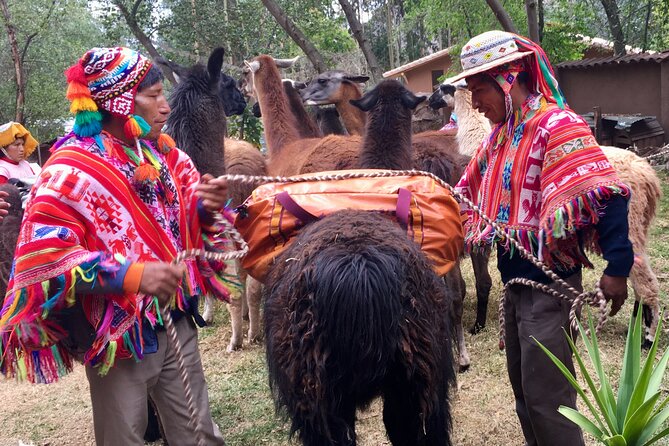
Before setting off, you assist your hosts in packing the llamas with lunch. This simple task gives you a clearer sense of how the animals have traditionally been used to move supplies through highland terrain.
I like this part because it turns the meal into part of the journey. You are not merely transported to a restaurant or handed a prepared plate at the end. The food travels with the group, carried by the animals you have just helped prepare.
The trek then begins at a slow pace. The uphill section lasts around 40 minutes, and the total trekking distance is about 2 kilometers. The description places the walk between easy and moderate difficulty, so you should expect a real climb, even though it is not a long-distance hike.
Take the wording seriously if you have joint problems. The tour is not recommended for people with knee or hip problems. You do not need to be an experienced trekker based on the information provided, but comfortable walking shoes and a steady pace are sensible choices.
The slow pace is one of the better features. It gives you time to stay with the herd, take in the views, and keep the walk social. It also means the outing is not designed around speed or athletic performance. If you prefer a hard workout, this may feel too gentle. If you want a relaxed mountain walk, the rhythm should be more appealing.
Reaching the resting point and the hot-stone meal
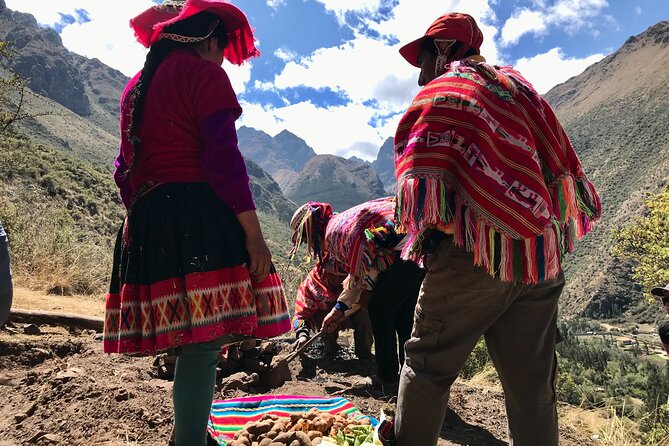
At the end of the uphill section, the group reaches a resting point where lunch is prepared in the traditional Andean style under hot stones. This cooking method is a major part of the experience, not just a detail on the menu.
The meal centers on a tasting of traditional potatoes and tubers. Peru is famous for its many varieties of native potatoes, and sampling them in this setting gives the food a stronger connection to place. The provided details do not promise a large multi-course lunch, so you should think of this as a cultural tasting rather than a full restaurant meal.
Snacks are also included, with fruit, an energy bar, and water available for refill. Those extras are useful on an uphill walk, particularly if you are visiting with children or are still adjusting to the altitude around Cusco. The information does not specify the snack portions or water source, so bring any personal drinks or food you know you will need.
The rest stop is also the social center of the outing. You have time to learn more about your hosts and ask questions about the llamas, farming, and the community project. This pause helps balance the physical part of the trek. You walk first, then sit down and share food rather than rushing straight back.
More Sacred Valley trips:
- From Cusco: Moray, Maras Salt Mines & Chinchero Weavers Tour
★ 4.8 · 1,925 reviews - 2-Day Tour: Sacred Valley and Machu Picchu by Train
★ 5.0 · 1,127 reviews - Cusco: Sacred Valley, Pisac, Ollantaytambo, Salt Mines Moray
★ 4.6 · 1,058 reviews - Cusco:Chinchero,Moray & Salt Mines drop-off in Ollantaytambo
★ 4.8 · 793 reviews
Looking over the Pumahuanca Valley on the return
After lunch and the rest, you walk down the same path. The route is familiar, but the return offers an impressive view of the Pumahuanca Valley.
A downhill walk is often easier on breathing than the climb, though it can still put pressure on knees. If you have trouble with descents, that is another reason to think carefully before booking. The route is short, but the surface and slope are not described in detail.
The return view gives the trek a satisfying visual finish. On the way up, your attention is likely on the herd and the climb. On the way down, you can look outward toward the valley and take in the setting from a different angle.
Because the walk returns along the same path, this is not a point-to-point hike. That keeps the logistics simple, and the activity ends back at the original meeting point. It also means you are not left at a different village or required to arrange a second pickup location.
What the $78 price includes
The listed price is $78 per person. That is not the cheapest short activity in the Sacred Valley, but the value depends on what you want from a half-day outing.
You are paying for more than a walk beside llamas. The price includes the llama guild hosts, the trek, snacks, refillable water, a traditional Andean lunch tasting, and a first aid kit. It also supports a project connected to local llama farming communities and mountain ecosystems.
I see the community connection as the strongest value point. A short photo stop may cost less, but it usually offers less contact with the people and practices behind the animals. Here, you help pack the llamas, herd them uphill, eat food prepared in a traditional way, and talk with the hosts.
The price will make the most sense if you value local participation and a slower pace. It may feel high if you are looking only for a brief animal encounter or a strenuous hike. The experience is best judged as a cultural visit with light trekking, not as a simple outdoor excursion.
The 4.8 rating from 20 reviews and the 95 percent recommendation figure suggest strong satisfaction, though the sample is small. The clearest praise centers on the manageable hike, the excellent guide, and the pleasure of supporting an environmentally and community-minded program. Those are meaningful strengths for families and visitors who want an activity with a social purpose.
Is this a good family activity?
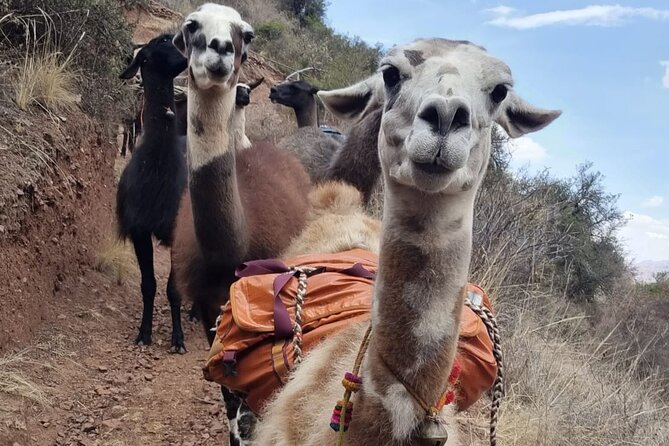
The experience can work well for families because the walking distance is short, the pace is slow, and the program includes food and conversation. A child who enjoys animals may find the llama-herding element more engaging than a standard sightseeing stop.
There is one important practical note: a child carrier backpack is recommended when visiting with young children. That tells you the route is not designed around a stroller, and small children may not manage the uphill walk on their own.
The maximum group size of 20 also helps. A group of that size is not silent or private, but it should be easier to keep a family together than on a large coach-based excursion. Still, parents should consider the 40-minute uphill section and the lack of specific information about trail surfaces.
The family review described the hike as very manageable and praised the guide and the community sustainability of the program. That is useful reassurance, but every family has a different pace. If your children tire quickly on hills, plan to use the carrier and ask for precise meeting and route details ahead of time.
Weather, cancellation, and planning advice
The experience requires good weather. If poor weather forces a cancellation, you are offered a different date or a full refund. This is sensible for an outdoor route where rain or unsafe mountain conditions could affect both the walk and the hot-stone cooking.
You can cancel for a full refund up to 24 hours before the start time. Changes or cancellations made less than 24 hours before the start are not accepted, and the local time at the destination controls the cutoff.
Confirmation is provided at booking. Even so, I would keep the meeting-point code and start details handy, especially because the tour begins at a specific point in San Isidro rather than simply at a widely known plaza or hotel.
Wear clothing suitable for a short mountain walk and bring anything you personally need for sun, cold, or altitude. The included fruit, energy bar, and refill water are helpful, but the supplied information does not specify extra equipment or clothing. Keep your plans flexible enough to handle a weather change.
Who should book this 3-hour-45-minute experience?
I would recommend this trek to you if you want:
- A slower, people-focused activity in the Sacred Valley
- A short walk with animals rather than a demanding full-day hike
- Direct contact with local llama farmers
- An introduction to traditional Andean food and cooking
- A family outing with a clear cultural purpose
- A way to support community farming and mountain ecology
I would think twice if you have knee or hip problems, dislike uphill walking, or want a long and strenuous trek. I would also skip it if your main goal is a major archaeological site, since this experience focuses on farming, animals, food, and valley views instead.
Should you book the Andean llama trek?
Book it if the idea of helping prepare and herd llamas appeals to you more than simply taking a photograph with them. The 40-minute climb is short but genuine, the hot-stone lunch adds a memorable local touch, and the community connection gives the $78 price a clear purpose.
For families, couples, and curious visitors with moderate walking ability, this is a thoughtful half-day choice. Just plan for the uphill section, arrange your own arrival at San Isidro, use a child carrier for young children, and keep an eye on the weather. If those points suit you, this is a practical way to see a quieter side of the Sacred Valley while meeting the people who keep its llama traditions alive.
FAQ
Where does the llama trek start and finish?
The activity starts at PVH9+9X San Isidro, Peru, and ends back at the same meeting point.
How long is the experience?
The activity lasts approximately 3 hours and 45 minutes.
How far do you walk?
The total trekking distance is about 2 kilometers, or 1.2 miles.
How difficult is the hike?
The hike can be easy to moderate. The uphill section lasts around 40 minutes at a slow pace.
Is lunch included?
Yes. The experience includes a tasting of a traditional Andean lunch with potatoes and tubers. The meal is cooked under hot stones at the mountain resting point.
Can I cancel for a full refund?
Yes. You can cancel at least 24 hours before the experience start time for a full refund. If poor weather causes the operator to cancel, you will be offered another date or a full refund.
Just added in Cusco
- Cusco Private Transportation for 2026★ 5.0 · 4 reviews
- Private Transfer from Airport to Hotel in the City of Cusco★ 4.0 · 5 reviews
- Best Cusco walking tour: dinner street food tasting★ 4.5 · 11 reviews
- Private Tour to Pisac Market and Pisac Ruins★ 5.0 · 4 reviews
- Machu Picchu Day Trip With Panoramic Train from Cusco★ 5.0 · 10 reviews
- Sacred Valley Private Tour from Cusco, Guide and Driver only★ 5.0 · 4 reviews
- Sacred Valley of the Incas Tour★ 5.0 · 12 reviews
- Private Tour of the Mountain of Colours by Quad★ 5.0 · 7 reviews
Inca Trail and Salkantay Treks, compared.
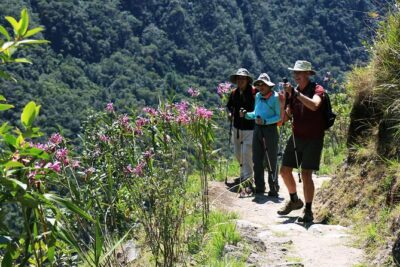
Classic Inca Trail Trek 4D/3N to Machu Picchu (Group Service)
Read our review →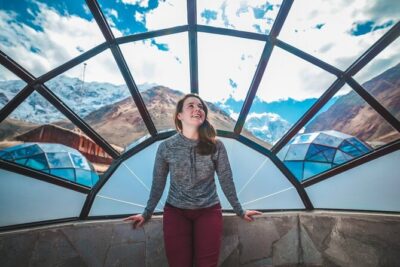
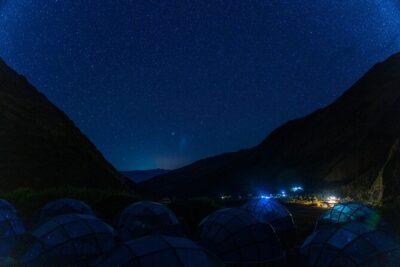
Salkantay Trek 5D/4N with Glass Cabins, Domes and Hobbit House
Read our review →2-Day Inca Trail to Machu Picchu with Panoramic Train
Read our review →
Browse the lists this tour appears in