
Reviewed · CUSCO CITY TOURS
Horseback Riding Plus Tour to Sacsayhuaman, Quenqo, Puka Pucara and Tambomachay
Cusco’s best half-day outings mix ruins with open air. This four-hour tour pairs visits to Sacsayhuaman, Qenqo, Puka Pucara, and Tambomachay with a horseback ride through the hills near the old Inca capital. I like the excellent site-by-site explanations and the chance to see highland scenery from the saddle. I also like that the horses are matched to your experience, so first-time riders are not pushed into anything foolish. The main catch is simple: the ride lasts about one hour to one and a half hours, not most of the tour, and the archaeological entrance ticket costs extra.
The experience works especially well if you want culture and activity in the same morning. Guides such as Benny, Benni, Jenny, and Hogler have been praised for clear English, patient answers, and strong knowledge of Inca architecture and customs. You should still budget separately for the Cusco Tourist Ticket, wear practical clothes, and bring sun protection even on a cloudy day.
In This Review
- Five things to know before you book
- Why this four-hour combination works
- Sacsayhuaman: huge stones and a wide view
- Puka Pucara: a smaller site with a useful purpose
- Tambomachay: water, ritual, and quiet stonework
- Qenqo: a ceremonial site that rewards attention
- The ride at Vieja Estancia Ranch
- What the ride does not include
- Guides who make the history easier to follow
- The $95 price and what you actually receive
- What to wear and bring for the highland setting
- Who should choose this Cusco tour
- My booking advice
- FAQ
- How long does the tour last?
- What archaeological sites does the tour visit?
- Do I ride a horse to the main archaeological sites?
- How long is the horseback ride?
- Is the ride suitable for beginners?
- What is the minimum age?
- What is the maximum rider weight?
- Is the archaeological entrance ticket included?
- What happens if bad weather cancels the tour?
Five things to know before you book
- The horseback ride is a separate part of the tour: Horses cannot be taken through the main archaeological sites, so you travel between the ruins by private car and ride in the surrounding hills.
- The route covers four important sites: Sacsayhuaman, Qenqo, Puka Pucara, and Tambomachay each show a different side of Inca planning, religion, defense, or water management.
- Beginners are welcome: The ride is suited to people with little or no experience, and the pace follows the least experienced rider.
- The guides are a major strength: Benny and Benni have received especially warm praise for making complex Inca history easy to understand.
- The price is $95 per person: That includes transport, a guide, horse equipment, a muleteer, and water, but not the archaeological entrance fee.
- Plan for mountain weather: Wear long pants and closed shoes, bring a rain jacket if rain is likely, and use sunscreen even when clouds cover the sky.
Why this four-hour combination works
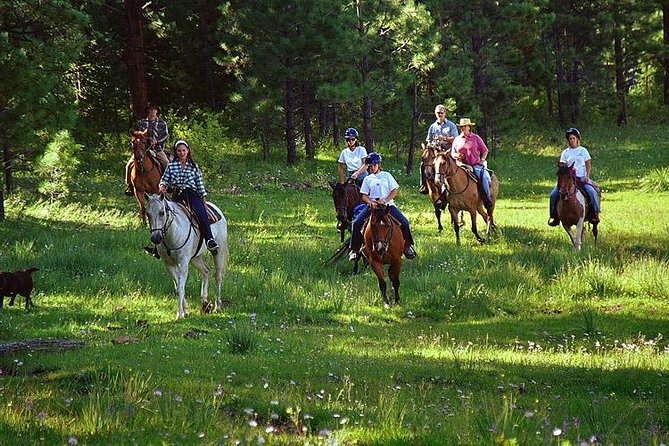
Cusco gives you a lot to see in a small area, but the city’s famous ruins can blur together if you rush from one stone wall to the next. This tour breaks up the history with time outdoors. You spend part of the outing listening to explanations at major sites, then shift to a quieter ride through open country.
I like that balance. The archaeological stops give the day structure, while the ride adds movement and views. You are not simply sitting in a van all morning, but you are also not expected to spend four hours in the saddle.
The private car matters more than it may first appear. The four sites are spread around the hills above and outside Cusco, and the car lets you reach them without spending your energy walking between each one. Hotel pickup and return are included, making this a useful choice near the beginning of a Cusco stay, when you may still be adjusting to the altitude.
The advertised duration is about four hours, though the exact timing can vary. Some outings have included roughly one hour on horseback, while others have taken closer to an hour and a half. The rest of the time goes to transport and visits at the ruins.
More Cusco city tours:
- Cusco: Half-Day City Tour with Sacsayhuaman and Q’enco
★ 4.6 · 1,129 reviews - City Tour Cusco Qoricancha Sacsayhuaman y Tambomachay
★ 4.7 · 617 reviews - Cusco City Tour Four Ruins in Half-Day
★ 5.0 · 530 reviews
Sacsayhuaman: huge stones and a wide view
Sacsayhuaman is usually the most dramatic stop. Its enormous fitted stones show the precision of Inca masonry, while its high position gives you broad views over Cusco and the surrounding mountains.
This is the place where a good guide makes the difference. The stones are impressive on their own, but explanations about construction, religious meaning, and the role of the site help you see more than a collection of walls. Guides on this tour have been praised for handling awkwardly phrased questions and explaining difficult ideas in clear language.
Give yourself time to look beyond the stonework. The setting is part of the experience. From Sacsayhuaman, you can understand why the Incas chose high ground and how closely Cusco is tied to its surrounding hills.
The practical drawback is that the site involves walking on uneven ground. You should wear shoes with rubber soles or proper walking shoes, not smooth fashion sneakers.
Puka Pucara: a smaller site with a useful purpose
Puka Pucara is often less overwhelming than Sacsayhuaman, but it helps fill out the picture of how the Inca road system worked. Its name is commonly translated as Red Fortress, and its position near the route toward the highlands made it an important stopping and control point.
This is a good place to listen closely rather than rush for a grand photo. The remains are smaller, and the visit may feel brief, but the site helps connect Cusco to the wider Inca network. Your guide can explain how travelers, messengers, and officials moved through the region.
The stop also gives you another chance to notice the terrain. The high country around Puka Pucara can feel open and exposed, with changing light and large views. Bring a jacket if the forecast looks unsettled, since conditions can shift quickly around Cusco.
Tambomachay: water, ritual, and quiet stonework
Tambomachay offers a different mood. Water channels and fountains are the focus, and the site is linked with ritual use and the importance of water in Inca life.
After the larger scale of Sacsayhuaman, Tambomachay can feel calmer and more delicate. This is where a guide’s explanation of religious customs is valuable. You can see that Inca sacred places were not all grand fortifications or huge terraces. Some were carefully designed around springs, flowing water, and ceremony.
The visit does not require you to be an archaeology specialist. A clear explanation turns the channels and stone settings into evidence of both engineering skill and belief. If you enjoy understanding why a place mattered, rather than simply photographing it, this stop earns its place on the route.
More horse riding in Cusco:
- Horseback Riding Mystic Tour Temple of the Moon & Chacan Mountain
★ 5.0 · 255 reviews - Horseback Riding Tour to the Devil’s Balcony from Cusco
★ 5.0 · 241 reviews - Horseback Riding & Ancestral Secrets: Moon Temple & Inka Sites
★ 5.0 · 175 reviews - Cusco: 3-Hour Horse Riding Tour to the Temple of the Moon
★ 5.0 · 105 reviews
Qenqo: a ceremonial site that rewards attention
Qenqo, also written Q’enqo, is one of the more intriguing stops because much of its meaning is tied to carved stone and ceremonial spaces. It is not as instantly imposing as Sacsayhuaman, so you will get more from it if you slow down and let the guide point out details.
The site helps explain the religious side of Inca culture. Your guide discusses ceremonies, sacred customs, and the way stone spaces could shape ritual activity. That context keeps the visit from becoming a quick walk around puzzling carvings.
Qenqo also shows why the tour is not simply a horseback excursion. Horses are kept away from the principal archaeological areas to help protect the ground and ruins. That means you see the sites on foot and ride elsewhere, which may differ from what you first picture when you read the tour name.
The ride at Vieja Estancia Ranch
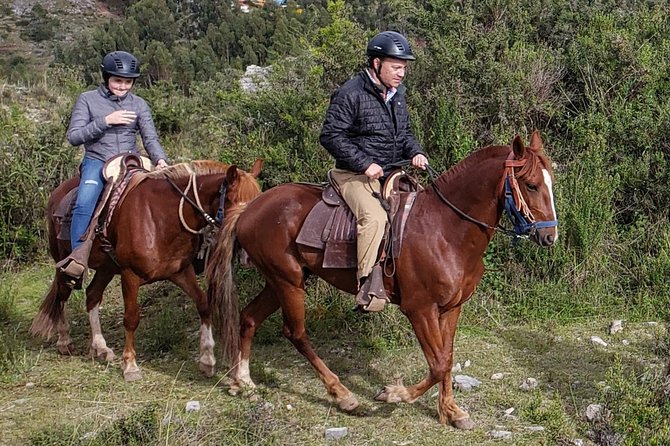
The horseback portion takes place through Vieja Estancia Ranch, in the countryside around Cusco. This is the active heart of the outing. You meet the horses, receive a saddle and safety helmet, and ride with a guide and muleteer who helps care for the animals.
The horses are matched to your experience and confidence. That is important for a family or couple where one person rides often and another is trying it for the first time. Beginners have found the horses calm and comfortable, while experienced riders may be allowed to move a little faster when the route and group permit it.
Do not expect a hard gallop or a long-distance riding expedition. The pace follows the least experienced rider, and the ride is designed to be manageable for a mixed group. From time to time, the horses may trot, giving the outing a little more energy without turning it into a test of riding skill.
The Peruvian horses have a comfortable gait, which is helpful on a route with open views and uneven ground. The setting may include sheep fields, small ruins, and unusual highland scenery. Some people have described the ride as feeling cinematic, but the practical point is simpler: you get a fresh view of the Cusco area that a standard car tour does not provide.
A muleteer accompanies the ride to help care for the horses. That extra person is reassuring, especially if you have little experience. The group can include up to 15 people, though the ride itself may feel more personal when the actual party is smaller.
What the ride does not include
The most important clarification is that you do not ride directly through Sacsayhuaman, Qenqo, Puka Pucara, or Tambomachay. You visit those sites by car and on foot, then ride in the nearby countryside.
That arrangement is sensible. Horse hooves can damage archaeological soil, and the sites need protection. Still, you should set the right expectation before booking. If your dream is several hours on horseback among the main ruins, this is not that tour.
Instead, think of it as two connected experiences: a guided archaeological circuit and a shorter countryside ride. That format suits you if you want variety. It may disappoint you if riding is the main reason you are booking.
Guides who make the history easier to follow
The guide can shape the entire morning. Benny and Benni have been singled out for warm, courteous teaching and clear answers. Jenny has also been praised for making the outing special, while Hogler has been recognized for explaining Inca architecture and archaeology in an accessible way.
The strongest pattern is not simply factual knowledge. It is the ability to explain without making you feel foolish for asking a basic question. That matters in Cusco, where names, dates, religious ideas, and architectural terms can become a jumble.
You should expect explanations at each archaeological stop, along with discussion of Inca history and customs. Some visits are not overly long, which helps keep the four-hour schedule moving. If you want an academic lecture at every site, the pace may feel light. If you want useful context without spending an entire day indoors, it is a good fit.
The $95 price and what you actually receive
At $95 per person, this is not the cheapest way to see the four sites. The price includes a professional guide, private-car transport, a saddle, a safety helmet, a muleteer, and mineral or natural water. Hotel pickup and return are also part of the service.
The Cusco Tourist Ticket is not included. One account puts the additional fee at about 70 soles, while the operator describes the archaeological entrance cost as around $20. Treat that charge as a separate expense and confirm the current amount when you arrange your visit.
There is also a small issue with the advertised snacks. Snacks are described among the highlights, but the included items specifically name water rather than food. One person did not receive snacks. I would bring a small snack of your own, especially if you are sensitive to altitude or tend to get hungry between meals.
The value is strongest if you would otherwise pay for separate transport and a guide. You get four sites, a private car, equipment, and a riding session in one half-day. The value is weaker if you only want horseback riding, since the saddle time is limited.
What to wear and bring for the highland setting
Take the clothing advice seriously. Wear long pants, preferably jeans, and closed shoes with rubber soles or walking shoes. You will be around horses and uneven archaeological ground, so sandals and loose clothing are poor choices.
Bring a rain jacket if the forecast shows a real chance of rain. Sunscreen is also essential. One rider regretted skipping it because the day was cloudy, a common mistake at high altitude where cloud cover does not remove strong sun.
Leave jewelry and valuables at home or in your hotel. The advice is practical, not dramatic. Horseback riding is easier when nothing can catch on tack, clothing, or a branch.
The maximum weight is 200 pounds, or 90 kilograms. The minimum age is six. Most people can participate, including those with little or no riding experience, but you should be comfortable sitting on a horse and walking around uneven sites.
The guide carries a first aid kit for emergencies. The guide is not authorized to give medication outside the limits of first aid, so carry any personal medicines you may need.
Who should choose this Cusco tour
I would choose this outing if you want a half-day that combines major sights, clear explanations, and an outdoor activity. It is particularly well suited to families with older children or teenagers, couples with different riding abilities, and first-time riders who want a gentle introduction.
It also works for an experienced rider who is happy with a controlled group pace. You may get a chance to let the horse move faster, but you should not book this expecting a full riding day.
The tour is less suitable if you dislike organized schedules, want to spend a long time at each ruin, or need an exact riding duration. It is also not ideal if the extra entrance fee pushes your budget too far.
The tour requires good weather. If poor weather forces cancellation, you can choose another date or receive a full refund. For your own planning, keep the weather policy in mind during Cusco’s changeable seasons.
My booking advice
Book this tour if you want the four classic nearby Inca sites explained by a strong guide and you like the idea of adding a scenic, beginner-friendly ride. The combination is the reason to choose it. The horseback session gives the morning a different rhythm, while the ruins provide substance and context.
Skip it if you mainly want hours in the saddle. In that case, look for an experience built around riding rather than archaeology.
At $95, I consider it fair value when private transport, equipment, guide service, and horse care are important to you. Just add the entrance ticket, bring your own snack, and expect about an hour of riding rather than a full riding adventure. If that sounds like your kind of Cusco morning, this is an easy tour to recommend.
FAQ
How long does the tour last?
The tour lasts approximately four hours.
What archaeological sites does the tour visit?
It visits Sacsayhuaman, Puka Pucara, Tambomachay, and Qenqo.
Do I ride a horse to the main archaeological sites?
No. You visit the main sites by private car and on foot. The horseback ride takes place around Vieja Estancia Ranch and the surrounding countryside.
How long is the horseback ride?
The riding portion is generally about one hour to one and a half hours, depending on the outing.
Is the ride suitable for beginners?
Yes. The activity is suitable for people with little or no horseback-riding experience. The pace follows the least experienced rider.
What is the minimum age?
The minimum age is six years old.
What is the maximum rider weight?
The maximum weight is 200 pounds, or 90 kilograms.
Is the archaeological entrance ticket included?
No. The Cusco Tourist Ticket is not included and must be paid separately.
What happens if bad weather cancels the tour?
If poor weather causes cancellation, you can select another date or receive a full refund. Cancellations made at least 24 hours before the start time also qualify for a full refund. Cancellations within 24 hours are not refunded.
Just added in Cusco
- Best Cusco walking tour: dinner street food tasting★ 4.5 · 11 reviews
- Cusco Private Transportation for 2026★ 5.0 · 4 reviews
- Private Transfer from Airport to Hotel in the City of Cusco★ 4.0 · 5 reviews
- Private Tour to Pisac Market and Pisac Ruins★ 5.0 · 4 reviews
- Machu Picchu Day Trip With Panoramic Train from Cusco★ 5.0 · 10 reviews
- Sacred Valley Private Tour from Cusco, Guide and Driver only★ 5.0 · 4 reviews
- Sacred Valley of the Incas Tour★ 5.0 · 12 reviews
- Private Tour of the Mountain of Colours by Quad★ 5.0 · 7 reviews
Cusco City Tours, compared.
Half-Day City Tour with Sacsayhuaman and Q’enco
Read our review →
City Tour Cusco Qoricancha Sacsayhuaman y Tambomachay
Read our review →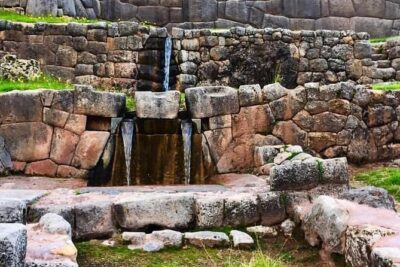
Cusco City Sightseeing, San Pedro Market, Cathedral and Qorikancha Temple
Read our review →
Cusco City Sightseeing and Sacsayhuaman Archeological Park Tour
Read our review →
Cusco 4-Hour Private Tour Including Sacsayhuaman and Qenqo
Read our review →
Browse the lists this tour appears in